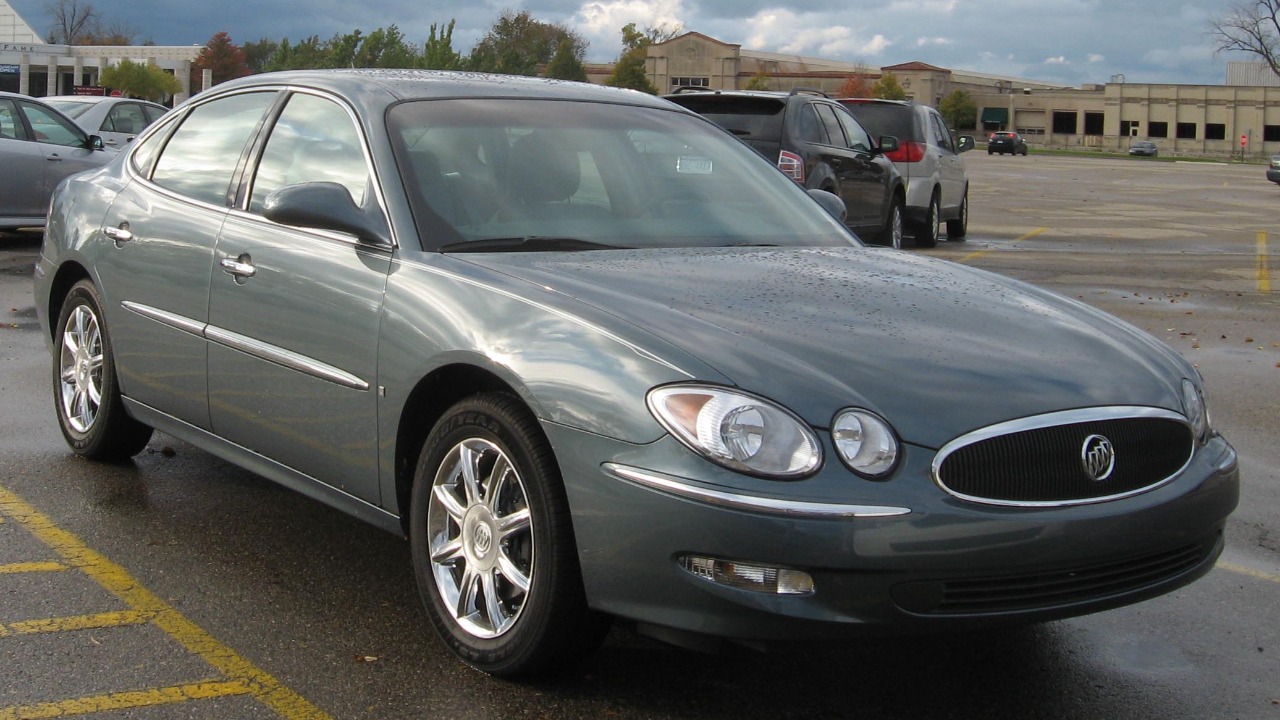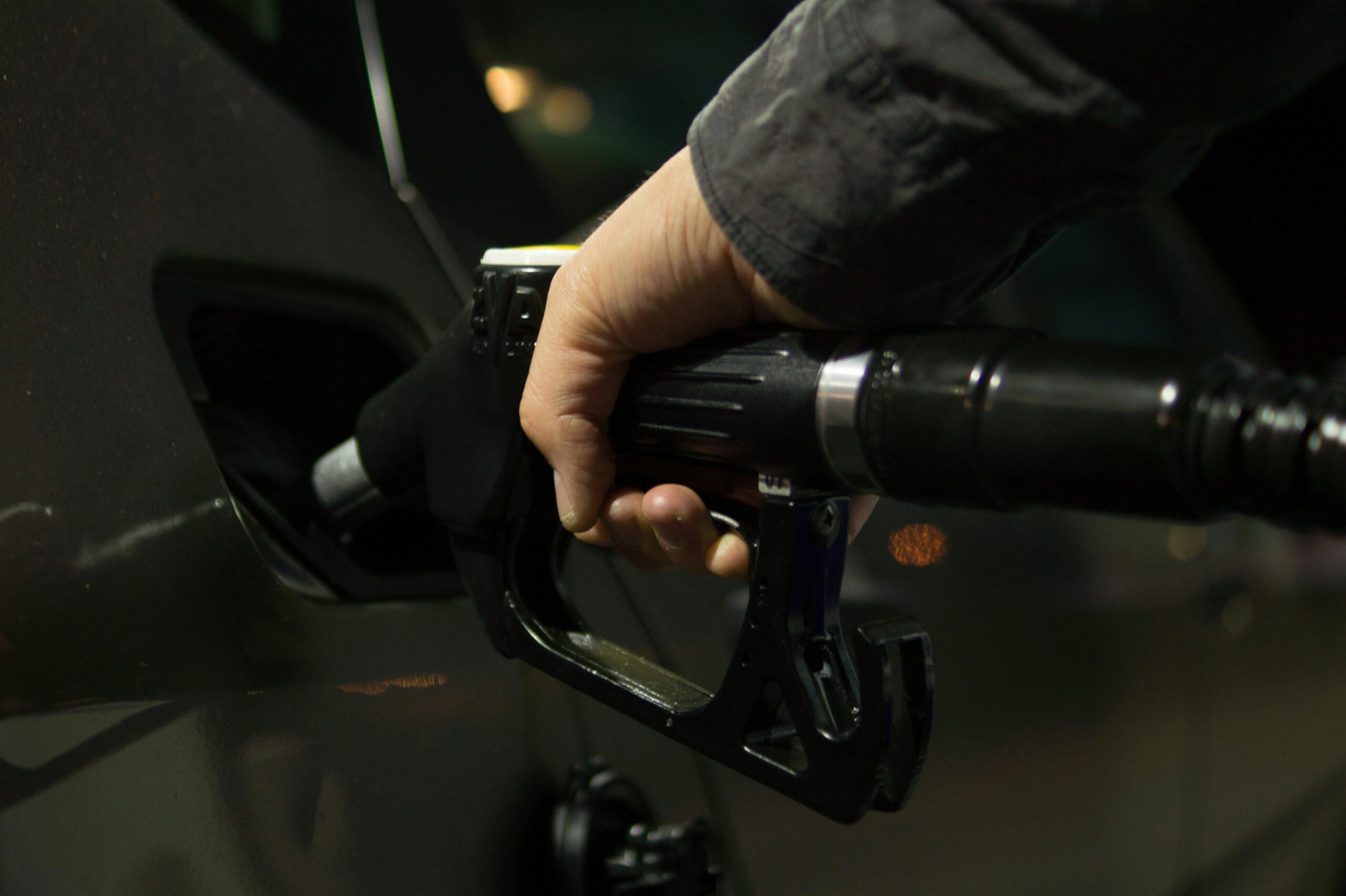
It started as one of those throwaway errands that barely registers: “I’m just running out to get gas.” No dramatic exit, no suspicious phone call, no overnight bag. But when the car rolled back into the driveway, the numbers on the dash told a different story, and the mileage didn’t match the quick trip everyone expected.
What followed wasn’t a movie-style confrontation with slammed doors and shouted accusations. It was something more familiar and, honestly, more relatable: a quiet moment with a receipt, a dashboard display, and a nagging sense that the math wasn’t mathing. In a time when people track packages to the minute and watch their phone battery percentages like stock prices, it turns out a fuel gauge can spark a whole lot of questions, too.
A “Quick Trip” That Wasn’t So Quick
The errand sounded simple. A low tank, a short drive, back in time for whatever the evening held—dinner, chores, maybe a show. The kind of thing couples have said to each other a thousand times without a second thought.
But later, while tidying up and moving the car keys, the odometer caught an eye. The distance added since the last drive was noticeably higher than what a run to the nearest station would require. It wasn’t a mile or two of detour, either; it was the kind of extra mileage that suggests an entirely different destination.
The Tiny Clues People Actually Notice
There’s a certain irony in how everyday details become suspicious only after the fact. The way the car smells slightly different. The time stamp on a receipt. The station location printed in tiny letters near the bottom, like it’s trying not to be involved.
Modern cars make this even easier, whether anyone asked for it or not. Trip histories, mileage counters, “since last refuel” stats—little data points sitting quietly until someone gets curious. In this case, the mileage was loud enough on its own, and it raised the simplest question: if the goal was gas, why was the trip shaped like something else?
Why Gas Trips Raise Eyebrows in the First Place
“Getting gas” is one of the most universally believable reasons to leave the house. It’s quick, it’s routine, and nobody expects a detailed itinerary for it. It also happens to be a convenient cover for anything that requires a brief disappearance—buying a surprise gift, clearing your head, picking up fast food you don’t want to share, or yes, meeting someone.
That doesn’t mean every extra mile is a betrayal in progress. Sometimes people take the long way because traffic is awful, because a particular station has better prices, or because they want a few minutes alone where no one needs them. Still, when the story and the numbers don’t line up, it’s normal for the mind to fill in the blank with the worst possible ending.
The Conversation That Comes After the Dashboard
When something like this happens, a lot of people get stuck on the same fork in the road: confront immediately, or gather more information and risk spiraling. The confront-now approach has the advantage of being direct, but it can also turn into a messy debate over facts that haven’t been clarified. The investigate-more route might feel safer, but it can slide into paranoia fast.
What’s often most effective is surprisingly plain: ask about it the way you’d ask about any odd detail. Not “Where were you really?” but “Hey, I noticed the trip was longer than the station run—did something come up?” It sounds simple, but tone matters, and curiosity lands differently than an accusation.
Common Explanations That Aren’t Automatically Sinister
Extra mileage can come from boring, everyday stuff. A closed road forces a detour, a line at one station prompts a drive to another, or someone remembers they need an item from the pharmacy and tacks it on. Even a few wrong turns add up quickly if the driver’s distracted or trying to avoid traffic.
There are also the emotional reasons people don’t always say out loud. Some folks go for a drive when they’re stressed because it’s a private space that doesn’t ask questions. A twenty-minute “gas run” can quietly become an hour of sitting in a parking lot, listening to the radio, and staring into the middle distance like it’s a hobby.
When the Details Start Stacking
The mileage alone might’ve been easy to shrug off. But these situations rarely stay isolated—people start noticing patterns. The “quick” errand happens more often, the timing becomes oddly consistent, or there’s a new protectiveness around a phone or schedule.
That’s when it stops being about a single gas trip and starts being about trust. Trust isn’t just about whether someone cheated; it’s about whether the person you live with is being straight with you in the small moments. And once that feeling wobbles, even normal behavior can feel like it’s hiding something.
Receipts, Locations, and the Strange Modern Trail
One of the weirder parts of contemporary life is how many breadcrumbs get left behind without anyone trying. Credit card transactions show exact station addresses. Phones remember locations. Cars log routes. Even loyalty programs can quietly track when and where a purchase was made.
None of that is inherently bad, but it changes how couples argue. Instead of “I know what I saw,” it becomes “The data says otherwise,” which is a very unromantic sentence to say to someone you share a laundry basket with. And yet, it’s exactly the kind of sentence people end up saying when the mileage tells a story that doesn’t match the one they were told.
What Relationship Experts Often Recommend in These Moments
Therapists and counselors tend to focus less on playing detective and more on the communication pattern underneath it. If someone feels the need to lie about a small errand, the “why” matters. Is it fear of conflict? A desire for privacy that hasn’t been respected? A habit of avoiding accountability? Or something more serious?
A clear request helps more than a trap. Asking for honesty, stating what was noticed, and explaining what it brought up emotionally can open a conversation without turning it into an interrogation. And if the answer doesn’t make sense, it’s okay to say so—calmly, plainly, and without trying to win a courtroom drama that’s happening in the kitchen.
The Bigger Question: What Does “Normal” Transparency Look Like?
Every couple draws the line differently between privacy and secrecy. Some share locations and passwords; others don’t, and they’re perfectly fine. Trouble starts when one person thinks they’re operating under “we tell each other the basics,” and the other is living by “I don’t owe details.”
This is why a mileage mismatch can hit so hard—it’s not just about a car ride. It’s about whether both people agree on what honesty looks like in everyday life. And if they don’t, a simple errand can turn into a referendum on the whole relationship.
When a Gas Run Turns Into a Reality Check
Sometimes the explanation is mundane and the worry dissolves. Other times, the conversation reveals a gap that’s been growing for a while: avoidance, resentment, loneliness, or choices someone doesn’t want to admit. Either way, the moment tends to linger, because once you notice the mileage, you start noticing everything else.
And maybe that’s the real headline here. Not that a person said they were getting gas, but that the smallest stories we tell each other are often the ones that hold our day-to-day trust together. When those stories don’t add up, it’s less about the trip and more about where things are headed next.
More from Fast Lane Only
- Unboxing the WWII Jeep in a Crate
- 15 rare Chevys collectors are quietly buying
- 10 underrated V8s still worth hunting down
- Police notice this before you even roll window down
*Research for this article included AI assistance, with all final content reviewed by human editors.