Few badges carry as much weight in the performance world as GT-R. What started as a track-focused offshoot of the Nissan Skyline evolved into one of the most respected names in motorsport and street racing alike. From its humble roots in the late ’60s to today’s high-tech twin-turbo beasts, the GT-R has always found ways to punch above its weight—and sometimes embarrass cars twice its price.
These 10 GT-Rs didn’t just make headlines—they moved the needle. Whether by redefining all-wheel drive, proving turbocharging belonged on the street, or simply dominating the Nürburgring, each one changed the game in its own way.
1. 1973 Nissan Skyline GT-R (Kenmeri)
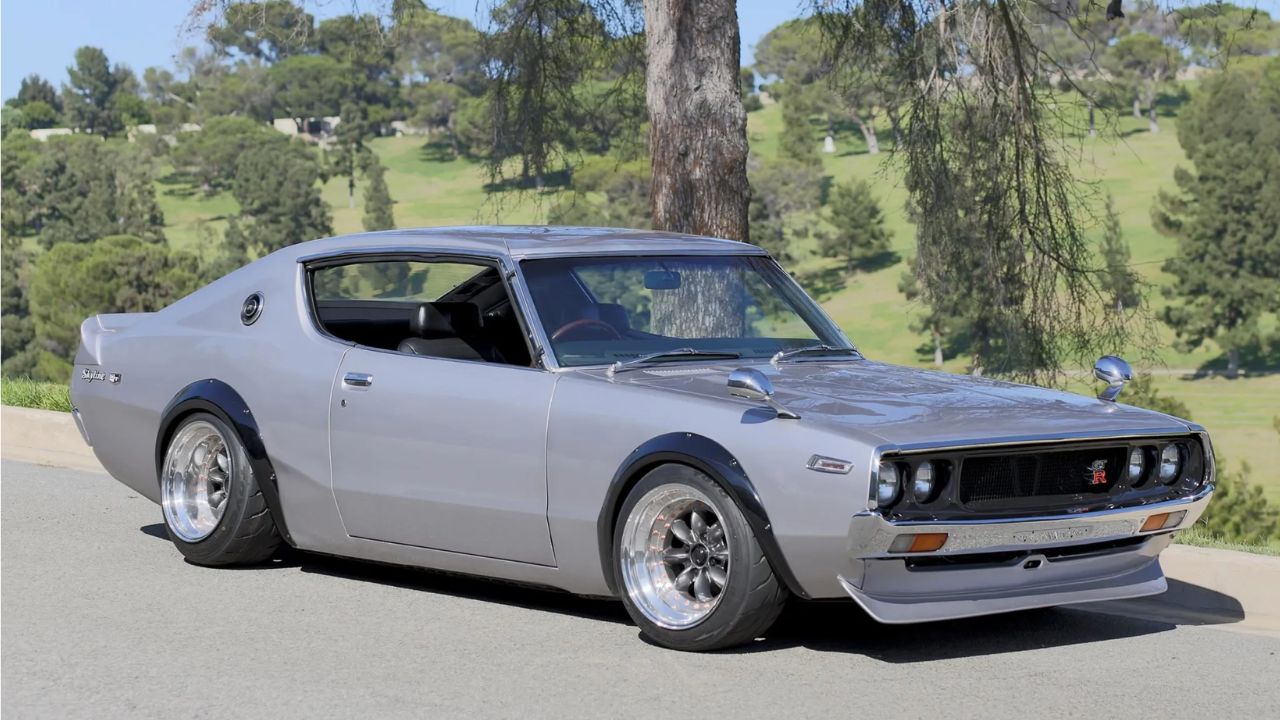
Short-lived but hugely influential, the Kenmeri GT-R took the formula from the Hakosuka and gave it sleeker styling and a coupe-only body. The S20 engine and rear-drive layout carried over, but emissions and fuel crises meant this car had a production run of just 197 units.
It never got to race like its predecessor, but its rarity and sharp lines made it a cult icon. Today, it’s one of the most collectible Japanese cars around—and a bridge between the original GT-R and the turbocharged monsters that followed.
2. 1969 Nissan Skyline GT-R (Hakosuka)
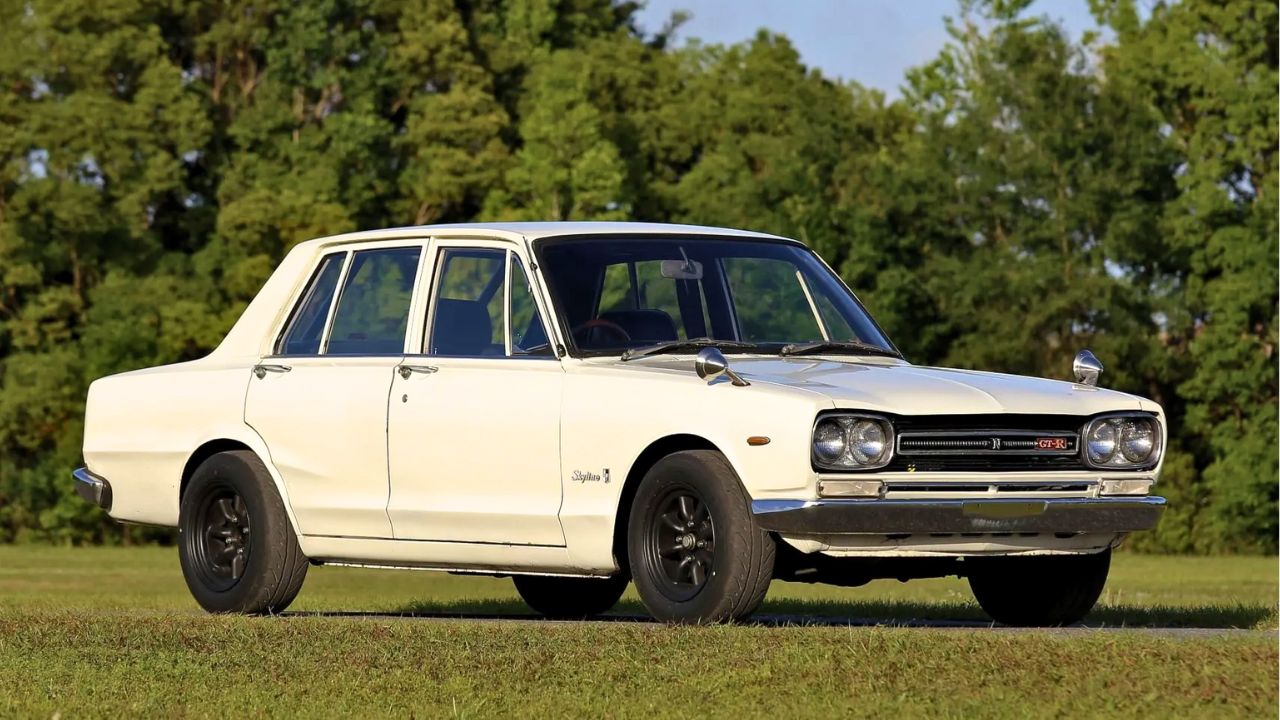
The car that started it all. The original GT-R wasn’t a global icon yet—it was a boxy four-door built for Japanese touring car dominance. Later, it was offered as a two-door coupe, both powered by a 2.0L DOHC inline-six (S20) making 160 hp and 130 lb-ft.
What made it special wasn’t just power—it was how it used it. The Hakosuka was light, agile, and balanced, thanks to independent rear suspension and front struts. It dominated domestic racing and gave Nissan a platform that would evolve into something much bigger.
3. 1989 Nissan Skyline GT-R (R32)

This is the one that earned the “Godzilla” nickname. The R32 Skyline GT-R came loaded with tech: a 2.6L twin-turbo inline-six (RB26DETT), ATTESA E-TS all-wheel drive, and the Super-HICAS four-wheel steering system.
Rated at 276 hp (though unofficially more), the R32 rewrote the rulebook for Japanese performance cars. It won 29 of 29 races in JTCC and embarrassed more powerful rivals on the street and track. Lightweight, razor-sharp, and built like a scalpel—it was the rebirth of the GT-R name for a new era.
4. 1995 Nissan Skyline GT-R (R33)

The R33 GT-R didn’t always get the credit it deserved—mostly because it followed the legendary R32. But it brought real improvements, including better aerodynamics, a more refined chassis, and upgraded safety and comfort features.
It still used the RB26DETT and ATTESA all-wheel drive system, but with added weight and a slightly longer wheelbase, it was more stable at high speed. On the Nürburgring, it became the first production car to break the 8-minute barrier, proving it was more than just a highway cruiser.
5. 1999 Nissan Skyline GT-R (R34)
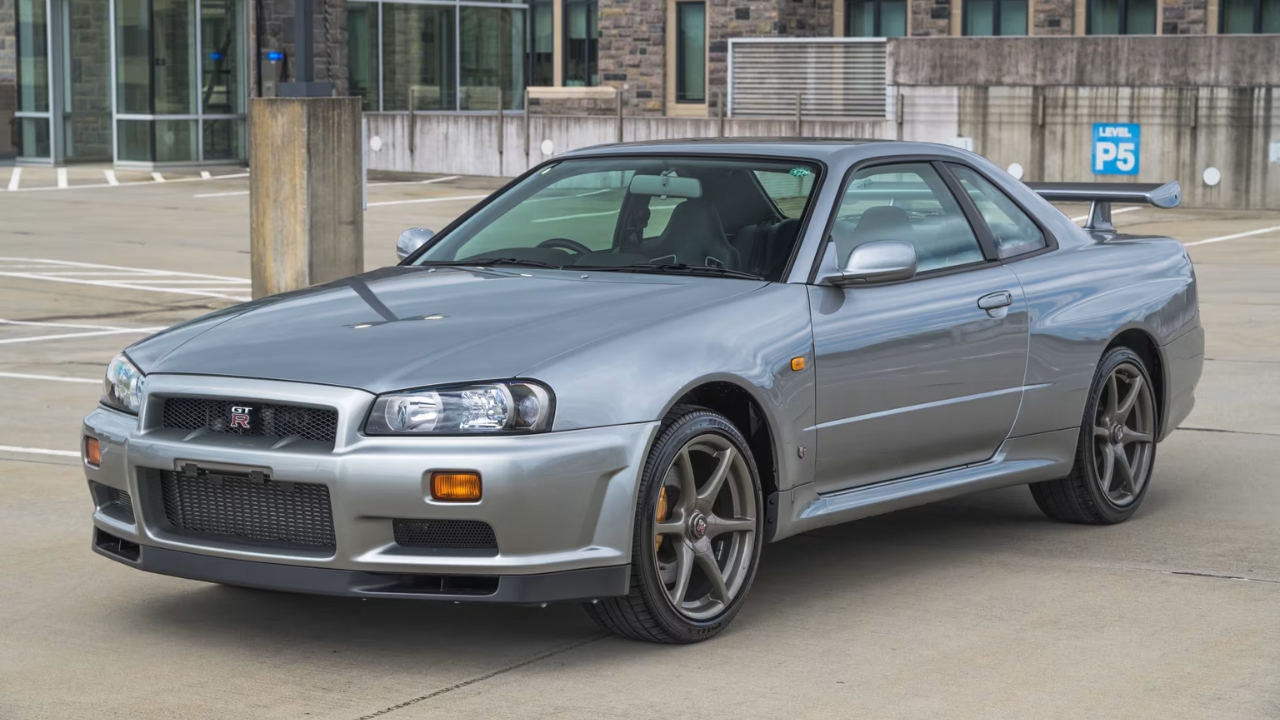
The R34 GT-R struck a perfect balance between analog feel and digital precision. It kept the RB26DETT, but paired it with a Getrag 6-speed gearbox and a revised version of the ATTESA E-TS Pro AWD system. The in-dash multifunction display gave live readouts of boost, throttle, and more.
Shorter and sharper than the R33, it had better balance and even quicker reflexes. While never officially sold in the U.S., it gained legendary status through Fast & Furious and Gran Turismo. For many, the R34 represents the peak of the GT-R bloodline.
6. 2007 Nissan GT-R (R35)
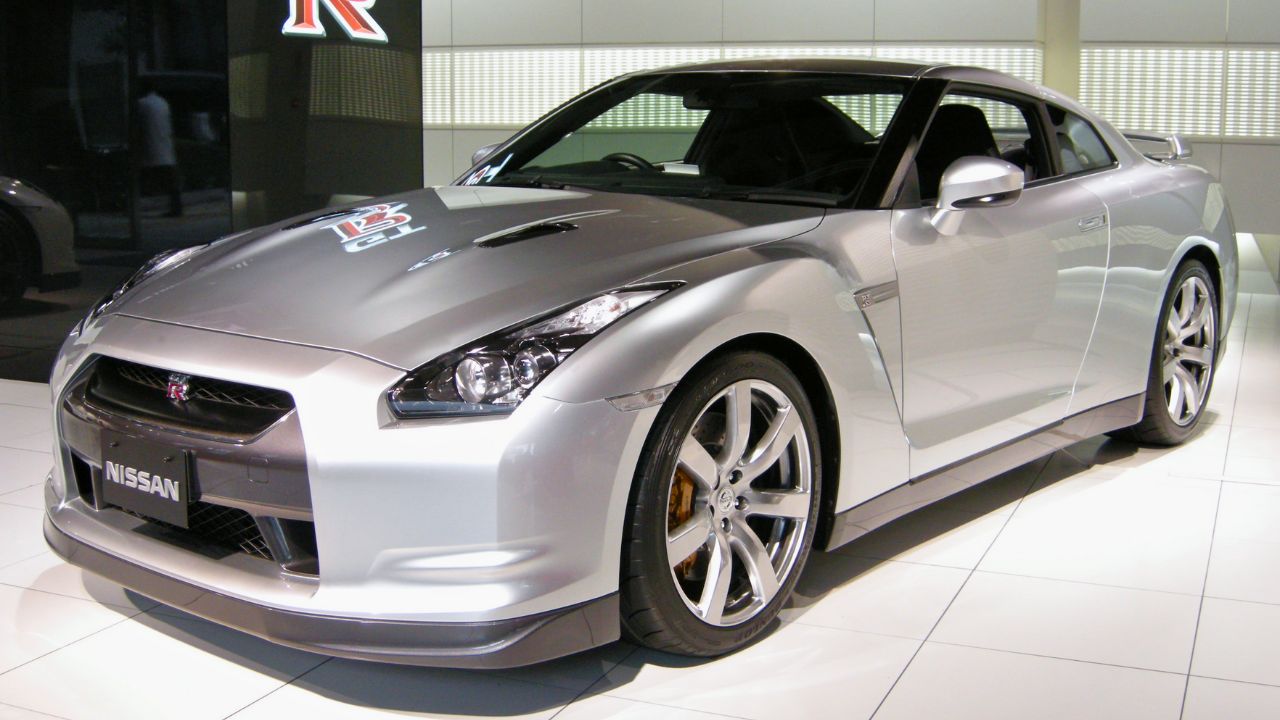
When the R35 dropped the “Skyline” name, it marked a shift in how Nissan approached performance. Out went the RB engine, in came the VR38DETT—a 3.8L twin-turbo V6 making 480 hp at launch. It featured a rear transaxle, dual-clutch transmission, and a rigid chassis tuned for serious grip.
It wasn’t pretty or light, but it was devastatingly quick. 0–60 in under 3.5 seconds and Nürburgring times that embarrassed far pricier cars made it a global phenomenon. It redefined what “supercar killer” really meant.
7. 2012 Nissan GT-R Black Edition

The Black Edition was more than a trim package. It featured a revised suspension tune, lighter Rays forged wheels, and Recaro sport seats inside. The VR38DETT was bumped to 545 hp, and the dual-clutch gearbox was reprogrammed for faster shifts.
Performance was relentless. It could hit 60 in under 3 seconds, and the added suspension stiffness made it sharper in the corners. It wasn’t as raw as earlier cars, but it showed Nissan was still committed to evolving the GT-R into something truly world-class.
8. 2014 Nissan GT-R NISMO

The NISMO took everything Nissan had learned from motorsports and baked it into the GT-R. With 600 horsepower, stiffer chassis bracing, reworked suspension, and carbon fiber aero upgrades, it became the most hardcore production GT-R ever built.
Its Nürburgring time of 7:08 was proof it could hang with hypercars. It wasn’t exactly forgiving—especially on rough roads—but it was brutally effective. It was also expensive, pushing the GT-R into six-figure territory, but for performance, it was money well spent.
9. 2020 Nissan GT-R 50th Anniversary Edition

To mark half a century of the GT-R nameplate, Nissan released a limited-run 50th Anniversary Edition. It featured heritage color schemes—like Bayside Blue—exclusive interior stitching, and anniversary badging, but mechanically, it remained close to the standard 565-hp Premium trim.
It was a nod to the legacy, rather than a new performance benchmark. Still, it gave long-time fans something to celebrate while reminding the world that GT-R wasn’t going anywhere just yet.
10. 2024 Nissan GT-R T-spec

The T-spec trim brought back some classic GT-R flavor. Painted in iconic shades like Midnight Purple and Millennium Jade, it paired visual nostalgia with a slightly reworked chassis, carbon-ceramic brakes, and wider front fenders from the NISMO.
While still packing the 565-hp VR38, the T-spec wasn’t about chasing new records—it was about giving buyers a GT-R that looked and felt special. It bridged the gap between old-school style and modern tech, showing that the GT-R still had a few tricks left after 15 years in production.
*Created with AI assistance and editor review.