Some performance cars never fully blended into mainstream automotive culture. They stayed loud, aggressive, controversial, or unapologetically wild long after their release dates passed. Whether through outrageous styling, intimidating power, or anti-establishment attitudes, these machines continued feeling rebellious even as the industry evolved around them. Decades later, they still carry the spirit of defiance that made enthusiasts fall in love with performance cars in the first place.
Lamborghini Countach LP400
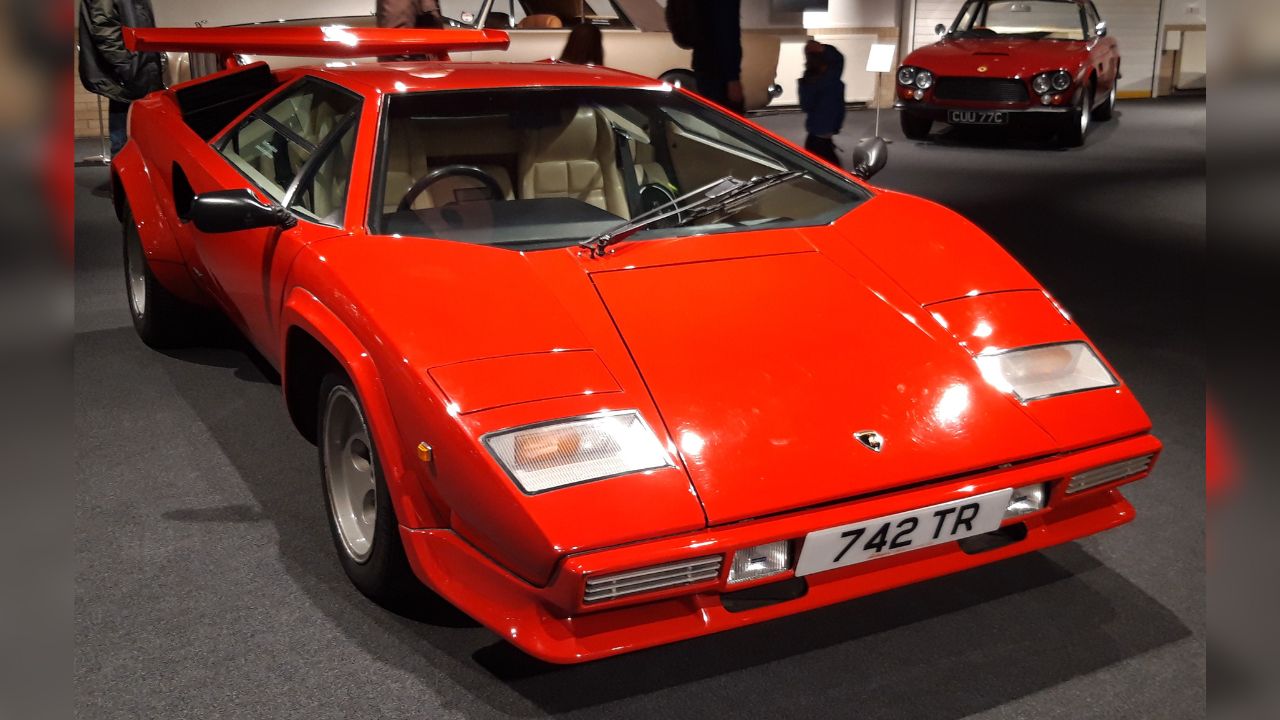
The Lamborghini Countach LP400 looked rebellious from every angle with its impossibly low body, scissor doors, and futuristic wedge styling that shocked the automotive world during the 1970s. Driving the Countach demanded patience and bravery because visibility, cabin comfort, and maneuverability were all sacrificed for drama and speed. Its wild appearance turned it into a rolling symbol of excess and rule-breaking automotive design that still feels outrageous decades later.
Buick GNX
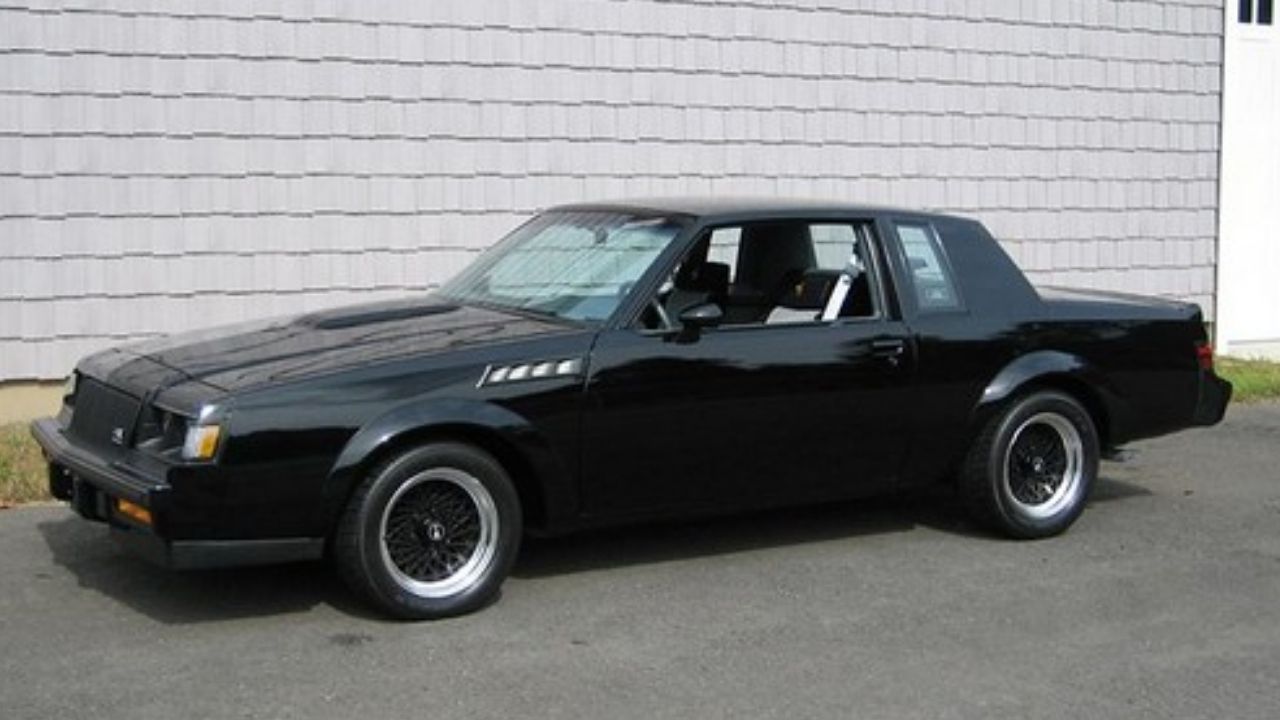
The Buick GNX became rebellious because it completely ignored expectations surrounding Buick’s conservative luxury image. Instead of soft cruising comfort, the GNX delivered brutal turbocharged acceleration capable of embarrassing exotic sports cars during the late 1980s. Its sinister black paint and understated styling made it feel like an outlaw machine hiding enormous performance beneath a quiet appearance. The GNX still represents one of Detroit’s boldest and most unexpected performance statements.
BMW E28 M5
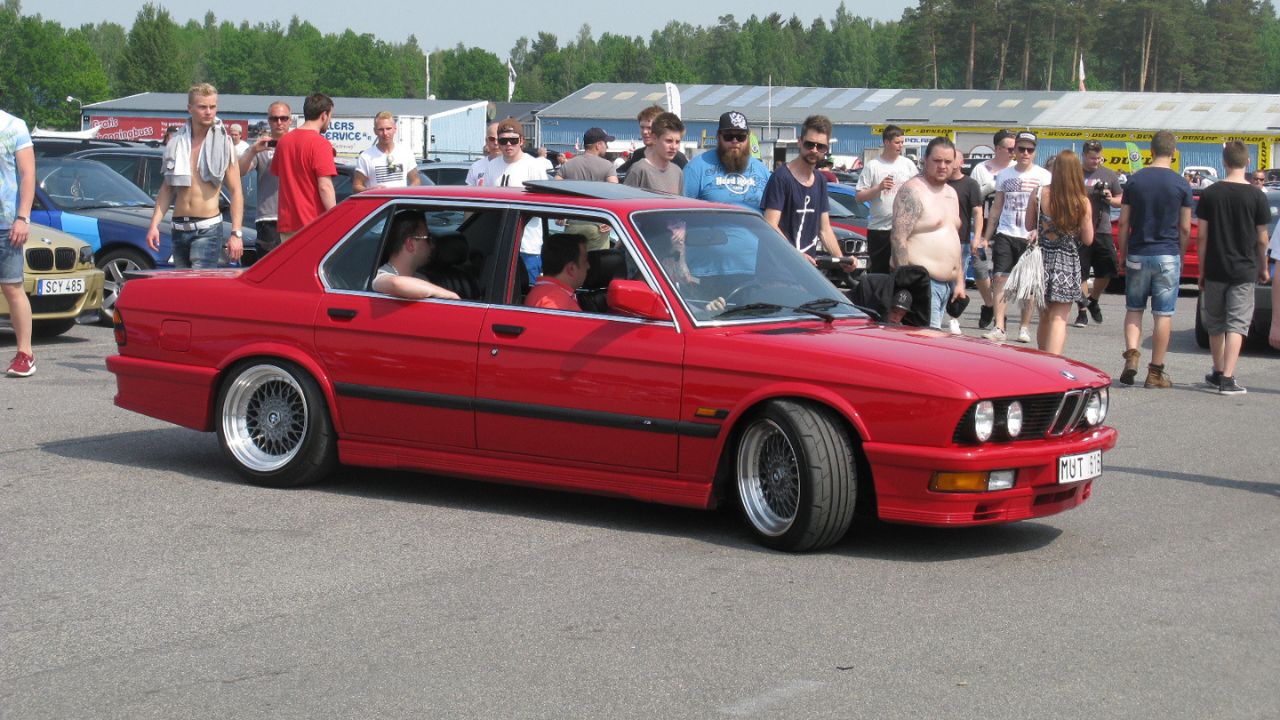
The BMW E28 M5 challenged traditional performance ideas by proving a practical four-door sedan could outrun many dedicated sports cars. Instead of flashy styling, the E28 M5 relied on understated appearance and sophisticated engineering to create its rebellious personality. Drivers loved the idea of humiliating more exotic-looking rivals while carrying passengers comfortably. Its combination of subtlety and serious performance helped create the modern super-sedan formula that still dominates today.
Dodge Viper RT/10

The Dodge Viper RT/10 refused to compromise for comfort, refinement, or electronic safety systems. With massive V10 power, no traction control, and a brutally hot cabin, the Viper felt intentionally aggressive toward its own driver. Dodge built it specifically to recreate the dangerous spirit of classic American performance cars rather than soften the experience for modern audiences. Even now, the RT/10 feels rebellious because it ignores nearly every modern automotive trend.
Lancia Stratos HF
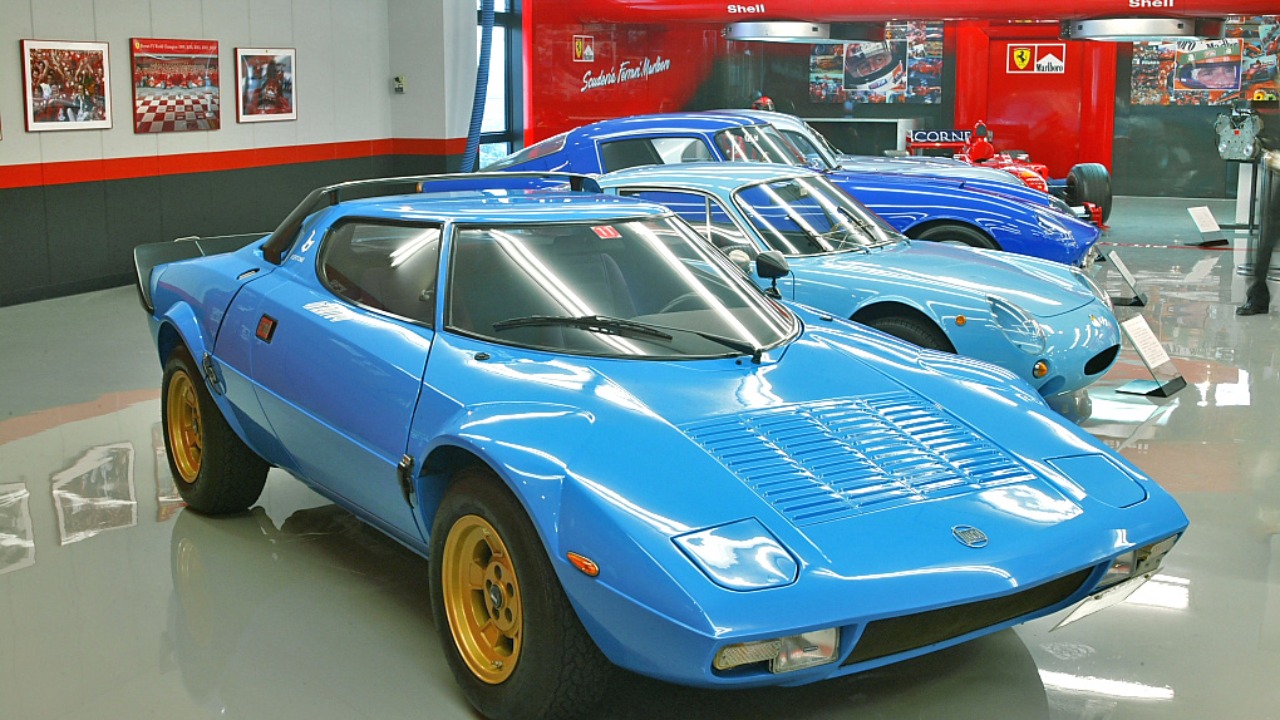
The Lancia Stratos HF looked rebellious because it barely resembled a normal road car at all. Built specifically for rally domination, the Stratos featured a short wheelbase, dramatic wedge styling, and a Ferrari-derived V6 engine mounted behind the driver. Its unpredictable handling and compact dimensions made it both feared and respected in motorsport. The Stratos still feels rebellious because it prioritized competition performance over everyday practicality entirely.
Pontiac Firebird Trans Am WS6
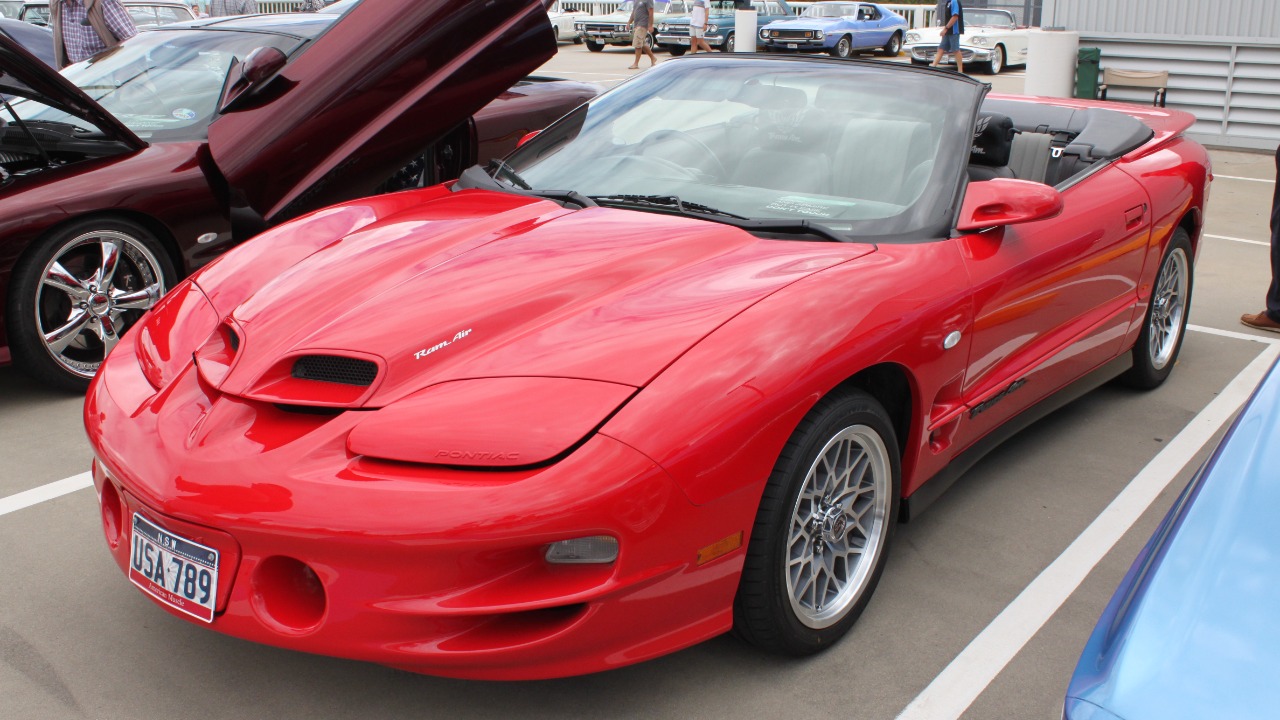
The Pontiac Firebird Trans Am WS6 carried rebellious energy into the late 1990s and early 2000s through aggressive styling, ram-air induction, and powerful LS-based V8 performance. Its low stance and loud personality stood apart from increasingly conservative performance cars of the era. Drivers appreciated the WS6 for maintaining old-school muscle-car attitude during a time when many manufacturers focused heavily on refinement and subtlety instead.
Renault 5 Turbo

The Renault 5 Turbo transformed an ordinary economy hatchback into one of the wildest homologation specials ever built. Renault completely reengineered the small car by relocating the turbocharged engine behind the driver and widening the body dramatically for rally competition. The result looked unstable, aggressive, and almost absurd compared to normal road cars. Its bizarre engineering and explosive turbocharged power still make it feel gloriously rebellious today.
Chevrolet Corvette ZR-1 C4
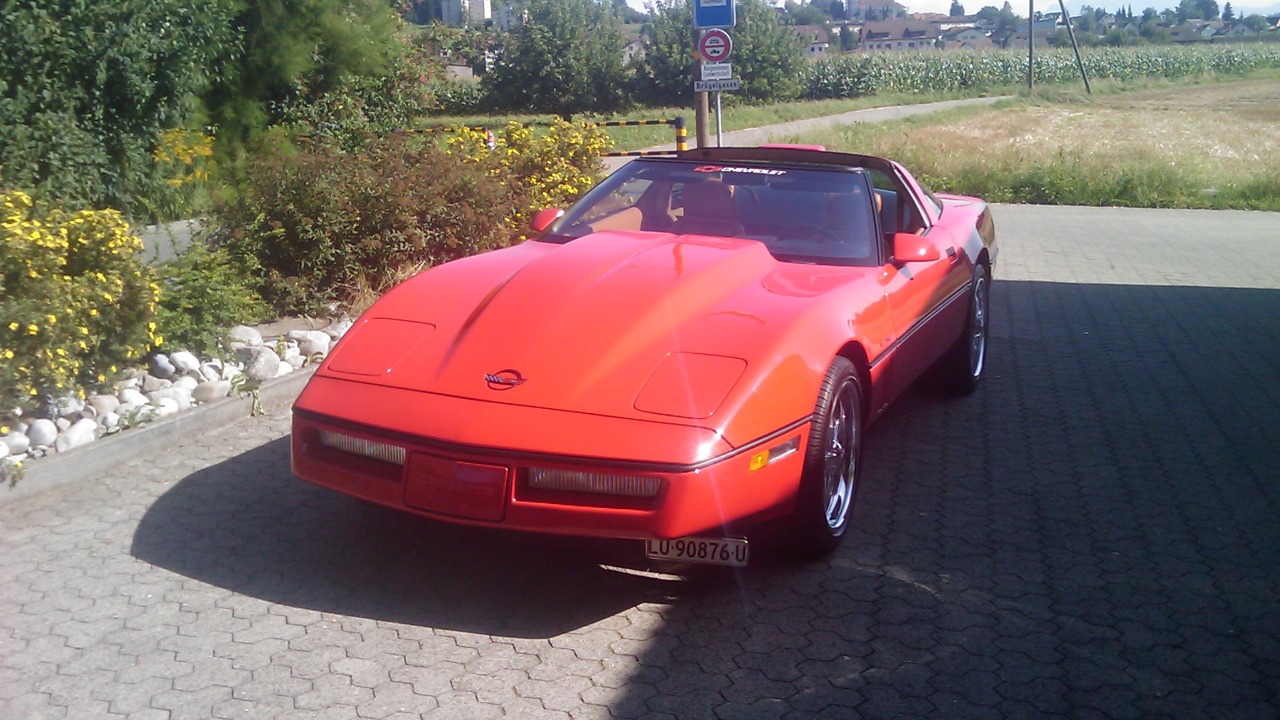
The Chevrolet Corvette ZR-1 C4 shocked enthusiasts because it pushed the Corvette into sophisticated high-performance territory during the early 1990s. The Lotus-designed DOHC V8 engine delivered serious speed capable of competing internationally, while the car’s aggressive styling and advanced engineering challenged assumptions about American sports cars. The ZR-1 felt rebellious because it refused to remain a traditional straight-line muscle machine and instead aimed directly at European performance rivals.
Mitsubishi Starion ESI-R
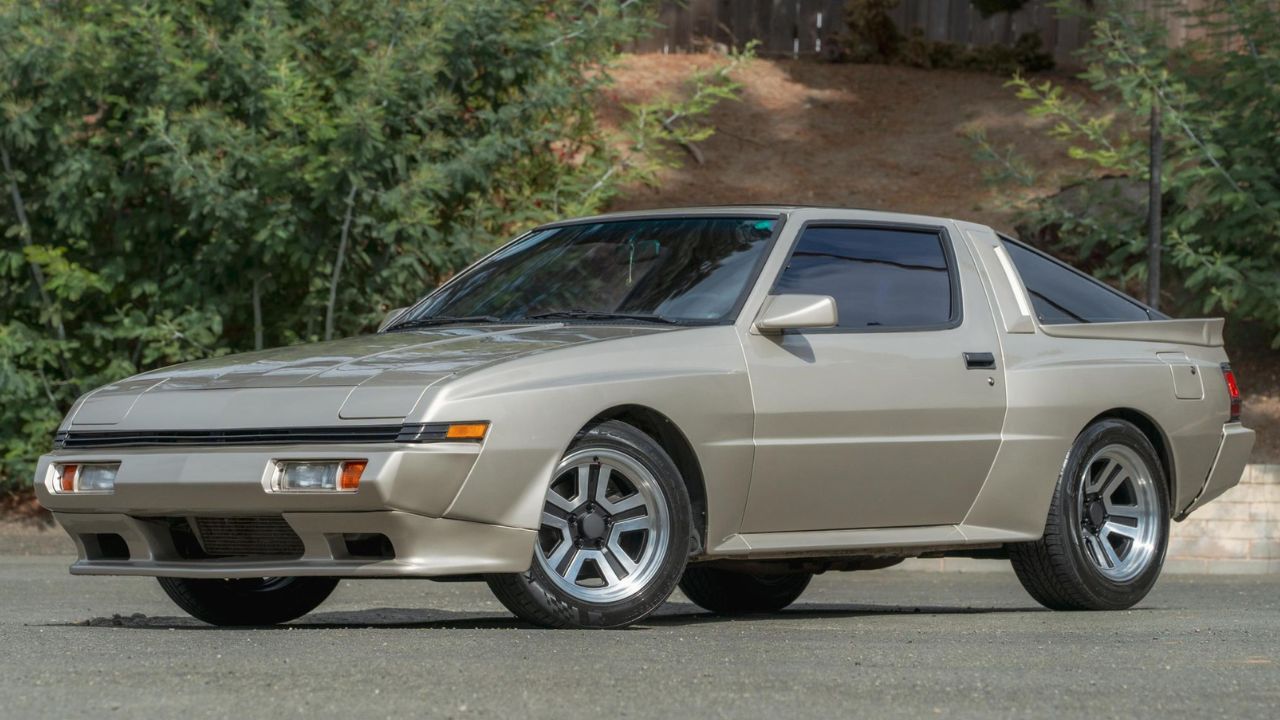
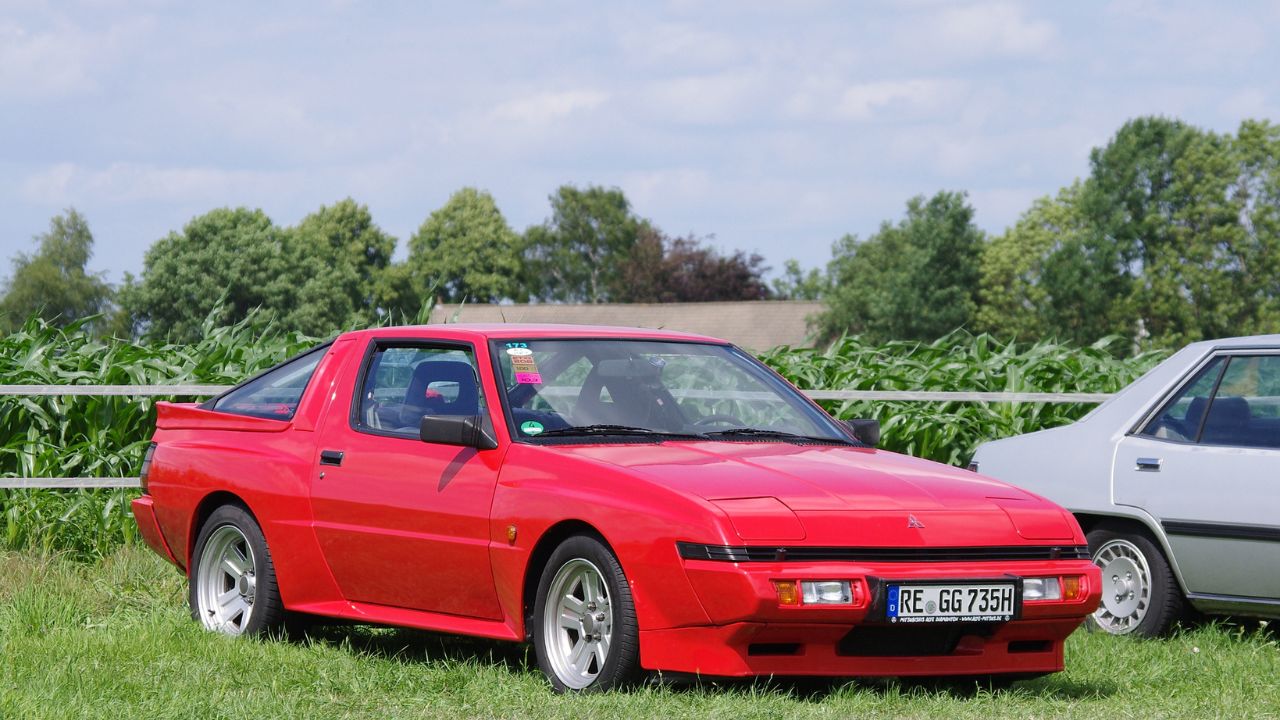
The Mitsubishi Starion ESI-R stood apart from mainstream Japanese sports cars thanks to its aggressive flared fenders, turbocharged performance, and rear-wheel-drive layout. The Starion felt rebellious because it embraced a rougher and more unpredictable personality than many polished rivals of the era. Its boxy styling and boost-heavy power delivery gave it a raw character enthusiasts still admire. The car remains an underrated symbol of 1980s turbocharged performance experimentation.
TVR Cerbera Speed Six
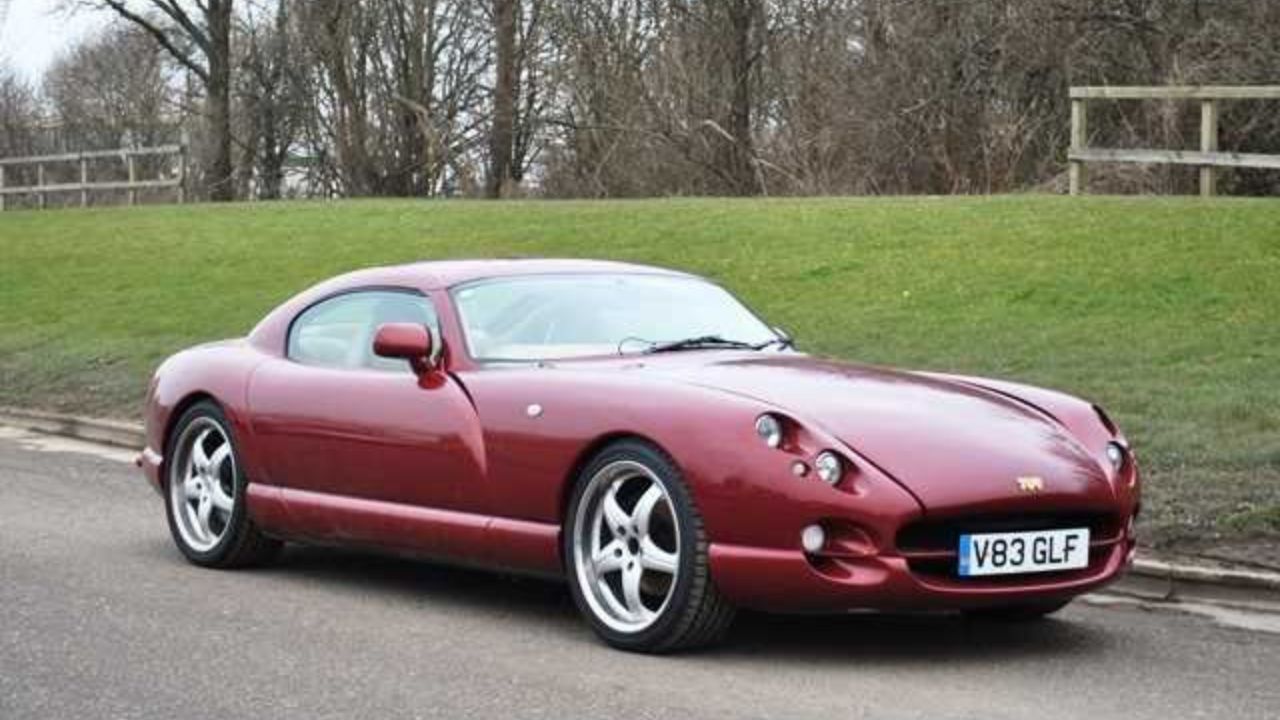
The TVR Cerbera Speed Six felt rebellious because TVR ignored nearly every modern expectation regarding refinement and electronic assistance. The lightweight coupe delivered violent acceleration, sharp handling, and a cabin filled with noise and vibration. Reliability concerns only added to its unpredictable personality. The Cerbera demanded commitment from drivers and rewarded bravery rather than caution, preserving the dangerous spirit of old-school analog performance long after other manufacturers softened their cars.
More from Fast Lane Only