Some race cars changed motorsport the moment they rolled into the paddock. Whether through overwhelming speed, radical engineering, or complete dominance, these machines instantly made rivals nervous before races even began. Competitors knew beating them would require something extraordinary. From turbocharged monsters to aerodynamic experiments, these legendary race cars became feared symbols of motorsport superiority across multiple generations.
Porsche 917/30
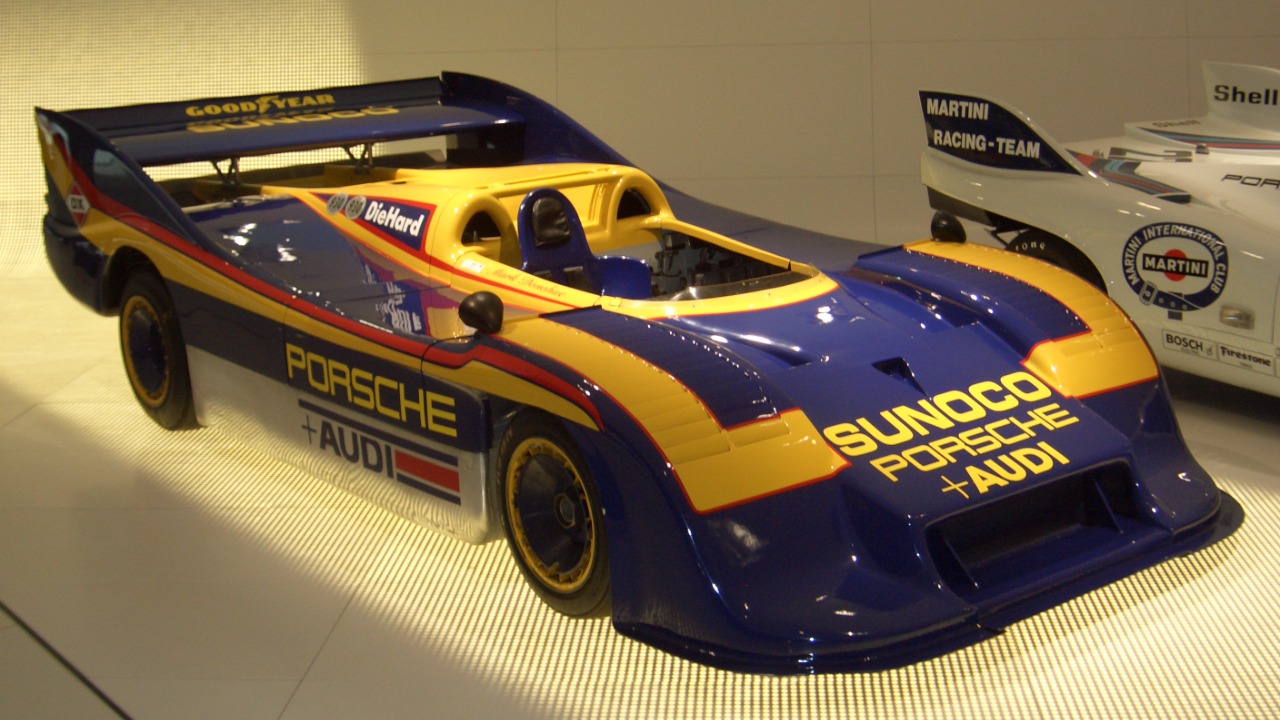
The Porsche 917/30 terrified competitors because its twin-turbo flat-12 engine produced almost absurd levels of horsepower for the early 1970s. In qualifying trim, the car reportedly exceeded 1,500 horsepower, making it nearly unstoppable on long straights. Drivers described the acceleration as violent and difficult to fully control. Rivals quickly realized traditional competition strategies no longer worked against the 917/30, whose overwhelming speed effectively helped end the Can-Am era’s unrestricted horsepower arms race.
McLaren MP4/4
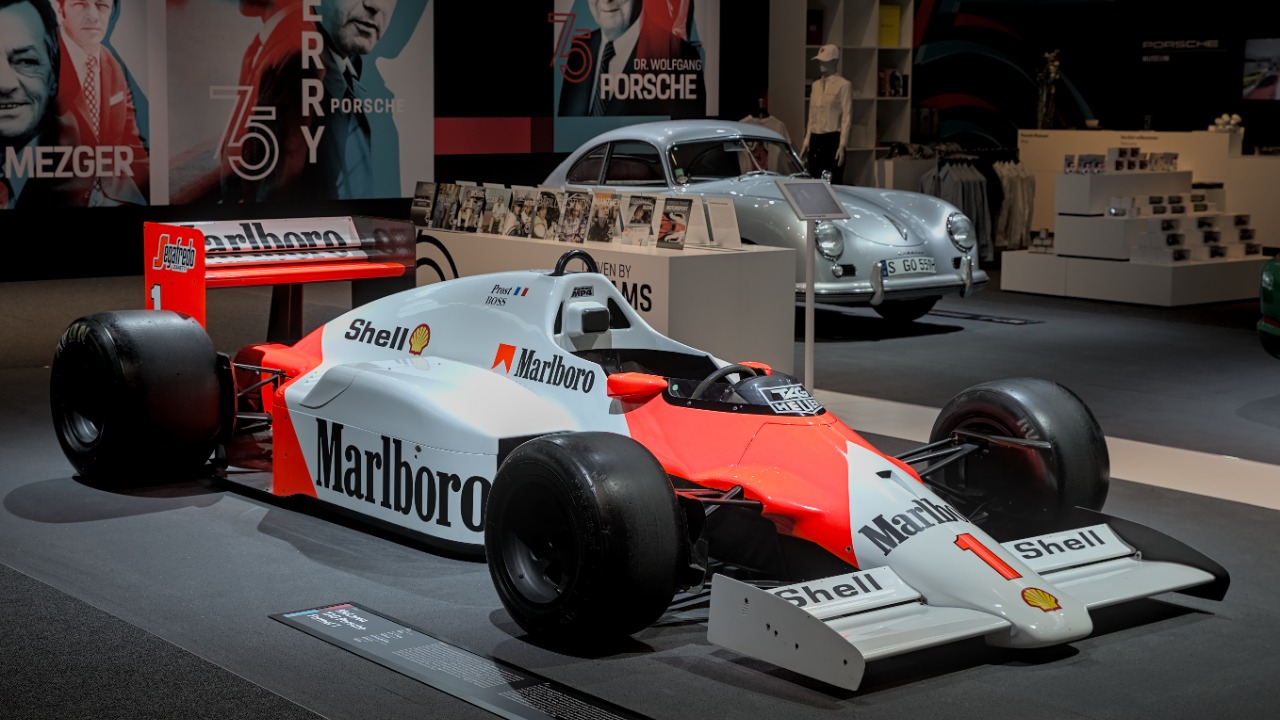
The McLaren MP4/4 struck fear throughout Formula One because it combined incredible reliability with near-unmatched speed during the 1988 season. Driven by Ayrton Senna and Alain Prost, the MP4/4 won nearly every race it entered and often appeared untouchable even before qualifying sessions began. Its low-slung aerodynamic design and efficient turbocharged Honda engine created a perfect competitive package that left rivals fighting mainly for second place throughout much of the season.
Lancia Delta S4
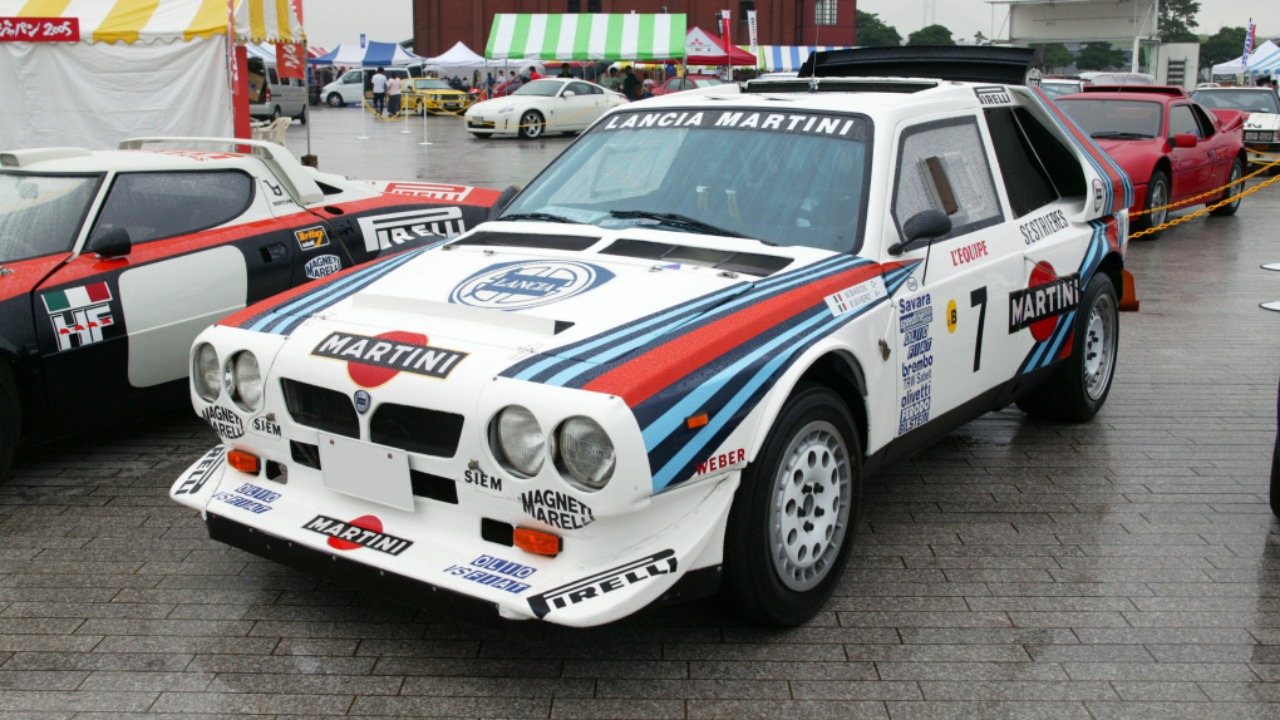
The Lancia Delta S4 frightened rally competitors because of its explosive acceleration and extreme engineering complexity. Combining turbocharging and supercharging in one drivetrain, the Delta S4 delivered brutal power almost instantly on unpredictable rally stages. Its speed through narrow gravel roads and dangerous mountain passes seemed almost unbelievable during the Group B era. Drivers and spectators alike understood the car represented a level of performance that pushed rally racing into genuinely terrifying territory.
Chaparral 2J
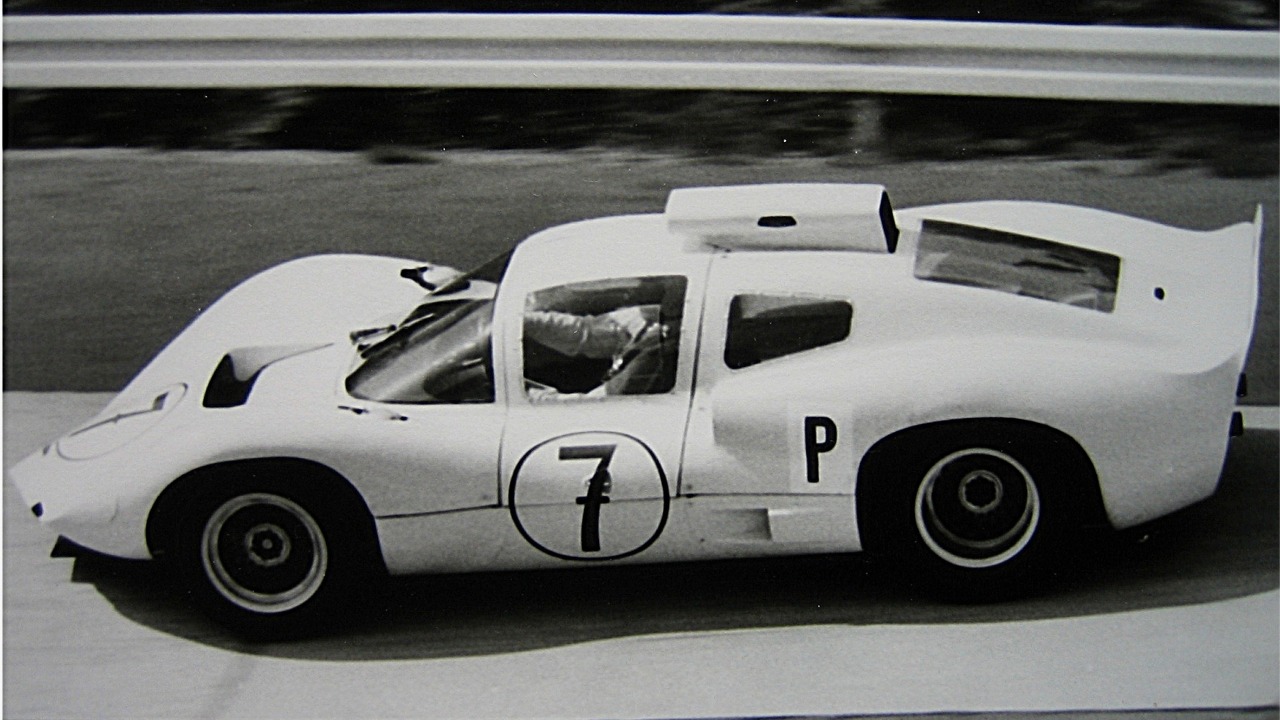
The Chaparral 2J shocked competitors because it introduced a radical fan-based aerodynamic system capable of generating enormous downforce regardless of speed. Nicknamed the “sucker car,” the 2J cornered with grip levels rivals struggled to comprehend. Competitors immediately recognized the technology’s potential advantage and feared it would permanently reshape racing performance. Though eventually banned, the Chaparral 2J became legendary for how quickly it forced the motorsport world to react against its revolutionary design.
Audi Quattro S1 E2
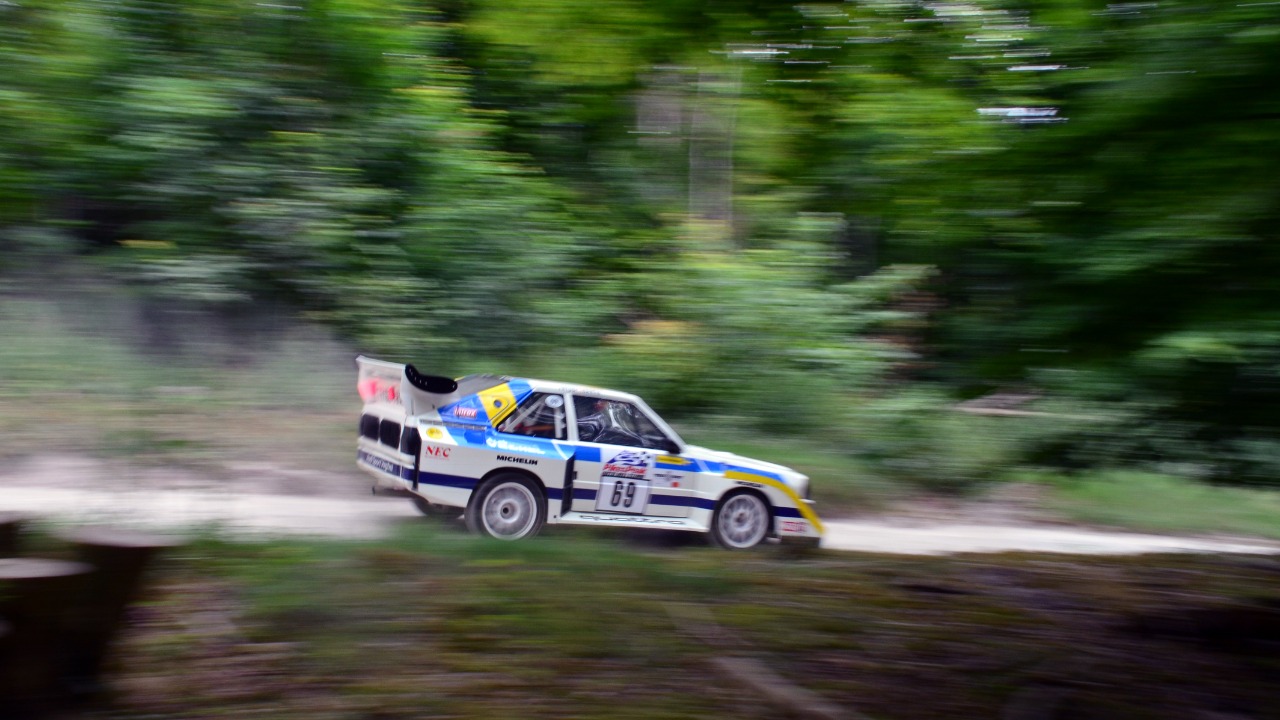
The Audi Quattro S1 E2 terrified rally teams because it demonstrated just how dominant all-wheel drive could become in loose-surface competition. Its turbocharged power and massive traction advantages allowed drivers to launch through snow, gravel, and dirt stages at astonishing speeds. Competitors using rear-wheel-drive cars suddenly looked outdated almost overnight. The Quattro’s success forced the entire rally world to rethink vehicle development priorities and changed the future of the sport permanently.
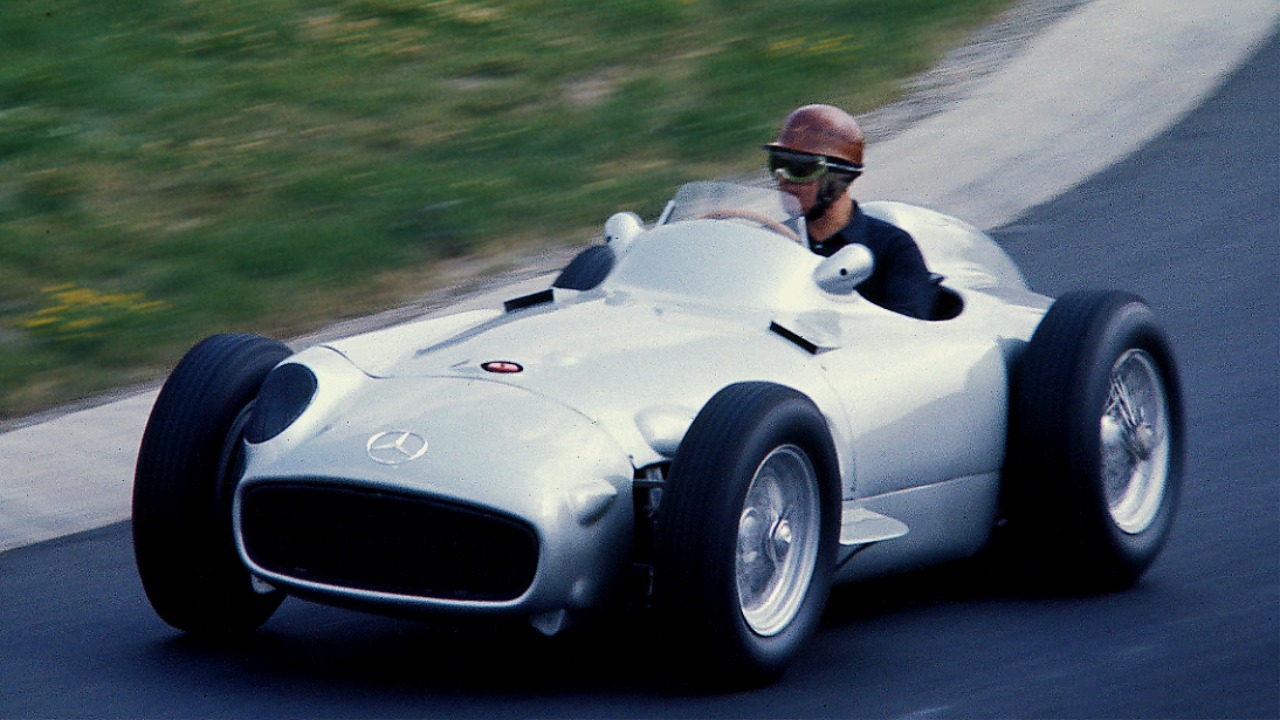
Mercedes-Benz W196
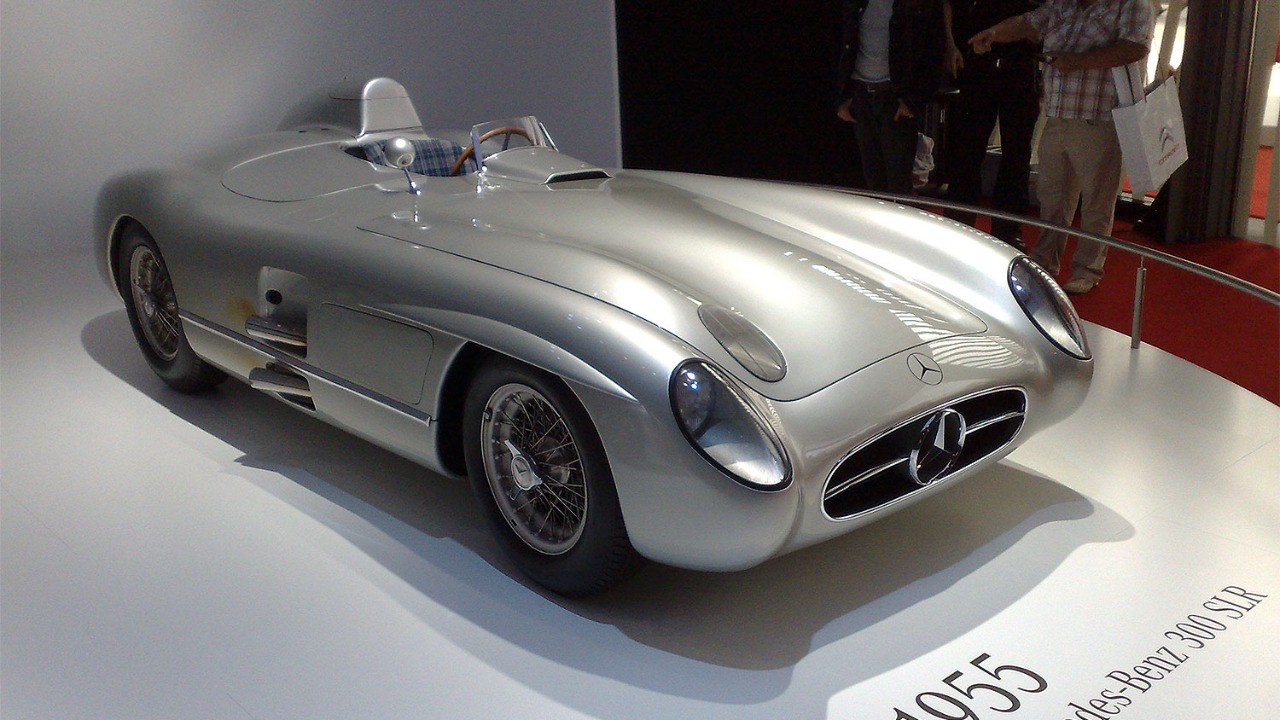
The Mercedes-Benz W196 intimidated rivals because of its advanced engineering and overwhelming competitiveness during the mid-1950s. Featuring fuel injection technology far ahead of many competitors and streamlined bodywork designed for high-speed circuits, the W196 immediately established Mercedes as the team to beat. Rivals struggled to match both its speed and technical sophistication. The car’s dominance helped create an aura of inevitability whenever it appeared at major Grand Prix events.
Nissan R92CP
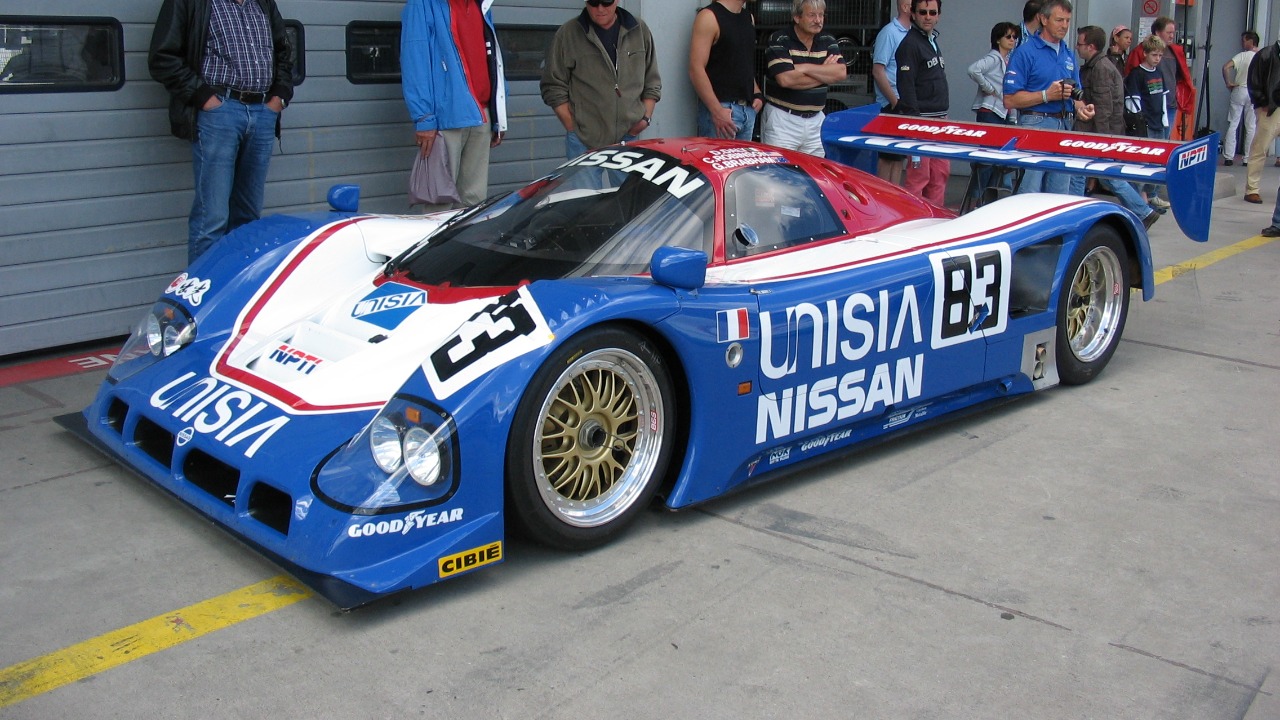
The Nissan R92CP became feared on high-speed circuits because of its staggering turbocharged power and immense straight-line speed. During qualifying runs, the R92CP reached velocities that shocked competitors and spectators alike. Its aggressive acceleration and top-end dominance made it especially intimidating at tracks favoring raw power. Rivals understood that even small mistakes against the Nissan could become impossible to recover from once it unleashed its full performance potential on open straights.
BRM H16 P83
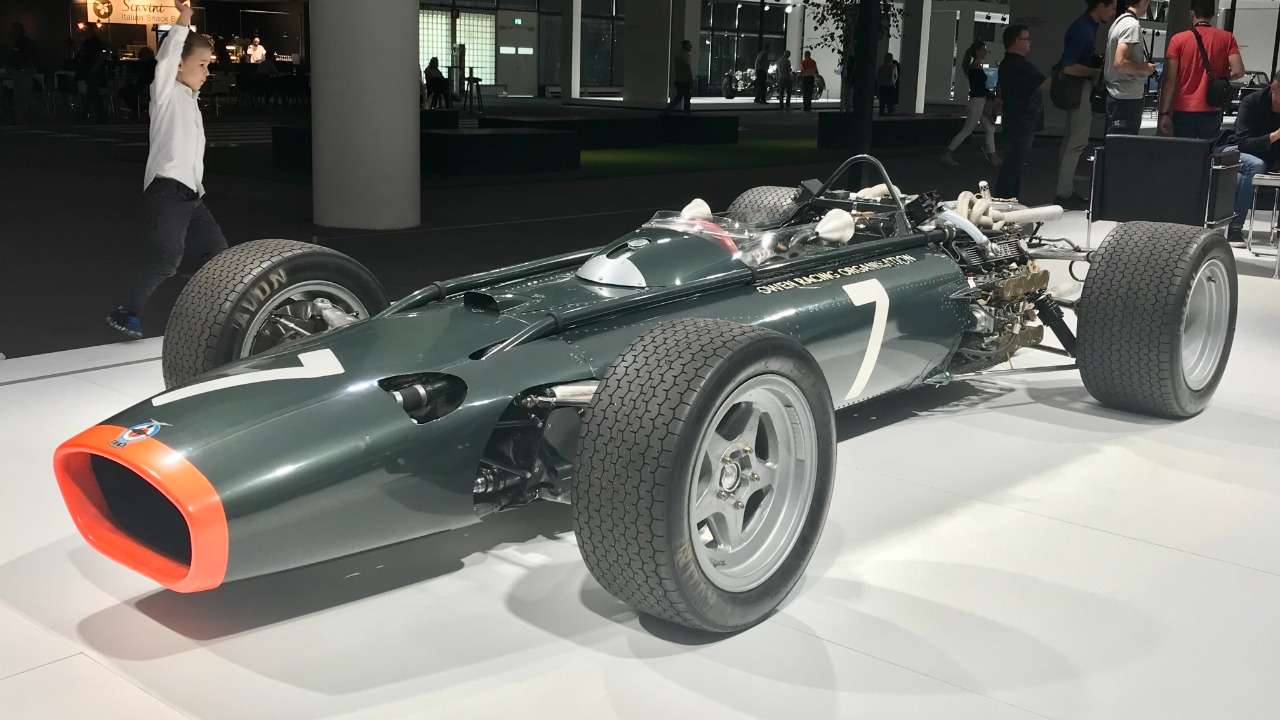
The BRM H16 P83 terrified mechanics and competitors for entirely different reasons: its extraordinary engineering complexity and unpredictable nature. The massive H16 engine configuration produced an intimidating mechanical presence unlike almost anything else in Formula One history. Although reliability problems limited success, the car’s appearance and sound alone made it unforgettable. Teams viewed it as both a technical marvel and a warning about how extreme Formula One engineering experimentation had become during the 1960s.
Ford GT40 Mk II
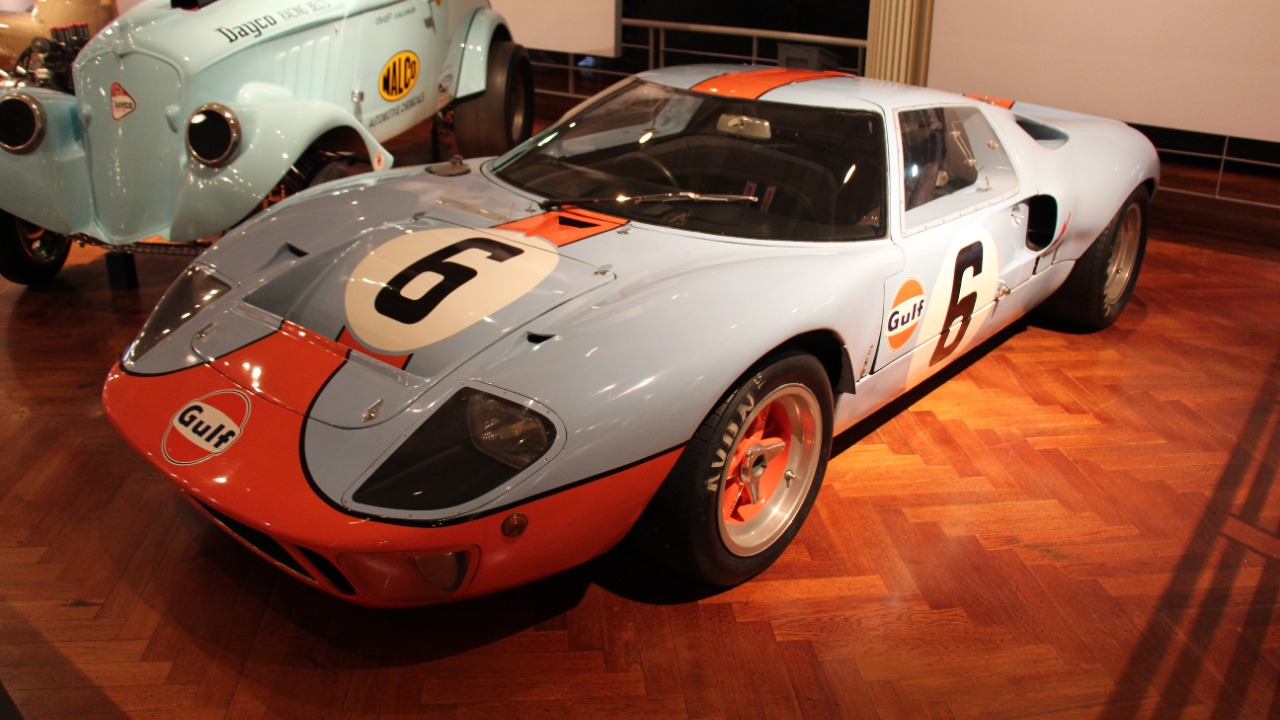
The Ford GT40 Mk II frightened Ferrari and the rest of the endurance racing world because it represented Ford’s enormous financial and engineering commitment to winning Le Mans. Powered by a massive American V8, the GT40 combined speed, durability, and relentless development. Once the program matured, competitors realized Ford had built a machine specifically designed to dominate endurance racing at the highest level. Its arrival shifted the balance of power at Le Mans dramatically.
Peugeot 206 WRC
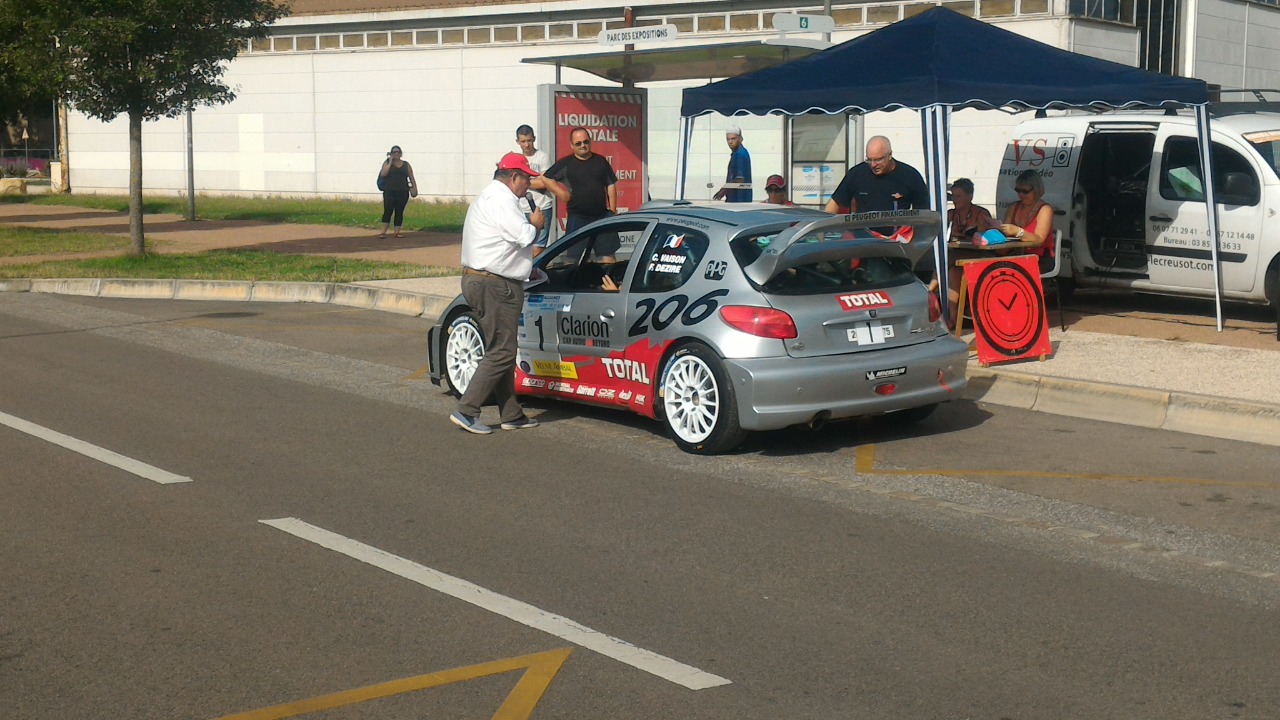
The Peugeot 206 WRC immediately became feared because of its compact size, exceptional agility, and highly effective all-wheel-drive system. On tight rally stages, the 206 WRC changed direction with astonishing precision while maintaining remarkable speed across difficult terrain. Competitors struggled to match its consistency and adaptability in changing conditions. Its rapid success in world rally competition quickly established Peugeot as a dominant force capable of controlling entire championship seasons.
More from Fast Lane Only