The listing looked clean and comforting: “No accidents.” The photos were glossy, the paint seemed even, and the description had that reassuring tone that makes you think, “Okay, this one’s safe.” But a few days after the purchase, a trip to the body shop turned that confidence into a long pause and a quiet, “Huh… that’s odd.”
According to the shop’s inspection notes shared by the buyer, technicians spotted mismatched panels on both sides of the vehicle—an issue that often points to prior repairs, panel replacement, or work done outside factory specs. It doesn’t automatically mean the car is unsafe, but it can mean the history is more complicated than the listing suggested. And when “no accidents” is the headline claim, complicated history tends to raise eyebrows.
“No Accidents” Is a Strong Promise—And Buyers Rely on It
Online car shopping runs on shorthand. “One owner,” “dealer maintained,” and especially “no accidents” are the magic words that make people feel like they can trust what they’re seeing without crawling around the car with a flashlight.
That’s why this kind of discovery stings. A buyer isn’t just paying for transportation; they’re paying for a certain level of certainty. When that certainty cracks, the question becomes less “Is this car usable?” and more “What else am I not being told?”
What “Mismatched Panels” Usually Means in Plain English
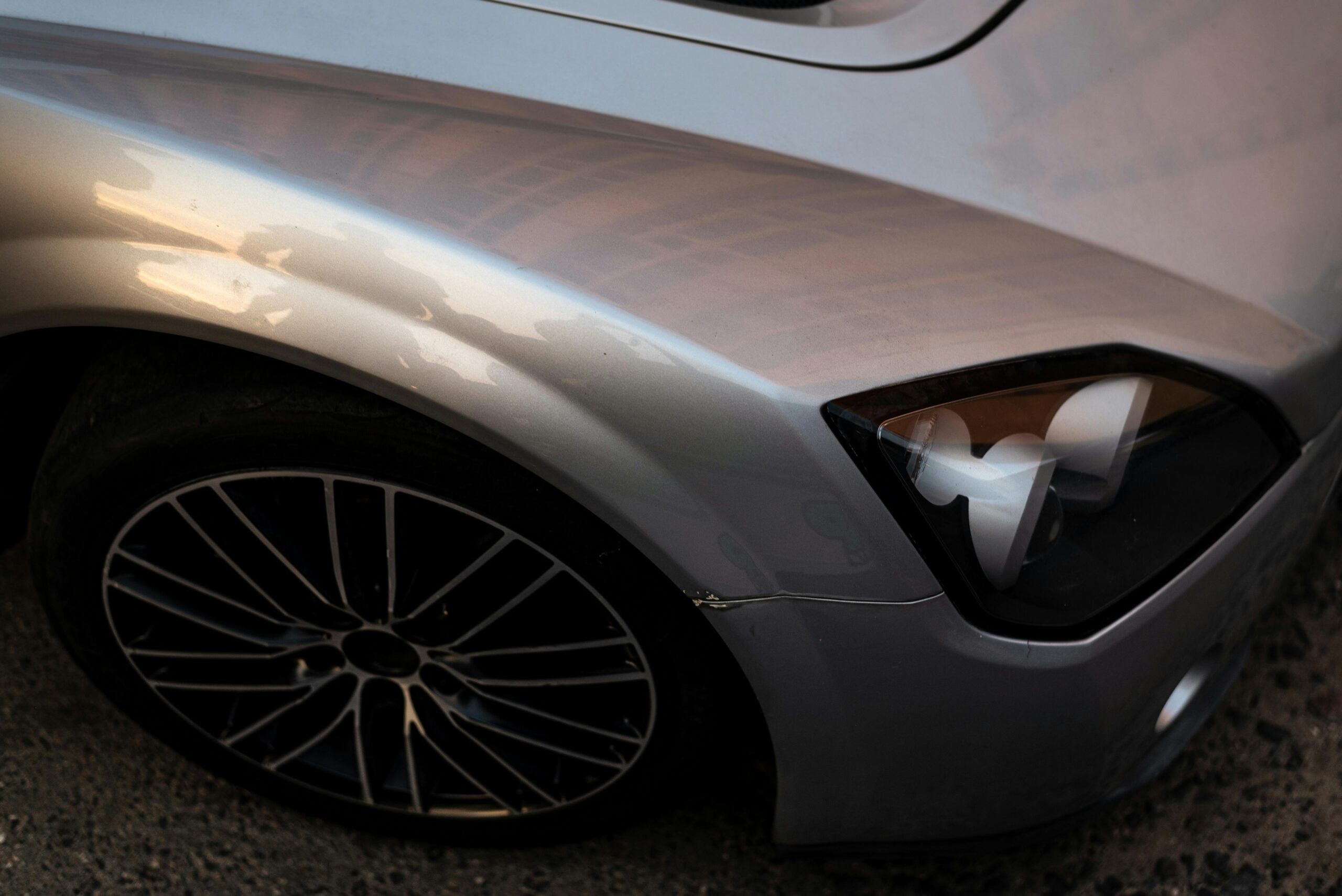
Mismatched panels can show up in a few ways: a door that sits a little prouder than the fender, a bumper gap that looks wider on one side, or body lines that don’t flow quite right. Sometimes the color looks a hair different in certain light—like the car is wearing a foundation shade that almost matches.
Body shops often notice these details quickly because they’re trained to see symmetry. When both sides show mismatch, it can suggest more than a parking-lot tap. It could be evidence of previous collision work, multiple repairs over time, or panels replaced with used parts from another vehicle.
Could It Still Be “No Accidents”? Technically… Sometimes
This is where things get annoyingly gray. A seller might say “no accidents” because a vehicle history report shows no recorded collisions, or because they personally never filed an insurance claim. That doesn’t guarantee the car never had a hit; it just means it may not have been reported in the way databases capture.
There are also non-collision reasons panels get replaced: vandalism, theft recovery, rust, or even a big scrape that gets repaired out-of-pocket. If someone paid cash at a small shop, there may be no paper trail. So yes, “no accidents” can be used in a way that feels true to the seller—while still being very unhelpful to the buyer.
Why a Body Shop Might Catch What a Listing (and Even a Report) Missed
Vehicle history reports are useful, but they’re not omniscient. They typically rely on insurance claims, police reports, DMV data, and participating repair networks. If an event never touches those systems, it can stay invisible.
A body shop inspection is different. It’s physical evidence: fasteners that don’t match, overspray under trim, missing factory seam sealer, slightly tweaked brackets, or measurements that hint the car’s been pulled on a frame machine. Those clues can persist for years, even after a “great” paint job.
What the Buyer Usually Feels Next: Regret, Anger, and a Spreadsheet
Most buyers in this situation go through the same emotional relay. First comes the sinking feeling (“Did I mess up?”), then the frustration (“Why would they say that?”), then the practical phase where receipts, screenshots, and inspection notes get gathered like evidence for a tiny courtroom.
And yes, there’s usually a spreadsheet at some point—estimated repair costs, diminished value, potential resale impact. Even if the car drives fine, panel mismatch can matter when it’s time to sell. Future buyers see uneven gaps and instantly start imagining hidden damage, whether it’s there or not.
How to Sanity-Check a “No Accidents” Claim Before Buying
The easiest protection is a pre-purchase inspection, ideally at a body shop or a mechanic who does collision checks, not just engine basics. General mechanical inspections are great, but they don’t always focus on panel alignment, paint thickness, or structural signs.
If you’re checking it yourself, look at the car from a few angles and in different lighting. Compare panel gaps side to side, check that the hood and trunk sit evenly, and look for overspray around door seals and under weather stripping. If you see mismatched bolts or chipped paint around bolt heads, that can be a clue a panel has been removed.
What Happens Now: Options Buyers Commonly Explore
When a buyer discovers probable prior body work after a “no accidents” listing, the next steps depend on how the sale happened and what was promised in writing. If it was a dealer listing, there may be consumer protection rules, dealer policies, or advertising standards that apply. If it was a private sale, it can be tougher, but written representations still matter in many places.
Practically, buyers often start by contacting the seller with the shop’s documentation and asking for an explanation. Sometimes there’s a reasonable story and paperwork that clears things up. Other times, negotiations turn into requests for partial refunds, rescission (unwinding the sale), or formal complaints—especially if the listing language was confident and specific.
Why “Both Sides” Raises Extra Questions
A single replaced fender could be a minor incident, or even a cosmetic fix. But mismatched panels on both sides tends to make people wonder about a broader event—something that affected the vehicle more extensively, or multiple incidents over time. It’s not proof of serious structural damage, but it’s enough to justify a deeper look.
Shops may recommend checking for signs of frame or unibody repair, verifying airbag system history, and confirming the car tracks straight and aligns properly. Even if everything checks out, documenting what was found can protect the buyer down the road, especially at resale time.
The Bigger Lesson: Listings Are Marketing; Inspections Are Reality
Car listings are written to sell cars, and “no accidents” is one of the most powerful phrases in that toolbox. Sometimes it’s honest, sometimes it’s based on incomplete information, and sometimes it’s optimistic storytelling. The problem is that buyers read it as a hard guarantee.
The good news is that mismatched panels don’t automatically mean a financial disaster. The smart move is to treat the body shop’s findings like a starting point: get a detailed written estimate, ask what evidence suggests prior repairs, and decide whether it changes the value of the car for you. Because once you’ve seen those panel gaps, it’s hard to unsee them.
More from Fast Lane Only
- Unboxing the WWII Jeep in a Crate
- 15 rare Chevys collectors are quietly buying
- 10 underrated V8s still worth hunting down
- Police notice this before you even roll window down
*Research for this article included AI assistance, with all final content reviewed by human editors.