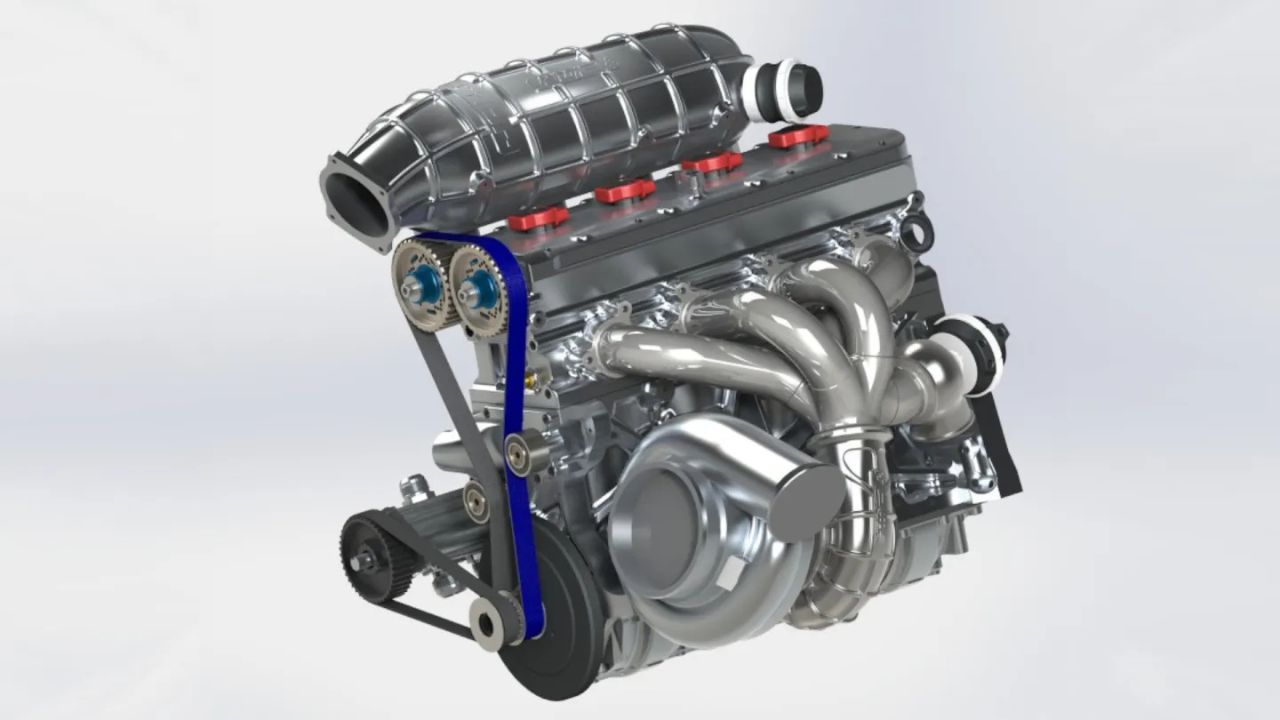
Some racing engines became far more than mechanical components. They evolved into legends celebrated for sound, innovation, power delivery, and dominance on the track. Decades after their competitive peaks, enthusiasts still study, restore, debate, and admire these engines because they represent some of motorsport’s greatest engineering achievements and most unforgettable eras.
Cosworth DFV
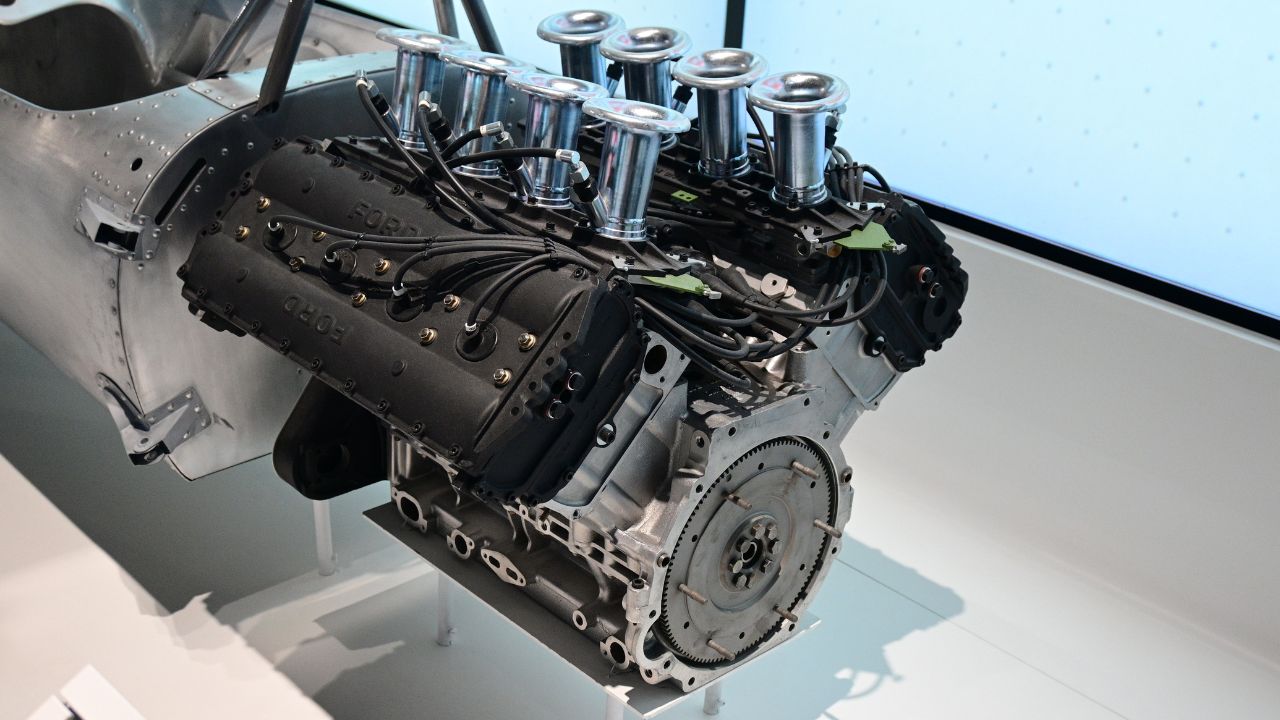
The Cosworth DFV changed motorsport forever by delivering affordable, competitive power to numerous Formula One teams beginning in the late 1960s. Its lightweight V8 design combined reliability with exceptional performance, helping smaller private teams challenge major factory efforts successfully. The DFV powered countless Grand Prix victories across multiple decades and became one of the most successful racing engines ever built. Enthusiasts still admire its simplicity, sound, and revolutionary impact on open-wheel racing.
Porsche Flat-12 917 Engine
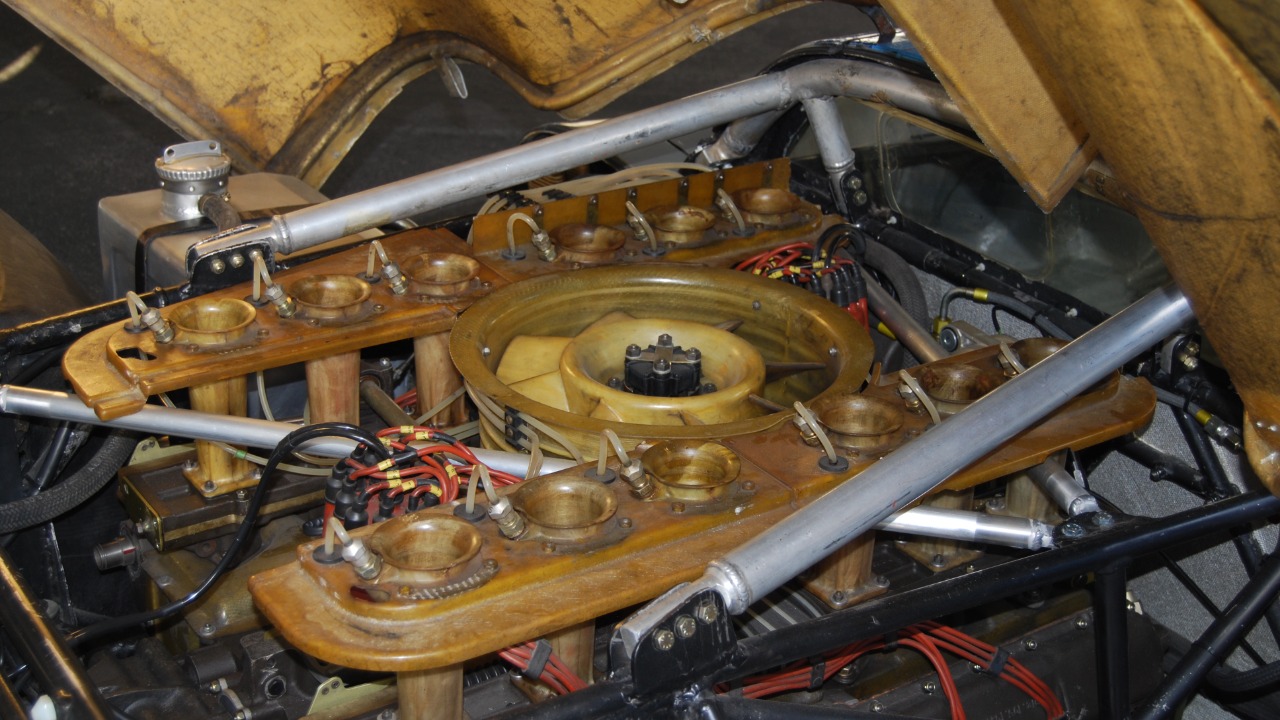
The Porsche 917 Flat-12 Engine remains legendary because it powered one of the fastest and most intimidating endurance racers in history. Installed in the Porsche 917, the massive flat-12 produced terrifying straight-line speed during the early 1970s. Drivers respected its brutal acceleration while fans became obsessed with its unforgettable mechanical howl. The engine symbolized Porsche’s rise to endurance-racing dominance permanently.
Honda RA168E Turbo V6

The Honda RA168E fascinated enthusiasts because it represented the peak insanity of Formula One’s turbo era during the late 1980s. Tiny displacement combined with enormous turbo boost produced astonishing horsepower figures that overwhelmed available traction constantly. Honda’s engineering excellence helped dominate Formula One competition while creating one of racing’s most feared powerplants. The engine’s explosive performance and technical sophistication remain central to discussions about F1’s wildest period.
Ferrari Tipo 056 V10

The Ferrari Tipo 056 still captivates fans because its screaming high-revving sound became synonymous with Formula One’s golden V10 era. Developed during Ferrari’s championship dominance in the early 2000s, the engine combined exceptional reliability with razor-sharp throttle response and incredible RPM capability. Enthusiasts continue praising the emotional soundtrack produced by these naturally aspirated V10 engines. Many still consider them the best-sounding Formula One engines ever created.
Mazda 787B R26B Rotary
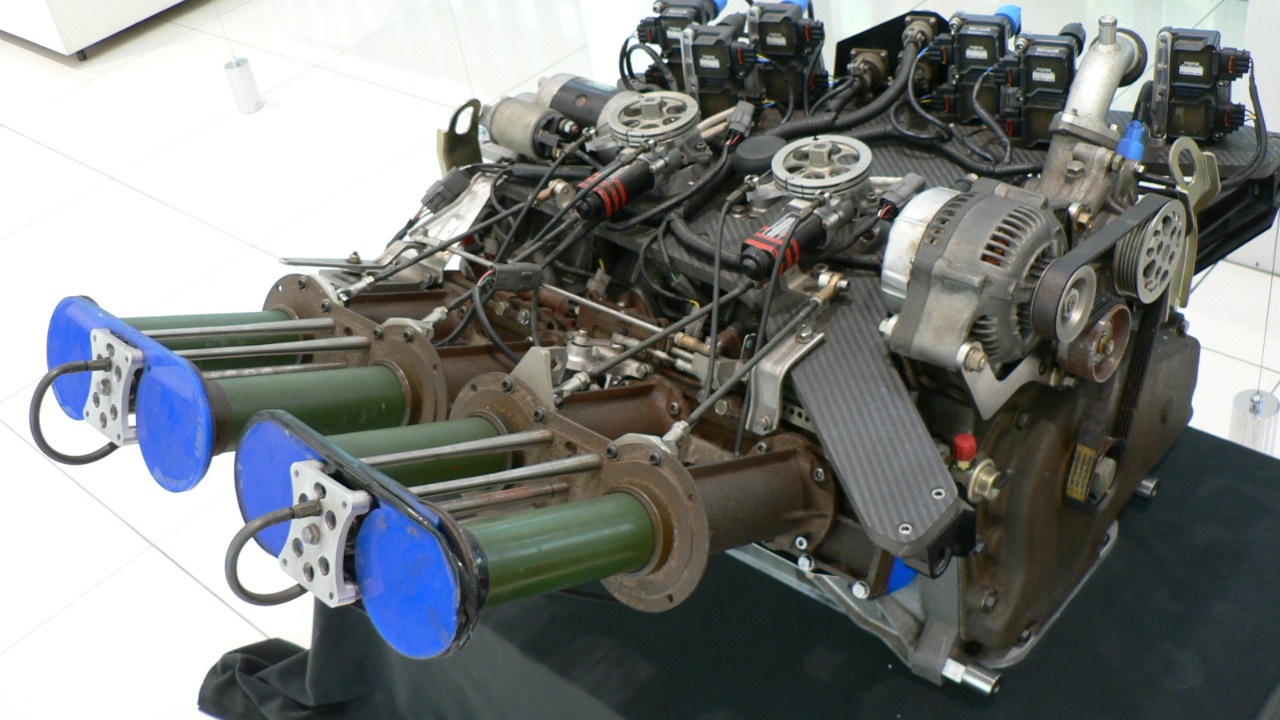
The Mazda R26B became legendary because it delivered one of the most unique sounds and engineering concepts ever seen at 24 Hours of Le Mans. Installed in the Mazda 787B, the four-rotor engine helped Mazda secure a historic Le Mans victory in 1991. Its screaming exhaust note and unconventional rotary design continue inspiring passionate debate among enthusiasts today.
Chevrolet Big Block Can-Am Engines
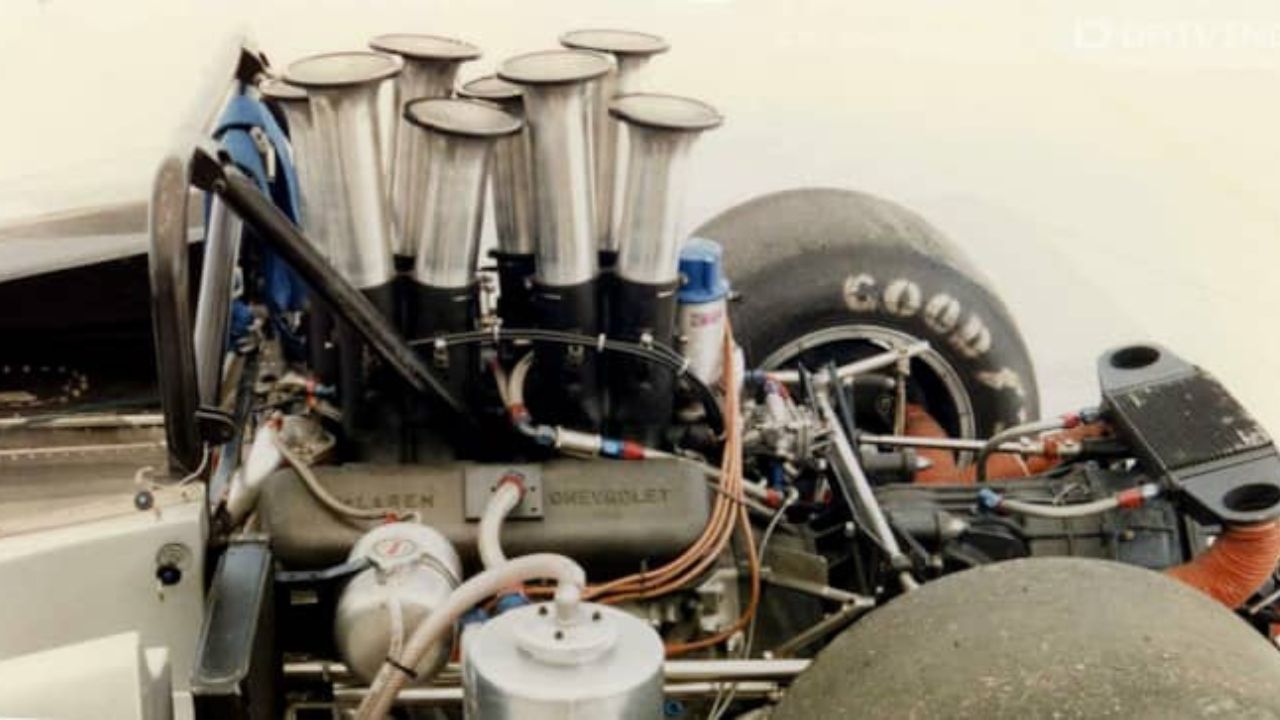
The Chevrolet Can-Am Big Block V8 became icons because they represented raw American horsepower at its most outrageous during the Can-Am racing era. Massive displacement and enormous power outputs created terrifying acceleration in lightweight prototype race cars. These engines emphasized brute force over subtlety and became famous for thunderous sound and incredible straight-line speed. Enthusiasts still admire the unapologetic excess that defined Can-Am engineering philosophy.
BMW P83 V10
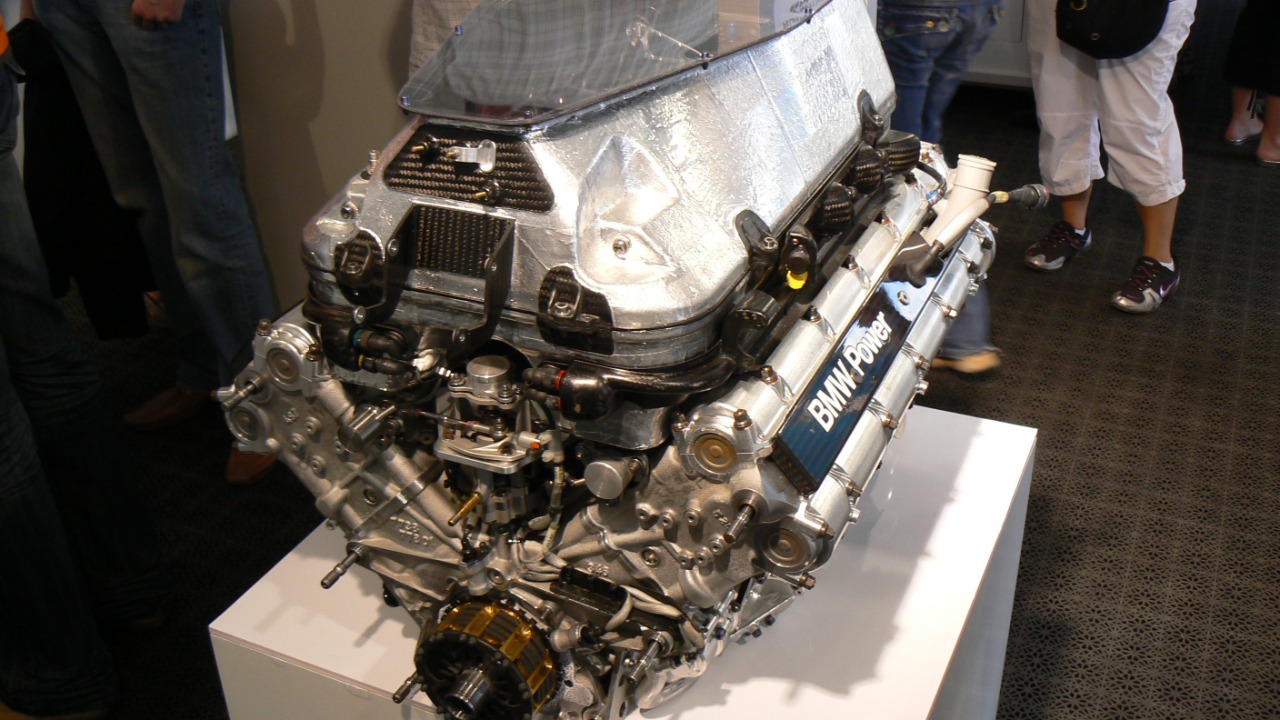
The BMW P83 still generates fascination because it reached astonishing engine speeds while producing one of the sharpest exhaust notes in Formula One history. BMW engineers pushed RPM levels aggressively during the early 2000s, creating a powerplant admired for both technical sophistication and emotional impact. Fans remember the P83 for its aggressive tone and remarkable responsiveness under acceleration. It remains one of the standout engines from Formula One’s naturally aspirated era.
Offenhauser Indy Engine

The Offenhauser Indy Engine dominated American open-wheel racing for decades through exceptional durability and efficiency. Commonly called the “Offy,” the engine powered countless victories at the Indianapolis 500 across multiple eras. Its simple but effective design allowed teams to extract enormous performance from relatively compact displacement figures. The engine became deeply woven into Indianapolis racing history and American motorsport culture.
Nissan VRH35Z Twin-Turbo V8
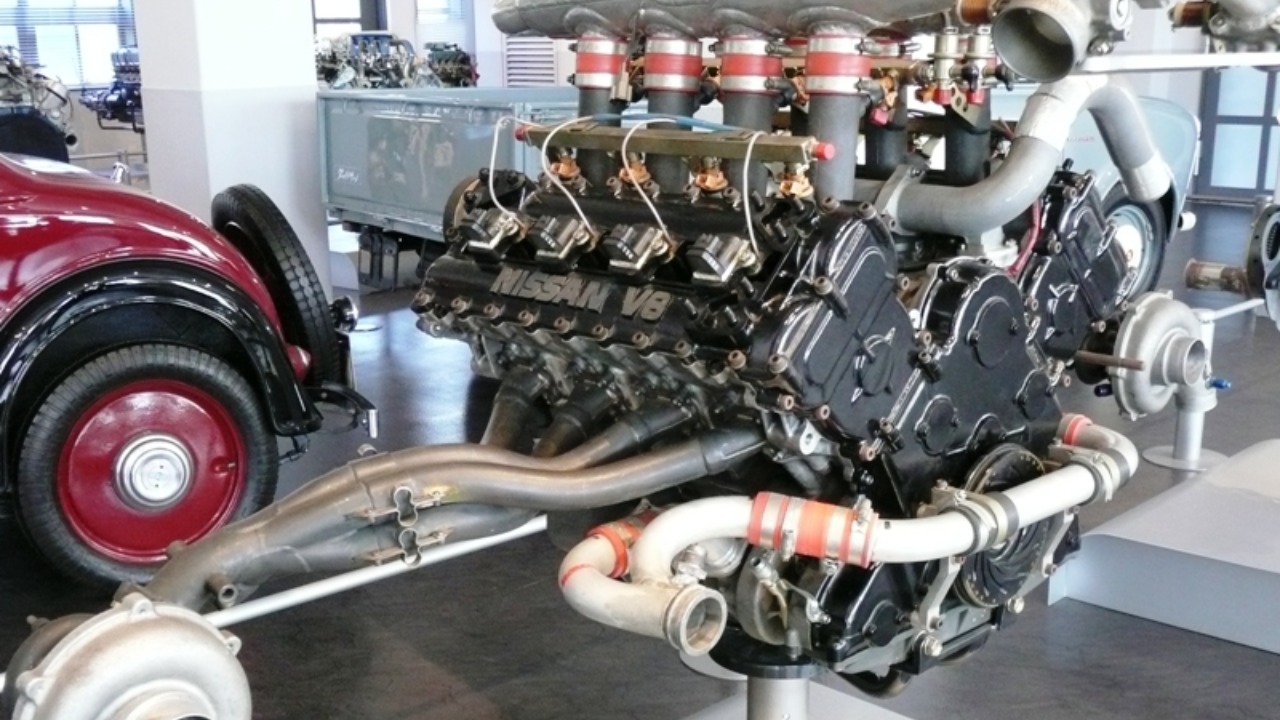
The Nissan VRH35Z gained cult status because of its extreme turbocharged power and association with Japan’s wild Group C racing era. Developed for high-speed endurance prototypes, the engine delivered astonishing straight-line performance while surviving brutal long-distance competition. Fans continue obsessing over its combination of advanced engineering and explosive turbocharged character. The VRH35Z helped establish Nissan’s reputation for serious motorsport innovation internationally.
Alfa Romeo Tipo 158 Engine
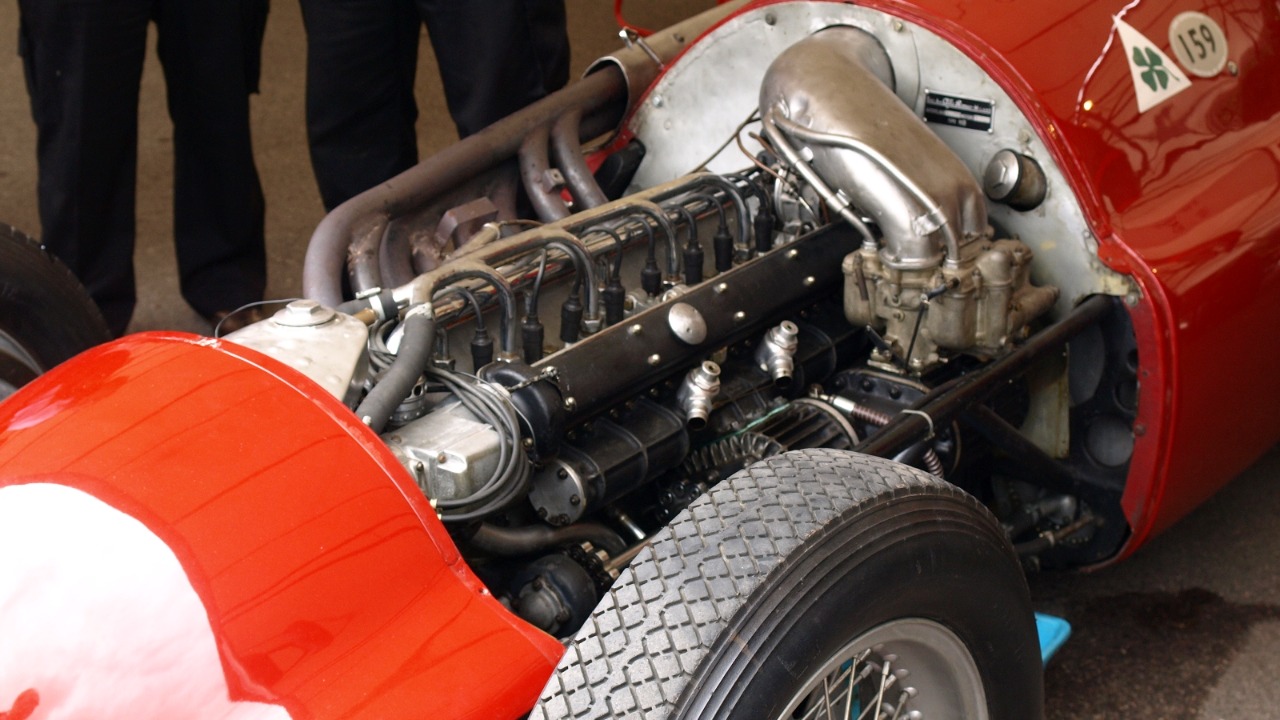
The Alfa Romeo Tipo 158 Engine remains one of motorsport’s most historically important powerplants because it dominated early Formula One competition after World War II. Its compact supercharged design produced incredible performance for its displacement during the late 1940s and early 1950s. Enthusiasts still admire the engineering brilliance that allowed Alfa Romeo to outperform many rivals consistently. The Tipo 158 helped shape the technological direction of early Grand Prix racing permanently.
More from Fast Lane Only