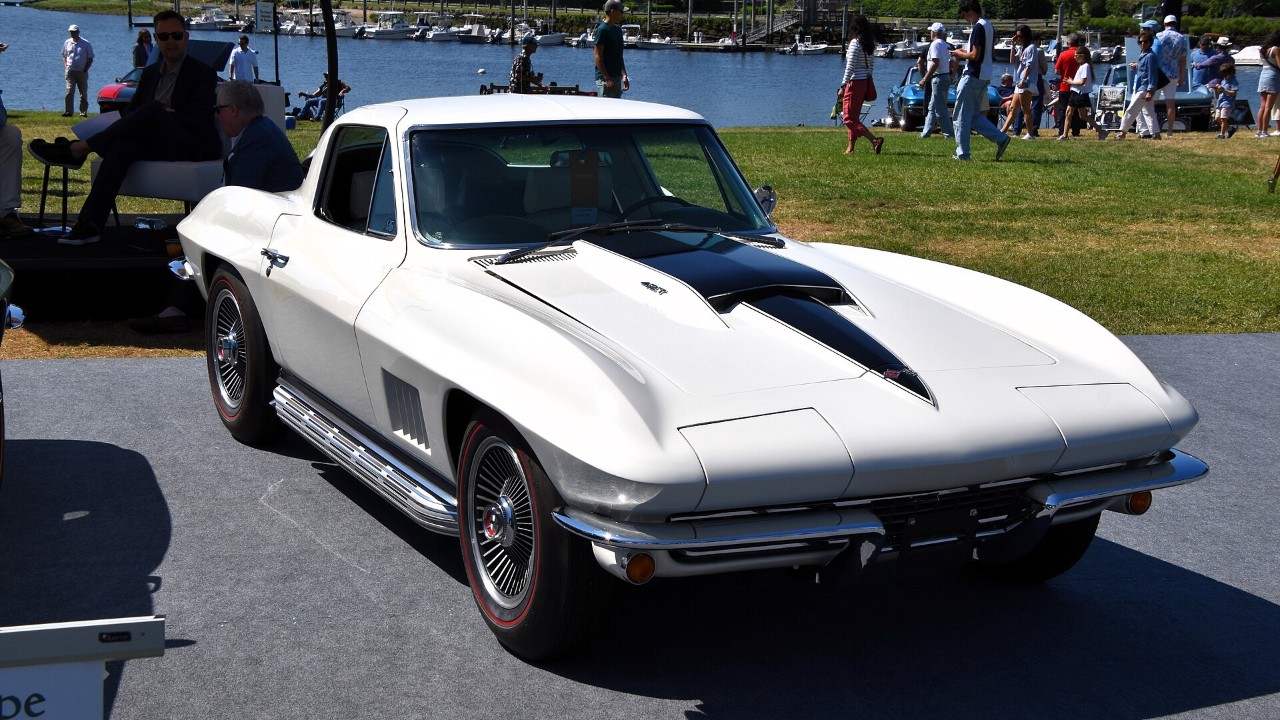
Modern performance cars are faster than ever, but many isolate drivers with electronics, refined suspensions, and heavily filtered controls. Older performance machines often delivered a far more physical and demanding experience that required genuine skill behind the wheel. These classic cars still feel raw today because they communicate every vibration, mistake, and burst of power directly to the driver without softening the experience.
Ferrari 512 BB
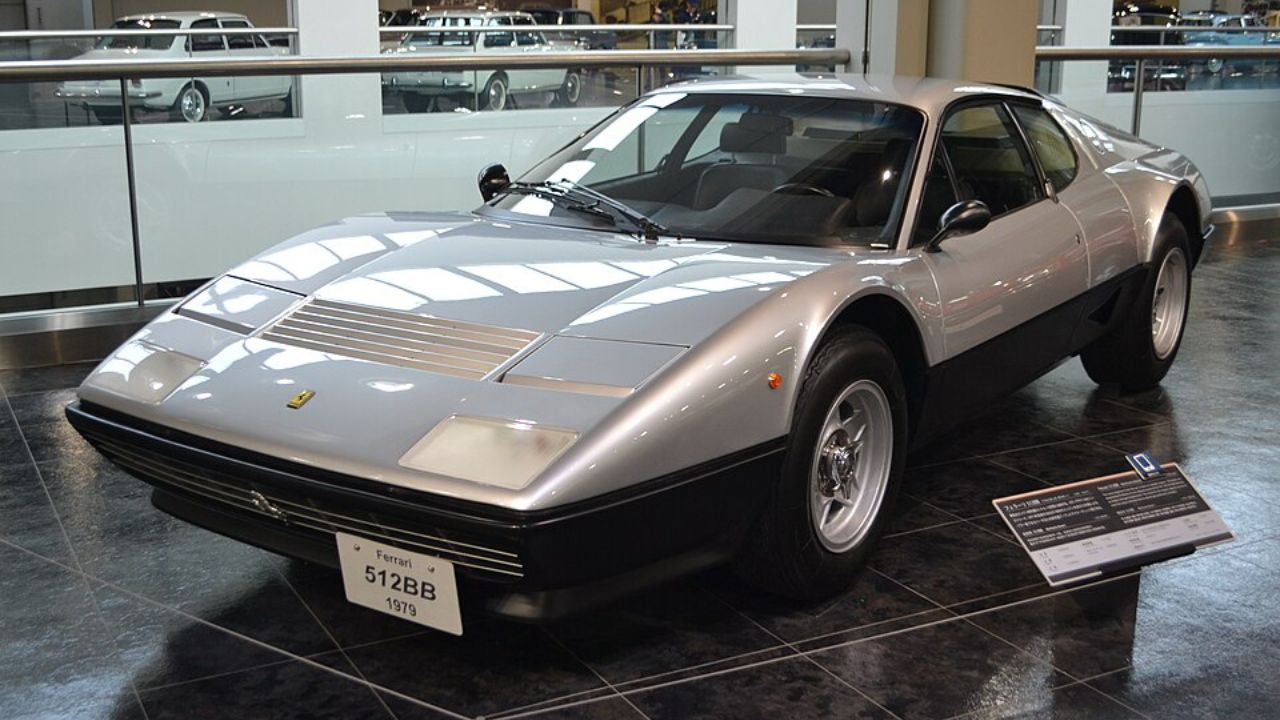
The Ferrari 512 BB still feels brutally mechanical because its flat-twelve engine delivers enormous power through a heavy clutch and demanding manual gearbox. Steering effort increases dramatically at low speeds, while the cabin fills constantly with heat and engine noise. Unlike modern supercars loaded with electronic stability systems, the 512 BB expects drivers to manage weight transfer and throttle inputs carefully themselves. Its raw personality makes every drive feel intense and deeply involving.
Porsche 930 Turbo
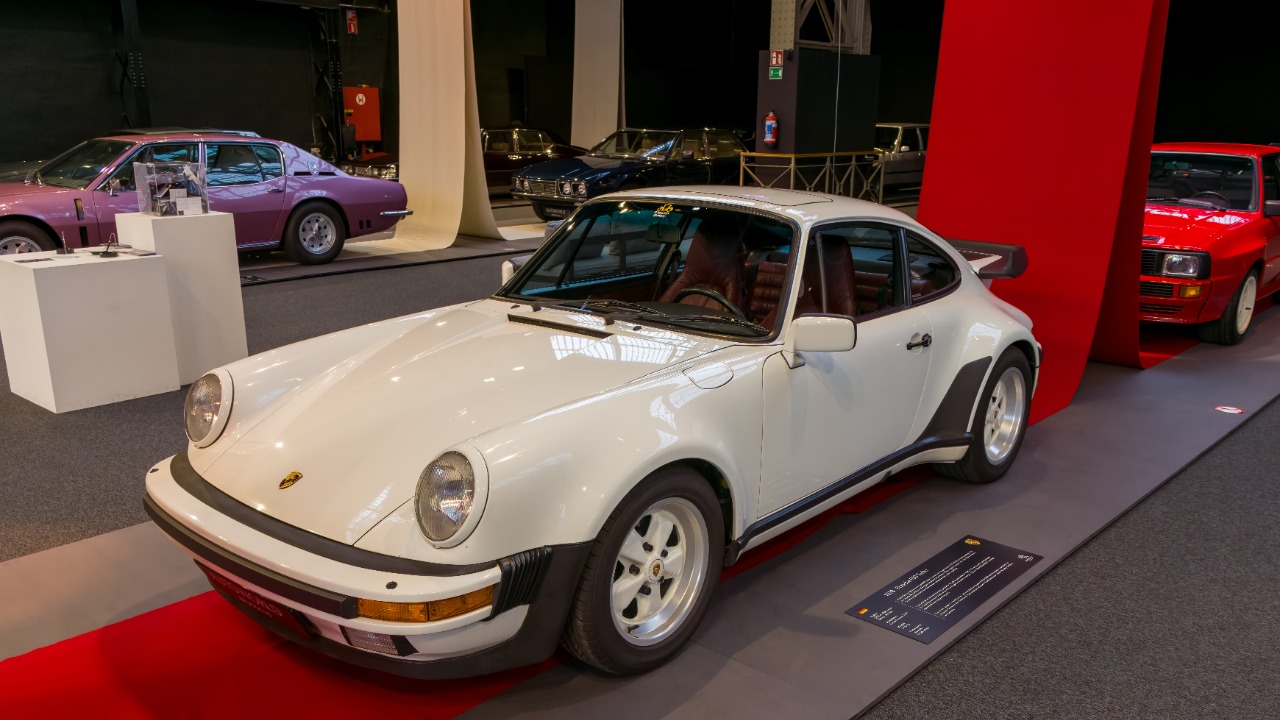
The Porsche 930 Turbo became legendary for its frightening turbo lag followed by explosive acceleration that could overwhelm inexperienced drivers instantly. The rear-engine layout amplified handling challenges, especially during sudden throttle changes in corners. Heavy steering, limited electronic assistance, and abrupt power delivery gave the car an unpredictable edge modern performance cars rarely possess. Even today, the 930 demands concentration and respect every time boost arrives aggressively.
De Tomaso Pantera
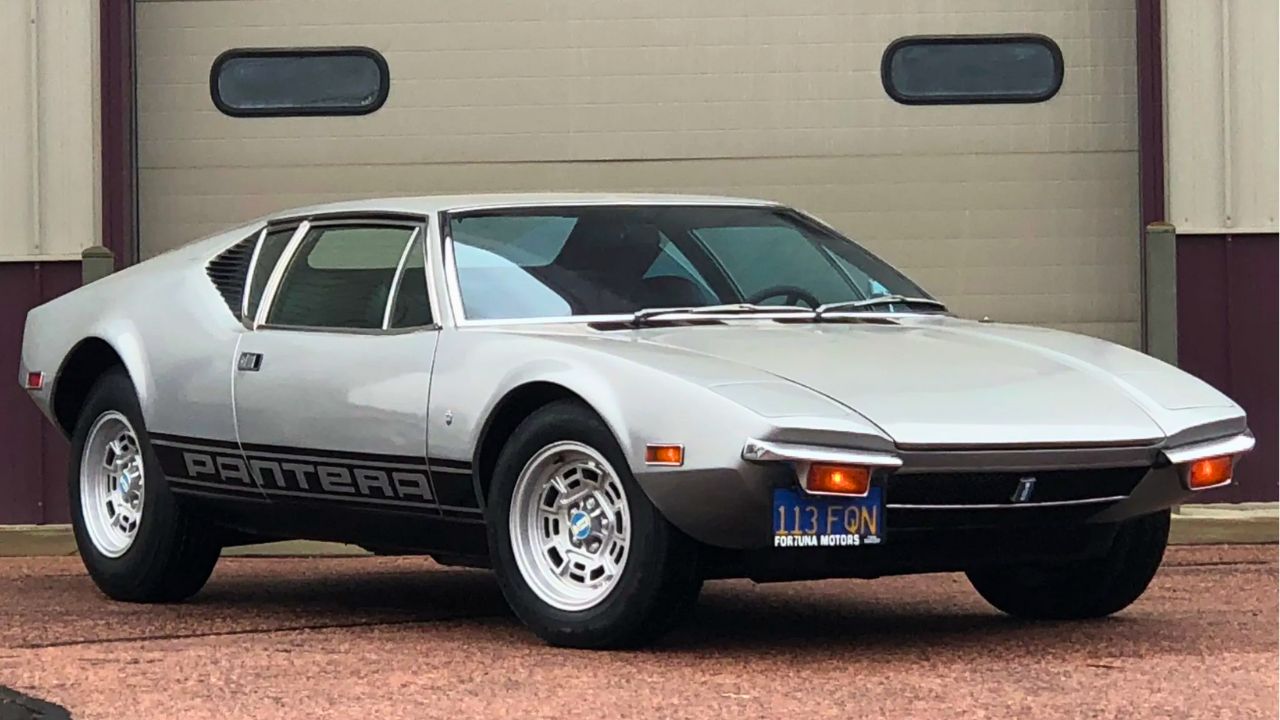
The De Tomaso Pantera still feels wild because it combines dramatic Italian styling with the brutal simplicity of a large American V8 engine. The cabin is loud, visibility can be difficult, and the controls require significant physical effort compared to modern sports cars. Drivers constantly feel heat, vibration, and mechanical feedback from every part of the vehicle. Its lack of refinement became part of its personality and enduring enthusiast appeal.
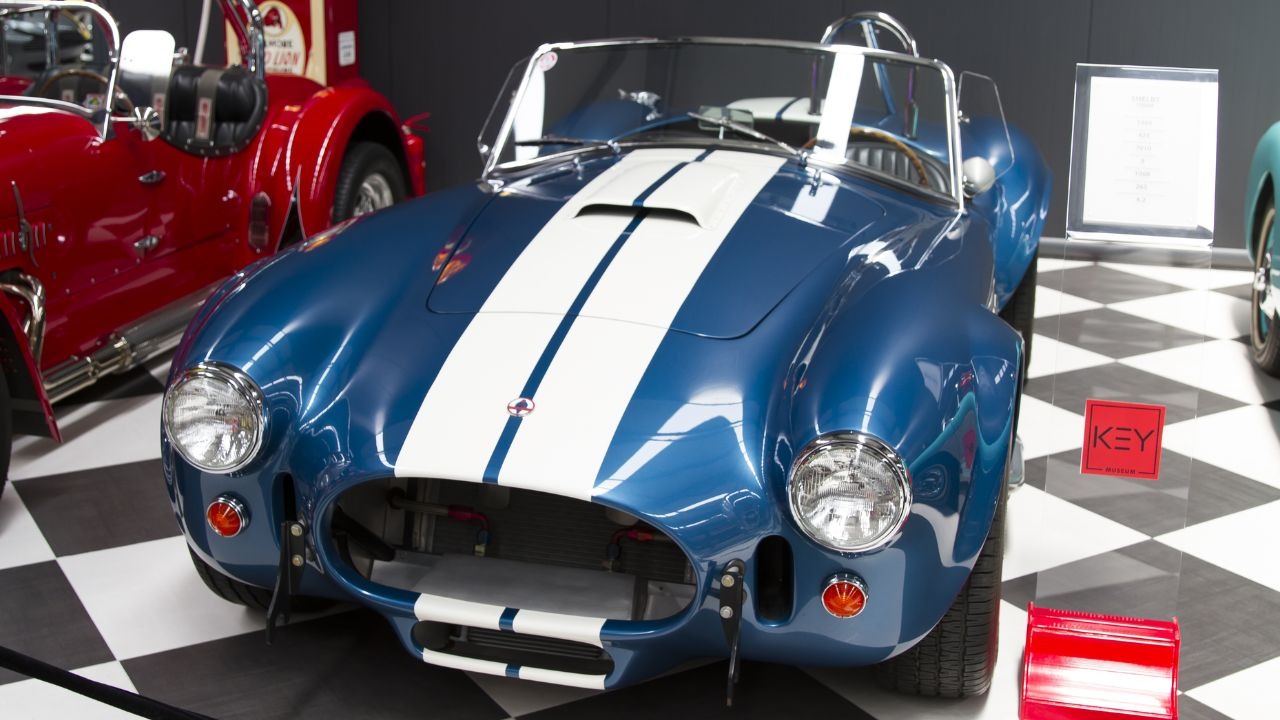
Shelby Cobra 427
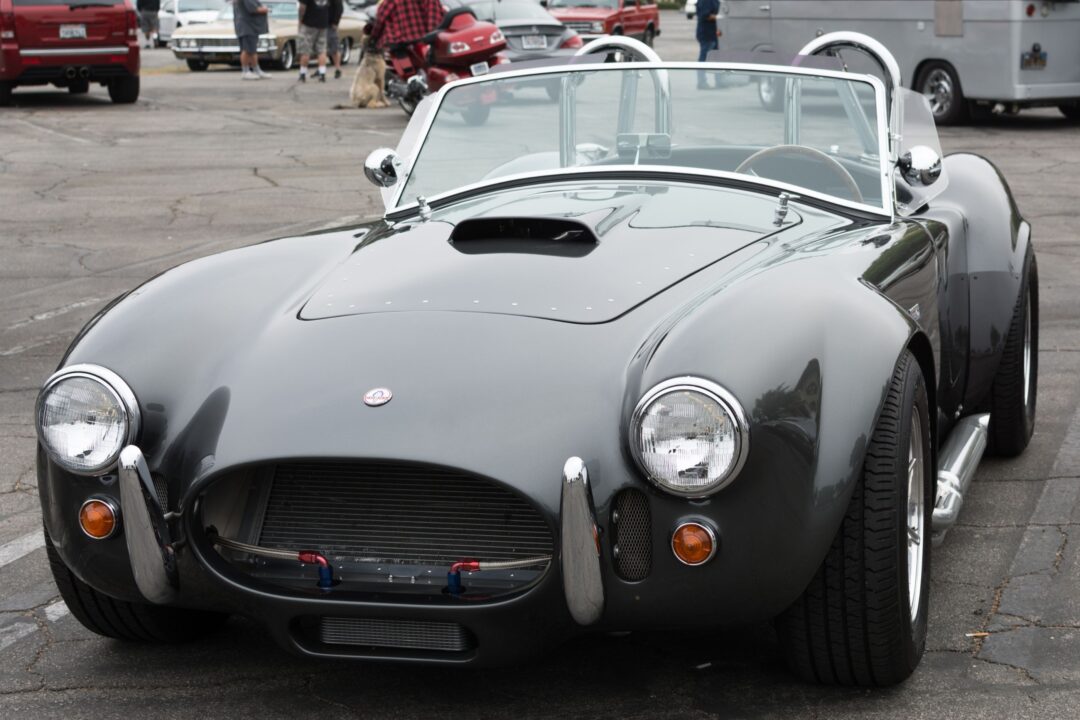
The Shelby Cobra 427 remains one of the rawest road cars ever built because its enormous V8 engine completely overwhelms the lightweight chassis. Massive torque and short wheelbase dimensions make the Cobra feel violent under acceleration, especially on imperfect roads. Side pipes blast exhaust noise directly beside the driver while minimal weather protection and basic interior equipment emphasize pure performance over comfort. Driving one still feels closer to piloting a race car than a street vehicle.
Lamborghini Countach LP400

The Lamborghini Countach LP400 feels raw today because nearly every aspect of the driving experience prioritizes drama over practicality. Heavy steering, difficult visibility, stiff controls, and a cramped interior make ordinary driving physically demanding. The naturally aspirated V12 provides an unforgettable soundtrack while the aggressive seating position creates a sensation unlike modern supercars. Despite its legendary styling, the Countach constantly reminds drivers it was built during a far less forgiving era.
BMW M1

The BMW M1 still feels intensely analog because of its lightweight structure, naturally aspirated inline-six engine, and direct chassis feedback. Unlike modern performance cars filled with adjustable driving modes and stability systems, the M1 communicates road surfaces and weight transfer honestly through the steering wheel and suspension. Drivers must rely entirely on mechanical grip and personal skill during aggressive driving. Its purity continues attracting enthusiasts seeking an unfiltered sports-car experience.
Mazda RX-7 FB
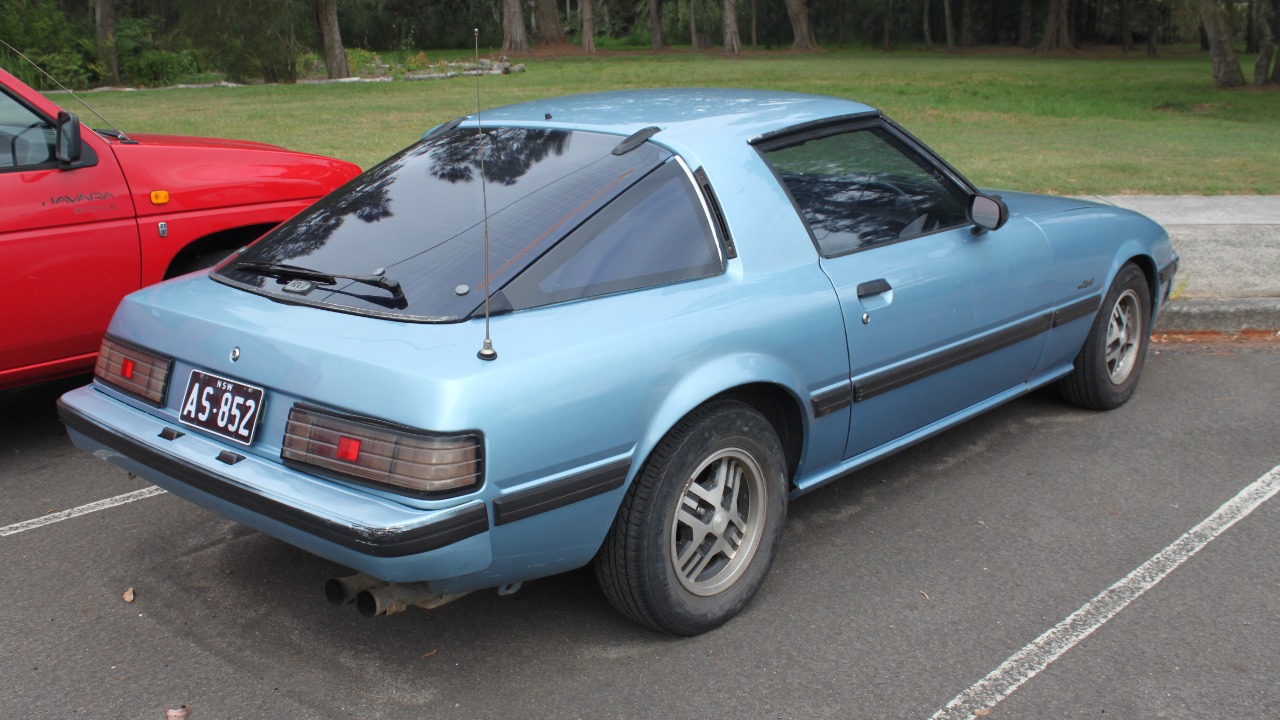
The Mazda RX-7 FB remains engaging because its small dimensions and rotary engine character create a highly connected driving experience. Lightweight construction allows drivers to feel every steering input and suspension movement directly. The high-revving rotary demands constant attention to RPM management, especially during spirited driving. Without modern driver aids interfering constantly, the first-generation RX-7 rewards precision and punishes sloppy inputs more honestly than many newer sports cars.
Lotus Europa Twin Cam
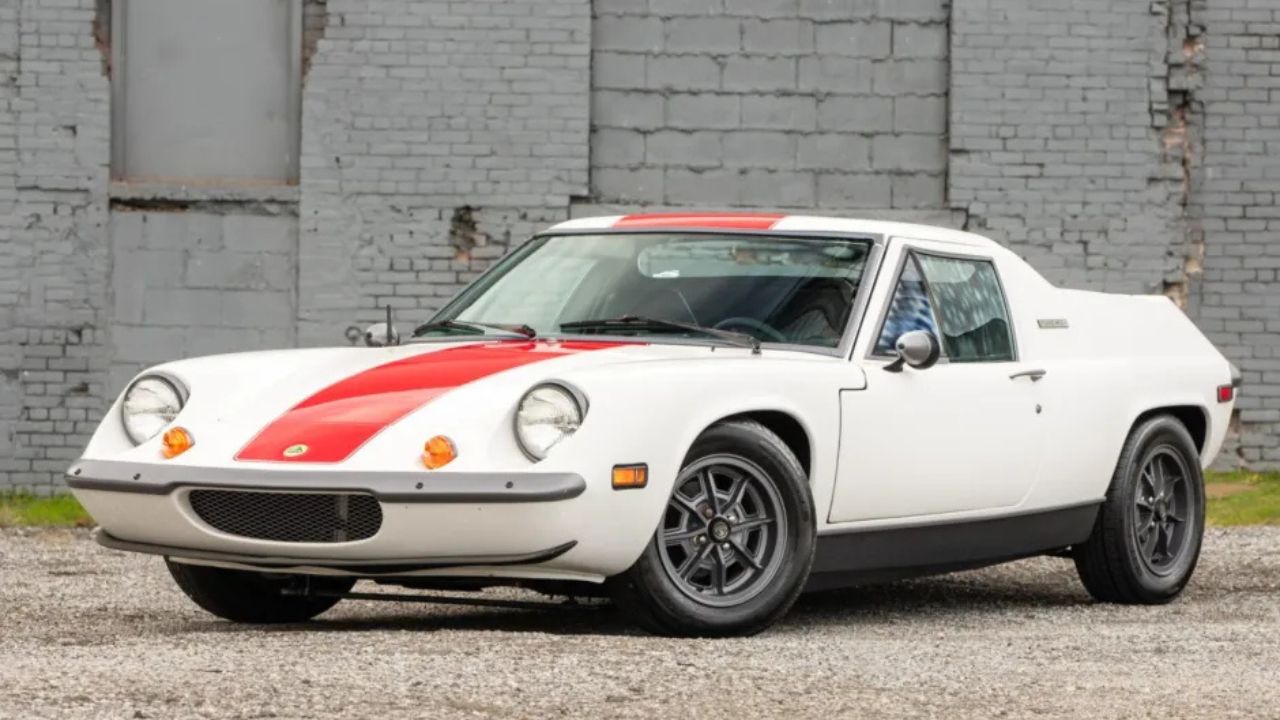
The Lotus Europa Twin Cam still feels raw because it follows Colin Chapman’s philosophy of extreme lightness and mechanical simplicity above everything else. The car sits incredibly low to the ground, transmitting road imperfections and chassis movement directly into the cabin. Steering response feels immediate and highly sensitive, requiring smooth driver inputs constantly. Its uncompromising focus on lightweight performance creates a level of connection many modern sports cars can no longer replicate.
More from Fast Lane Only