Championship-winning race teams rarely gamble on unreliable powerplants. The greatest racing engines earned trust through durability, consistent performance, and the ability to survive enormous pressure during motorsport’s toughest moments. These engines became legendary because teams repeatedly relied on them when titles, reputations, and history were at stake.
Renault EF15B Turbo V6
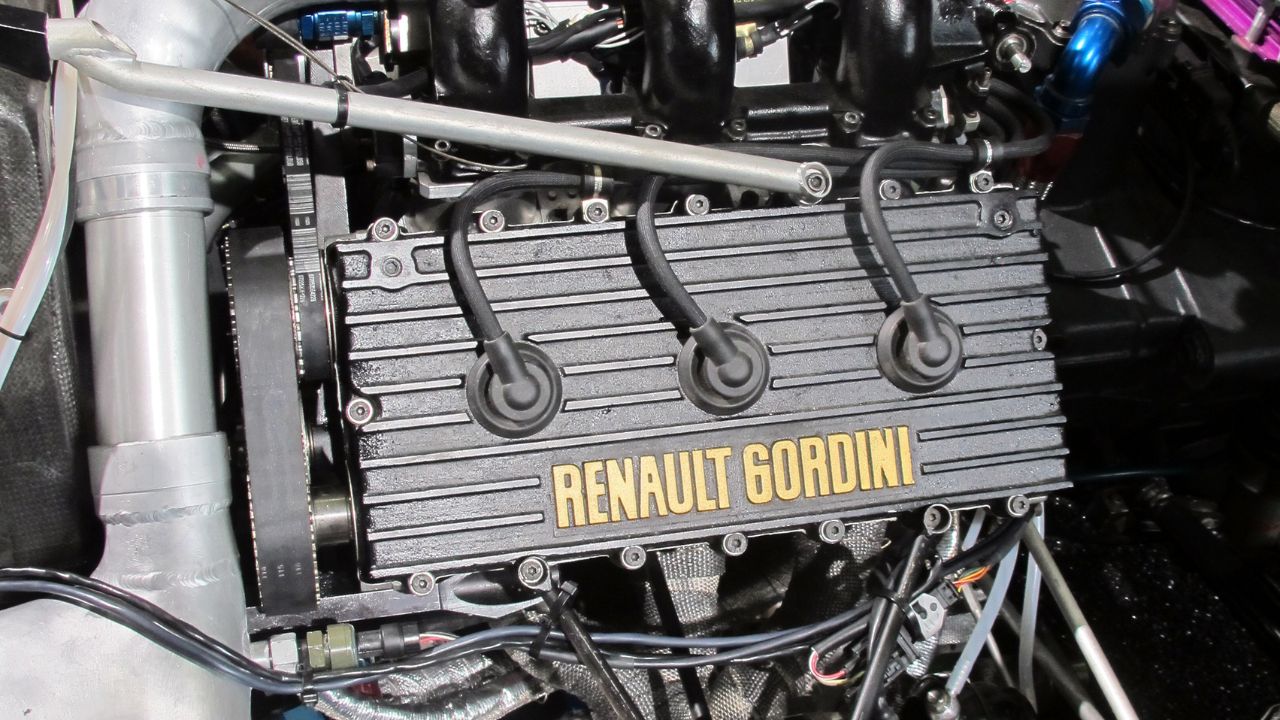
The Renault EF15B became a championship-caliber engine during Formula One’s intense turbo era because Renault engineers finally transformed early reliability struggles into serious competitive strength. Teams trusted the EF15B for its brutal qualifying pace and improved durability under massive turbo boost pressures. Its success helped establish turbocharged Formula One technology as the future of the sport during the 1980s.
Ilmor-Chevrolet Indy V8
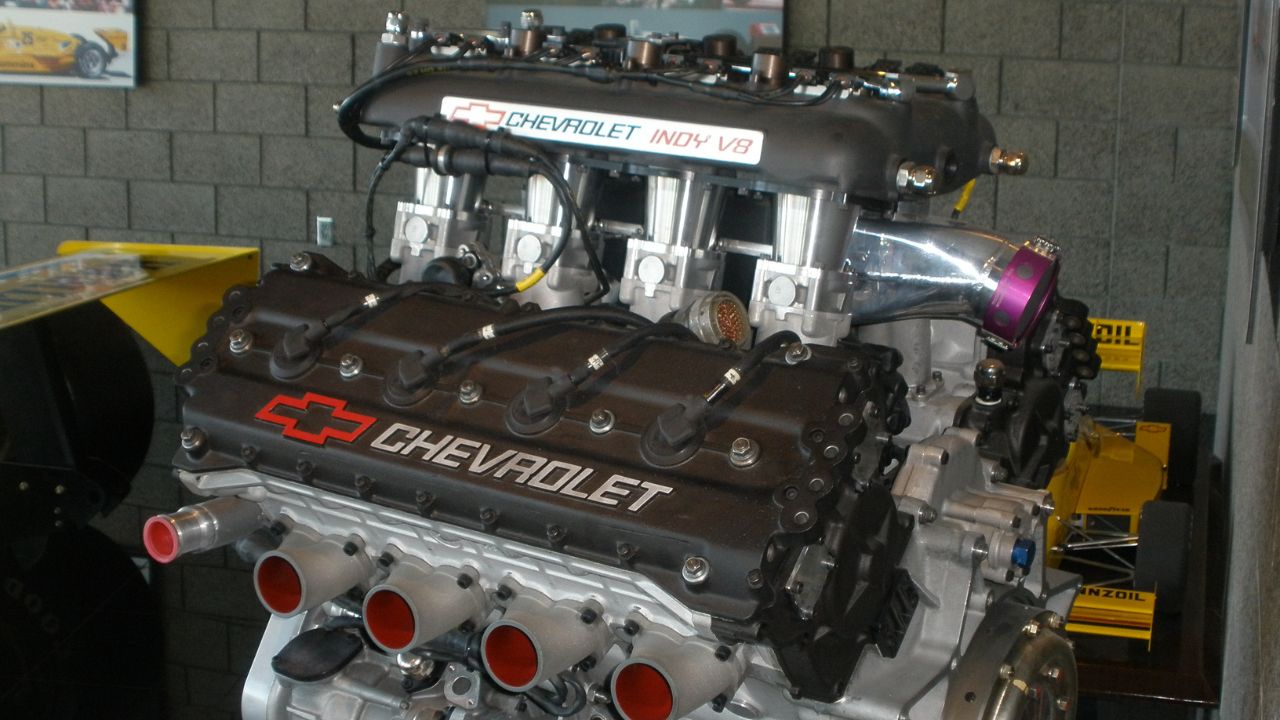
The Ilmor-Chevrolet Indy V8 earned enormous respect throughout American open-wheel racing because it combined smooth power delivery with outstanding reliability during long championship seasons. Penske and other elite teams trusted the engine repeatedly in high-pressure Indianapolis campaigns. The Ilmor-Chevrolet partnership became one of the defining technical combinations of 1990s IndyCar racing.
Nissan VR38 Super GT Engine
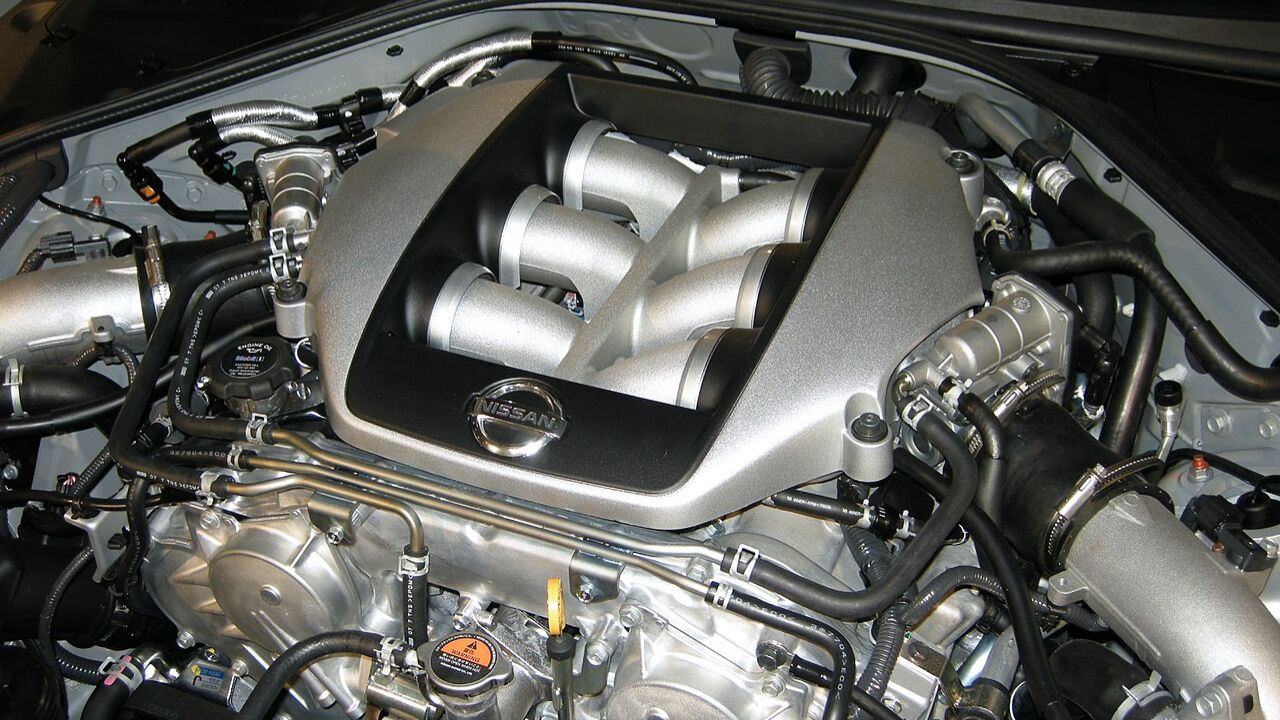
The Nissan VR38 Super GT Engine became trusted in Japan’s ultra-competitive Super GT series because of its ability to survive extreme turbocharged racing conditions while remaining consistently fast. Teams valued the engine’s balance of reliability and explosive acceleration during long-distance GT battles. Its success strengthened Nissan’s reputation in modern touring and endurance competition.
Alfa Romeo Tipo 33 V8
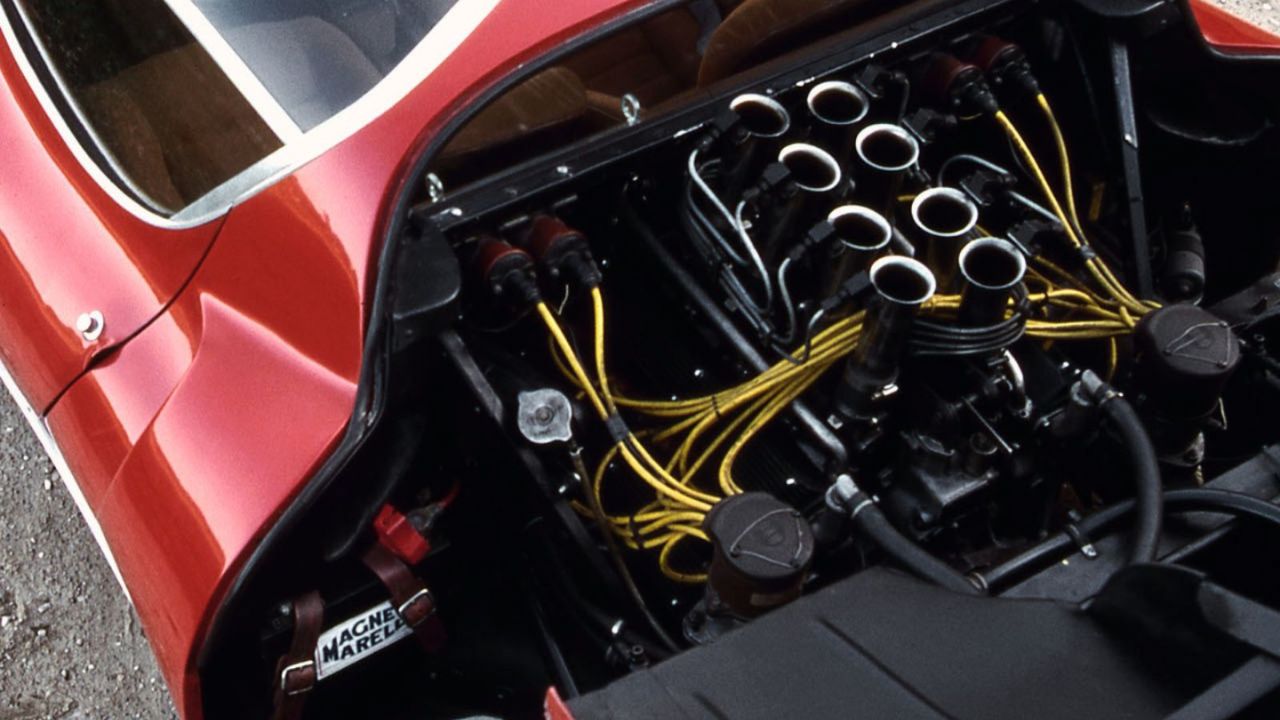
The Alfa Romeo Tipo 33 V8 gained legendary status during endurance racing because it delivered high-revving performance and surprising durability against powerful international rivals. Teams trusted the compact V8’s ability to remain competitive during grueling endurance events across Europe. Its sharp exhaust note and aggressive character still fascinate racing enthusiasts today.
Toyota RV8K Formula One Engine
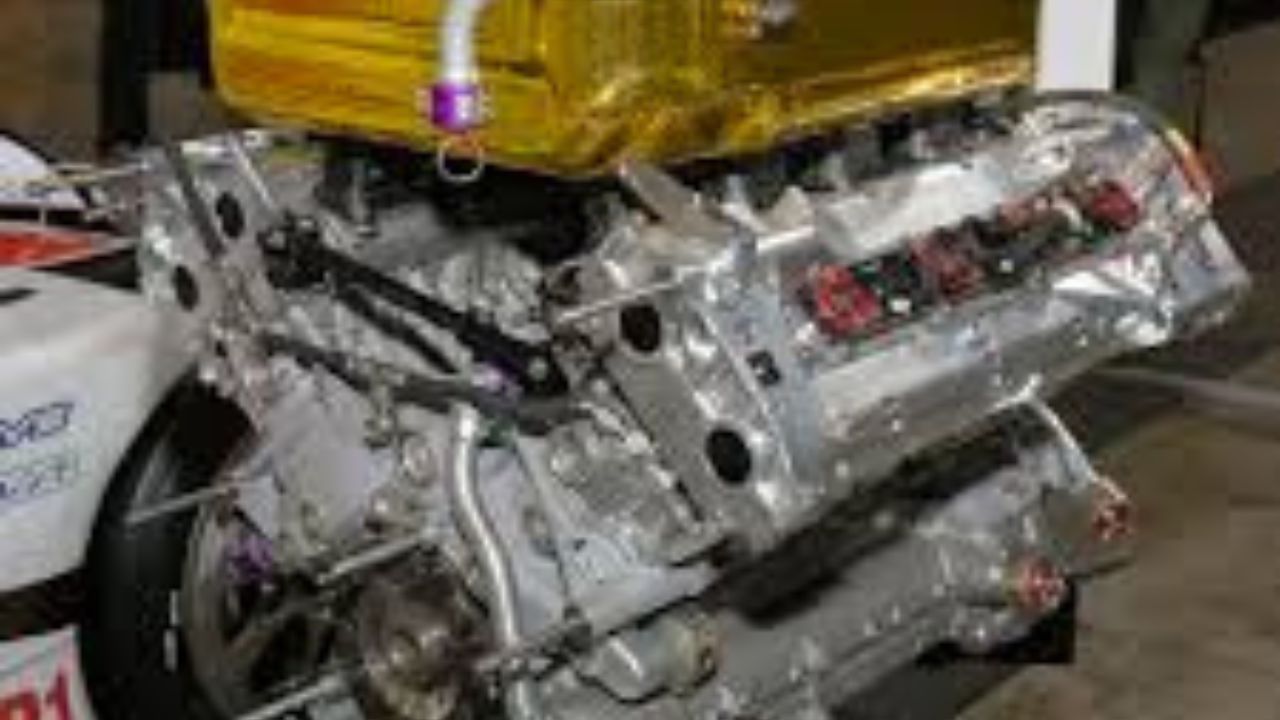
The Toyota RV8K earned respect because Toyota engineers developed an exceptionally reliable naturally aspirated Formula One engine capable of surviving modern race distances under intense stress. Although championships remained elusive, teams consistently praised the engine’s durability and smooth drivability. It represented Toyota’s serious technical commitment to Formula One competition.
Repco-Brabham V8
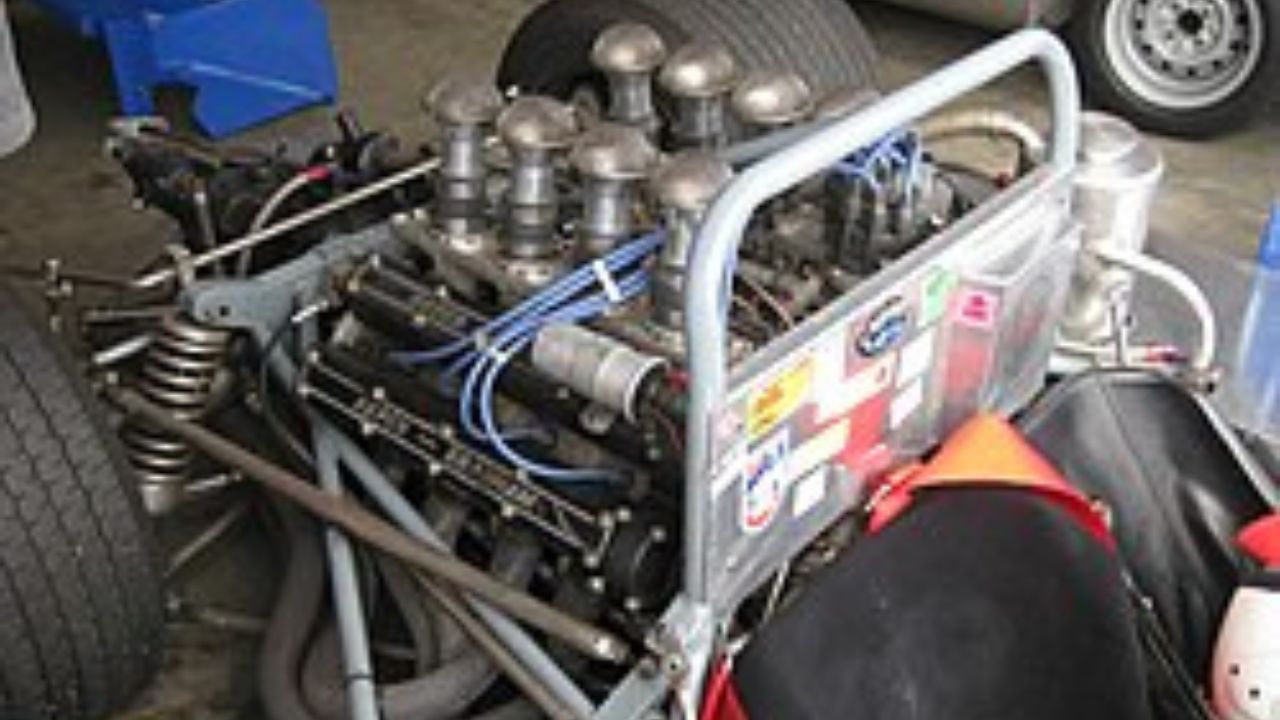
The Repco-Brabham V8 became famous because it prioritized reliability and efficiency while more powerful rivals often failed mechanically. Jack Brabham trusted the engine during championship-winning campaigns where consistency mattered more than outright speed. Its practical engineering philosophy helped secure multiple Formula One titles during the 1960s.
Jaguar XJR Twin-Turbo V6
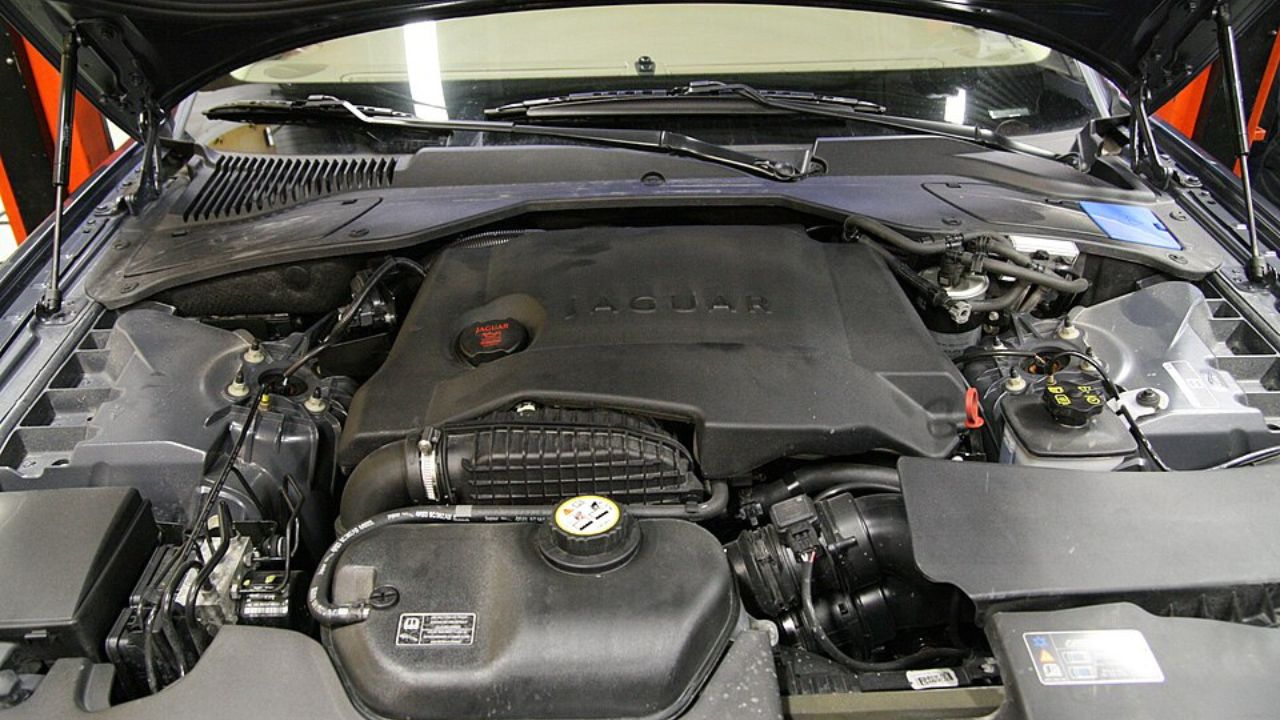
The Jaguar XJR Twin-Turbo V6 earned trust during endurance racing’s golden era because it handled extreme high-speed punishment at races like 24 Hours of Le Mans. Teams valued its combination of turbocharged power and long-distance durability against fierce Porsche and Mercedes competition. The engine became central to Jaguar’s return to international racing prominence.
Yamaha OX99 V12
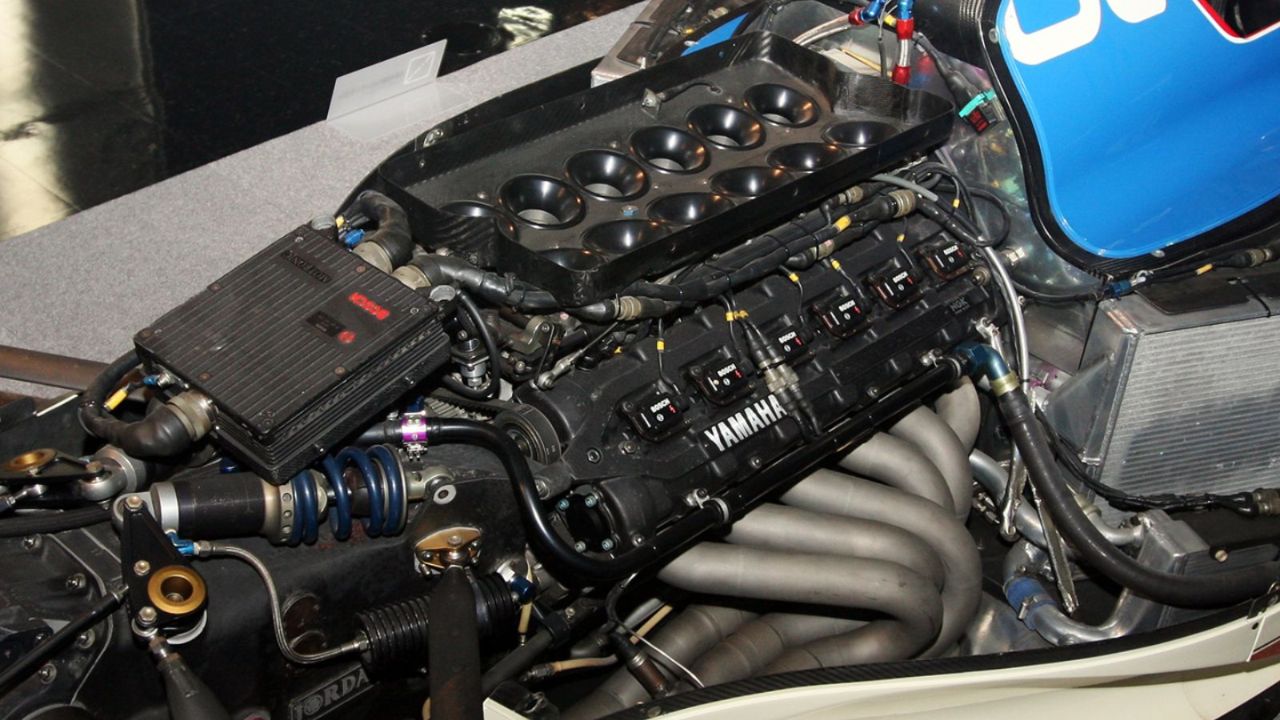
The Yamaha OX99 became admired for its exotic sound and high-revving character during the naturally aspirated Formula One era. Although Yamaha faced difficult competition from larger manufacturers, teams respected the engine’s engineering ambition and strong top-end performance. Enthusiasts still obsess over its unforgettable V12 soundtrack today.
Mercedes-Benz M291 Group C Engine
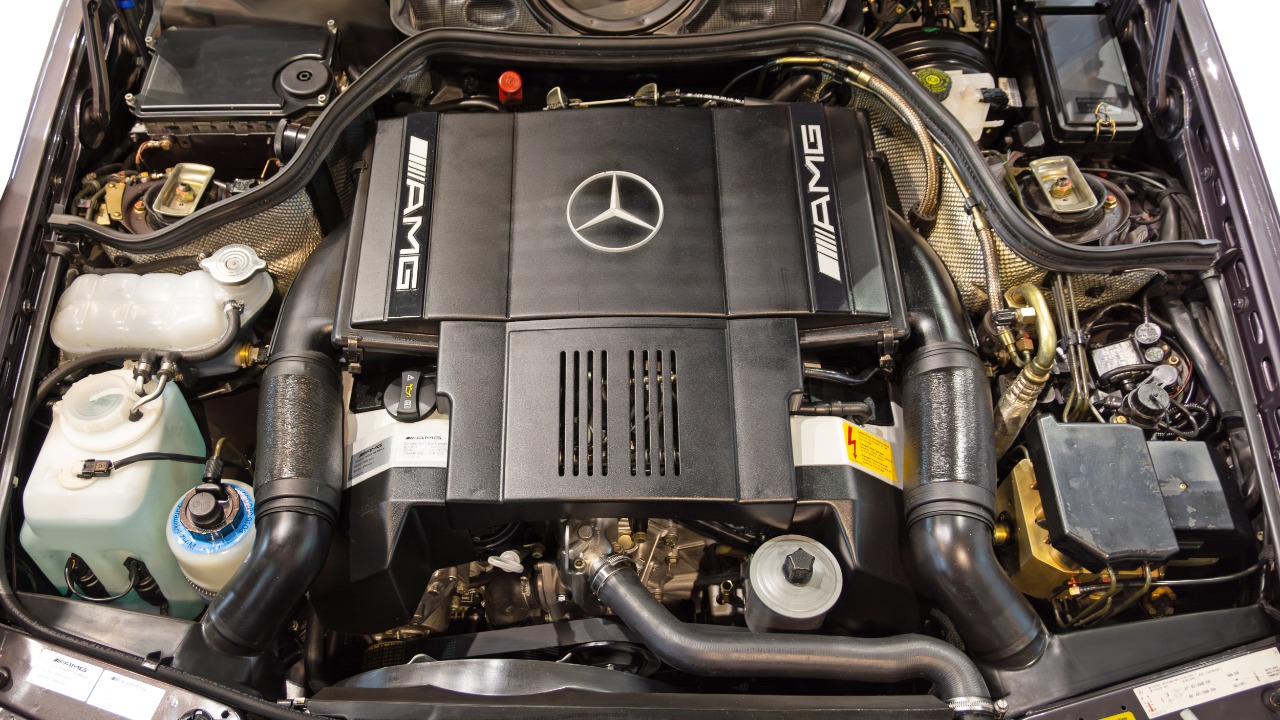
The Mercedes-Benz M291 helped power Mercedes endurance prototypes during one of the fiercest periods in sports-car racing history. Teams trusted the turbocharged engine because it delivered relentless speed while surviving brutal long-distance competition. Its development reflected Mercedes-Benz’s intense engineering focus during the late Group C years.
Hart 415T Turbo Engine
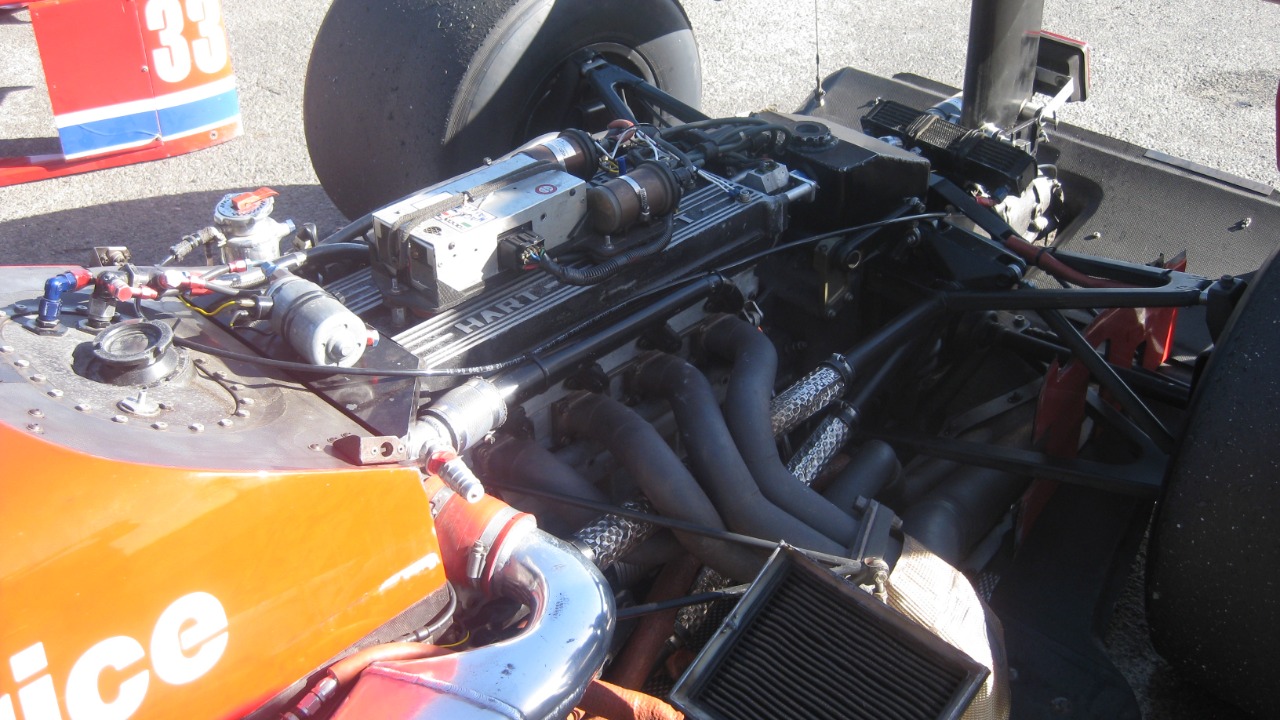
The Hart 415T earned admiration among smaller Formula One teams because it provided competitive turbocharged performance despite limited budgets. Independent teams trusted Hart engineering to remain reliable enough for difficult championship seasons against major factory rivals. The engine became a symbol of determination and technical creativity during Formula One’s demanding turbo era.
More from Fast Lane Only