Some of motorsport’s most legendary machines were created by racers who discovered just how far factory components could be stretched before breaking. Instead of relying entirely on purpose-built race hardware, these builds transformed production-based engines, drivetrains, and chassis into competition monsters capable of shocking rivals and engineers alike. Their success proved that clever tuning, experimentation, and fearless driving could turn ordinary factory parts into racing legends.
Nissan Skyline GT-R Group A
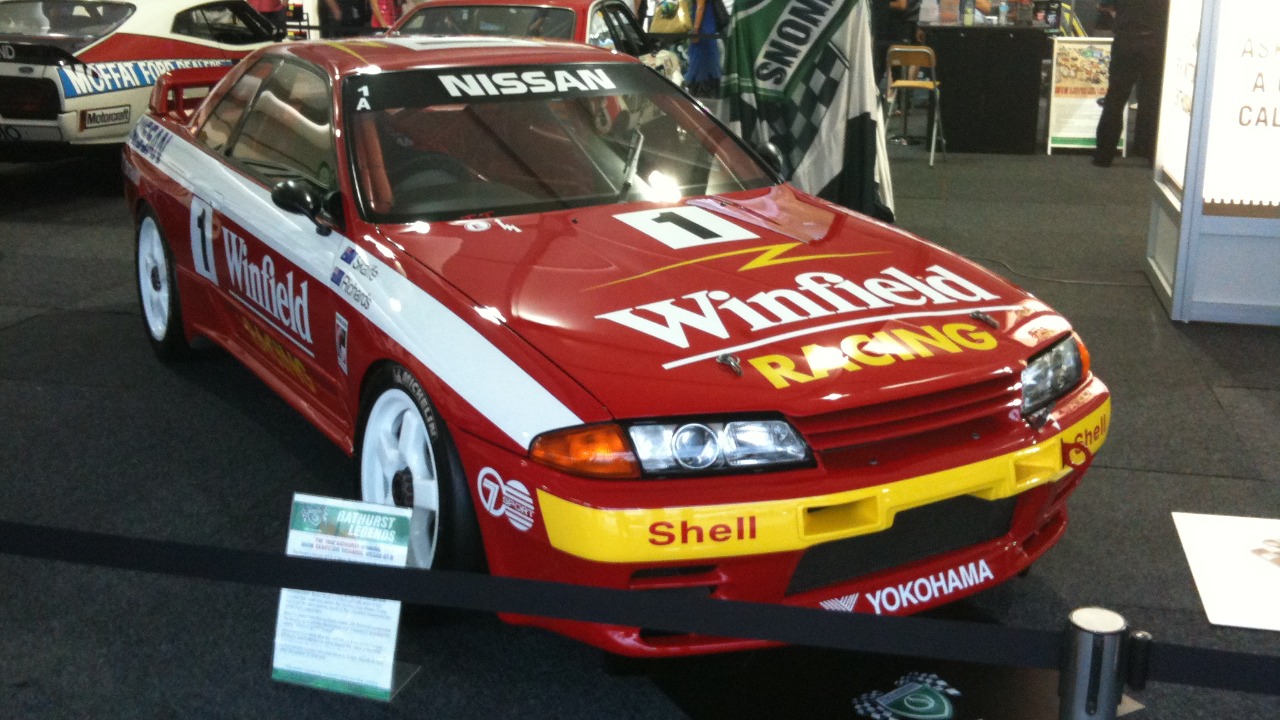
The Nissan Skyline GT-R R32 Group A became infamous because its RB26DETT engine and all-wheel-drive system handled enormous racing stress far beyond what most street cars could survive. Nissan engineers and racing teams continually increased boost pressure and performance while still relying heavily on production-based architecture. The drivetrain’s durability helped the GT-R dominate touring-car competition so thoroughly that rivals nicknamed it “Godzilla.” Its success permanently changed expectations surrounding factory-based Japanese performance engineering.
Ford Mustang Fox Body Drag Cars
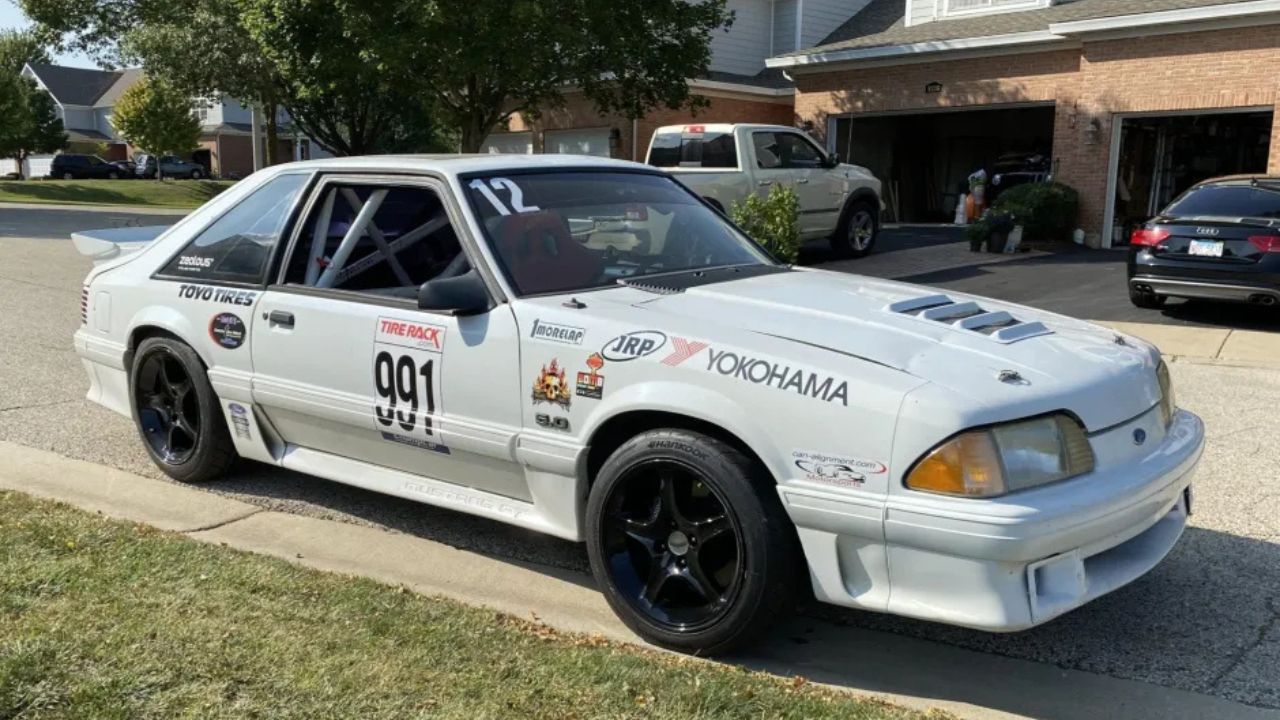
The Ford Mustang Fox Body became a drag-strip legend because racers discovered its factory small-block V8s and lightweight chassis tolerated huge horsepower increases surprisingly well. Tuners pushed stock-based 5.0-liter engines far beyond original factory intentions using nitrous oxide, superchargers, and turbocharging setups. Affordable parts and simple mechanical layouts encouraged endless experimentation at local tracks nationwide. The Fox Body became one of America’s most important grassroots racing platforms because factory components proved remarkably resilient.
Porsche 935
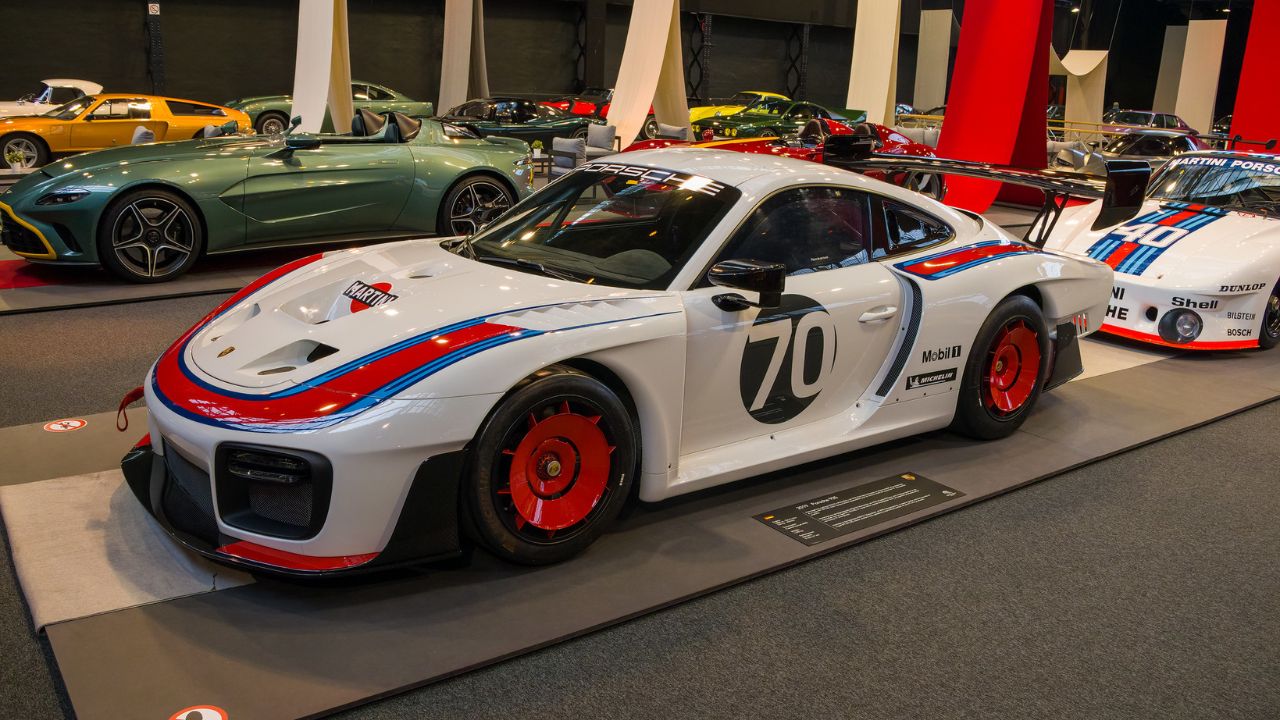
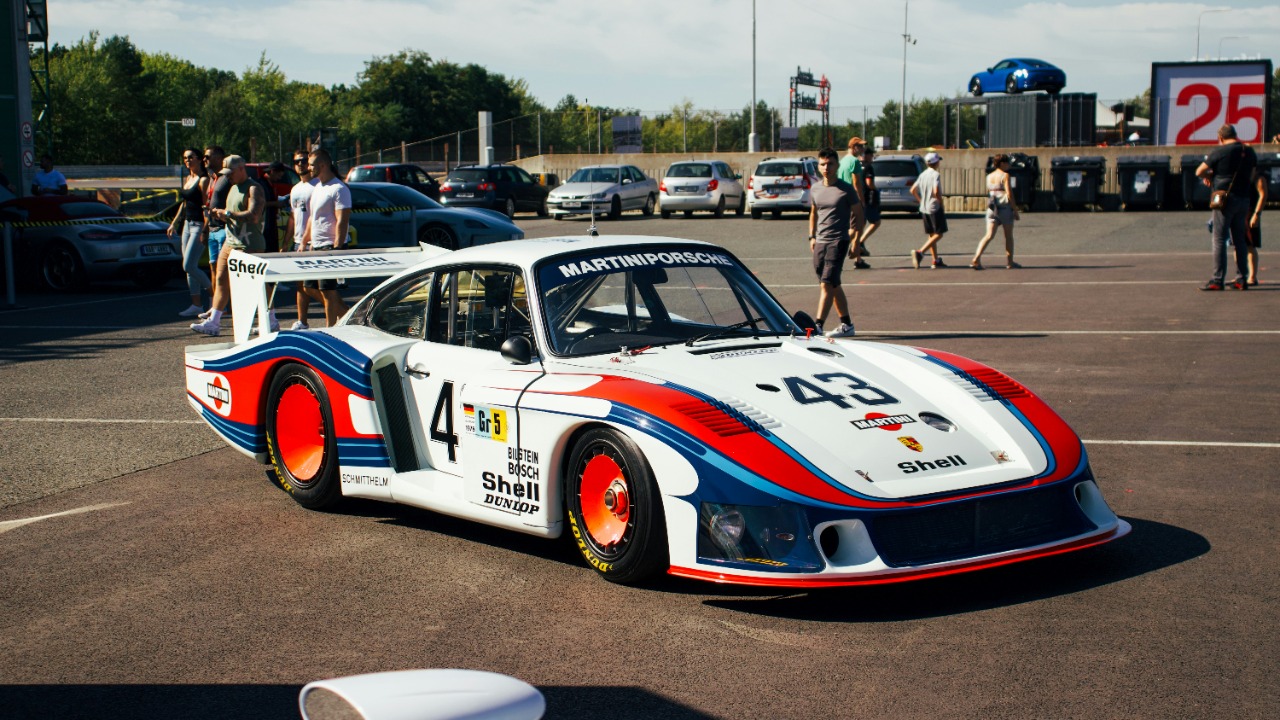
The Porsche 935 pushed production-based Porsche engineering into astonishing territory during endurance racing’s most competitive years. Derived from the 911 platform, the 935 evolved into an aerodynamic monster producing enormous turbocharged power while still retaining core production roots underneath. Teams continually discovered the flat-six engine could survive far greater stress than expected. Its dominance demonstrated how adaptable and durable Porsche’s original sports-car architecture truly was under extreme racing conditions.
Toyota Supra A80 Drag Builds
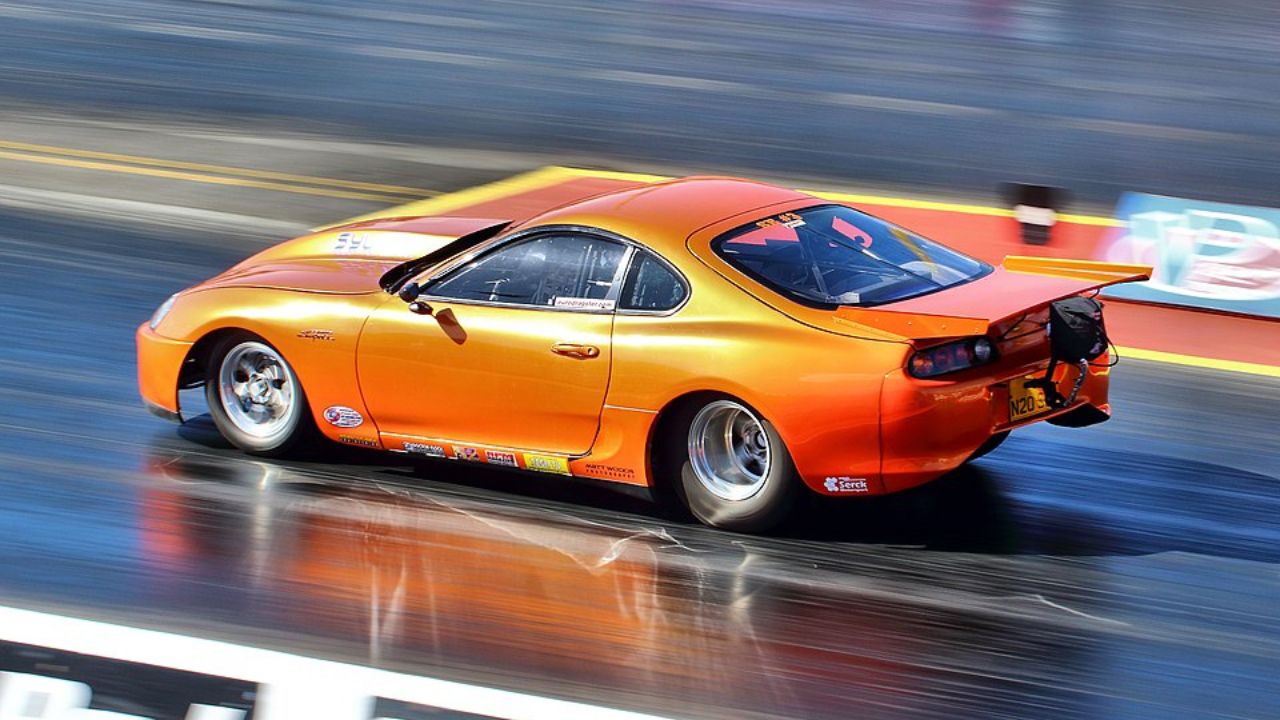
The Toyota Supra MK4 gained legendary status because tuners realized the factory 2JZ-GTE engine could survive horsepower levels few production engines could tolerate reliably. Racers pushed stock blocks and internals into four-digit horsepower territory through massive turbocharging systems and careful tuning. The Supra’s drivetrain strength became central to modern import drag-racing culture worldwide. Its reputation permanently changed how enthusiasts viewed factory Japanese engine durability and tuning potential.
Chevrolet Camaro Trans-Am Builds
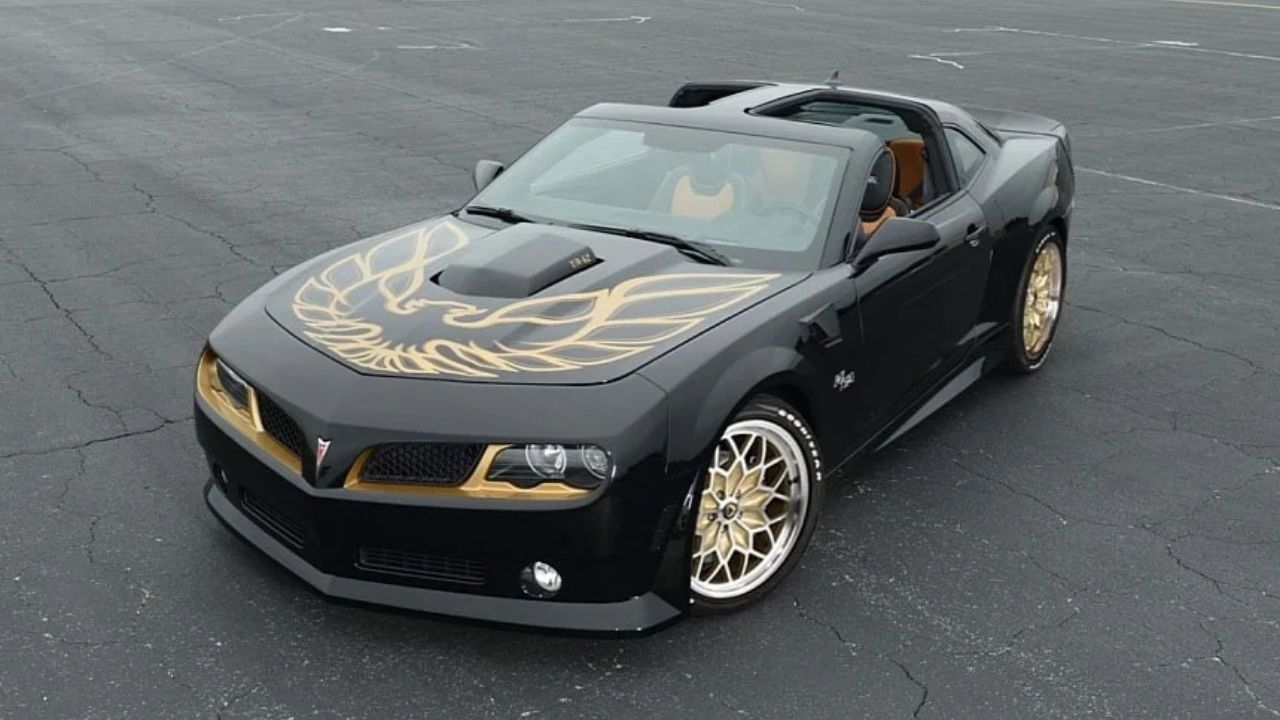
The Chevrolet Camaro Z/28 became famous because racing teams extracted incredible handling and reliability from production-based small-block V8 components during fierce Trans-Am competition. Engineers refined suspension geometry, lightweight construction, and high-revving engine combinations while remaining close to factory foundations. The cars endured brutal racing conditions while proving American production hardware could compete internationally. Their success helped establish the Camaro as one of Detroit’s most respected road-racing platforms.
Mitsubishi Lancer Evolution Rally Cars
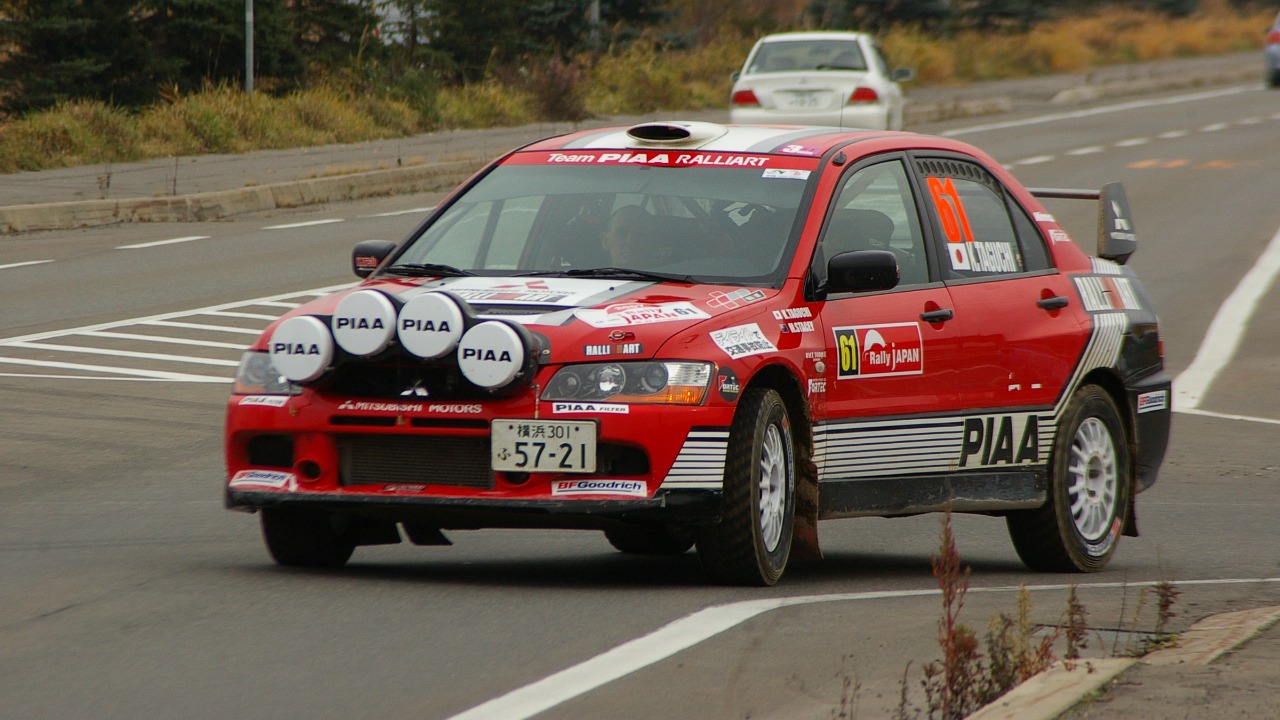
The Mitsubishi Lancer Evolution showed how far factory-based turbocharged and all-wheel-drive systems could be pushed under extreme punishment. Rally teams subjected production-derived engines, transmissions, and drivetrains to violent jumps, gravel stages, and brutal weather conditions constantly. The Evolution platform repeatedly survived enormous stress while remaining incredibly competitive against elite international rivals. Its durability and adaptability helped cement Mitsubishi’s reputation among performance enthusiasts worldwide.
Dodge Neon SRT-4 Time Attack Builds
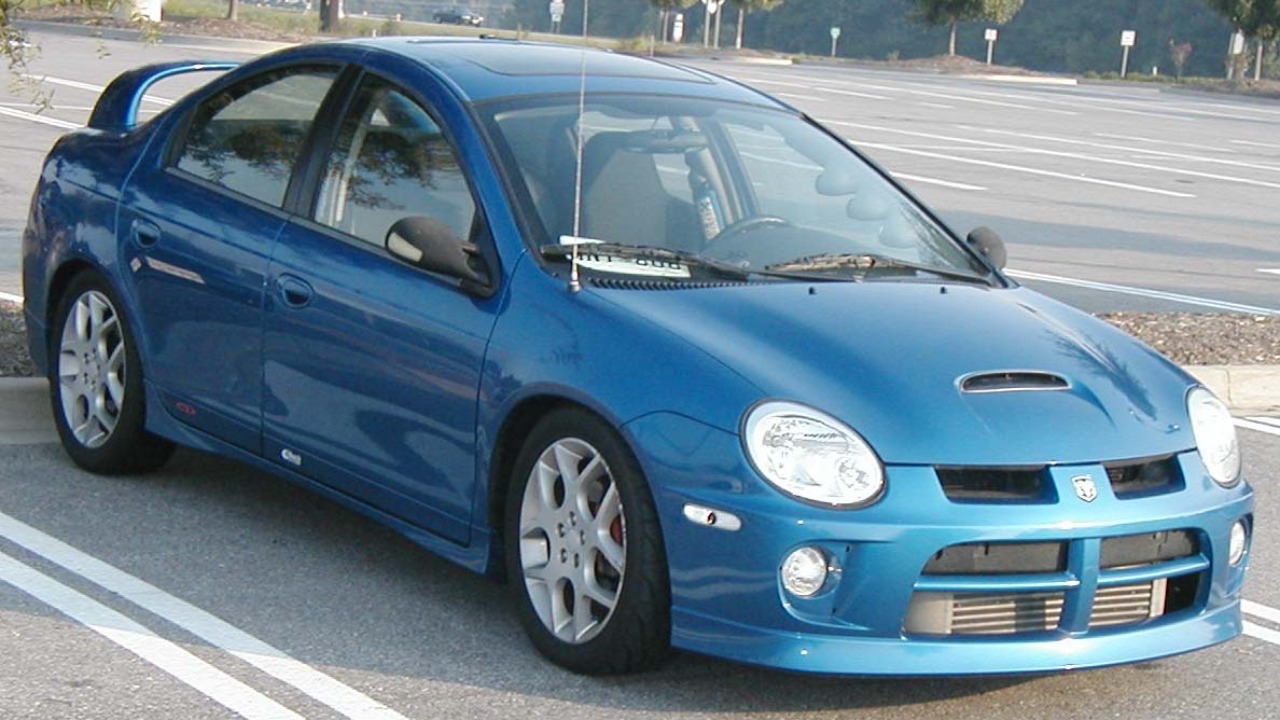
The Dodge Neon SRT-4 surprised enthusiasts because racers discovered its factory turbocharged four-cylinder engine could handle much more power than expected. Tuners transformed inexpensive economy-based sedans into serious drag, autocross, and time-attack competitors using heavily stressed production-based components. The SRT-4 proved affordable factory engineering could deliver impressive racing durability with proper tuning and supporting modifications. Its grassroots popularity created a loyal enthusiast following that still exists today.
More from Fast Lane Only