In the late 1960s and early 1970s, horsepower wars weren’t just fought on drag strips; they were waged in actuarial offices. As big-block V8s grew larger and quarter-mile times dropped, insurance companies noticed rising accident claims tied to young drivers and factory performance packages. These muscle cars became so potent that premiums skyrocketed, helping bring the original era to a dramatic close.
Plymouth Hemi ’Cuda
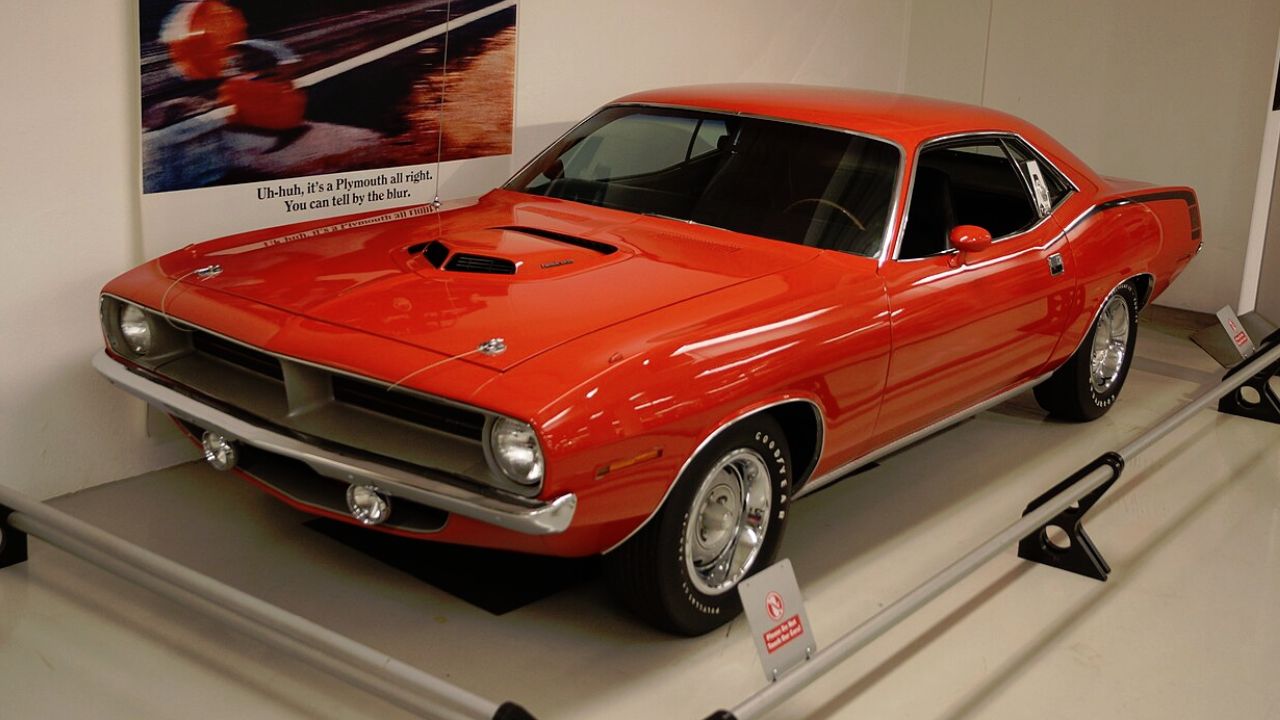
The Plymouth Hemi ’Cuda combined lightweight E-body proportions with one of the most feared engines of its time. Built by Plymouth, it housed the 426 Hemi V8 officially rated at 425 horsepower but widely believed to produce more. Its brutal acceleration made it dominant at stoplights and drag strips alike. Young buyers were drawn to its bold graphics and shaker hood, increasing risk profiles. Insurers quickly identified the Hemi ’Cuda as a high-claim magnet during its short but explosive prime.
Chevrolet Camaro ZL1 (1969)
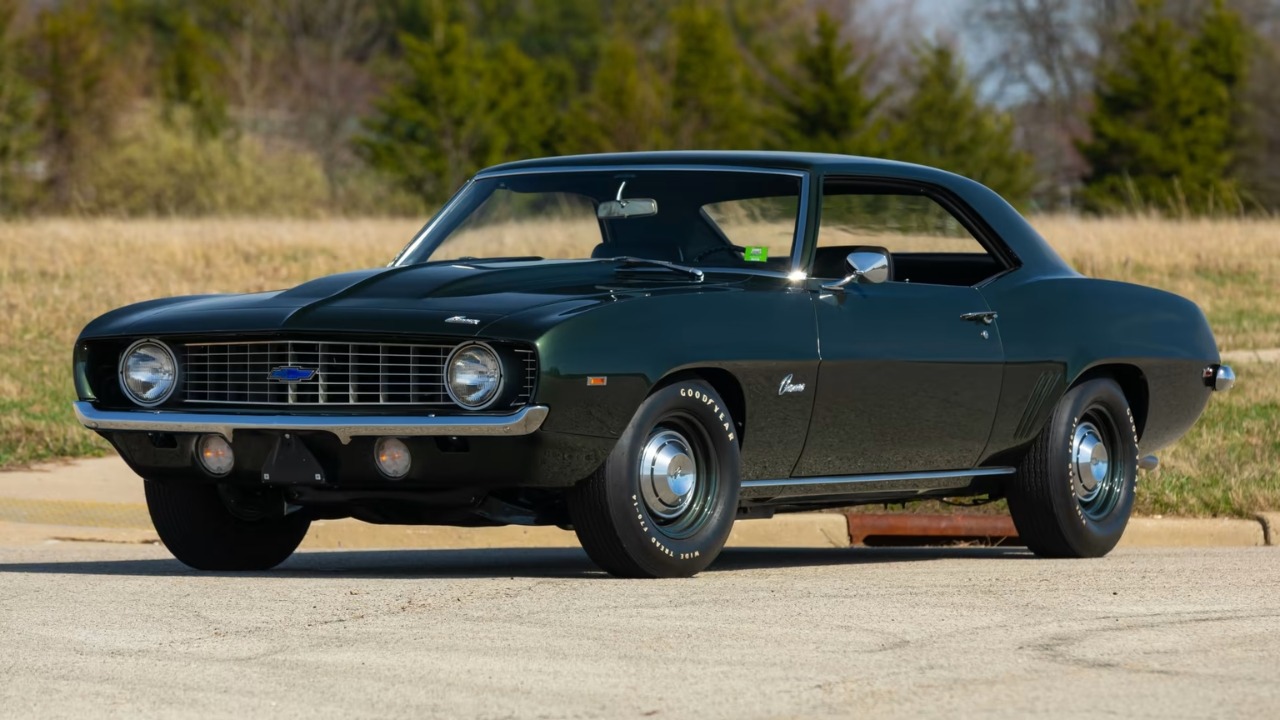
The 1969 Camaro ZL1 was essentially a factory-built race car sold to the public. Produced by Chevrolet, it featured an all-aluminum 427 cubic-inch V8 derived from Can-Am competition. With actual output far exceeding its conservative rating, it delivered blistering quarter-mile performance. Only a small number were built, but their capability was unmistakable. Insurance companies viewed it as an extreme liability, pairing lightweight construction with race-level horsepower in everyday traffic.
Dodge Challenger R/T 440 Six Pack
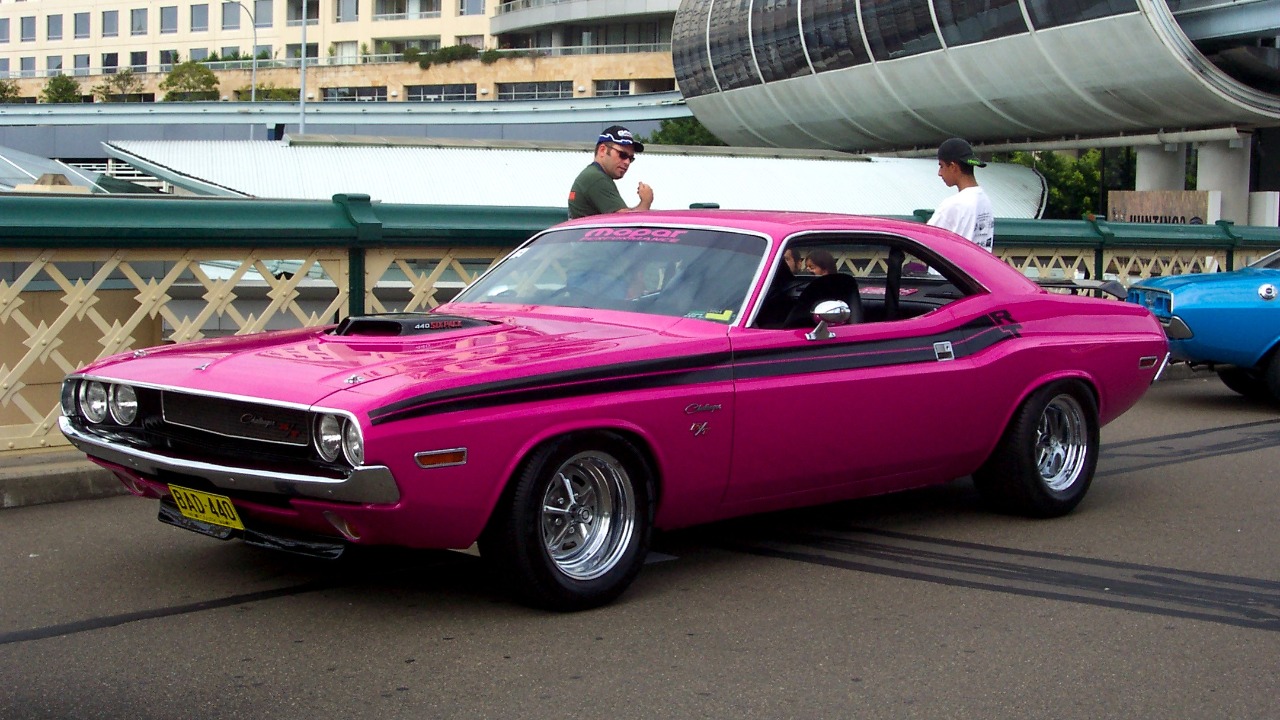
The Dodge Challenger R/T equipped with the 440 Six Pack offered near-Hemi performance at a slightly lower price. Built by Dodge, its trio of two-barrel carburetors fed a massive big-block V8 delivering relentless torque. Aggressive styling and wide stance amplified its street presence. Drivers could overwhelm rear tires with ease, especially on bias-ply rubber. For insurers, the combination of accessible power and youthful appeal translated into higher premiums almost immediately.
Pontiac GTO Judge
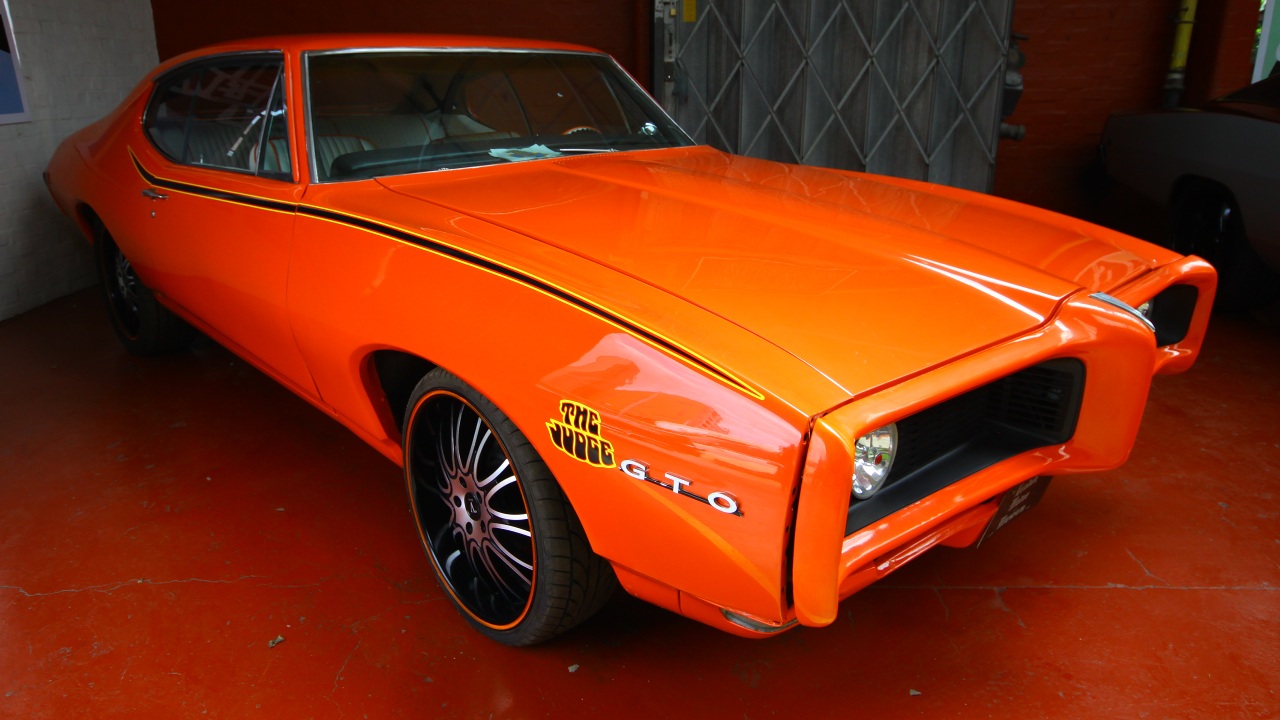
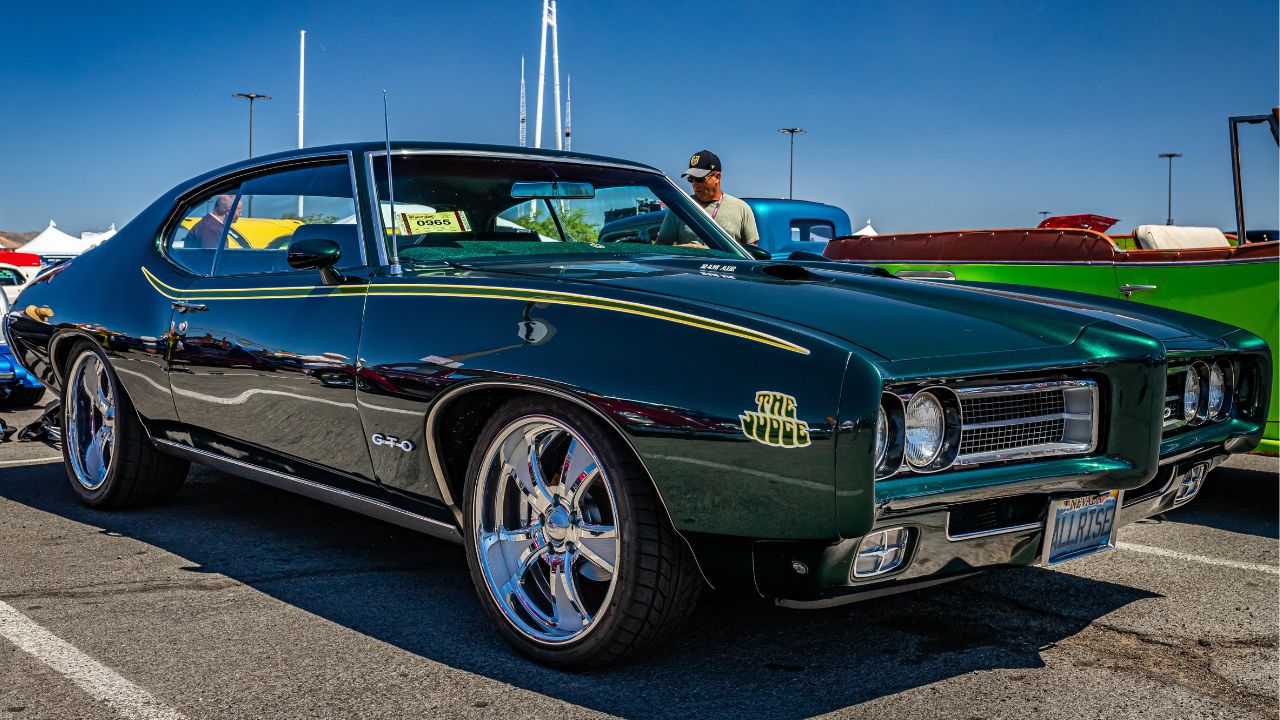
The Pontiac GTO Judge took an already potent formula and amplified its attitude. Introduced by Pontiac, it offered Ram Air III and Ram Air IV V8 options that delivered serious straight-line punch. Bright colors and bold striping attracted attention, particularly among younger buyers. Its strong acceleration and affordable pricing widened its ownership base. Insurance companies responded by categorizing high-performance GTO variants as elevated risk, reflecting the surge in claims tied to muscle-era driving habits.
Ford Torino Cobra 429

The Ford Torino Cobra 429 packed NASCAR-inspired muscle into a midsize platform. Developed by Ford Motor Company, it used the 429 Cobra Jet or Super Cobra Jet V8 to deliver formidable quarter-mile times. Functional hood scoops and subtle badging hinted at its serious capability. The car’s torque-heavy character made it deceptively quick for its size. Insurers took notice as powerful big-block intermediates like the Torino Cobra began appearing in accident statistics.
Oldsmobile 442 W-30

The Oldsmobile 442 W-30 represented one of General Motors’ most potent muscle packages. Built by Oldsmobile, the W-30 option added a high-performance camshaft, improved induction, and aggressive tuning to the 455 V8. Torque figures were staggering for the era, enabling rapid acceleration in street conditions. Its understated appearance concealed serious capability. Insurance companies flagged high-output variants like the W-30 as particularly risky, given their blend of power and everyday usability.
Buick GS 455 Stage 1
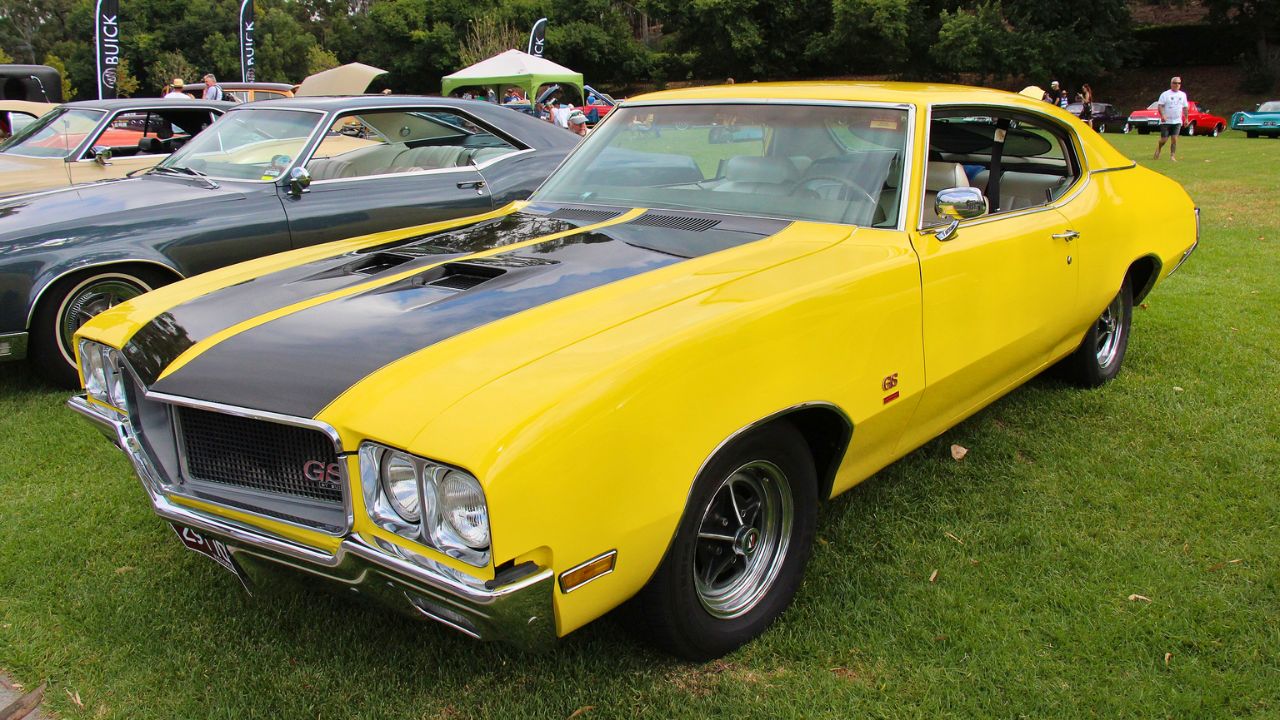
The Buick GS 455 Stage 1 delivered torque numbers that rivaled nearly anything on the road. Produced by Buick, it generated a factory-rated 510 lb-ft of torque, overwhelming rear tires with minimal provocation. Though Buick had a reputation for comfort, the Stage 1 package transformed it into a drag-strip threat. Its performance often surprised competitors expecting a softer cruiser. Insurers saw the surge in high-torque muscle as a financial red flag during the height of the horsepower race.
AMC AMX 390

The AMC AMX 390 proved that even smaller manufacturers could shake up the insurance industry. Built by American Motors Corporation, the two-seat AMX combined compact dimensions with a 390 cubic-inch V8. Its short wheelbase and strong power-to-weight ratio produced lively, sometimes unruly handling. Performance figures rivaled larger, better-funded competitors. Insurance companies grouped the AMX among high-risk performance models, recognizing that raw power in a lightweight package often translated into costly claims.
More from Fast Lane Only