Some sports cars delivered far more excitement than their price tags suggested. They proved that impressive handling, quick acceleration, and genuine driving character did not always require exotic badges or enormous budgets. From lightweight European roadsters to affordable Japanese performance machines, these cars gave ordinary enthusiasts access to driving experiences that felt far more expensive.
Mazda MX-5 Miata

The Mazda MX-5 Miata became a benchmark for affordable sports-car enjoyment by focusing on lightweight construction, rear-wheel drive, and simple driving pleasure. Its modest engine never needed enormous horsepower to make the car entertaining. Instead, precise steering, balanced handling, and an open cockpit created an experience that felt considerably more expensive than its price. The Miata demonstrated that excellent engineering could matter more than raw performance numbers.
Toyota MR2
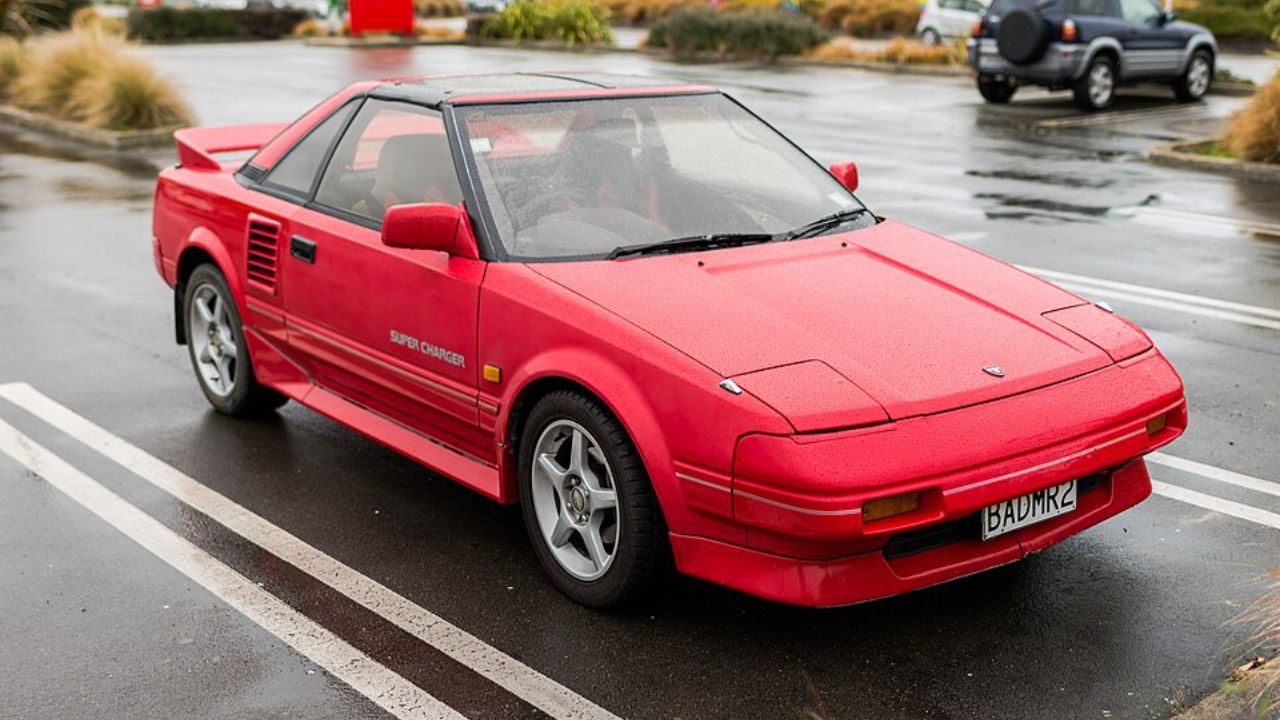
The Toyota MR2 delivered something unusual for an affordable sports car: a mid-engine layout. Its compact dimensions and centralized weight distribution gave it sharp handling characteristics that separated it from conventional front-engine competitors. Toyota kept the car relatively simple and accessible, allowing enthusiasts to experience exotic-car-style mechanical architecture without an exotic price. The MR2 became especially appealing to drivers who valued agility and mechanical character over outright horsepower.
Nissan 240SX
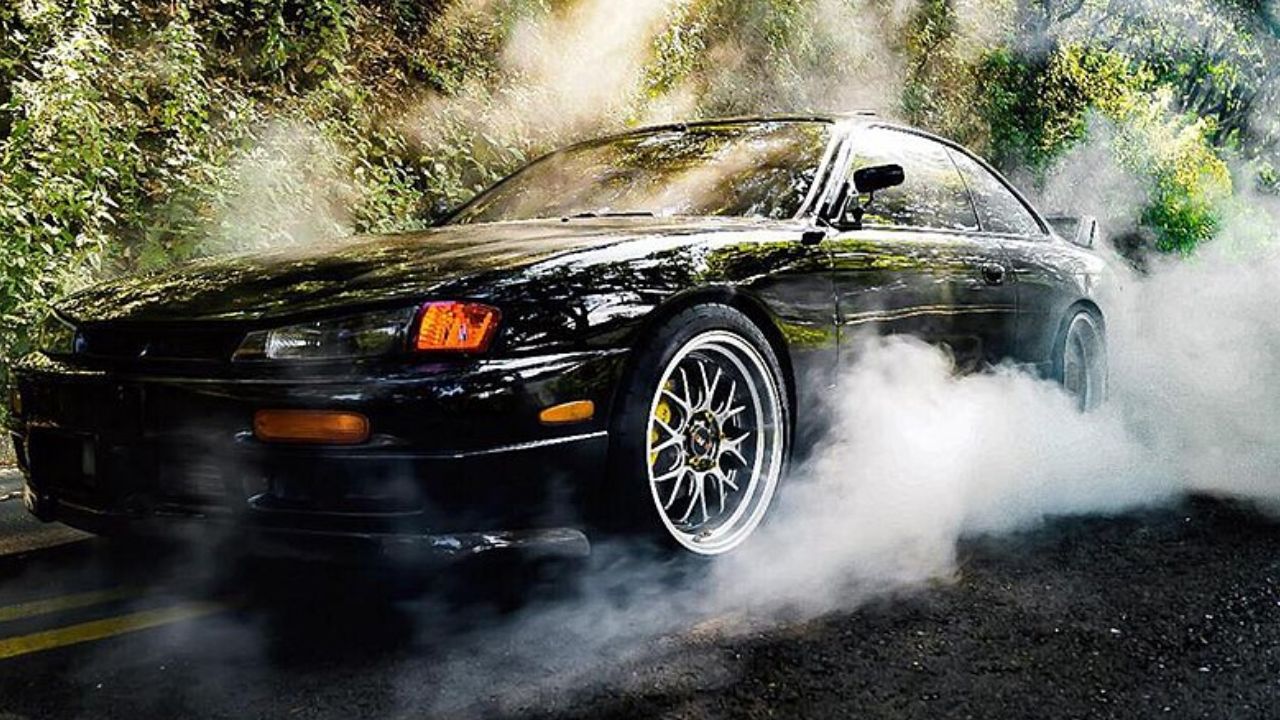
The Nissan 240SX earned a loyal following because its rear-wheel-drive layout, balanced chassis, and simple mechanical foundation made it an excellent enthusiast platform. It was never the most powerful sports car in its class, but its predictable handling and tunable nature gave drivers plenty of opportunities to personalize it. The 240SX showed how an affordable coupe could become far more exciting through good chassis engineering and a strong connection between driver and car.
Ford Mustang GT
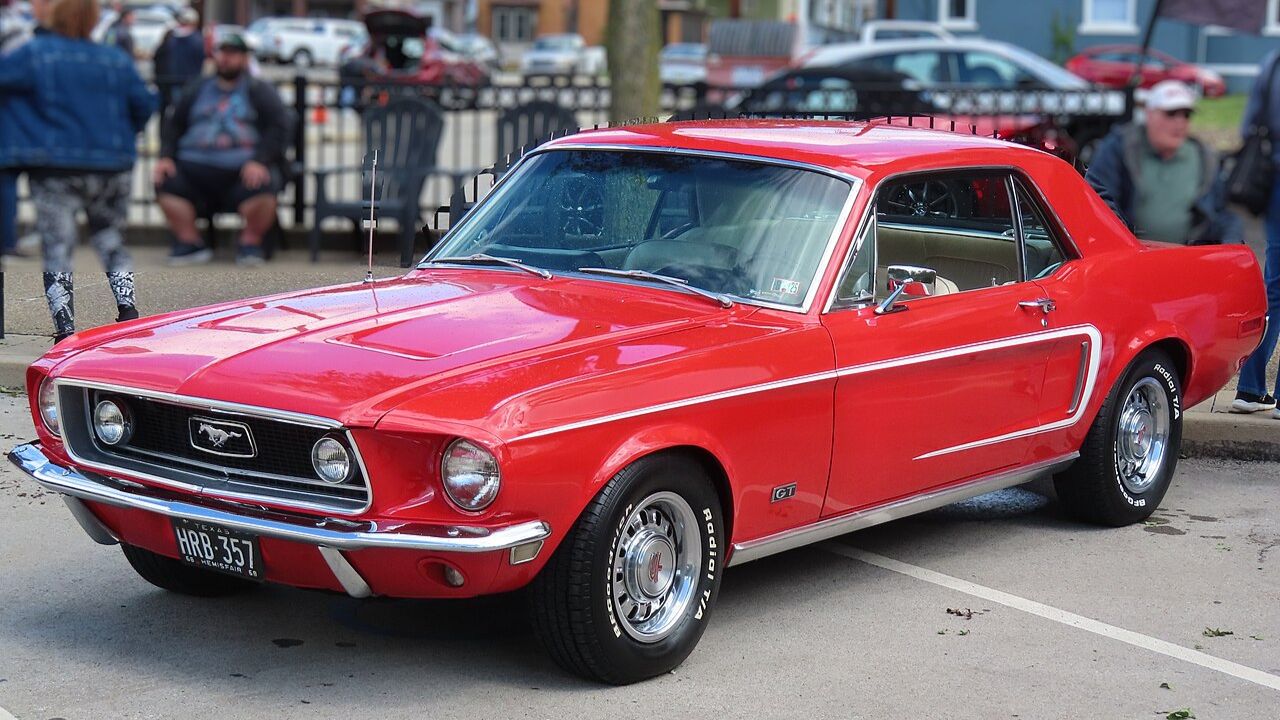
The Ford Mustang GT has repeatedly offered substantial performance without reaching the prices of specialized sports cars. Its V8 engine provides strong acceleration, while the familiar rear-wheel-drive layout preserves the traditional muscle-car experience. Later generations improved handling, braking, and chassis refinement considerably. The result is a sports-oriented package capable of delivering serious performance while remaining accessible to buyers who might otherwise struggle to afford a dedicated performance machine.
Chevrolet Corvette C4
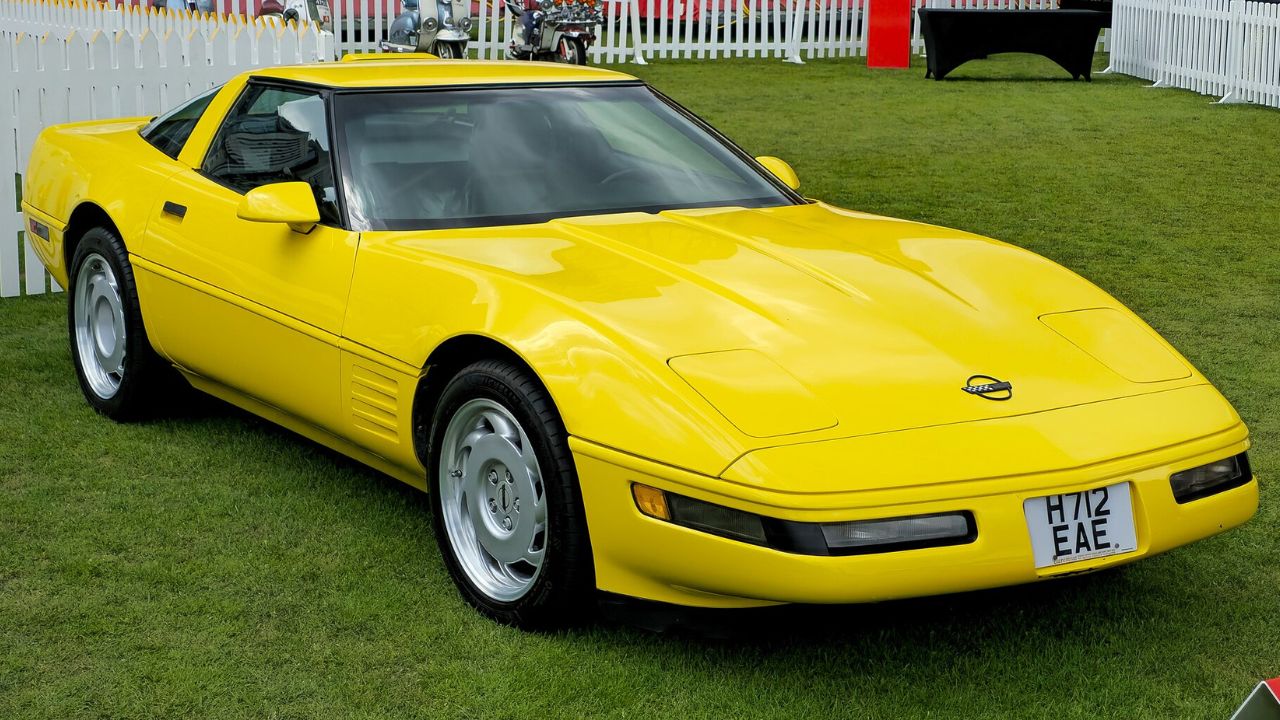
The Chevrolet Corvette C4 brought genuine high-performance credentials into a price range below many European sports cars. Its fiberglass body, rear-wheel-drive layout, and available V8 engines gave it the hardware necessary to deliver impressive acceleration and highway performance. While early examples had areas that could be improved, the C4 remained an important performance bargain. It demonstrated that American engineering could compete with expensive imports without requiring an exotic-car budget.
Honda S2000
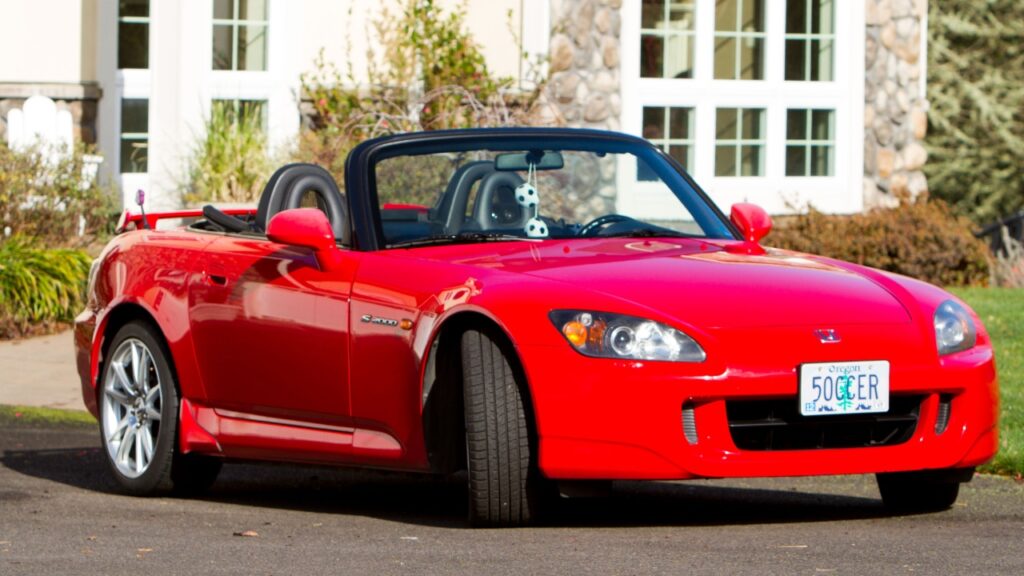
The Honda S2000 offered an unusually high-revving driving experience in a relatively affordable roadster. Its naturally aspirated four-cylinder engine rewarded drivers who were willing to explore the upper reaches of the tachometer, while rear-wheel drive and a precise manual transmission reinforced its enthusiast-focused character. The S2000 avoided unnecessary weight and excessive luxury, concentrating instead on mechanical involvement. That purity helped it earn a reputation far beyond its original price category.
Pontiac Solstice GXP
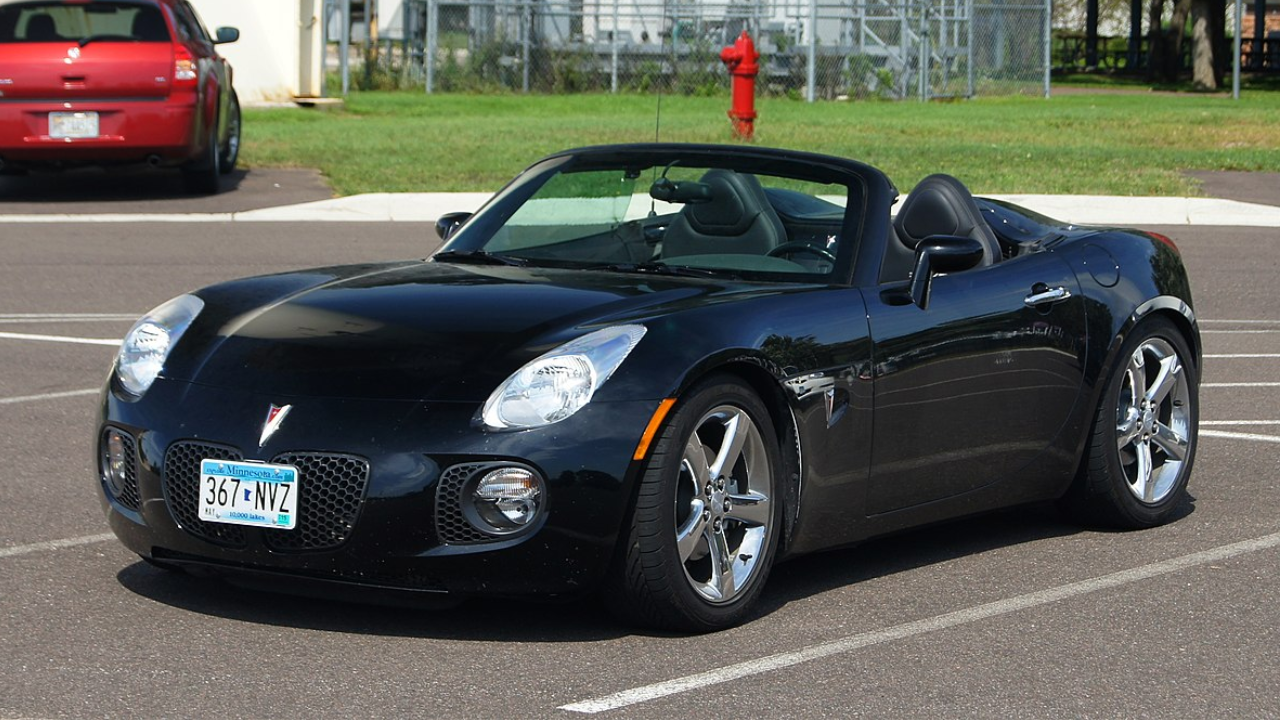
The Pontiac Solstice GXP gave American buyers an affordable alternative to established European roadsters. Its turbocharged four-cylinder engine provided considerably more performance than the standard Solstice, while rear-wheel drive and compact dimensions kept the driving experience engaging. Its unusual styling also helped it stand apart from more conventional sports cars. Although production was relatively brief, the GXP demonstrated how much performance could be packed into an inexpensive two-seat platform.
Mitsubishi Eclipse GSX
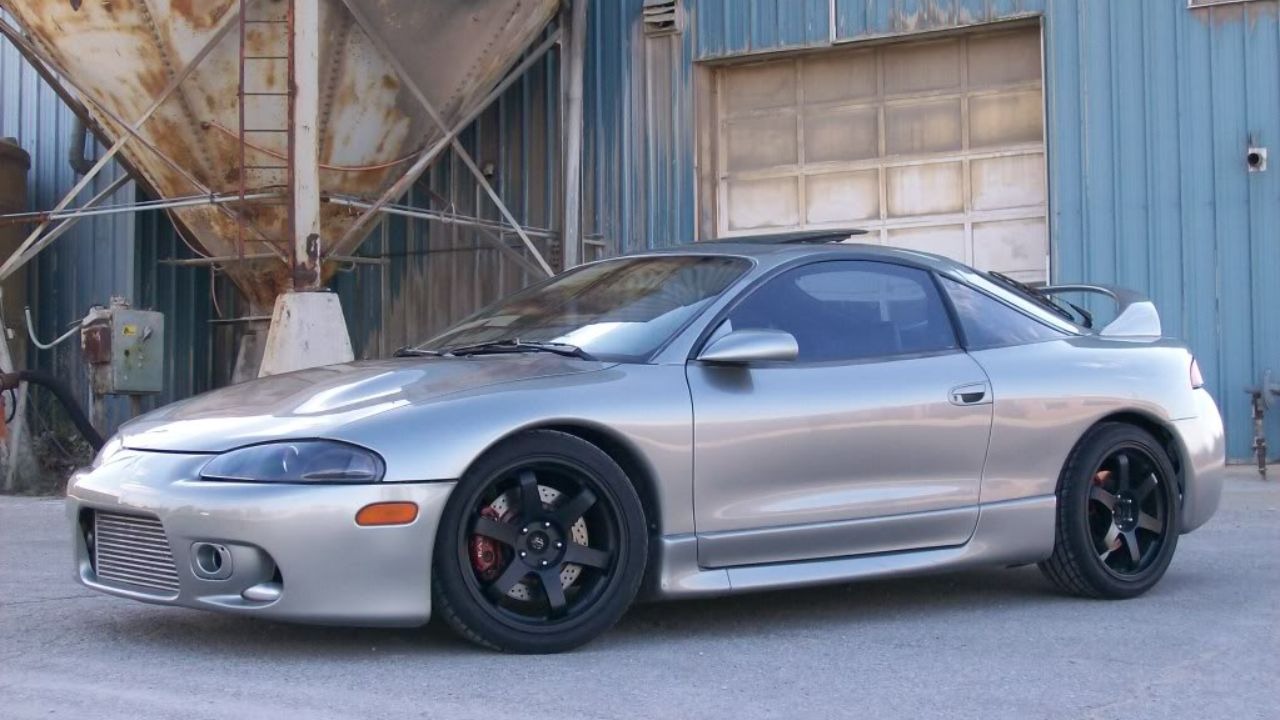
The Mitsubishi Eclipse GSX combined a turbocharged engine with all-wheel drive, creating a performance package that was particularly impressive for its price. Its drivetrain offered strong acceleration and useful traction, while the coupe body made it practical enough for everyday use. Enthusiasts quickly recognized the potential of the platform, especially among drivers interested in modification. The GSX proved that affordable performance could come from sophisticated engineering rather than simply a large engine.
BMW Z3
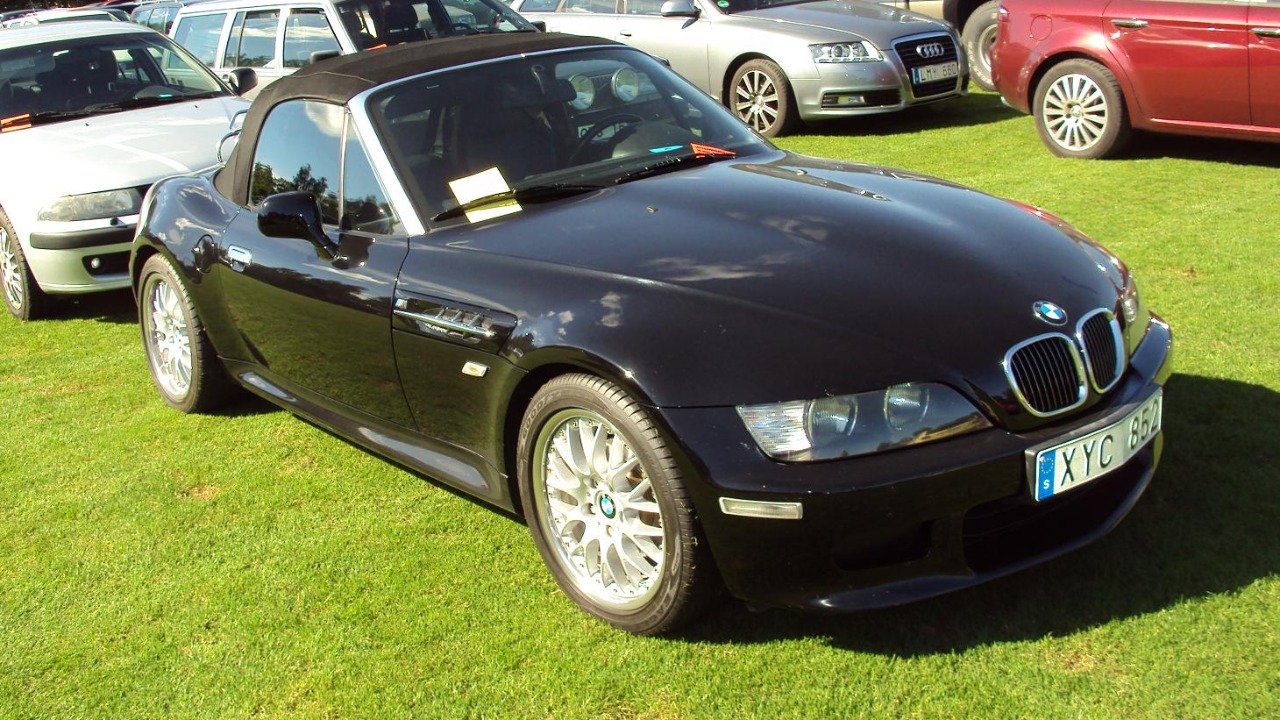
The BMW Z3 provided buyers with a relatively accessible entry into traditional European roadster ownership. Its rear-wheel-drive layout, compact proportions, and distinctive styling created an unmistakable sports-car experience. Six-cylinder versions added stronger performance without completely abandoning everyday usability. Compared with more expensive BMW performance models, the Z3 offered a simpler path into the brand’s roadster formula. Its combination of style, handling, and affordability made it especially appealing to enthusiasts.
Subaru BRZ
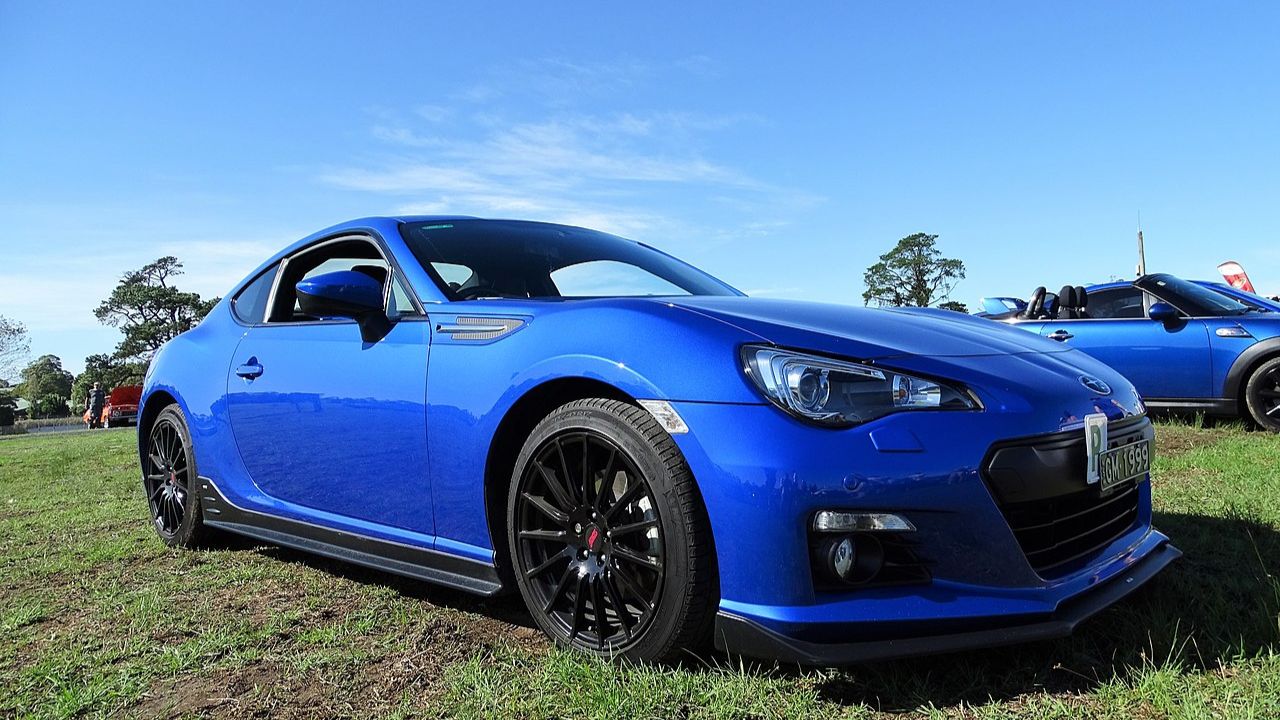
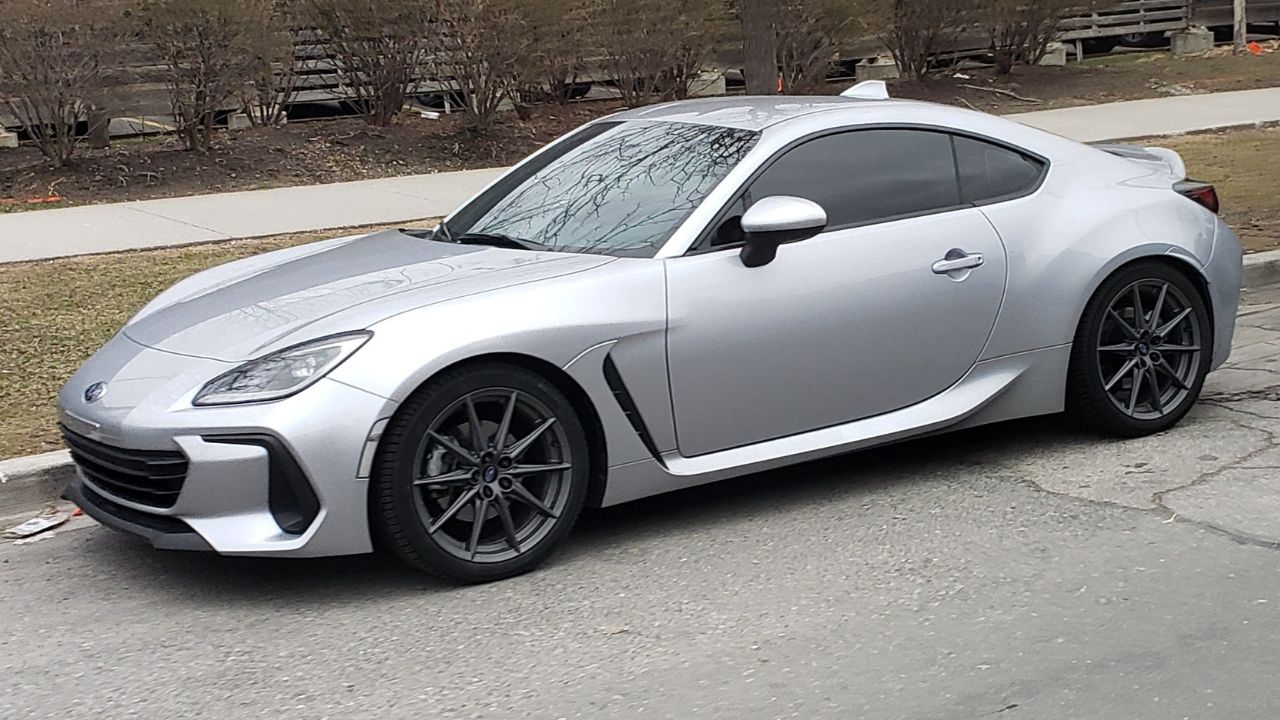
The Subaru BRZ demonstrated that a modern sports car could prioritize balance rather than overwhelming horsepower. Its lightweight body, rear-wheel drive, low center of gravity, and responsive chassis made cornering the central attraction. The naturally aspirated engine was not the most powerful in its class, but the car rewarded precise driving and momentum. The BRZ became a favorite among enthusiasts who valued handling, affordability, and driver involvement over straight-line performance.
More from Fast Lane Only
- Unboxing the WWII Jeep in a Crate
- 15 rare Chevys collectors are quietly buying
- 10 underrated V8s still worth hunting down
- Police notice this before you even roll window down
*Research for this article included AI assistance, with all final content reviewed by human editors