Some cars were fast. These were something else. While plenty of supercars have come and gone over the years, a handful still leave us scratching our heads with the kind of performance that feels out of place—even today. These machines didn’t just chase the numbers, they blew right past them.
We’re talking about 0-60 times that rival modern EVs, top speeds that dared physics to keep up, and engines so finely tuned they still sound like war cries. Here are 10 supercars that set the bar high—and are still making that bar look small.
McLaren F1
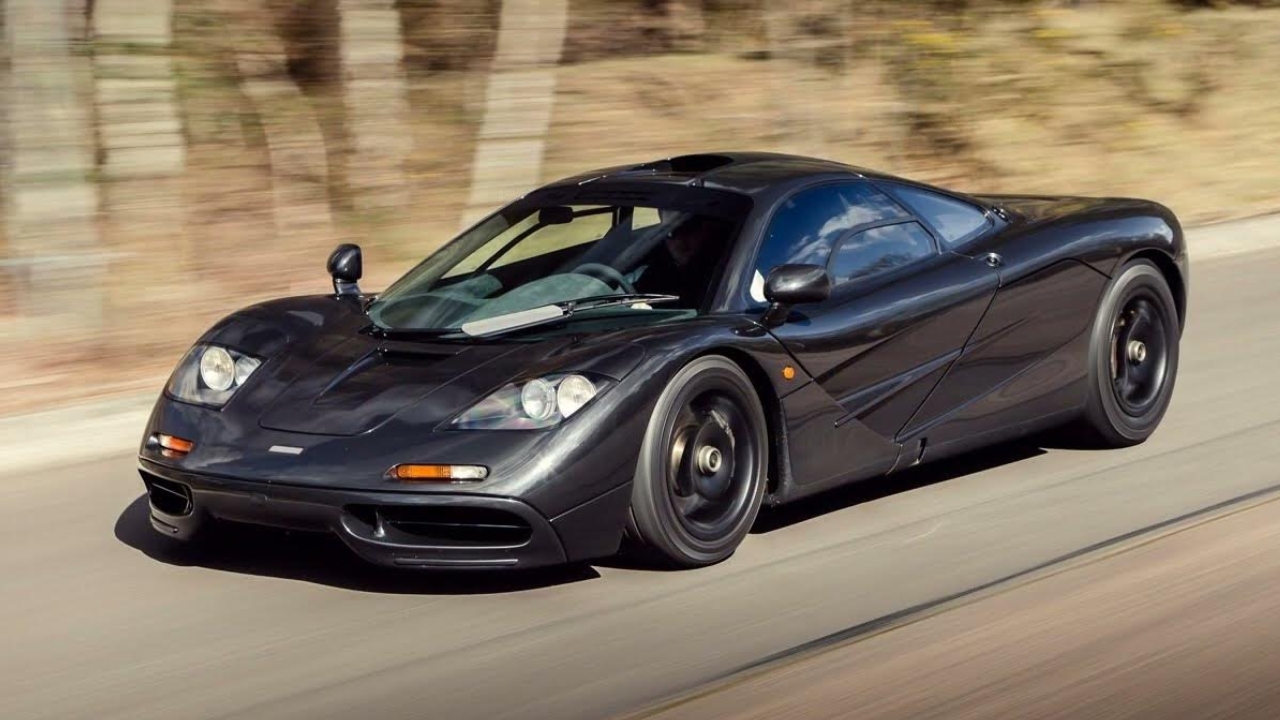
The McLaren F1 still feels like it was built to outrun time itself. Launched in 1992, it hit 240.1 mph with no turbos, just a naturally aspirated 6.1-liter BMW V12 pushing 618 horsepower to the rear wheels. And it only weighed 2,509 pounds thanks to a carbon fiber monocoque and titanium hardware.
What made it even more unforgettable was its central driving position and stripped-down focus. No traction control, no power steering—just you, the road, and a powerband that didn’t forgive mistakes. It wasn’t just fast for the ‘90s—it’s still one of the quickest naturally aspirated cars ever.
Saleen S7 Twin Turbo
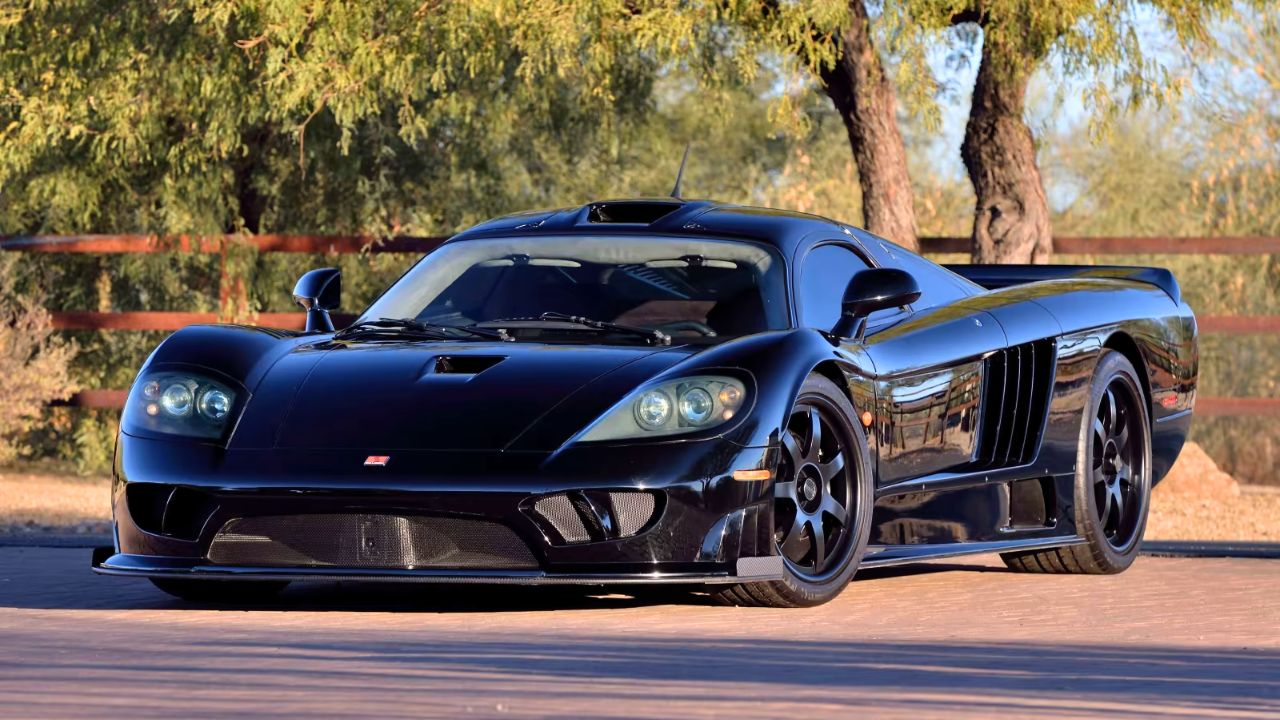
The Saleen S7 Twin Turbo is still one of the most underrated American-built supercars. Its 7.0-liter twin-turbo V8 cranked out 750 horsepower and 700 lb-ft of torque, giving it a top speed north of 248 mph and a 0–60 time of around 2.8 seconds.
Its body was all carbon fiber, and the suspension was track-focused—double wishbones, adjustable dampers, and zero electronic safety nets. The cabin? Spartan but functional, with enough leather and suede to remind you it wasn’t just a race car. It had the power and the rawness to keep up with Europe’s elite.
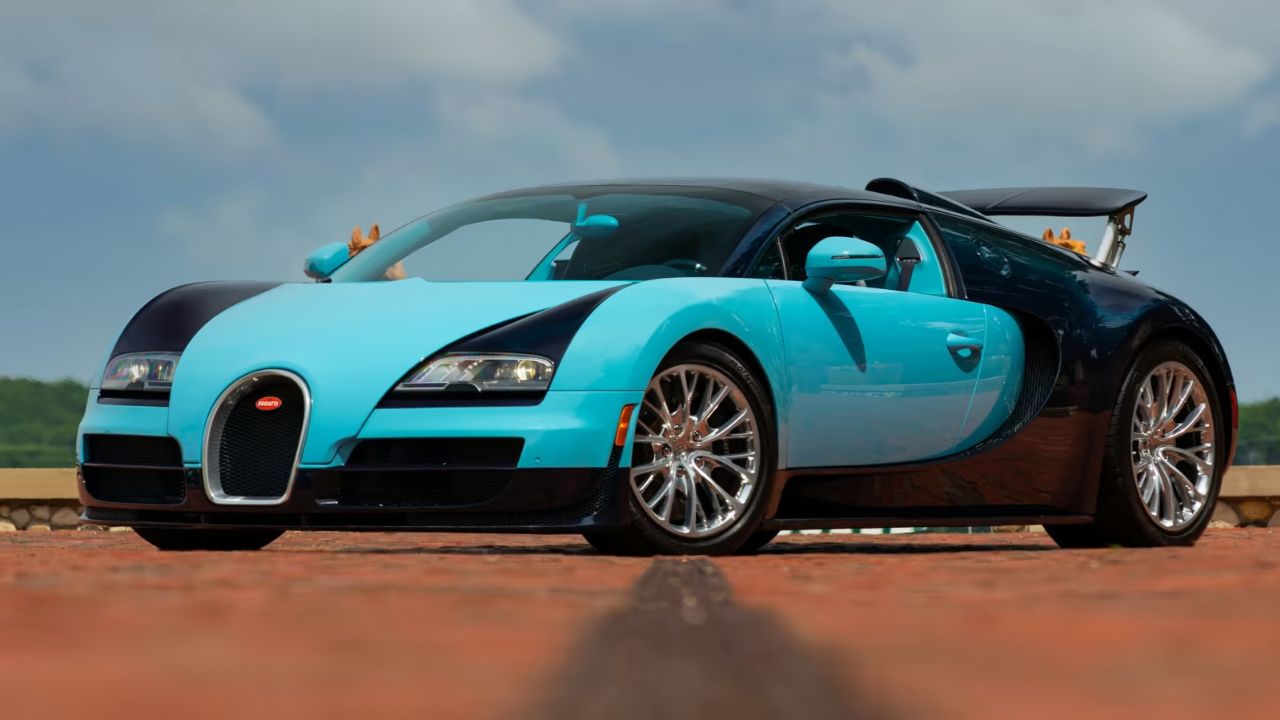
Bugatti Veyron 16.4

The Veyron didn’t just move the bar—it tossed it across the room. When Bugatti dropped it in 2005, the numbers didn’t feel real: 1,001 horsepower, 922 lb-ft of torque, and a top speed of 253 mph. That came from a quad-turbocharged 8.0-liter W16, linked to a 7-speed dual-clutch gearbox.
To keep that kind of power from vaporizing its tires, the Veyron used an advanced AWD system and active aerodynamics. At speed, it lowered itself like a missile and used massive carbon-ceramic brakes to scrub off the insanity. It was more spaceship than car—and it proved it on every straight.
Porsche 918 Spyder
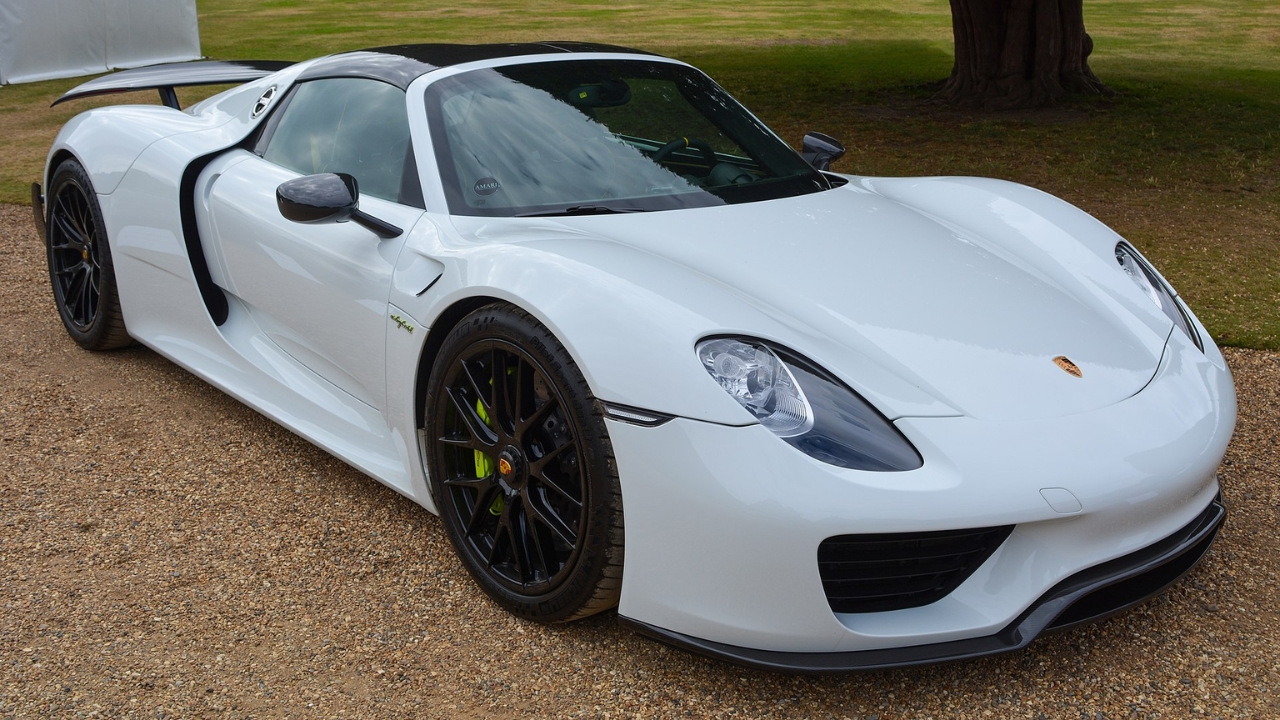
Porsche’s 918 Spyder is proof that hybrids don’t have to be soft. With a 4.6-liter naturally aspirated V8 mated to two electric motors, it put down 887 horsepower and 944 lb-ft of torque. The car’s 0–60 time? Just 2.5 seconds—and it could do 214 mph.
But what really made it work was its balance. The carbon chassis, adaptive suspension, and rear-axle steering kept it planted in corners. And unlike many track monsters, the cabin felt well-thought-out—plush Alcantara, digital displays, and ergonomic seating made sure it wasn’t punishing on a long haul. Efficient? Yes. But tame? Not even close.
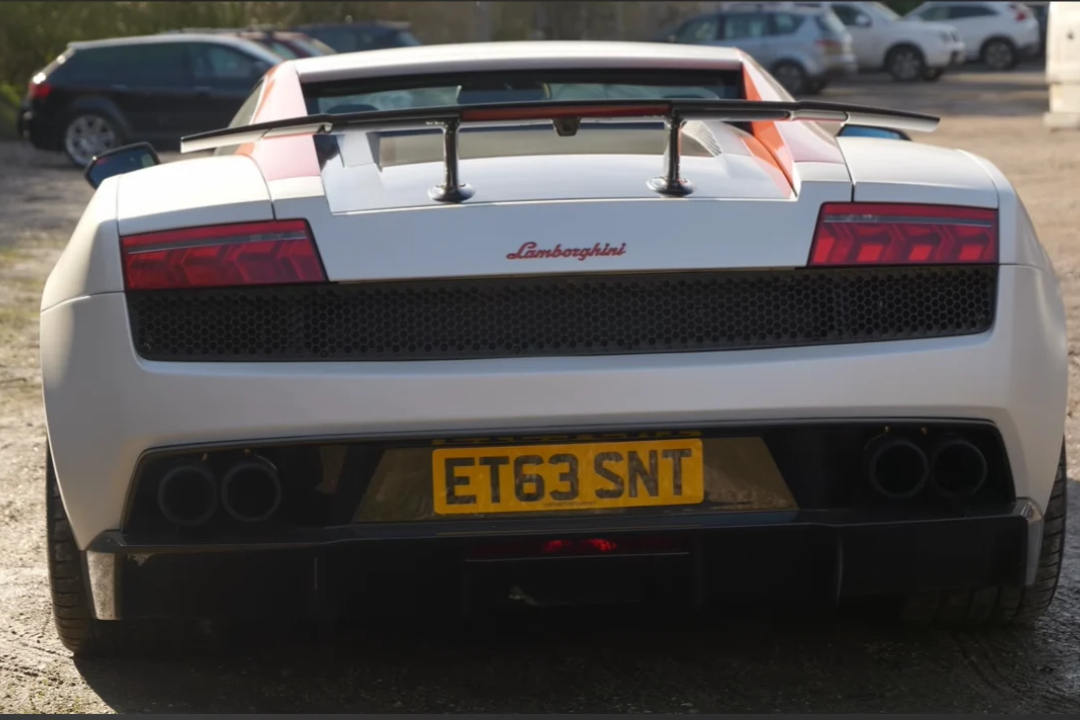
Lamborghini Aventador SVJ
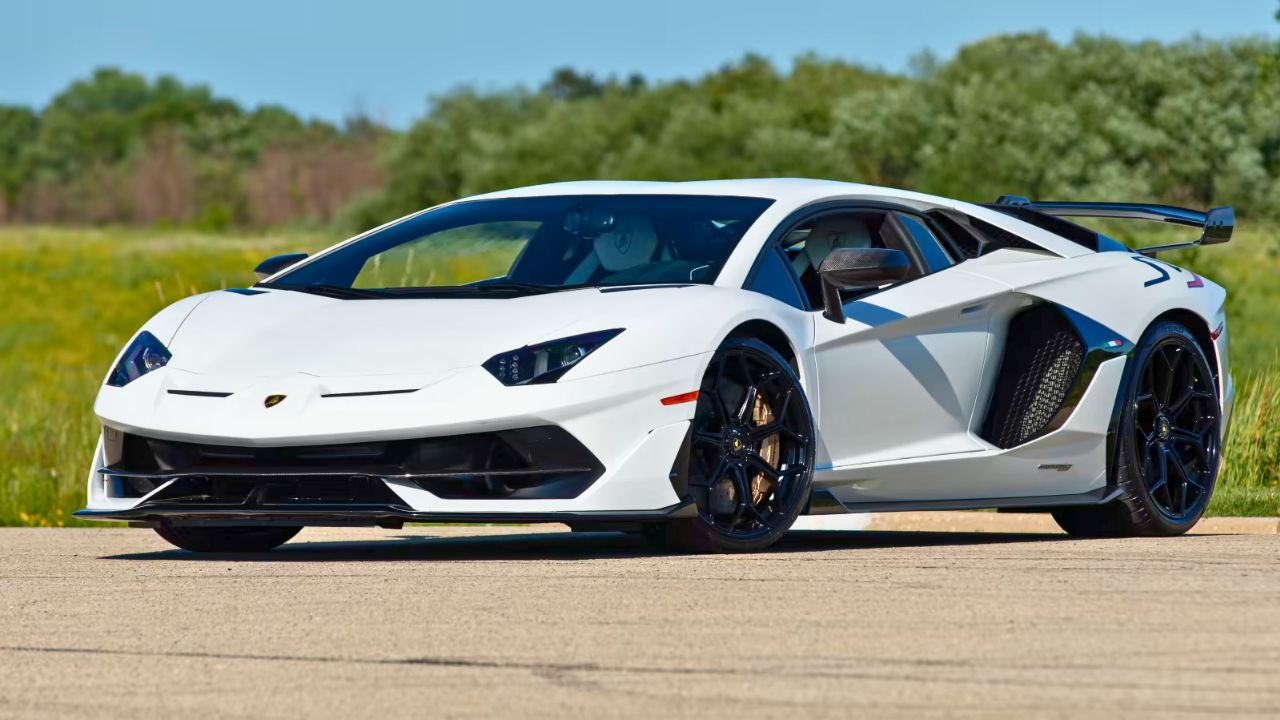
Lamborghini took the already-insane Aventador and turned it into something nastier with the SVJ. Its 6.5-liter V12 revs out to 8,700 rpm and throws down 759 horsepower, paired to a single-clutch ISR transmission. Top speed? Around 217 mph, depending on conditions.
It’s not subtle. Carbon fiber is everywhere, from the active aero bits to the fixed rear wing. The suspension features magnetorheological dampers and push-rod architecture, making it surprisingly agile for its size. Step inside and it’s all sharp edges and exposed hardware—just enough creature comfort, but this one’s built for speed, not lounging.
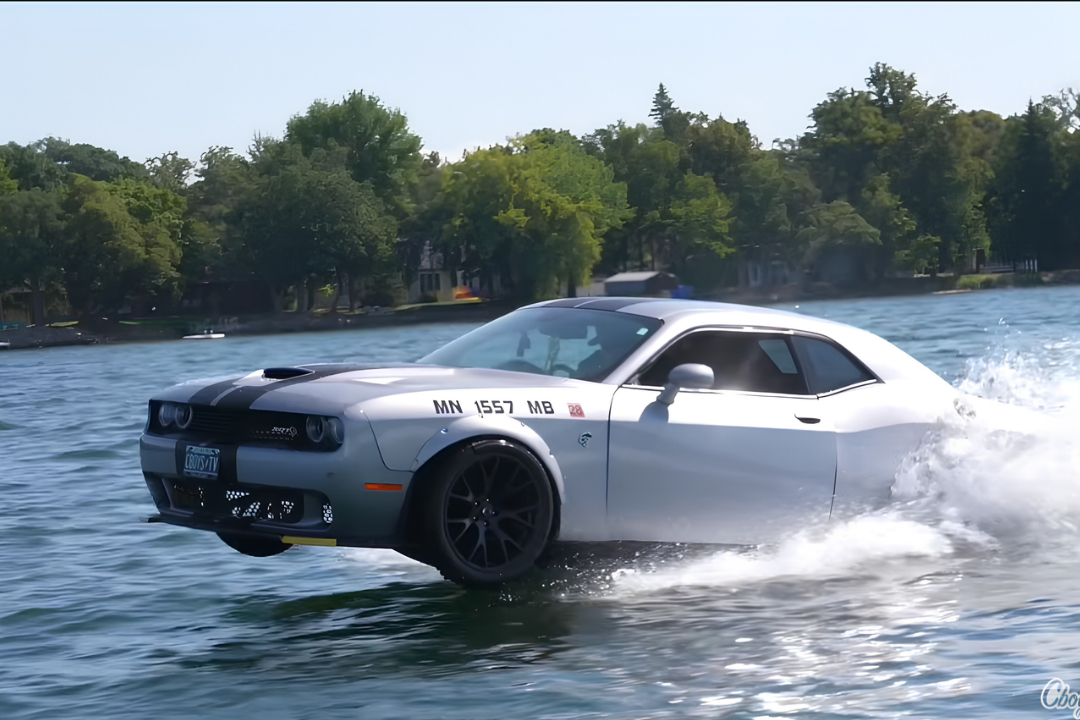
Dodge Challenger SRT Demon
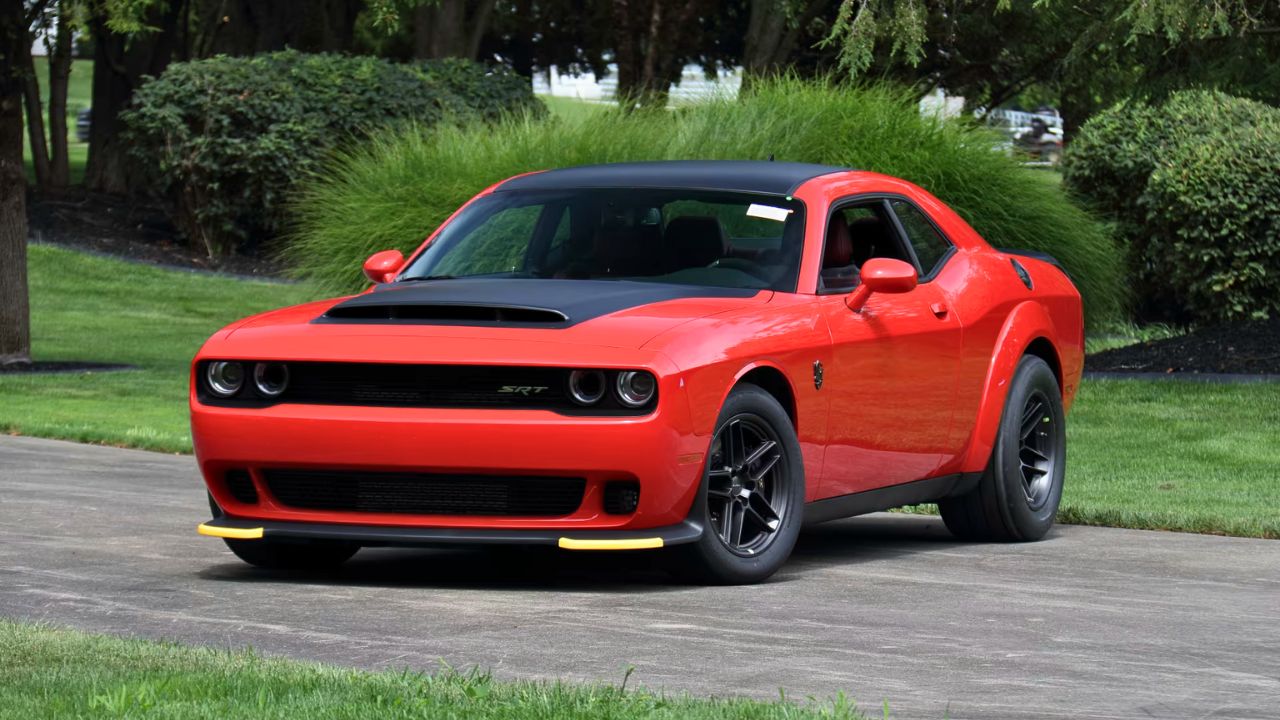
This one didn’t just bend the rules—it tore them up and left rubber marks on the way out. The 2018 Challenger SRT Demon packed a supercharged 6.2-liter HEMI V8 making 840 horsepower on 100-octane fuel. It launched from 0–60 in 2.3 seconds and ran a 9.65-second quarter mile.
Straight-line muscle was the goal here. Drag radials, transbrake, line lock—it had all the tools to embarrass supercars in a straight shot. Inside, it was stripped down to the essentials—literally, the passenger seat was optional. It was built for one thing: stomping everything else off the line.
Ferrari LaFerrari
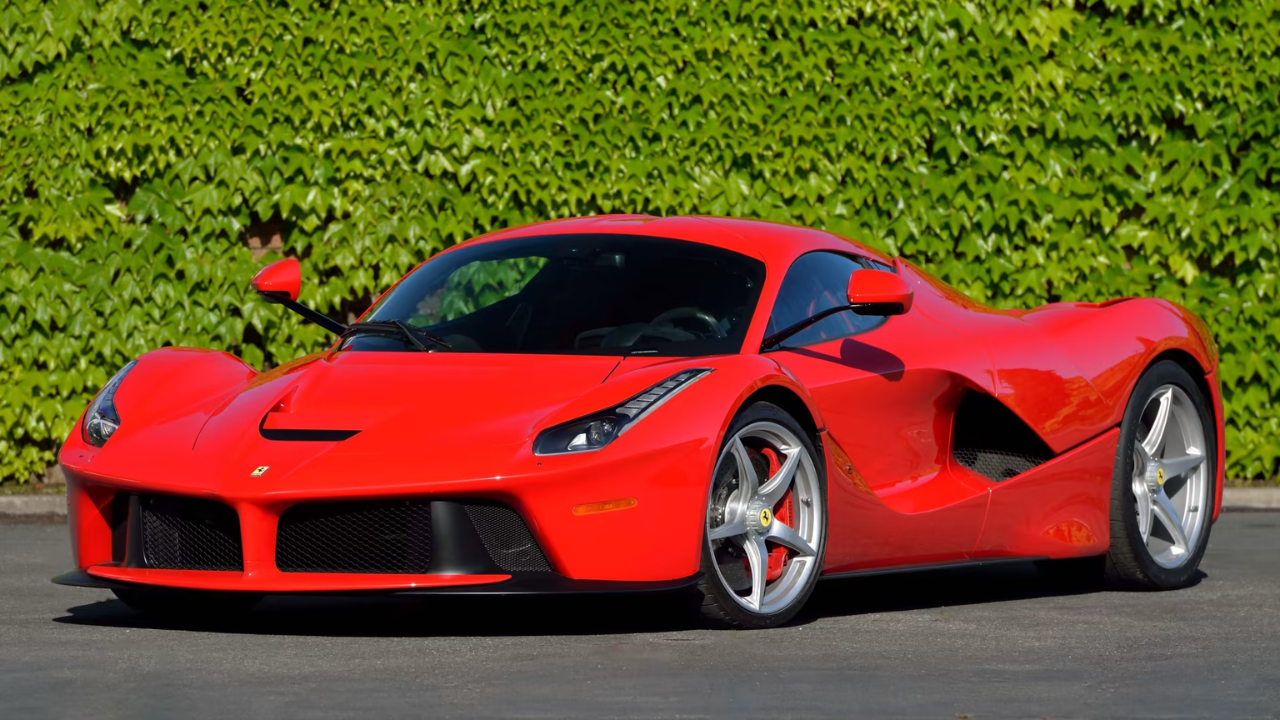
LaFerrari wasn’t just Ferrari flexing—it was them throwing down. Its 6.3-liter V12 and electric motor combined for 950 horsepower, delivered through a 7-speed dual-clutch. It ripped to 60 mph in under 3 seconds and topped out over 217 mph.
But what stuck with people was how it handled. The carbon-fiber tub, active suspension, and F1-derived aero made it sharp in a way few hybrids ever are. Inside, it was all carbon, Alcantara, and functional minimalism. No excess weight, no fluff. Just raw speed and precision, Ferrari-style.
Koenigsegg Jesko Absolut

If speed had a final boss, it might be the Jesko Absolut. With a 5.0-liter twin-turbo V8 putting out up to 1,600 horsepower on E85, it’s been engineered for one goal: top speed. Koenigsegg claims it could theoretically hit 330+ mph, though it’s yet to be officially verified.
The transmission alone is a masterpiece—a 9-speed multi-clutch setup that swaps gears faster than you can blink. Suspension tech includes triplex dampers and adaptive geometry. Inside, it’s minimalist but functional, with digital readouts and premium finishes. It’s engineering with nothing left on the table.
Chevrolet Corvette ZR1 (C7)
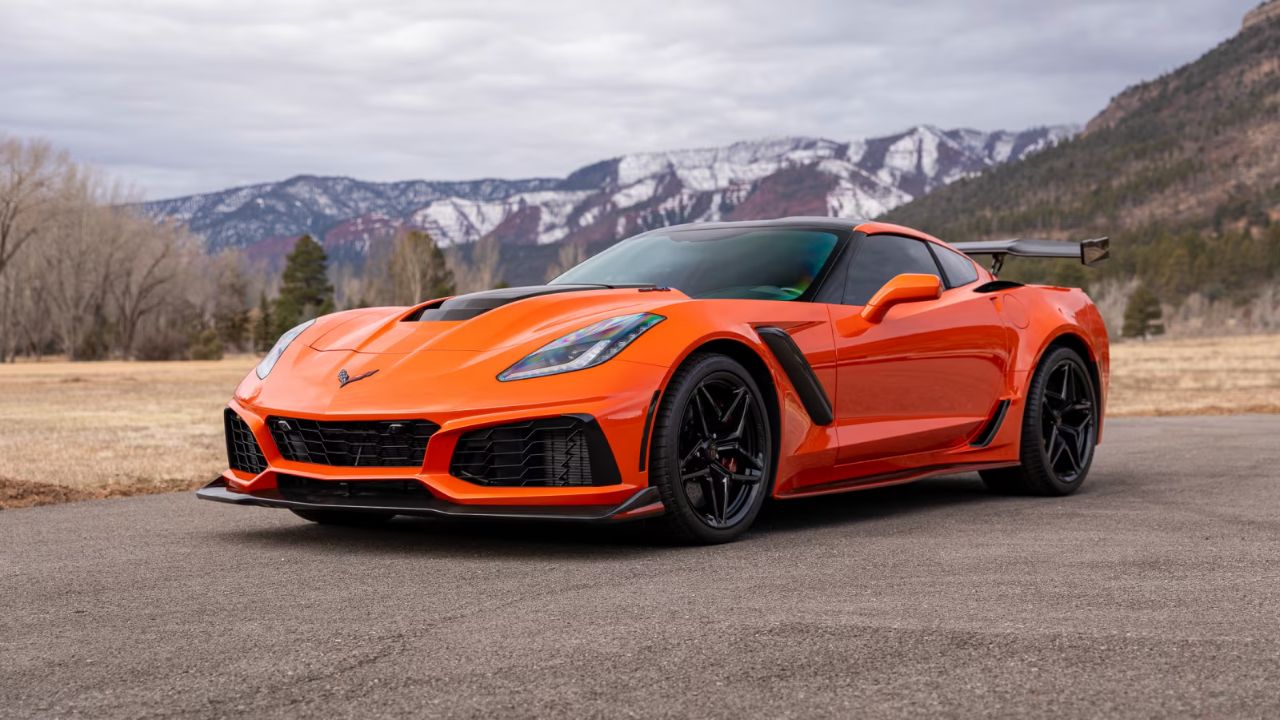
The 2019 C7 ZR1 is still one of the most brutal front-engined cars Chevy ever made. Under the hood sits a supercharged 6.2-liter LT5 V8 making 755 horsepower and 715 lb-ft of torque. It did 0–60 in under 3 seconds and topped out at 212 mph.
Magnetic ride suspension kept it flat, and carbon ceramic brakes helped rein it back in. The massive rear wing and front aero worked together for serious downforce. Even with all that track muscle, the interior was leather-wrapped, ventilated, and surprisingly refined for something that could eat exotics for breakfast.
SSC Tuatara
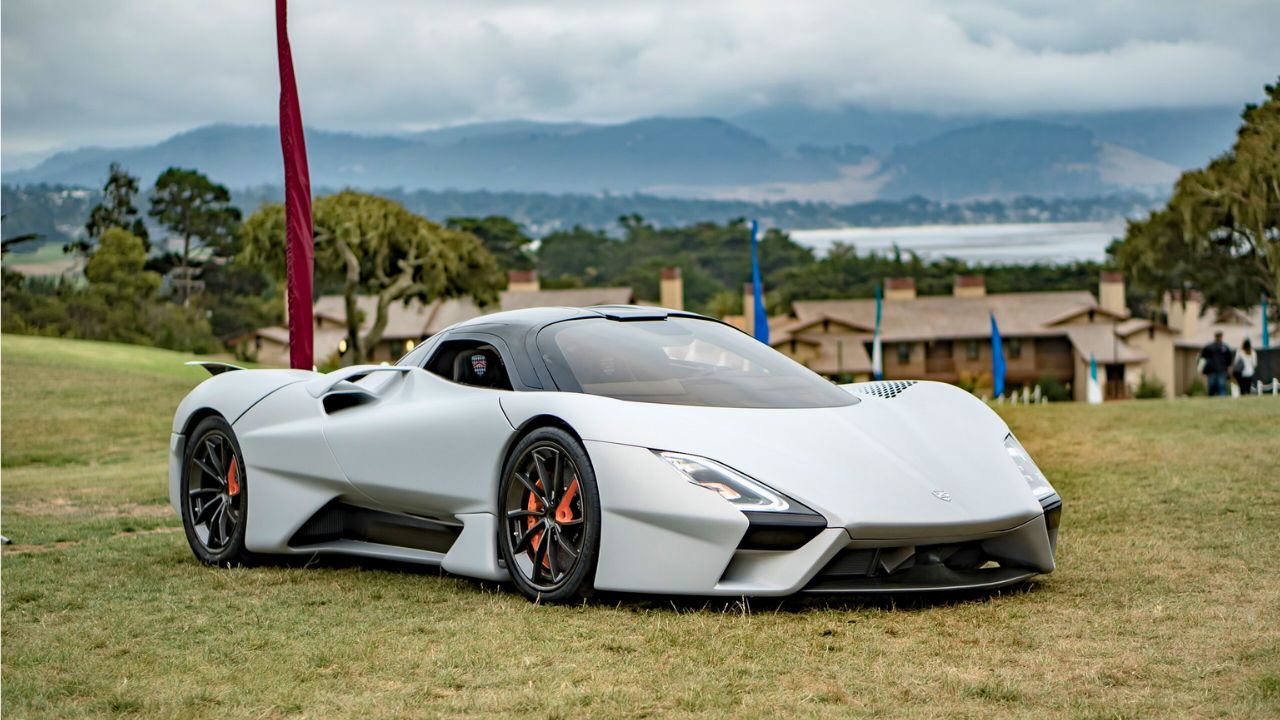
You’ve probably seen headlines about the Tuatara trying to break the speed record. It’s powered by a twin-turbo 5.9-liter flat-plane-crank V8 making up to 1,750 horsepower on E85. The body’s built for airflow, with a drag coefficient of just 0.279, and it’s claimed to hit over 300 mph.
The chassis is carbon fiber, the suspension is pushrod-style, and everything is focused on stability at high speed. It’s a low-production car with wild ambitions, and while top speed debates continue, there’s no denying the specs are from another planet.
*Created with AI assistance and editor review.