The Sports Car Club of America (SCCA) has a long history of regulating track competition in the U.S., and sometimes that’s meant slamming the door on cars that were just a bit too good. Some models bent the rules, others flat-out broke them, and a few were simply built so aggressively that they forced the SCCA’s hand. These aren’t legends for nothing—they were fast, sometimes unruly, and always a threat. Here’s a look at 10 American machines that hit the track hard enough to get the boot.
1963 Chevrolet Corvette Grand Sport
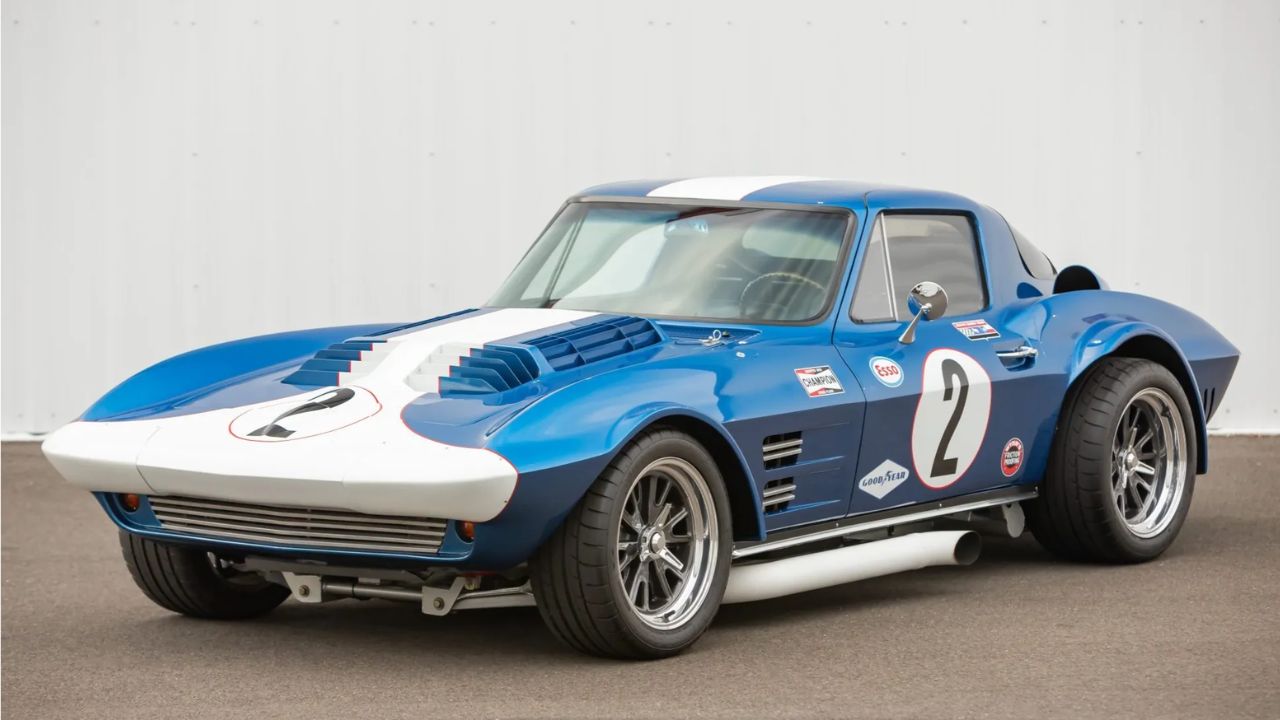
Chevy didn’t play by the book with the Grand Sport. They built just five of them, aiming to take on Shelby’s Cobra. With a lightweight chassis, magnesium wheels, and a 377ci aluminum small-block V8 making 485 horsepower, it was well over the line for the SCCA’s production rules. It was fast, light, and unpredictable—just the way a track car shouldn’t be if you’re a rulebook purist.
The Grand Sport had trouble sticking to any category because it was essentially a prototype disguised as a production car. It quickly got blacklisted from SCCA competition, but not before leaving a trail of frustrated competitors behind it.
1969 Dodge Charger Daytona

The Daytona was designed with one goal: dominate NASCAR. Its aerodynamic nose cone and tall rear wing made it slippery enough to break 200 mph, but it also caught SCCA attention. Under the hood sat a 426 HEMI V8 pumping out 425 hp, backed by a heavy-duty suspension that actually worked at those speeds.
SCCA wasn’t a fan of the car’s limited production numbers or the edge it gave Dodge. It didn’t fit neatly into any category, and its aero package was viewed as unfair by competitors. Eventually, rule changes pushed it out of contention.
1970 Plymouth Superbird
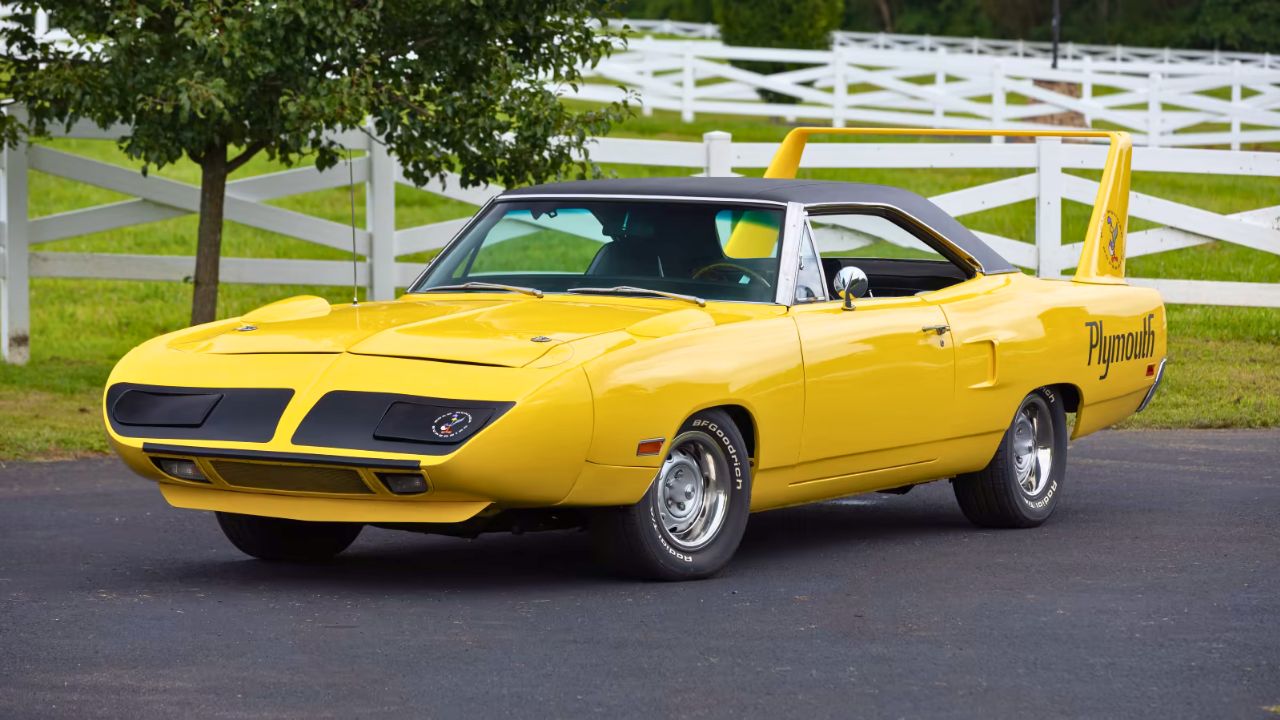
Much like its Dodge sibling, the Superbird was all about high-speed dominance. It shared the same 426 HEMI, tall wing, and pointy front end. It wasn’t subtle and neither was its performance. While it made waves in NASCAR, its rare status and extreme modifications made it a nightmare for rulebooks in road racing.
SCCA didn’t have a place for a car that was essentially a race machine with plates. Its size, limited numbers, and purpose-built aero got it the boot, even though it could have cleaned up in the right hands.
1968 Ford Mustang Cobra Jet

The 428 Cobra Jet engine gave this Mustang more bite than the SCCA liked. Making a conservative 335 hp (but easily more in reality), it was a street-legal muscle car that blurred the line between drag strip and road course. The factory didn’t hide that this car was built to break records.
With the Mustang already dominating Trans Am in other trims, the Cobra Jet was too much. It couldn’t fit into the “production” mold SCCA required and got pushed out of most sanctioned road events due to its performance advantage.
1969 Chevrolet Camaro ZL1
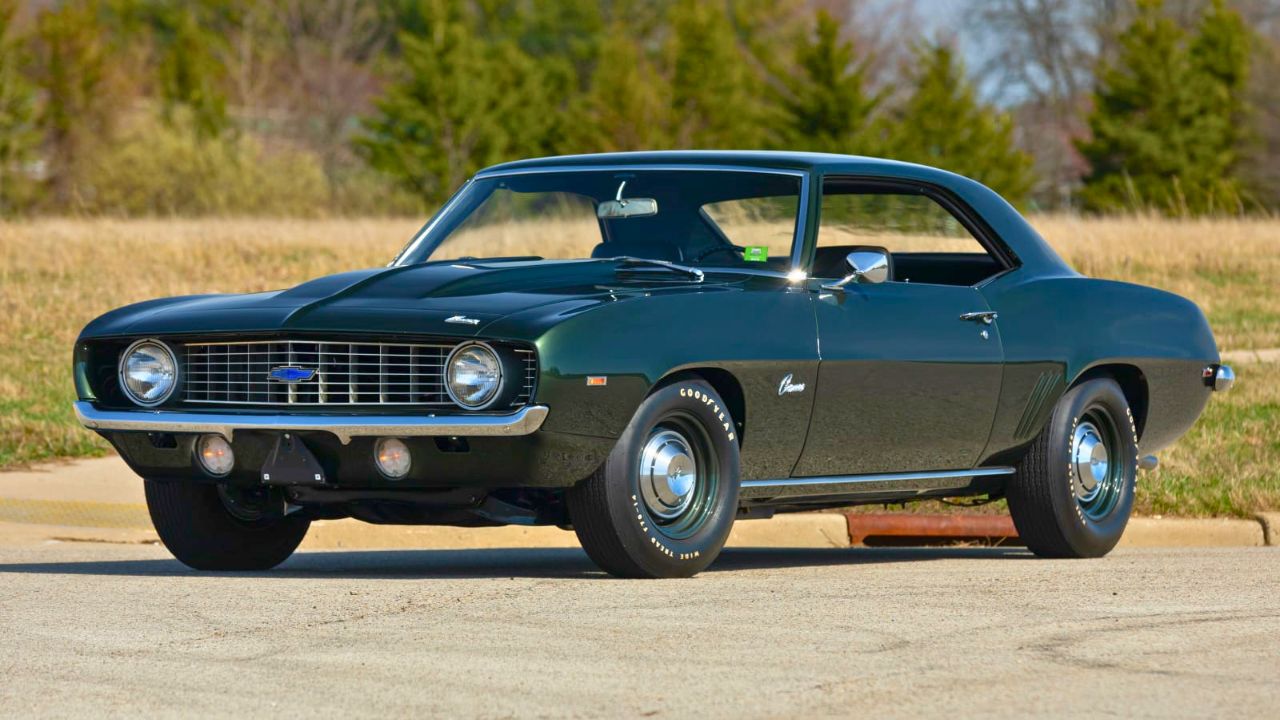
Only 69 ZL1 Camaros were built, but they made enough noise to shake the rulemakers. Using an all-aluminum 427ci V8 originally developed for Can-Am racing, the ZL1 had brutal straight-line speed. It was stripped-down, barely street legal, and built for drag racing.
SCCA didn’t appreciate that kind of firepower in production-based competition. With power pushing 500 hp and weight kept minimal, it didn’t fit the categories cleanly. It got sidelined before it could really settle into any SCCA race series.
1971 Plymouth GTX 440 Six Barrel
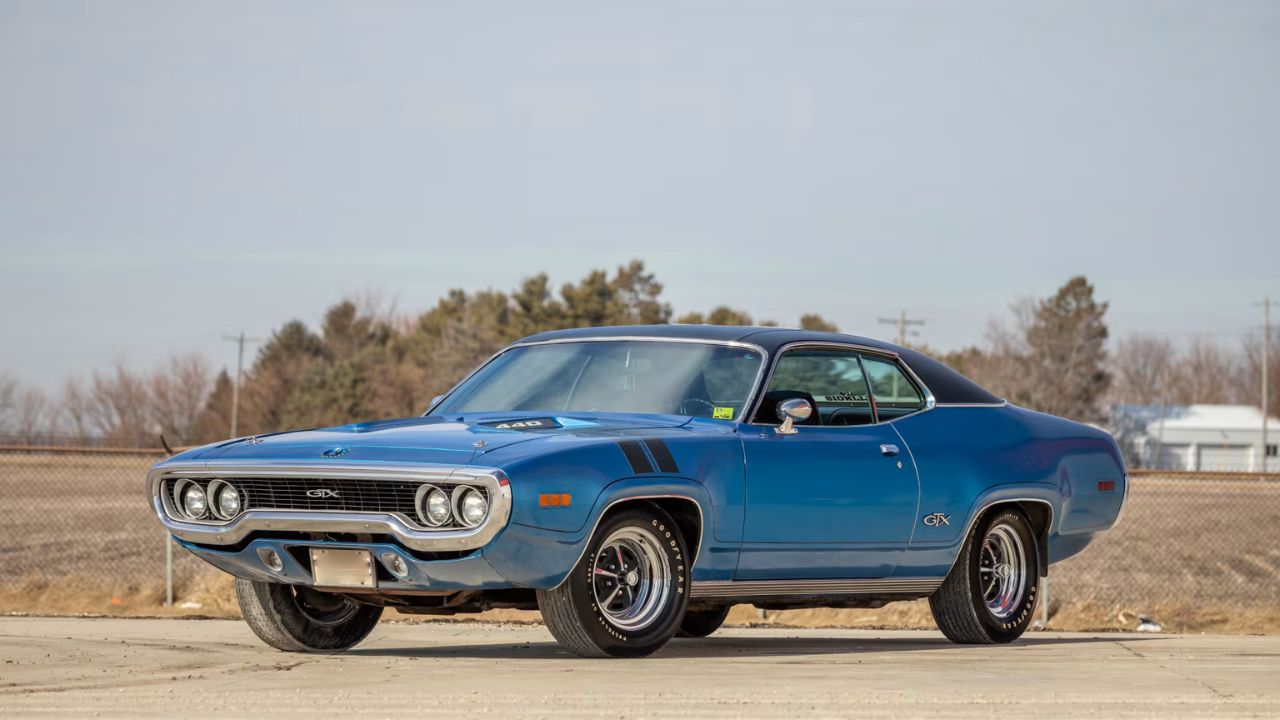
The ’71 GTX with the 440 Six Barrel setup (three 2-barrel carbs) made serious torque—480 lb-ft—and pulled hard from low RPMs. Paired with a beefy suspension and available track-pack Dana 60 rear end, this was more than just a cruiser.
It didn’t help that its large displacement and non-standard induction setup raised eyebrows. The SCCA didn’t like triple-carb setups or giant engines in “production” classes. It was too much of a muscle car for road racing, and the rulebook didn’t allow room for it.
1969 AMC AMX Super Stock
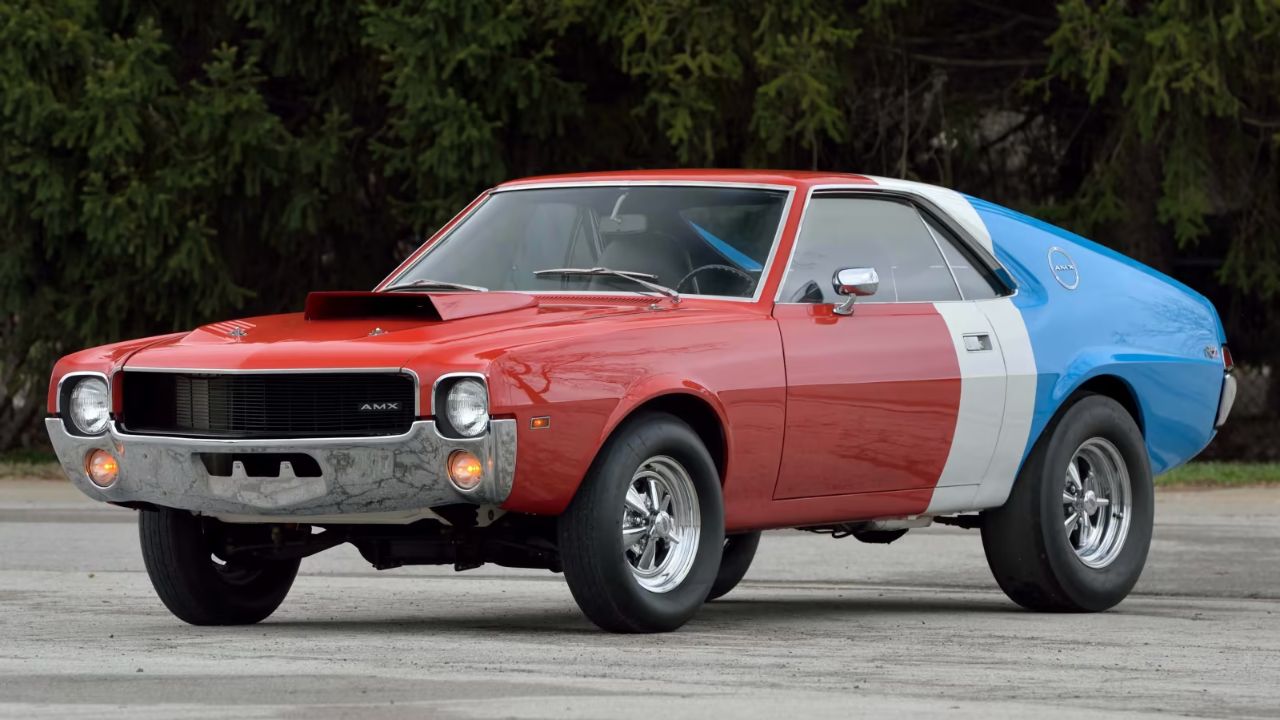
AMC shocked a lot of people when it dropped the AMX Super Stock into NHRA drag strips, but it also caught unwanted attention in road race circles. Built with a 390ci V8 pushing around 420 hp in race trim, this car was under 3,000 lbs and launched hard.
The SCCA wasn’t interested in trying to classify it. AMC built only 52, and their heavy track prep meant it wasn’t really a “street car” anymore. It got excluded from many sanctioned SCCA events for being too close to purpose-built.
1984 Pontiac Fiero IMSA GTP
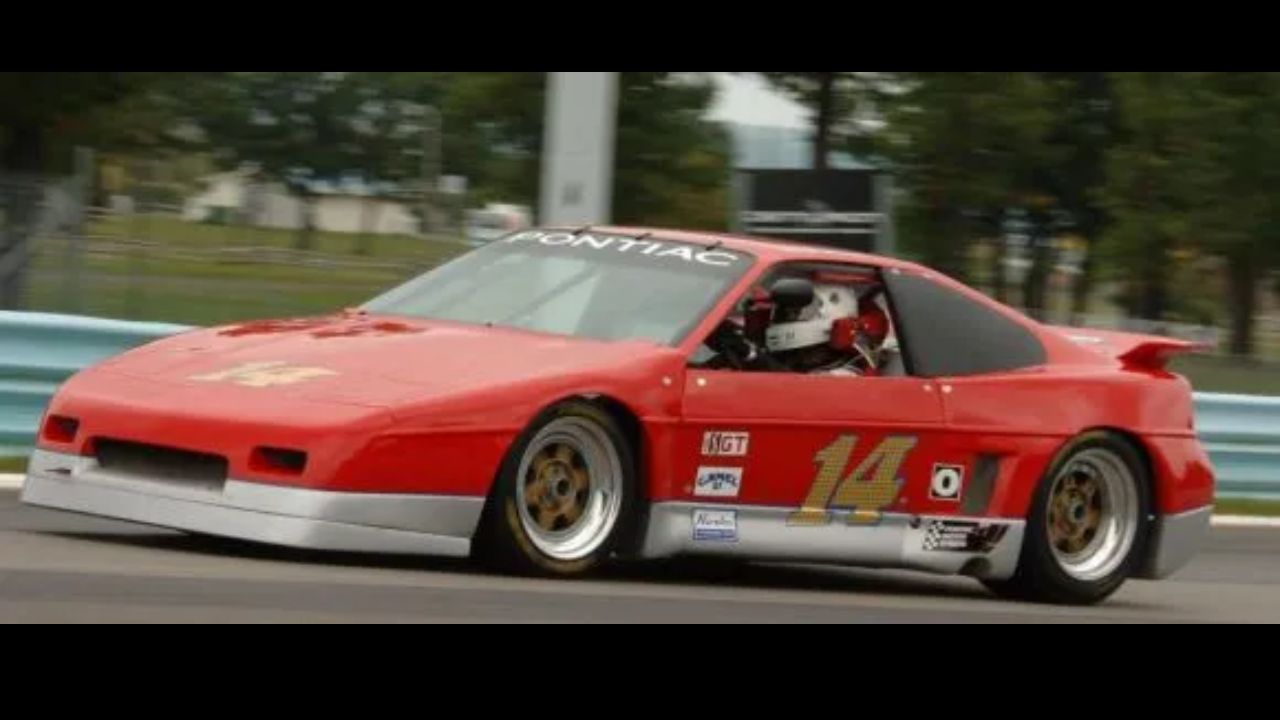
This one wasn’t about power—it was about bending the rules. Pontiac wanted the Fiero to compete with mid-engine imports, so they built a tube-frame race car with Fiero bodywork for IMSA. SCCA saw it for what it was: not a production car.
The GTP variant used a heavily modified V6 pushing well over 300 hp, and with its mid-engine balance and light weight, it was more race car than anything else. SCCA wouldn’t let it play with the “stock” kids and shut it out of their GT classes.
1970 Ford Torino King Cobra

Only a handful of King Cobras were built before the program got the axe, but their low front nose and widened body told you exactly what Ford intended—NASCAR dominance. They used 429 Cobra Jet V8s and race-ready suspension, and they looked more like prototypes than production models.
Because so few were built and their design clearly pushed aerodynamic limits, the SCCA didn’t want anything to do with them. They were too radical and too purpose-driven for production racing classes, so they never really got their shot.
1987 Buick GNX
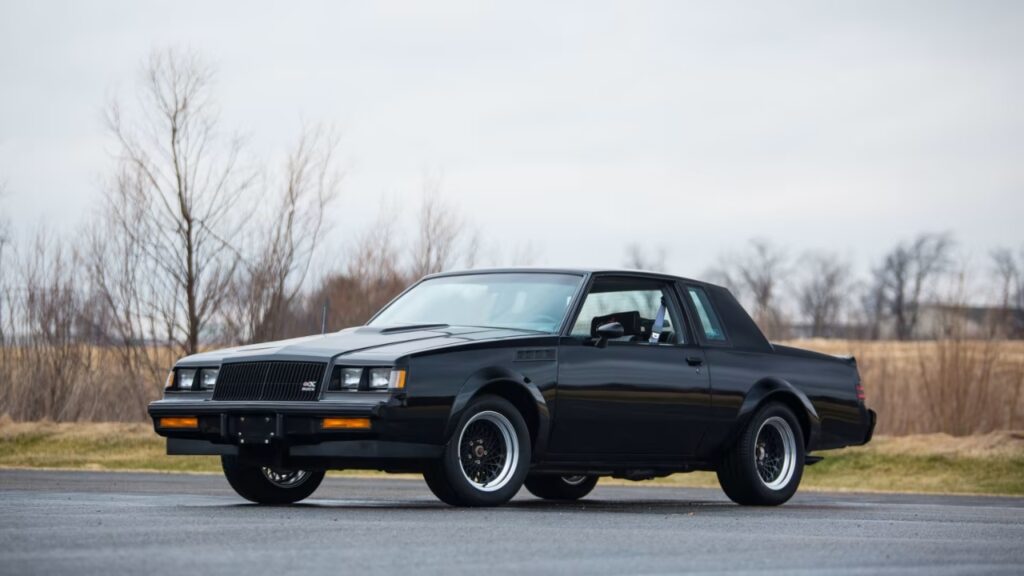
The GNX was one of the most underhandedly quick cars of the ’80s. Its turbocharged 3.8L V6, paired with a beefy 4-speed auto, cranked out a conservative 276 hp and 360 lb-ft—but real-world testing showed it was a 13-second car from the factory. That raised red flags.
While it wasn’t built for circuit racing, the GNX didn’t make sense in most classes due to its limited production and turbo powertrain. It didn’t help that its rear suspension used a unique torque arm setup that improved traction dramatically. SCCA made sure it never got comfortable.
Created with AI assistance and editor review.