You are far from alone if you feel overwhelmed shopping for a pickup, especially when videos claim that 80% of buyers do not research their trucks until after signing. To help you slow down and ask better questions, here are 10 specific trucks you may want to research closely before you commit, with each one tied to real test data, reliability records, or expert rankings.
Ford Maverick
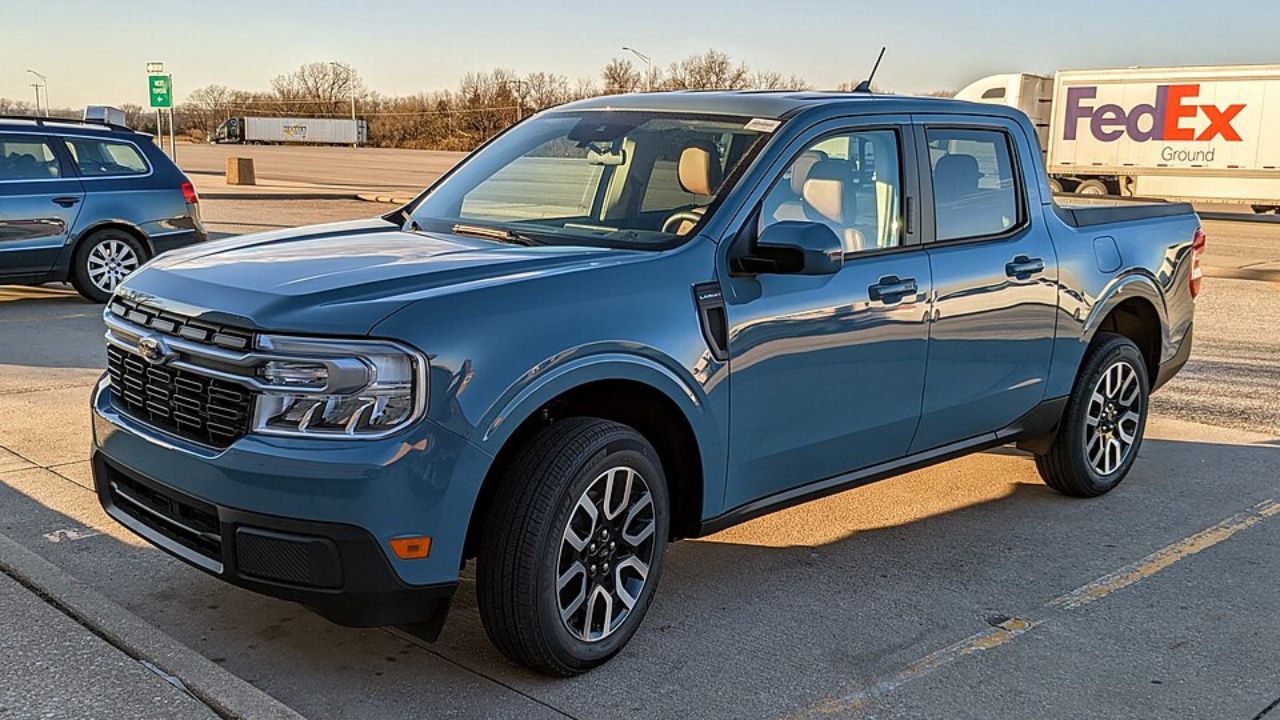
The Ford Maverick looks like an easy yes, especially after the Truck of the award and strong fuel economy numbers. You should still dig into how its compact size and lighter-duty structure fit your needs. If you tow a camper or a car trailer, a small unibody truck can hit its limits fast. Look at real-world payload and tongue-weight reports instead of only brochure figures, and pay attention to how options, like all-wheel drive or hybrid power, change those ratings.
You also want to understand how the Maverick’s lower ride height and shorter bed affect daily use. For city driving and tight parking, that can be a big advantage, but jobsite work or long road trips with gear may push you toward a larger truck. Check owner feedback on ride comfort, small-cab noise levels, and long-term durability of the hybrid system so you know whether the Maverick really matches your mix of commuting and hauling.
2026 Ford F150

The 2026 Ford F150 appears near the top of many lists, including a high Expert Rating of 4.7 in Best Trucks of rankings for Best Full, Size Trucks. That kind of praise can make you feel safe signing quickly, but the F150 has a huge range of engines, trims, and tech packages. You should compare the turbocharged gas engines, hybrids, and any off-road versions side by side, because each one changes towing, fuel use, and maintenance costs in different ways.
Modern F150s also pack in driver-assist features, large screens, and complex suspension options that can be expensive to repair out of warranty. Before you buy, ask for a line-by-line build sheet and check which safety systems, tow packages, and bed features are actually included. Then look at insurance quotes and extended-warranty prices for that exact configuration. A little homework here can keep a “Best Full, Size Trucks” favorite from turning into a budget surprise once you start using it for real work.
Toyota Tundra

The Toyota Tundra has a strong reputation, and guides on used truck sales often say Toyota Tundra & Tacoma When it comes to long-term reliability, Toyota trucks are legendary. Both the, Tundra and the Tacoma are framed as a smart and secure investment. That history can tempt you to pay a premium without checking whether the current generation fits your needs. Newer Tundras use different powertrains and more complex electronics than older models, so you should compare owner reliability data by model year, not just by nameplate.
Because used Tundras often sell for high prices, you also need to weigh the cost of an older, simpler truck against a newer one with more safety tech. Look closely at frame condition, rust, and service records, especially if the truck has towed heavy loads. If you buy used, have a mechanic inspect the suspension, brakes, and cooling system, since those parts take the hardest hits when a truck spends years hauling near its limits.
Toyota Tacoma

The Toyota Tacoma the Toyota Tacoma has topped midsize reliability rankings in some Consumer Reports coverage, and that reputation drives strong demand. Because of that, Tacomas can feel like an automatic choice when you want a smaller truck. Before you sign, check how the seating position, ride quality, and payload ratings line up with your daily driving. Some drivers find the cab cramped on long trips, especially in earlier generations, even though the truck itself is very durable.
High resale values also mean you might pay almost new-truck money for an older Tacoma with fewer safety features. Ask the seller for detailed maintenance records, and verify that any off-road modifications, such as lifts or larger tires, have not pushed the suspension or steering outside factory specs. A truck that scores well in Our Top Picks for Most Reliable Trucks can still be a bad match if it was used hard or altered in ways that hurt its original balance.
Hyundai Santa Cruz
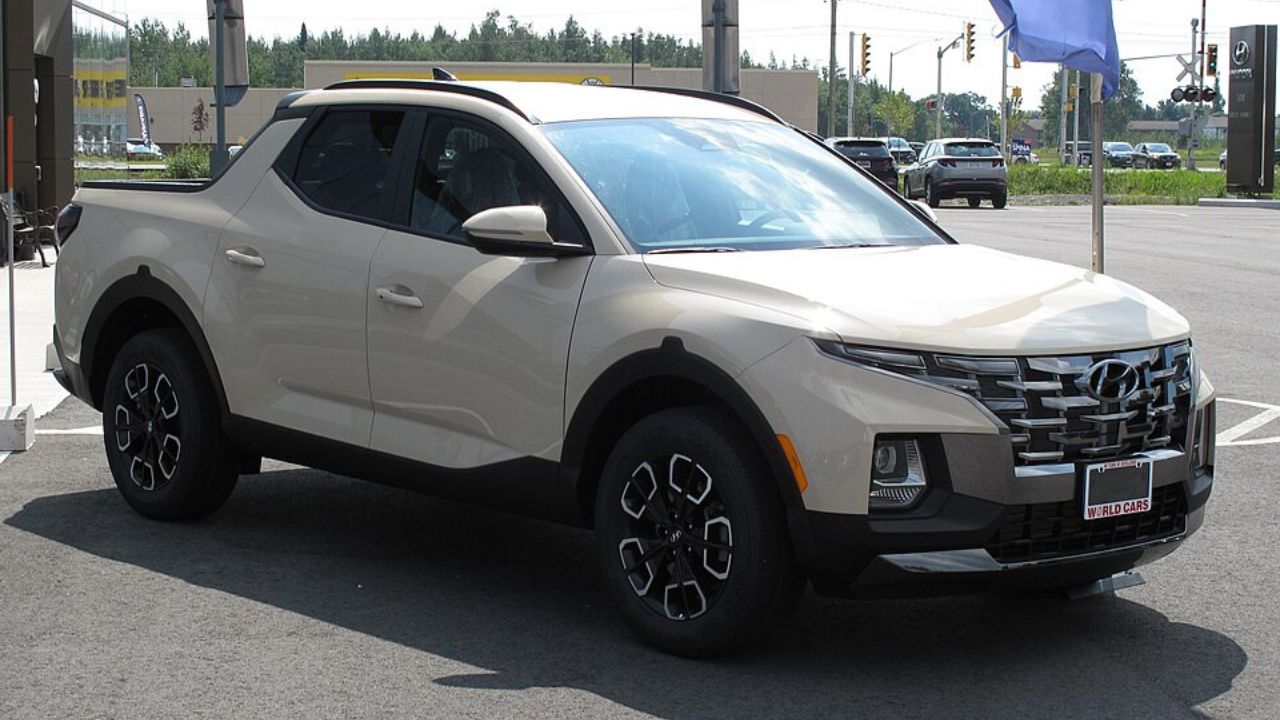
The Hyundai Santa Cruz stands out because Our Top Picks for Most Reliable Trucks list the Most Reliable Truck as the 2025 Hyundai Santa Cruz, describing the peppy, efficient, and comfortable Hyun design. That mix of comfort and reliability makes it very appealing if you are coming from a car or SUV. Still, the Santa Cruz is closer to a crossover with a bed than to a traditional body-on-frame pickup, so you should study its towing and payload limits carefully before you assume it can replace a full-size work truck.
Its shorter bed and lower tow ratings may be fine for bikes, home-improvement runs, and light trailers. If you plan to haul heavy construction materials or a large boat, you might hit the ceiling quickly. Research how the Santa Cruz handles in snow, how its all-wheel-drive system behaves off pavement, and how owners rate the interior for noise and wear. That way, you can decide whether you want a comfortable daily driver that can do some truck jobs, or a truck first and commuter second.
Ram 1500

The Ram 1500 often earns praise for ride comfort and interior quality, and recent coverage notes that for 2025, the Ram 1500 boasts a substantial refresh with a strong combination of pricing and features in reliability rankings. That mix can make it feel like the most “car-like” full-size truck on the lot. Before you buy, compare how the coil-spring or air-suspension setups handle heavy towing and rough roads over time, since comfort-focused suspensions can wear differently than leaf springs.
You should also research engine choices, including any turbocharged or mild-hybrid systems, and how they affect long-term maintenance. Some buyers value the smoother ride more than maximum payload, while others need a truck that can live on job sites. Read owner reports about steering feel under load, bed durability, and the cost of replacing air-suspension parts. Those details help you decide whether the Ram 1500’s comfort-first approach matches your work and towing schedule.
Chevrolet Colorado

The 2026 Chevrolet Colorado appears in Best Trucks rankings as a top midsize option, and the same list highlights the 2026 Ford Maverick with pricing from $29,990 to $43,270 and MPG figures up to 42 city and 35 highway in Ranked Trucks. Those numbers show how competitive this class has become. When you look at the Colorado, compare its real-world fuel use and capability against those benchmarks, not just against older midsize trucks you might remember.
Because the Colorado often targets buyers who want off-road styling, you should pay attention to how tire choice, lift kits, and skid plates affect payload and towing. A factory off-road package can improve trail performance but may reduce how much weight you can carry. Ask dealers to show you the door-jamb payload sticker and trailer ratings for the exact truck on the lot. That way, you avoid assuming that every Colorado can handle the same work, even within the same model year.
Ford Ranger

The Ford Ranger sits in the Midsize category, where buyers want maximum utility and maneuverability, but analysts say they also want a deal, as described in coverage of how Midsize buyers shop. That push for value can lead you to focus on price first and skip deeper research. With the Ranger, you should look closely at how its turbo engines behave when towing, and how gear ratios and tow packages change performance on hills.
Technology is another area to study. Earlier reports highlighted how Ford bets on tech with the Ranger, which means more driver aids and connectivity features. Those can be helpful, but they also add complexity. Ask how software updates work, what happens if a sensor fails, and whether key safety features are standard or hidden in expensive option bundles. Understanding those trade-offs helps you decide if you want a simpler work truck or a tech-heavy midsize pickup.
Nissan Frontier

The Nissan Frontier is often marketed as a simple, tough midsize truck, and that straightforward image can make it feel like a low-risk choice. Before you sign, look closely at which generation and engine you are buying. Some model years rely on older drivetrain designs that are proven but less efficient, while newer versions add updated tech and safety features that may affect long-term repair costs. Comparing reliability data by year helps you avoid assuming all Frontiers are the same.
You should also research how the Frontier handles towing near its maximum rating. Read owner reports about transmission behavior under load and how the suspension feels when the bed is full. If you plan to keep the truck for many years, check parts availability and resale trends in your area. A simple design can be an advantage, but only if it truly fits your hauling, commuting, and budget expectations.mountain trails.
GMC Sierra 1500

The GMC Sierra 1500 is often seen as a more premium version of its corporate twin, which can make it easy to focus on interior materials and overlook mechanical details. Before signing, compare engine options carefully, especially turbocharged versus naturally aspirated choices, and study how each one performs when towing or carrying heavy payloads. A higher trim level may look impressive, but it can also add repair complexity through advanced suspension systems and electronic features.
You will also want to examine long-term ownership costs beyond the purchase price. Insurance, tire replacements for large wheel packages, and potential repair bills for advanced driver-assistance systems can shift your total cost of ownership. Ask for service records if buying used, and verify that software updates and recalls have been addressed. A well-configured Sierra can be a strong truck, but the wrong combination of options may not suit your real-world needs.
More from Fast Lane Only