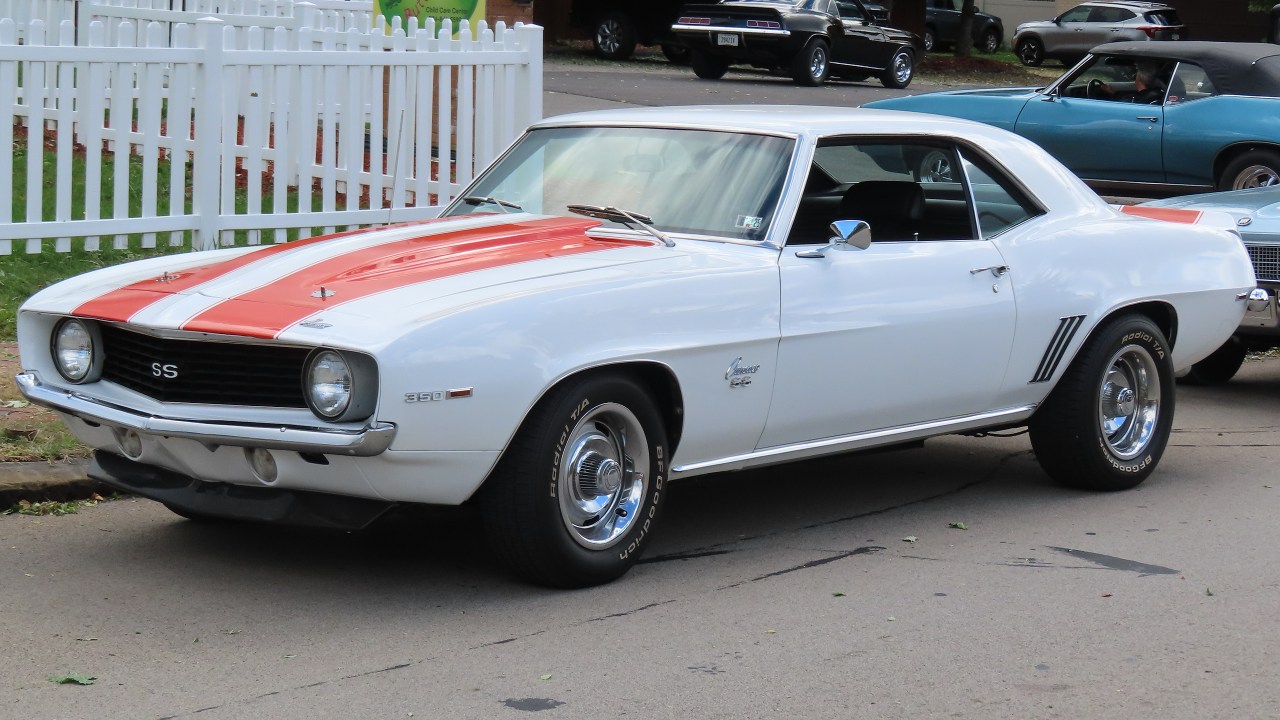
He’d been hunting for a 1969 Camaro for years, the kind of slow-burn search that includes late-night listings, forum rabbit holes, and texting friends screenshots of suspiciously shiny engine bays. When one popped up advertised as “numbers-matching,” he felt like he’d finally found the unicorn. The price was strong but not absurd, the photos looked clean, and the seller sounded confident—maybe a little too confident, but that’s classic car sales for you.
So he bought it. The drive home was the good kind of nerve-wracking: the rumble, the smell, the feeling that every stoplight is a mini car show. He figured the hard part was over, and now it was just detailing, weekend cruises, and learning to answer the eternal question, “Is it original?” with a proud nod.
The magic words: “numbers-matching”
In the classic car world, “numbers-matching” is basically currency. It means the car still has the original engine (and sometimes transmission) installed from the factory, verified by stampings and codes that line up with the vehicle’s identification. When it’s true, it can add serious value—and even more importantly for some owners, it adds credibility.
But it’s also one of the most misunderstood phrases in the hobby. Some sellers use it precisely, with documentation and clear photos of every stamp. Others use it more like “it seems right” or “the casting dates are close,” which is sort of like calling a mystery meat sandwich “farm-to-table.”
A routine check that turned into a pause
After a few days of enjoying the purchase, he did what a lot of smart buyers do after the fact: he took it to a trusted mechanic. Not because anything felt broken, but because old cars can hide surprises, and surprises usually come with receipts. The plan was simple—fluids, timing, a quick safety once-over, and maybe advice on what to watch next.
The mechanic liked the car immediately. The underside looked solid, the interior was tidy, and the car started without drama. Then, while checking the engine pad stamping—one of the key spots used to verify originality—he stopped and leaned in like he’d just heard a lyric wrong in a song he knows by heart.
The detail that didn’t add up
It wasn’t a huge, obvious problem like a different engine family or wildly wrong casting numbers. It was smaller and sneakier: the stamping looked… off. The characters weren’t as crisp as expected, and the surface looked like it had been machined or smoothed before the numbers were applied.
That matters because factory stampings tend to have a consistent look—depth, font style, spacing, and even the way the metal “moves” around the characters. When someone grinds a pad and restamps it, the metal often gives them away. Sometimes it’s subtle. Sometimes it’s like seeing fresh paint on a “survivor” car: not illegal, but definitely not what you were told.
The mechanic also noticed the stamp location and orientation didn’t match what he typically saw on that engine application. It wasn’t proof by itself, but it was enough to make him say the words nobody wants to hear after buying a dream car: “We should verify this before you start telling people it’s numbers-matching.”
What “numbers” are supposed to match on a ’69 Camaro
On a 1969 Camaro, verification usually involves several clues working together. There’s the VIN on the dash, the cowl tag on the firewall (which helps confirm original build details), and the engine identifiers: casting numbers, casting dates, and assembly stampings. Some engines also have a partial VIN stamp that should correspond to the car.
The tricky part is that people mix these up. A “date-correct” engine can have the right casting numbers and plausible casting dates for the build, yet still not be the original engine installed at the factory. A real numbers-matching claim generally requires that partial VIN link, not just “this looks like the right kind of 350.”
How re-stamps happen (and why they’re hard to spot)
Re-stamping isn’t always some cartoonish fraud with a guy in a trench coat. Sometimes it starts with a legitimate rebuild where a block gets decked (machined) and the original stamp gets weakened or erased. From there, someone might decide to “restore” the stamp, or a later owner might try to increase resale value with a creative interpretation of history.
And yes, there are also outright clones and “up-badged” cars, where a desirable model or engine combo is imitated. The parts are real Chevy parts, the car is still a classic, and it can still be a blast to own—but the price should reflect what it is. The problem isn’t modification; it’s the claim attached to it.
The next steps: photos, references, and a paper trail
Instead of panicking, he and the mechanic approached it like a checklist. They took clear photos of the stamp pad, the block casting number, casting date, and any visible partial VIN. They also checked the transmission stampings and looked for consistency with the car’s build timeframe.
Then came the research part. Factory stamp fonts, known stamp locations, and correct suffix codes for 1969 Camaro applications are well documented in enthusiast circles, and there are specialists who do this verification professionally. If you’ve never seen someone get excited about a faint “V” in a grimy stamping, just hang around a Camaro forum long enough.
When the seller says “numbers-matching,” what should buyers ask?
This situation is exactly why experienced buyers ask for specific proof before money changes hands. A legitimate seller should be willing to provide close-up photos of engine stampings, casting numbers, and dates—taken in good light, from multiple angles. If the response is “trust me,” that’s not a red flag so much as a whole red parade.
It also helps to ask what they mean by numbers-matching. Do they mean the partial VIN matches? Or do they mean the casting numbers are correct for the model year? Those are very different statements, and the price difference can be the size of a decent used car.
What it means for the deal (and for the car)
If the engine turns out not to be original, the car doesn’t suddenly become worthless. It might still be a well-built, good-looking ’69 Camaro that drives great and gets thumbs-up at every gas station. But the value and the story change, and those two things matter a lot in this market.
Depending on what he paid and what was promised in writing, there may also be a straightforward dispute. If the listing, bill of sale, or messages clearly represented it as numbers-matching, he could have options—anything from a partial refund to unwinding the sale, depending on local laws and the seller’s willingness to cooperate. Most of the time, it comes down to documentation and whether the misrepresentation was clear.
A reminder for anyone shopping the dream
His mechanic didn’t ruin the moment—he probably saved him from repeating an expensive claim at the wrong car show, to the wrong person, on the wrong day. Classic cars have a way of testing optimism, and “numbers-matching” is one of those phrases that deserves verification, not vibes. The good news is that a careful inspection and a few photos can answer a lot before the keys ever hit your palm.
And if nothing else, he still owns a 1969 Camaro. Even with a little mystery in the metal, that’s not the worst problem to have—though it’s definitely one he’d rather solve now than after he’s already printed the window sticker.
More from Fast Lane Only