As the automotive landscape continues to shift in 2026, certain models have struggled to capture consumer interest, reflecting changing preferences and market dynamics. This article delves into the worst-selling cars in America so far this year, shedding light on the factors contributing to their lackluster performance.
Overview of the Automotive Market in 2026
The automotive market in 2026 is witnessing a significant transformation, influenced by various trends that are reshaping consumer preferences. With economic conditions fluctuating, many buyers are becoming increasingly cautious about their spending. The rise in interest rates has also made financing a vehicle more expensive, leading many consumers to opt for more affordable options. This cautious approach has particularly impacted the sales of larger, more expensive vehicles, which traditionally enjoyed robust sales figures.
Additionally, the growing adoption of electric vehicles (EVs) is creating a divide in consumer choices. While EV sales are on the rise, traditional combustion engine models are facing challenges as many consumers gravitate towards greener alternatives. In fact, EV sales grew by nearly 20% in early 2026 compared to the same period last year, according to recent industry reports. These shifts in consumer behavior are reflected in the sales figures, where models that once dominated the market are now struggling to keep up.
Key Factors Behind Poor Sales
The preference for SUVs and trucks over sedans and compact cars has become a defining characteristic of the automotive market in 2026. With the increasing perception of SUVs as safer and more versatile vehicles, many consumers are willing to overlook traditional sedans in favor of larger models. This shift has led to a decline in demand for compact cars, which are often seen as less practical for families and individuals alike.
Moreover, pricing plays a crucial role in consumer decision-making. With inflation impacting the cost of living, many potential buyers are prioritizing affordability. As a result, models with higher price points are struggling to attract buyers. Brands that have traditionally offered sedans at a mid-range price are finding it particularly challenging to compete in a market that increasingly favors budget-friendly SUVs and trucks. Effective marketing strategies are also vital in promoting models that may not fit the current consumer demand; without targeted campaigns, even well-engineered vehicles can see their sales plummet.
Spotlight on the Worst-Selling Cars
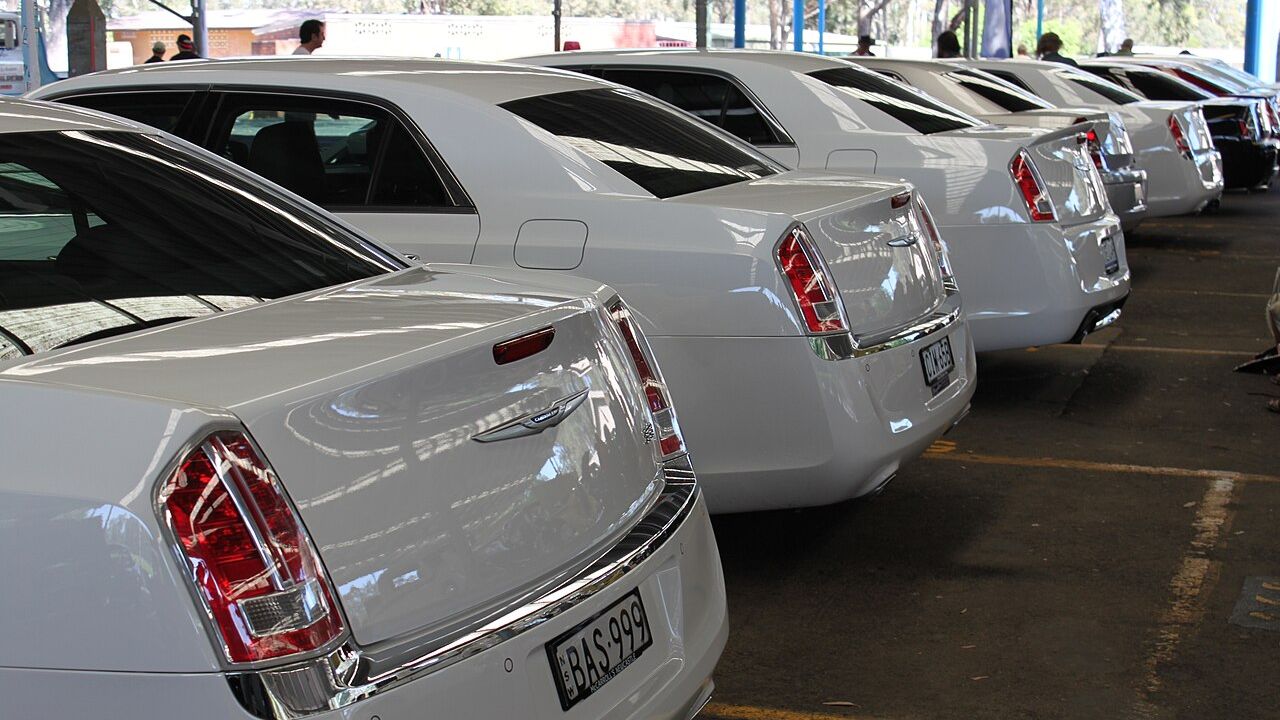
In the first quarter of 2026, several models have emerged as the worst-selling cars in America. Among them, the Chrysler 300 and Nissan Altima have seen a dramatic decline in sales. The Chrysler 300, once a staple for those seeking a full-size sedan, recorded only 1,500 units sold, a staggering drop from 5,200 units sold in the same quarter last year. Similarly, the Nissan Altima’s sales fell to 2,300 units, down from 4,000 units the previous year, highlighting a broader trend of diminishing interest in sedans.
Other notable mentions include the Ford Fusion and Chevrolet Malibu, both of which have found themselves competing for a dwindling market share. The Fusion, with sales figures dropping to just over 2,000 units, and the Malibu, which managed to sell only 1,800 units, are emblematic of the challenges faced by traditional sedans in an SUV-dominated market. The shift in consumer preferences is clear, as buyers increasingly opt for vehicles that offer more space and versatility.
Electric Vehicles Struggling in the Market
Despite the overall growth in electric vehicle sales, some models are struggling to meet expectations. The Ford Mustang Mach-E, once heralded as a revolutionary entry into the EV market, has seen sales stagnate, with only 4,000 units sold in early 2026 compared to 8,000 units during the same period last year. Factors contributing to this slowdown include concerns over charging infrastructure and range anxiety, which remain significant barriers for many potential buyers.
Consumer sentiment towards EVs is mixed, with some buyers expressing concerns about the technology’s reliability and maintenance costs. Additionally, the higher price point of many EVs, coupled with limited incentives in certain areas, has further hindered sales. Models like the Volkswagen ID.4 and Hyundai Ioniq 5 are also experiencing similar challenges, prompting manufacturers to rethink their strategies. As the market becomes increasingly competitive, brands will need to address consumer worries and enhance their offerings to regain traction.
The Sedans and Compact Cars Dilemma
As the automotive industry evolves, traditional sedans and compact cars are facing a significant dilemma. With many consumers favoring larger vehicles, the demand for smaller models continues to decline. For instance, the Toyota Camry and Honda Civic, once top-selling sedans, are now struggling to maintain their market positions. In the first quarter of 2026, the Camry sold just 5,500 units, a steep decline from 9,000 units sold in the same quarter of the previous year. Similarly, the Civic saw its sales drop to 4,200 units, down from 7,000 units.
The rising gas prices also play a role in the declining interest in sedans. While smaller vehicles typically offer better fuel efficiency, the perception that larger vehicles provide more safety and utility has overshadowed these benefits. Additionally, the increase in hybrid and electric models has shifted consumer focus away from traditional compact cars, leaving them to compete against a backdrop of changing preferences and economic factors.
Brand-Specific Sales Struggles
Several automakers are facing challenges with specific models in 2026. For instance, General Motors has reported poor sales for its Chevrolet Spark and Buick Verano, with both models experiencing a significant downturn. The Spark, which sold only 1,200 units in the first quarter, has seen its appeal wane as consumers prioritize larger vehicles. Similarly, the Verano, with sales of just 1,000 units, is struggling to attract buyers in an increasingly competitive market.
To combat these challenges, brands are employing various strategies to revitalize interest in low-selling models. General Motors is investing in marketing campaigns aimed at highlighting the affordability and efficiency of these vehicles, positioning them as practical choices for budget-conscious consumers. Additionally, manufacturers are exploring partnerships with tech companies to enhance vehicle features and appeal to a younger demographic that values connectivity and innovation.
Consumer Feedback and Critiques
Consumer feedback plays a crucial role in understanding the reasons behind poor sales. Reviews for models like the Nissan Altima often highlight concerns regarding reliability and performance. Many consumers have voiced their dissatisfaction with the vehicle’s fuel efficiency and handling, which are critical factors in today’s market. Similarly, feedback on the Chrysler 300 frequently points to its outdated technology and lack of modern features, making it less appealing compared to competitors.
Common complaints also include safety issues and recalls, which can severely impact consumer trust and brand loyalty. For example, the Ford Fusion faced multiple recalls over the past few years, leading to a negative perception among potential buyers. On the other hand, some vehicles receive praise for their comfort and styling, indicating that while consumers may have specific preferences, they are still looking for quality and reliability in their purchases.
Future Predictions for the Automotive Market
Looking ahead, the future of the automotive market remains uncertain, particularly for models struggling with sales. While there may be a potential recovery for some brands, many factors will influence the trajectory of these vehicles. Emerging trends, such as a greater emphasis on sustainability and technological advancement, will likely play a significant role in shaping the market. As consumers become more environmentally conscious, manufacturers will need to adapt their offerings to meet these changing demands.
Innovation and adaptability will be essential for brands aiming to revitalize interest in their low-selling models. Companies that can successfully integrate new technologies and respond to consumer preferences will have a better chance of overcoming the challenges posed by shifting market dynamics. As we move further into 2026, the automotive landscape will continue to evolve, with brands that embrace change likely to emerge as leaders in this competitive environment.
More from Fast Lane Only