Modern-classic status is no longer reserved for chrome-bumpered icons. A new wave of cars from the late 1990s onward is already attracting collectors, with values and enthusiasm suggesting future classic credibility. The following ten vehicles, each with distinct character and strong backing from expert lists of future classics, are inching toward that coveted status.
Porsche 911 (997)
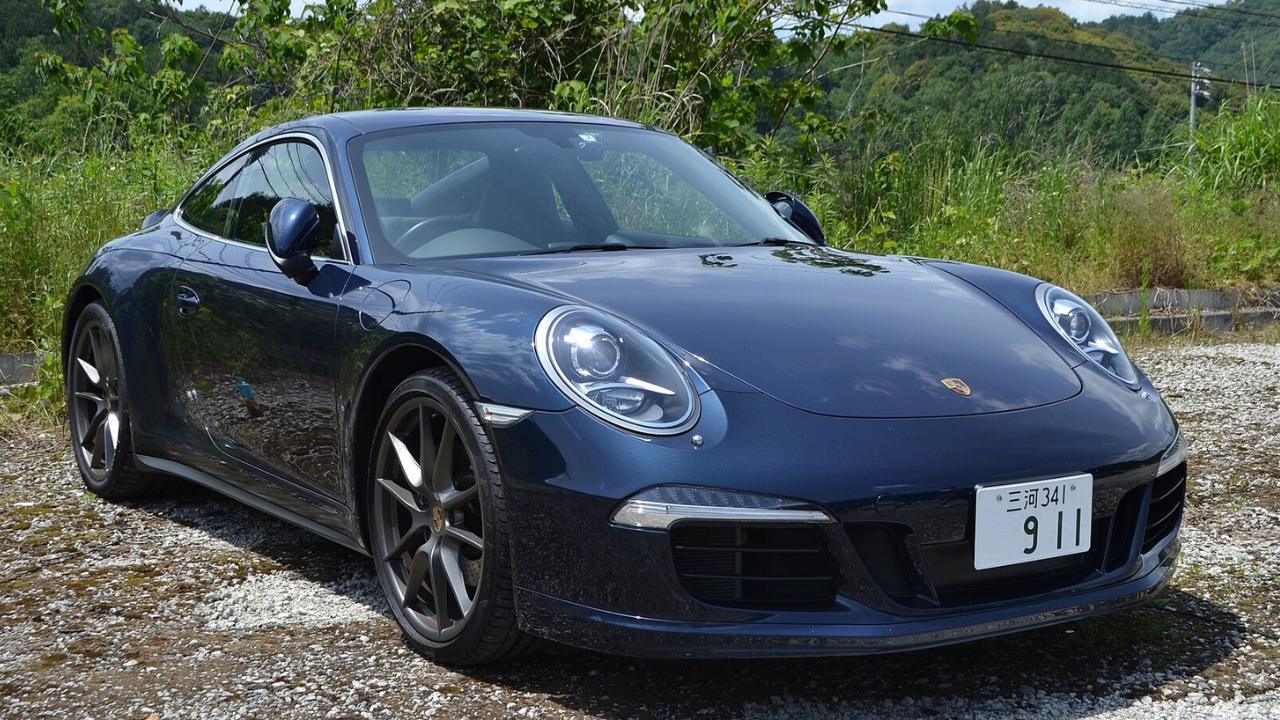
The Porsche 911 (997) is repeatedly singled out as one of the best modern interpretations of the 911, combining compact dimensions with hydraulic steering and relatively analog controls. In guides to modern classics, the 997 generation is highlighted as a car that enthusiasts are expected to chase for years. Its mix of naturally aspirated flat six engines and a manual gearbox in many examples gives it a purity that later turbocharged, dual-clutch models cannot fully replicate.
For collectors, the 997 also marks a bridge between eras, with more modern safety and comfort technology but a driving experience that still feels mechanical and direct. That balance is increasingly rare as performance cars become heavier and more digital. As a result, clean Carrera S, GTS, and GT3 variants are already seeing strong demand, and the model’s place in the 911 lineage virtually guarantees long-term desirability.
Audi R8 (First Generation)

The first-generation Audi R8 is widely regarded as a landmark for Audi, bringing mid-engined supercar layout and everyday usability into one package. Modern-classic lists consistently place the original R8 alongside established icons, noting how its design still looks contemporary. Early V8 and V10 models, especially with manual transmissions, are increasingly viewed as the purest expression of the concept, before later generations added more power and complexity.
From a market perspective, the R8’s shared DNA with high-end exotics, combined with Audi’s broader brand recognition, makes it accessible yet aspirational. Collectors are drawn to its aluminum spaceframe, distinctive side blades, and the fact that it introduced many buyers to supercar performance without traditional compromises. As naturally aspirated engines disappear, the first-generation R8’s characterful powertrains and relatively low production volumes are likely to underpin its climb toward modern-classic status.
BMW M3 (E90/E92)
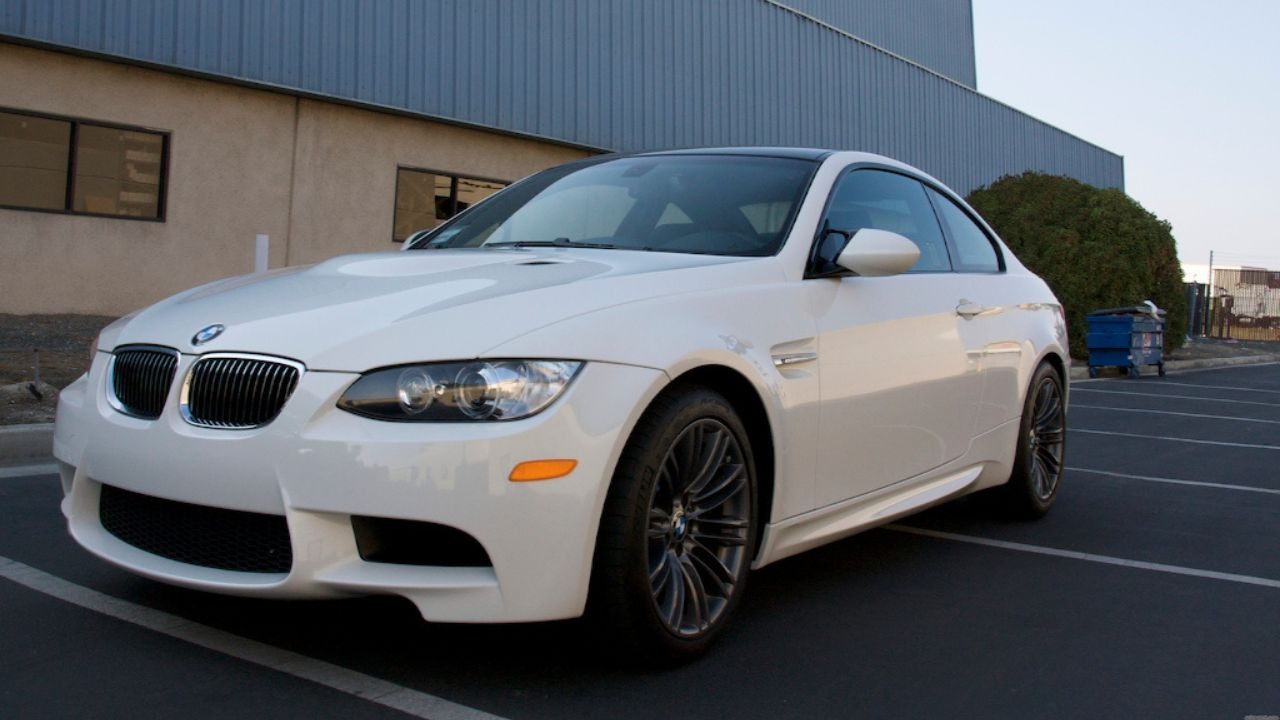
The E90-series BMW M3, available as saloon, coupe, and convertible, is repeatedly identified in future classic rankings as a likely collectible. Analysts point to its unique 4.0‑liter V8, a departure from the inline-six engines that defined earlier M3s, as a key factor. That high revving unit, combined with rear wheel drive and precise chassis tuning, delivers a driving experience that stands apart from both its predecessors and turbocharged successors.
Beyond performance, the E90/E92 M3 represents a high point in BMW’s motorsport-inspired road cars, with flared arches, subtle aerodynamic additions, and a cabin that balances usability with focused intent. As emissions rules push modern M cars toward smaller, turbocharged engines and hybrid assistance, the naturally aspirated V8 M3 is increasingly seen as a last-of-its-kind proposition. Enthusiasts seeking a usable, four-seat performance car with genuine motorsport character are already helping values stabilize and, in some cases, rise.
Honda S2000
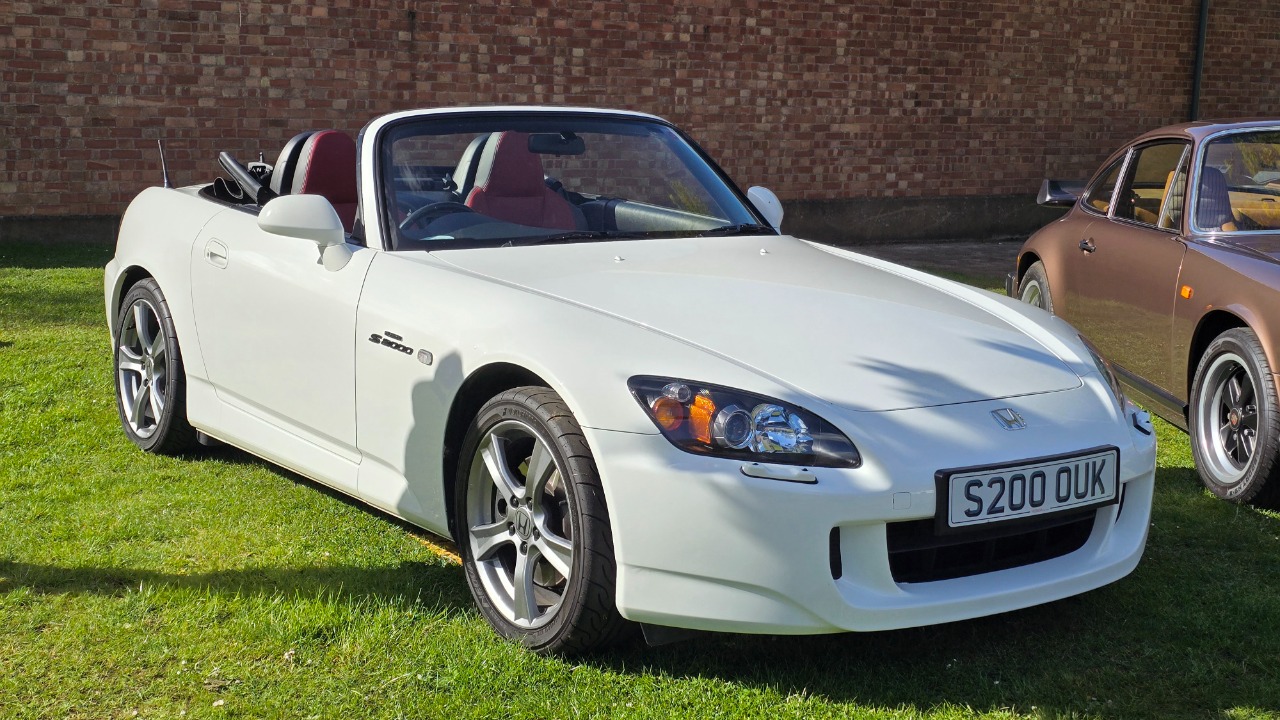
The Honda S2000 has long enjoyed cult status, and expert lists of future classics now treat it as a prime candidate for long-term collectability. Its 2.0‑liter engine is renowned for revving to extremely high limits, delivering power in a way that rewards committed driving. Combined with a precise six-speed manual gearbox and rear-wheel drive, the S2000 offers a level of engagement that modern turbocharged roadsters rarely match.
From a broader perspective, the S2000 also reflects a period when Honda prioritized engineering flair in relatively attainable sports cars. As the market shifts toward crossovers and electrified models, lightweight, naturally aspirated roadsters are becoming scarce. That scarcity, together with the car’s reputation for reliability and track-day capability, is already pushing enthusiasts to secure good examples, reinforcing its trajectory toward modern-classic recognition.
Toyota FJ Cruiser
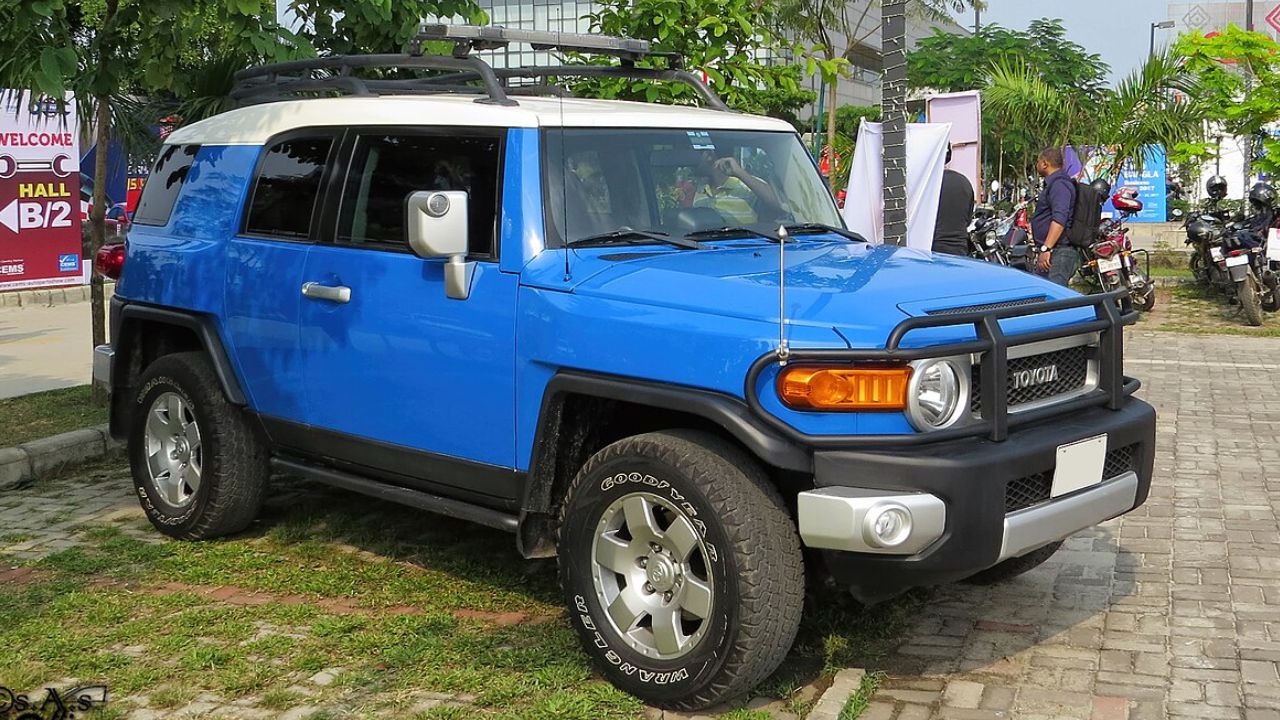
The Toyota FJ Cruiser is a standout in discussions of cars with cult followings, with dedicated coverage of the Toyota FJ Cruiser emphasizing its loyal fan base. Its retro styling, referencing classic Land Cruiser models, and serious off-road hardware have helped it age gracefully. Production ended years ago, yet demand for clean, low-mileage examples remains strong, particularly among buyers who value durability and adventure-ready capability.
In the context of modern classics, the FJ Cruiser’s appeal lies in its blend of nostalgia and practicality. It offers genuine four-wheel-drive performance, but with modern safety and comfort features that make it viable as a daily driver. As manufacturers pivot toward softer, more road-biased SUVs, the FJ’s unapologetically rugged character and limited production window are likely to keep it in the spotlight for collectors who want a usable, distinctive off-roader.
Jaguar F-Type
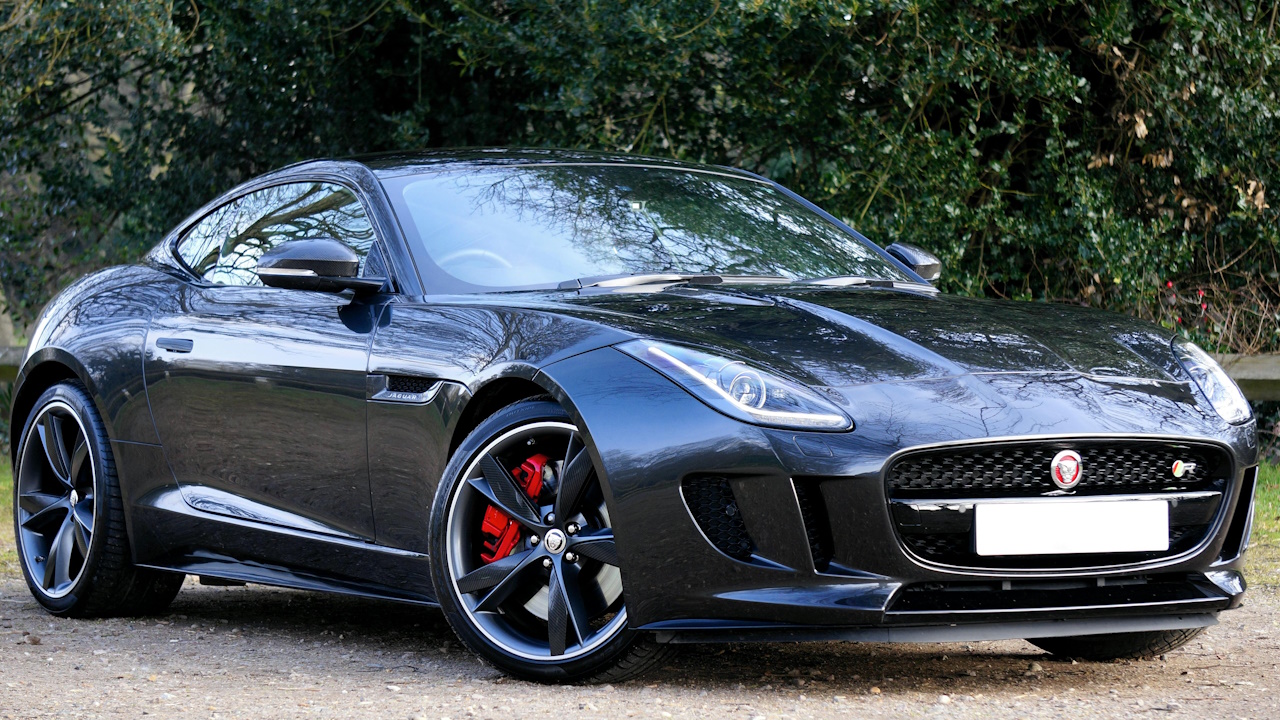
The Jaguar F-Type is frequently highlighted as a future classic, particularly in surveys that track enthusiast sentiment about modern performance cars. Searches focused on the F-Type emphasize its role as a spiritual successor to Jaguar’s historic sports cars, with dramatic styling and a range of engines from characterful V6 units to thunderous V8s. The car’s design, with its long bonnet and compact cabin, already reads as a modern classic shape.
For stakeholders, the F-Type represents Jaguar’s attempt to reassert itself in the sports-car arena, and its success in that role gives it narrative weight that collectors value. As the brand moves toward electrification, the F-Type’s supercharged engines and emotive exhaust note will become historical markers of a different era. Limited-run variants and well-specified early cars, especially coupes, are increasingly seen as the versions most likely to appreciate.
Alfa Romeo Giulia Quadrifoglio
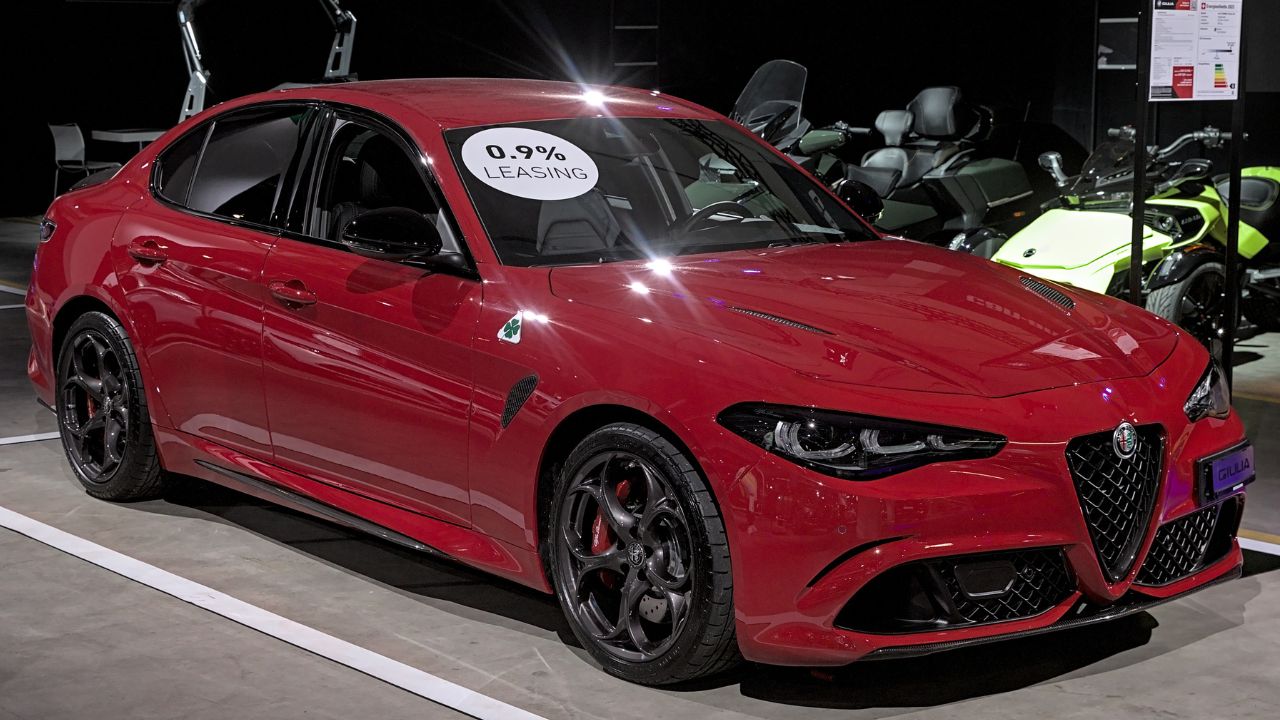
The Alfa Romeo Giulia Quadrifoglio is singled out in future classic discussions as a return to form for Alfa Romeo. Commentators note that “the world seemed to have forgotten about Alfa Romeo for a long time,” and the Giulia Quadrifoglio changed that perception with a powerful twin-turbo V6 and finely balanced rear-wheel-drive chassis. Its performance figures place it among the most capable super-saloons, yet it retains a distinctly Italian sense of style and drama.
From a long-term perspective, the Giulia Quadrifoglio’s importance lies in how it repositions Alfa Romeo for enthusiasts and investors alike. It demonstrates that the brand can compete directly with established German rivals while offering a more emotional alternative. As high-performance internal-combustion saloons face increasing regulatory pressure, this model’s combination of rarity, engineering sophistication, and brand heritage positions it strongly for modern-classic status.
BMW i8
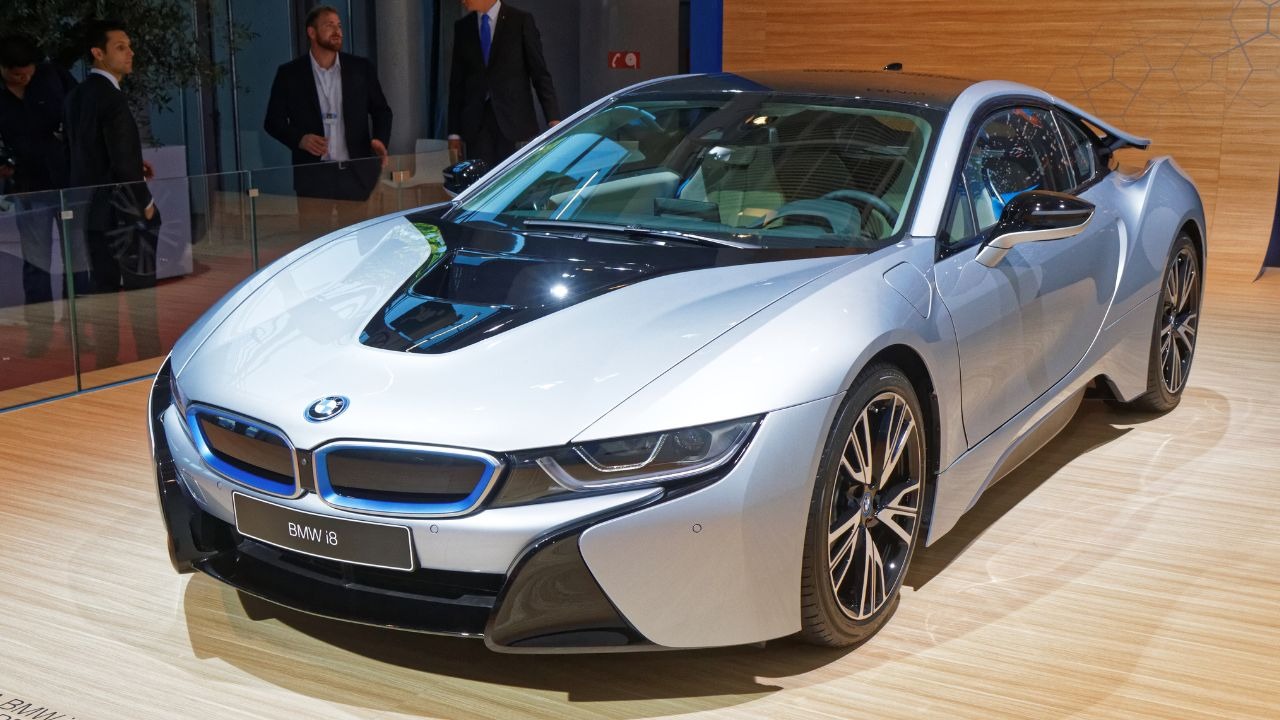
The BMW i8 is already being described as one of the best-looking BMW models of the modern era, with one enthusiast noting that the BMW i8 still appears futuristic a decade after launch. Reviews of the 2019 BMW i8 Coupe describe its carbon-fiber structure and dramatic proportions as “space age,” underlining how advanced it felt even several years into its life cycle. The butterfly doors and low, cab-forward stance give it the visual impact of an exotic, while its plug-in hybrid powertrain anticipated current trends.
In the broader market, the i8 occupies a unique position as an early attempt to blend electrification with supercar styling. As hybrid and electric performance cars become more common, the i8’s pioneering role and distinctive design are likely to be reassessed more favorably. Limited production numbers, complex construction, and its status as a technological showcase for BMW strengthen the case that it will be regarded as a modern classic rather than just an experimental side note.
Ford Fiesta ST
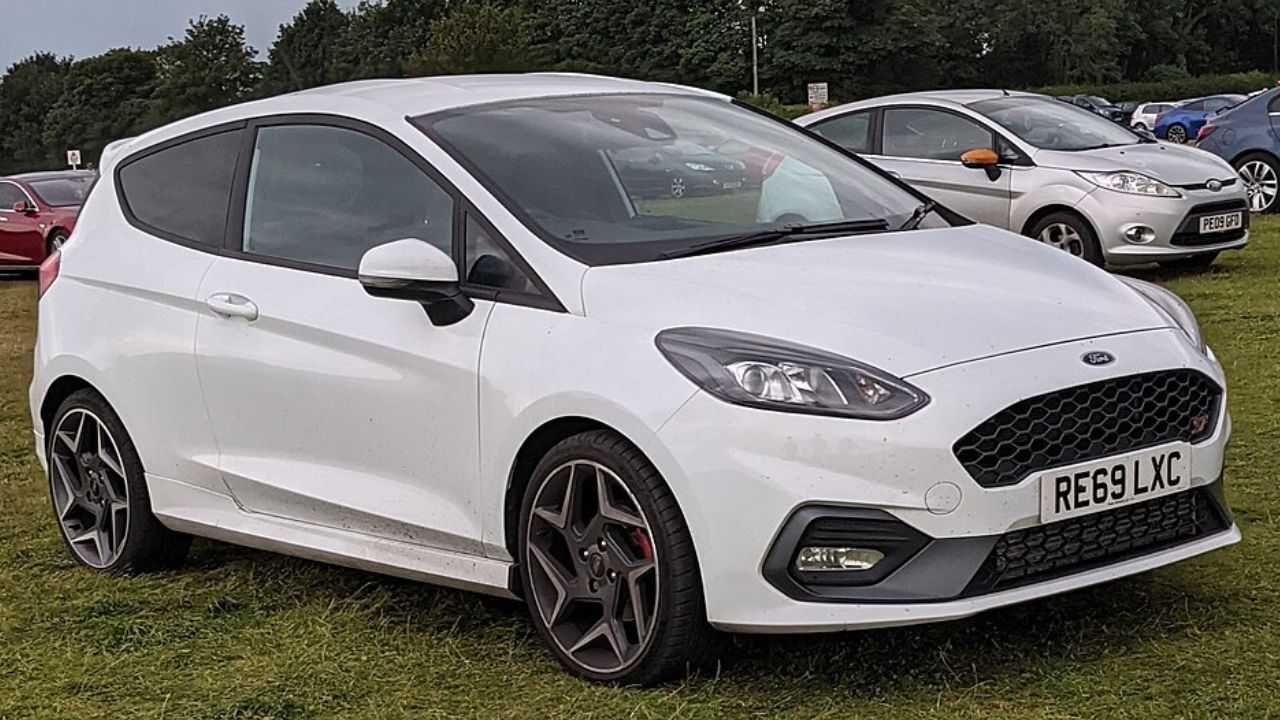
The Ford Fiesta ST appears prominently in rankings of top future classics, where it is praised as a worthy continuation of Ford’s history of hot hatchbacks. Enthusiast surveys place it among the most appreciated small performance cars, citing its agile chassis, punchy turbocharged engine, and everyday usability. The Fiesta ST manages to deliver serious driving enjoyment without the high running costs associated with larger, more powerful models.
For younger collectors and those entering the classic market, the Fiesta ST offers an accessible route into enthusiast ownership. Its popularity on track days and tuning scenes suggests a strong community that will help sustain interest as the cars age. As small, manual hot hatches become rarer in new-car showrooms, well-kept Fiesta STs are likely to be viewed as representative of a golden era for affordable performance.
Peugeot 106 Rallye
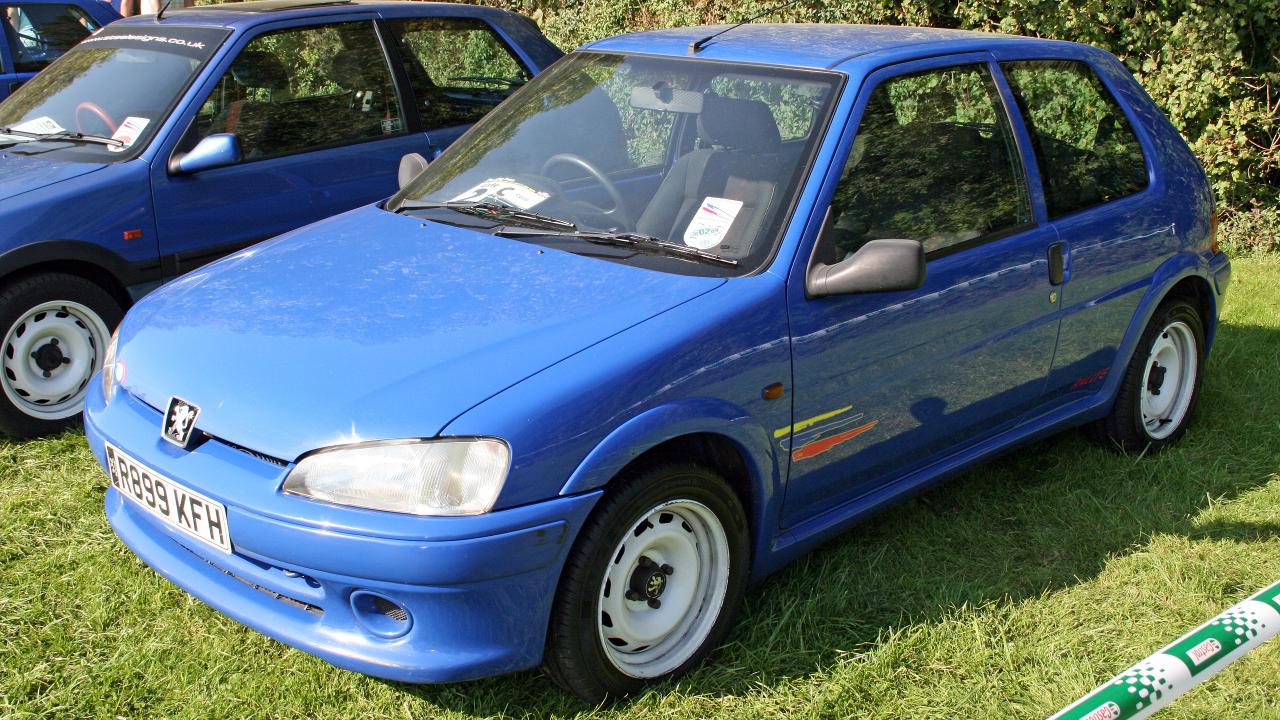
The Peugeot 106 Rallye is repeatedly recommended in lists of future classics, with Peugeot 106 Rallye guidance urging enthusiasts to consider it while prices remain relatively modest. The “106” designation has become shorthand for a lightweight, rev-happy hatchback that prioritizes driver involvement over outright power. Its stripped-back specification, including minimal sound deadening and simple interiors, reflects a focus on performance and feedback that is increasingly rare.
From a historical standpoint, the 106 Rallye encapsulates Peugeot’s reputation for lively small cars, a legacy that resonates strongly with enthusiasts. As safety and emissions regulations have added weight and complexity to modern superminis, the Rallye’s simplicity and low mass stand out. Surviving examples are becoming harder to find in unmodified condition, a trend that typically precedes significant appreciation for cars on the cusp of modern-classic recognition.
More from Fast Lane Only