Some classic cars didn’t just shine in their own time—they paved the way for future innovations in the auto world. These vintage vehicles were more than just a means of transportation; they were visionaries on wheels. Let’s take a closer look at ten groundbreaking models that were truly ahead of their time.
Tucker 48
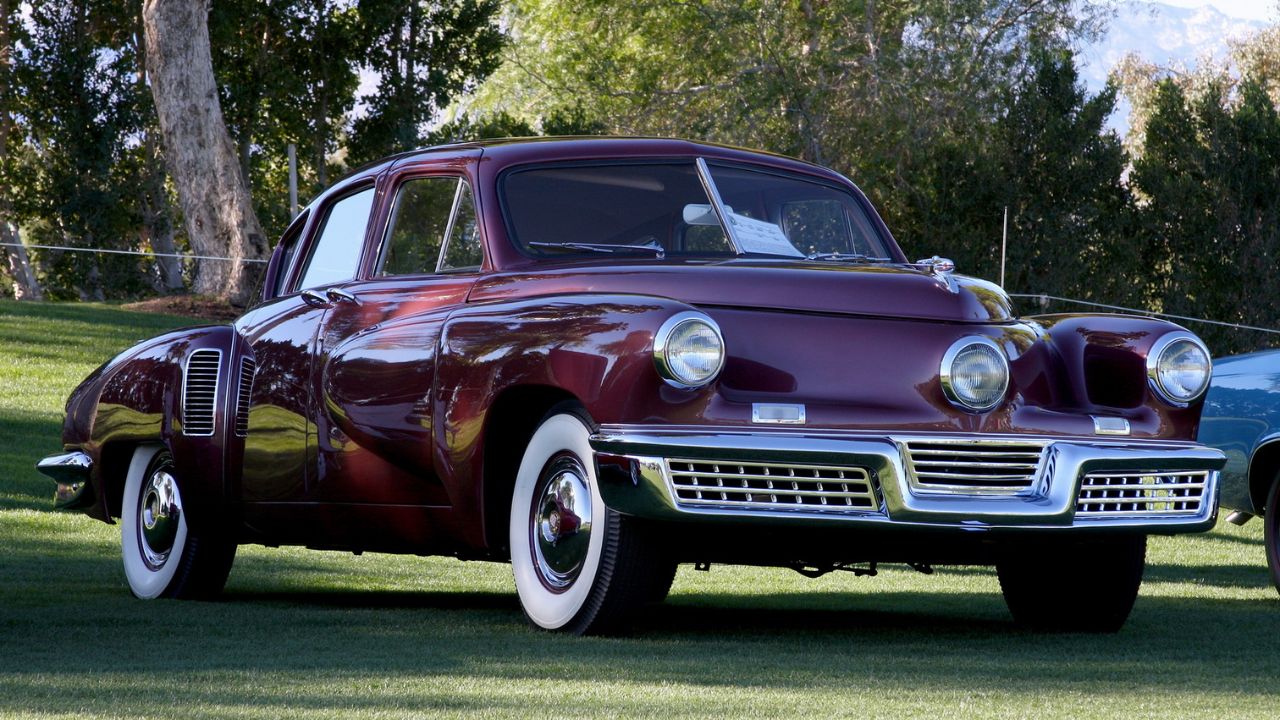
The Tucker 48, also known as the “Tucker Torpedo,” was a marvel of automotive innovation back in 1948. Designed by Preston Tucker, this car introduced features that were unheard of at the time, like a rear-mounted engine and a safety windshield that popped out upon impact. It was also one of the first cars to feature a third headlight, which turned with the steering wheel to illuminate the road ahead.
Despite its innovative features, the Tucker 48 faced significant challenges. Legal and financial troubles prevented the production of more than 50 units. However, its legacy lives on, influencing car safety and design standards for decades to come.
Citroën DS
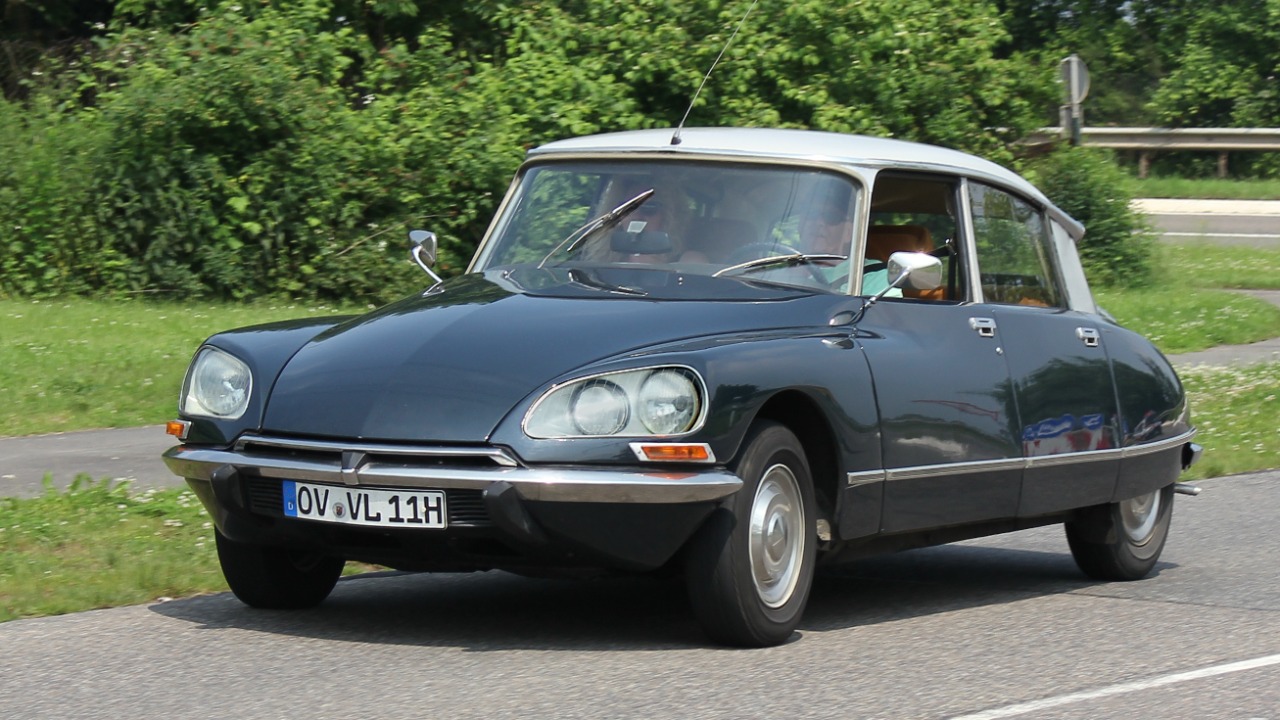
The Citroën DS made its debut in 1955 and immediately captured attention with its futuristic design and advanced technology. One of its standout features was the self-leveling hydropneumatic suspension system, which provided an unprecedented smooth ride. This feature allowed the car to maintain a constant ride height, regardless of load.
Apart from its suspension, the DS also boasted innovative elements such as power steering, a semi-automatic transmission, and disc brakes—features that were quite rare in the 50s. Its aerodynamic body and sleek style made it a favorite among car enthusiasts and cemented its place in automotive history.
BMW 507
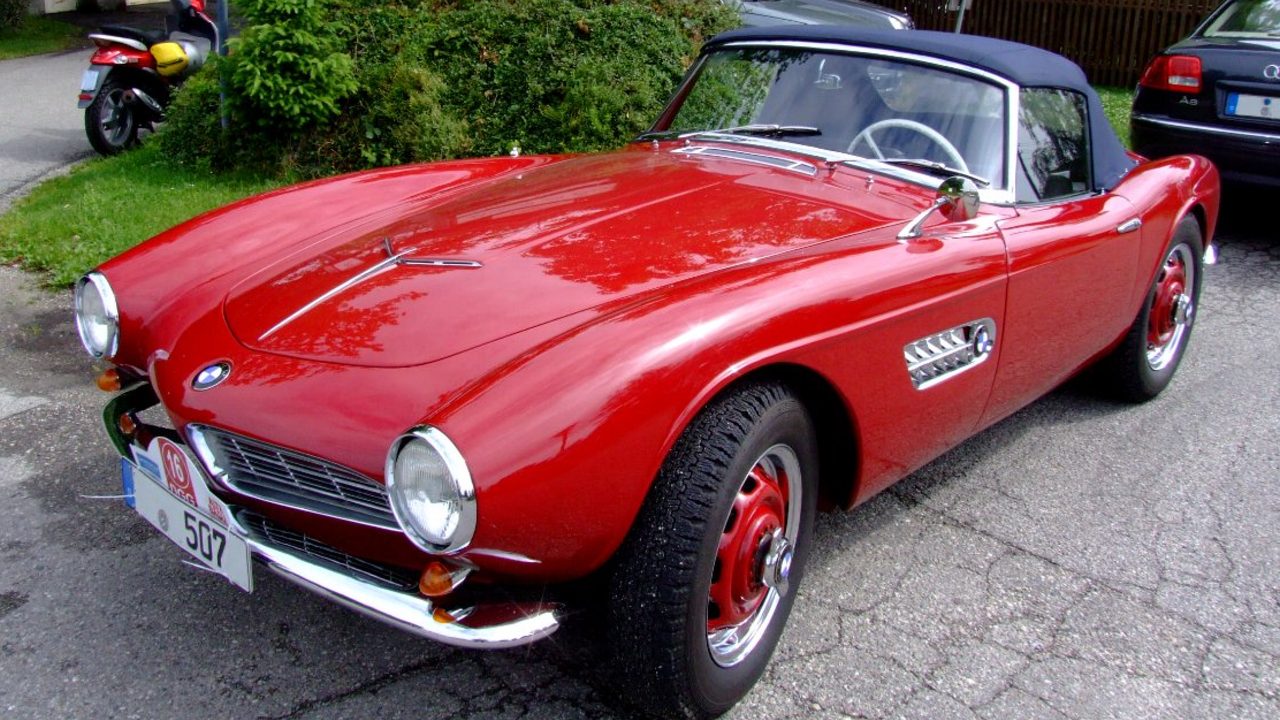
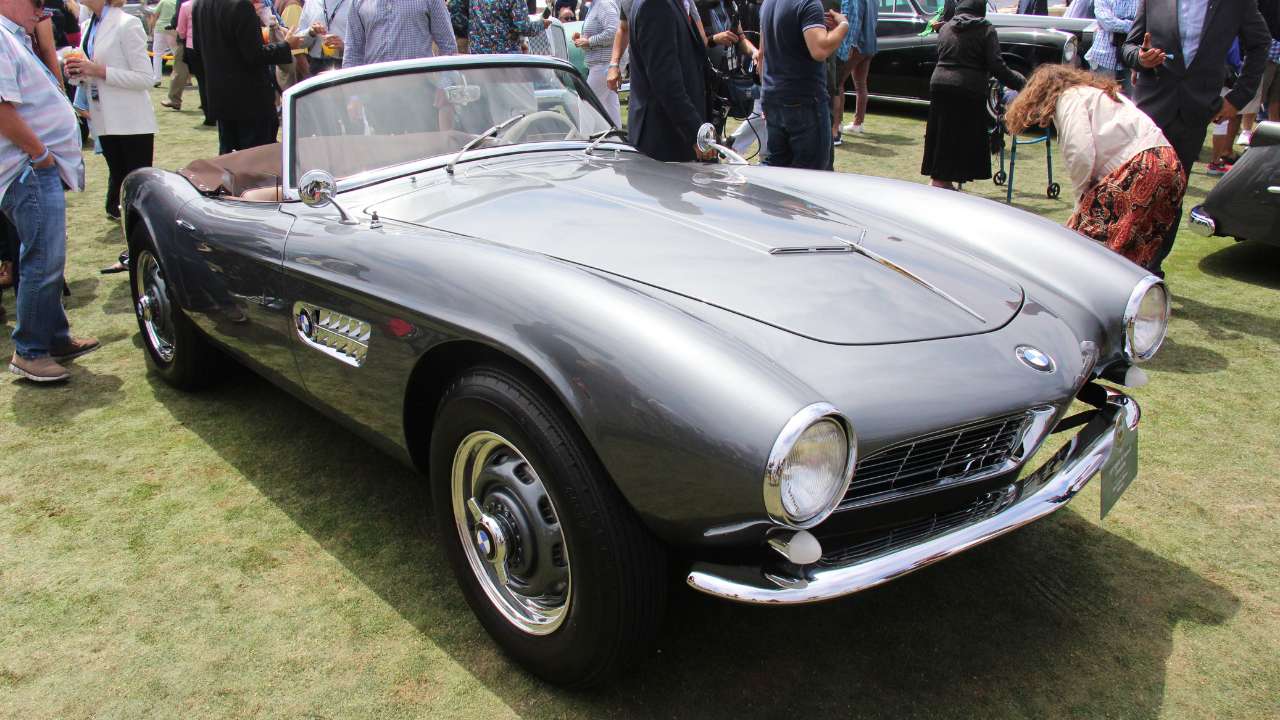
The BMW 507, produced between 1956 and 1959, was a stunning roadster that combined elegance with performance. Designed by Albrecht von Goertz, this car was intended to capture the American market with its sleek lines and V8 engine. Although it was a commercial failure due to its high production costs, its aesthetic appeal and performance capabilities were undeniably ahead of its time.
Today, the BMW 507 is highly coveted by collectors, and its influence is seen in later BMW models. Elvis Presley was among the famous owners of this iconic car, further cementing its place in automotive lore.
Chevrolet Corvette (C1)
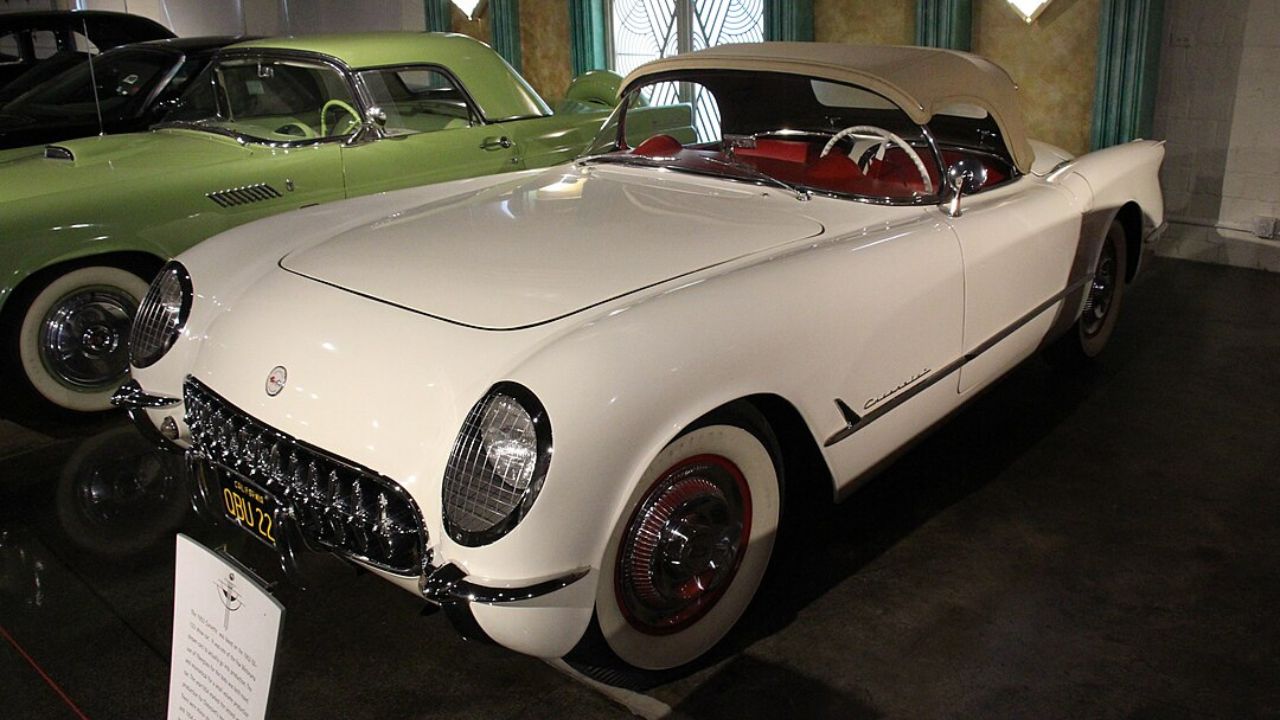
The Chevrolet Corvette C1, introduced in 1953, was America’s first true sports car. With its fiberglass body, it was lighter and more agile than its steel-bodied counterparts. The C1’s introduction marked a paradigm shift in car design and performance in the United States.
Initially equipped with a six-cylinder engine, the Corvette soon adopted a V8, which significantly boosted its performance. The C1 laid the groundwork for a lineage of Corvettes that would become synonymous with American muscle and automotive innovation.
Mercedes-Benz 300SL Gullwing
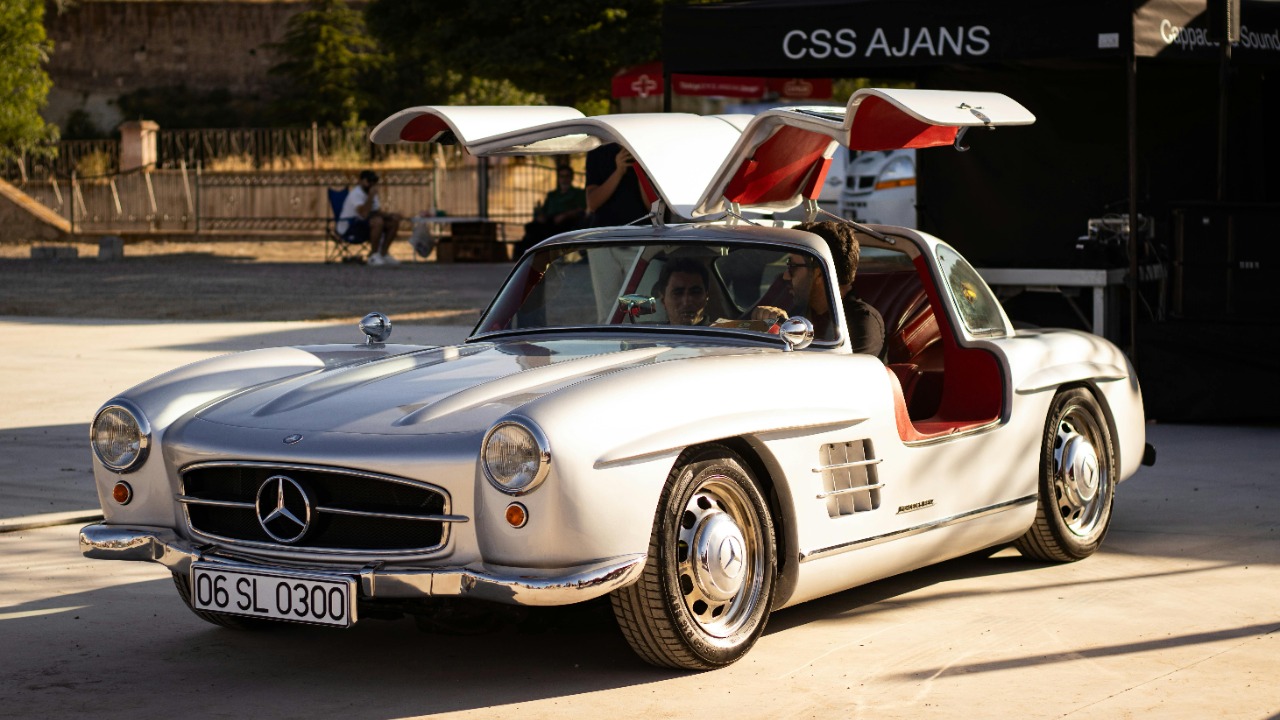
The Mercedes-Benz 300SL, produced from 1954 to 1957, is best known for its distinctive gullwing doors. But it wasn’t just a pretty face—the 300SL was the fastest production car of its time, thanks to its fuel-injected engine. It was also one of the first cars to use a tubular frame, which helped reduce weight while maintaining structural integrity.
Its aerodynamic design and innovative engineering made the 300SL an icon. Even today, it remains a symbol of elegance and performance, and its influence is evident in many modern sports cars.
Studebaker Avanti
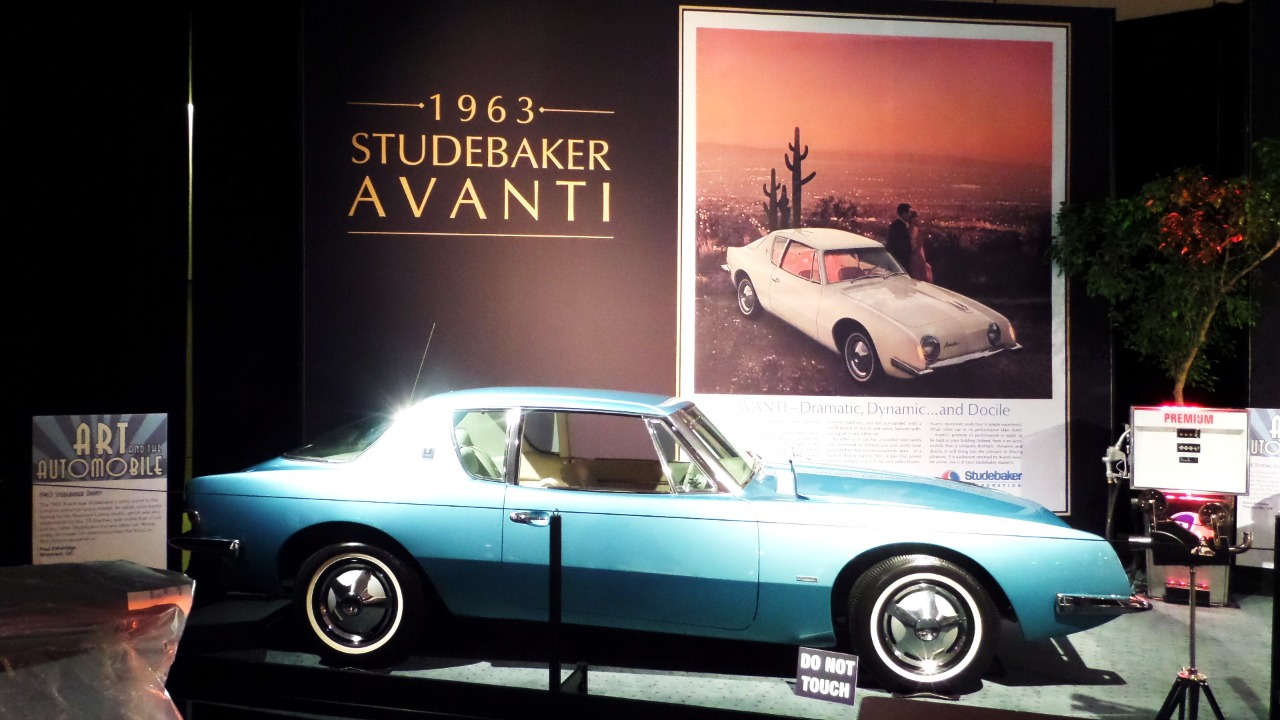
The Studebaker Avanti was introduced in 1962 as a response to declining sales. Designed by Raymond Loewy, the Avanti featured groundbreaking design elements, including a fiberglass body and a supercharged engine option. It was touted as the fastest production car in the world at the time, capable of exceeding 168 mph.
Although Studebaker ceased operations shortly after the Avanti’s release, the car’s design was so ahead of its time that it continued to be produced by various companies for decades. Its sleek, aerodynamic design remains a point of admiration among car enthusiasts.
Ford GT40

The Ford GT40 was a sports car that dominated the 24 Hours of Le Mans in the 1960s, winning four consecutive times from 1966 to 1969. Designed specifically to beat Ferrari at their own game, the GT40 was a testament to American engineering and determination.
Its low-slung body and powerful V8 engine set new standards in performance and design. The GT40’s success at Le Mans not only cemented Ford’s reputation in the racing world but also inspired future generations of sports cars with its innovative approach to design and engineering.
Alfa Romeo Giulia Sprint GT
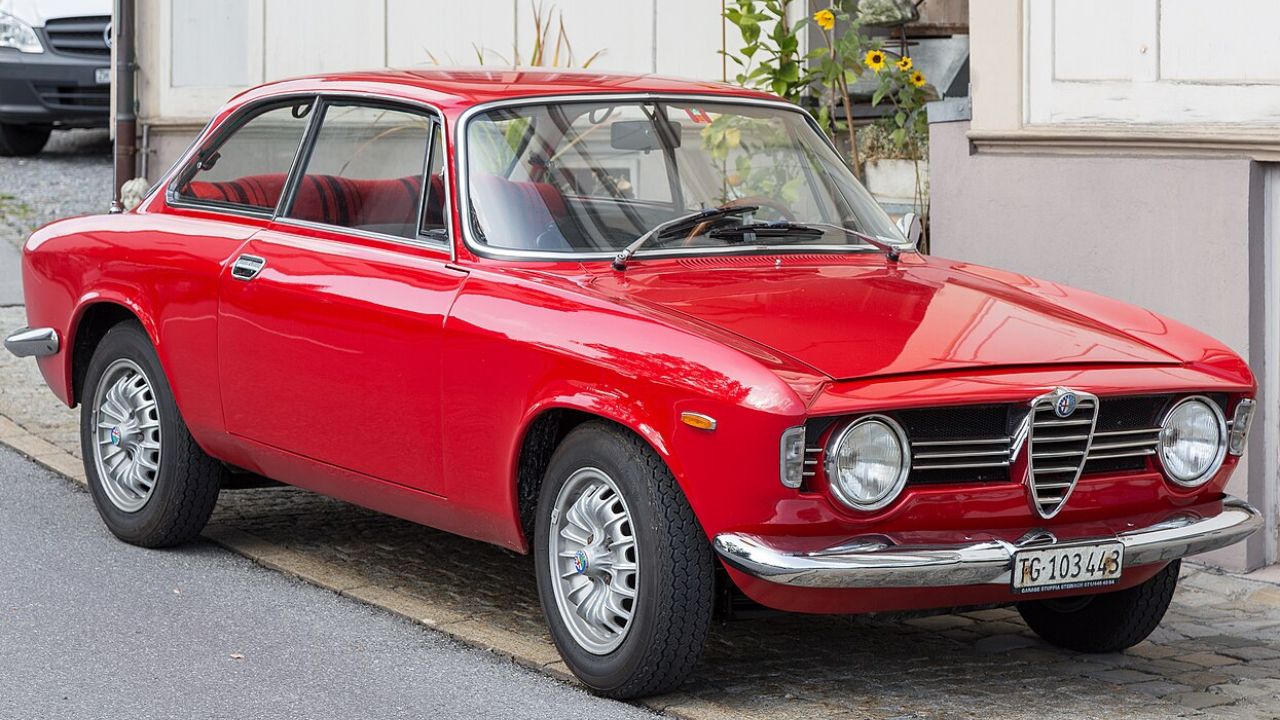
The Alfa Romeo Giulia Sprint GT, introduced in 1963, was a perfect blend of style and performance. It featured a twin-cam engine, a five-speed manual transmission, and disc brakes—all advanced features for its time. Its compact, aerodynamic design made it a favorite among driving enthusiasts.
Beyond its technical prowess, the Giulia Sprint GT was known for its elegant design by Bertone. Its timeless appeal and racing heritage have made it a classic, influencing many future sports cars in terms of both aesthetics and performance.
Porsche 959
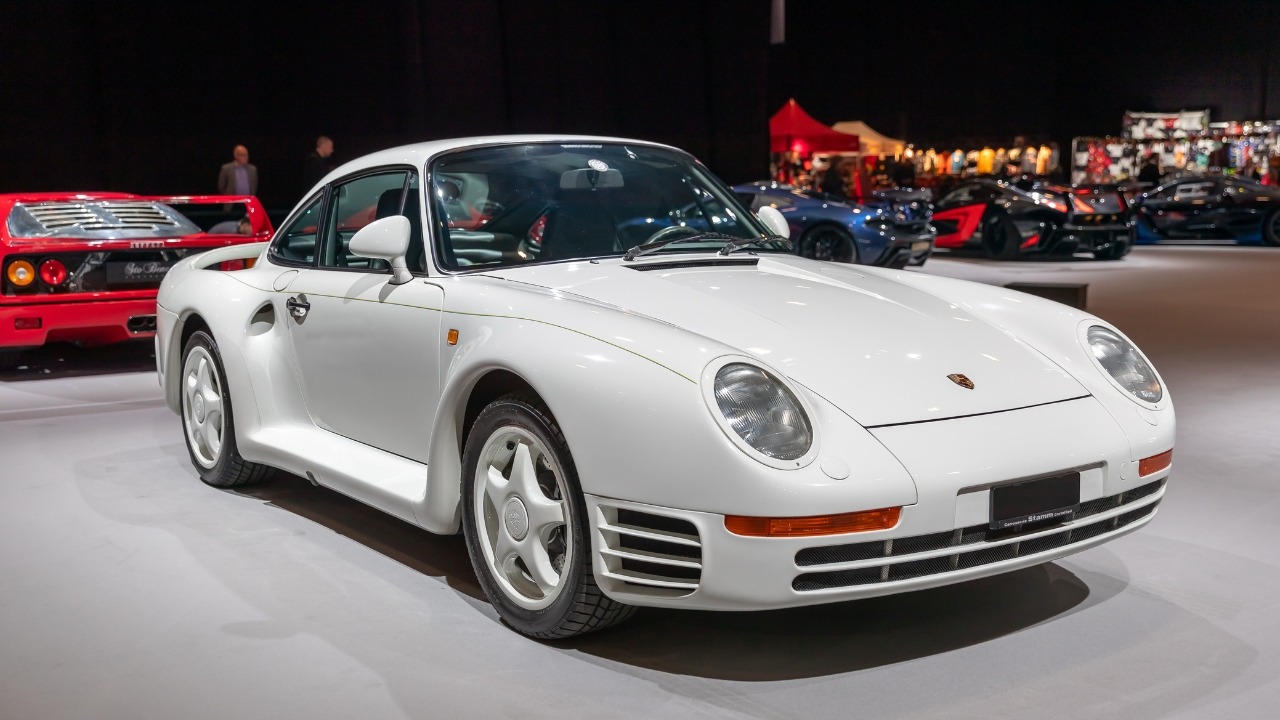
The Porsche 959, produced between 1986 and 1993, was a technological tour de force. It introduced features like an all-wheel-drive system, a twin-turbocharged engine, and an adjustable suspension. These innovations made it one of the most advanced cars of its time.
Originally developed for Group B rally racing, the 959’s production model was a limited edition, with only 337 units made. Its cutting-edge technology and performance capabilities influenced Porsche’s future models and set a new benchmark for supercars.
DeLorean DMC-12
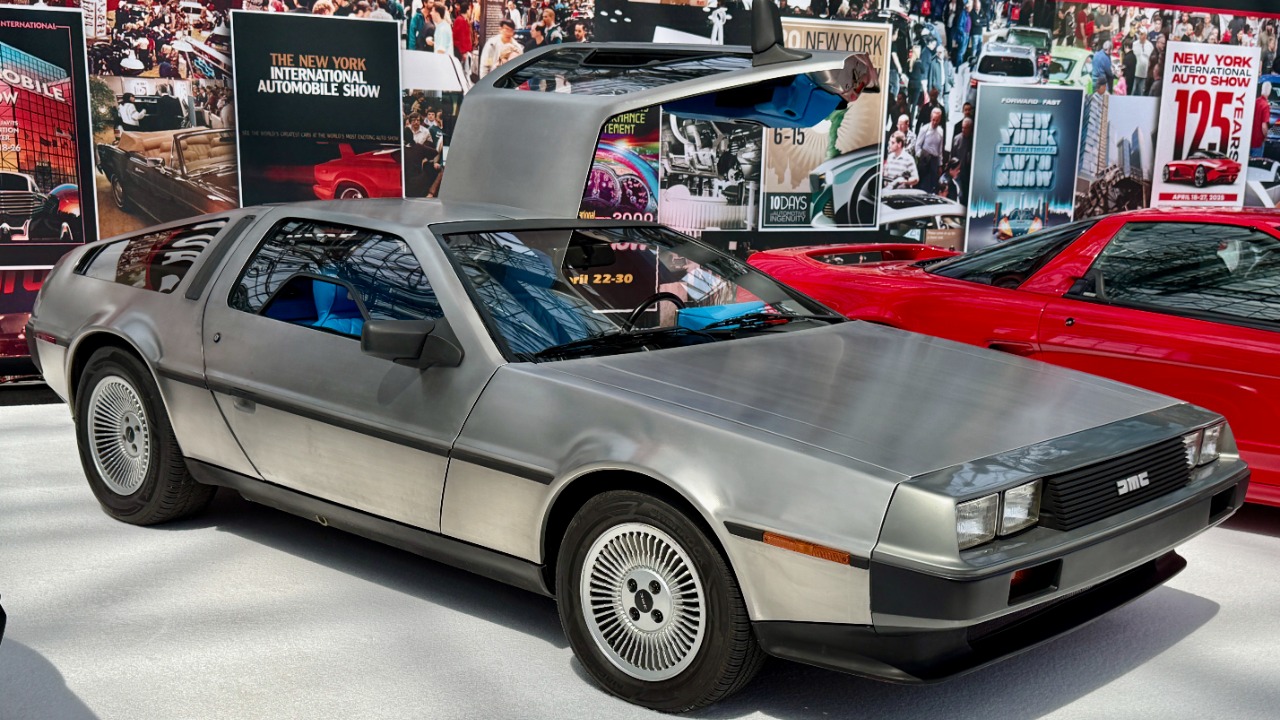
The DeLorean DMC-12, produced from 1981 to 1983, is best known for its role in the “Back to the Future” movies. However, its real-world design was equally fascinating. The DMC-12 featured a stainless steel body and gullwing doors, making it a standout in the automotive world.
While it faced criticism for its performance and build quality, the DeLorean’s unique design and cultural impact have given it a lasting legacy. Its futuristic appearance and innovative features continue to capture the imagination of car enthusiasts and movie buffs alike.
More from Fast Lane Only