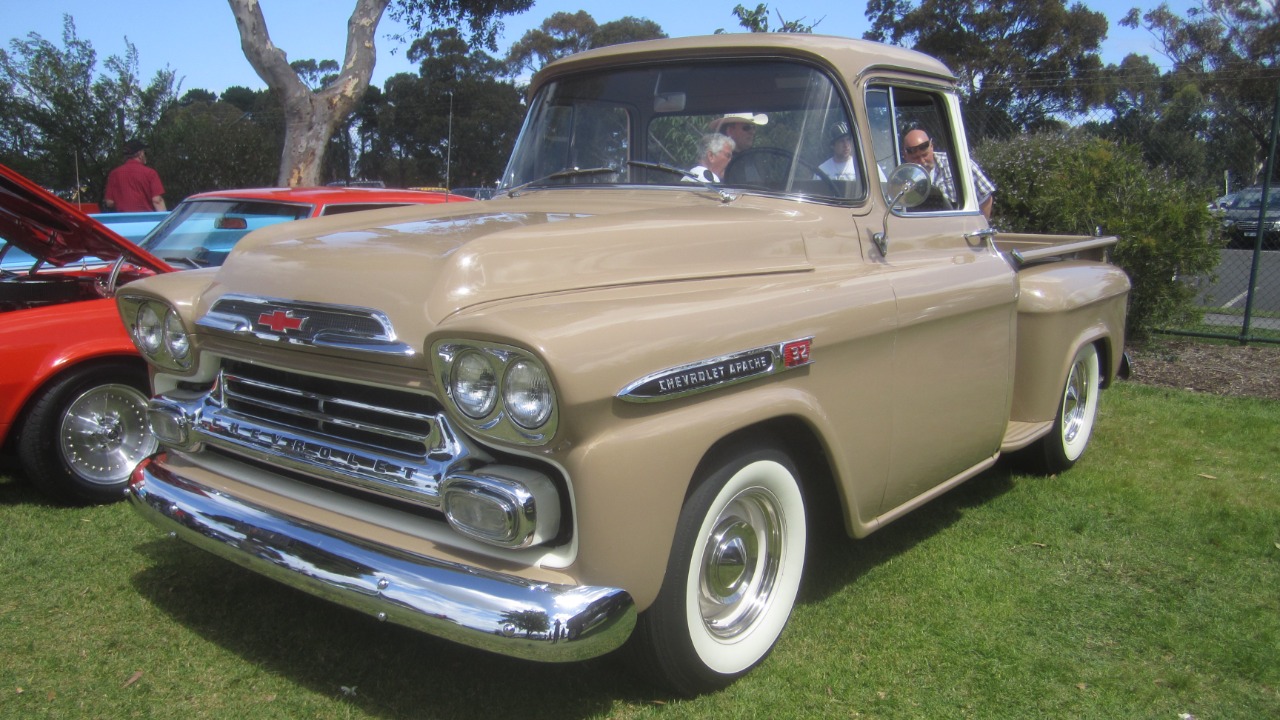
As America expanded after World War II, trucks became more than work vehicles. They became family transportation, recreational machines, and everyday companions on growing suburban streets and highways. These ten vintage trucks helped change how Americans viewed pickups and utility vehicles, combining practical capability with styling, comfort, and increasingly car-like driving manners.
Chevrolet Task Force
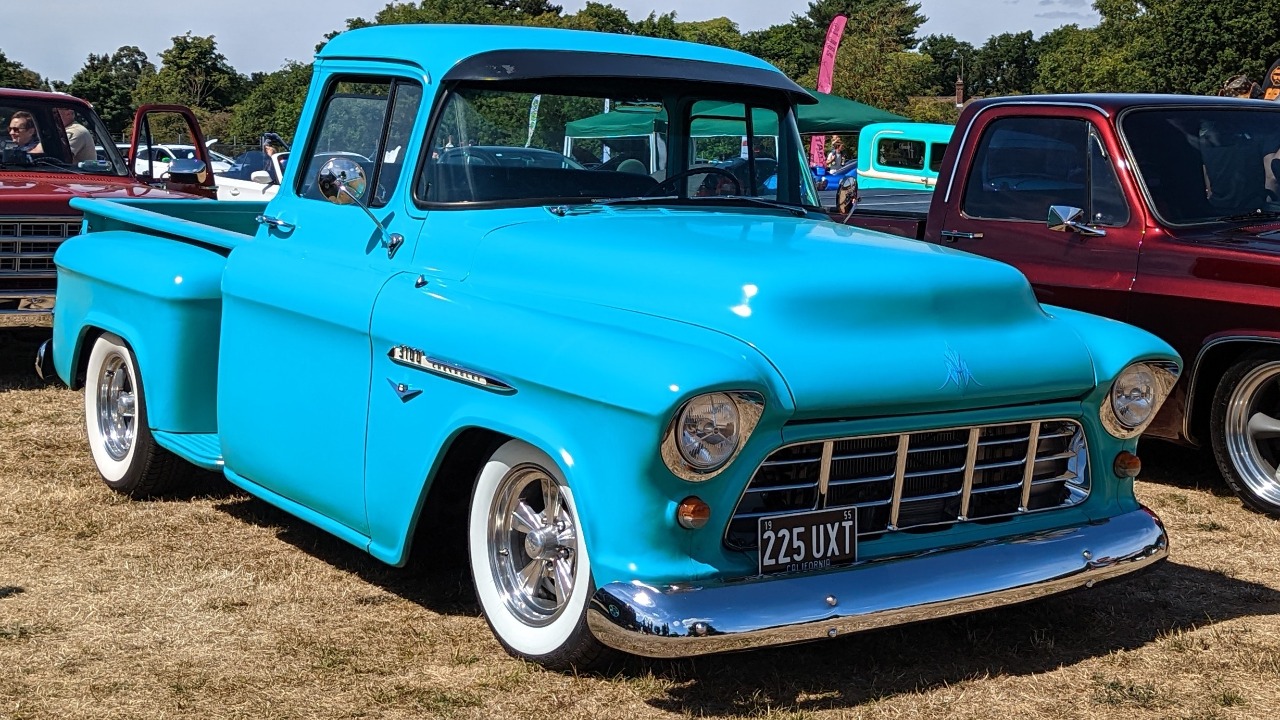
The Chevrolet Task Force series helped modernize Chevrolet’s pickup lineup during the 1950s. Its wraparound windshield, smoother bodywork, and updated cab made it look considerably more modern than earlier work trucks. V8 power was also available, giving buyers stronger performance. The Task Force helped establish the idea that a pickup could be both useful for work and comfortable enough for everyday driving.
Ford F-100
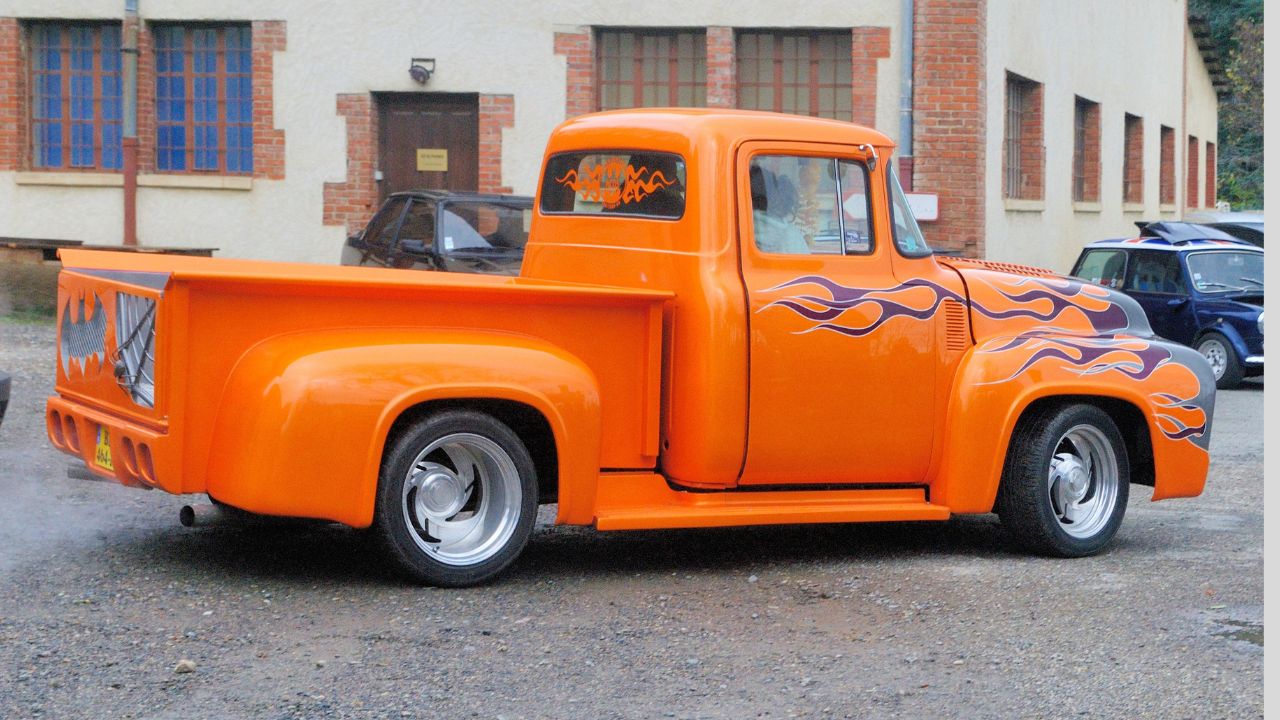
The Ford F-100 became one of America’s most influential pickup trucks during the 1950s and 1960s. Its updated styling, comfortable cab, and broad selection of engines made it appealing beyond traditional commercial buyers. As suburbs expanded, the F-100 increasingly became a personal vehicle. Its combination of utility and everyday usability helped establish the pickup as a mainstream American vehicle.
GMC Suburban Carrier
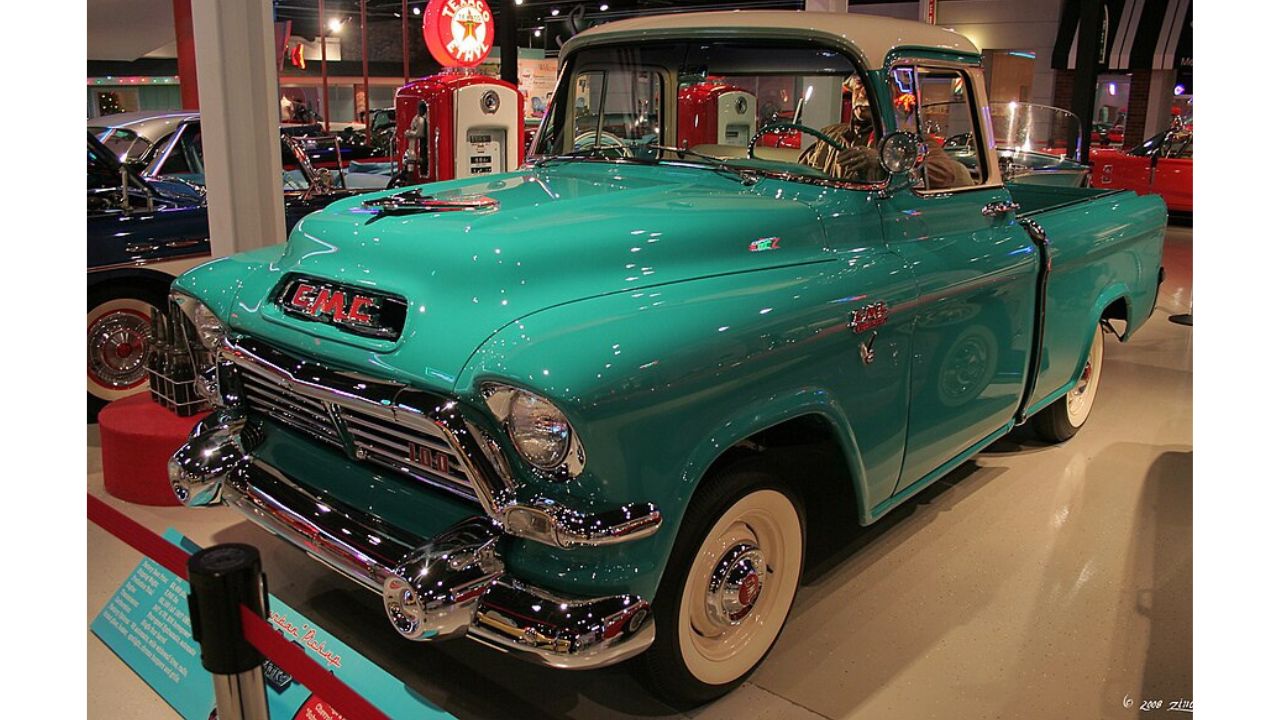
The GMC Suburban Carrier combined truck-based construction with a more practical enclosed body. It offered useful passenger and cargo space for families, businesses, and recreational activities. As Americans began traveling farther from cities, vehicles like this provided useful versatility. The concept helped lay the groundwork for later sport-utility vehicles that would become common on suburban roads and highways.
Chevrolet Apache
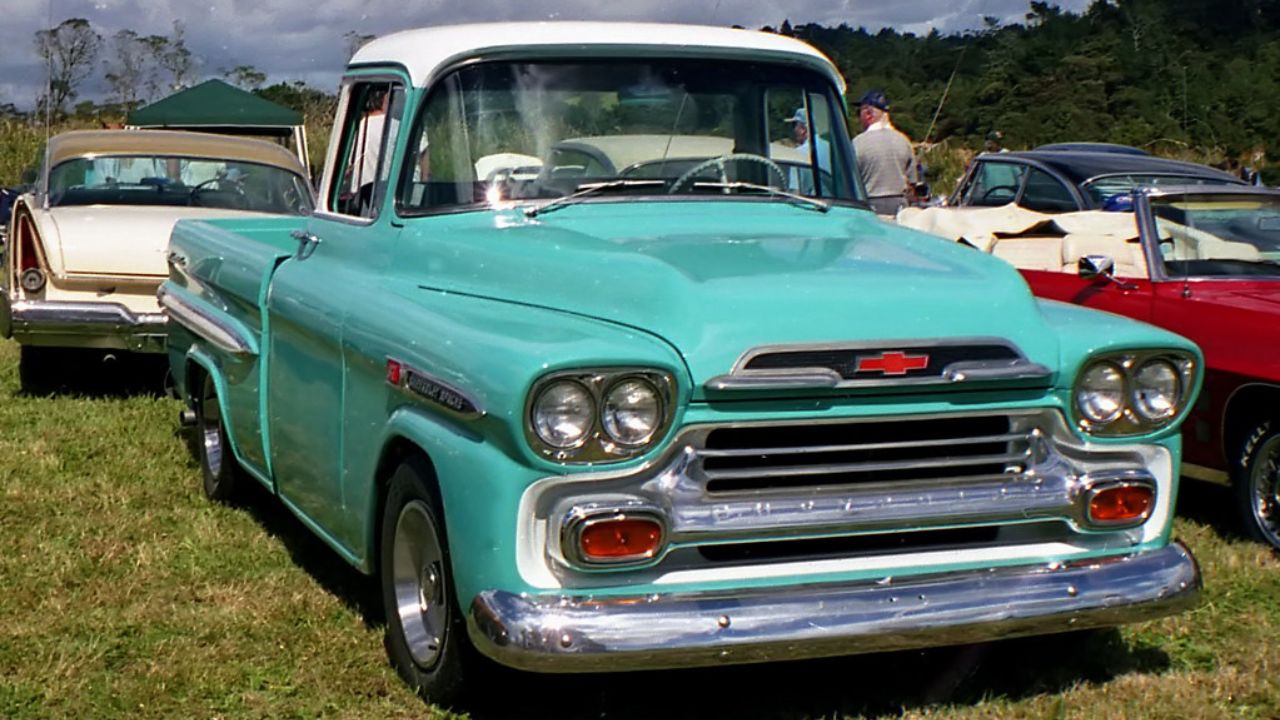
The Chevrolet Apache gave the late-1950s pickup market a more stylish and modern appearance. Its sculpted body, panoramic windshield, and available V8 engines made it feel less like a basic work truck. Chevrolet’s attention to design helped attract buyers who wanted their pickup to look as good as it worked. The Apache became an important step toward the lifestyle pickup.
Dodge D-Series

The Dodge D-Series brought stronger engines, improved comfort, and increasingly attractive styling to Dodge’s pickup lineup. Available V8 power gave it the ability to handle demanding work, while the spacious cab made it useful for daily transportation. The D-Series helped Dodge compete in a rapidly growing pickup market as trucks became increasingly common in suburban America.
International Harvester Travelall
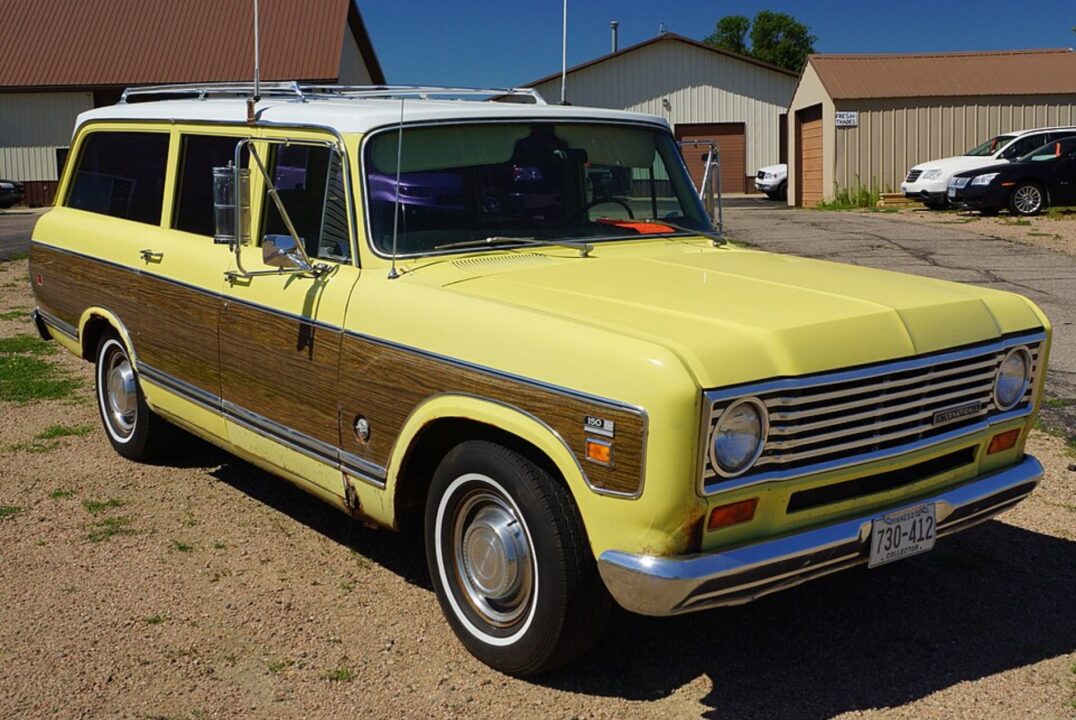
The International Harvester Travelall combined a truck-based chassis with substantial passenger and cargo capacity. It offered four-wheel-drive capability on certain versions and could carry families or equipment over difficult terrain. The Travelall was an early example of the multi-purpose utility vehicle concept. Its ability to serve both work and recreation helped anticipate the modern SUV.
Ford Ranchero
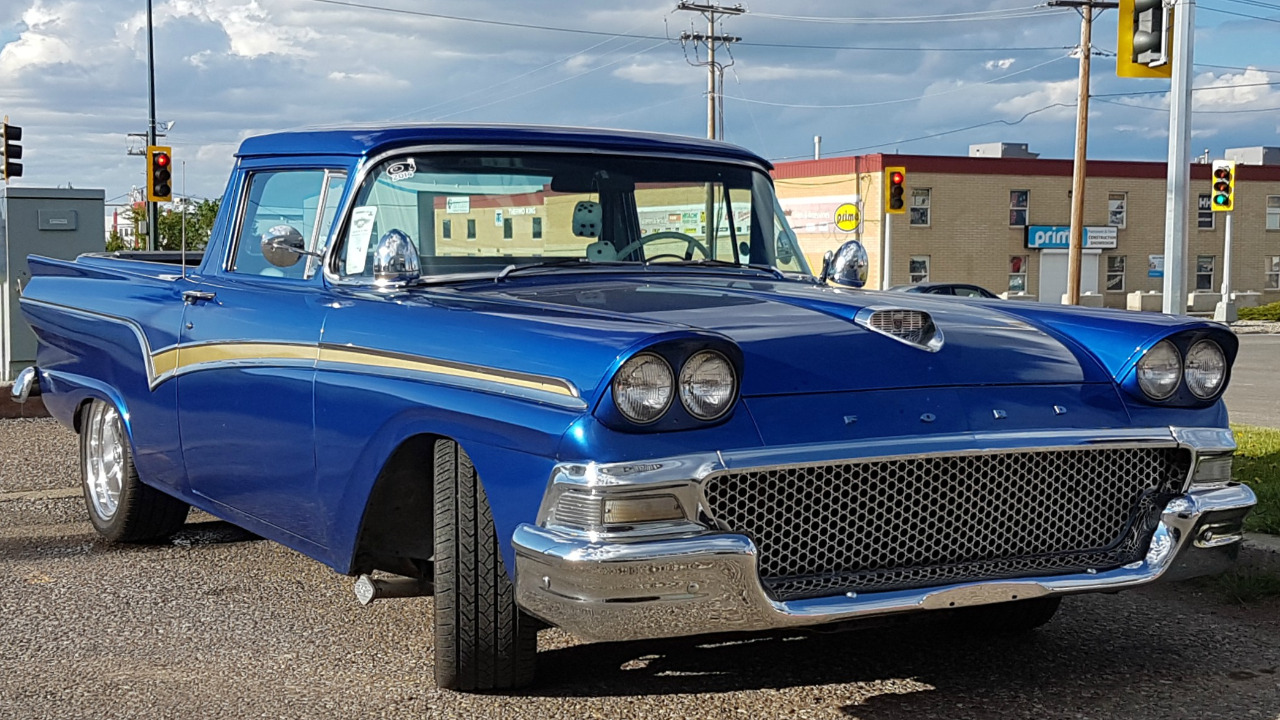
The Ford Ranchero blurred the line between a passenger car and a pickup truck. Its car-based construction provided more comfortable road manners than a traditional work truck, while the open cargo bed preserved useful hauling capability. The Ranchero appealed to buyers who wanted practicality without sacrificing everyday drivability. It helped create a category that remained popular for decades.
Chevrolet El Camino
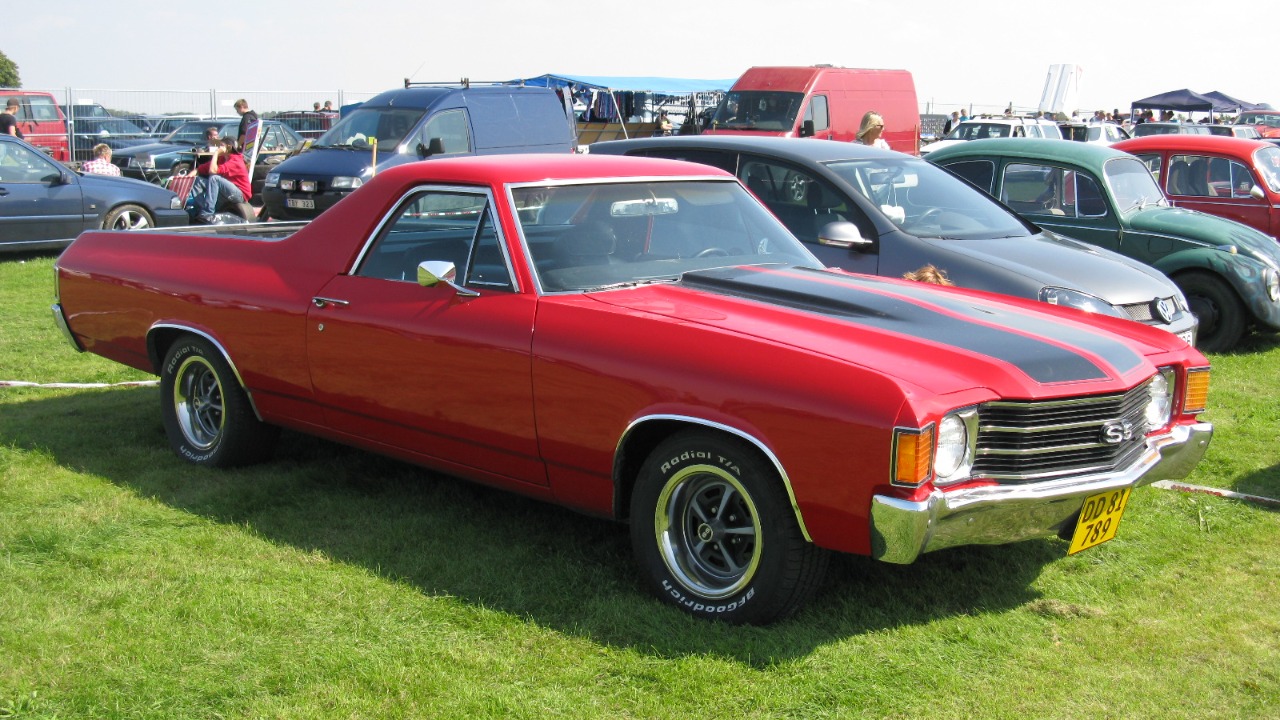
The Chevrolet El Camino took the car-based pickup concept and gave it a distinctly Chevrolet character. Its passenger-car front end, comfortable cabin, and open cargo bed made it useful for work while remaining suitable for highway driving. V8 engines added performance potential. The El Camino became an especially memorable symbol of America’s growing interest in versatile personal vehicles.
Jeep Gladiator
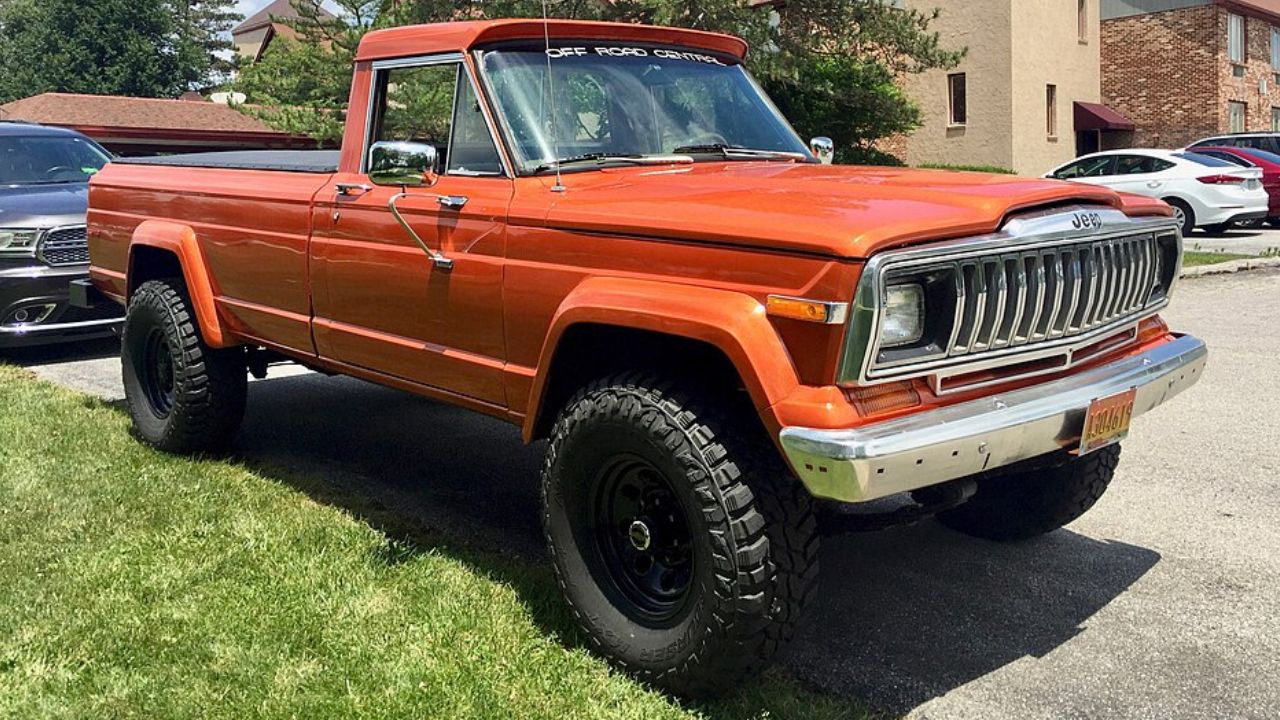
The Jeep Gladiator brought the Jeep brand into the pickup market with a truck designed for both work and off-road use. Its rugged construction and four-wheel-drive capability made it useful away from paved roads, while its pickup bed provided practical cargo space. The Gladiator helped demonstrate that a truck could be equally relevant to recreational drivers and traditional working owners.
Chevrolet C/K
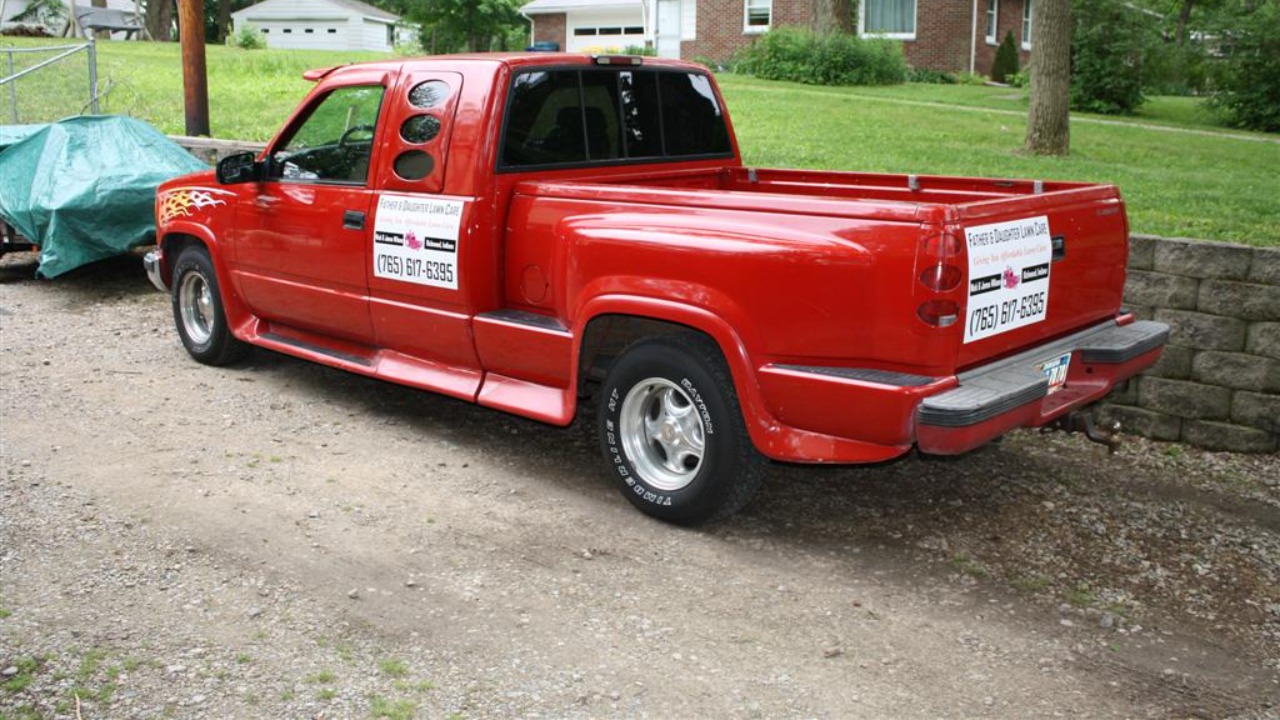
The Chevrolet C/K series became one of the most important pickup families in American automotive history. Its combination of improved ride quality, attractive styling, powerful engines, and multiple configurations allowed it to serve almost any purpose. As suburbs and highways expanded, C/K trucks increasingly became everyday vehicles rather than strictly commercial machines. Their influence on modern pickup culture remains enormous.
More from Fast Lane Only
- Unboxing the WWII Jeep in a Crate
- 15 rare Chevys collectors are quietly buying
- 10 underrated V8s still worth hunting down
- Police notice this before you even roll window down
*Research for this article included AI assistance, with all final content reviewed by human editors