The 1960s transformed automotive design. Cars became lower, sharper, more expressive, and increasingly influenced by performance, aerospace, and changing consumer tastes. These 11 automobiles captured the decade’s defining design movements and left an influence that lasted well beyond the 1960s.
Chevrolet Corvette Sting Ray
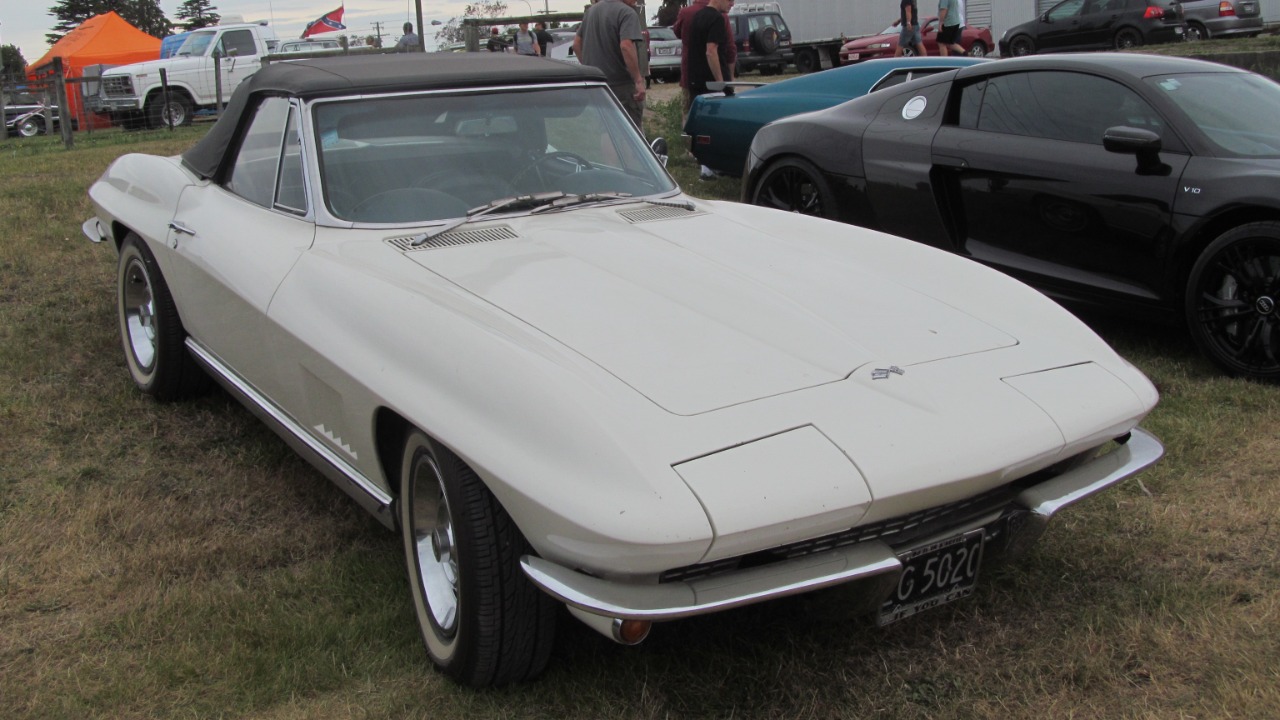
The 1963 Chevrolet Corvette Sting Ray brought dramatic styling to the American sports-car market. Its sharp body lines, hidden headlights, and distinctive split rear window created an unmistakable profile. The design also accompanied major chassis improvements, including independent rear suspension. The Sting Ray became one of the most recognizable American automotive designs of the decade.
Ford Mustang
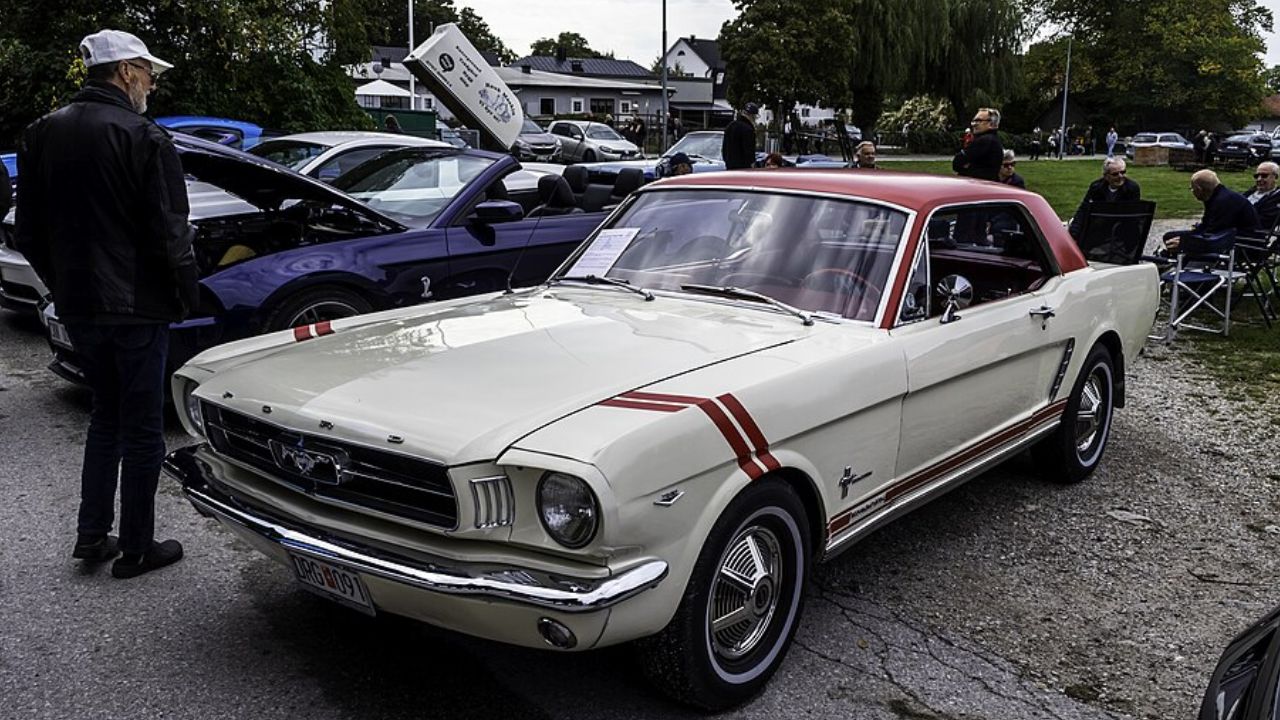
The Ford Mustang established the visual formula for the pony car. Its long hood, short rear deck, compact proportions, and restrained styling appealed to younger buyers. The design was simple enough to remain affordable while offering numerous personalization options. Its enormous success influenced nearly every American manufacturer and helped define the appearance of affordable performance cars.
Jaguar E-Type
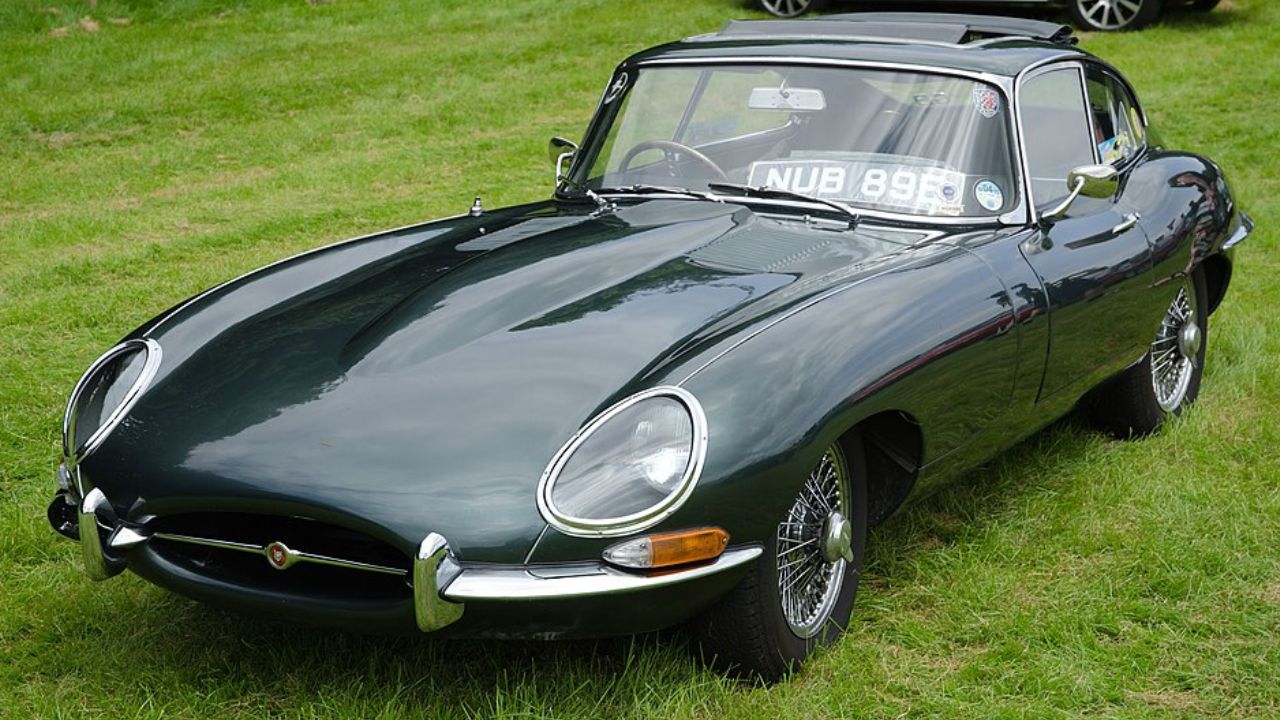
The Jaguar E-Type became one of the decade’s most celebrated sports-car designs. Its long hood, low nose, flowing fenders, and covered headlights gave it an exceptionally elegant profile. The design combined beauty with genuine performance capability. Even decades later, the E-Type remains one of the clearest examples of how 1960s automotive styling could make a sports car appear almost sculptural.
Dodge Charger
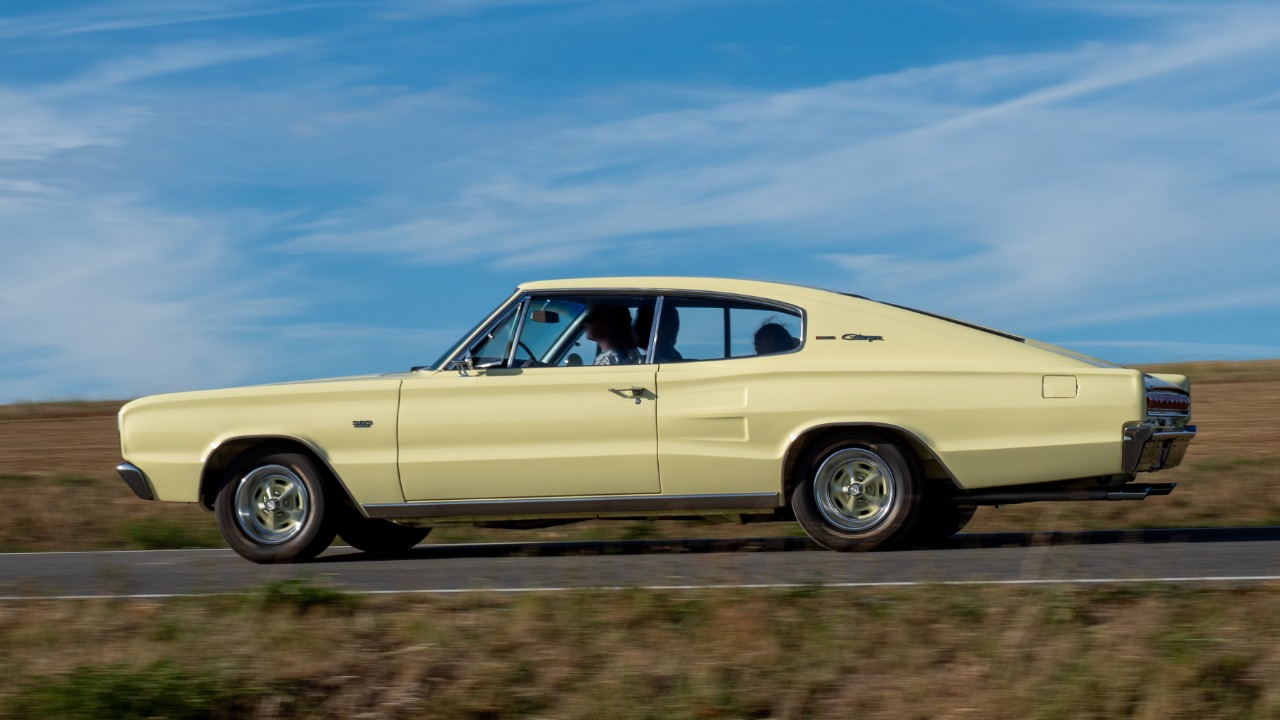
The second-generation Dodge Charger introduced one of the most dramatic shapes of the muscle-car era. Its fastback roofline, hidden headlights, broad grille, and long body created an aggressive appearance. The design became closely associated with high-performance V8 models. Few cars better captured the visual excess and confidence of late-1960s American muscle.
Pontiac GTO
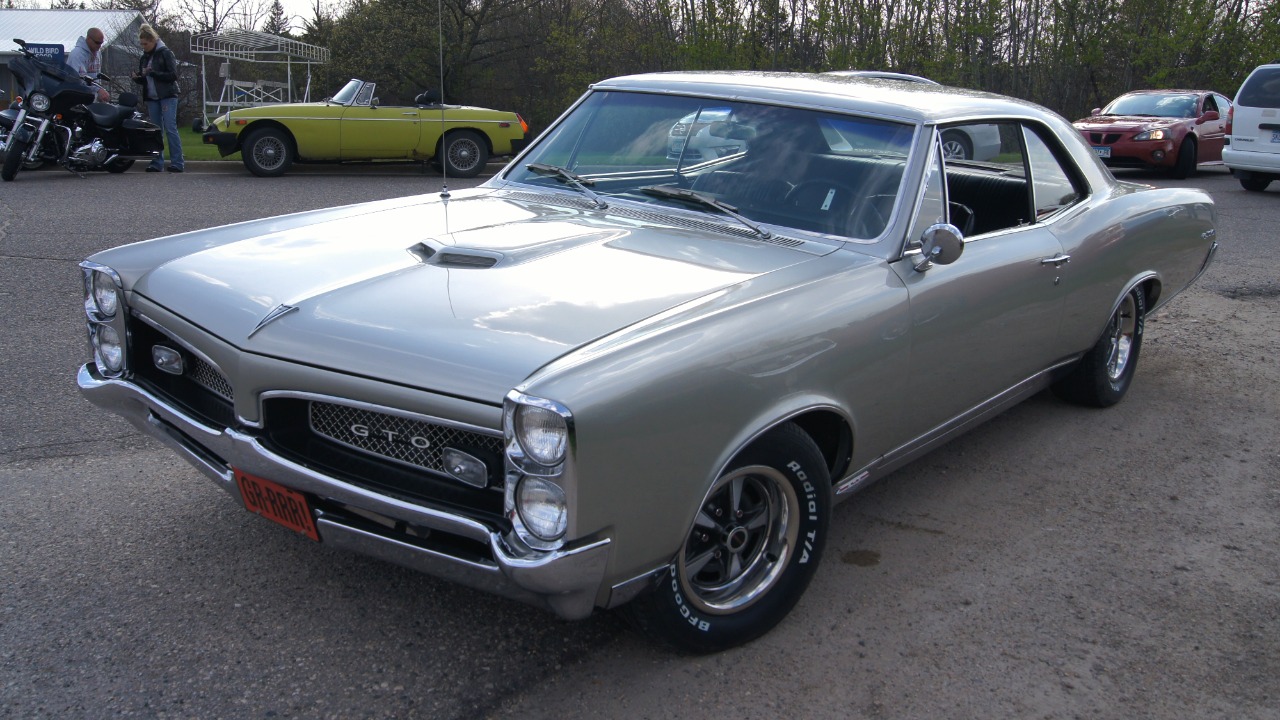
The Pontiac GTO helped establish the visual language of the classic muscle car. Its combination of a midsize body, aggressive grille, hood scoops, and powerful V8 created a purposeful appearance without requiring exotic proportions. The GTO’s styling became closely connected to the growing youth-oriented performance culture of the decade.
Plymouth Barracuda
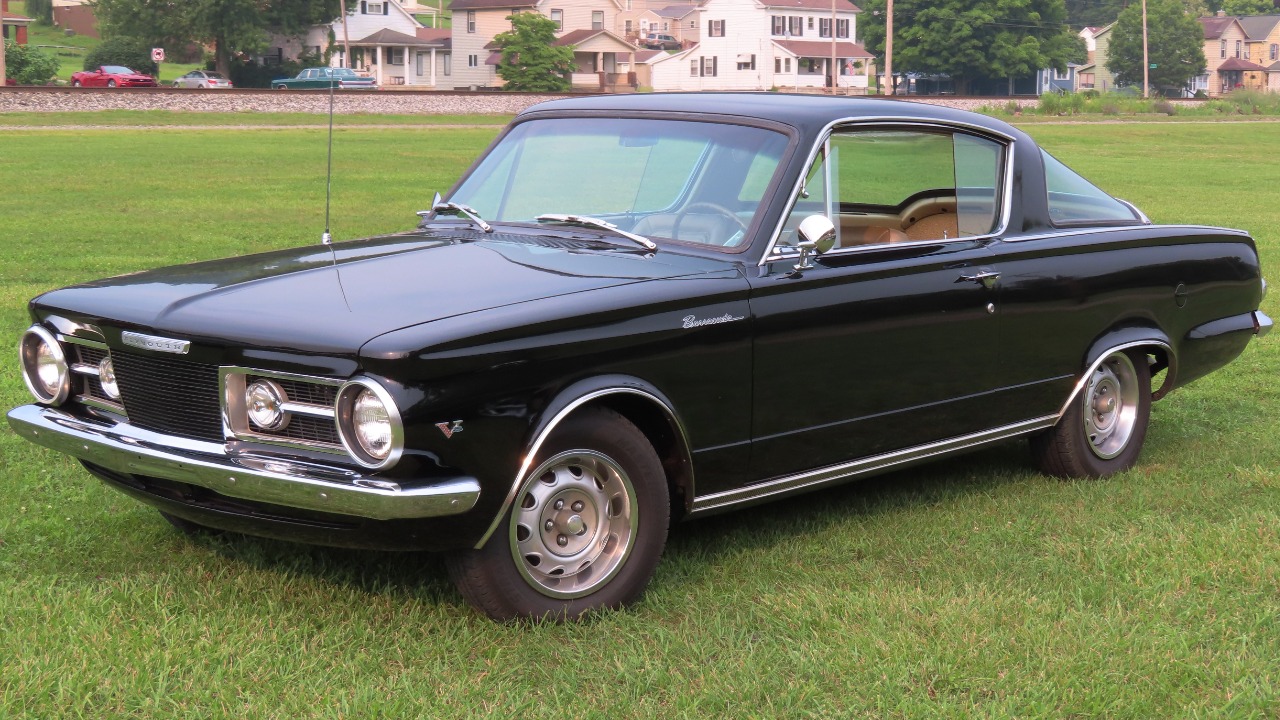
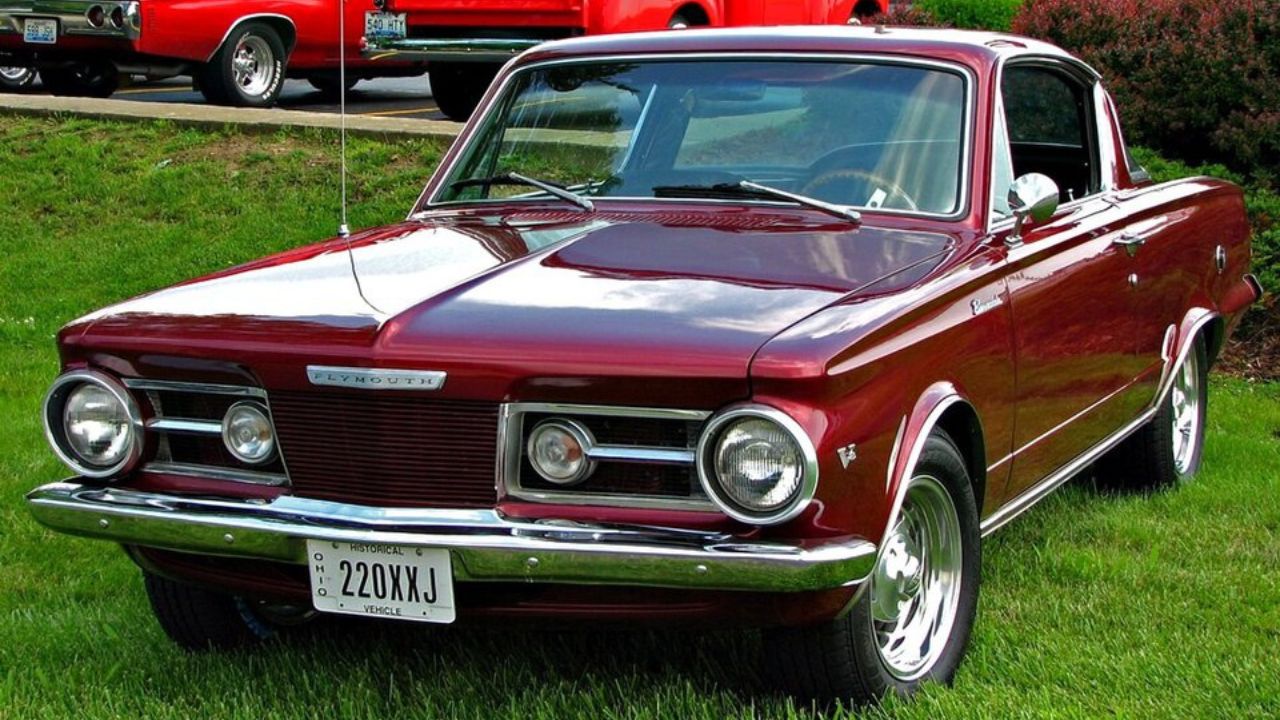
The original Plymouth Barracuda introduced an unusual fastback design built around a massive rear window. Its distinctive shape separated it from conventional compact cars and gave Plymouth an early entry into the emerging pony-car market. Later redesigns became more aggressive, but the original Barracuda remains one of the decade’s most recognizable examples of experimental American styling.
Buick Riviera
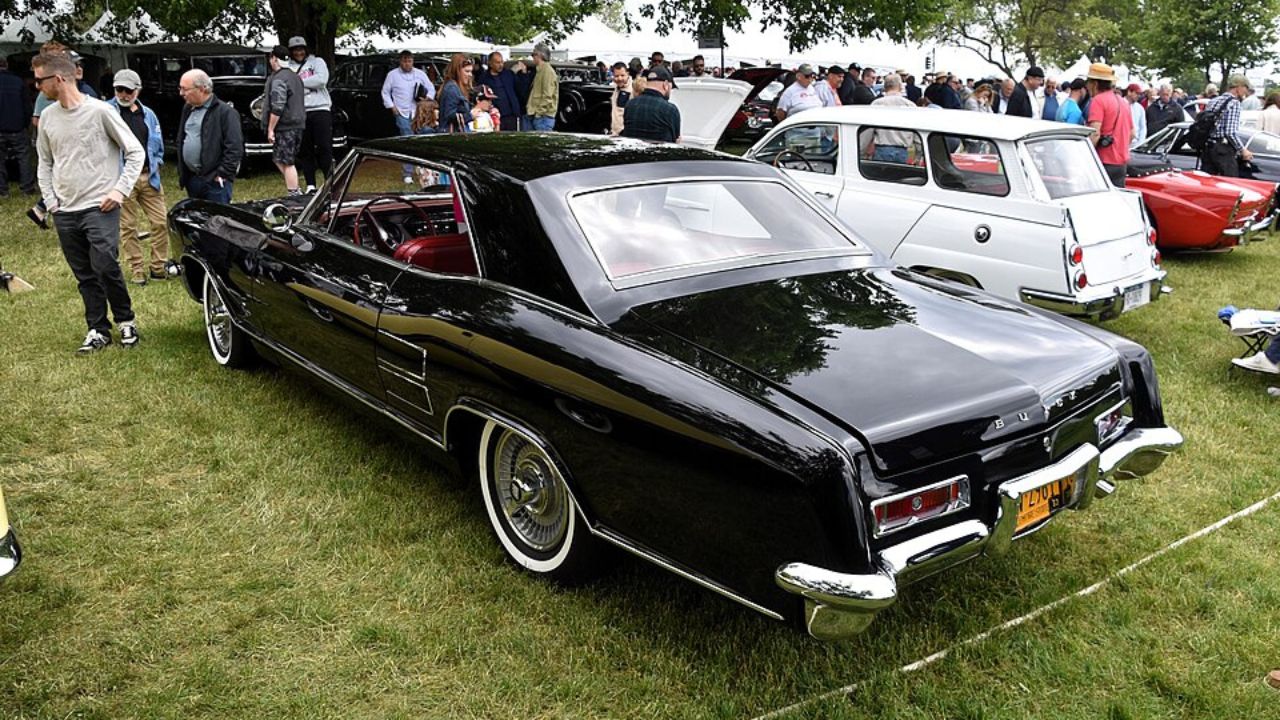
The first-generation Buick Riviera demonstrated that American luxury could be elegant without excessive decoration. Its sharply tailored body, frameless doors, and restrained chrome gave it a sophisticated appearance. The Riviera established a new design direction for personal-luxury coupes and proved that a large American car could look refined rather than simply enormous.
Lincoln Continental
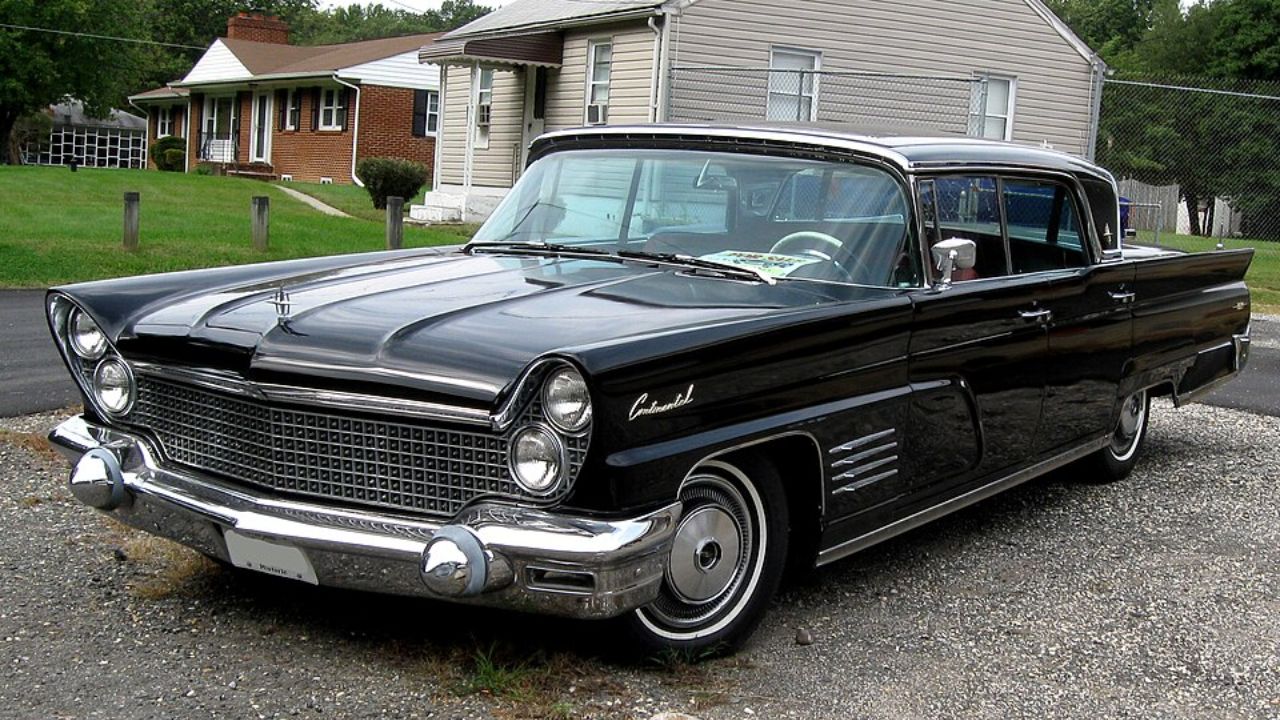
The 1961 Lincoln Continental became an influential example of clean American luxury design. Its slab-sided body, thin pillars, restrained trim, and rear-hinged rear doors created a remarkably modern appearance. The design rejected much of the chrome and ornamentation associated with late-1950s cars and helped introduce a more formal aesthetic for the new decade.
Oldsmobile Toronado
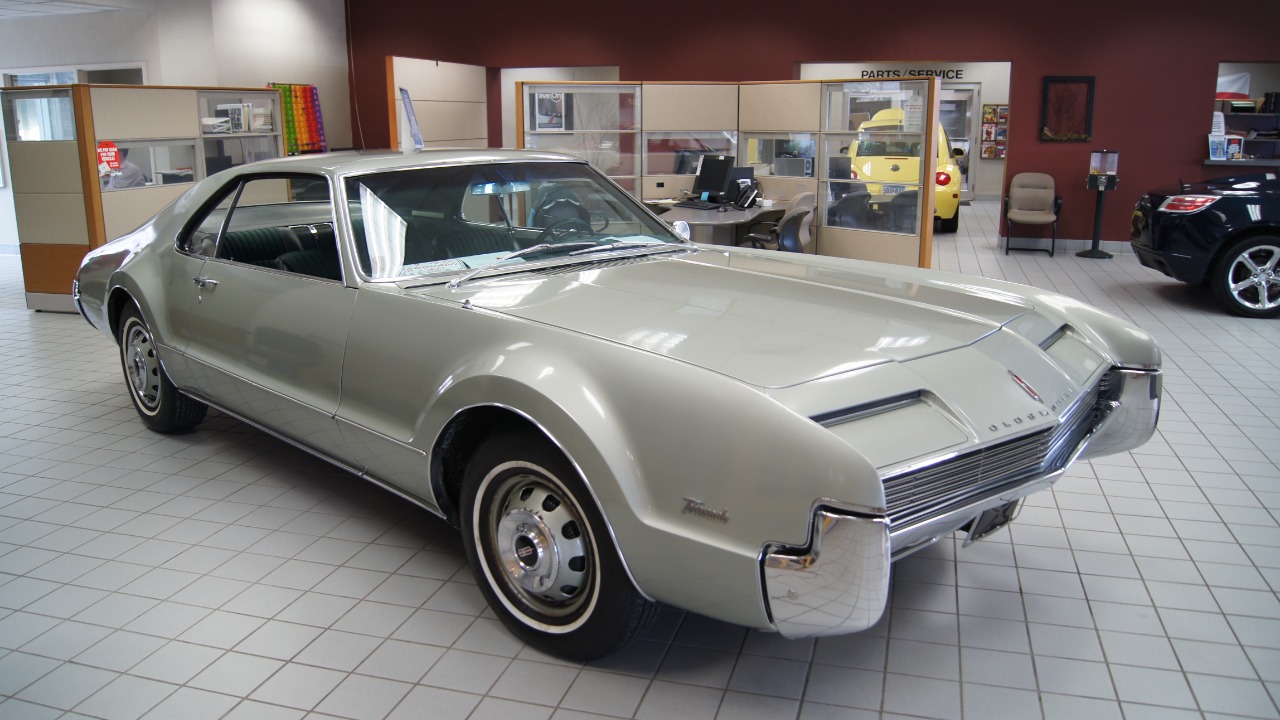
The Oldsmobile Toronado combined futuristic styling with an unusual front-wheel-drive layout. Its long hood, hidden headlights, and fastback-inspired profile made it look dramatically different from traditional American cars. The engineering underneath was equally significant. The Toronado demonstrated that American manufacturers were willing to experiment with both styling and drivetrain configuration.
AMC Javelin
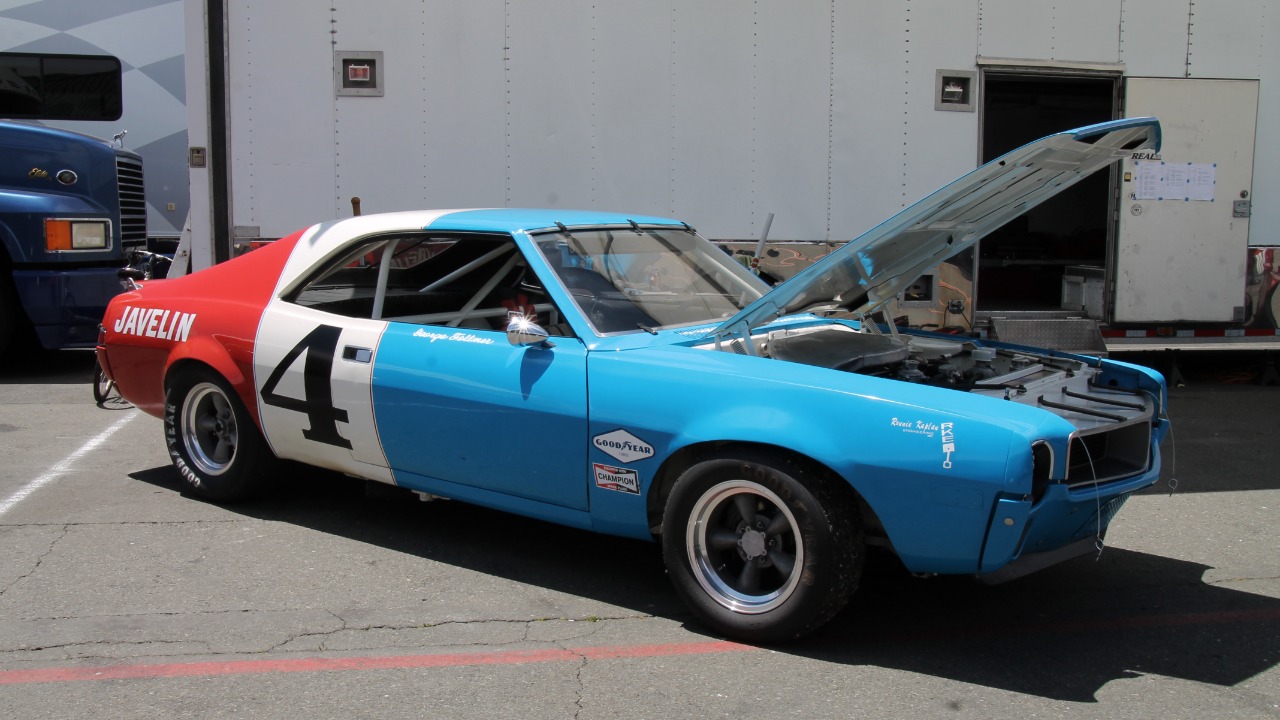
The AMC Javelin provided an alternative interpretation of the pony-car formula. Its long hood, fastback roofline, and sculpted body gave it a distinctive appearance without simply copying the Mustang or Camaro. AMC’s willingness to pursue a different visual direction helped the Javelin stand out. Today, its styling remains one of the most recognizable among independent American manufacturers.
Citroën DS
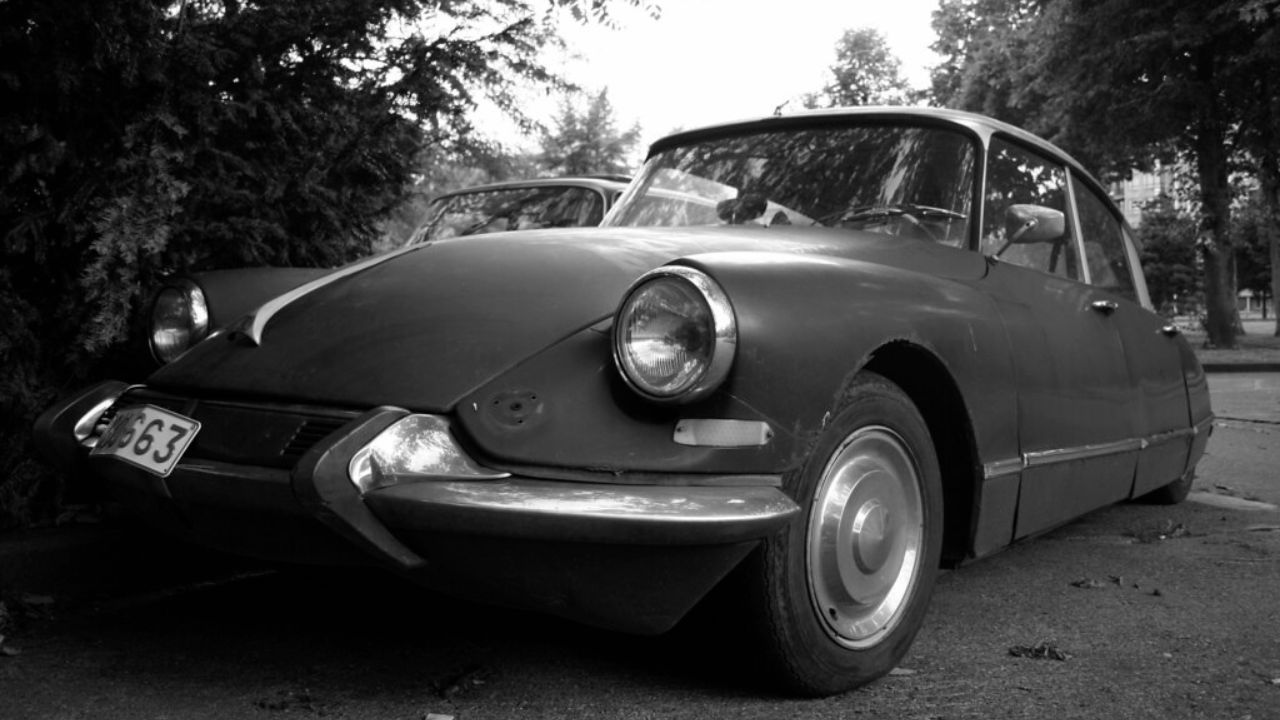
The Citroën DS remained one of the most futuristic automotive designs of the era. Although introduced in the 1950s, its influence continued strongly into the 1960s. Its aerodynamic body, distinctive roofline, and advanced suspension made conventional cars appear remarkably old-fashioned. The DS demonstrated that automotive design could be radically different while still serving as practical transportation.
More from Fast Lane Only
- Unboxing the WWII Jeep in a Crate
- 15 rare Chevys collectors are quietly buying
- 10 underrated V8s still worth hunting down
- Police notice this before you even roll window down
*Research for this article included AI assistance, with all final content reviewed by human editors