After World War II, a new generation of Americans encountered automobiles in a rapidly changing society. Rising prosperity, expanding suburbs, better highways, and youthful consumer culture transformed driving from simple transportation into an important part of everyday life. These 7 cars helped define that transition.
Chevrolet Fleetline
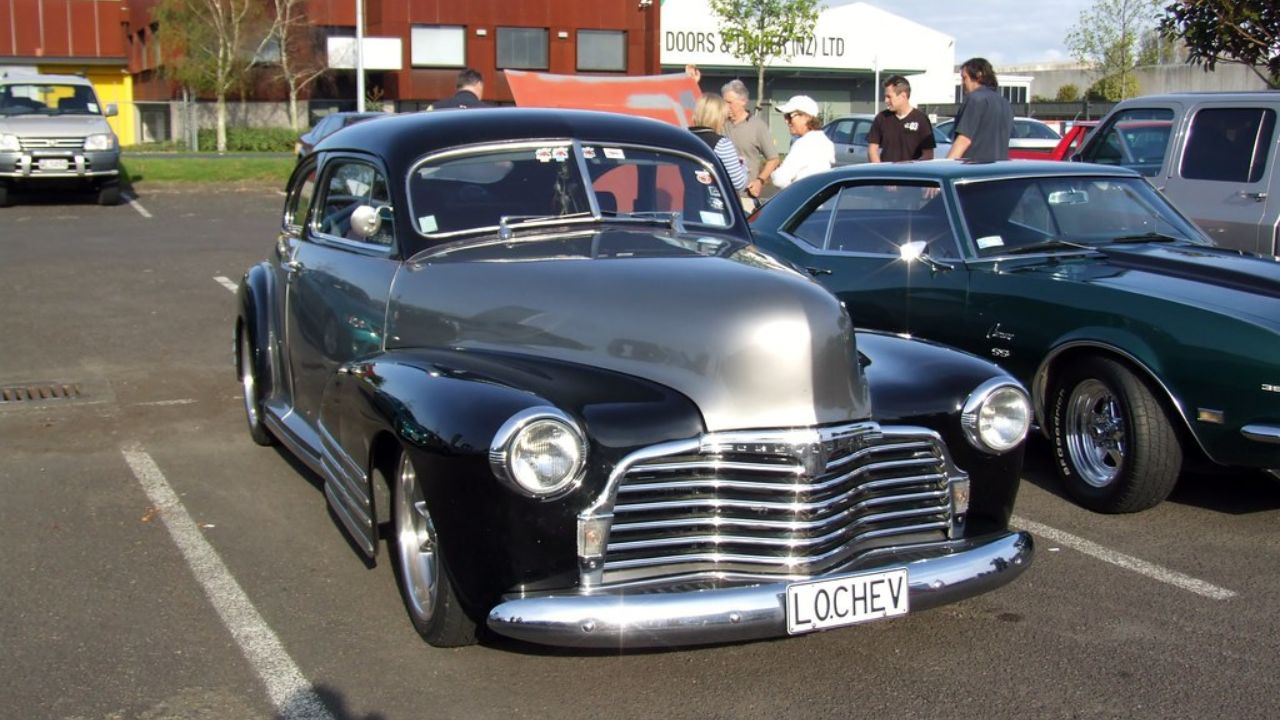
The Chevrolet Fleetline carried familiar prewar styling into the immediate postwar years while offering Americans a practical return to civilian transportation. Its streamlined fastback body and broad availability made it an accessible choice for families rebuilding their lives after the war. For many buyers, cars like the Fleetline represented a return to normal life and personal mobility.
Chevrolet Bel Air

The Chevrolet Bel Air became one of the defining cars of America’s postwar consumer boom. Its chrome-heavy styling, colorful paint schemes, and available V8 power appealed to younger buyers as well as families. The Bel Air represented more than basic transportation; it reflected a growing desire for style, comfort, and individuality during the prosperous 1950s.
Ford Thunderbird
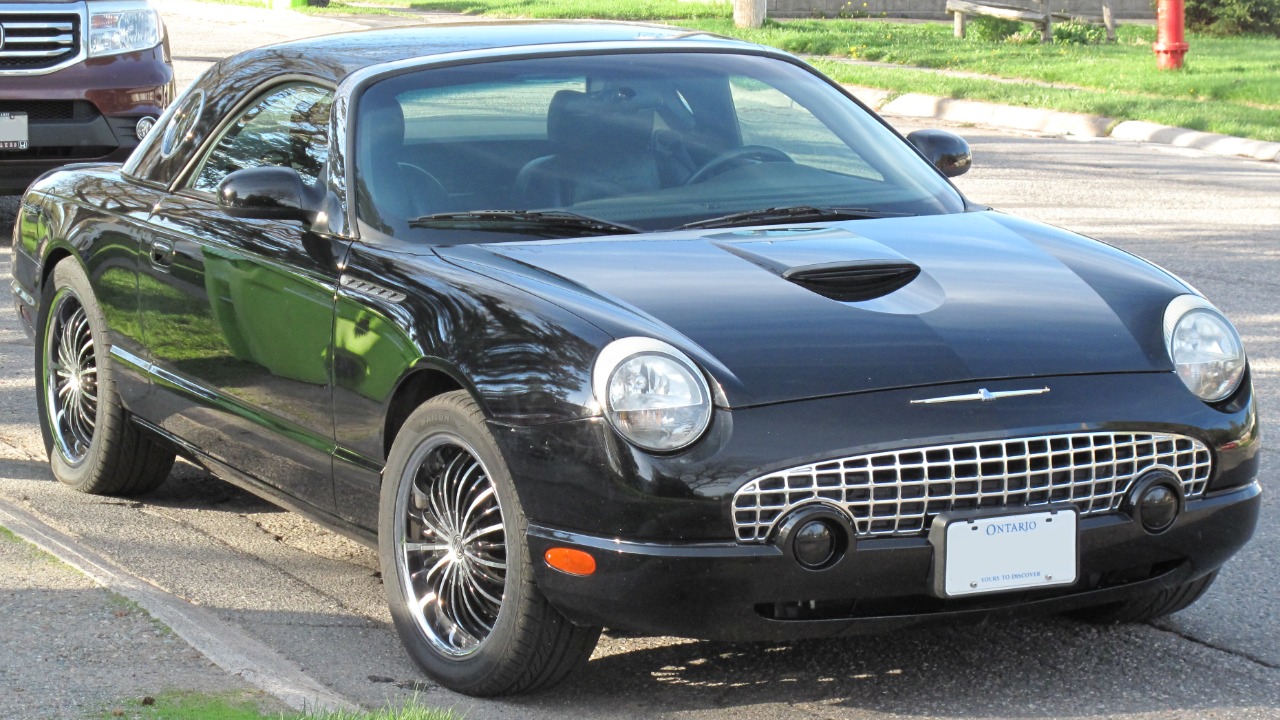
The Ford Thunderbird introduced many younger drivers to the idea that an American car could be sporty, stylish, and relatively approachable. Its two-seat layout, V8 power, and elegant proportions gave it a distinctive identity. The Thunderbird helped create the personal-luxury and personal-performance culture that became increasingly important to American drivers during the 1950s.
Chevrolet Corvette
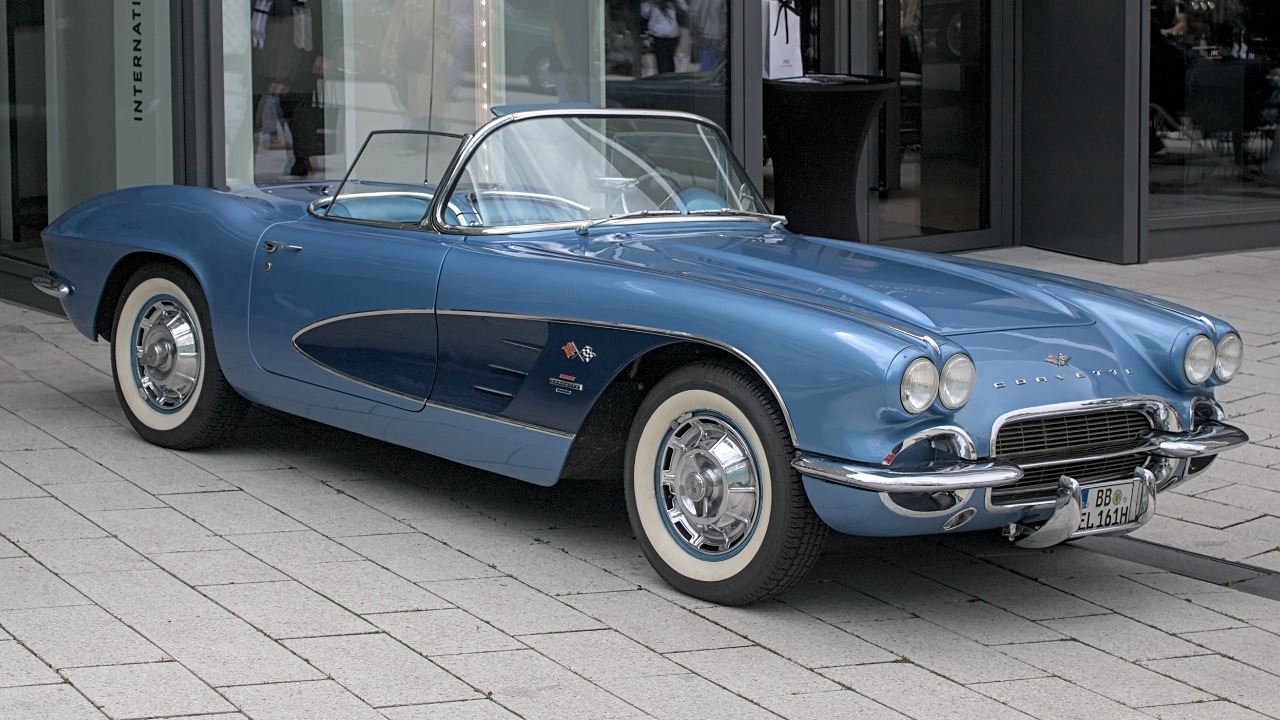
The Chevrolet Corvette gave Americans a homegrown alternative to European sports cars. Its fiberglass body, two-seat configuration, and increasingly powerful V8 engines made it an aspirational performance machine. For younger enthusiasts, the Corvette represented freedom, speed, and individuality. It helped establish the sports car as an important part of American automotive culture.
Ford Mustang
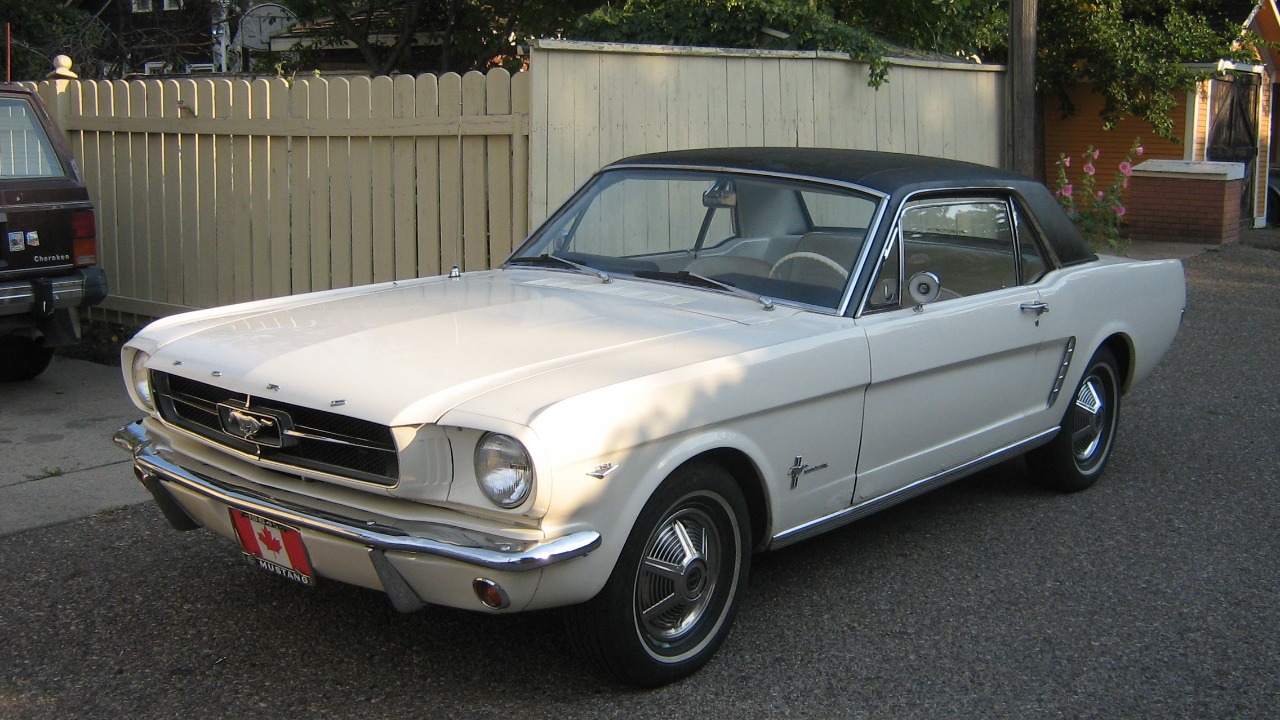
The Ford Mustang became one of the most important cars for a new generation of American drivers. Its compact dimensions, sporty proportions, affordable price, and wide range of options made performance feel accessible. The Mustang appealed particularly strongly to younger buyers and helped establish the pony-car segment. It became closely associated with youth, freedom, and independence.
Pontiac GTO
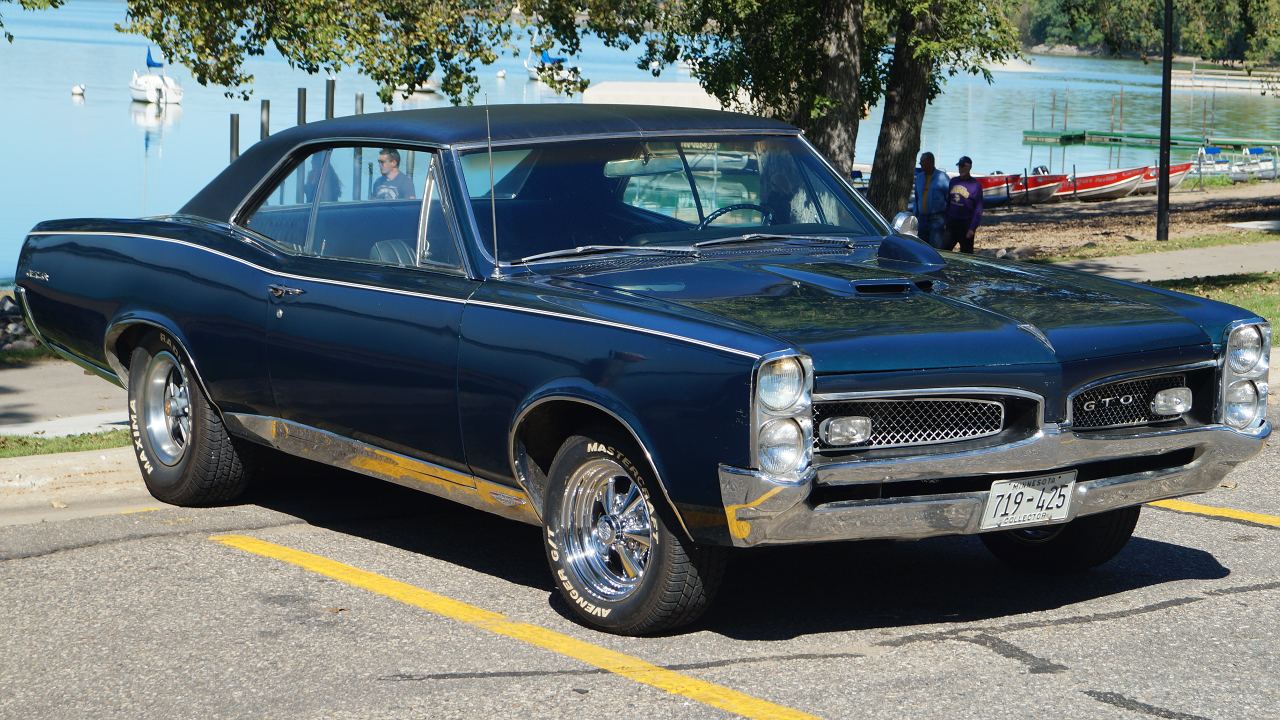
The Pontiac GTO introduced an entire generation to the excitement of affordable American performance. By placing a large V8 into a midsize car, Pontiac created a formula that prioritized acceleration and driving excitement. The GTO helped launch the muscle-car era and encouraged other manufacturers to develop increasingly powerful cars aimed directly at younger enthusiasts.
Chevrolet Camaro
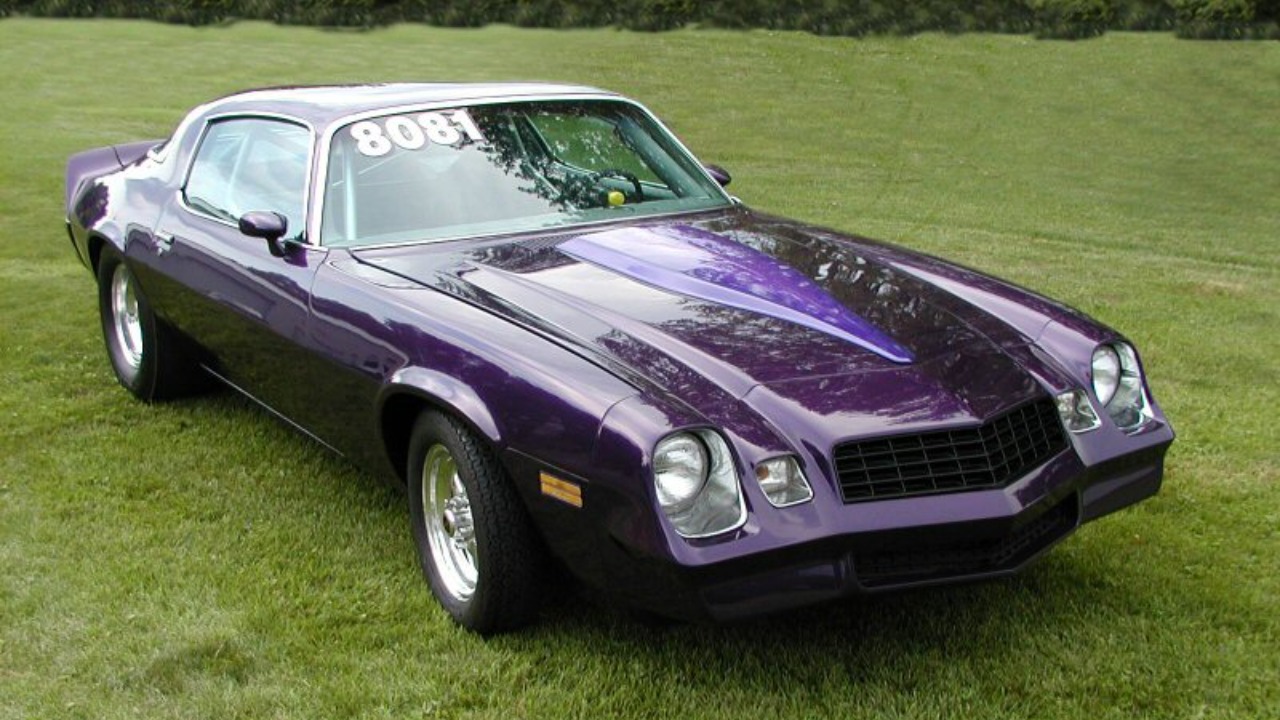
The Chevrolet Camaro arrived as Chevrolet’s answer to the Mustang and quickly became another defining car for young American drivers. Its compact proportions, aggressive styling, and broad selection of engines made it highly adaptable. Performance versions offered serious power, while more affordable models remained accessible. The Camaro helped ensure that the pony-car revolution would continue throughout the late 1960s and beyond.
More from Fast Lane Only
- Unboxing the WWII Jeep in a Crate
- 15 rare Chevys collectors are quietly buying
- 10 underrated V8s still worth hunting down
- Police notice this before you even roll window down
*Research for this article included AI assistance, with all final content reviewed by human editors