You know the pattern by now: a new car arrives, people scoff at the styling, the badge, or the concept, and then the market quietly proves everyone wrong. When you look back, these are the cars people questioned until sales charts, cult followings, and shifting tastes answered loudly. Here are 11 examples that show how your first reaction to a car is not always the one history remembers.
Ford Probe GT

The Ford Probe GT is a textbook case of a car you might have dismissed on launch, only to see the market embrace it. Many enthusiasts grumbled that it was not a “real” Mustang, yet detailed analysis of the Probe GT argues it was actually better to drive than the pony car it was accused of replacing. With a sophisticated chassis and a willing V6, it delivered the kind of front-drive balance that made sense for the era’s fuel and insurance realities.
For you as a buyer, the Probe GT’s story underlines how market success can hinge on matching the moment, not nostalgia. While purists clung to V8 heritage, younger drivers wanted something that felt modern, efficient, and affordable. The Probe GT found that audience, and its later reputation as an underrated performance bargain shows how a car can outgrow early skepticism once real owners start racking up miles.
Tesla Model S

The Tesla Model S arrived as a sedan from a startup, which sounded like a recipe for a short-lived curiosity. Instead, it became one of the key paradigm-shifting products in modern automotive history, forcing legacy brands to rethink what an electric car could be. Long range, blistering acceleration, and over-the-air updates turned what many expected to be a niche EV into a status symbol and a benchmark.
If you were skeptical at first, you were not alone, but the market’s response made clear that drivers would pay luxury money for battery power when the package felt aspirational. The Model S also showed regulators and city planners that infrastructure and policy had to catch up quickly. Its success pushed the entire industry toward electrification, proving that a controversial newcomer can reset expectations for everyone.
Toyota Prius
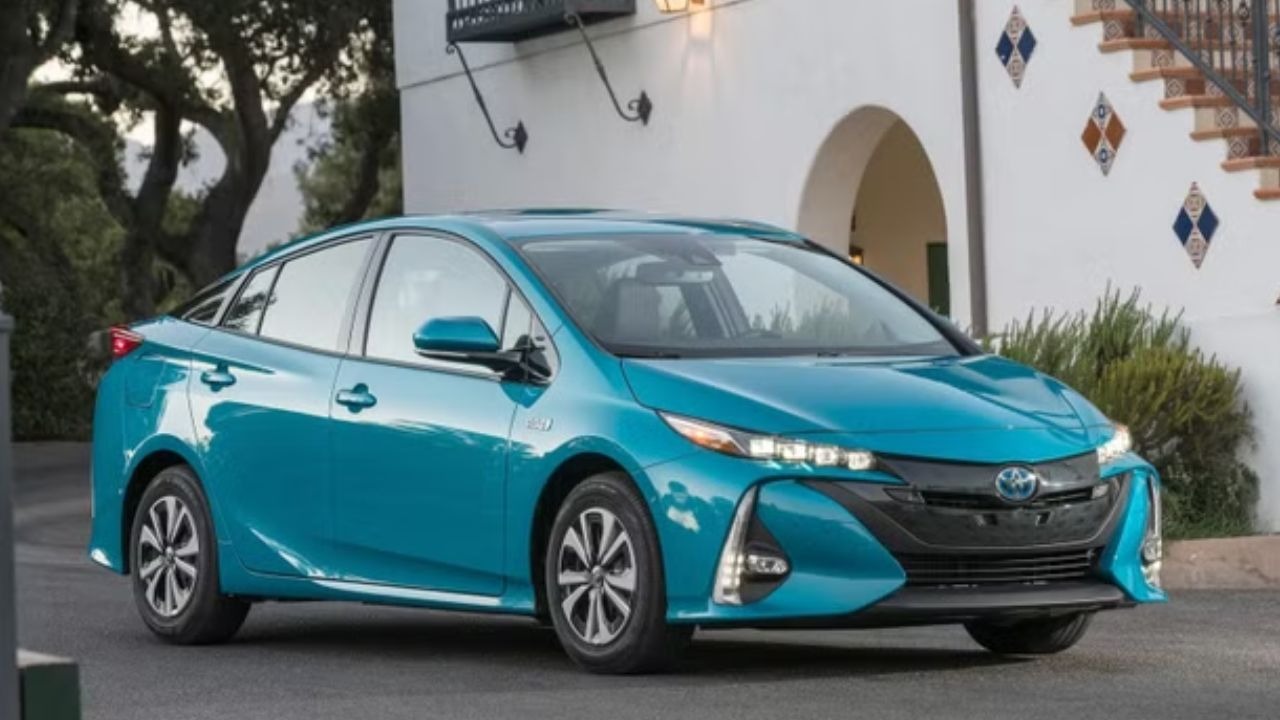
The Toyota Prius was mocked early on for its looks and its earnest eco-image, yet it quietly became one of the defining “cars of the people” of the 21st century. Hybrid skeptics doubted whether drivers would accept a powertrain that felt so different, but the Prius built a massive owner base and inspired countless clubs and communities similar to other cult-following people’s cars.
For you, the Prius story is a reminder that practicality and running costs can outweigh cool-factor jokes. Taxi fleets, commuters, and ride-share drivers proved that reliability and fuel savings were powerful selling points. As cities tightened emissions rules, the Prius went from punchline to default choice, showing how the market rewards technology that solves real-world problems, even if enthusiasts roll their eyes at first.
Mustang II

The Mustang II is one of the most polarizing cars you can bring up at a cars-and-coffee meet, yet the market’s verdict is more complicated than the jokes suggest. Contemporary critics and later commentators have called it “crappy,” arguing that the Mustang II killed the muscle-car prowess of The Mustang. Even the styling and Pinto-based platform became shorthand for compromise.
Yet sales data tells a different story. Tellingly, Mustang II was responsible for four of the top ten sales years in Mustang history, and the 1974 model ranks among the best-selling individual Mustangs of all time. When fuel prices spiked and insurance costs soared, buyers wanted smaller, thriftier coupes. You might not lust after one today, but the market of the 1970s voted with its wallet and kept the Mustang name alive.
Ford Mustang 1966
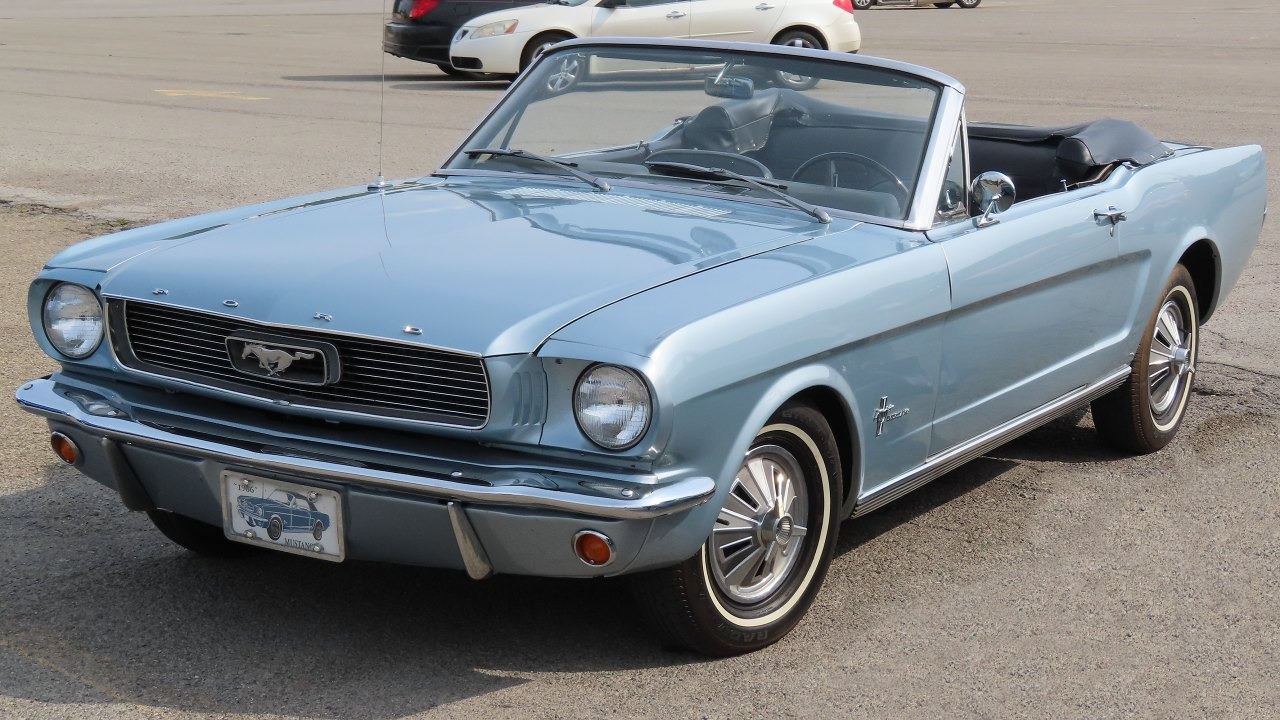
The Ford Mustang 1966 is now a blue-chip classic, yet some period observers wondered whether the pony-car craze would fade as quickly as it started. Instead, the 1966 model became One of the most sold models of Mustang, with One of the sources noting that it is twice as popular as its Ford Mustang 1965 counterpart. That volume has not hurt its desirability, and the Mustang 1966 is now a highly collectible car.
For you as an enthusiast, the lesson is that mass-market success and long-term appeal can go hand in hand. The Mustang 1966 proved that a relatively affordable coupe could capture the imagination of everyday drivers and collectors alike. Its enduring popularity also shows how a car that nails its era’s aspirations can keep appreciating in both value and cultural weight decades later.
Volkswagen Beetle

The original Volkswagen Beetle was doubted on multiple fronts, from its modest power to its unusual shape, yet it became one of the world’s best-known cars. Early on, many drivers questioned whether such a small, rear-engined car could succeed outside Europe, but global sales eventually placed it among the best-selling automobiles of all time. Its simplicity and durability turned skepticism into loyalty.
When you look at the Beetle’s arc, you see how affordability and character can overcome almost any initial criticism. Owners embraced its quirks, forming clubs and traditions that outlived the original production run. The Beetle’s success also encouraged other brands to pursue people’s cars of their own, proving that the market will reward a car that feels approachable and honest, even if it starts life as an oddball.
Pontiac Aztek
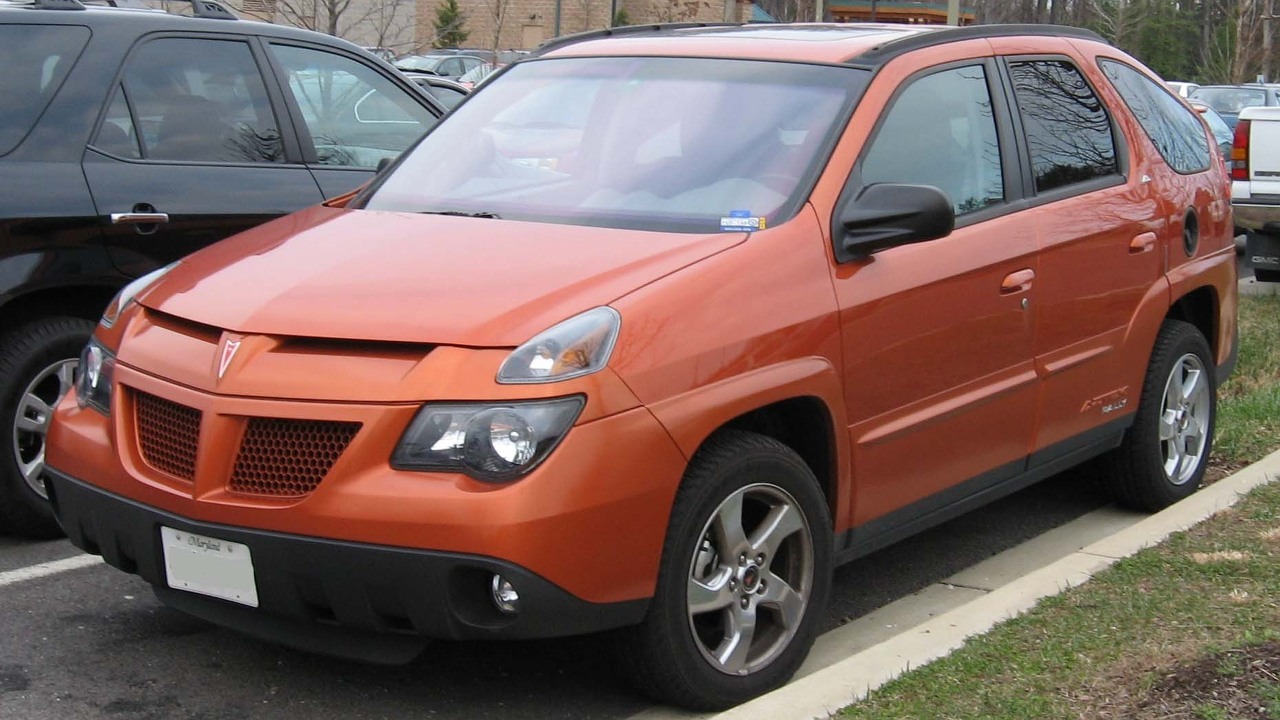
The Pontiac Aztek is often held up as a design disaster, and it appears on lists of negative reception automobiles for good reason. At launch, you probably saw it as awkward and overstyled, and sales never matched Pontiac’s hopes. Yet the Aztek’s basic idea, a versatile crossover with camping-friendly features, anticipated the way you now use SUVs for everything from road trips to tailgates.
Over time, the Aztek has gained a small cult following, helped by pop-culture appearances and a reassessment of its practicality. Its story shows how the market can reject a specific execution while quietly validating the underlying concept. Today’s crossovers borrow many of its packaging tricks, proving that even a commercial disappointment can influence what you drive now.
Nissan Juke

The Nissan Juke arrived looking like nothing else on the road, and plenty of people questioned whether anyone would buy such a polarizing design. Yet sales figures and ongoing demand showed that controversial cars keep selling when they offer something distinctive. Analyses of controversial cars highlight how the Juke turned shock value into showroom traffic, especially among younger urban buyers.
For you, the Juke demonstrates that standing out can be a commercial asset, not a liability. Its high seating position, compact footprint, and turbocharged performance created a new kind of fun-size crossover. The model helped open the door for even bolder small SUVs, signaling to designers that the market would tolerate risk if the package felt playful and practical.
Pontiac Solstice

The Pontiac Solstice was launched into a market that had largely given up on affordable American roadsters, so skepticism was baked in. Enthusiasts on forums and in threads like the one featuring Cancel in the Comments Section often argue that the Solstice and its Saturn Sky twin arrived too late to save either brand. Yet the car itself delivered the kind of rear-drive fun many drivers said they wanted.
In the used market, you now see the Solstice gaining appreciation as a modern classic, precisely because it was underbought when new. Its trajectory shows how the market can separate a car’s fate from its parent company’s troubles. For you, it is a reminder that a model can flop on paper yet still become a sought-after weekend toy once depreciation and rarity kick in.
DeLorean DMC-12

The DeLorean DMC-12 was doubted for its performance and build quality, and its company collapsed in spectacular fashion. On paper, it looked like a failure, yet its stainless-steel body and gullwing doors made it unforgettable. Over time, appearances in popular media turned the DMC-12 into a cultural icon, with demand for surviving cars far outstripping the modest production run.
For you, the DeLorean’s journey shows how the market can redefine success around symbolism rather than sales. Collectors now pay a premium for what was once a deeply flawed product, because it represents a specific vision of the future. That shift underlines how emotional value, nostalgia, and storytelling can eventually outweigh the cold numbers that doomed a car in its own time.
Lexus RX

The Lexus RX faced skepticism from both SUV traditionalists and luxury-sedan loyalists when it appeared as a soft, car-based crossover. Yet it quickly became a template for a new segment, with brand strategists like David Aaker highlighting how Lexus used the RX subcategory to shine. Buyers embraced its comfort, reliability, and high seating position, turning it into a consistent best-seller.
If you have ever cross-shopped an RX, you have felt how it rewrote expectations for family luxury transport. The model proved that many drivers valued quiet refinement and ease of use over off-road bravado. Its success pushed rivals to launch their own crossovers, confirming that the market had decisively answered the early doubters and cementing the RX as a cornerstone of modern suburban life.
More from Fast Lane Only