You do not need a six-figure budget to feel like you are piloting something exotic. By choosing the right models, you can tap into supercar-level speed, grip, and drama for a fraction of the price, especially if you are willing to buy used. Here are 12 cars that let you chase those supercar thrills without lighting your bank account on fire.
Ford Mustang GT

The Ford Mustang GT proves you can get serious performance without a supercar price tag. Reporting on modern performance bargains notes that the 2025 Ford Mustang GT carries an MSRP of $42,860, which is pocket change compared with many exotic coupes. Yet you still get a big V8, rear-wheel drive, and the kind of straight-line shove that embarrasses older Italian hardware.
Because the Mustang is mass produced, you benefit from huge aftermarket support and relatively affordable maintenance, which matters if you plan to track the car. For enthusiasts, the key implication is that you can daily drive something practical, then show up at a track day and run with far pricier machinery, all while keeping payments closer to hot-hatch money than supercar territory.
Toyota GR Supra
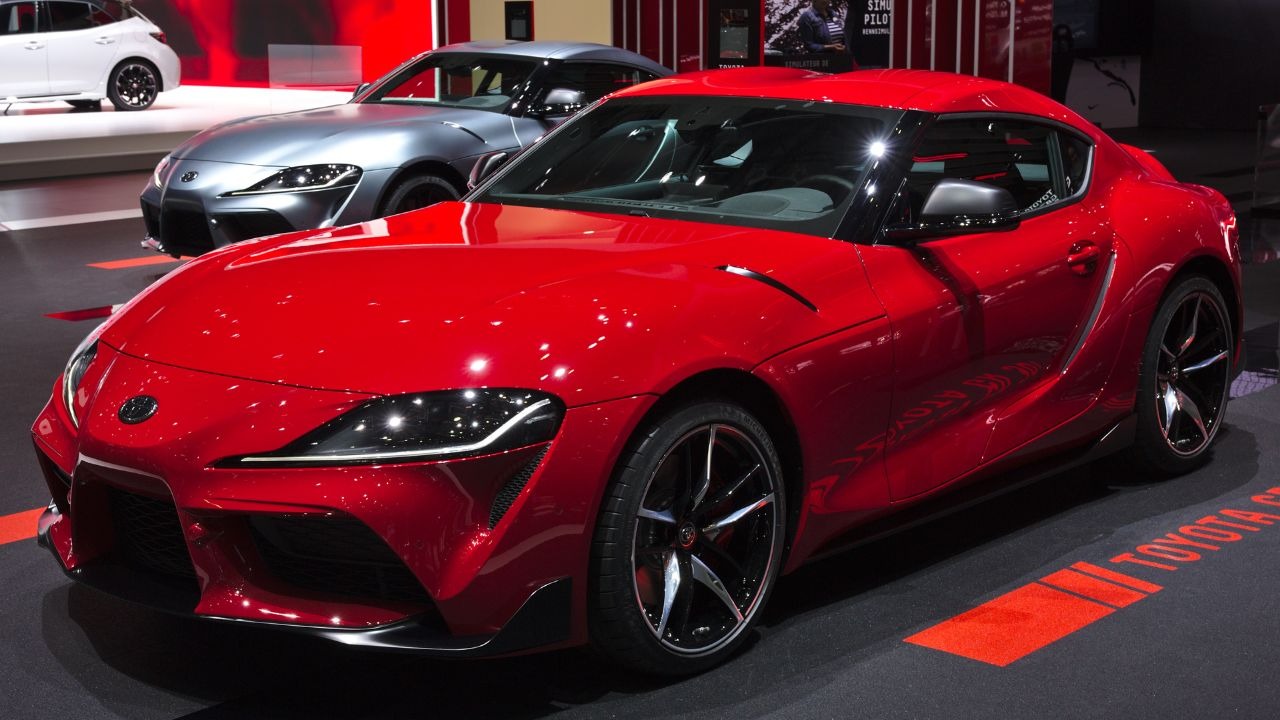
The Toyota GR Supra is often singled out as an excellent substitute for a traditional supercar. Coverage of modern performance cars points out that the Toyota GR Supra combines striking styling with a stout turbocharged engine that makes it a “hoot to drive.” You get a compact two-seat layout, rear-drive balance, and acceleration that, in the real world, feels every bit as intense as many older exotics.
Because it shares engineering with a German sports coupe, you also benefit from a refined interior and modern safety tech. For you as a buyer, the Supra shows how collaboration and platform sharing can deliver supercar-like thrills in a package that is easier to live with, cheaper to insure, and far less intimidating to maintain than a hand-built exotic.
The Nissan GT‑R
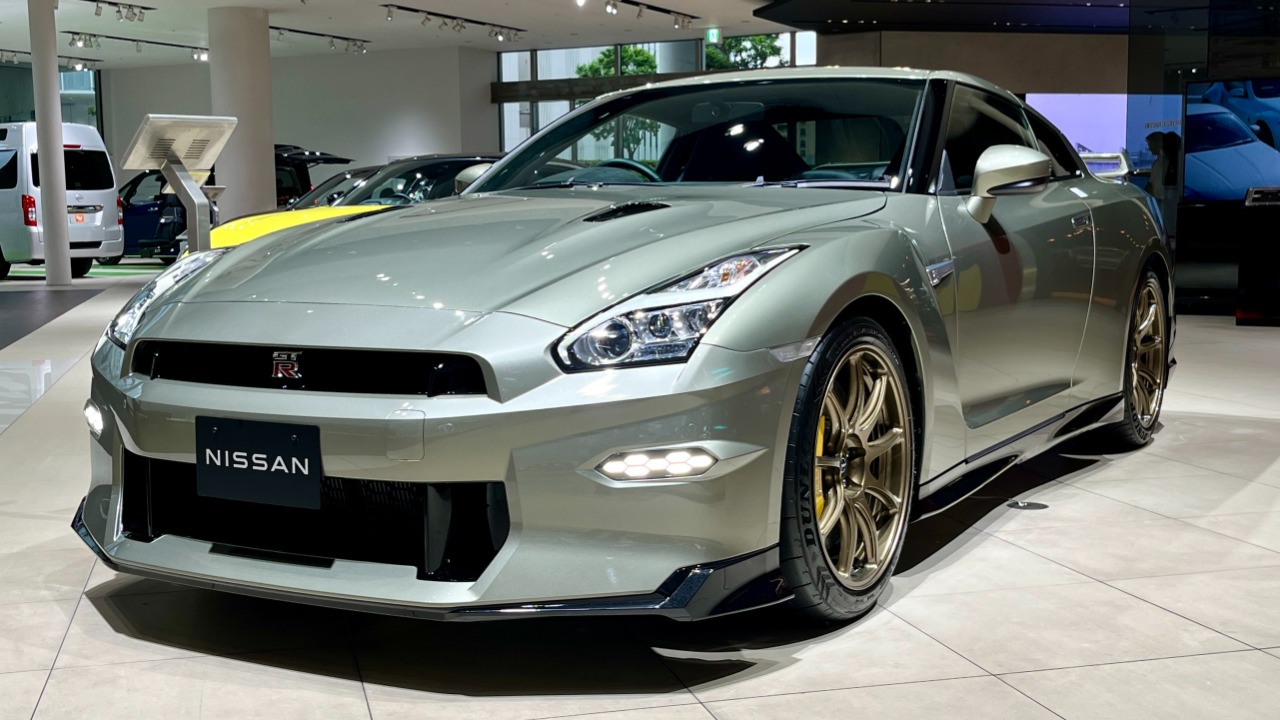
The Nissan GT‑R has long been the poster child for supercar performance at a discount. Technical coverage notes that The Nissan GT is powered by a twin turbo V‑6 that delivers supercar performance at roughly a quarter of the price of a traditional exotic car. That combination of brutal acceleration and relatively attainable pricing helped the GT‑R earn its “giant killer” reputation.
For you, the appeal is that the GT‑R wraps its speed in all-wheel drive security and a usable 2+2 cabin, so you can actually drive it year round. It illustrates how advanced engineering and forced induction can let a mass-market brand compete with boutique supercar makers, giving enthusiasts access to hypercar-like pace without hypercar-level costs.
Audi R8 Spyder V10 Performance
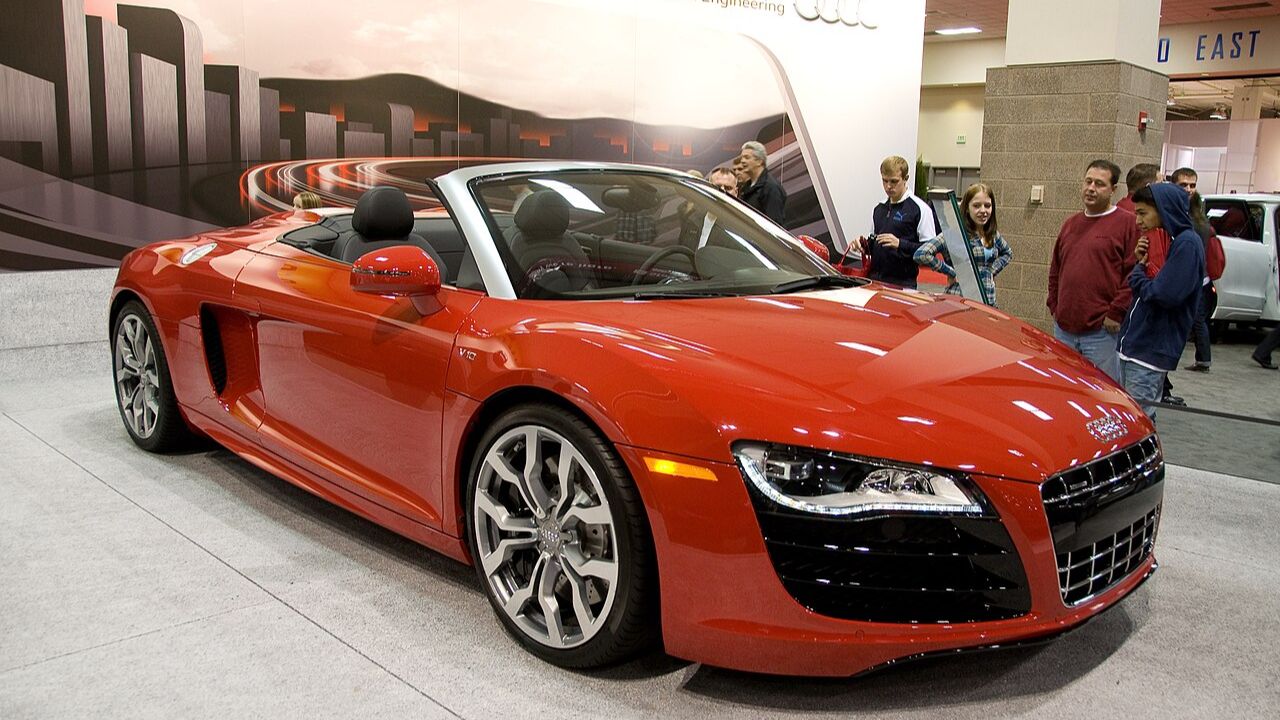
The Audi R8 Spyder V10 Performance is often described by owners as a “Half Price Supercar.” In enthusiast discussions, this open-top Audi is praised as a Half Price Supercar in the “Exotic” category, with the V10 engine and all-wheel drive making it feel every bit as potent as far more expensive machines like the F8 or Huracán. You are effectively getting a mid-engine layout and a screaming ten-cylinder soundtrack for a substantial discount.
Because the R8 shares components with other Audi models, servicing can be less painful than with some Italian rivals, especially on the used market. For buyers, the implication is clear: if you want the drama of a convertible V10 supercar without paying the absolute top of the market, the R8 Spyder V10 Performance lets you experience that world while keeping depreciation and running costs more manageable.
The Acura NSX
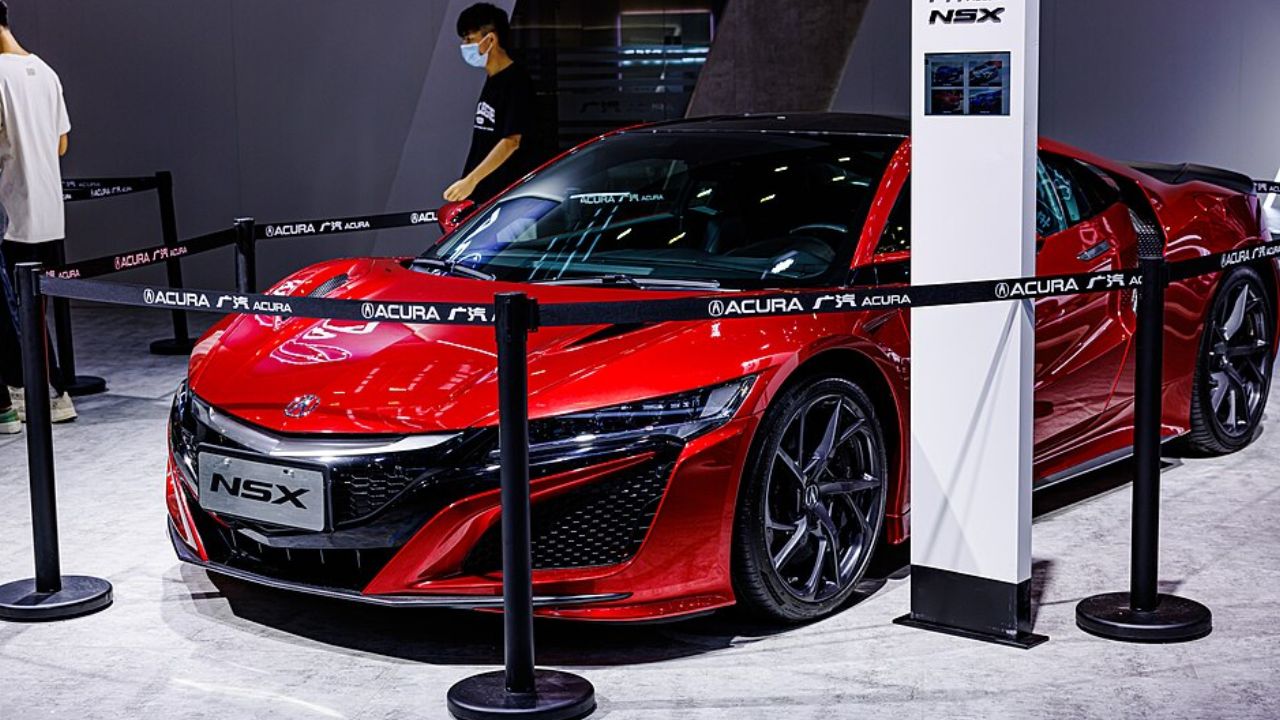
The Acura NSX was engineered from day one to out-punch European royalty on a relative budget. Detailed reviews describe how The Acura NSX is an “incredible feat of engineering” that can outperform many European supercars for a fraction of the price. Its hybrid powertrain, torque-vectoring all-wheel drive, and everyday usability make it feel like a technological showcase rather than a fragile toy.
For you, that means you can enjoy supercar acceleration and cornering while still having a cabin that feels like a high-end daily driver. The NSX also highlights a broader trend, where Japanese and American brands use hybrid systems and clever packaging to challenge traditional European dominance, giving enthusiasts more choice at lower price points.
Porsche 911 Carrera
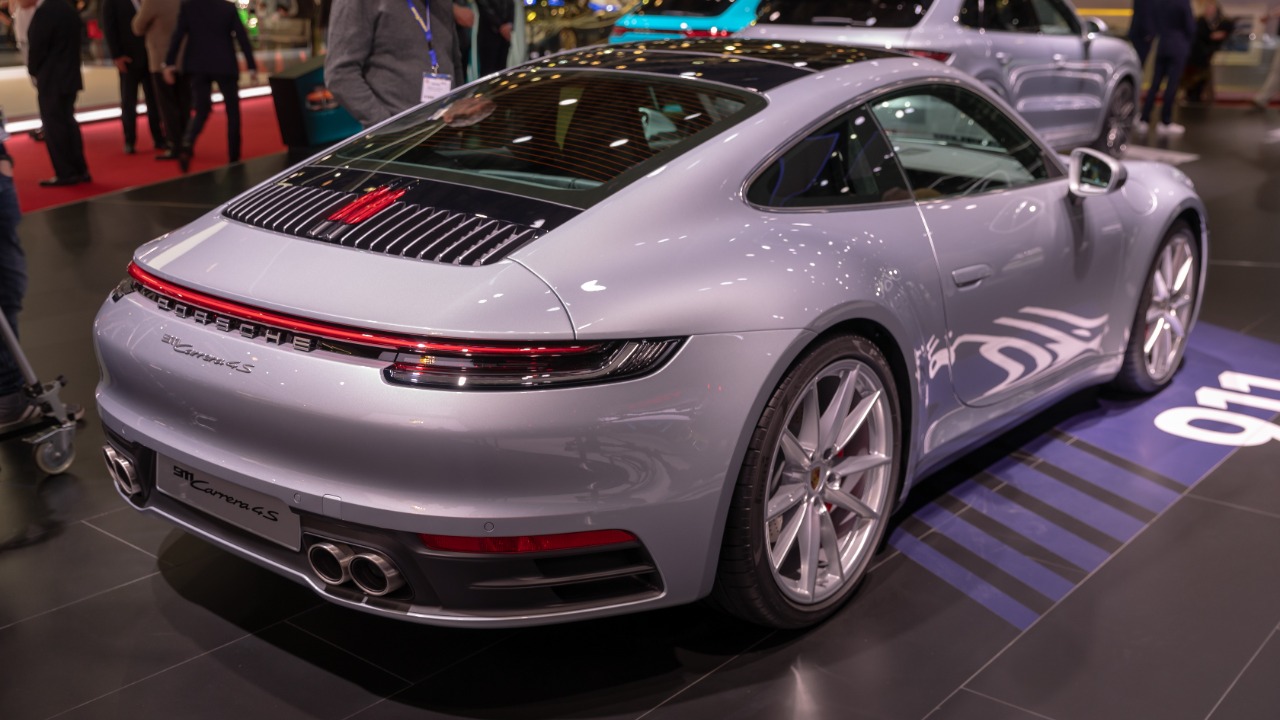
The Porsche 911 Carrera is not the cheapest car on this list, but it delivers supercar thrills with a level of polish and usability that few exotics can match. Enthusiast buyers frequently single out the 911 as one of the best-value high-end sports cars, especially when bought used. You get rear-engine character, razor-sharp steering, and track-ready brakes in a package that can still handle school runs.
Because Porsche builds the 911 in large numbers and supports older models well, long-term ownership is less scary than with many low-volume exotics. When you browse the official Porsche configurator, you see how the Carrera sits below GT models yet still offers performance that, a decade ago, would have been considered full supercar territory, especially once you factor in real-world usability.
Porsche Cayman GT4
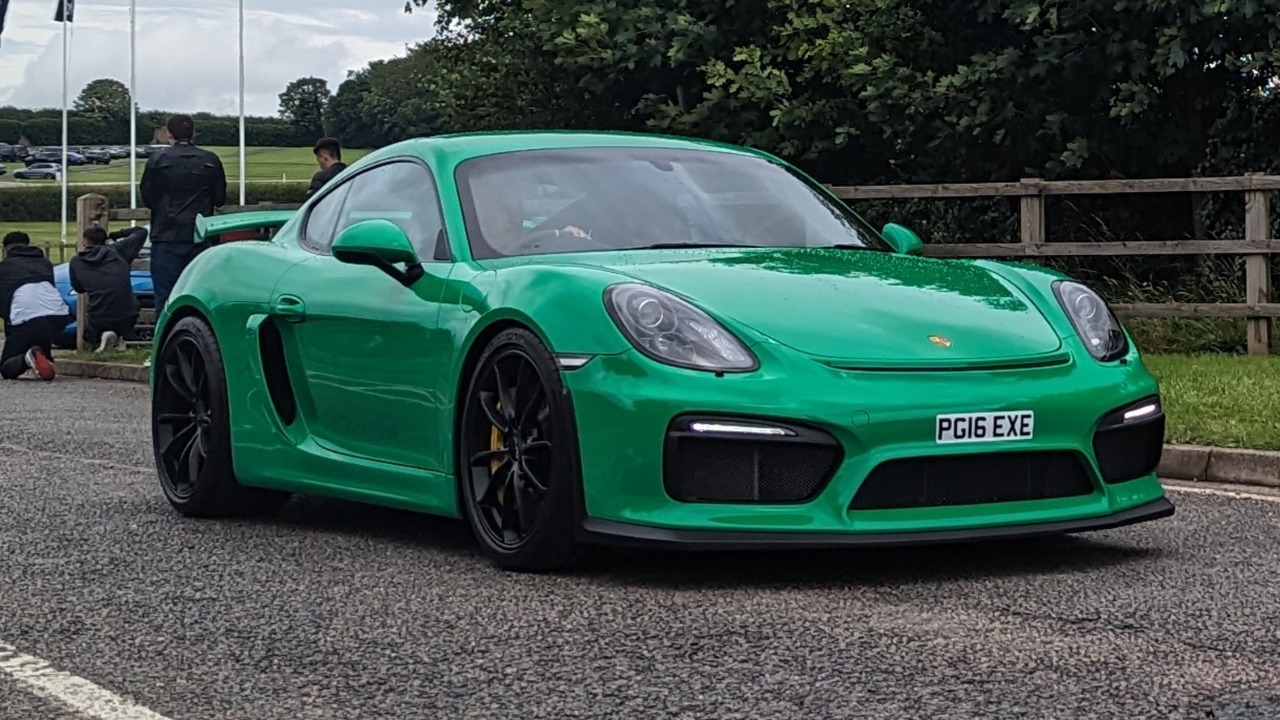
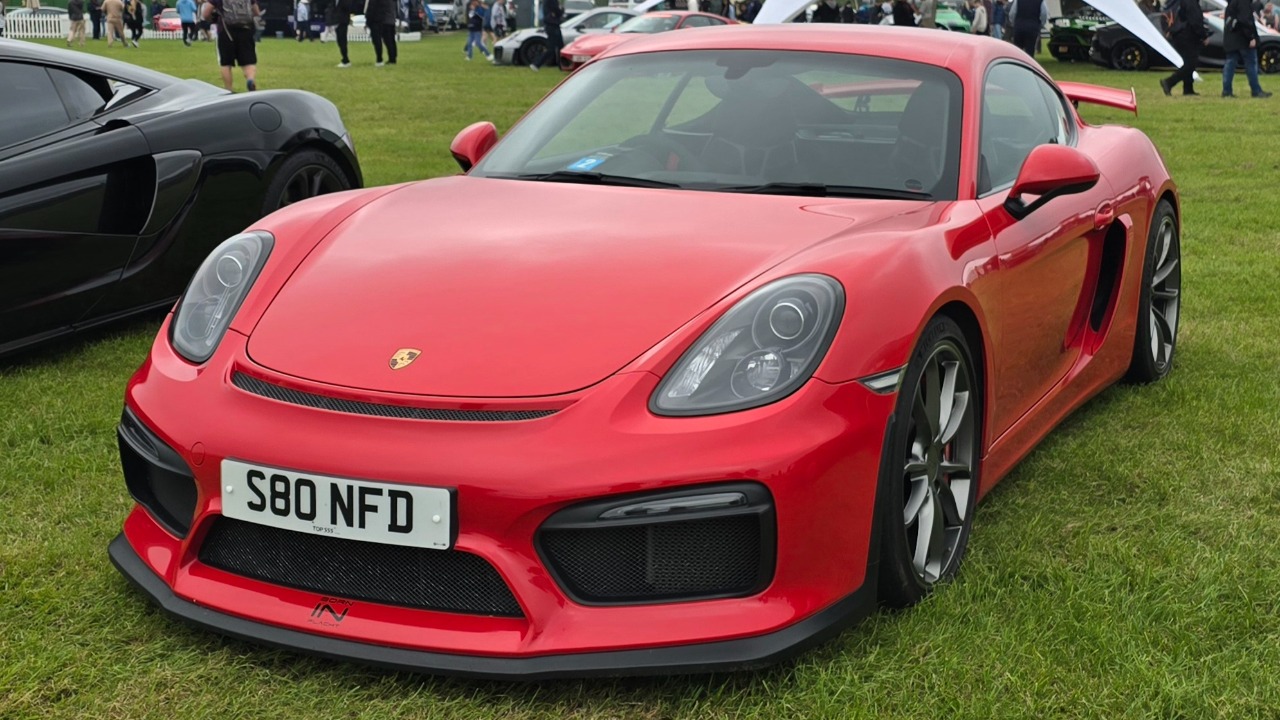
The Porsche Cayman GT4 takes the mid-engine formula and turns it into a track weapon that still undercuts many supercars. Enthusiast lists of cars that provide supercar thrills for less often highlight the Porsche Cayman GT4 for its balance, naturally aspirated power, and serious aero. You get a chassis that many drivers consider more confidence inspiring than some rear-engine rivals.
For you, the GT4’s appeal is that it delivers that high-revving, manual-gearbox experience that many modern exotics have abandoned, while still being attainable on the used market. It shows how focusing on driver engagement, rather than just headline horsepower, can give you a more rewarding “supercar” experience at a lower entry price.
Chevrolet Corvette
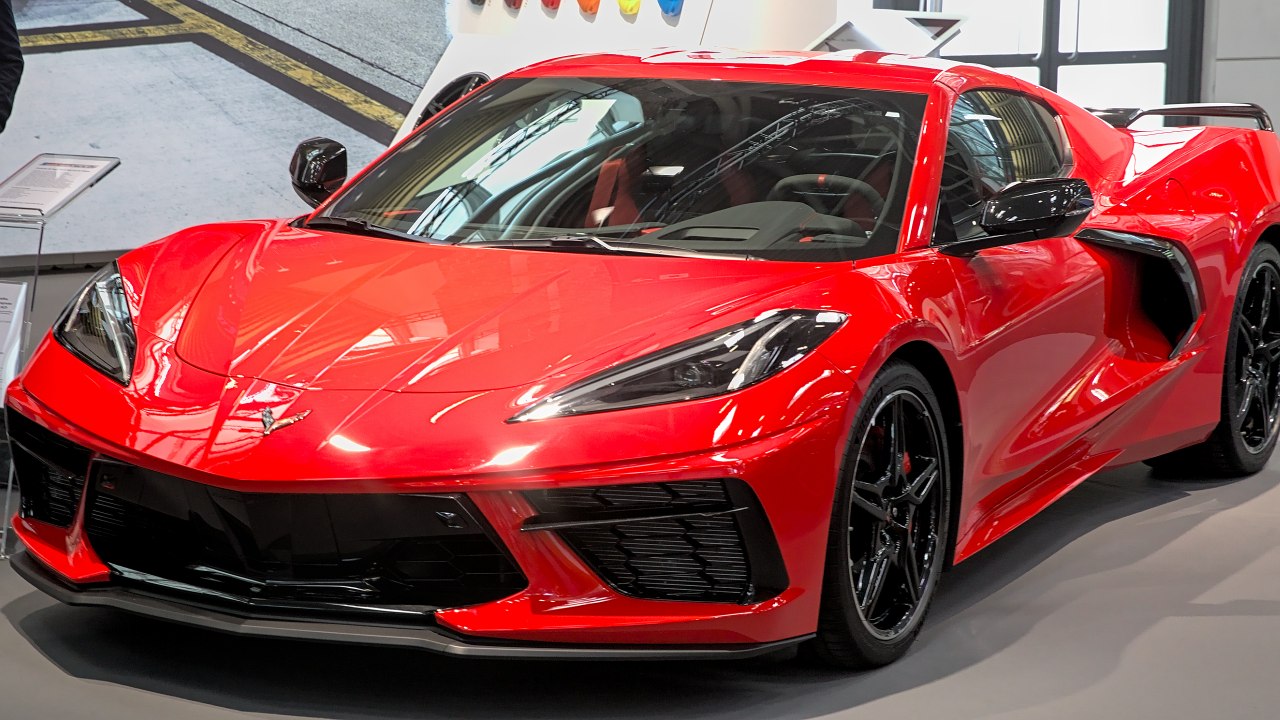
The Chevrolet Corvette has long been America’s answer to the European supercar, and modern generations make that case stronger than ever. Enthusiast buyers discussing affordable high-end performance frequently mention the Corvette as a standout option under premium budgets, thanks to its big-displacement power and serious track capability. With the latest mid-engine layout, the driving position and weight distribution feel very much like an exotic.
For you, the key benefit is that parts, tuning knowledge, and community support are abundant, which keeps ownership costs in check. The Corvette demonstrates how a domestic manufacturer can deliver world-class lap times and acceleration while still pricing the car within reach of dedicated enthusiasts rather than only collectors.
Jaguar F‑Type S
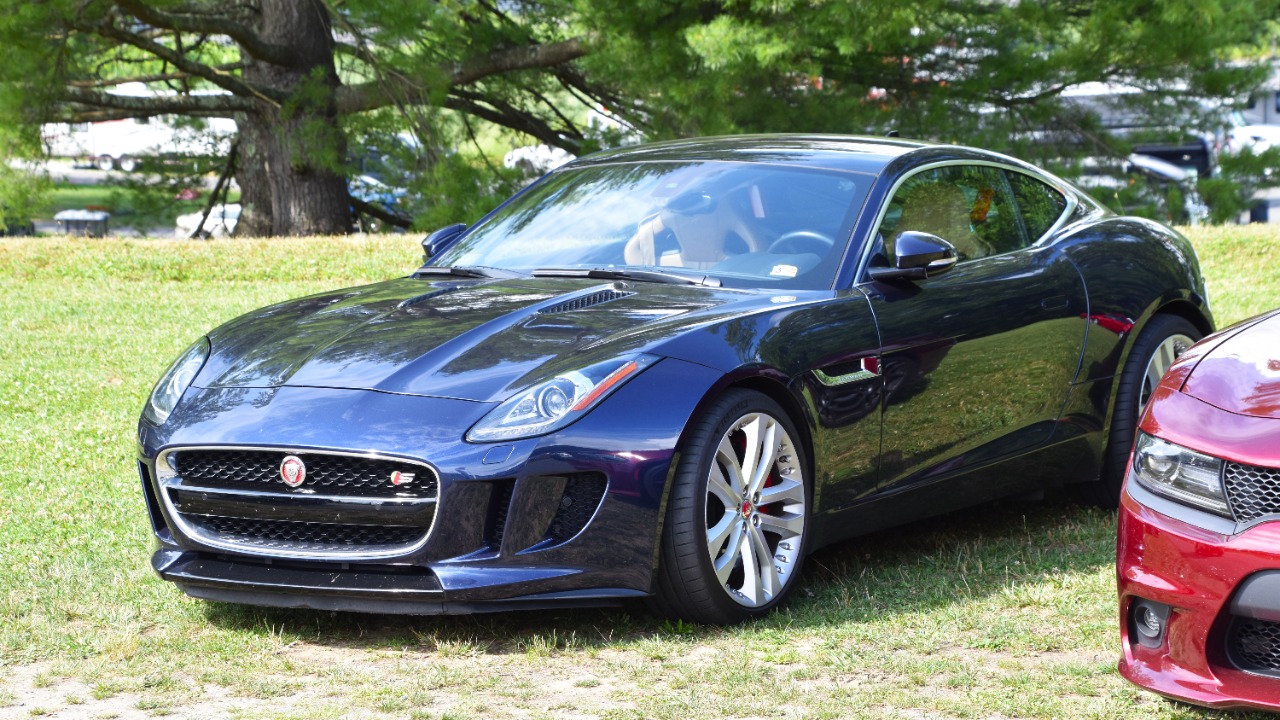
The Jaguar F‑Type S brings British style and sound to the supercar-on-a-budget conversation. Analysis of used performance bargains notes that the 2014 Jaguar F‑Type S is a proper modern sports car, with agile handling, rear-drive configuration, and a strong supercharged engine. Its performance is further enhanced by its convertible architecture, which adds drama without sacrificing too much rigidity.
For you as a buyer, depreciation is the secret weapon here. Luxury badges like Jaguar tend to lose value quickly, so you can step into a car that looks and sounds like a full-blooded exotic for the price of a new family crossover. That dynamic shows how the used market can be your best ally in chasing supercar thrills.
Lotus Emira
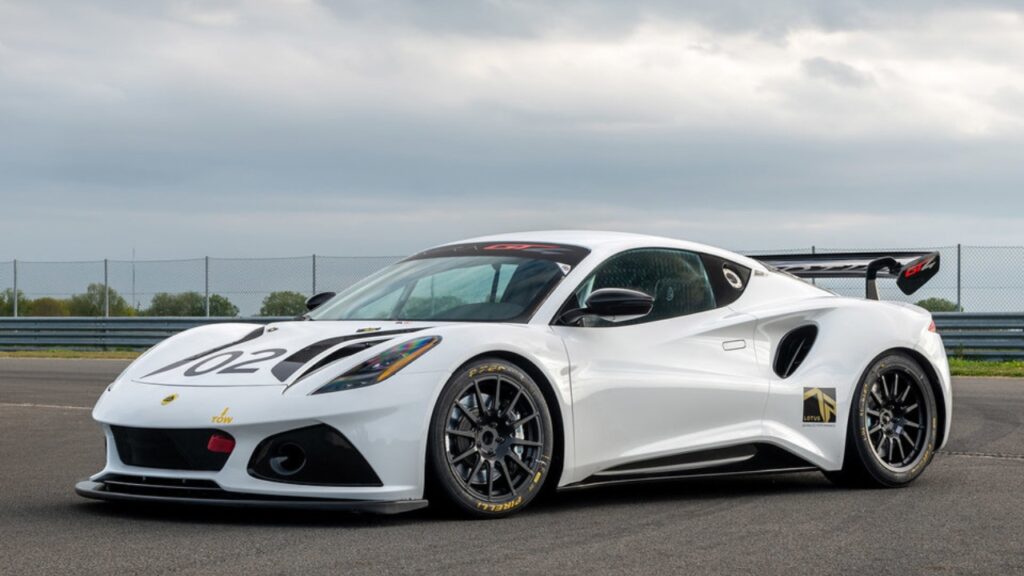
The Lotus Emira is pitched as an “everyday supercar” that costs far less than the typical exotic. Reporting on its launch describes the Emira as a new everyday supercar priced around £60,000, putting it well below many rivals while still offering mid-engine balance and serious track focus. You get the classic Lotus recipe of low weight and sharp steering, wrapped in a far more refined cabin than older models.
For you, the Emira represents a shift where even specialist brands are trying to broaden their appeal and lower the cost of entry. It shows that you can now buy something with genuine supercar looks and handling, yet still have the comfort and practicality to use it as a daily driver without feeling like you are making huge compromises.
Audi R8 V10 Coupe
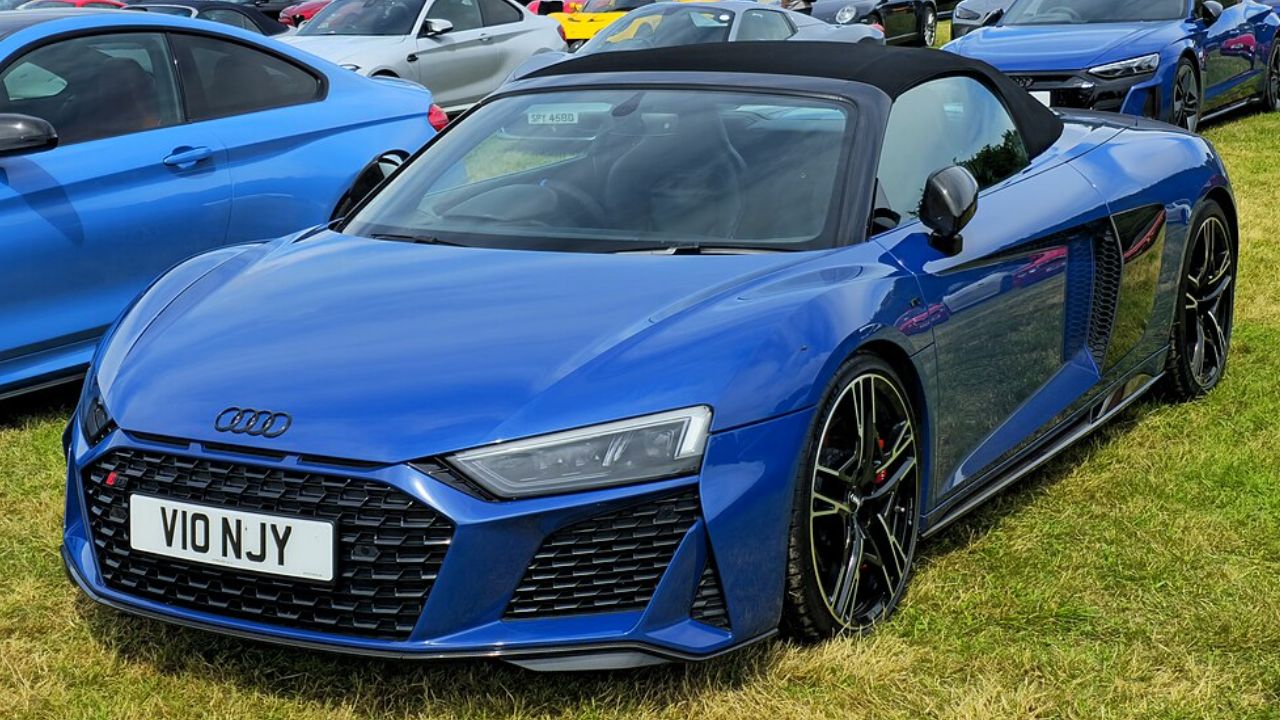
The Audi R8 V10 Coupe deserves its own mention alongside the Spyder, because it distills the supercar formula into a slightly more affordable, more focused package. Enthusiast roundups of cars that provide supercar thrills for less consistently include the Audi R8 for its combination of naturally aspirated power, all-wheel drive security, and relatively approachable pricing on the used market. You are essentially getting a detuned version of a race-bred powertrain in a car you can commute in.
For you, the coupe’s fixed roof adds rigidity and a bit more practicality, which matters if you plan to track the car. It underlines a broader trend where halo models from premium brands depreciate into reach for regular enthusiasts, letting you experience true supercar performance without paying original sticker prices.
Dodge Viper (Gen IV)
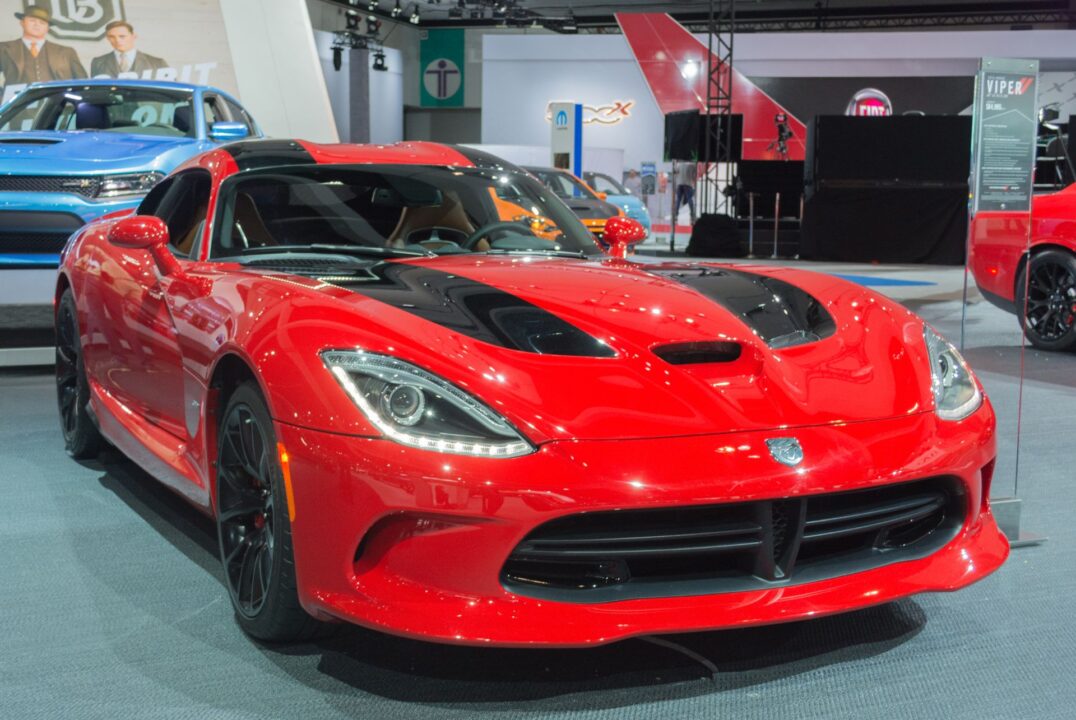
The Gen IV Viper offered massive naturally aspirated V10 power and raw driving dynamics. It skipped luxury frills in favor of pure performance.
With extreme acceleration and track capability, it delivered exotic-level thrills. Its price remained well below many European rivals offering similar straight-line performance.
More from Fast Lane Only