Some cars never seem to lose their ability to attract a crowd. Their styling, performance, history, or cultural importance makes people stop and take a closer look whenever they appear at a car show. These eleven classics continue to command attention, proving that great automotive design can remain powerful for generations.
Ford Mustang
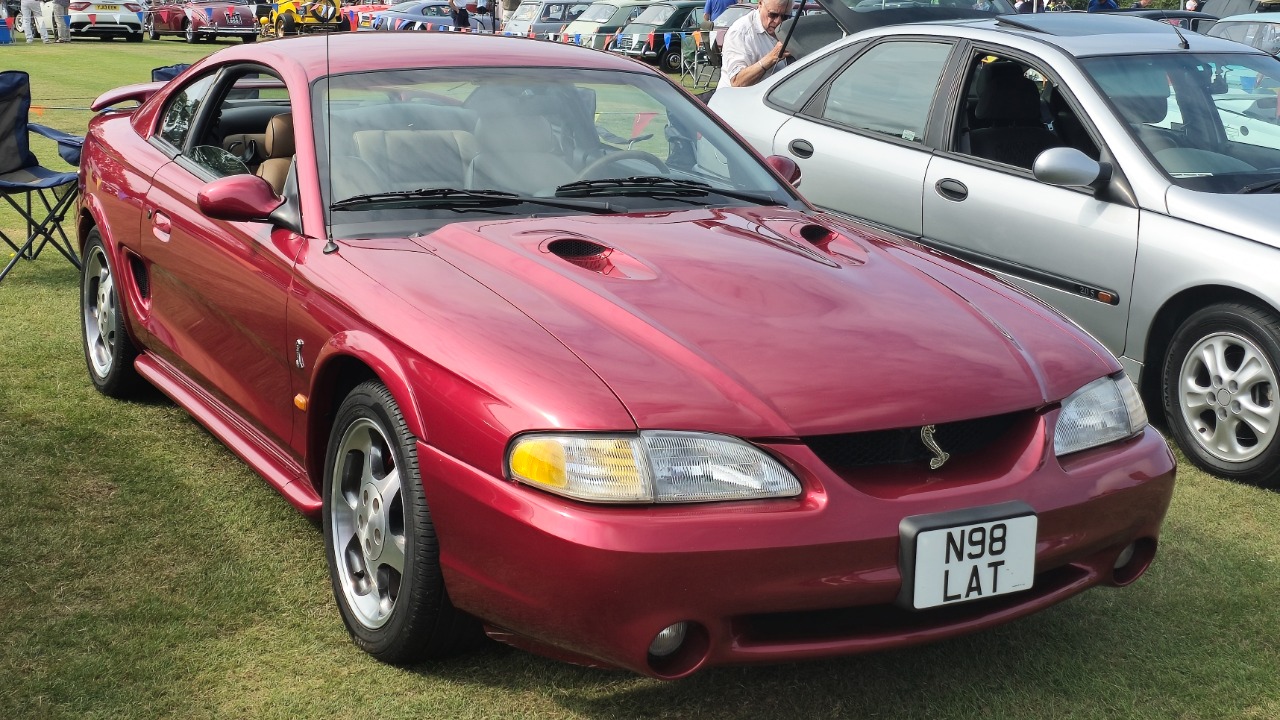
The Ford Mustang remains one of America’s most recognizable performance cars. Its long hood, short rear deck, and wide range of engines helped establish the pony-car formula. Clean early examples attract collectors, while modified versions showcase the model’s enormous customization potential. Whether restored to factory condition or built as a powerful street machine, the Mustang almost always draws attention at a car show.
Chevrolet Corvette
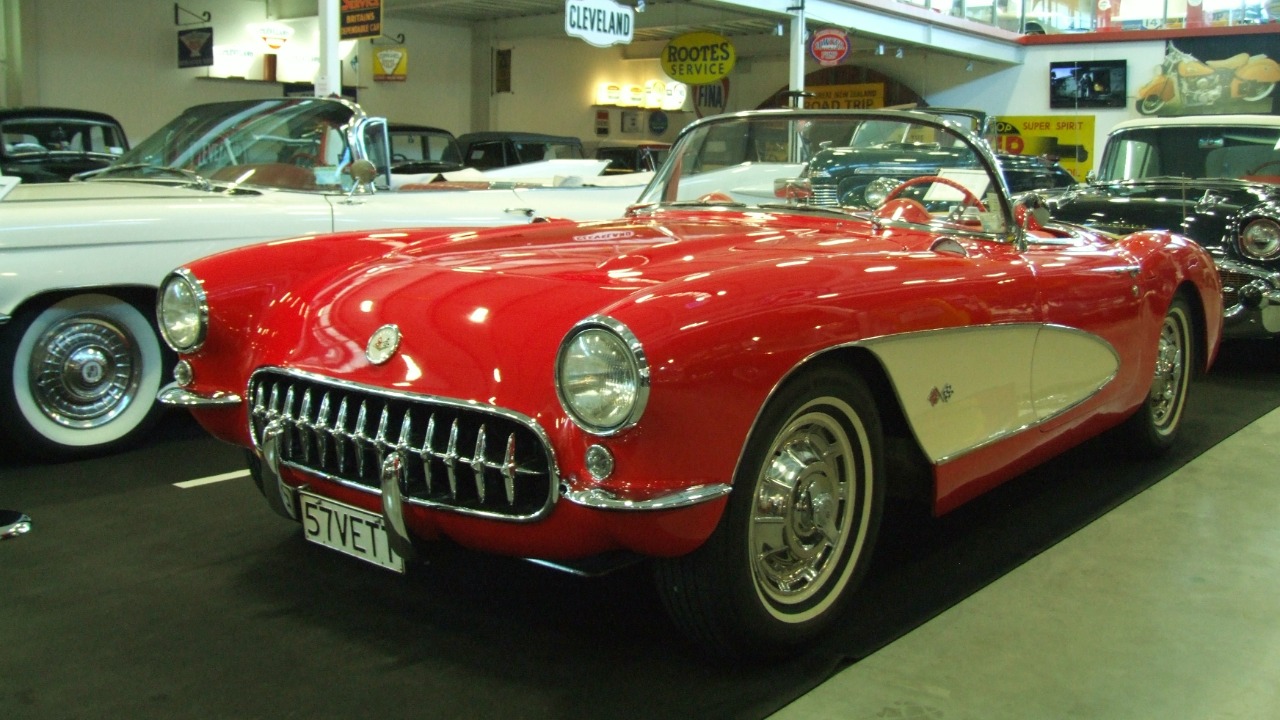
The Chevrolet Corvette has been a centerpiece of American car culture for generations. Its low proportions, powerful engines, and evolving styling have given each generation a distinctive personality. Early examples are especially popular with collectors, while later models demonstrate the progression of American performance engineering. A beautifully restored Corvette can easily become one of the most photographed vehicles at a classic-car event.
Chevrolet Camaro

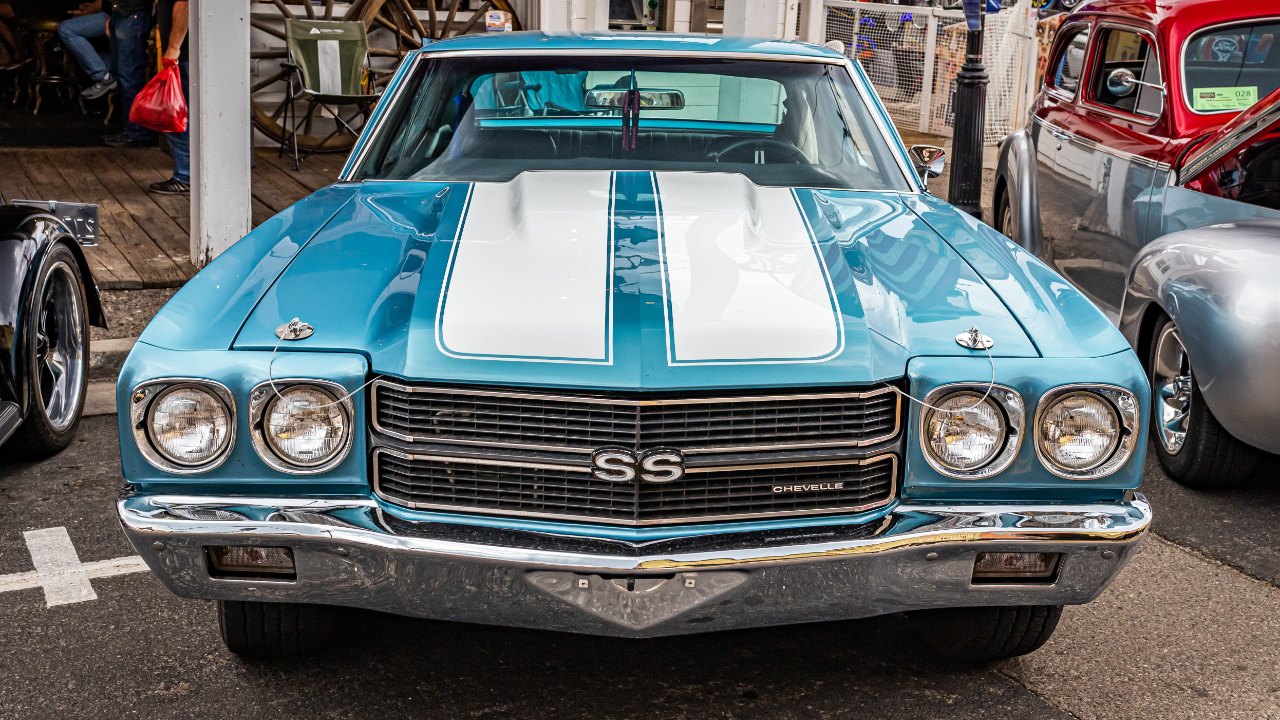
The Chevrolet Camaro became one of the most important competitors in America’s pony-car market. Its aggressive styling and available V8 engines gave it strong performance credentials, while numerous factory versions offered different personalities. First-generation examples are particularly popular, but later models also attract enthusiasts. The Camaro’s combination of recognizable design and performance heritage ensures that it remains a regular highlight at car shows.
Dodge Charger
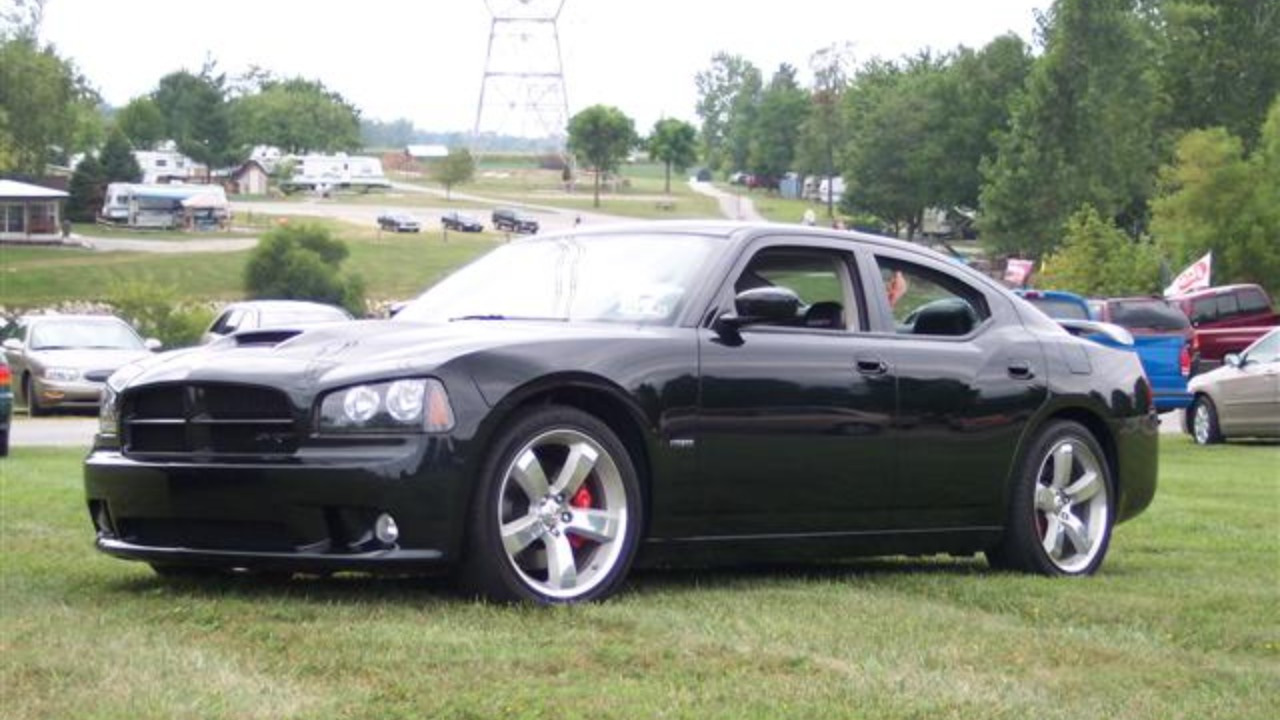
The Dodge Charger became famous for its dramatic fastback styling and powerful V8 options. Its aggressive proportions helped define the look of American muscle cars during one of the most exciting periods in automotive history. Desirable performance versions are particularly popular with collectors. Even standard examples can attract attention because the Charger’s distinctive roofline and broad stance remain instantly recognizable decades after production.
Plymouth Barracuda
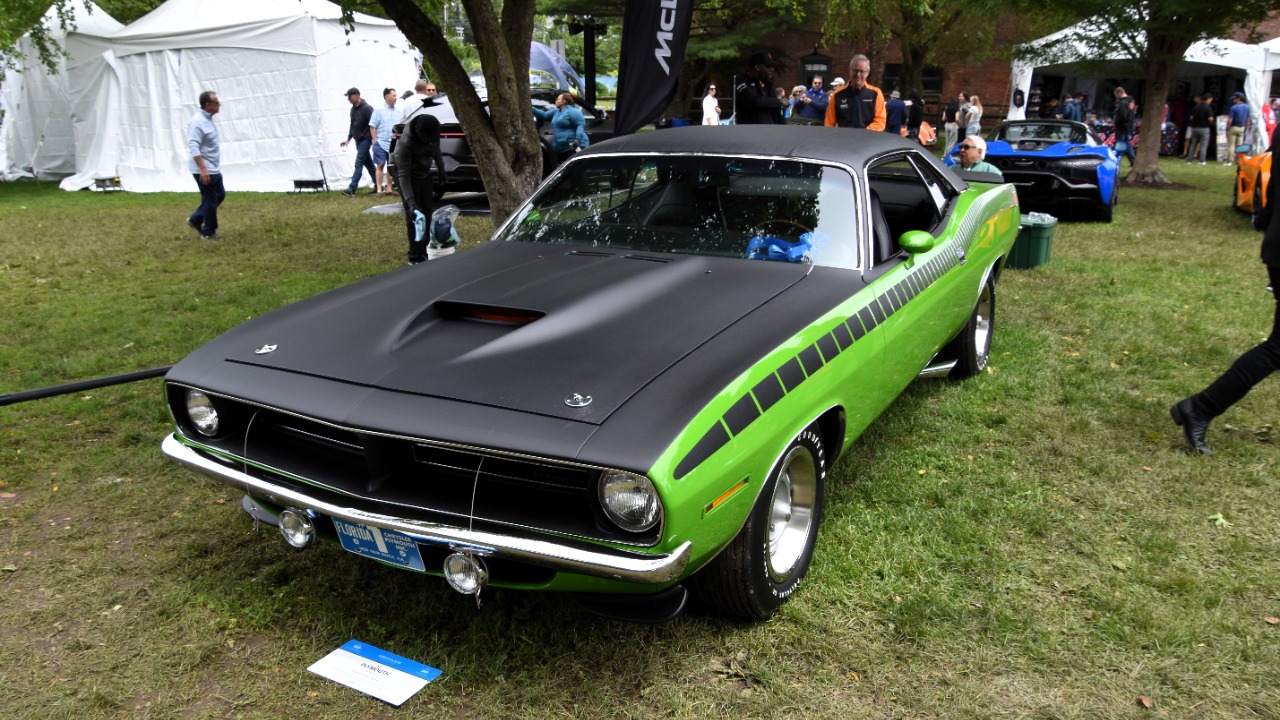
The Plymouth Barracuda holds an important place in American performance history because it arrived before the Mustang and helped establish the emerging pony-car market. Later versions became serious muscle cars with powerful V8 engines and aggressive styling. Rare performance models can attract significant collector interest. At shows, the Barracuda stands out because its history connects the early pony-car era with the height of the muscle-car period.
Porsche 911
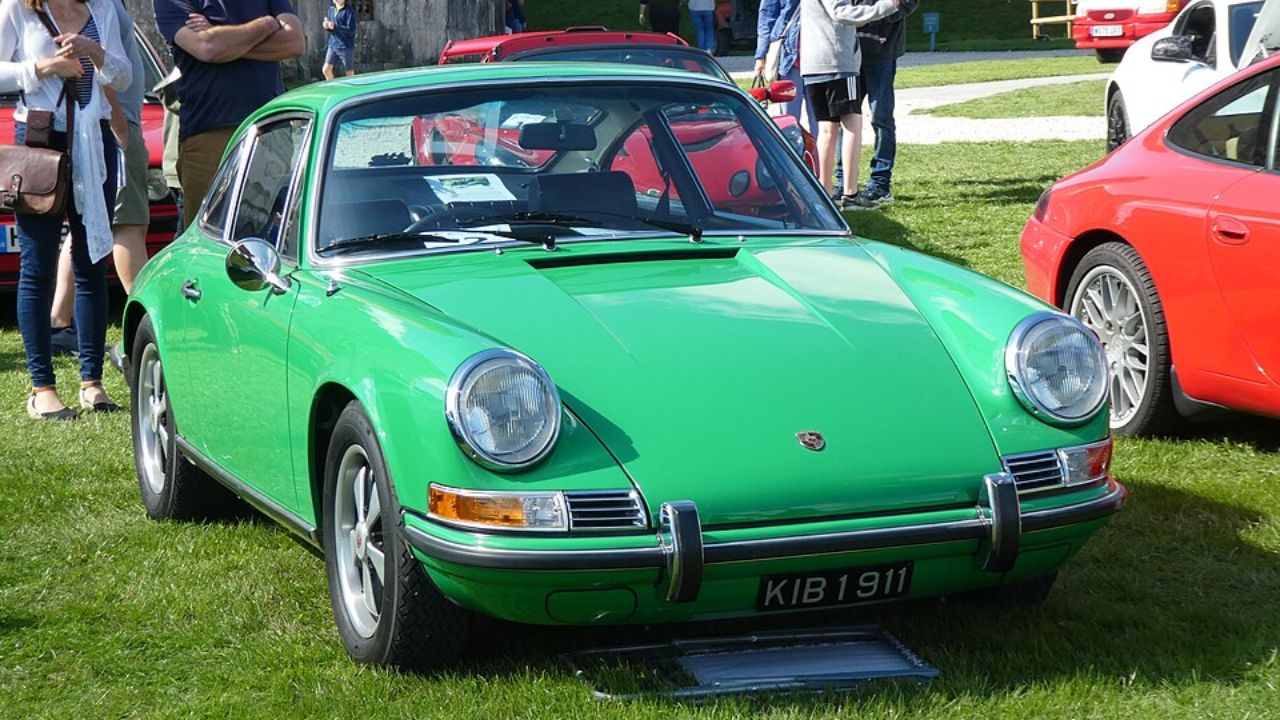
The Porsche 911 combines timeless styling with a long history of performance development. Its rounded headlights, sloping roof, and rear-engine proportions have remained recognizable through numerous generations. Collectors appreciate early examples, while enthusiasts continue to admire later performance versions. The 911’s distinctive silhouette makes it easy to identify from across a crowded show field, ensuring it remains a favorite among both casual observers and serious enthusiasts.
Jaguar E-Type
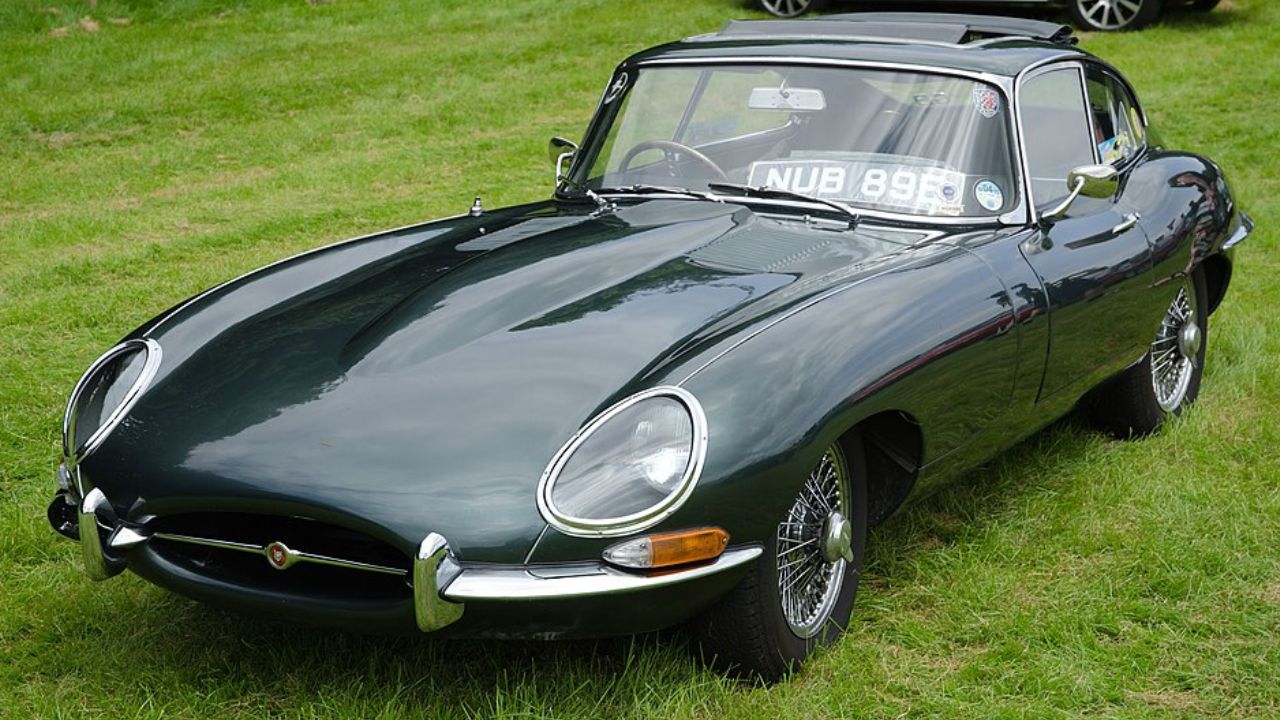
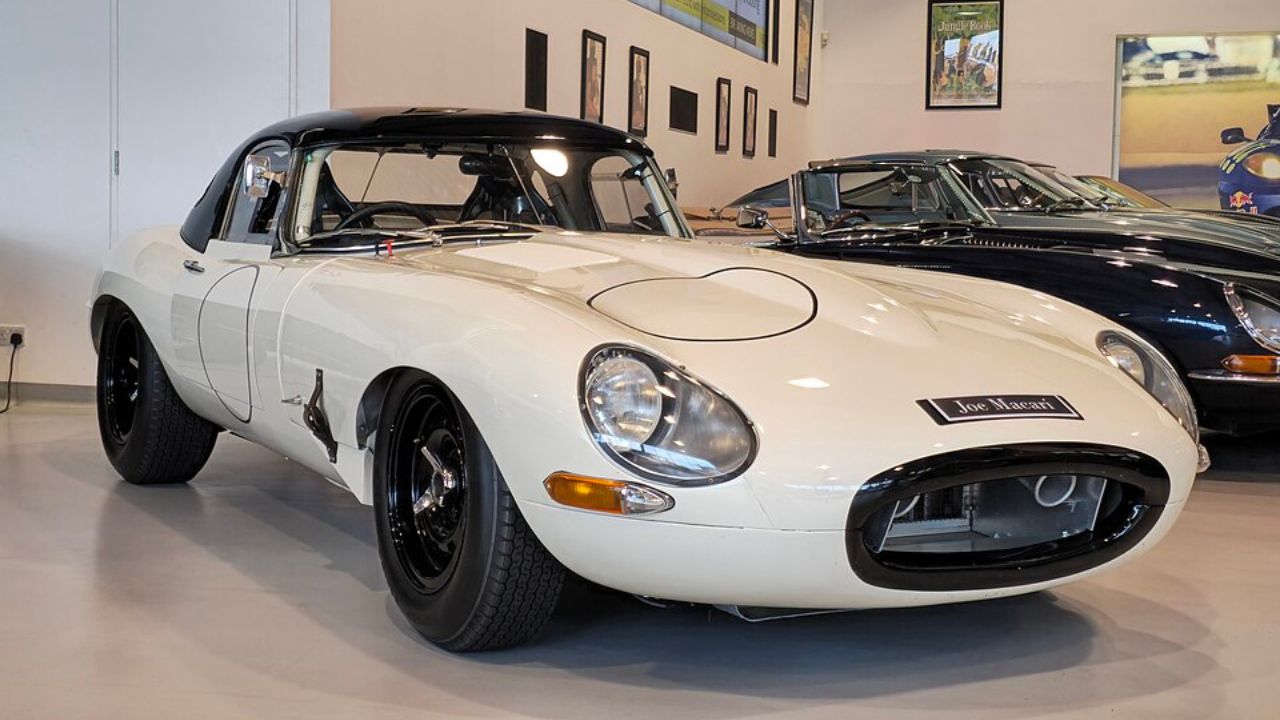
The Jaguar E-Type became famous for its elegant proportions, long hood, and low-slung body. Its styling attracted attention when new and continues to do so today. The combination of beautiful design and genuine sports-car performance made the E-Type one of Britain’s most celebrated automobiles. A well-restored example often becomes an instant centerpiece because few cars from the same era have such a recognizable shape.
Toyota Supra
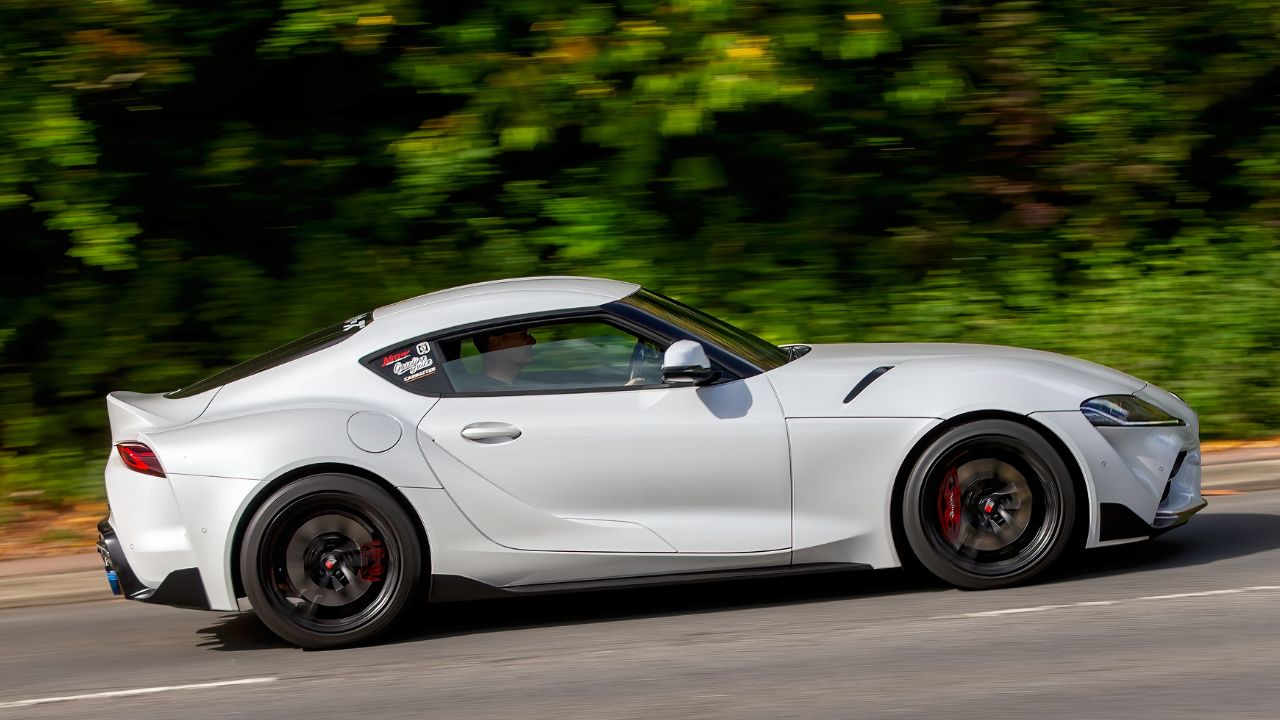
The Toyota Supra became a major collector favorite because of its performance potential and cultural influence. Later versions, particularly twin-turbo models, developed legendary reputations among enthusiasts and tuners. Clean examples are increasingly difficult to find because many were modified or heavily driven. At modern car shows, an original Supra can attract crowds because its distinctive styling and performance history have made it one of Japan’s most recognizable sports cars.
Volkswagen Beetle
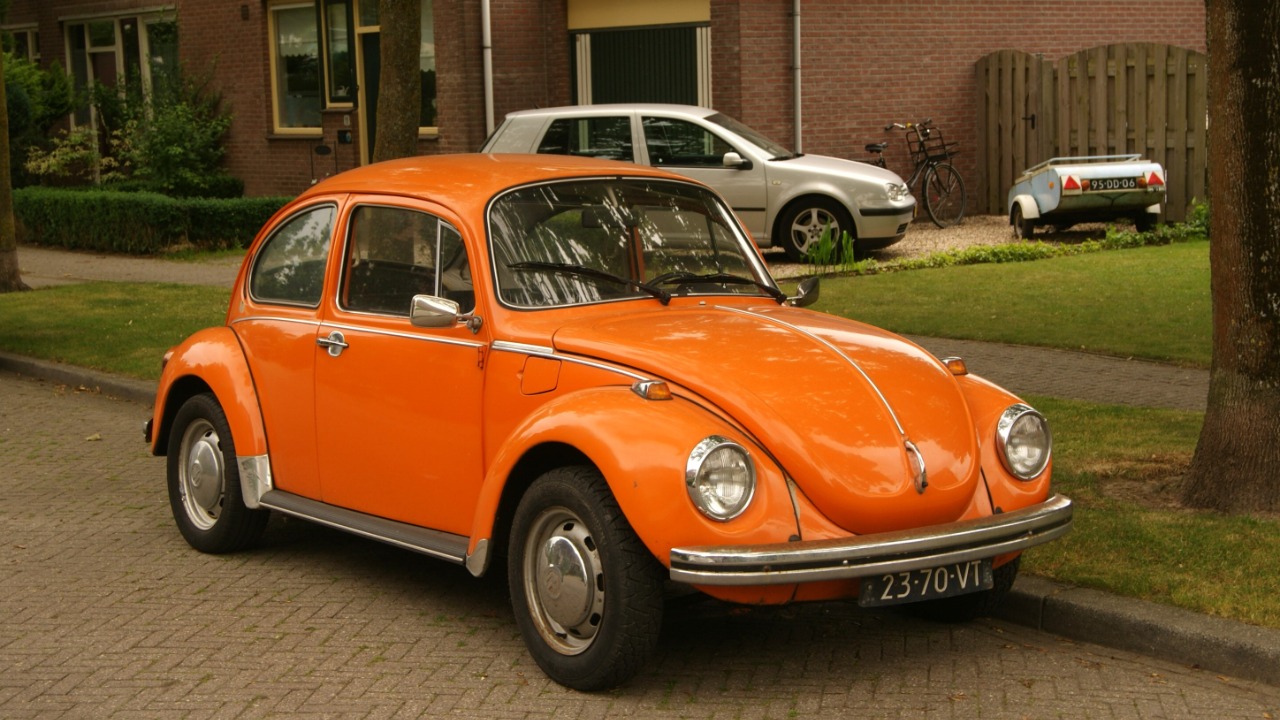
The Volkswagen Beetle may not have the power of a muscle car, but its unmistakable shape guarantees attention. Its rounded roof, curved fenders, and compact proportions became globally recognizable. Restored examples often attract visitors who remember them from childhood, while customized versions show the model’s enormous cultural influence. Few cars can generate such immediate recognition simply through their silhouette.
Ford GT40
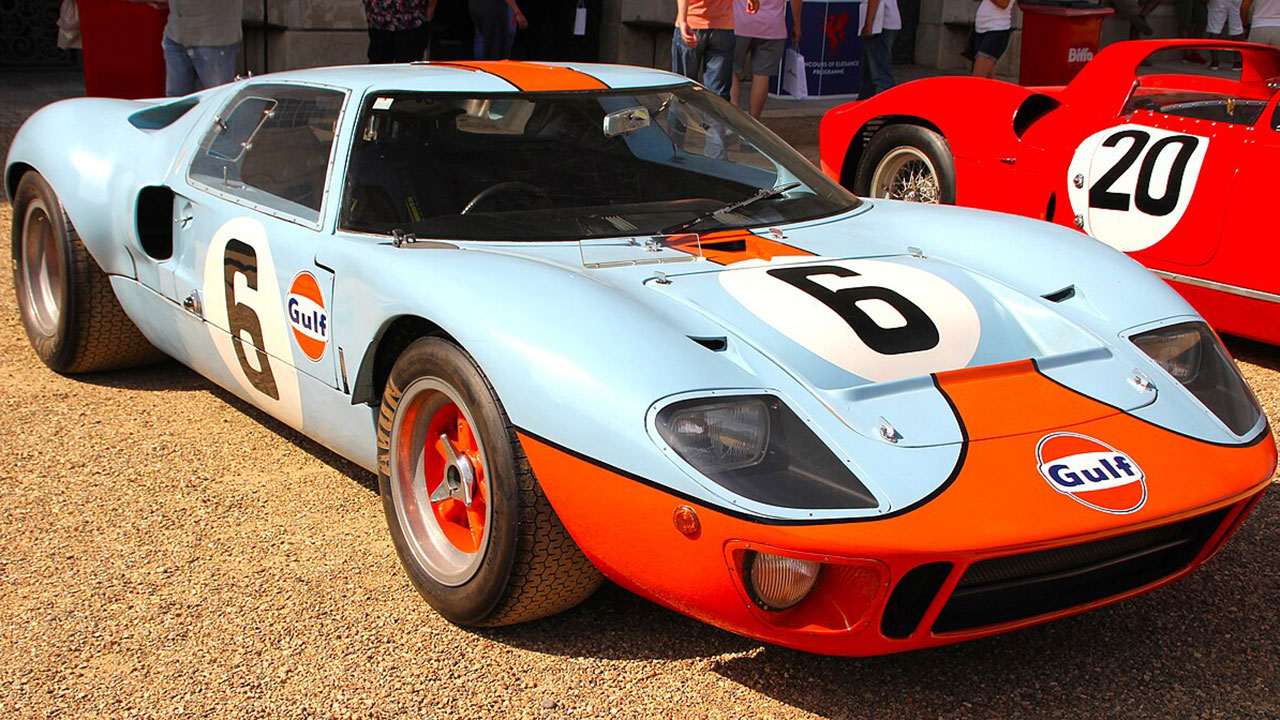
The Ford GT40 remains one of the most famous racing-inspired automobiles ever created. Its low body, dramatic proportions, and connection to endurance racing give it enormous historical appeal. Authentic examples are exceptionally rare and valuable, while replicas also attract attention because of the design’s legendary status. Whenever a genuine GT40 appears at a show, it is almost guaranteed to become one of the event’s biggest attractions.
Mercedes-Benz 300 SL
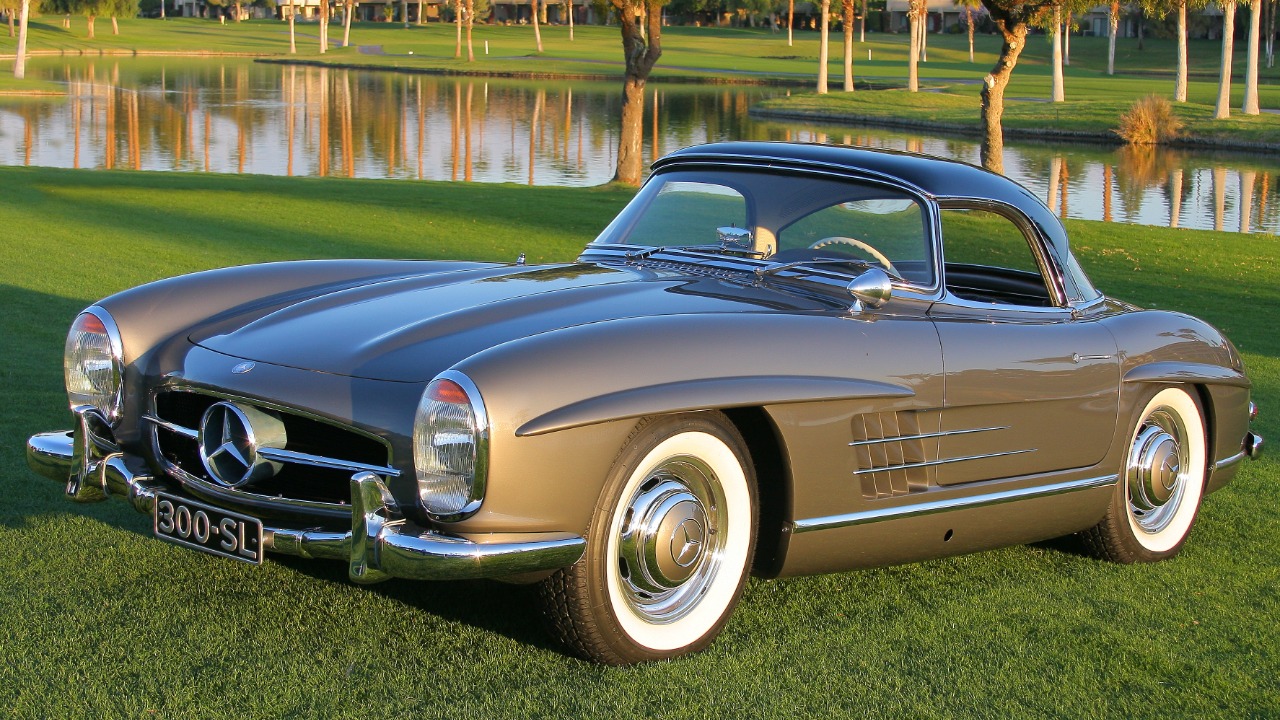
The Mercedes-Benz 300 SL remains a standout because of its elegant body, distinctive gullwing doors, and advanced engineering. Its lightweight structure and fuel-injected inline-six made it an impressive performance machine for its era. Extremely limited production adds to its collector appeal. Today, an authentic 300 SL can command an entire crowd simply by opening its doors and revealing one of the most recognizable designs in automotive history.
More from Fast Lane Only
- Unboxing the WWII Jeep in a Crate
- 15 rare Chevys collectors are quietly buying
- 10 underrated V8s still worth hunting down
- Police notice this before you even roll window down
*Research for this article included AI assistance, with all final content reviewed by human editors