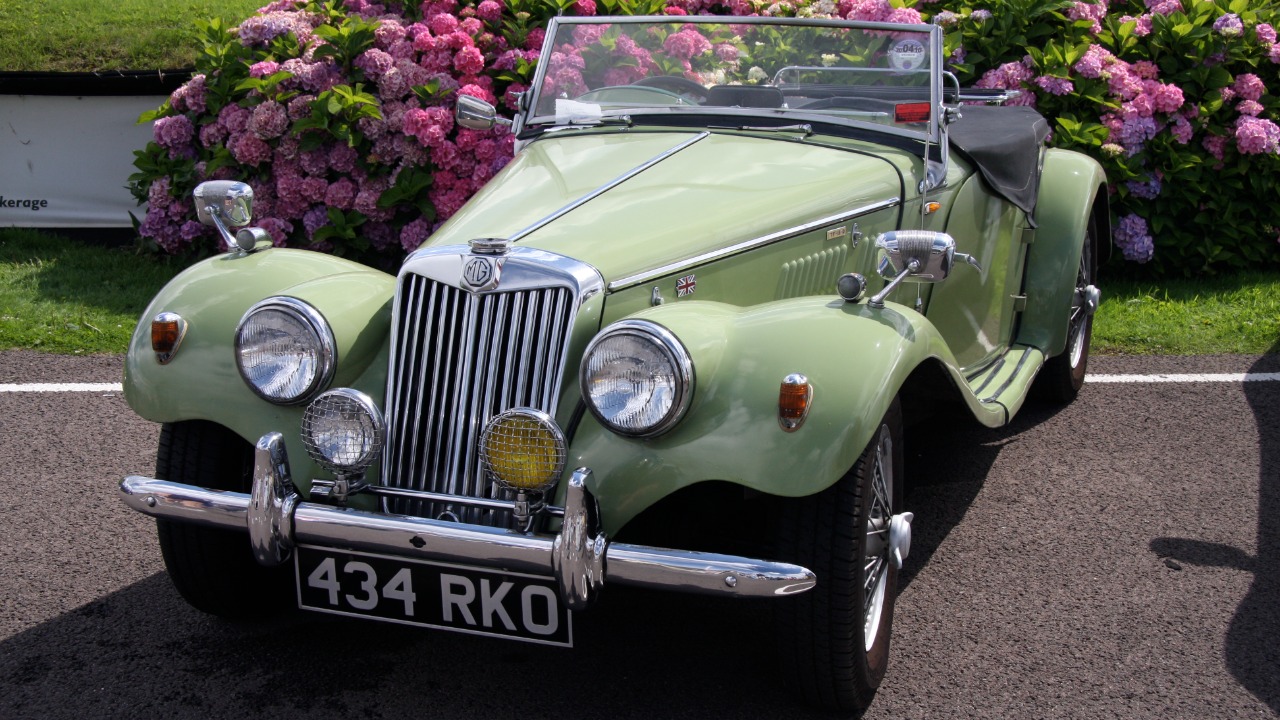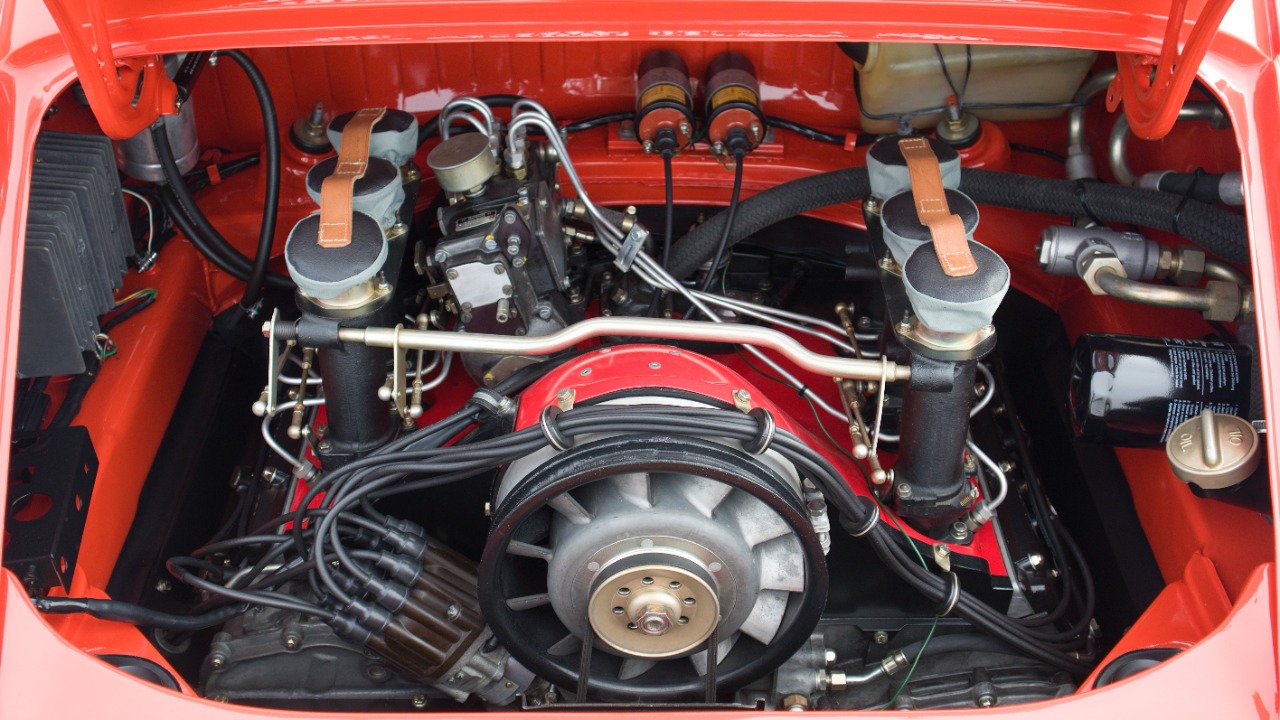
Engines have long been the heart of the automotive world, and some classic designs have become legendary for their durability and reliability. Despite the passage of time and the advancements in technology, these engines continue to stand the test of time, often outlasting the vehicles they were installed in. Here’s a look at 11 classic engines that have proven nearly impossible to wear out.
Chevrolet Small Block V8
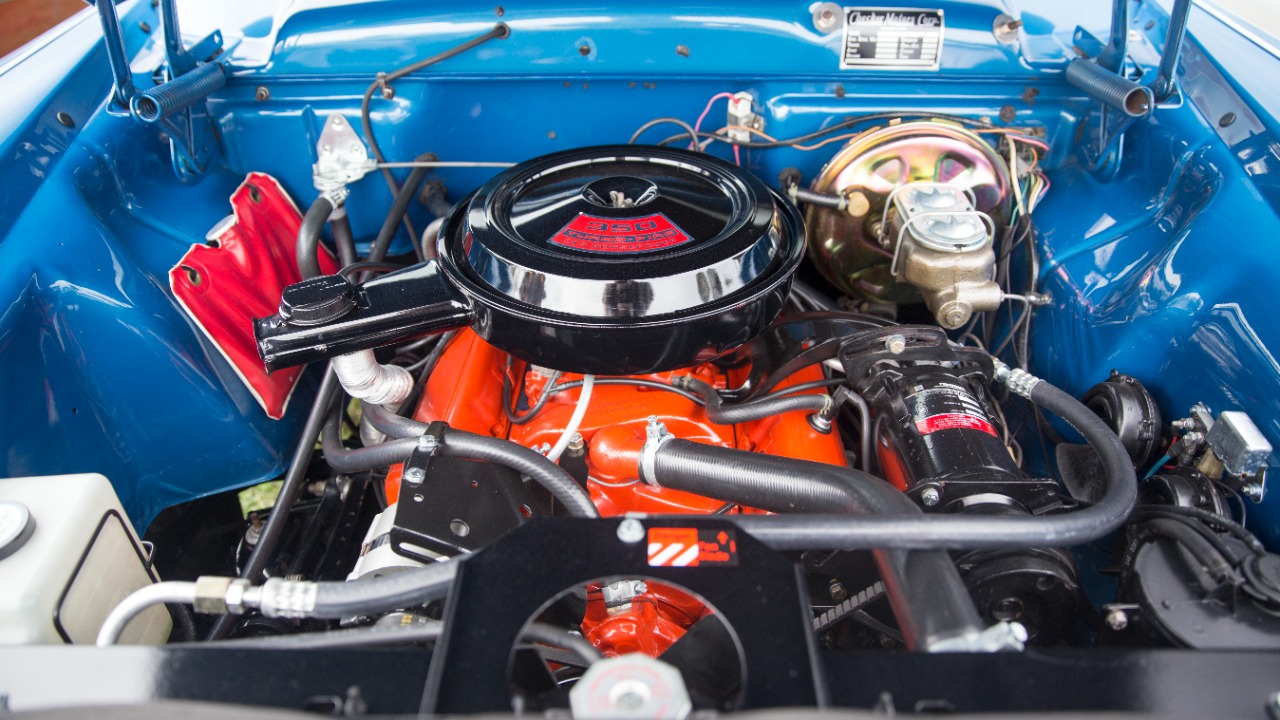
The Chevrolet Small Block V8 is a staple of American automotive culture, first introduced in 1955. Known for its versatility and performance, this engine has powered countless vehicles, from muscle cars to trucks. Its simple design and robust construction allow for easy repairs and modifications, making it a favorite among enthusiasts. Many owners report achieving high mileage—some exceeding 300,000 miles—without major issues. The engine’s ability to withstand abuse and neglect is legendary, with many examples still running strong decades after their initial production. It’s no wonder this engine is a cornerstone of classic car restoration.
Chevrolet’s commitment to continuous improvement has also meant that the Small Block has seen numerous iterations over the years, from the original 265 cubic inch version to the modern LS series. Each version retains the core characteristics that make it so durable. Enthusiasts often participate in discussions on platforms like Reddit, sharing stories about their experiences with these engines and how they’ve managed to keep them running for decades.
Ford Modular V8
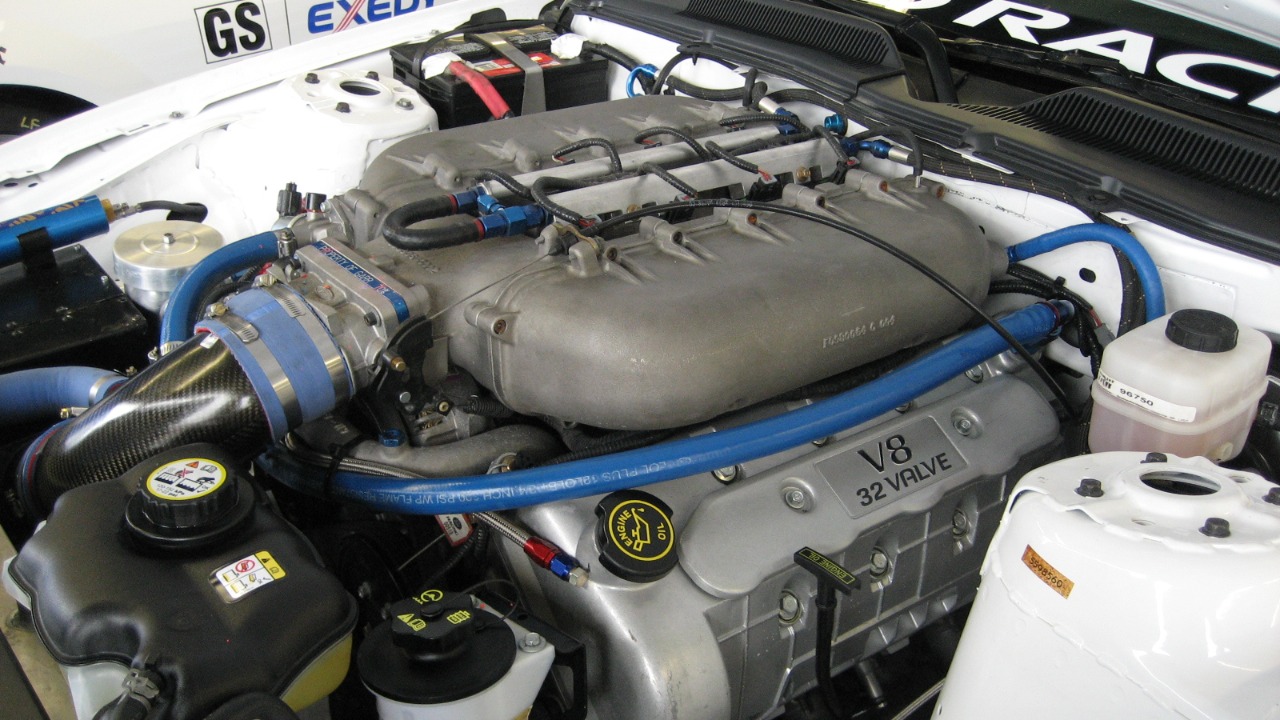
The Ford Modular V8 debuted in 1991, and it quickly became known for its strength and reliability. This engine family is used in various Ford vehicles, including the Mustang and F-Series trucks. Its aluminum construction helps reduce weight while maintaining durability, a crucial factor for performance. Many owners have reported their Modular V8s exceeding 200,000 miles with routine maintenance. The engine is designed with durability in mind, featuring forged steel crankshafts and robust cylinder heads that can handle significant power increases.
Moreover, the Modular V8 has garnered a loyal following in the aftermarket community, with many performance upgrades available. This means that enthusiasts can squeeze even more life and power from these engines without sacrificing reliability. The engine’s longevity is often discussed on forums, where users share tips and tricks for maintaining their Modular V8s. Many have even taken to social media to showcase their high-mileage stories, proving that the Ford Modular V8 is indeed a powerhouse that can withstand the test of time.
Toyota 22R
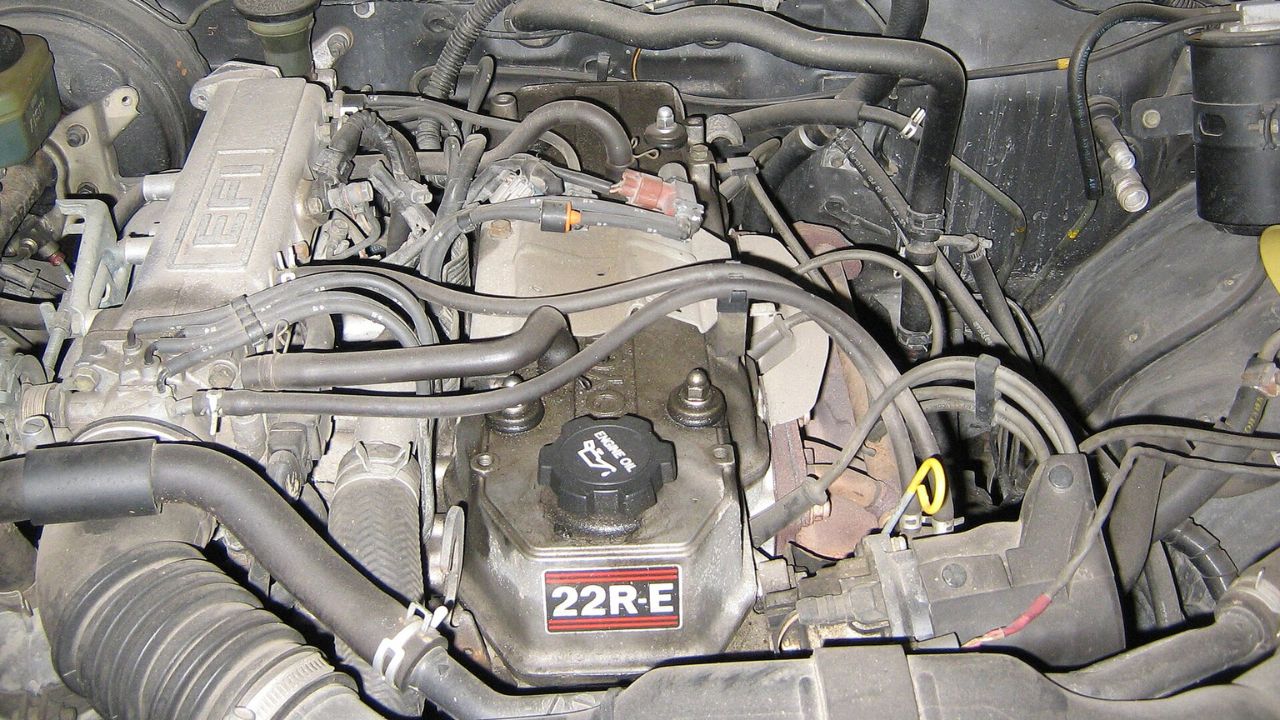
The Toyota 22RE is a legendary four-cylinder engine that has become synonymous with durability. Found in models like the Toyota Pickup and 4Runner from the mid-1980s to the early 1990s, this engine is known for its simplicity and ease of maintenance.
With proper care, it’s not uncommon for these engines to surpass 300,000 miles without major repairs. Its robust design features a timing chain instead of a belt, which eliminates the need for periodic replacement, reducing maintenance costs significantly. Additionally, the 22RE’s fuel injection system enhances efficiency and performance, ensuring a reliable power source for decades.
Volkswagen Air-Cooled Flat-Four
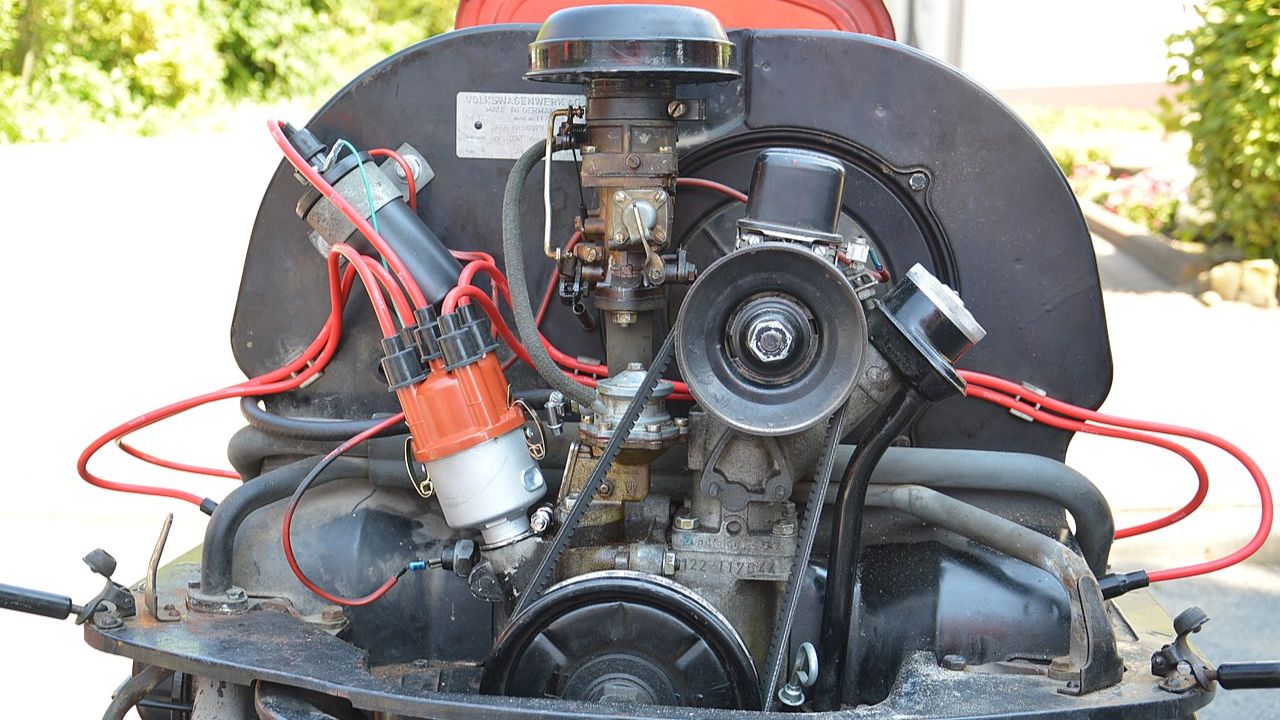
The Volkswagen Air-Cooled Flat-Four is another legendary engine that has stood the test of time. Used in the classic VW Beetle and Bus, this engine design is known for its simplicity and reliability. With few moving parts and a robust design, it is capable of lasting well beyond 200,000 miles with minimal maintenance. The air-cooled design eliminates the need for a complex cooling system, making it easier to repair and maintain.
Many enthusiasts appreciate the engine’s unique sound and character, which has contributed to its enduring popularity. The flat-four engine is often celebrated in car shows and vintage racing events, showcasing its timeless charm. Owners frequently share their experiences of maintaining and restoring these engines, emphasizing their resilience and low cost of ownership. The VW air-cooled community remains strong, as many enthusiasts continue to enjoy the simplicity and reliability that this engine offers.
Honda K-Series
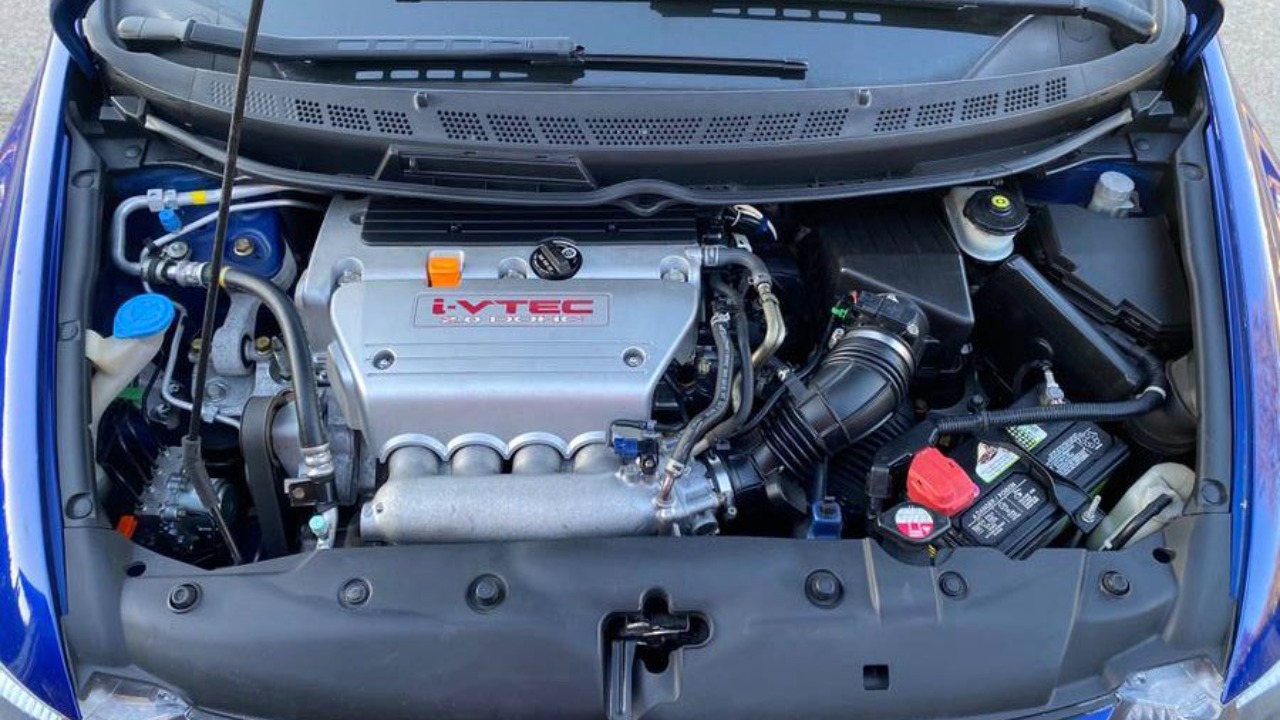
The Honda K-Series engines have gained a reputation for their durability and performance since their introduction in the early 2000s. These engines are found in various Honda models, such as the Civic and Accord. Known for their high-revving nature and efficient design, the K-Series can often exceed 200,000 miles with proper care. The robust construction of these engines, featuring iron blocks and aluminum heads, contributes to their longevity.
Moreover, the K-Series has become a favorite among tuners and racers, with a vast aftermarket support network offering performance upgrades. Many enthusiasts share their tuning experiences and successes on forums and social media, creating a vibrant community dedicated to enhancing the K-Series. The engine’s ability to handle increased power while maintaining reliability makes it a popular choice among car enthusiasts looking for performance without sacrificing longevity.
Mercedes-Benz OM617 Diesel
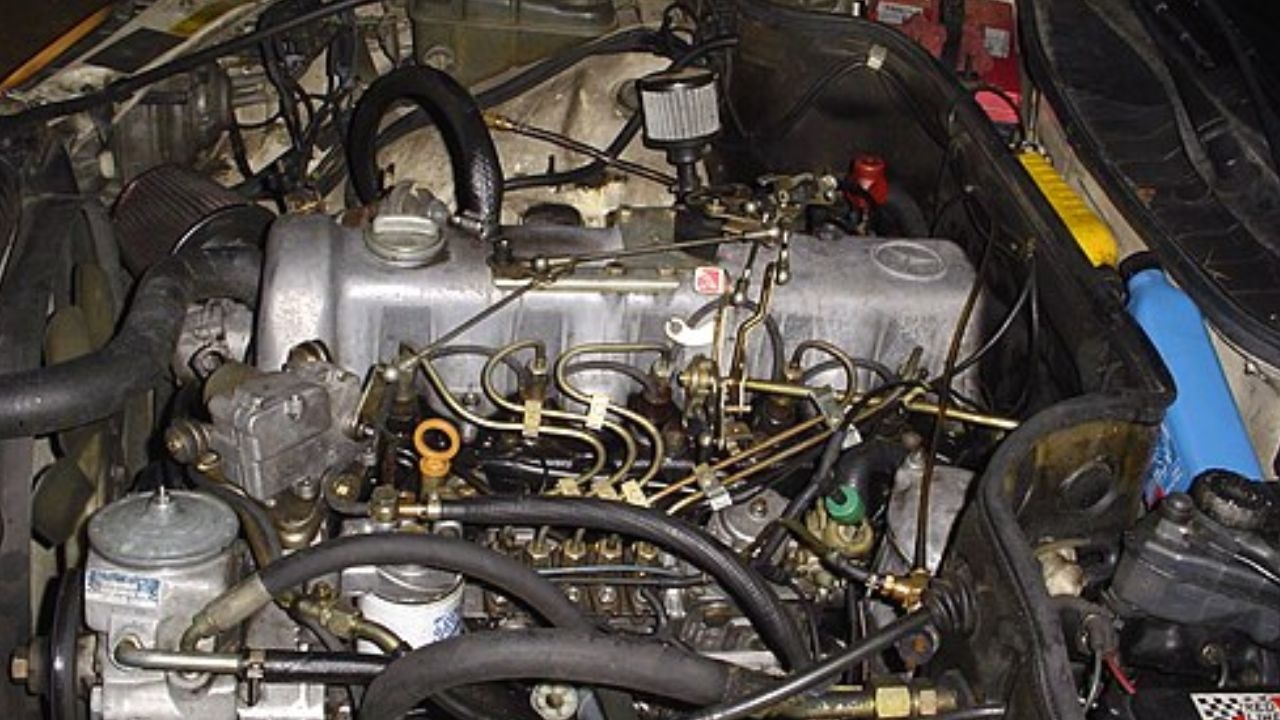
The Mercedes-Benz OM617 Diesel engine is renowned for its incredible durability and longevity. This 5-cylinder diesel engine, produced from the mid-1970s to the early 1990s, is often cited as one of the most reliable engines ever made. Many examples can be found with over 500,000 miles on the clock, a testament to its robust design and engineering excellence. The OM617 is known for its ability to run on various fuels, including biodiesel, making it a favorite among eco-conscious enthusiasts.
Its simplicity makes it easy to maintain, and many owners have successfully tackled DIY repairs, further extending the engine’s lifespan. The OM617 has a dedicated following, with enthusiasts sharing tips and restoration projects on platforms like Reddit. The community celebrates the engine’s resilience, often referring to it as “bulletproof,” and many owners are proud to showcase their high-mileage stories, affirming that the OM617 is indeed a diesel engine that can outlast most of its counterparts.
Subaru EJ-Series
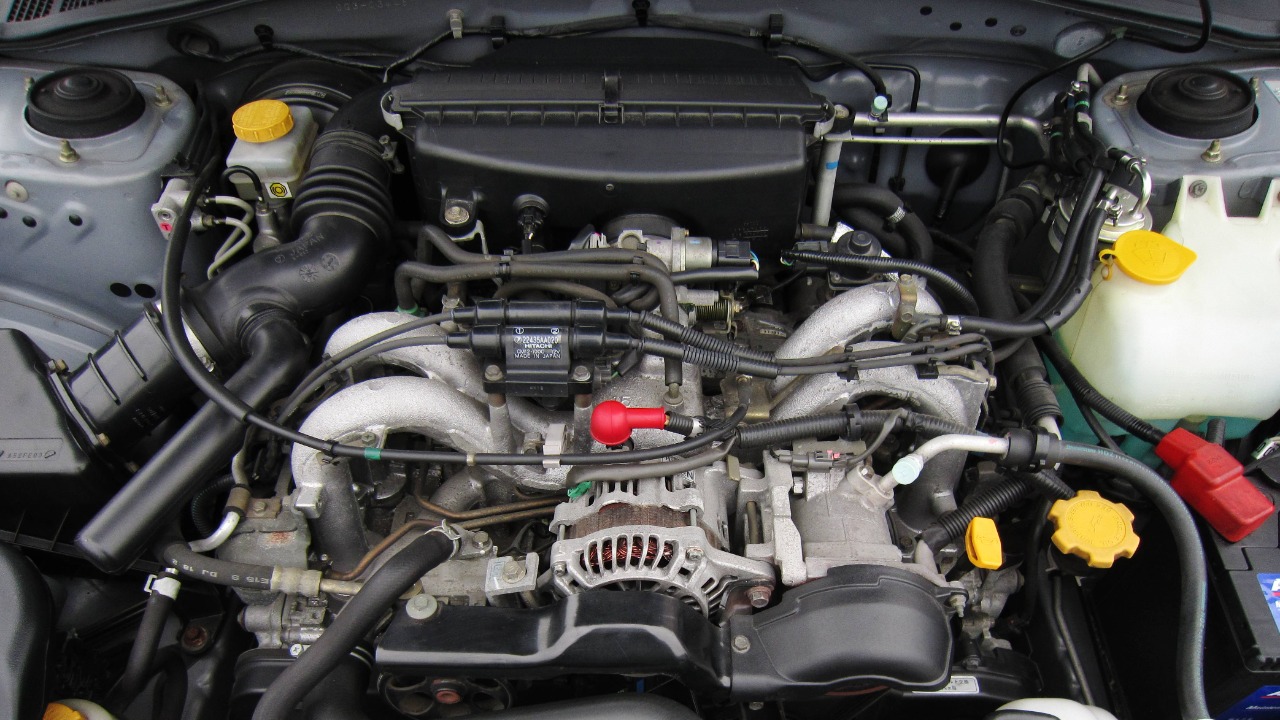
The Subaru EJ-Series engine has made a name for itself in the world of all-wheel-drive vehicles. Since its introduction in the early 1990s, this engine has powered numerous Subaru models, including the Impreza and Legacy. Known for its distinctive flat-four design, the EJ-Series offers a low center of gravity and excellent balance, contributing to its reliability and performance. Many Subaru owners report high mileage, often surpassing 200,000 miles, without major issues.
The engine’s robust construction features forged internals and durable components, making it suitable for various driving conditions, from daily commutes to off-road adventures. The Subaru community is active, with forums dedicated to sharing maintenance tips and performance upgrades. Enthusiasts often discuss their experiences with the EJ-Series, showcasing how its unique design and engineering contribute to its longevity. This engine, combined with Subaru’s all-wheel-drive technology, continues to be a favorite among adventure-seekers and daily drivers alike.
BMW M30 Inline-Six
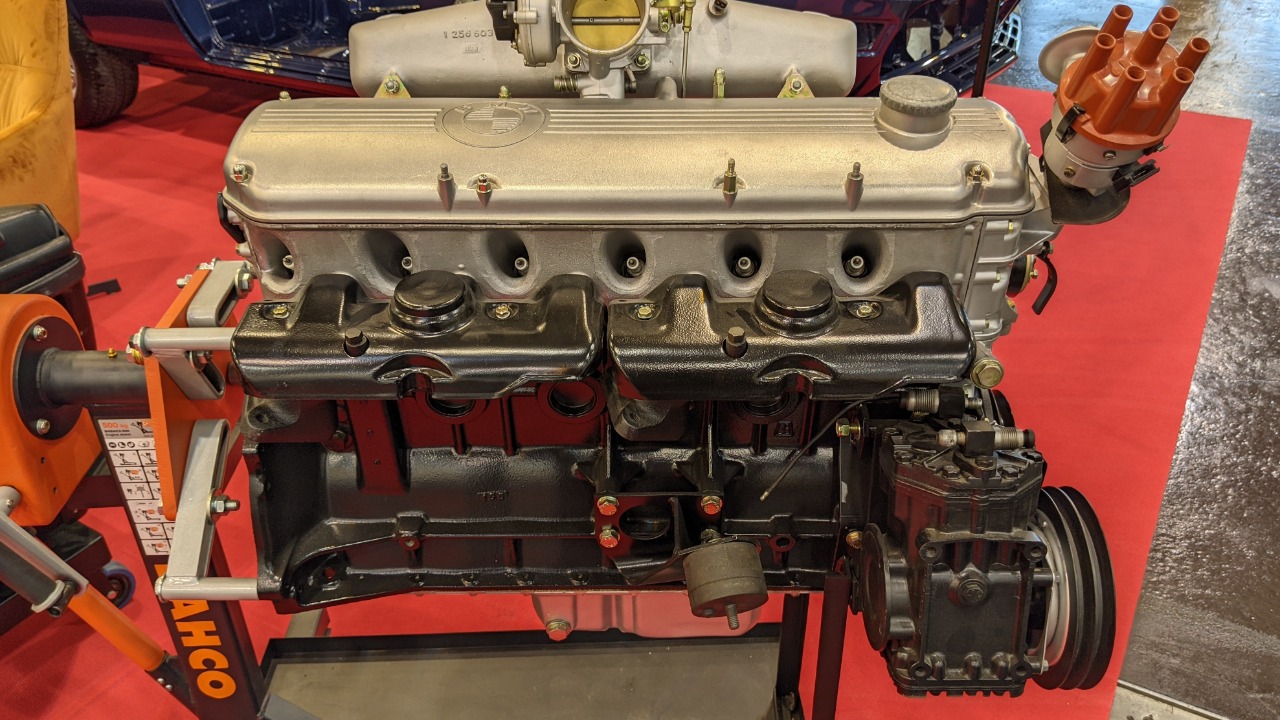
The BMW M30 Inline-Six engine is a classic powerhouse known for its smooth operation and remarkable durability. Produced from the late 1960s to the early 1990s, this engine powered iconic models like the BMW 5 Series and 7 Series. Its robust design features iron blocks and aluminum heads, contributing to its longevity. Many enthusiasts report their M30 engines exceeding 300,000 miles with proper maintenance, often sharing their experiences in BMW forums.
The M30’s simplicity makes it a favorite among DIY mechanics, allowing for straightforward repairs and modifications. Its reputation for reliability has earned it a loyal following, with many owners investing in performance upgrades to enhance its capabilities. The engine’s unique sound and character add to its appeal, making it a sought-after choice for classic car restorations. The M30 remains a testament to BMW’s engineering prowess and commitment to building long-lasting vehicles.
Nissan RB26DETT
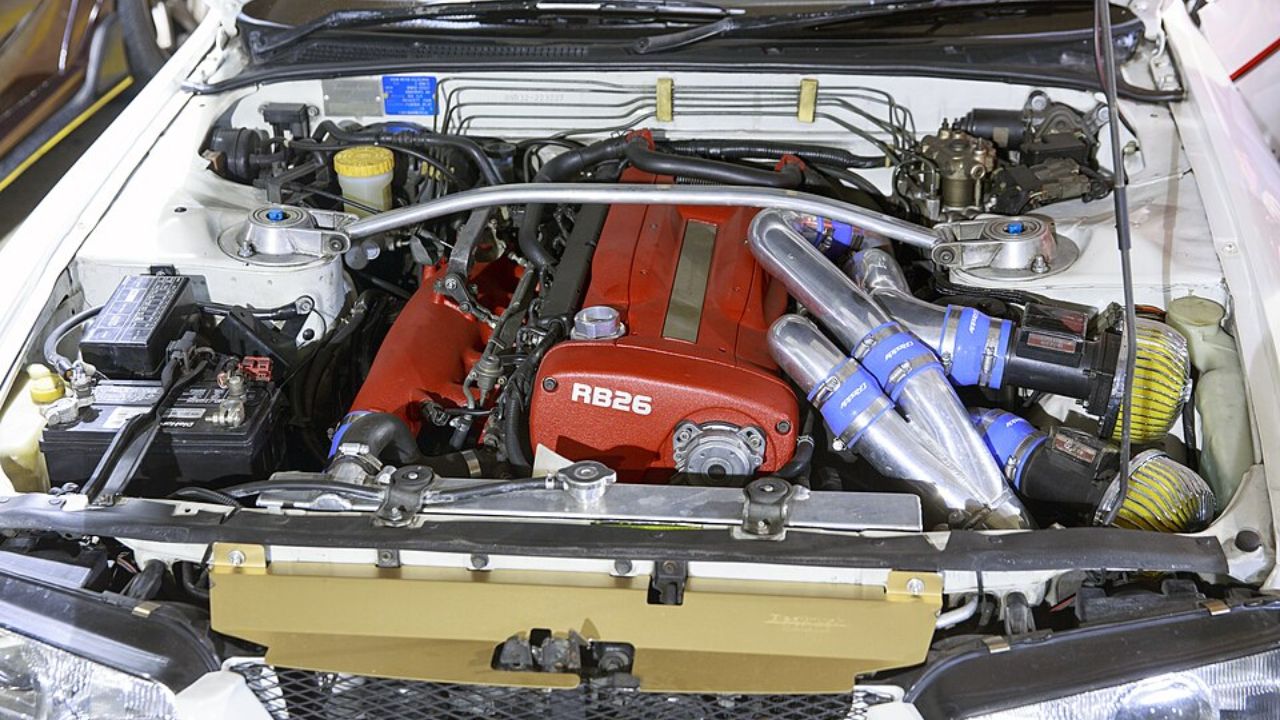
The Nissan RB26DETT engine is a legendary powerplant known for its performance and durability. Introduced in the late 1980s, this inline-six engine powered the iconic Nissan Skyline GT-R. Its robust construction, featuring iron blocks and forged internals, allows it to handle significant power increases without sacrificing reliability. Many RB26DETT engines have been known to exceed 200,000 miles while still delivering impressive performance.
Enthusiasts often choose the RB26DETT for performance builds, thanks to its strong aftermarket support. Many forums and communities discuss tuning options and share success stories, showcasing how the engine can handle significant modifications. The RB26 is celebrated not only for its performance but also for its ability to remain reliable under pressure. Its legacy continues to influence automotive culture, making it a sought-after engine for both racers and collectors.
Jeep 4.0 Inline-Six
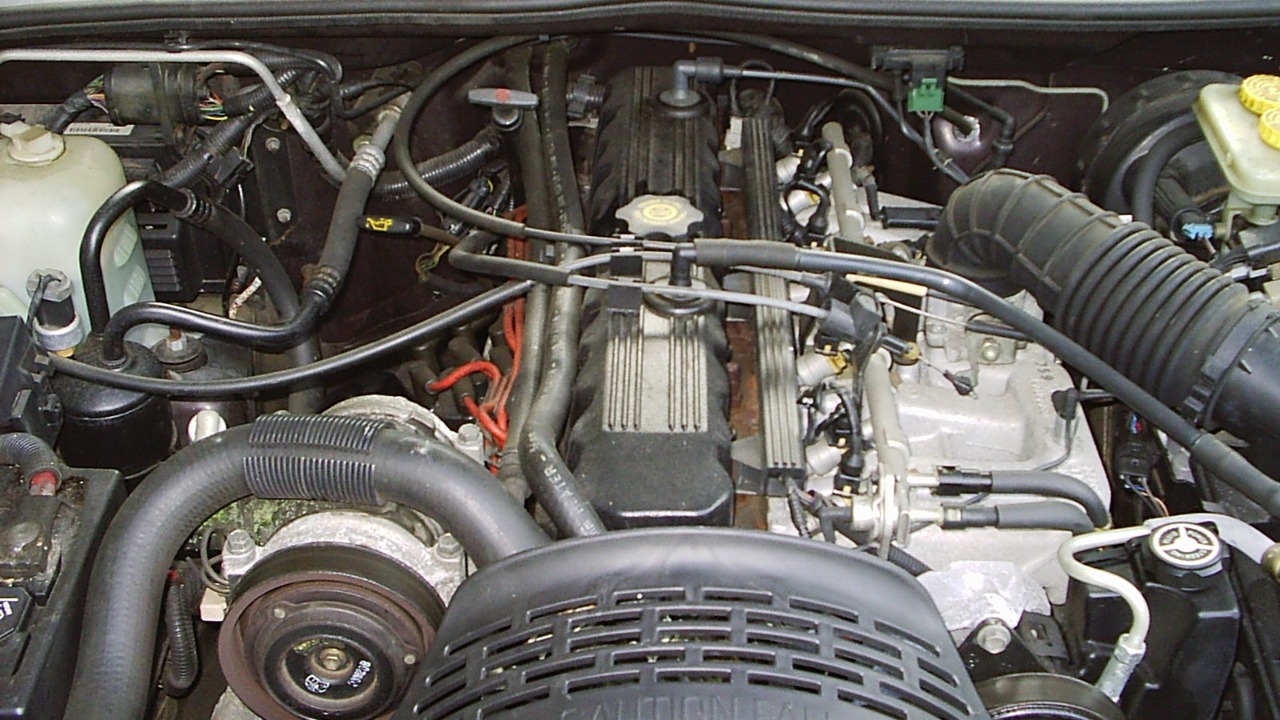
The Jeep 4.0 Inline-Six engine has earned a reputation for its ruggedness and reliability, making it a favorite among off-road enthusiasts. Produced from 1987 to 2006, this engine powered various Jeep models, including the Cherokee and Wrangler. Its simple design, featuring a cast-iron block and aluminum head, contributes to its ability to withstand harsh conditions. Many owners report their 4.0 engines exceeding 300,000 miles, often with minimal maintenance.
Enthusiasts appreciate the engine’s torque and performance, especially in off-road scenarios. The 4.0 has a dedicated following, with many forums and communities sharing tips for maintenance and modifications. Its reliability has made it a popular choice for engine swaps in various vehicles, proving that the 4.0 Inline-Six is not only durable but also versatile. Whether for daily driving or off-road adventures, this engine continues to be a trusted companion for many Jeep owners.
Porsche Flat-Six
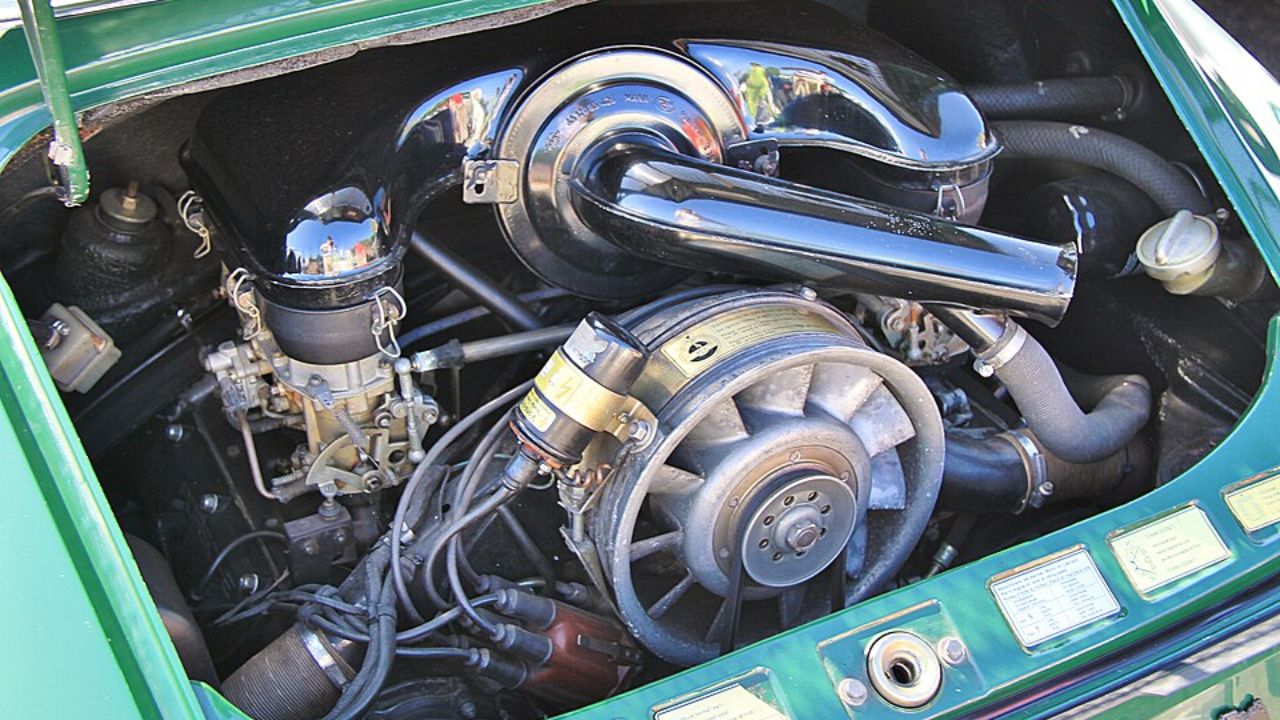
The Porsche Flat-Six engine has been a hallmark of the brand since the introduction of the 911 in the early 1960s. Renowned for its performance and reliability, this engine design has evolved over the decades while retaining its core characteristics. Many Porsche enthusiasts report their flat-six engines achieving over 200,000 miles with proper care. The engine’s unique design allows for a low center of gravity, enhancing handling and performance.
The flat-six has become synonymous with Porsche’s legacy in motorsport, powering countless models in various racing series. Its robust construction and attention to detail make it a favorite among collectors and enthusiasts alike. The Porsche community is vibrant, with many owners sharing their experiences and restoration projects, showcasing the longevity and performance of these remarkable engines. The flat-six continues to symbolize the spirit of Porsche, proving that it can withstand the test of time while delivering an exhilarating driving experience.
More from Fast Lane Only
- Unboxing the WWII Jeep in a Crate
- 15 rare Chevys collectors are quietly buying
- 10 underrated V8s still worth hunting down
- Police notice this before you even roll window down
*Research for this article included AI assistance, with all final content reviewed by human editors.