The quest for reliability in automotive engines has led to the enduring legacy of certain classic engines that continue to set the standard today. The engineering principles behind these powertrains, their proven performance in real-world scenarios, and the ongoing passion of enthusiasts all contribute to their reputation for reliability. Understanding why these classic engines remain benchmarks can provide valuable insights into automotive engineering and the characteristics that define a dependable powertrain.
Timeless Engineering Principles
One of the most striking features of classic engines is their simple designs. Many of these engines were conceived during an era when the focus was on functionality and reliability over complexity. For instance, the Ford Flathead V8, introduced in 1932, is a perfect example. Its uncomplicated structure allowed for easier servicing and repair, making it an ideal choice for drivers who needed dependability. By minimizing the number of moving parts and potential points of failure, these engines have demonstrated remarkable durability over decades of use.
Additionally, classic engines often utilize robust materials in their construction. Consider the Chevrolet small-block V8, which has been in production since 1955 and is renowned for its resilience. Built with high-quality cast iron and steel components, this engine has withstood the test of time, proving that the choice of materials can greatly influence an engine’s longevity. These durable materials not only enhance performance but also contribute to the overall reliability that classic engines are celebrated for.
Proven technologies also play a crucial role in the reliability of classic engines. Systems like carburetors, mechanical fuel pumps, and distributor ignition have been refined over decades. For example, the Volkswagen Type 1 engine, known as the Beetle engine, employs a simple air-cooled design that has become synonymous with reliability. Its straightforward technology has allowed countless enthusiasts to keep these engines running smoothly, illustrating how classic designs can outperform more complex modern alternatives.
Real-World Performance and Testing
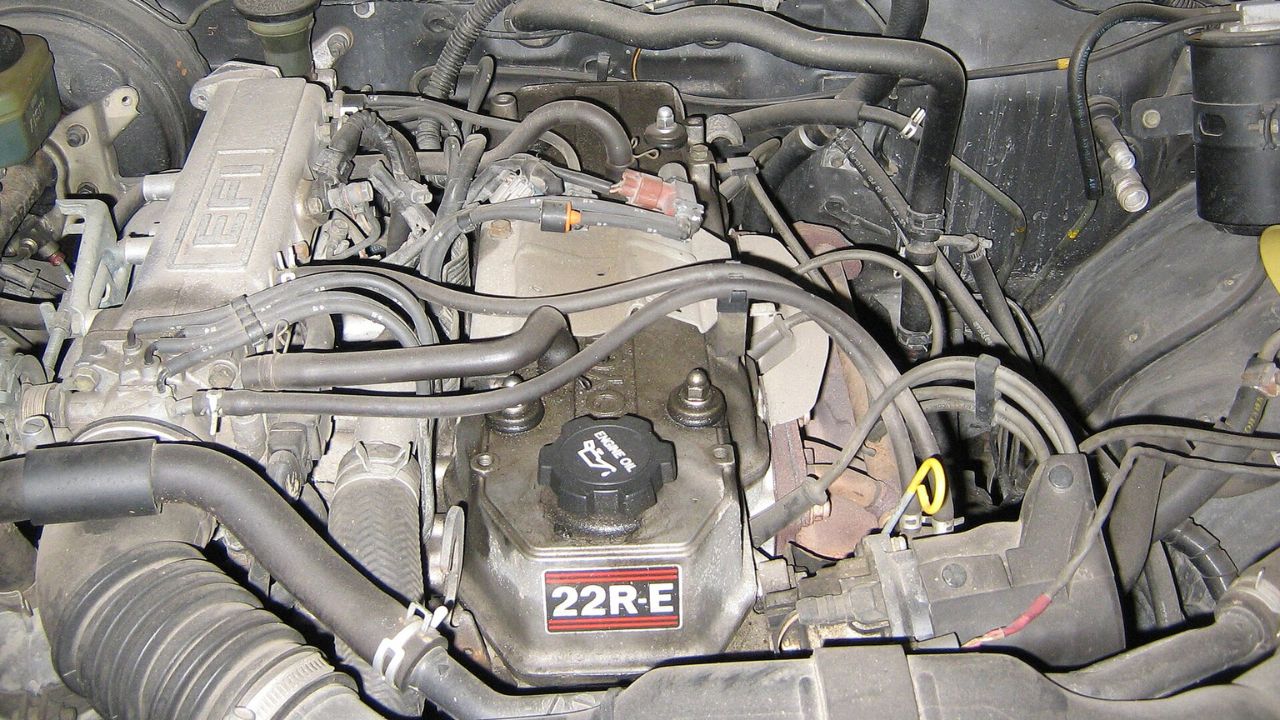
Many classic engines have been subjected to extensive real-world usage, providing invaluable data on their performance and reliability in various conditions. Take the Toyota 22R engine, for instance, which powered vehicles like the Toyota pickup and 4Runner from the late 1970s through the early 1990s. This engine is often hailed for its longevity, with many still running strong after hundreds of thousands of miles. The data gathered from these long-term use cases significantly reinforces the reputation of classic engines for reliability.
Endurance and reliability tests further affirm the resilience of these classic powertrains. For example, the Mercedes-Benz W123 series, produced from 1976 to 1985, was rigorously tested in various climates and conditions, showcasing its ability to endure extreme heat and cold without failure. Such historical tests provide a wealth of information on how these engines behave under pressure, further solidifying their status as benchmarks in reliability.
User testimonials from car enthusiasts and mechanics also paint a compelling picture of classic engine reliability. Many owners of classic cars report that their vehicles, powered by engines like the Ford 302 or the Buick 455, have required minimal maintenance over the years. These anecdotal pieces of evidence highlight the real-world effectiveness of classic engines, underscoring their reputation as reliable workhorses.
The Role of Maintenance and Care
The simplicity of classic engine designs often allows for easier maintenance, which is a significant factor contributing to their reliability. Mechanics familiar with these older systems can quickly diagnose and fix issues, ensuring that the engine runs optimally for years. For example, the simplicity of the Chevrolet 350 engine means that many classic car owners can perform routine maintenance themselves, such as oil changes and tune-ups, further enhancing the longevity of the engine.
Another advantage of classic engines is the availability of replacement parts. Many classic engines, including the Ford Mustang’s 289 and 302 engines, have a vast aftermarket support network. This ensures that parts are readily available, making repairs more straightforward and less costly. With a strong supply of components, maintaining these engines becomes less of a burden, allowing them to remain on the road longer.
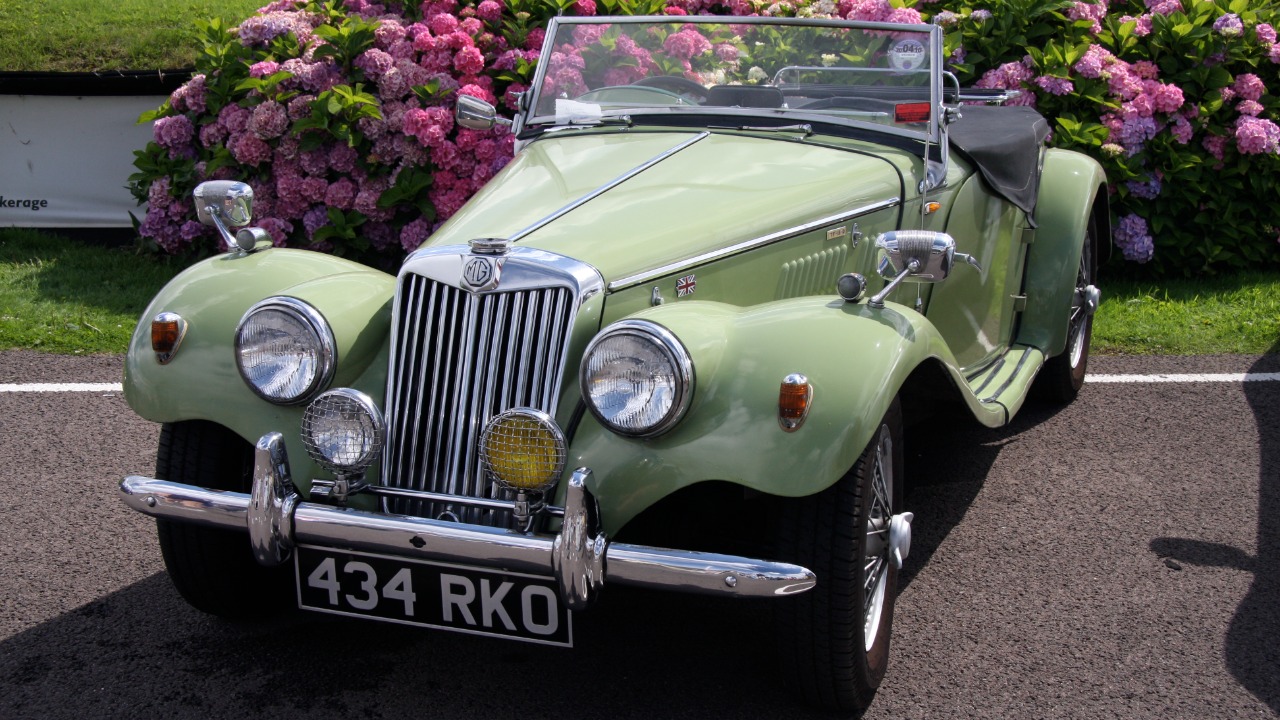
Community knowledge also plays a vital role in the reliability of classic engines. Enthusiast communities, such as those surrounding the Datsun Z-cars or the MG series, provide a wealth of information on proper maintenance practices. Forums, social media groups, and local car clubs offer advice on everything from engine tuning to sourcing hard-to-find parts. This collective knowledge helps ensure that classic engines continue to run reliably, even as they age.
Impact of Technological Advances
Interestingly, some classic engines have been successfully retrofitted with modern technology while maintaining their core designs. A notable example is the classic Chevrolet small-block V8, which has been adapted with modern fuel injection systems. This hybrid approach allows owners to enjoy improved efficiency and performance without sacrificing the reliability that these engines are known for. Such adaptations showcase how classic engines can evolve while still adhering to the principles that made them successful in the first place.
Advances in fuel technology and management systems have also enhanced the performance of classic engines without compromising their reliability. For example, the use of modern unleaded fuels and fuel additives can help prevent issues like valve seat recession in older engines, extending their lifespan significantly. This blend of old and new technology has made it possible for classic engines to maintain relevance in today’s automotive landscape.
Moreover, integrating electronic management systems into classic engines can help optimize performance. The use of aftermarket electronic control units (ECUs) can enhance fuel mapping and ignition timing, resulting in better fuel efficiency and smoother operation. This integration allows classic engines to meet modern performance standards while retaining their traditional reliability, demonstrating that there is room for innovation even in the realm of classic automotive engineering.
Comparative Analysis with Modern Engines
When comparing classic engines to their modern counterparts, a clear distinction emerges between complexity and reliability. Many modern engines incorporate intricate technology, such as turbocharging and variable valve timing, which can lead to reliability issues. In contrast, classic engines like the Honda B-series, which powered models like the Civic and Integra, are celebrated for their straightforward designs that prioritize dependability. By offering a simpler alternative, classic engines often provide a more reliable option for consumers.
The long-term cost of ownership is another important factor to consider. Classic engines typically require less expensive repairs and maintenance due to their simpler designs and the abundance of available parts. For example, maintaining a classic Jeep CJ with its straightforward inline-six engine can often be more economical than servicing a modern SUV that employs complex technology. This cost factor makes classic engines attractive not only for car enthusiasts but also for those looking for reliable daily drivers.
Market demand for classic engines remains strong, reflecting a desire for reliability and ease of use that some modern engines may not provide. The resurgence of interest in vintage cars, such as the Ford Bronco and the Chevrolet Camaro, illustrates that consumers appreciate the straightforward reliability offered by these classic designs. This growing enthusiasm for classic vehicles underscores that reliability remains a top priority for many automotive consumers, regardless of advancements in technology.
The Future of Classic Engines in a Modern Context
As we look toward the future, the integration of classic engines into sustainable practices presents exciting opportunities. Some enthusiasts are exploring electric conversions for classic cars, allowing them to retain their iconic designs while reducing their environmental impact. For instance, companies like Electric Classic Cars specialize in converting vintage vehicles to electric power, marrying classic aesthetics with modern eco-friendly technology.
The relevance of classic engines in automotive culture continues to thrive, influencing modern engineering practices. The principles that define reliability in classic engines—simplicity, durability, and ease of maintenance—are increasingly being recognized by contemporary manufacturers. As automakers seek to balance technology with reliability, the lessons learned from classic engines can guide them in developing future designs that prioritize these aspects.
Furthermore, the rise of younger enthusiasts who value history and reliability is crucial for the preservation of classic engines. Groups like the Classic Car Club of America and online communities dedicated to vintage cars are fostering a new generation of car lovers. These enthusiasts appreciate the craftsmanship and engineering that went into classic engines, ensuring that their legacy endures. As they restore and maintain these engines, they contribute to the ongoing narrative of reliability and excellence in automotive engineering.
More from Fast Lane Only
- Unboxing the WWII Jeep in a Crate
- 15 rare Chevys collectors are quietly buying
- 10 underrated V8s still worth hunting down
- Police notice this before you even roll window down
*Research for this article included AI assistance, with all final content reviewed by human editors.