Classic cars have a timeless appeal, and many of them still pack a punch when it comes to performance. As I delve into the world of vintage automobiles, I find that certain models from the past continue to feel exhilarating and fast even by today’s standards. Here’s a look at eleven iconic vehicles that have retained their thrill factor over the years.
Porsche 911 (1964)
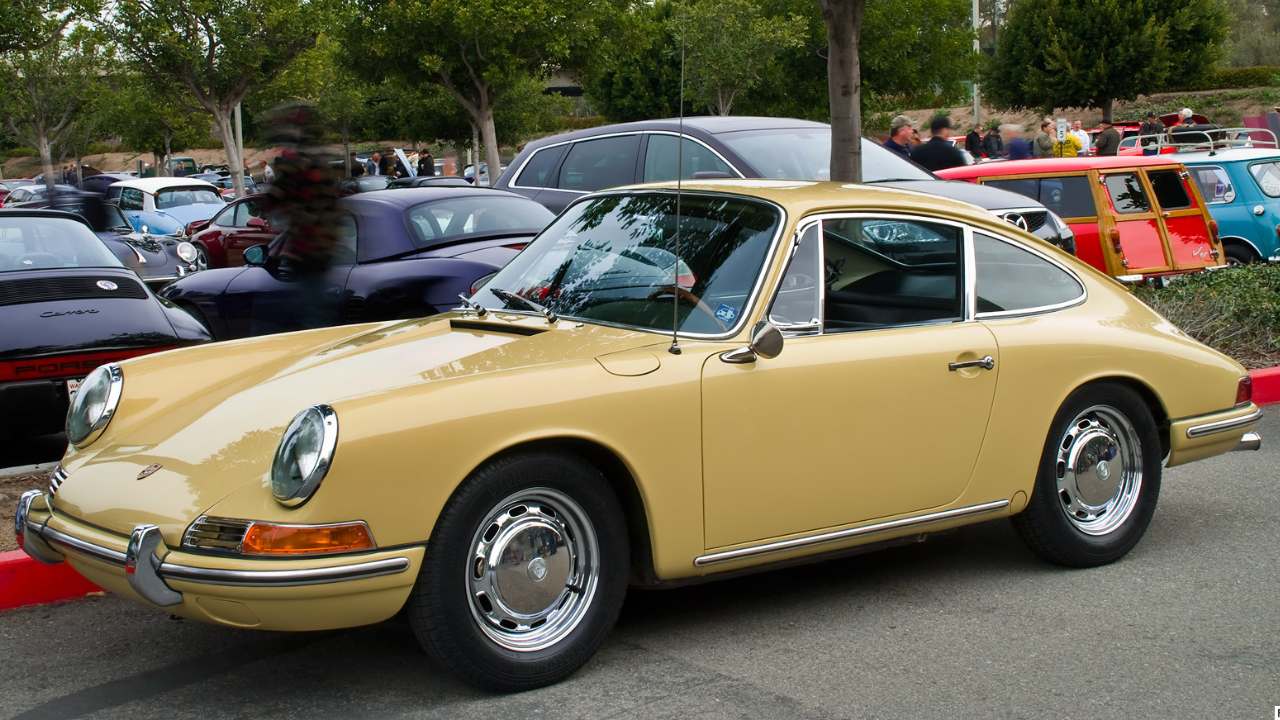
The Porsche 911, introduced in 1964, has long been celebrated for its unique design and outstanding performance. With a rear-engine layout and a sleek silhouette, this car was revolutionary for its time. The original models boasted a 2.0-liter flat-six engine producing around 130 horsepower, allowing it to accelerate from 0-60 mph in just under 8 seconds. While modern iterations of the 911 have evolved, the classic version still feels nimble and responsive on the road.
Driving a classic 911 is an experience that transcends time. The combination of precise steering, light weight, and balanced weight distribution creates a thrilling driving experience. Even today, enthusiasts appreciate the rawness of the early models, which offer a direct connection between the driver and the road. If you’re interested in exploring the enduring legacy of the 911, check out MotorWeek for reviews of classic and modern models alike.
Chevrolet Corvette Stingray (1963-1967)

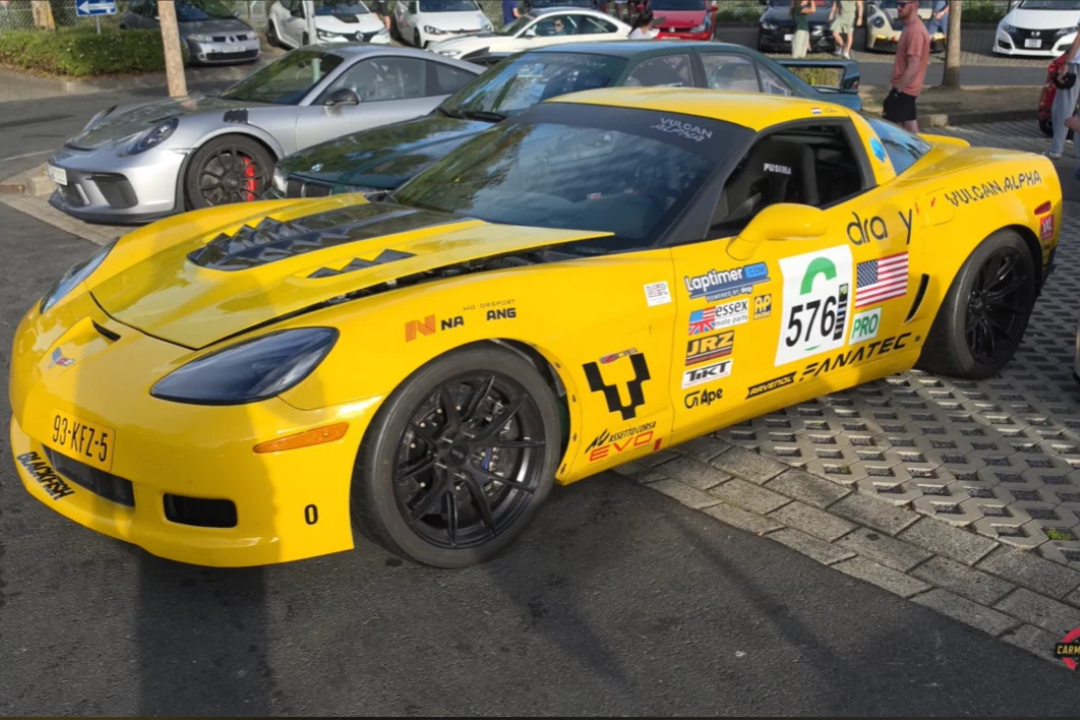
The Chevrolet Corvette Stingray, particularly the models produced between 1963 and 1967, represents a significant chapter in American automotive history. With its iconic split rear window and aggressive stance, this car turned heads and ignited passions. Under the hood, the Stingray featured a range of powerful V8 engines, the most notable being the 427 cubic inch big block, capable of producing 435 horsepower. This power allowed for impressive acceleration and a top speed that rivals many modern sports cars.
Driving a Stingray feels like being behind the wheel of a true performance machine. The combination of sleek design, lightweight fiberglass body, and robust powertrain makes for an exhilarating ride. Even decades later, enthusiasts flock to classic car shows to admire these beauties and share their experiences. If you want to dive deeper into the classic car scene, articles on HotCars provide a fascinating look at how certain models have achieved classic status.
Ford Mustang (1965-1970)
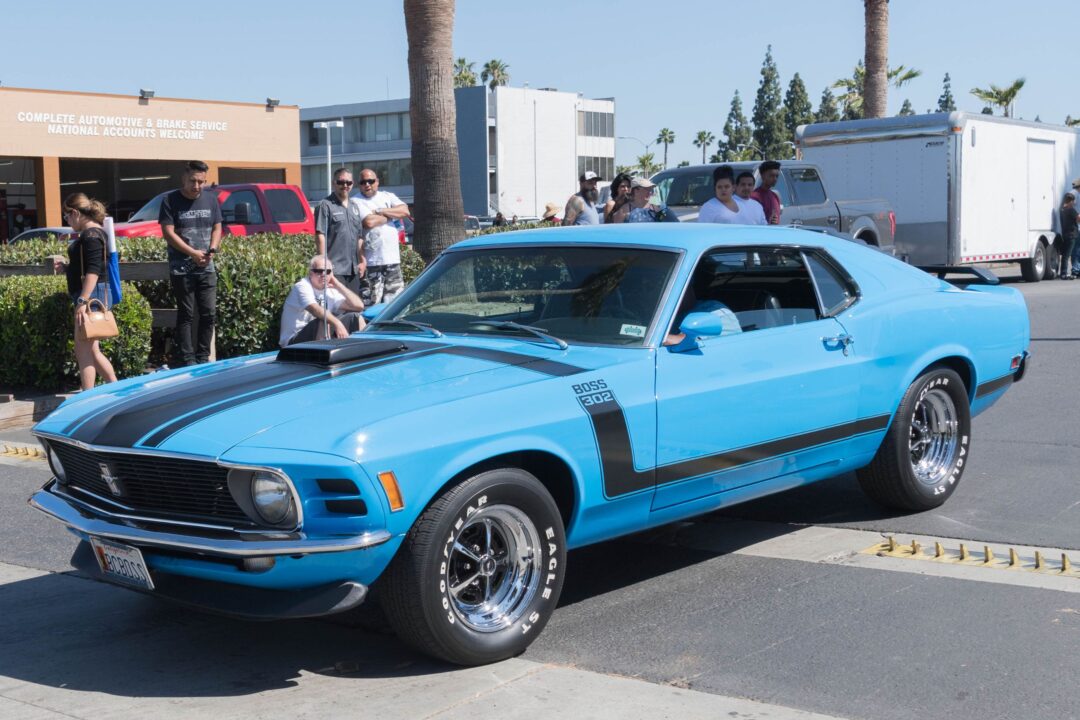
The Ford Mustang, launched in 1965, redefined the American muscle car segment. Its combination of style, performance, and affordability made it an instant hit. With options for powerful engines, including the renowned 289 cubic inch V8, the Mustang could deliver exhilarating performance, making it a favorite among driving enthusiasts. The early Mustangs could reach 0-60 mph in under 8 seconds, a respectable feat that still impresses today.
What makes the classic Mustang feel fast is not just its horsepower but the overall driving experience. The throaty roar of the V8 engine, coupled with a sporty suspension setup, provides an engaging feel behind the wheel. Whether cruising down a highway or navigating twisty roads, the Mustang delivers a sense of freedom and excitement. For those looking to explore more about classic models, resources like Google Books offer insights into the history and impact of the Mustang.
Jaguar E-Type (1961-1975)
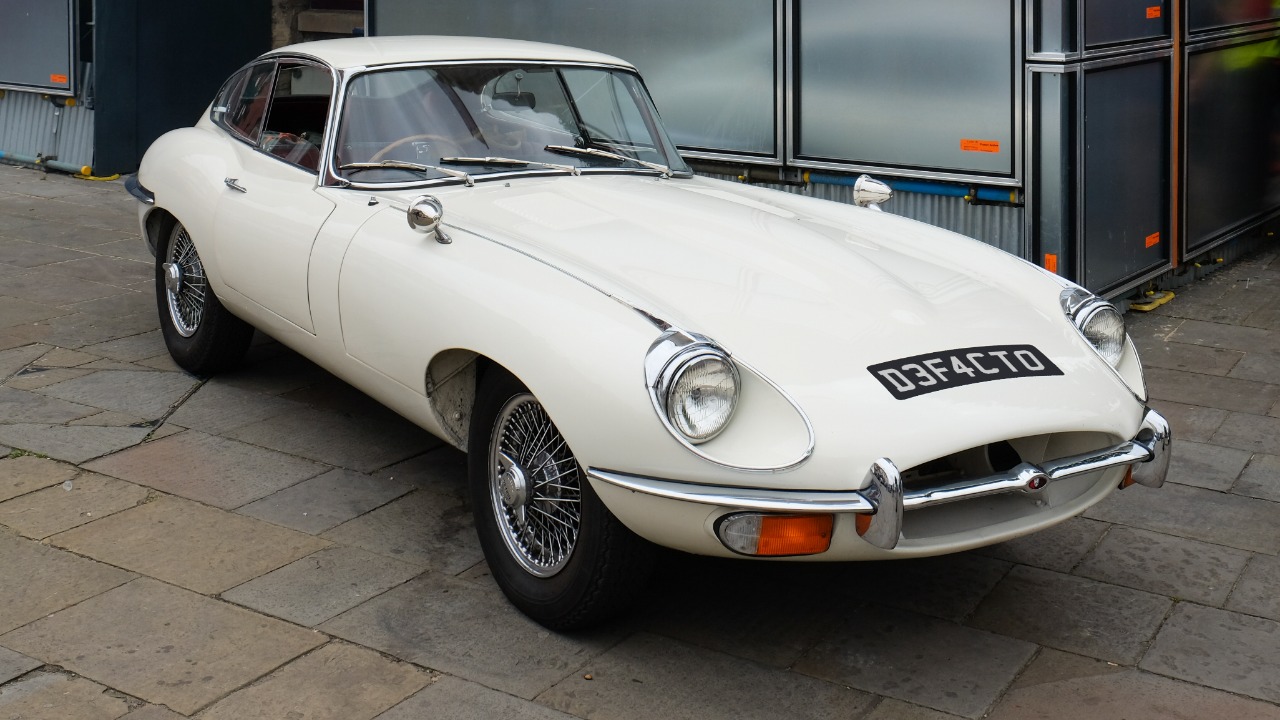
The Jaguar E-Type, often hailed as one of the most beautiful cars ever made, combines aesthetics with performance. Launched in 1961, it featured a sleek, aerodynamic design and a powerful inline-six engine that produced up to 265 horsepower in later models. Its lightweight construction and advanced engineering allowed the E-Type to reach speeds of over 150 mph, which was astonishing for its time.
Driving an E-Type is a sensory experience; the combination of its elegant design, roaring engine, and precise handling creates an unmatched thrill. Even today, the E-Type remains a sought-after classic, embodying the spirit of British motoring. Its legacy continues to influence modern sports cars, showcasing how timeless design and engineering can create vehicles that feel fast, even after decades. If you’re intrigued by classic cars, consider reading about iconic models here.
Dodge Charger R/T (1968-1970)
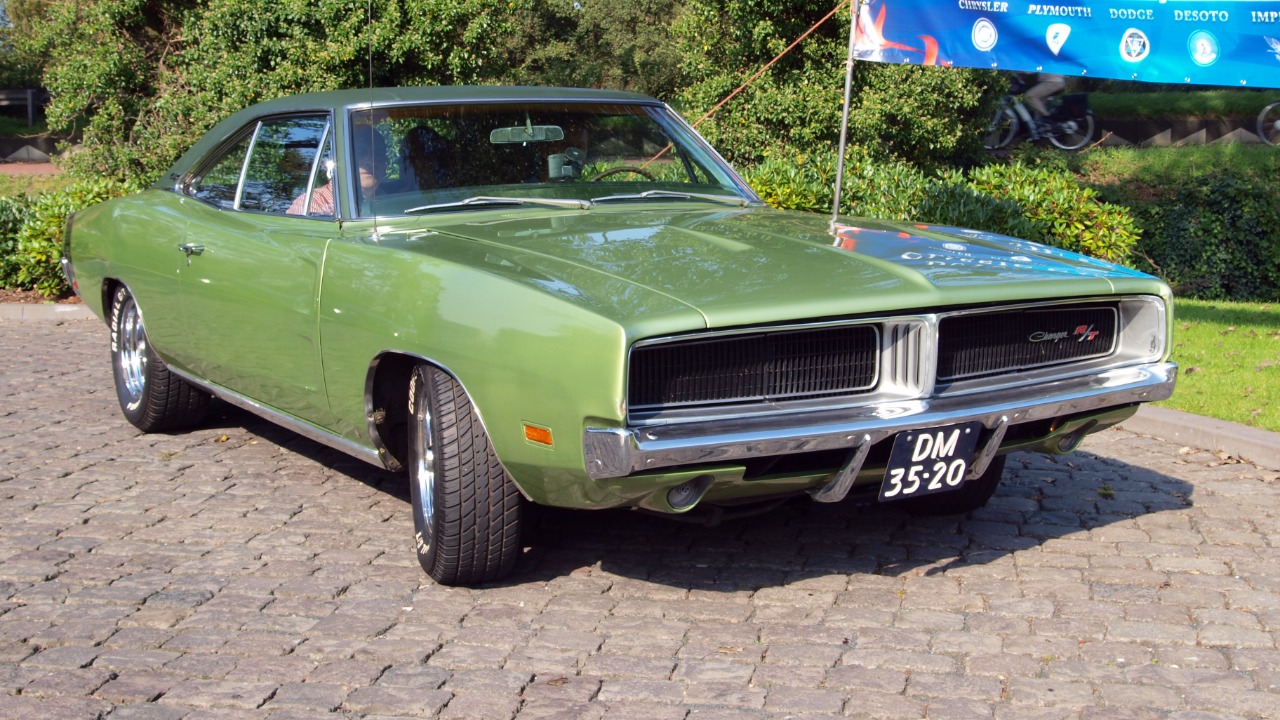
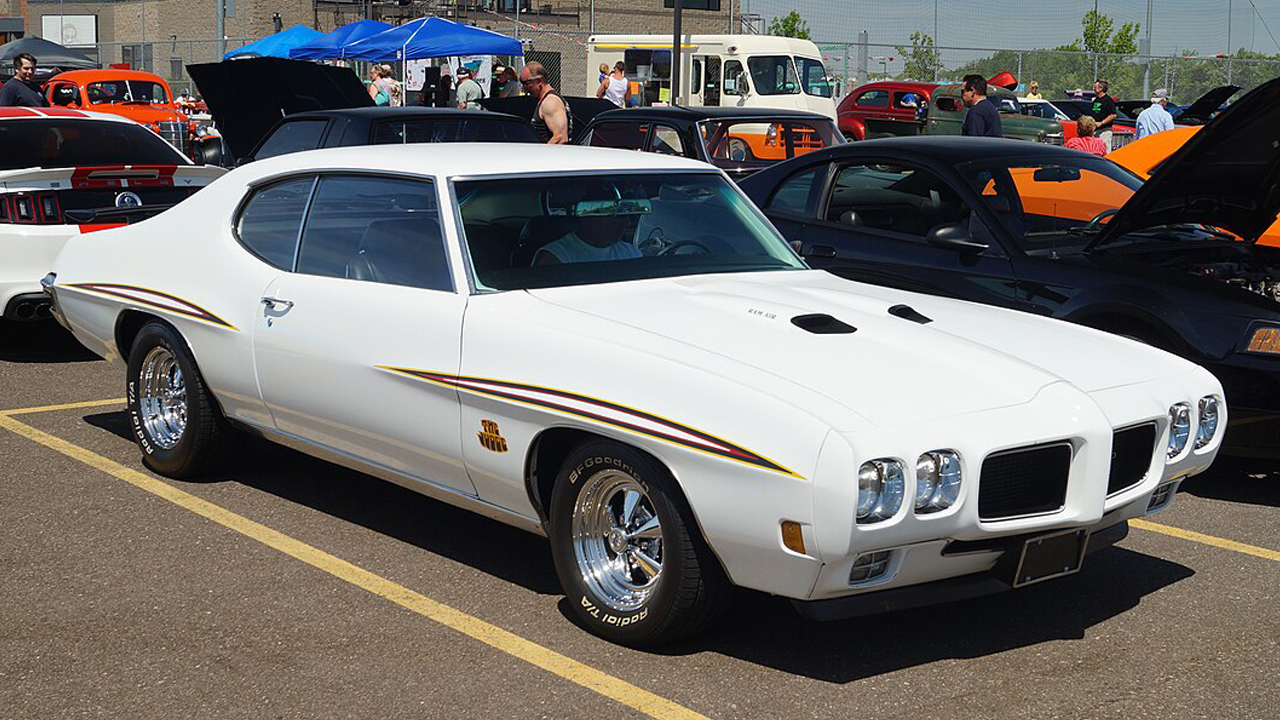
The Dodge Charger R/T from 1968 to 1970 is an iconic American muscle car known for its aggressive styling and formidable performance. With a range of powerful V8 engines, including the legendary 426 Hemi, the Charger R/T could produce over 400 horsepower, offering blistering acceleration and a distinctive growl. Its bold design and wide stance give it a road presence that still commands respect today.
The driving experience in a Charger R/T is exhilarating, as the car’s power and torque provide an adrenaline rush. The combination of rear-wheel drive and a robust powertrain allows for engaging handling, making it a thrill to drive on both straightaways and winding roads. This muscle car has left a lasting legacy, influencing countless modern vehicles. For muscle car enthusiasts, exploring the history of the Charger is a must, especially in the context of other classic models from the era.
Ferrari 246 GT Dino (1969-1974)
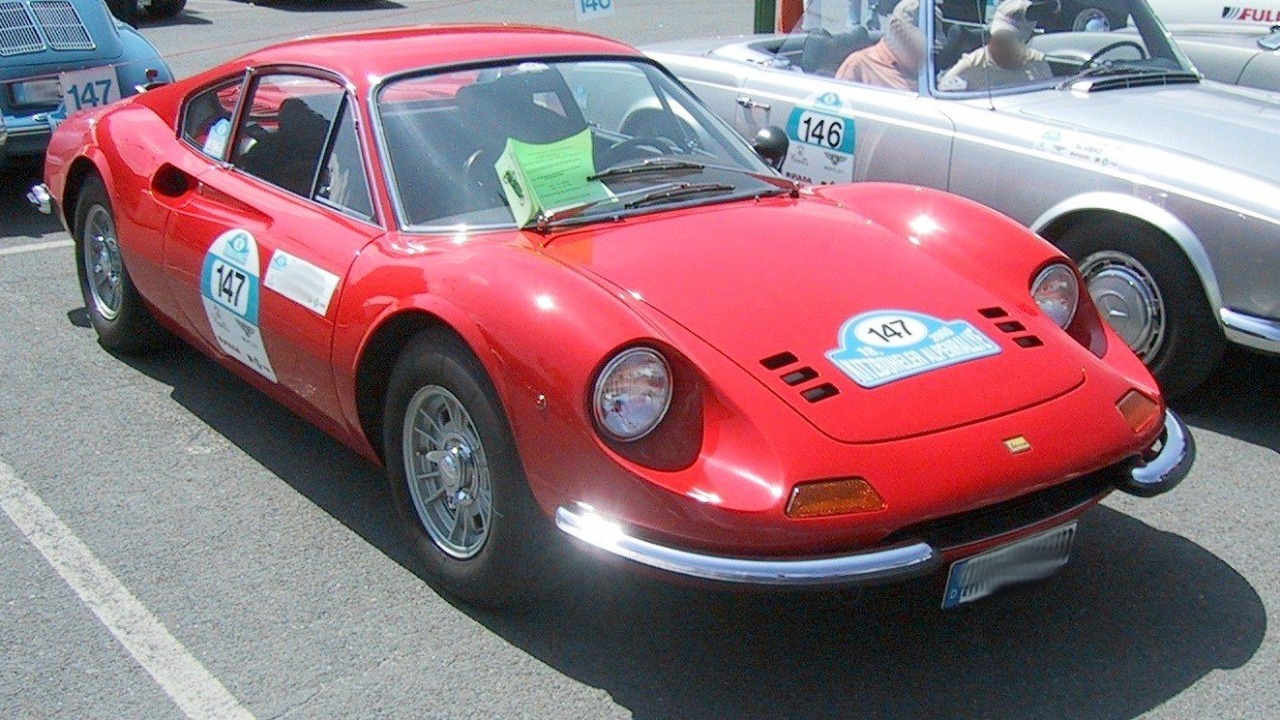
The Ferrari 246 GT Dino, produced between 1969 and 1974, is a masterpiece of Italian automotive engineering. With its mid-engine layout and a 2.4-liter V6 engine, the Dino offered an exhilarating driving experience that is still revered today. With 195 horsepower, it might not seem like much compared to modern supercars, but its lightweight construction and exceptional handling make it feel fast on the road.
The design of the Dino is equally impressive, showcasing Ferrari’s commitment to aesthetics and performance. The car’s low profile and curvy lines capture attention and admiration wherever it goes. Behind the wheel, the Dino offers a responsive feel, allowing drivers to connect with the road like few other cars can. This blend of performance and beauty has cemented the Ferrari 246 GT Dino as a classic that continues to inspire car enthusiasts around the globe.
Lamborghini Miura (1966-1973)

The Lamborghini Miura, produced from 1966 to 1973, is often credited as the world’s first supercar. Featuring a mid-mounted V12 engine that produced around 350 horsepower, the Miura was capable of reaching speeds over 170 mph, a groundbreaking achievement at the time. Its stunning design and innovative engineering set the standard for future high-performance vehicles.
Driving a Miura is an extraordinary experience. The combination of its powerful engine, sleek aerodynamics, and precise handling creates an exhilarating ride that feels as thrilling today as it did in the 1960s. The Miura’s legacy endures, influencing the development of modern supercars and solidifying its status as a cornerstone of automotive history. For those passionate about classic cars, the Miura represents the pinnacle of performance and design.
Maserati Ghibli (1967-1973)
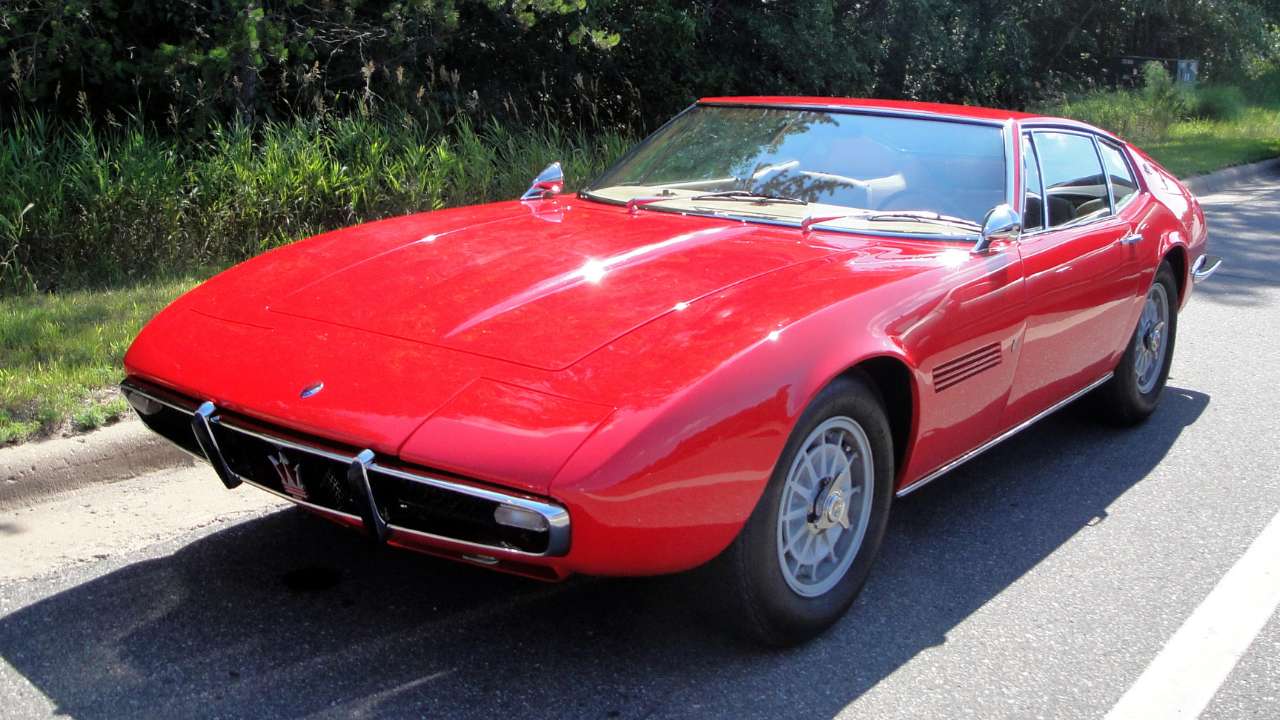
The Maserati Ghibli, produced between 1967 and 1973, is a striking example of Italian luxury and performance. With a powerful V8 engine delivering up to 330 horsepower, the Ghibli could accelerate from 0-60 mph in just 5.4 seconds, making it one of the fastest cars of its time. Its elegant design, characterized by long lines and a low profile, adds to its allure.
Behind the wheel, the Ghibli offers a luxurious driving experience, combining comfort with exhilarating performance. The car’s responsive handling and refined suspension make it a pleasure to drive, whether on city streets or winding country roads. Even today, the Ghibli stands out as a symbol of sophistication and speed, captivating enthusiasts who appreciate both its beauty and performance.
Toyota 2000GT (1967-1970)
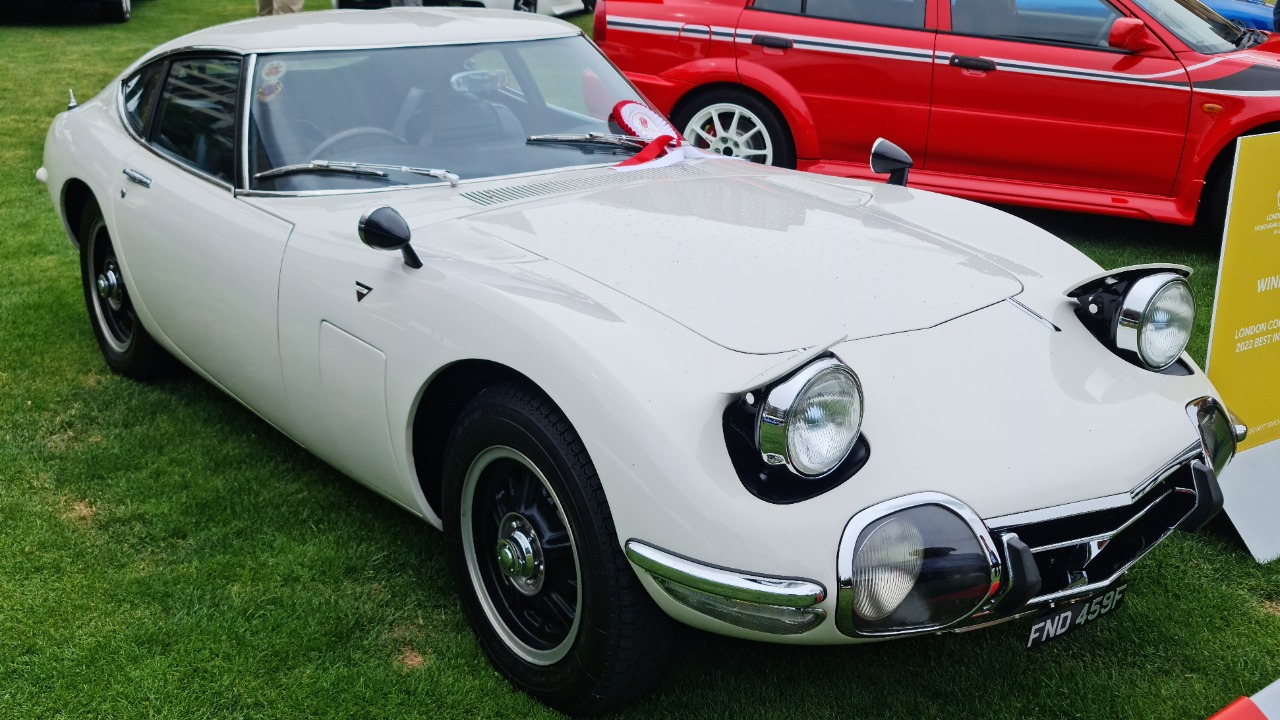
The Toyota 2000GT, produced from 1967 to 1970, is often hailed as Japan’s first true sports car. With its lightweight body and a 2.0-liter inline-six engine producing 150 horsepower, the 2000GT could reach a top speed of around 135 mph. Its sleek design and advanced engineering made it a standout in the automotive landscape of the time.
Driving a 2000GT is a unique experience that combines performance with a sense of nostalgia. The car’s precise steering and balanced handling allow for an engaging driving experience. Its rarity and iconic status have made it a highly sought-after classic, with collectors and enthusiasts valuing its historical significance and timeless appeal.
BMW 2002 Turbo (1973)

The BMW 2002 Turbo, released in 1973, holds the distinction of being one of the first production turbocharged cars. With a 2.0-liter inline-four engine producing 170 horsepower, the 2002 Turbo could accelerate from 0-60 mph in just 6.9 seconds. Its compact size and lightweight construction make it feel agile and responsive, even by modern standards.
Driving the 2002 Turbo is a thrilling experience, as the turbocharger adds an exciting rush of power. The car’s sporty suspension and precise steering enhance its performance, making it a joy to drive. Even decades later, the 2002 Turbo remains a beloved classic among enthusiasts, showcasing BMW’s innovative spirit and commitment to performance.
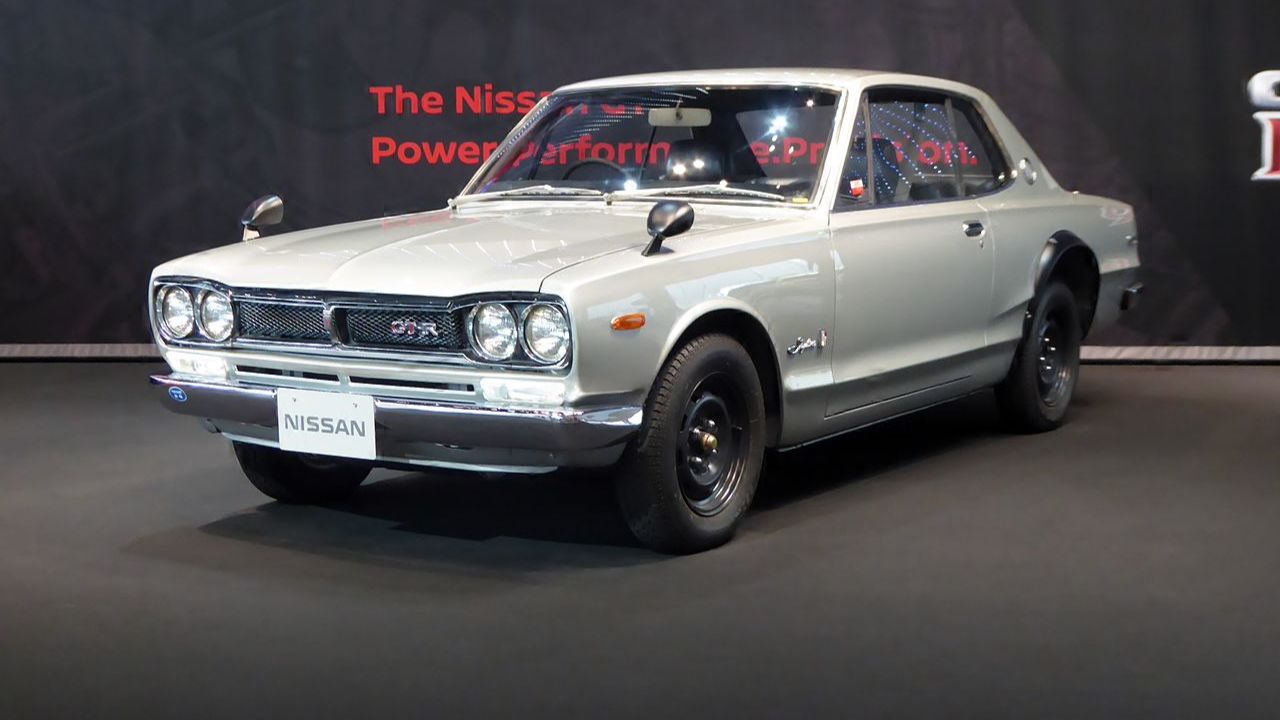
Nissan Skyline GT-R (1971-1972)
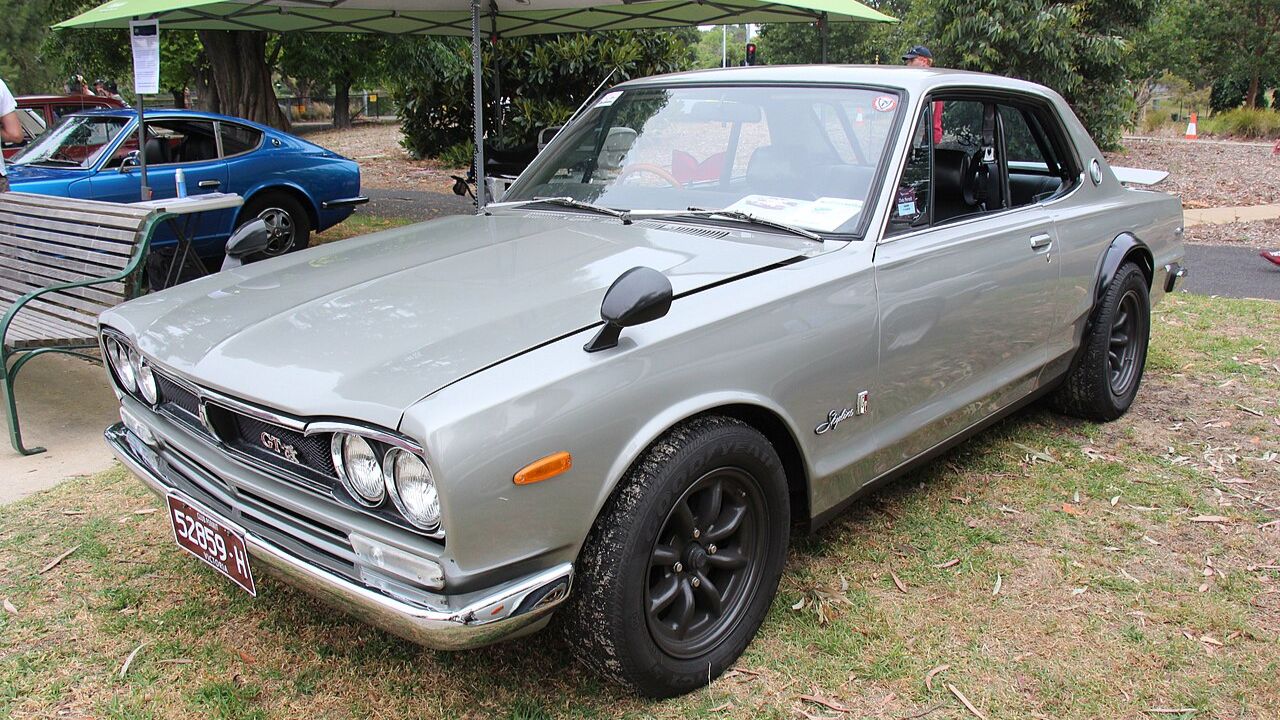
The Nissan Skyline GT-R, produced in 1971-1972, is a legend in the world of performance cars. With a 2.0-liter inline-six engine producing 160 horsepower, it was designed for racing and road performance. The GT-R’s advanced aerodynamics and lightweight construction allowed it to deliver impressive speed and handling, making it a force to be reckoned with on the track.
Driving a Skyline GT-R feels exhilarating, with its responsive acceleration and precise steering providing an engaging experience. Even today, this classic car is celebrated for its performance and racing heritage, attracting enthusiasts worldwide. The legacy of the Skyline GT-R continues to influence modern performance cars, ensuring its place in automotive history.
More from Fast Lane Only
- Unboxing the WWII Jeep in a Crate
- 15 rare Chevys collectors are quietly buying
- 10 underrated V8s still worth hunting down
- Police notice this before you even roll window down
*Research for this article included AI assistance, with all final content reviewed by human editors.