The classic BMW models of yesteryear redefined performance, combining precision engineering with exhilarating speed, often rivaling the robust American muscle cars of their time. Their engineering prowess and innovative designs helped them carve a unique niche in the automotive world, distinguishing them from their American counterparts. By examining the historical context, key models, and performance metrics, it becomes evident that BMW’s rich legacy in performance cars continues to influence the automotive landscape today.
The Rise of BMW Performance Cars
BMW’s journey into the performance market began in the mid-20th century, a time when the brand was primarily known for its luxury vehicles and aircraft engines. The turning point came in the 1960s when BMW introduced the 2002 model, a compact sports sedan that combined agility with power. This model not only won the hearts of enthusiasts but also laid the groundwork for BMW’s reputation as a manufacturer of performance vehicles. The success of the 2002 led to the creation of the BMW 3 Series in the 1970s, which further established the company’s commitment to delivering thrilling driving experiences.
The engineering philosophy behind BMW’s performance lineage is deeply rooted in their “Ultimate Driving Machine” mantra. This approach emphasizes the importance of balance, precision, and responsiveness, qualities that have become synonymous with the BMW brand. By focusing on rear-wheel drive configurations and near-perfect weight distribution, BMW has consistently produced vehicles that offer exceptional handling and driving dynamics.
American Muscle Cars: The Competition
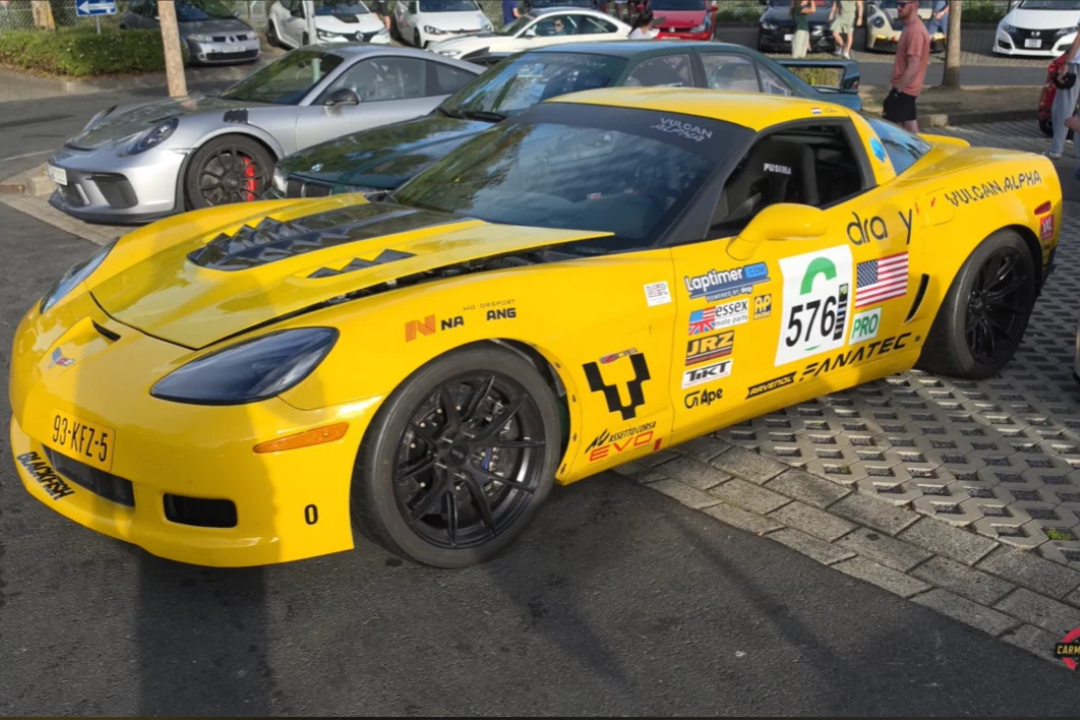
The American muscle car phenomenon burst onto the scene in the 1960s, characterized by powerful V8 engines, aggressive styling, and an emphasis on straight-line speed. Models like the Ford Mustang, Chevrolet Camaro, and Dodge Charger quickly became icons, appealing to a generation of drivers looking for raw power and performance at an accessible price. These cars were designed for performance enthusiasts who valued speed and acceleration over refinement and handling.
Key characteristics that defined muscle cars included their large displacement engines, often exceeding 400 cubic inches, which produced immense horsepower and torque. The thrill of acceleration and the roar of a V8 engine became hallmarks of the muscle car era. Notable models like the 1969 Chevrolet Camaro Z28 and the 1970 Ford Mustang Mach 1 set new benchmarks for performance that challenged European brands, including BMW, to step up their game.
The BMW M Series: A Game Changer
The introduction of the BMW M Series in the late 1970s marked a significant shift in the performance landscape. The M1, launched in 1978, was BMW’s first-ever mid-engine sports car and showcased the brand’s commitment to motorsport and performance. This model was not just about speed; it was a testbed for many technologies that would later filter into BMW’s production cars. The M1’s impact on performance standards was profound, influencing future models and solidifying BMW’s reputation as a manufacturer of high-performance vehicles.
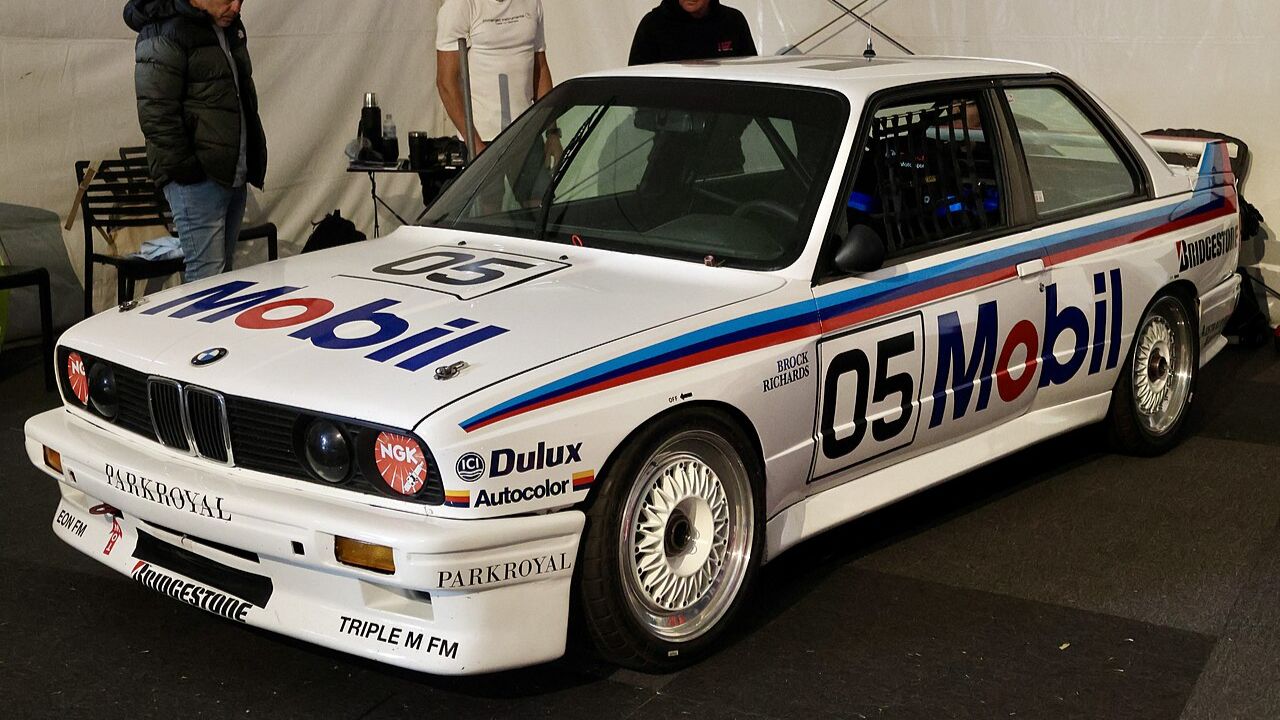
Following the M1, models like the M3 and M5 emerged, setting new benchmarks for what a performance car could achieve. The E30 M3, introduced in the 1980s, became a cult classic, known for its lightweight construction and agility. It dominated motorsport events, showcasing the effectiveness of BMW’s engineering philosophy. Similarly, the E28 M5 was heralded as the world’s first super-sedan, combining luxury and performance in a way that had never been seen before. Innovations such as advanced aerodynamics, lightweight materials, and powerful inline-six engines set the M Series apart from its competitors.
Performance Metrics: BMW vs. American Muscle
When comparing performance metrics, BMWs often hold their own against American muscle cars, despite different engineering philosophies. For instance, the BMW M5, particularly the E60 model produced between 2005 and 2010, boasted a V10 engine producing up to 500 horsepower, allowing it to accelerate from 0-60 mph in just 4.1 seconds. In contrast, the Chevrolet Camaro SS, with its 6.2L V8, delivers similar performance with a 0-60 mph time of around 4.0 seconds, showcasing the close competition between these two automotive giants.
Track performance is another area where BMW excels. The M series models are designed for handling precision, with features like adaptive suspension systems and advanced traction control. On the other hand, while American muscle cars are often celebrated for their straight-line speed, they can struggle with cornering and agility, primarily due to their weight and suspension setups. For instance, the BMW M3 G80 has been praised for its superior handling capabilities on track, allowing it to outmaneuver many muscle cars in tight corners.
Design and Engineering Excellence
The aesthetic appeal of BMW vehicles reflects their engineering excellence. The design philosophy emphasizes a balance between sportiness and elegance, creating vehicles that are visually striking while remaining functional. BMW’s signature kidney grille and sharp lines convey a sense of performance, while the overall design promotes aerodynamics and stability at high speeds. In contrast, American muscle cars often adopt a more aggressive and muscular design, focusing on bold lines and an imposing presence.
Engineering innovations have played a crucial role in enhancing BMW’s performance. Lightweight construction techniques, such as the use of carbon fiber-reinforced plastic in the M models, contribute to improved speed and handling. Additionally, advancements in aerodynamics, including active spoilers and air intakes, help these vehicles maintain stability at high speeds. Innovations like fuel injection and turbocharging have also allowed BMW to extract more power from smaller engines, further closing the gap with the larger engines found in American muscle cars.
Driving Experience: What Sets BMW Apart
The driving experience offered by BMW vehicles is often cited as one of the key factors that set them apart from American muscle cars. BMW places a strong emphasis on driving dynamics, ensuring that their cars provide a connection between the driver and the road. Features such as precise steering feedback, well-tuned suspensions, and rear-wheel drive layouts contribute to a more engaging driving experience. This focus on handling and control allows BMW drivers to enjoy a level of performance that is often described as exhilarating.
Moreover, BMW’s commitment to weight distribution—typically near 50:50—enhances cornering capabilities and overall stability. This aspect is particularly evident in models like the M3, which has garnered acclaim from both drivers and critics alike for its agile handling and responsiveness. In contrast, American muscle cars, while powerful, may not offer the same level of tactile feedback and precision, often leading to a different driving experience that prioritizes raw power over finesse.
The Cultural Impact of BMW Performance Models
BMW cars have transcended mere transportation to become symbols of luxury and performance, influencing car culture across the globe. The brand’s success in motorsport, particularly in touring car championships, has solidified its status among performance enthusiasts. BMW’s involvement in events like the DTM (Deutsche Tourenwagen Masters) showcases their engineering capabilities and commitment to racing excellence, further enhancing their image as a performance powerhouse. This cultural significance is evident in the brand’s loyal following, which often rivals that of American muscle car enthusiasts.
Moreover, the comparisons of brand loyalty between BMW and American muscle brands illustrate a fascinating divide in automotive culture. While muscle car enthusiasts often celebrate the heritage and raw power of American vehicles, BMW aficionados appreciate the blend of luxury, cutting-edge technology, and performance. This cultural impact is reflected in various online communities and forums, where discussions about the merits of each brand continue to thrive. For instance, groups like the Camaro Club of America and various BMW enthusiast forums frequently engage in lively debates about performance and design.
Legacy and Evolution of BMW Performance
As the automotive industry evolves, so too does the legacy of BMW’s performance models. The transition from traditional combustion engines to electric and hybrid technologies represents a significant shift for the brand. Yet, BMW is not shying away from this change; instead, they are embracing it, with models like the i4 and the upcoming iX showcasing how the brand can maintain its performance ethos in a more sustainable manner. This evolution is reminiscent of the challenges faced by American muscle cars, which must also adapt to changing consumer preferences and environmental regulations.
The influence of past BMW models continues to inform current design and performance strategies. The M Series, in particular, serves as a benchmark for new models, ensuring that the brand’s performance heritage is preserved even as technology advances. As we look to the future, it is clear that BMW’s commitment to performance will remain strong, positioning the brand as a leader in the evolving landscape of automotive innovation. The integration of technology, such as advanced driver-assistance systems and performance-enhancing software, will likely play a crucial role in ensuring that BMW maintains its competitive edge against traditional muscle cars and new entrants alike.
More from Fast Lane Only