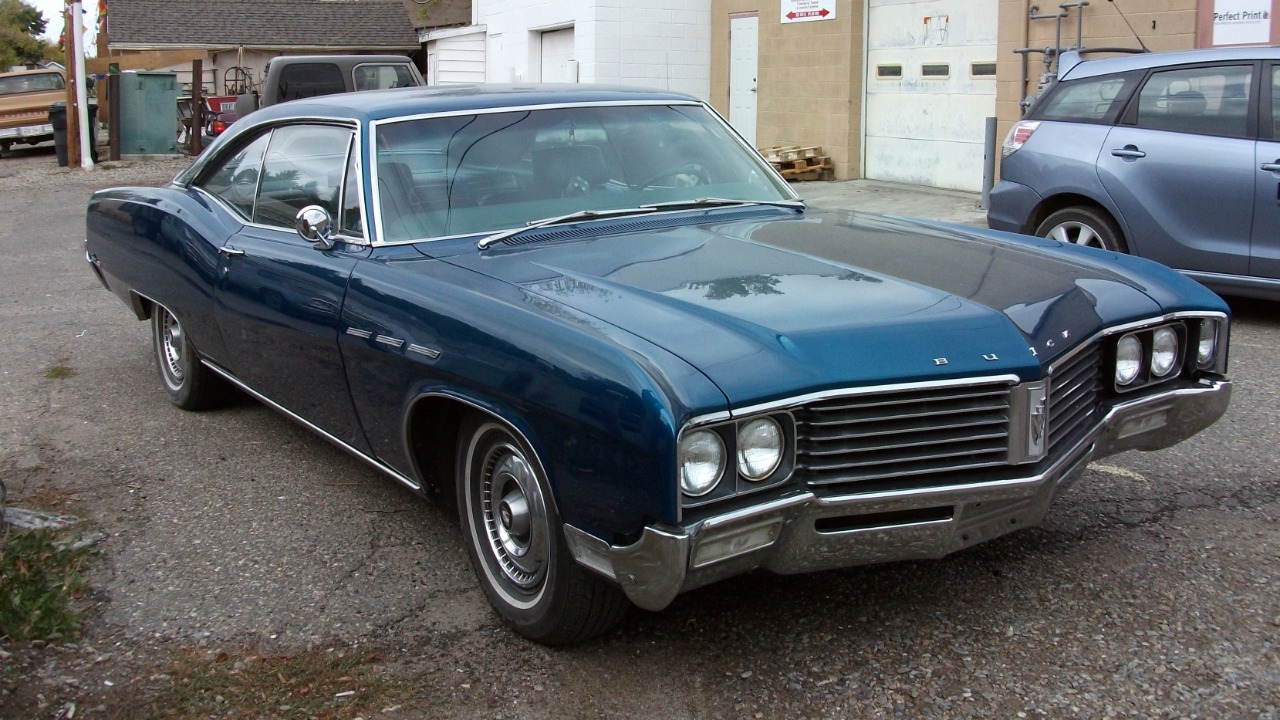
The 1967 Buick LeSabre stands as a testament to automotive design and engineering of its era, combining luxurious comfort with a classic aesthetic. With its elegant lines and spacious interior, the LeSabre became a popular choice among families and car enthusiasts alike, reflecting the aspirations of mid-1960s America. As I delve into the key features, historical context, and lasting appeal of this iconic vehicle, it becomes clear why the LeSabre holds a special place in automotive history.
Historical Context of the 1967 Buick LeSabre
Buick has a storied history that stretches back to the early 1900s, evolving through various automotive eras. By the mid-1960s, the brand had established itself as a symbol of American luxury, appealing to a demographic that sought both performance and comfort. The introduction of the 1967 LeSabre marked a significant point in Buick’s timeline, showcasing the brand’s commitment to quality and style. The LeSabre was positioned as a full-size car that offered a balance of affordability and sophistication, making it an attractive option for middle-class families.
During the mid-60s, the United States was experiencing a post-war economic boom, leading to an increase in disposable income and a growing desire for personal vehicles. This era saw a cultural shift where the automobile became a status symbol, reflecting the American dream of freedom and mobility. The LeSabre was designed with this mindset, appealing to consumers who valued both aesthetics and functionality. Buick recognized this trend and created the LeSabre to cater to buyers seeking a stylish yet practical vehicle.
Design Features of the 1967 Buick LeSabre
The exterior design of the 1967 Buick LeSabre is characterized by its distinctive lines and chrome accents, which were hallmarks of mid-century automotive styling. The elongated body, with its sweeping curves and bold front grille, exuded a sense of elegance that was hard to ignore. Buick’s design team paid careful attention to detail, ensuring that the LeSabre stood out among its competitors. The model featured a sleek profile that not only enhanced its aesthetic appeal but also contributed to better aerodynamics, a crucial consideration for performance in that era.
Inside, the LeSabre was designed with passenger comfort in mind. The spacious interior was adorned with high-quality materials, offering a plush experience that was typical of Buick vehicles. Seating was generous, accommodating up to six passengers with ease. The dashboard was thoughtfully laid out, featuring easy-to-read instruments and a stylish design that blended functionality with luxury. Color options and trim packages allowed buyers to customize their vehicles, with choices ranging from classic whites and blues to vibrant reds and greens, enhancing the overall appeal of the LeSabre.
Performance and Technology
The 1967 Buick LeSabre offered several engine options, catering to a range of performance and efficiency preferences. The base model came equipped with a 300-cubic-inch V8 engine, delivering a respectable 210 horsepower. For those seeking a bit more power, an optional 340-cubic-inch V8 engine was available, producing up to 250 horsepower. This variety allowed buyers to choose an engine that suited their driving style, whether they preferred a smooth, leisurely ride or a more spirited driving experience.
Transmission options included a standard three-speed manual and an optional two-speed automatic, which enhanced the driving experience by providing smoother shifts and improved acceleration. The combination of powerful engines and well-engineered transmissions contributed to the LeSabre’s reputation for performance without sacrificing comfort. Technological innovations for the 1967 model included features such as power steering, which made maneuvering the vehicle easier, and an array of radio options that catered to the entertainment needs of drivers and passengers alike.
Consumer Reception and Impact
Upon its release, the 1967 Buick LeSabre was met with positive reviews from both consumers and automotive critics. Sales figures reflected its popularity, with Buick selling over 150,000 units during its production year. The vehicle’s combination of style, comfort, and performance struck a chord with buyers, who appreciated the value it offered in the full-size car segment. Critics lauded the LeSabre for its smooth ride and spacious interior, reinforcing Buick’s reputation as a leader in the luxury automobile market.
Feedback from consumers highlighted the LeSabre’s reliability and comfort, making it a preferred choice for families and long-distance travelers. Its reputation for quality helped solidify Buick’s place in American car culture, influencing the design and marketing of subsequent models. The LeSabre’s success also underscored the shifting preferences of consumers, who increasingly sought vehicles that combined practicality with a touch of luxury.
Legacy of the 1967 Buick LeSabre
Today, the 1967 Buick LeSabre is regarded as a classic car, with a dedicated following among collectors and enthusiasts. Its design and engineering set a standard for future Buick models, and its influence can still be seen in contemporary automotive designs. The LeSabre’s status as a vintage vehicle has made it a sought-after model at car shows and auctions, with well-preserved examples fetching impressive prices among collectors.
Anecdotes from owners and enthusiasts often highlight the car’s enduring charm and nostalgic appeal. Many recall long road trips with family, the comfortable seats, and the feeling of cruising down the highway in a vehicle that represented an era of American automotive excellence. The 1967 LeSabre serves as a reminder of a time when cars were built with an emphasis on comfort and style, capturing the spirit of its age.
The role of the 1967 LeSabre in automotive history cannot be overstated. It not only represents a significant point in Buick’s legacy but also serves as a reflection of the broader trends in American car culture during the 1960s. As I reflect on the impact of the LeSabre, it’s clear that this model has left an indelible mark on the landscape of classic automobiles, celebrated for its design, performance, and lasting appeal.
More from Fast Lane Only
- Unboxing the WWII Jeep in a Crate
- 15 rare Chevys collectors are quietly buying
- 10 underrated V8s still worth hunting down
- Police notice this before you even roll window down
*Research for this article included AI assistance, with all final content reviewed by human editors.