The 1970s were a transformative decade for the automotive industry, with cars that defined not just a generation but also the landscapes of suburbs and highways across America. This era was marked by innovation, style, and a departure from the conservative designs of the past. Whether you were cruising down the freeway or parked in a driveway, these classic cars brought a fresh sense of freedom and excitement. Let’s take a look at 11 iconic models from the 1970s that contributed to this automotive renaissance.
Ford Mustang II
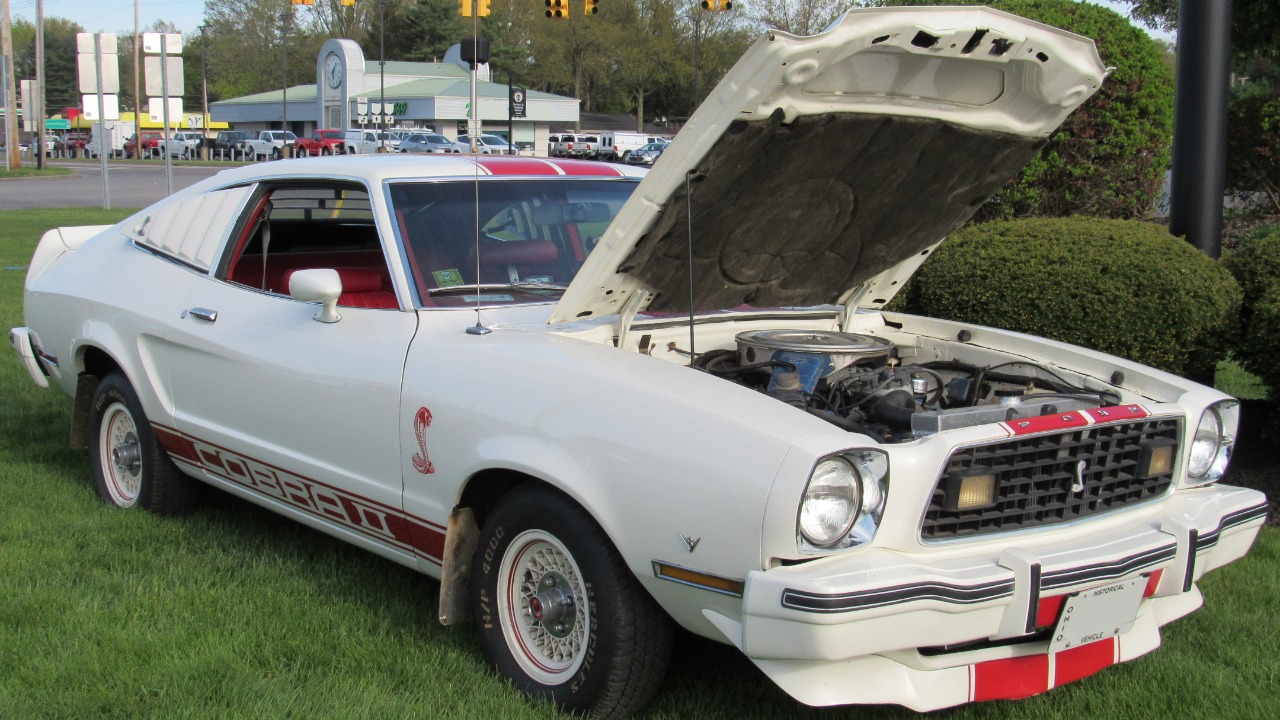
The Ford Mustang II, produced from 1974 to 1978, was a significant departure from its predecessor, the classic Mustang. Designed to comply with new fuel economy regulations, the Mustang II was smaller and more fuel-efficient, appealing to the growing demand for compact cars. Despite its downsized stature, it retained the sporty aesthetic that Mustang enthusiasts loved. Many remember the 1976 Cobra II, which featured a distinctive stripe package and powerful V8 options. The Mustang II showcased the versatility of the Mustang brand, bridging the gap between the muscle car era and the emerging demand for more economical vehicles. It remains a symbol of the spirited 70s automotive culture.
Chevrolet Camaro
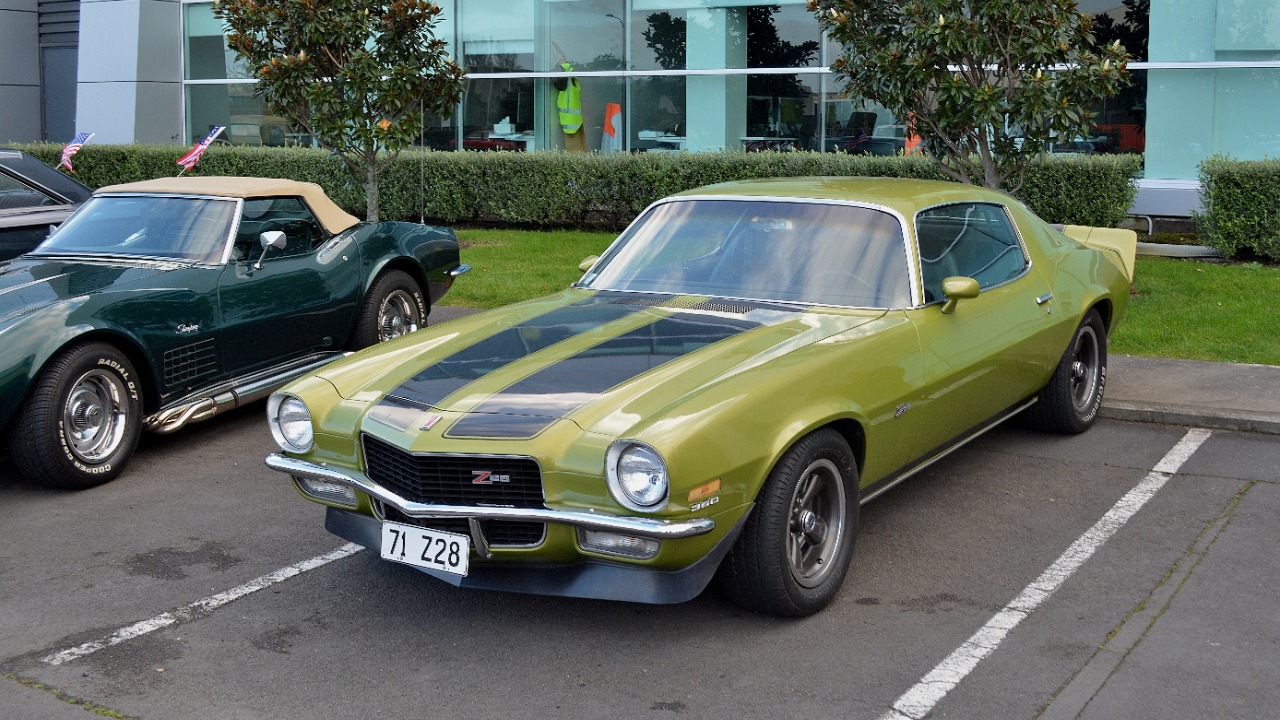
Introduced in 1966, the Chevrolet Camaro continued to make waves throughout the 1970s, especially with the second generation launched in 1970. This iteration offered a more aggressive design and a range of powerful engine options that appealed to muscle car fans. The Z28, in particular, emerged as a performance leader, boasting a 350 cubic inch V8 engine. The Camaro became a staple on both suburban streets and racetracks, known for its performance and style. Its iconic shape and roaring engine left a lasting impression and solidified its place in automotive history, making it a popular choice among car enthusiasts and collectors alike.
Dodge Challenger
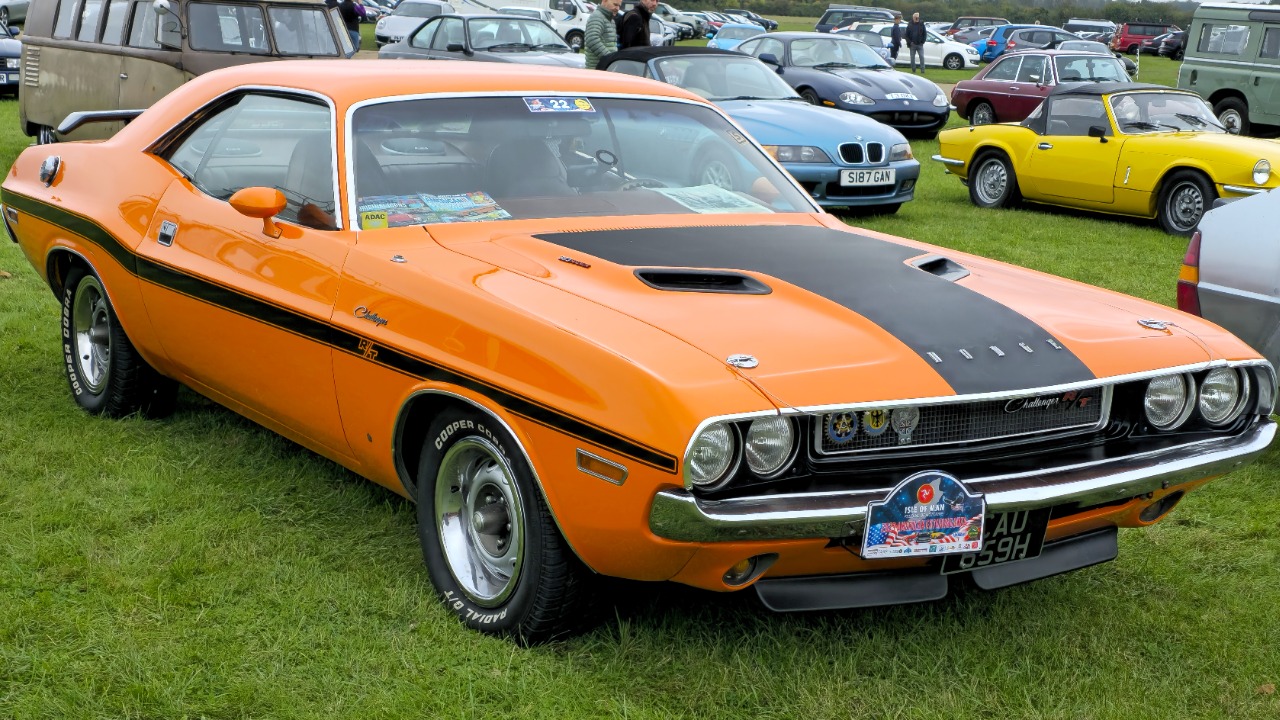
The Dodge Challenger, introduced in 1970, quickly became a symbol of American muscle. With its bold styling and powerful engines, including the legendary HEMI, it captured the hearts of performance lovers. The Challenger’s design was characterized by a long hood and a short rear deck, giving it an aggressive stance that stood out on the road. Despite production halting in 1974, the Challenger left a lasting legacy, inspiring a resurgence of interest in classic muscle cars. Its raw power and striking design have made it a sought-after classic car, with enthusiasts often restoring models from the 1970s to their former glory.
Pontiac Firebird
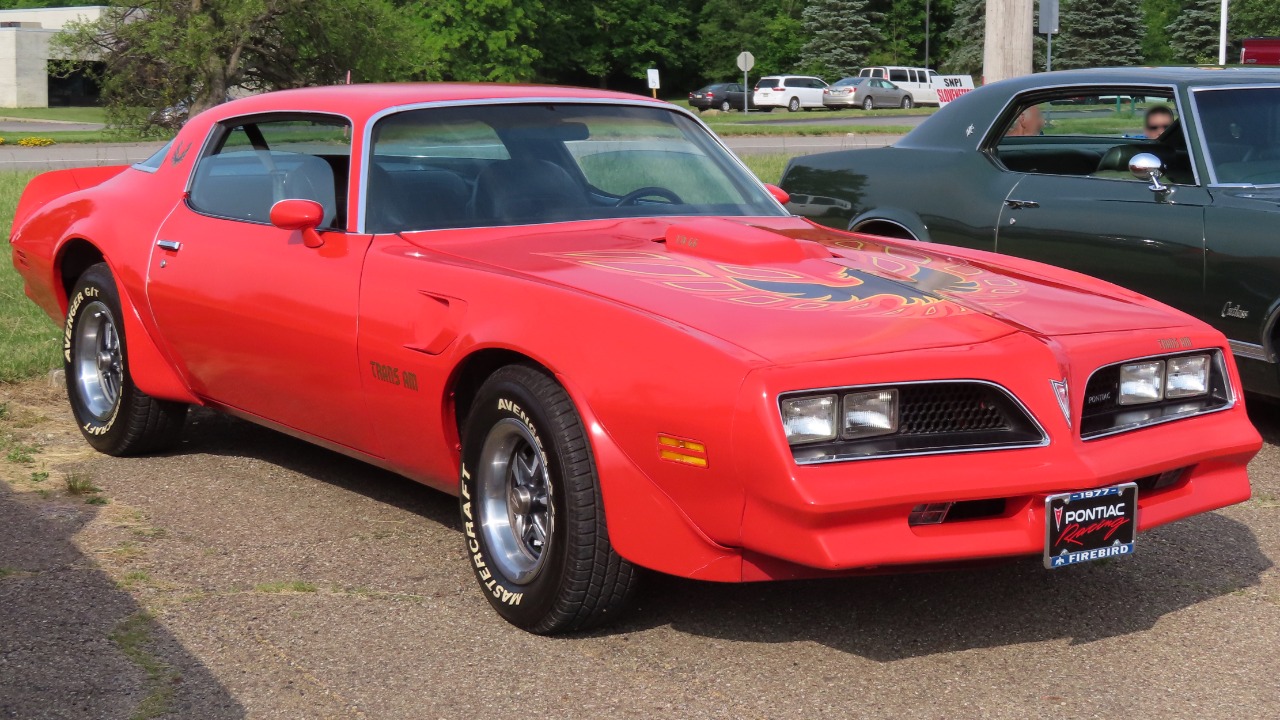
The Pontiac Firebird debuted in 1967 and reached new heights in the 1970s, especially with the introduction of the Trans Am. The Firebird captured attention with its distinctive styling and performance-focused features, appealing to a younger demographic. The 1977 Firebird, equipped with a 6.6L V8, showcased the power and style that defined the decade. Its role in popular culture was amplified by its appearance in films like “Smokey and the Bandit,” which solidified its status as a classic. The Firebird remains a symbol of the free-spirited nature of the 70s, and its design continues to inspire modern interpretations.
Volkswagen Rabbit

The Volkswagen Rabbit, known as the Golf in many countries, was introduced in the United States in 1975 and quickly became a favorite among compact car enthusiasts. Its hatchback design offered practicality and versatility, making it ideal for families and urban drivers alike. Engineered for efficiency and reliability, the Rabbit featured a 1.6L engine that provided a balance of performance and fuel economy, a critical factor during the oil crisis of the 1970s. With its European flair and affordability, the Rabbit revitalized Volkswagen’s presence in the American market and set the stage for future generations of compact cars. It’s a true icon of the decade.
AMC Pacer
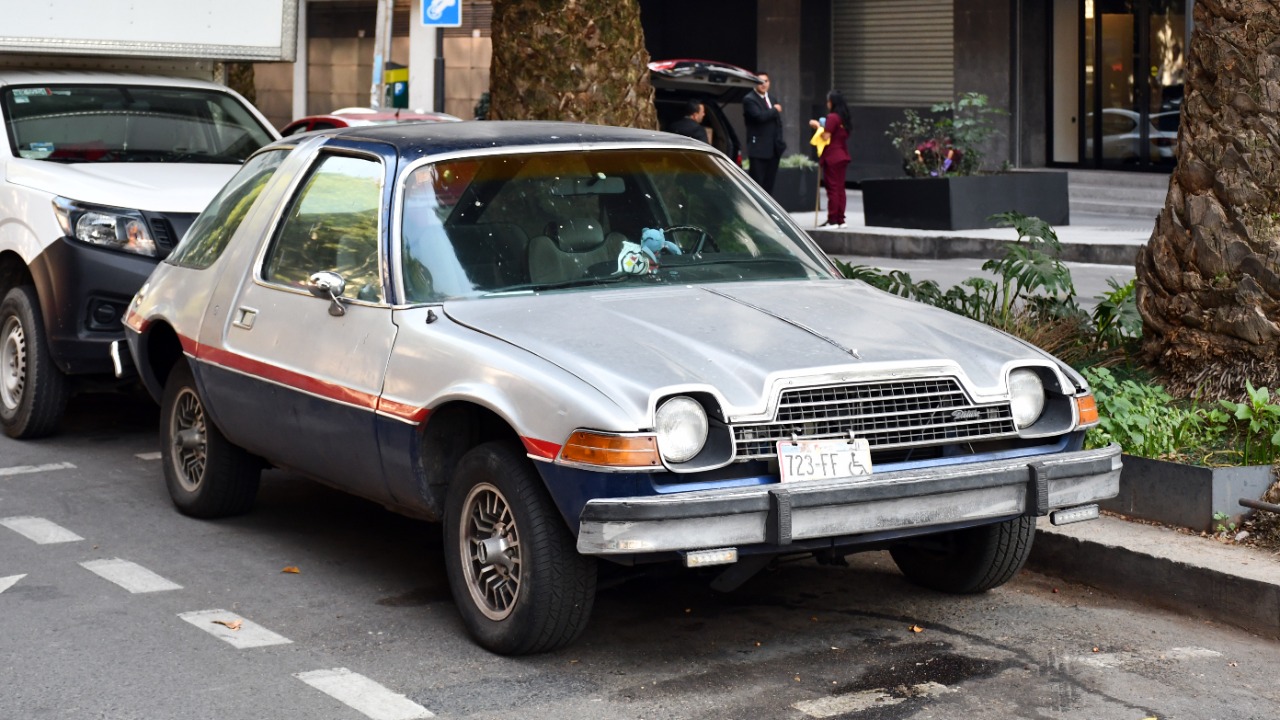
The AMC Pacer, produced from 1975 to 1980, is often remembered for its distinctive design. With its wide stance and large glass area, the Pacer stood out in a sea of more conventional cars. It was marketed as a “compact car” but offered an abundance of interior space, making it popular among families. While its quirky looks didn’t appeal to everyone, it became a pop culture icon, featured in various films and TV shows of the era. The Pacer’s unique styling and innovative features, including a hatchback design, represented a departure from traditional American car design, embodying the creative spirit of the 70s.
Chrysler Cordoba
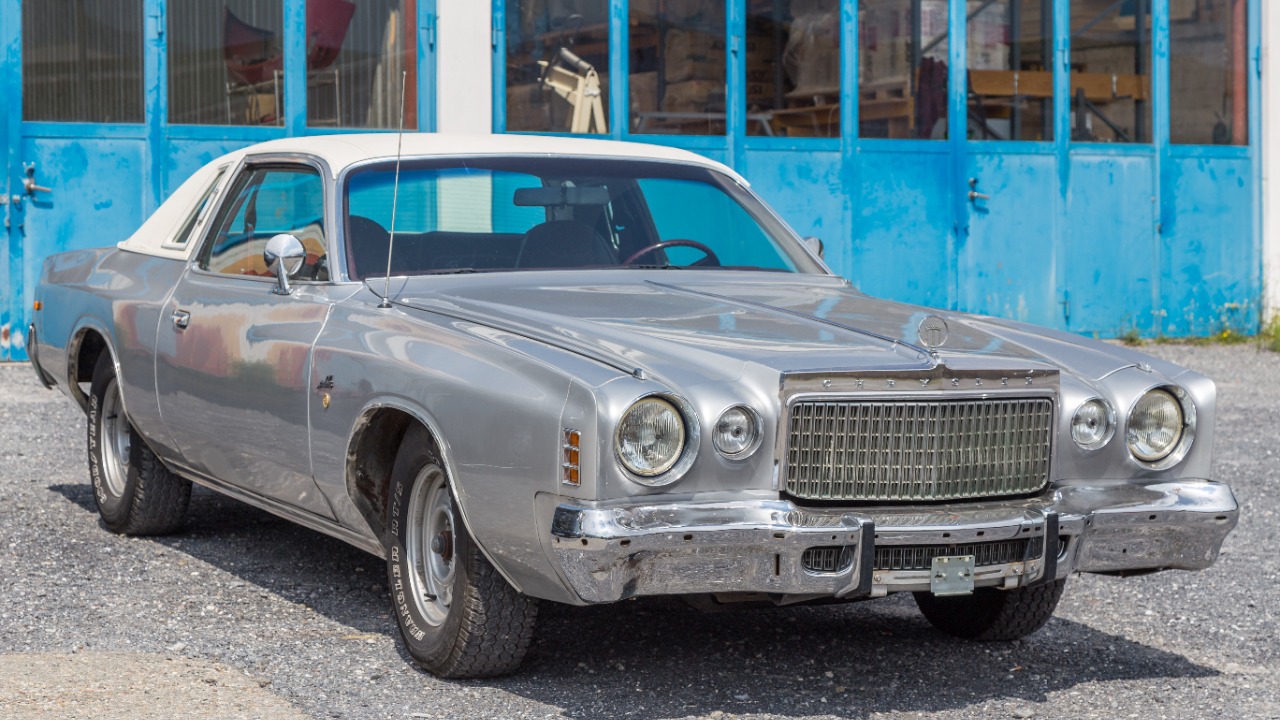
Launched in 1975, the Chrysler Cordoba was a personal luxury coupe that embodied the glamour of the 1970s. It featured plush interiors, a smooth ride, and the option for a powerful V8 engine, making it a favorite among those seeking comfort and style. The Cordoba was heavily marketed, famously endorsed by actor Ricardo Montalbán, who touted its “rich Corinthian leather.” This marketing campaign contributed to its popularity, making it a status symbol for many suburban families. While production ceased in the early 1980s, the Cordoba remains a nostalgic reminder of a time when luxury was defined by spaciousness and comfort.
Toyota Celica
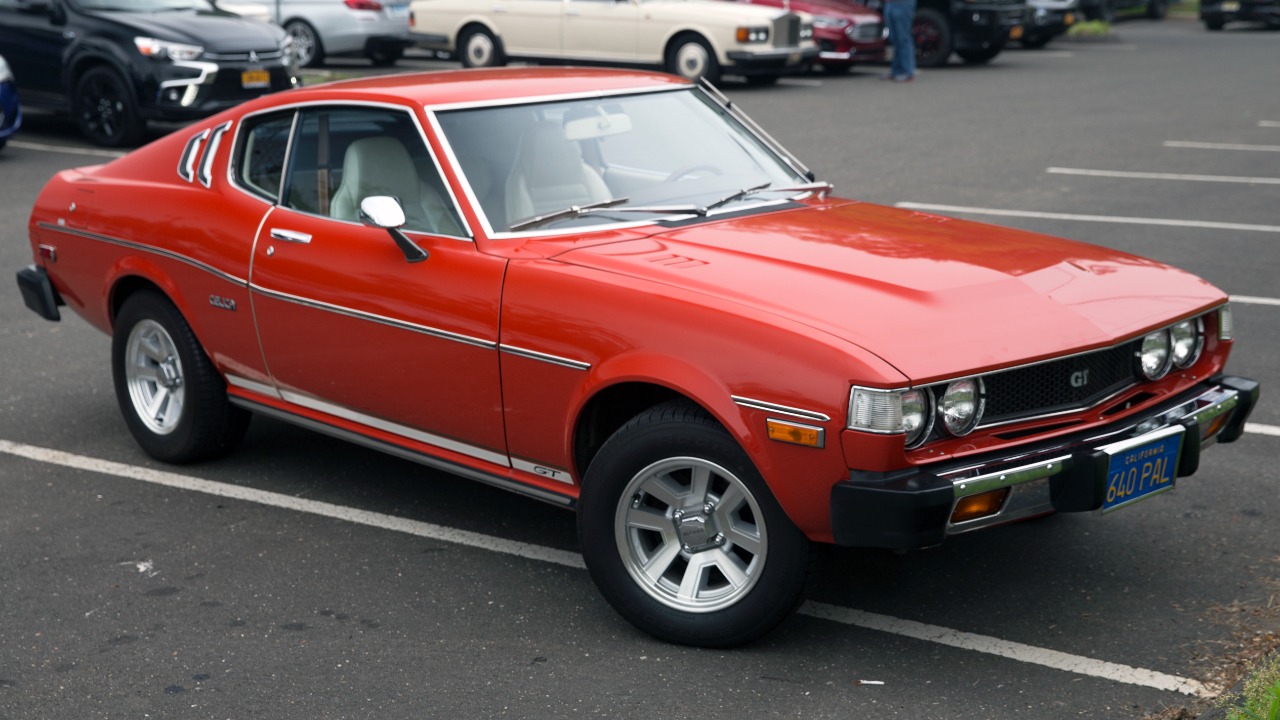
The Toyota Celica made its debut in the U.S. market in 1971 and quickly gained traction among sports car enthusiasts. With its sleek design and reliable performance, the Celica offered an affordable entry into the world of sporty driving. The 1976 model introduced a more refined look with a fastback design, making it an appealing choice for younger drivers. Known for its nimbleness and reliability, the Celica helped establish Toyota’s reputation for quality vehicles in the American market. The Celica also found success in motorsports, further enhancing its status as a beloved classic that still resonates with fans today.
Datsun 240Z
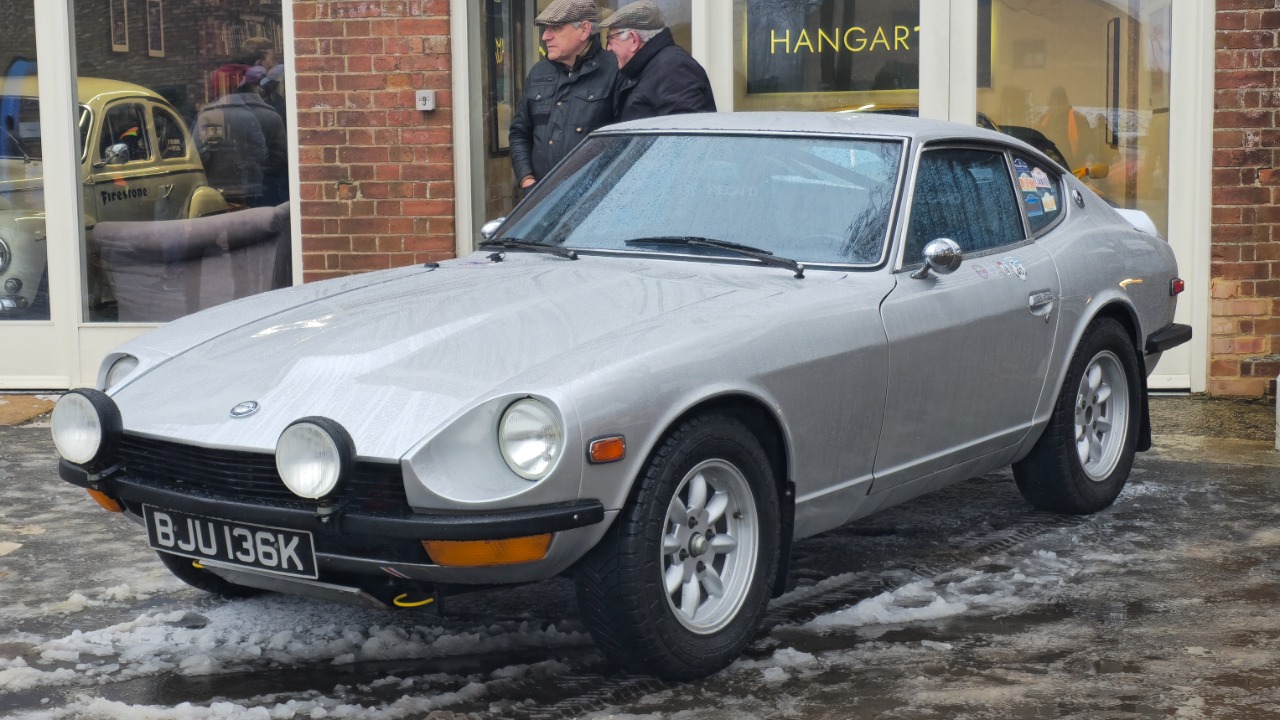
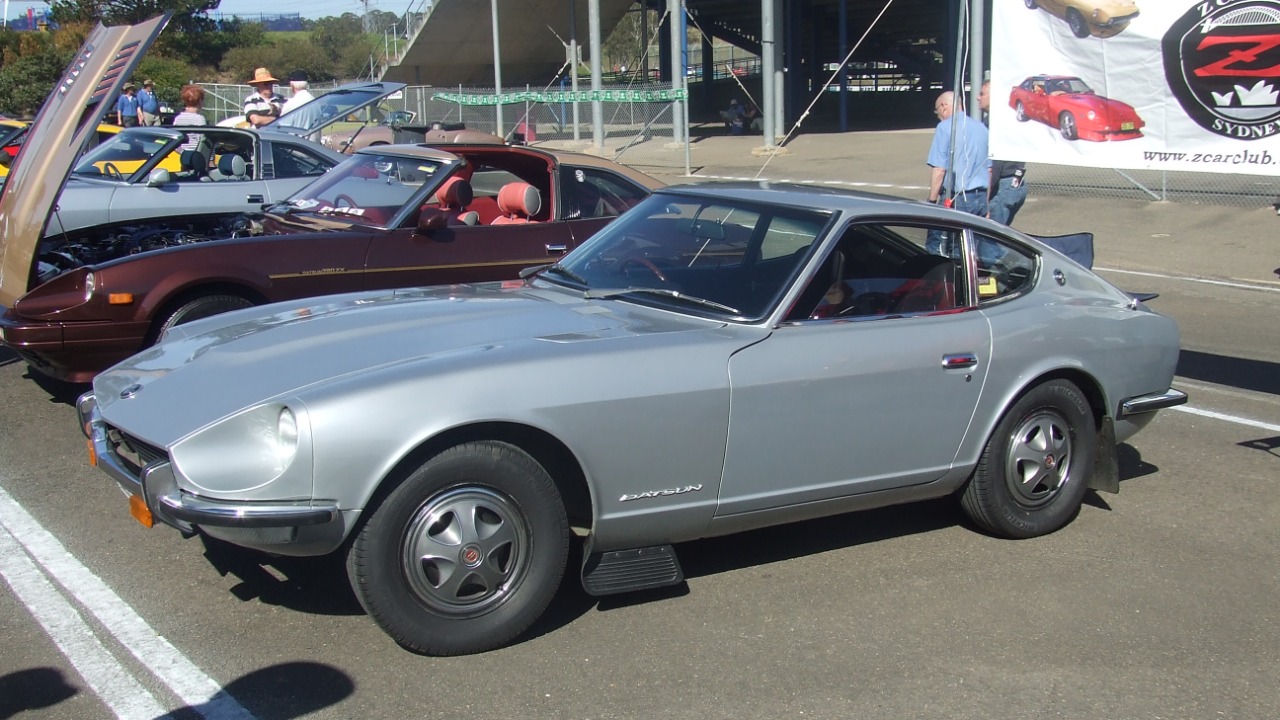
The Datsun 240Z, introduced in 1970, was a game-changer for sports cars in America. Combining style, performance, and affordability, the 240Z captured the interest of driving enthusiasts. Its lightweight construction and 2.4L inline-six engine provided exhilarating performance on the open road. The car’s sleek lines and innovative design set it apart from its competitors, making it a favorite among sports car fans. The 240Z also played a crucial role in popularizing Japanese performance cars in the U.S., paving the way for future models. Today, it is cherished by collectors and remains a symbol of the 70s automotive revolution.
Buick Regal
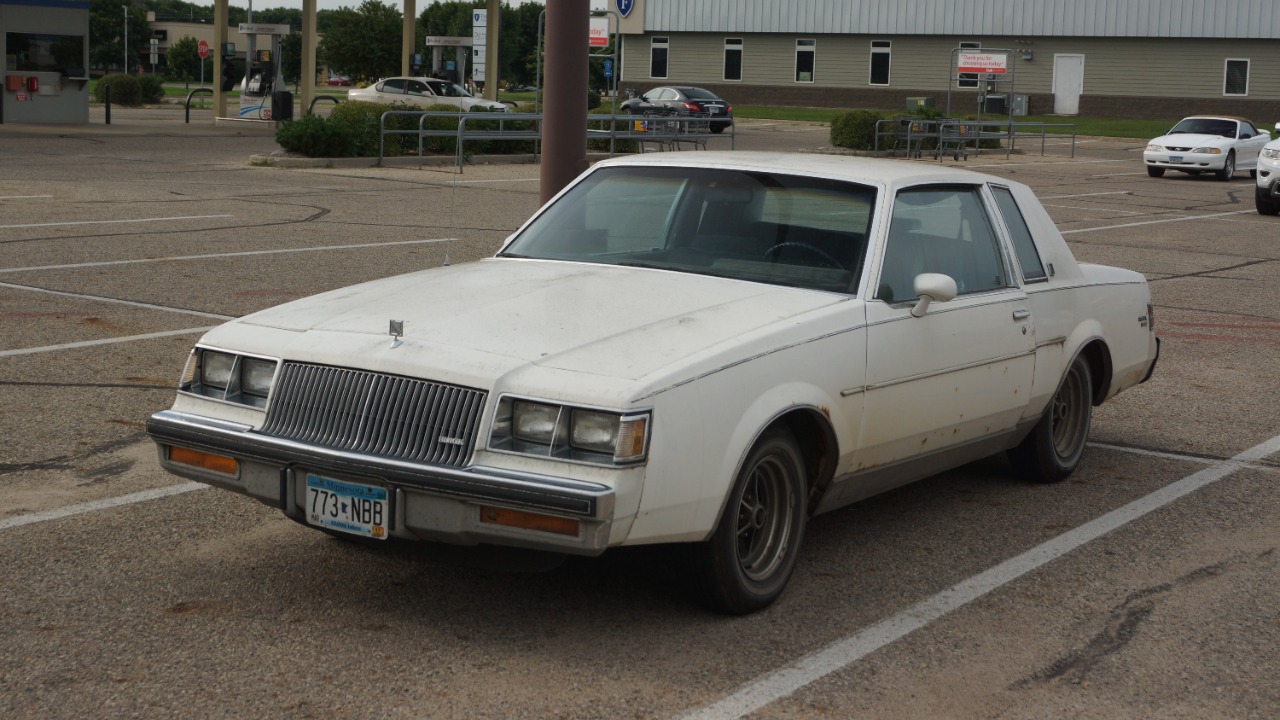
The Buick Regal first hit the market in 1973, and by the late 1970s, it had established itself as a luxury car that combined style with performance. Its sleek, aerodynamic design set it apart from other sedans of the time. The Regal was known for its comfortable interior and smooth ride, appealing to a demographic looking for both luxury and practicality. By 1978, the Regal was available with a powerful V6 engine, further enhancing its appeal. This model became a staple in suburban driveways, representing a blend of elegance and American automotive tradition that resonated with many families.
Mercedes-Benz 450SL
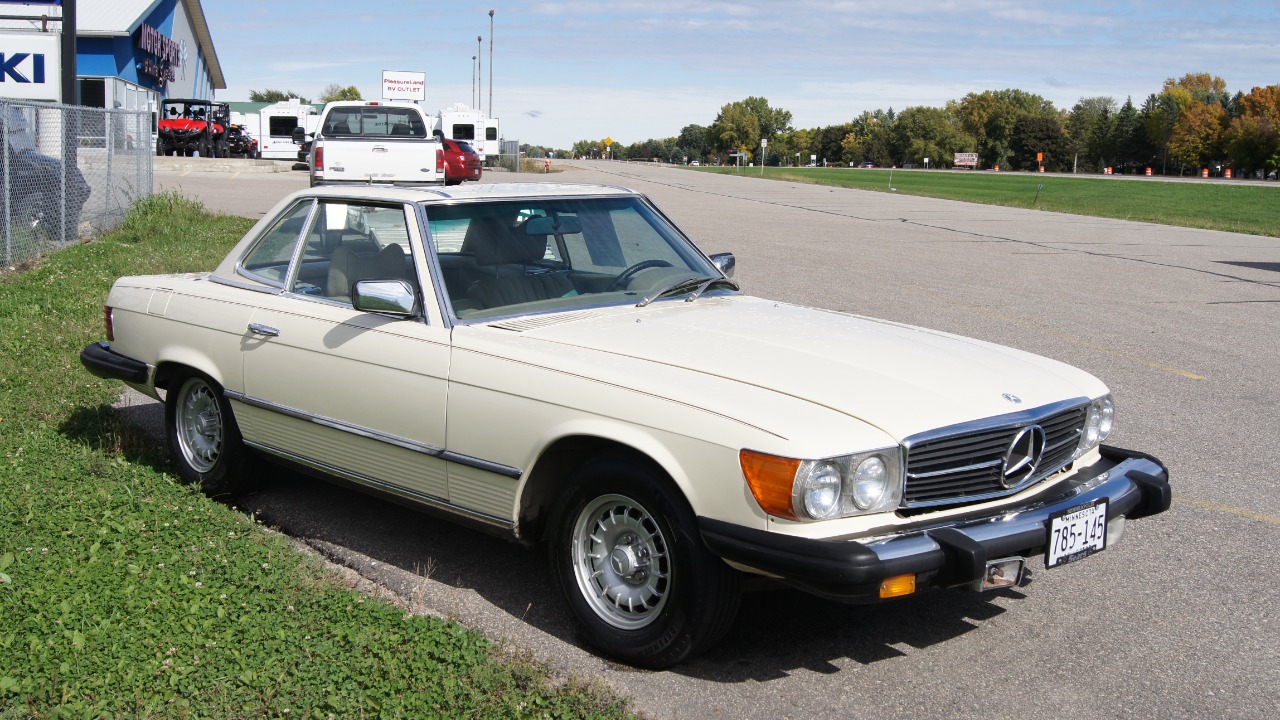
The Mercedes-Benz 450SL, introduced in 1973, epitomized luxury and performance in the 1970s. This stylish roadster featured a 4.5L V8 engine that delivered impressive power while maintaining the refinement expected from a Mercedes. Its sophisticated design, characterized by a retractable hardtop, made it a popular choice for affluent buyers looking for a blend of sportiness and elegance. The 450SL quickly became a symbol of status, often seen in upscale neighborhoods and at social events. Its durability and timeless appeal have made it a sought-after classic car, showcasing the pinnacle of German engineering in the automotive world.
More from Fast Lane Only
- Unboxing the WWII Jeep in a Crate
- 15 rare Chevys collectors are quietly buying
- 10 underrated V8s still worth hunting down
- Police notice this before you even roll window down
*Research for this article included AI assistance, with all final content reviewed by human editors.