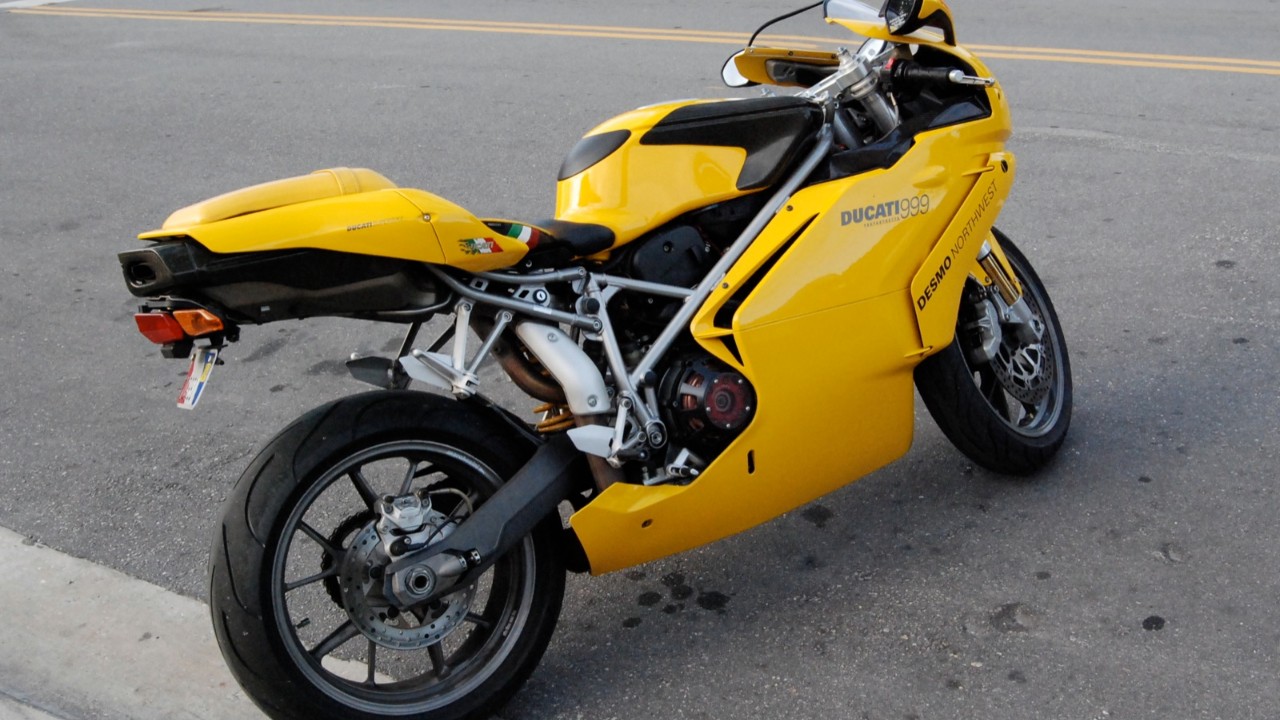
Visordown once called the Ducati 999 “the most successfully raced Ducati ever,” yet plenty of riders never warmed to it on the road. That split between racing glory and showroom doubt runs through a lot of Ducati history. In fact, it is part of why the Bologna badge stirs such strong feelings.
Ducati builds some of the most desirable motorcycles in the world. However, desire and good ownership are not the same thing. Some models carried weak electrics, awkward ergonomics or service bills that caught buyers off guard. Others simply arrived a year or two before the fixes did.
These are our picks, ten Ducatis we would think twice about, and why. The verdict on each one is our own opinion, not a measured fact. Every reason we give, though, comes from a road test, an owner survey, a recall or the maker’s own spec sheet. We also close each entry with the buyer advice we would give a friend.
1. 2003–2006 Ducati 999 superbike
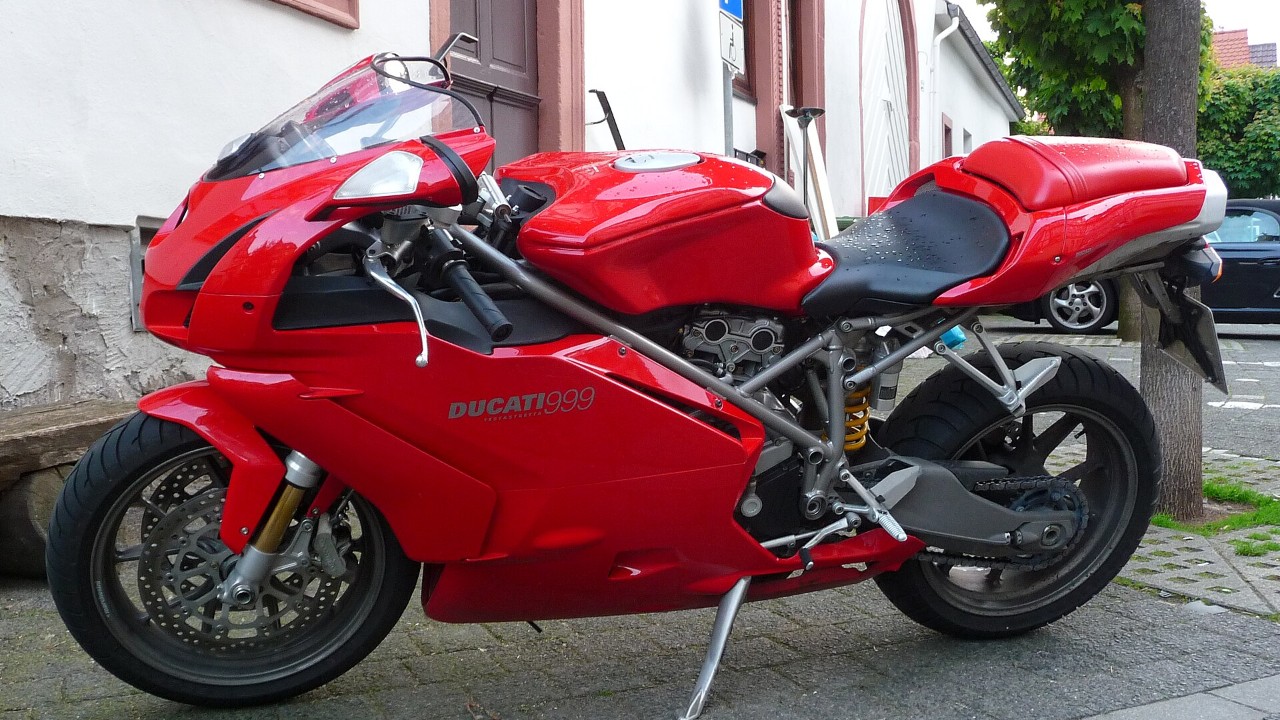
Pierre Terblanche drew the 999, and it arrived in 2003 amid a loud argument over its styling. As a result, many Ducati fans judged the bike on its looks before they ever rode one. It ran through 2006 before the 1098 took its place.
The Ducati 999’s engine was never the problem. The 2003 version made 122 hp at 9,750 rpm, and the 2006 bike reached 138 hp. Ownership of a Ducati 999 is a different story. A Visordown owner survey of the 999 and 749 found that over half of owners called their bikes fully reliable. Even so, four owners reported fuel pump relay failures, and three had coils fail. Official dealer prices for a major service ran to £690 before any optional work.
Our take: the Ducati 999 is a fine machine with a reputation it never quite shook. If you love the shape, buy one. If you are on the fence, remember that the looks that put off buyers in 2003 may put off the next buyer too. For more bikes we would approach with caution, see our list of 20 American motorcycles to avoid at all costs.
Buyer advice: choose a 2005-on bike, insist on a full service history and make sure the red master key comes with it.
2. Ducati 749 Dark
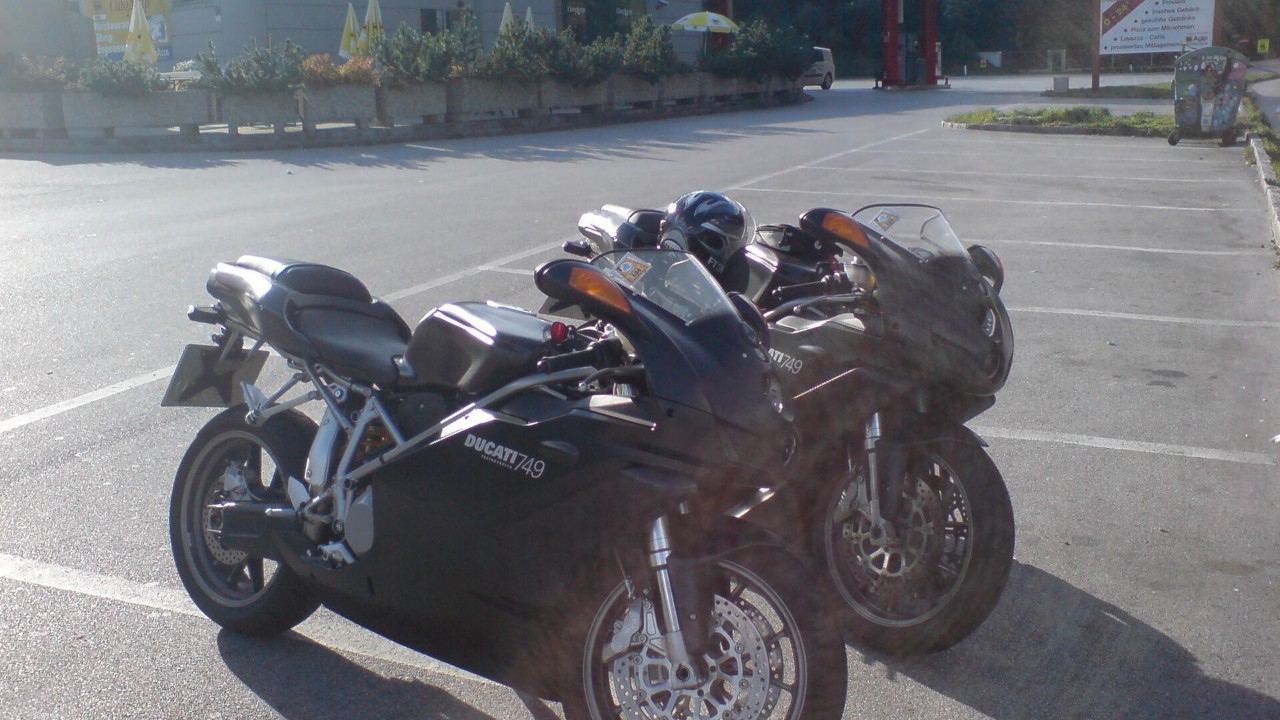
The 749 Dark was the budget door into Ducati’s four-valve sportbike line. Motorcycle News describes it as a low-budget version of the 749, sold only in matt black. Visordown summed it up as less motor, softer suspension and less colour for less money.
That sounds tempting, but the early bikes had real gremlins. According to MCN’s 749 review, early base models from 2003 and 2004 felt short on power. Early bikes also suffered tickover stalling until a new electrical system and engine management chip arrived from 2004. Owners rate reliability at 3.9 out of 5. Meanwhile, belt parts alone cost about £140 every two years, before anyone fits them.
Comfort is another sticking point. Visordown’s reviewer liked the matt finish but listed “Not the most comfy bike out there” as a con. In addition, he found his knees cramped after a few hours. The exhaust under the seat can also cook the rider in summer traffic.
In our view, the Dark makes sense only for a rider who wants the look and plans to pamper it. Otherwise, the savings tend to vanish at the first belt service.
Buyer advice: skip the earliest bikes, ask what chassis upgrades a previous owner fitted and budget for belts every two years.
3. 1989 Ducati 906 Paso
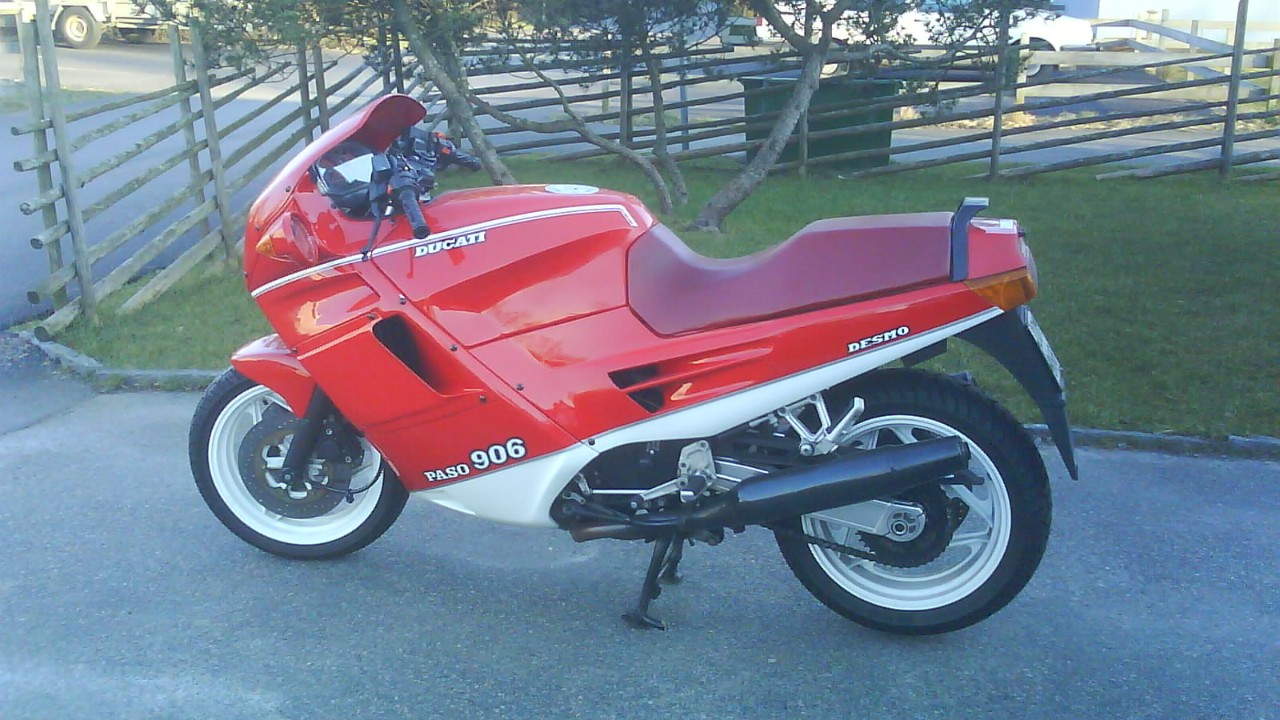
Massimo Tamburini, a co-founder of Bimota, designed the Paso. The first version, the Paso 750, appeared at the 1985 Milan show. When the 906 version arrived in 1989, it brought a 904 cc liquid-cooled twin making 88 hp.
The problems sat under that sleek skin. The Paso 750 and the 906 both used an automotive Weber carburettor that critics called badly suited to a motorcycle engine. Even after the move to the 906, the electrical system stayed unreliable. On top of that, the bike cost more than its rivals and performed worse. Sales were weak as a result.
Ducati fixed most of this with the 907 i.e. for 1991. It swapped the Weber carb for a Weber-Marelli system that combined electronic fuel injection and ignition. It also gained 17-inch wheels and 90 hp, and 2,303 were built.
Our take: the 906 Paso is a fascinating piece of design history, but it is the wrong Paso to buy as a rider. That car-style carburettor and the fragile wiring are the core of the trouble, and chasing fixes gets old fast.
Buyer advice: if the shape speaks to you, hold out for a 907 i.e. and treat any 906 as a restoration project, not a daily ride.
4. 1997–2003 Ducati ST2 sport-tourer
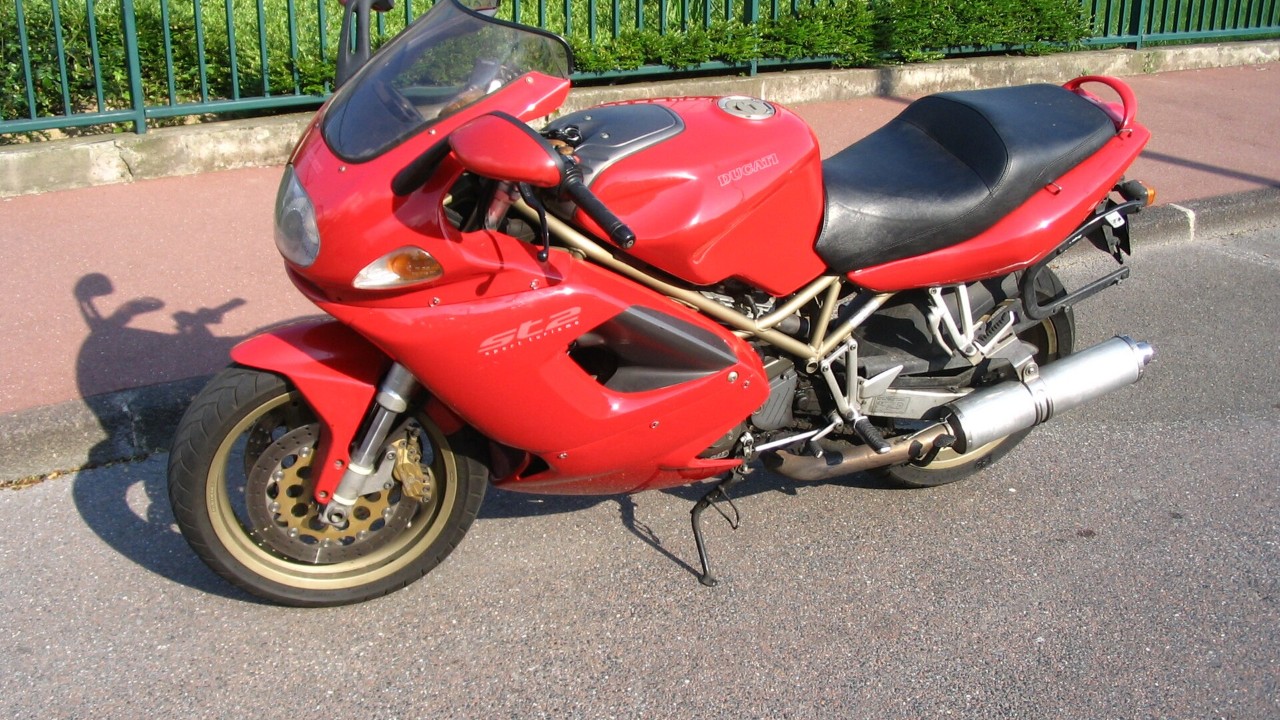
The ST2 replaced the Paso as Ducati’s sport-tourer. It used a 944 cc two-valve desmodromic twin derived from the Paso engine. On paper, it promised Ducati character on longer trips.
Cycle World kept a 1998 ST2 for two years, and its $12,495 test bike was no saint. The front brake felt mushy, and steel-braided lines did not fully cure it. Meanwhile, the clutch was stiff enough that the staff fitted a $230 big-bore slave cylinder. The bike also needed a countershaft sprocket keeper replaced under a factory recall. Valves were checked every 6,000 miles, though only a couple needed adjustment.
The editors liked it anyway, calling it “like getting two Ducatis for the price of one.” A reader summed it up more coolly: “The ST2 is good, not perfect.”
In our view, that is exactly the problem. A sport-tourer has to be easy to live with every day. Instead, the ST2 asked its first owners for a string of small fixes. Later ST models brought other trade-offs, too, because the ST4s was notoriously expensive to maintain.
Buyer advice: confirm the sprocket recall was done, test the clutch and brake feel carefully and check that valve checks happened on schedule.
5. 2003 Ducati Multistrada 1000 DS
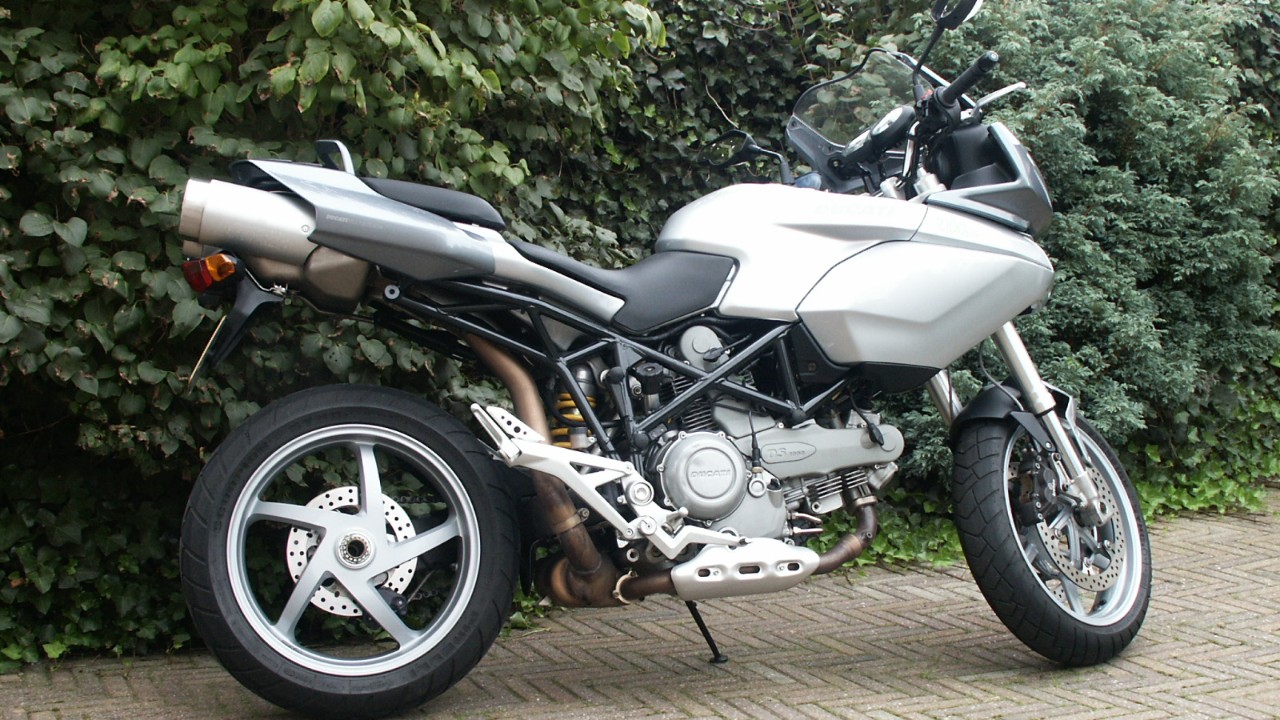
The first Multistrada arrived in 2003 as the only model in its range. Pierre Terblanche styled it, and the reaction echoed the uproar over his 999. Reviews were mixed because of its unusual looks, even as critics praised how versatile it was.
Underneath, it was a sensible package. A 992 cc air-cooled V-twin, shared with the SuperSport and Monster, made 84 hp. The bike carried a 20-litre tank and weighed 188 kg dry.
The early bikes, however, came with a list of small annoyances. Ducati’s 2005 update addressed common customer complaints, which tells you what the first owners lived with. The sidestand was too short, so Ducati lengthened it. The seat shape and covering changed. In addition, the mirror arms grew longer, and the touring windscreen became standard.
Our take: the original Multistrada is a good idea that shipped a little early. None of those flaws is serious alone. Together, though, they make the first-year bike feel like a beta version of the model that followed.
Buyer advice: look for a 2005 or later bike, or check whether a 2003 or 2004 example has had the longer stand, revised seat and mirrors fitted.
6. Ducati GT1000 retro roadster
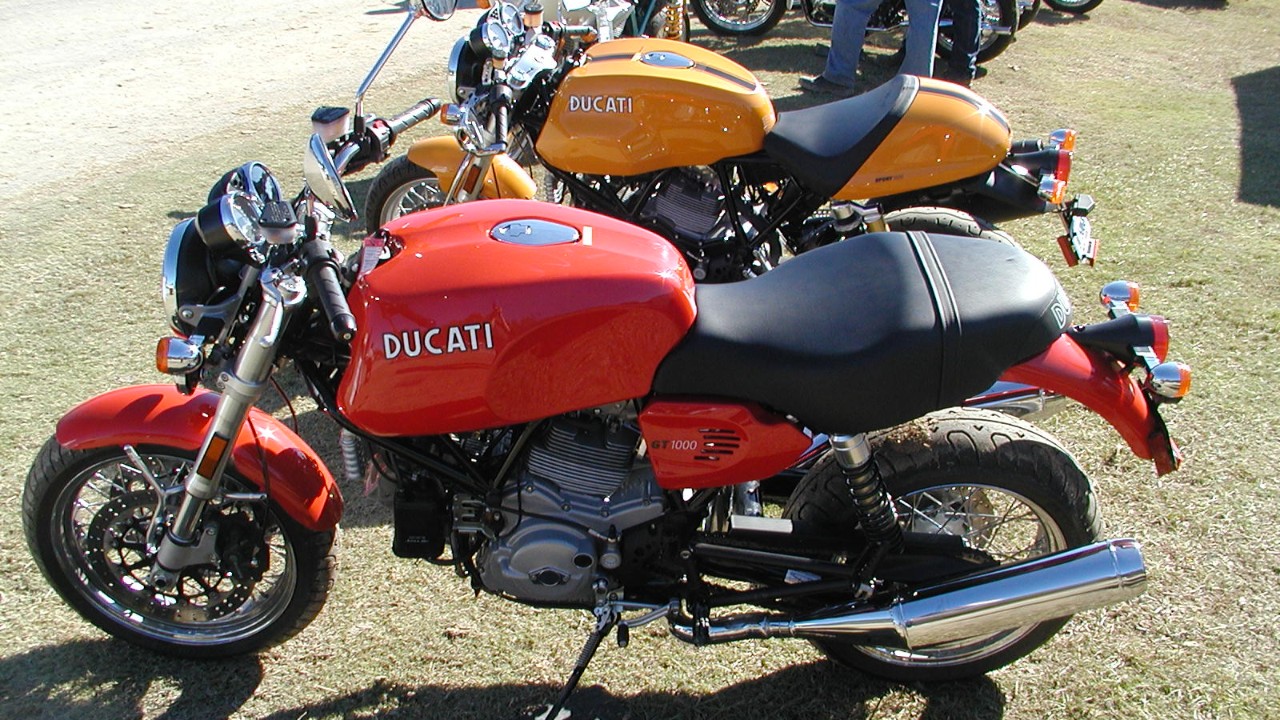
The GT1000 was Ducati’s retro-styled roadster. According to 1000PS, it ran from the 2007 to 2011 model years with a 992 cc air-cooled, two-valve desmodromic engine. That twin made 92 hp at 8,000 rpm, and the bike weighed 185 kg dry.
Living with one is where the charm wears thin. In a long webBikeWorld owner review, the rider measured a 26-pound clutch pull, compared with 20 pounds on his Triumph Tiger. He found the bike turned about 3,750 rpm at 70 mph in sixth gear, which he felt was over-geared for American roads. The sloped seat also pushed him into the fuel tank. Meanwhile, a reader reported that corrosion was a problem, especially on the fork tops.
Market data backs up the doubts. 1000PS reports weak demand for the GT1000 and poor availability compared with other naked bikes.
In our view, the GT1000 looks the part but rides like a bike that needed one more round of development. You can fix the seat and bars with parts. However, a heavy clutch and gearing that never feels right are harder to live with.
Buyer advice: inspect the fork tops and fasteners for corrosion, try the clutch in traffic and budget for comfort upgrades.
7. 2007–2008 Ducati 1098 superbike
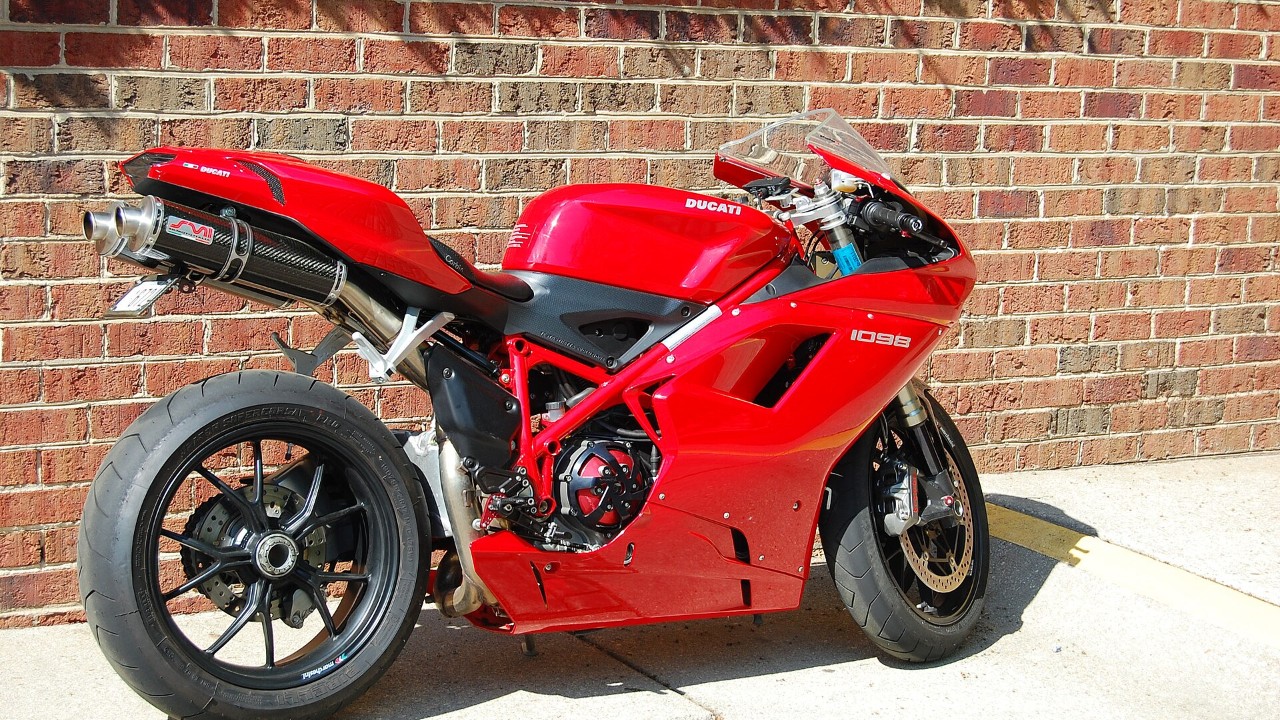
The 1098 took over from the Ducati 999 as the company’s superbike, and it was brutally strong. Bennetts’ BikeSocial used guide lists 160 bhp, with 144 bhp at the rear wheel, and a weight of 173 kg.
The running costs are what earn it a place here. Valve clearance checks fall every 7,500 miles and cost about £500 to £700 each. Cam belts need changing every 15,000 miles or five years, adding about £200. Bennetts also flags a weak fuel pump relay and a clutch slave cylinder that can leak. On early bikes, the swingarm can collect water, so the lower shock mount may rust and seize.
There is also less safety tech than many riders expect. The 1098 has no traction control, no ABS and no power modes. Because of that, it can feel raw beside the 1198S that followed with factory traction control.
Our take: we love the 1098, but we would never buy one on looks alone. It is a superbike with superbike bills, and a skipped service can turn a bargain into an expensive lesson.
Buyer advice: ask for valve and belt receipts, check the lower shock mount for rust and replace the fuel pump relay early.
8. 2003 Ducati Monster S4R
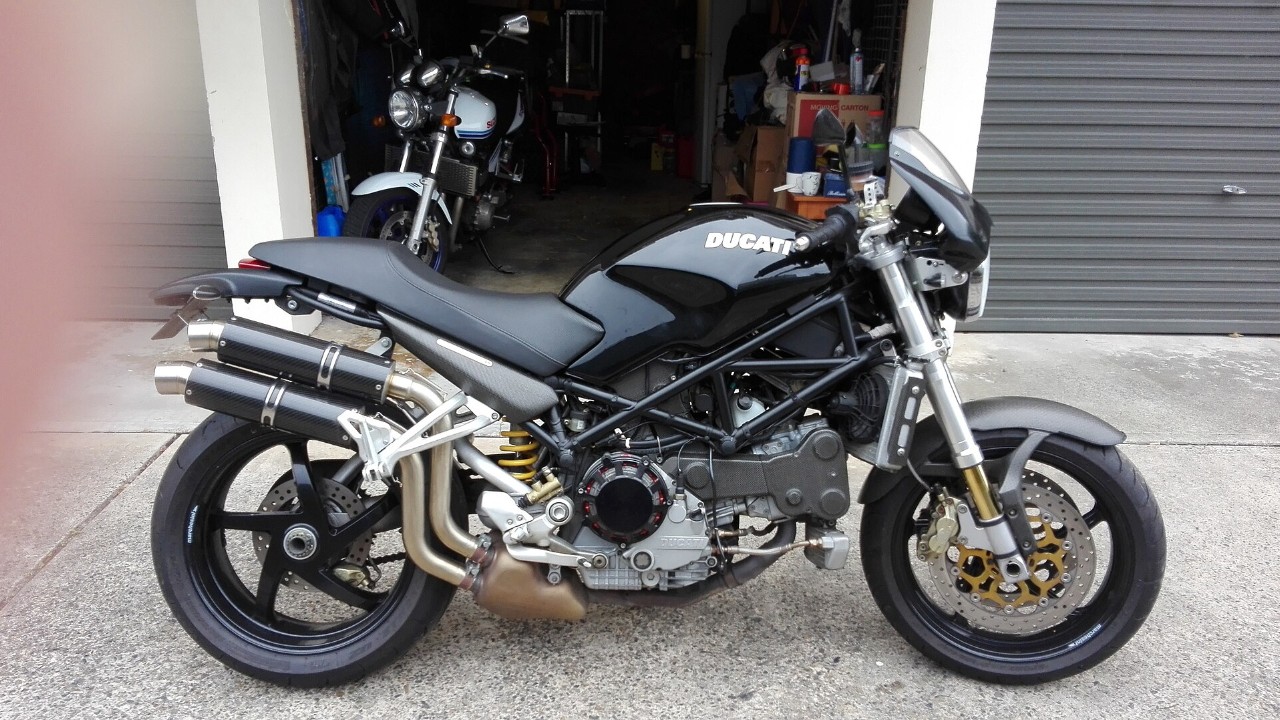
The Monster S4R paired the naked Monster with a superbike heart. Visordown’s used review says the S4R is “mated to the 996 motor” and puts output at “a shade under 100bhp at the back wheel.” It was sold from 2003 onward.
The fun comes with a long checklist. According to Visordown’s S4 and S4R guide, the big cambelt service comes at 12,000 miles. Some owners also report trouble with the dry clutch. The rear base gasket is a common leak, and fuel can seep at the tank hinge weld. In addition, the coil built into the plug cap can fail and leave the bike running on one cylinder.
The bike also has the classic Monster niggles. The sidestand is considered too short, so some owners weld a washer under the foot. Lost keys are another trap, because replacing the ignition system is expensive.
Our take: the S4R is a riot when it is sorted. Even so, it is a lot of engine wrapped in a minimalist bike, and minimalism leaves little room to hide neglect.
Buyer advice: get the red master key, ask if the base gasket was fixed under warranty and check when the plug-cap coils were last changed.
9. 2012 Ducati 1199 Panigale S Tricolore
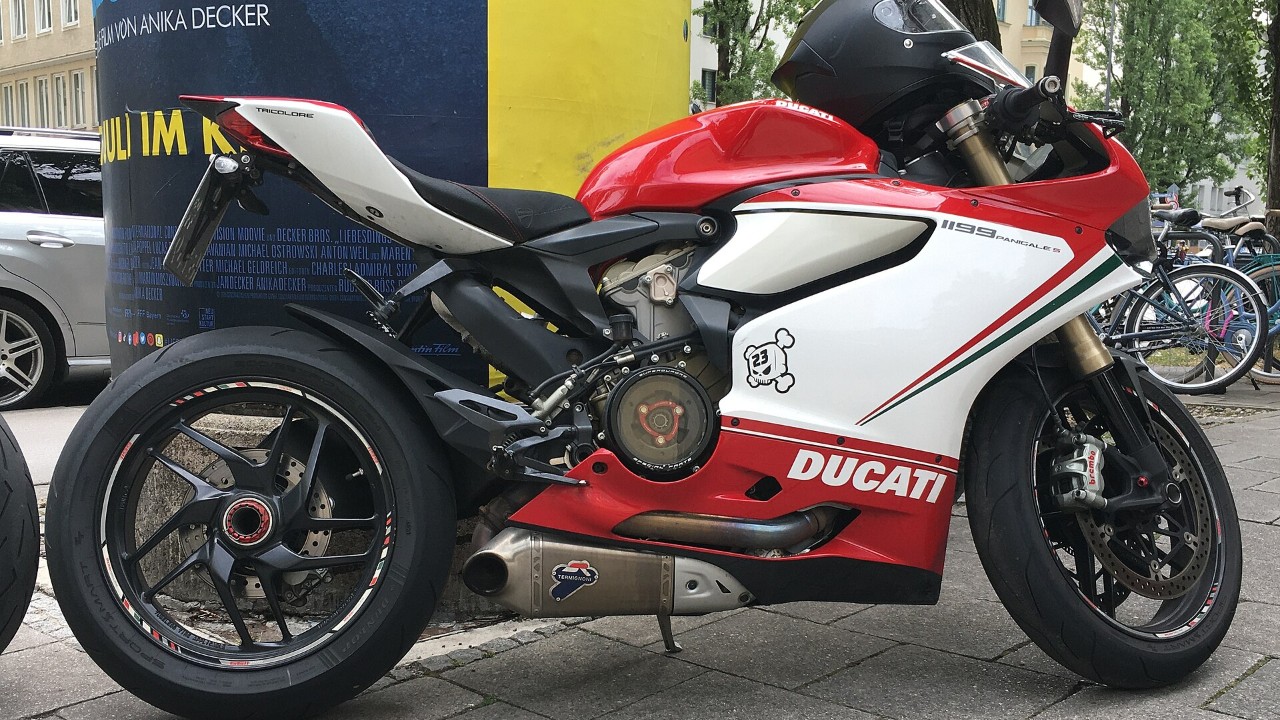
The 1199 Panigale was an all-new superbike. It introduced the 1,198 cc Superquadro twin and an aluminum monocoque frame that used the engine as a stressed member. Ducati claimed 195 bhp at 10,750 rpm. The S Tricolore added red, white and green paint to the S model’s electronic Öhlins suspension.
Early ownership, however, came with recall notices. According to Asphalt & Rubber, three NHTSA recalls covered 2,411 Panigales built between March 16 and July 12, 2012. In one, heat from the catalytic converter could melt or burn the exhaust valve cable cover. In another, the screws holding the steering damper to the steering head could loosen because too little Loctite went on. Finally, an assembly tolerance on the Öhlins damper could let a bearing slip out of its seat.
Dealers fixed all three for free. Even so, three recalls in one launch year is a lot for a flagship.
Our take: the Tricolore is spectacular, but a first-year bike is a gamble. For a look at where Ducati’s racing program stands now, read our story on Marc Marquez’s two-year MotoGP deal with Ducati.
Buyer advice: run the VIN through Ducati or NHTSA and get proof that all three recall repairs were done.
10. 2008 Ducati 848
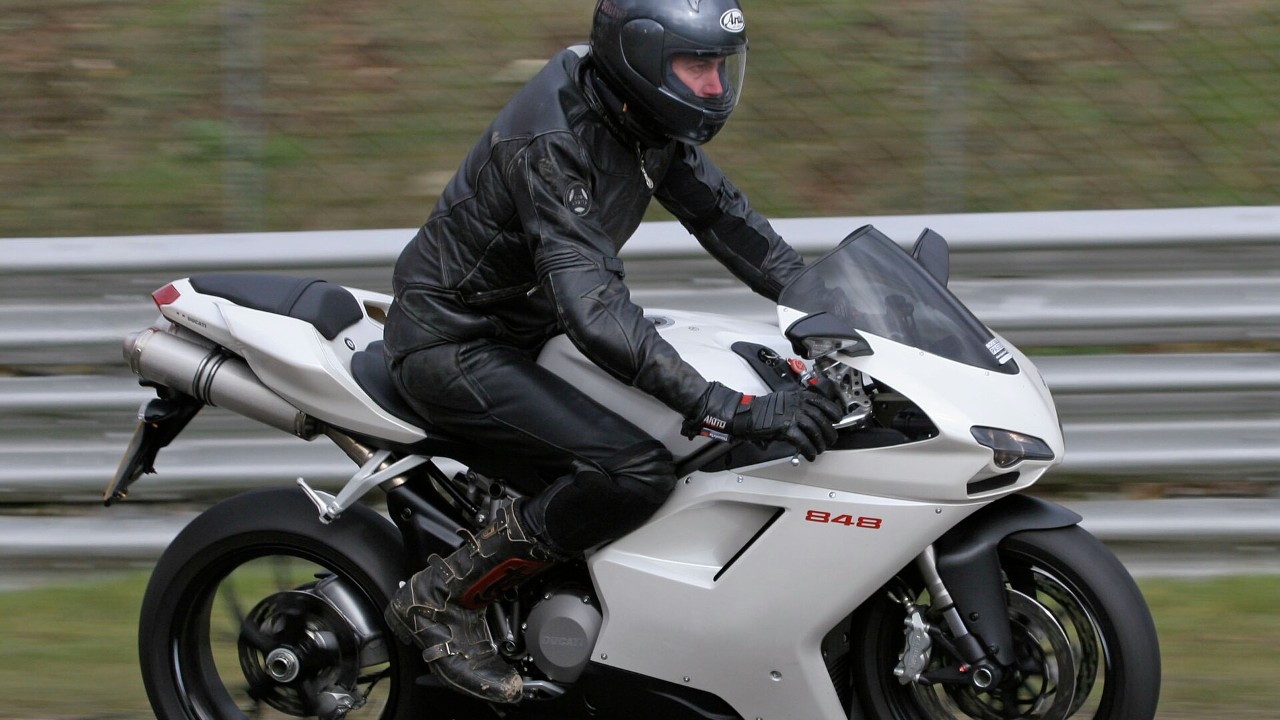
The 848 offered Ducati superbike style with a smaller 848 cc desmo twin. Bennetts’ 848 buying guide lists 134 bhp at 10,000 rpm and 168 kg dry. Used prices start a little over £5,000, which makes it look like a bargain.
That price draws in buyers who may not expect the upkeep. Bennetts lists regulator and rectifier failures, and it notes that Ducati recalled early bikes for a heat shield fitting. Instrument displays on early bikes can mist up and leak, and a new one is costly. Badly fitted aftermarket quickshifters can also damage the gearbox. The shock, meanwhile, is hard to rebuild.
Service is regular rather than ruinous. Routine work falls every 7,500 miles or one year. Belts are due every two years, and the desmo valve check comes at 15,000 miles.
Our take: the 848 is a lovely bike, but it is not a cheap one to own just because it was cheap to buy. We would steer clear of tired early examples with gaps in their records. A well-kept Evo is the safer bet.
Buyer advice: check the display for water, test the charging system and ask whether the early heat shield recall was completed.
More from Fast Lane Only