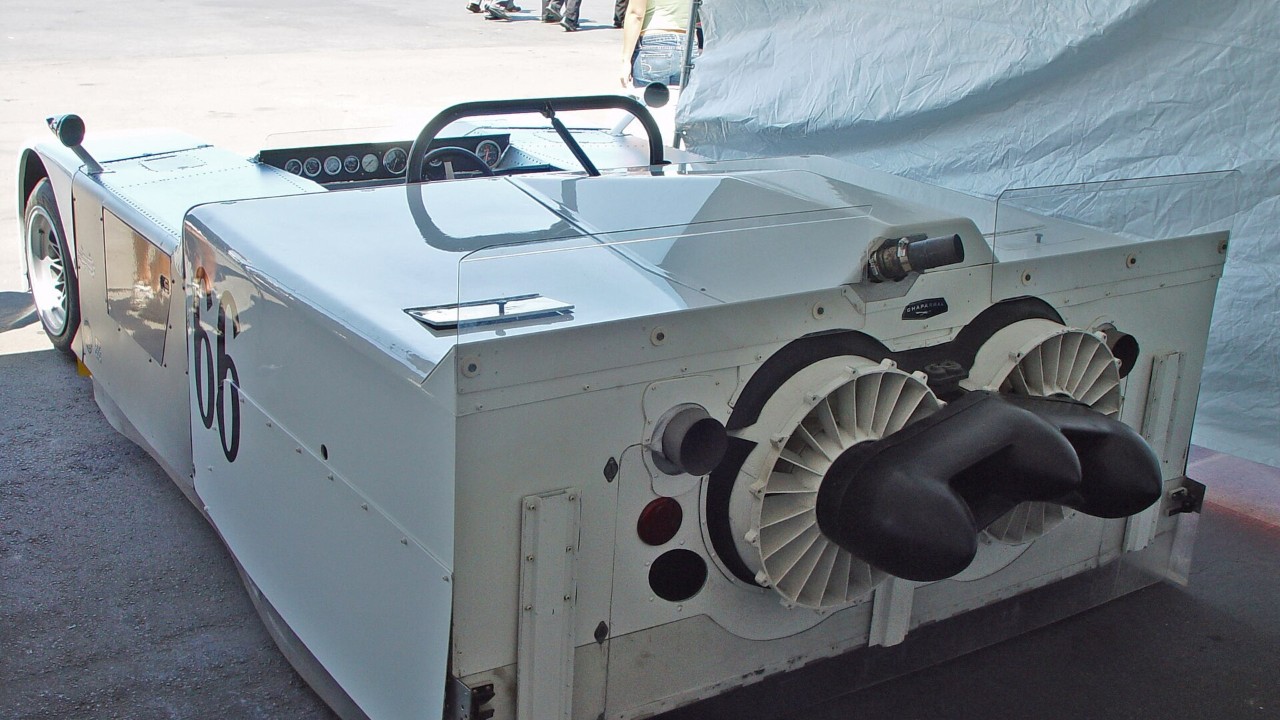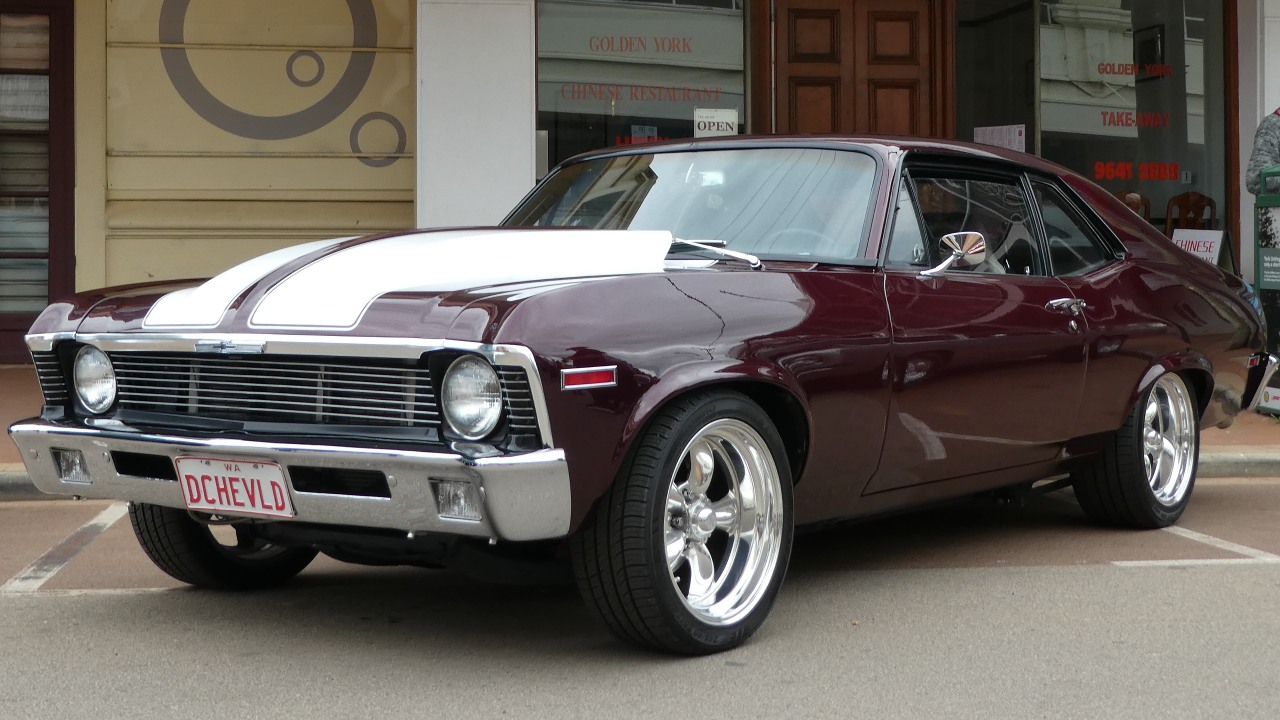
Buying your first classic muscle car is an exciting journey that combines passion, nostalgia, and a bit of a learning curve. Whether you’re drawn to the raw power of a 1970 Chevrolet Chevelle SS or the sleek lines of a 1969 Dodge Charger, there’s a lot to consider before making your purchase. From understanding the market to planning for maintenance, each step is crucial for ensuring that your investment brings you joy and satisfaction.
Research the Market
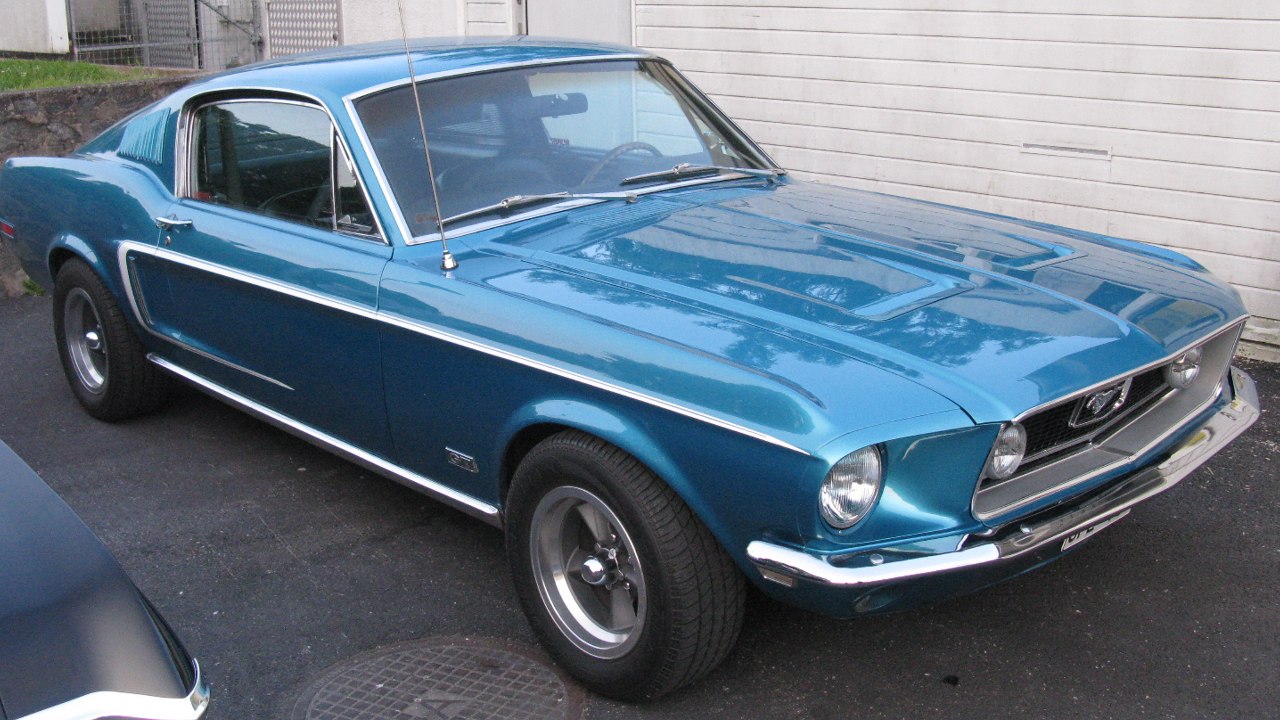
Before diving into the classic muscle car market, it’s essential to research thoroughly. Familiarize yourself with different makes and models, such as the 1968 Ford Mustang GT or the 1971 Plymouth Barracuda. These iconic vehicles have unique features and histories that can affect their value and desirability. Online forums, automotive magazines, and auctions are excellent resources for gathering information. By understanding the nuances of various models, you can make a more informed decision about which car suits your preferences and budget.
Additionally, monitor current market trends and prices. Websites like Hemmings and ClassicCars.com provide listings that can give you a sense of what different models are selling for. Pay attention to factors like rarity, condition, and provenance, as these can significantly influence a car’s price. Knowing the market landscape will help you spot a fair deal when you see one.
Set Your Budget
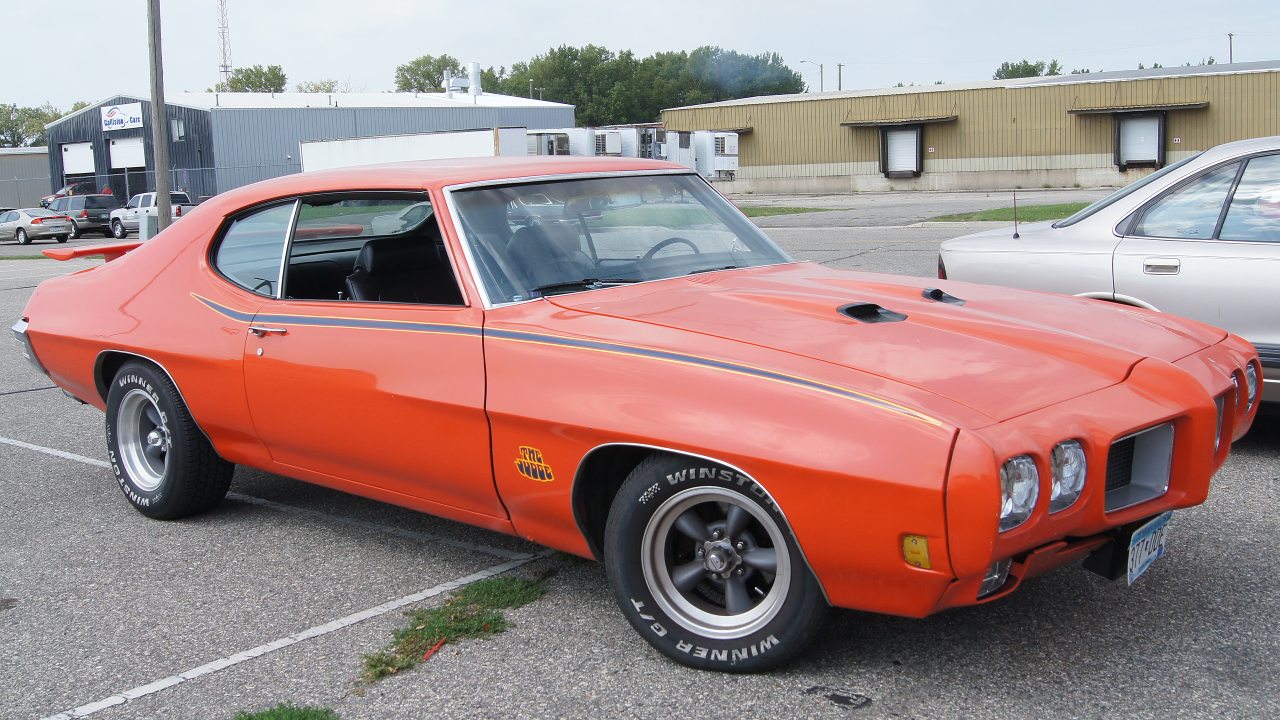
Setting a realistic budget is crucial when purchasing a classic muscle car. Consider not only the purchase price but also additional costs such as restoration, maintenance, and insurance. For instance, a pristine 1970 Pontiac GTO might command a higher price upfront, but a project car could incur hefty restoration costs. Be sure to leave some flexibility in your budget for unexpected expenses.
It’s also wise to factor in the potential appreciation of the car’s value over time. Classic muscle cars can be a good investment, but their market values can fluctuate. Research historical price trends of your desired model to gauge its potential for appreciation or depreciation. This information can guide you in setting a budget that aligns with both your financial situation and your investment goals.
Understand Classic Car Terminology
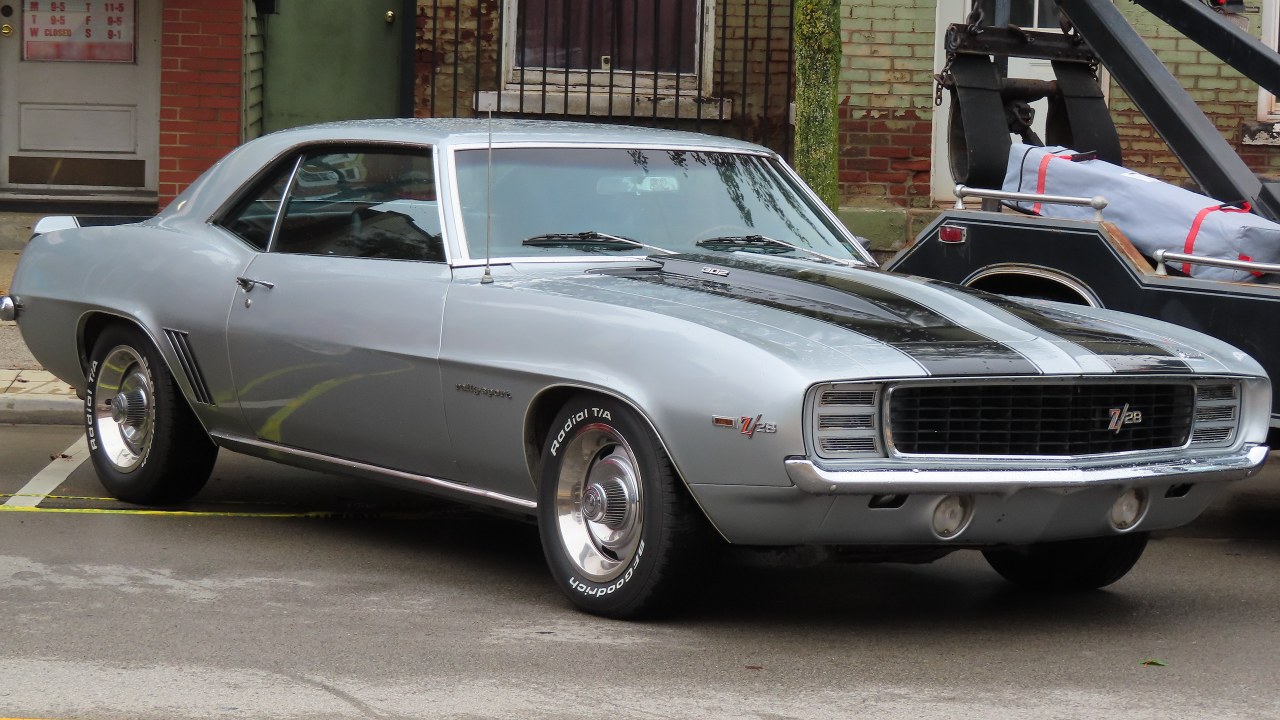
Familiarizing yourself with classic car terminology is essential for effective communication with sellers and experts. Terms like “matching numbers” and “frame-off restoration” are common in the classic car world. For example, a 1969 Chevrolet Camaro Z/28 with matching numbers indicates that the engine, transmission, and other key components are original to the car, potentially increasing its value.
Understanding these terms will help you evaluate cars more accurately and ask informed questions. Many online resources and books are available to help you get up to speed with the lingo. Once you’re comfortable with the terminology, you’ll be in a better position to assess the true condition and authenticity of any car you’re considering.
Check the Car’s Authenticity
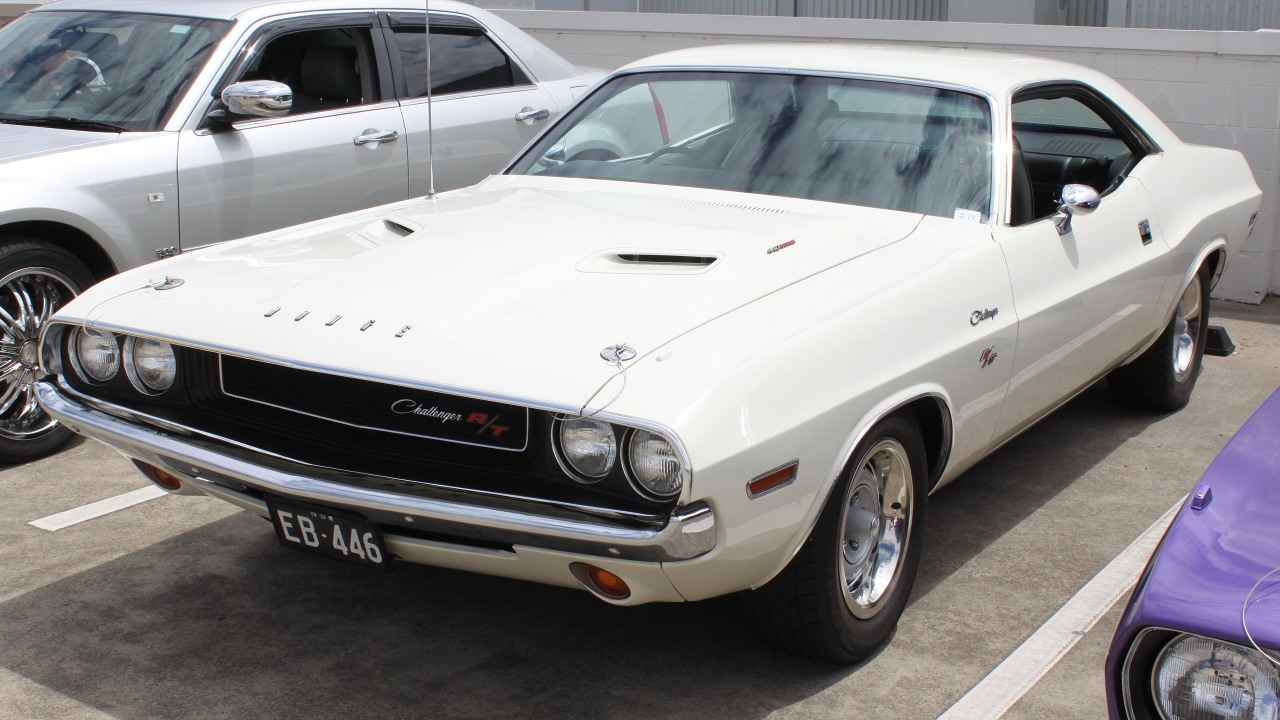
Authenticity is a key factor in the value of a classic muscle car. Before purchasing, verify that the car is what the seller claims. This includes checking the vehicle identification number (VIN) against documentation to ensure it matches the car’s make, model, and year. For example, a 1970 Dodge Challenger R/T with a VIN that confirms its production as an R/T model can significantly impact its value.
Documentation such as the original build sheet, window sticker, or historical registrations can provide valuable insights into the car’s history. If possible, consult with an expert who can help verify the car’s authenticity, especially if you’re considering a high-value investment. Authenticity not only affects the car’s market value but also its potential as a collectible.
Inspect for Rust and Damage

Rust and damage are common issues in older cars and can significantly affect value and safety. During your inspection, pay close attention to areas like the undercarriage, wheel wells, and trunk floor. A 1972 Chevrolet Nova, for instance, might have rust in these areas due to age and exposure to the elements.
If you’re not experienced in spotting these problems, consider hiring a professional inspector. They can provide a thorough assessment of the car’s condition and potential repair costs. Knowing the extent of any rust or damage can help you negotiate a fair price or decide whether to pass on the purchase altogether.
Verify the Vehicle’s History
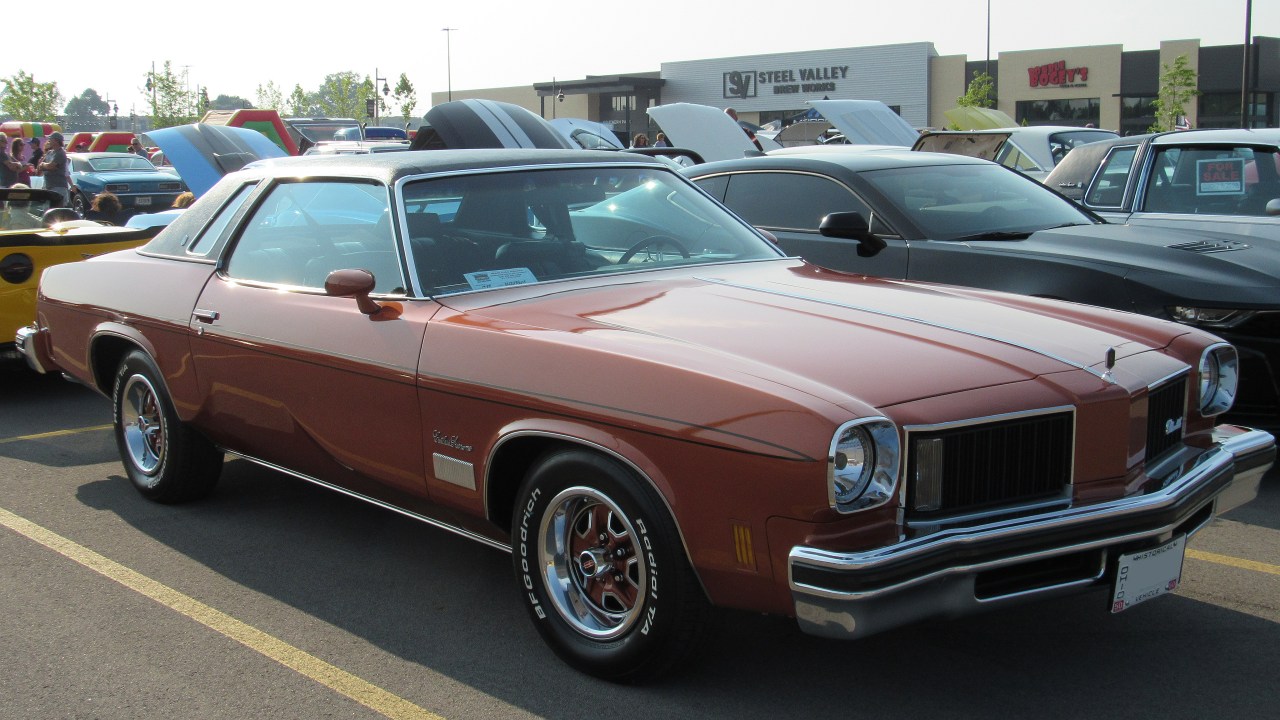
A thorough investigation into a car’s history can reveal a lot about its past and current condition. Services like Carfax and AutoCheck can provide valuable information about past ownership, accident history, and title status. A 1973 Oldsmobile Cutlass with a clean history report can be a more reliable purchase than one with multiple past accidents.
Reach out to previous owners if possible, as they can offer firsthand insights into the car’s maintenance and any modifications made. Understanding the vehicle’s history can help you anticipate future maintenance needs and determine whether the car has been well cared for over its lifetime.
Evaluate the Engine and Mechanics
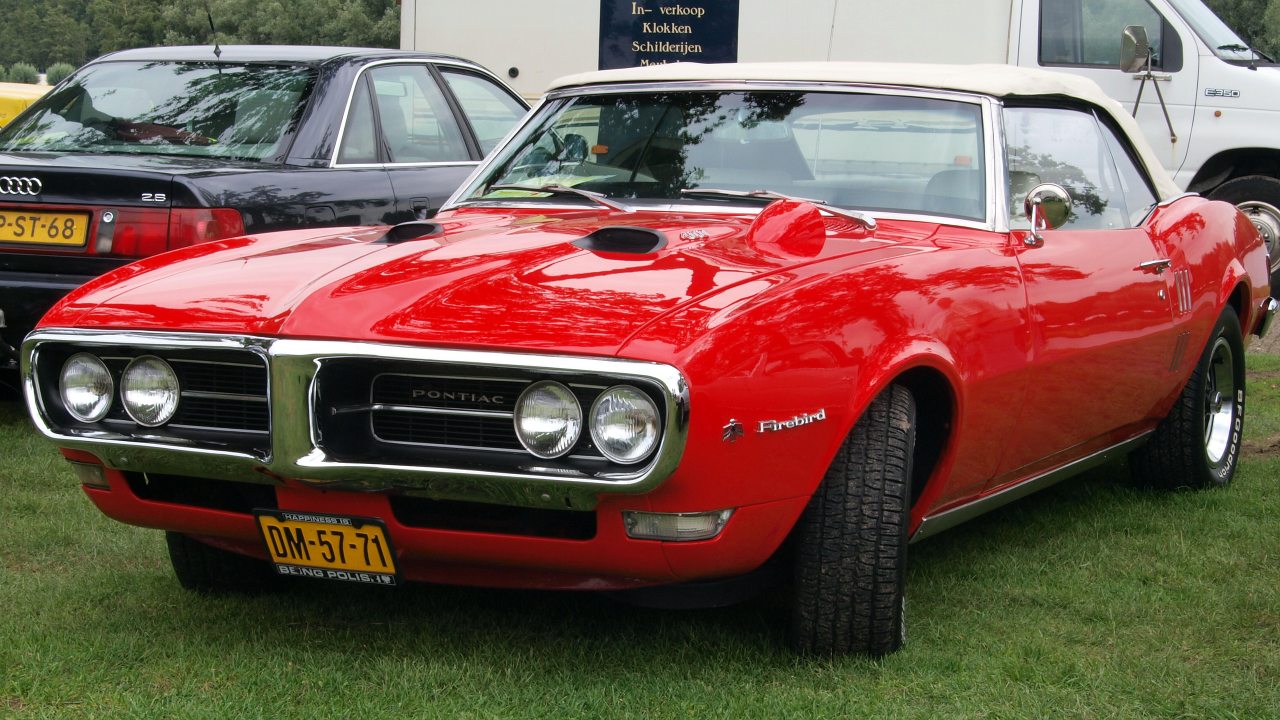
The engine and mechanical systems are the heart of any muscle car. When evaluating a car like a 1967 Pontiac Firebird, check for signs of wear and tear. Listen for unusual noises during startup and running, and observe the car’s performance during a test drive. It’s crucial to ensure that the engine is in good working order before making a commitment.
If you’re not mechanically inclined, consider hiring a mechanic who specializes in classic cars to perform an evaluation. They can identify potential issues that may not be immediately apparent to the untrained eye. A detailed mechanical inspection can save you from costly repairs and ensure that you’re purchasing a car that will provide you with reliable performance.
Consider Insurance Costs
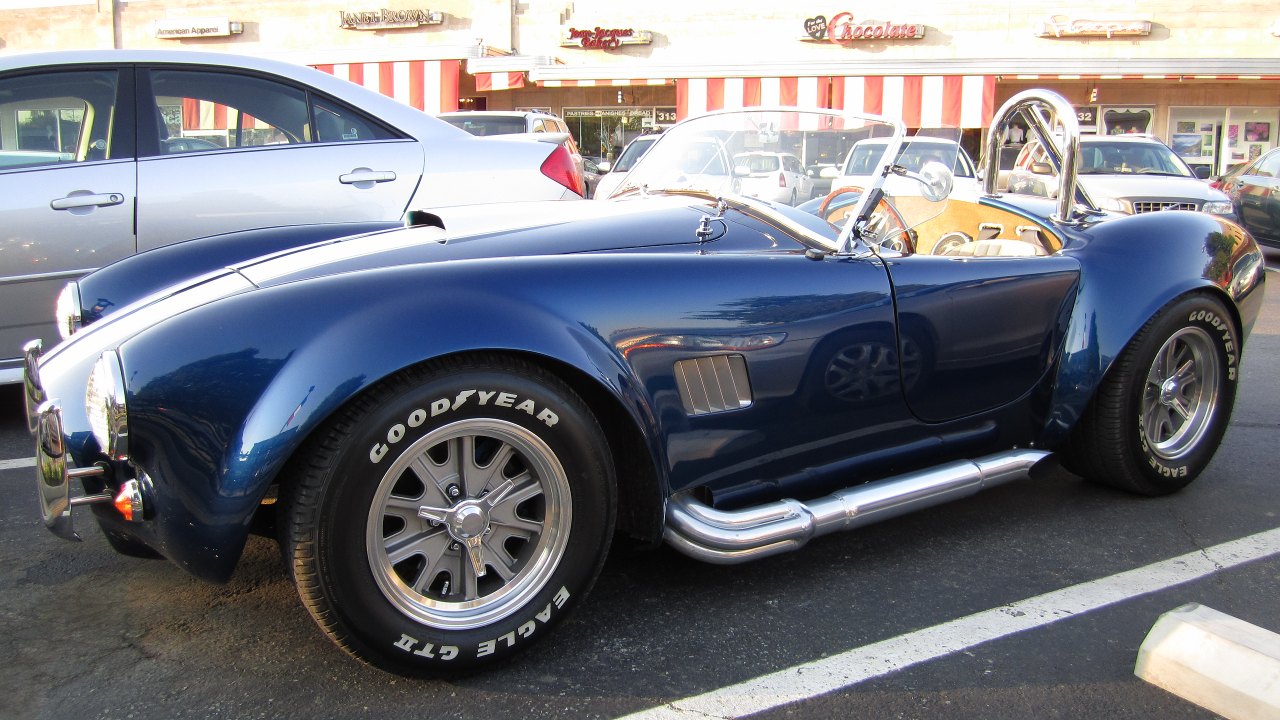
Insurance for classic cars like a 1965 Shelby Cobra can vary significantly from regular car insurance. Factors such as the car’s age, condition, and usage can all affect premiums. Specialty insurance providers often offer policies tailored to classic cars, which can include benefits like agreed value coverage and flexible usage terms.
Get quotes from multiple insurers and compare coverage options. Be transparent about how you plan to use the car, as limited-use policies can offer substantial savings. Understanding insurance costs upfront can help you avoid surprises and factor these expenses into your overall budget.
Test Drive for Performance
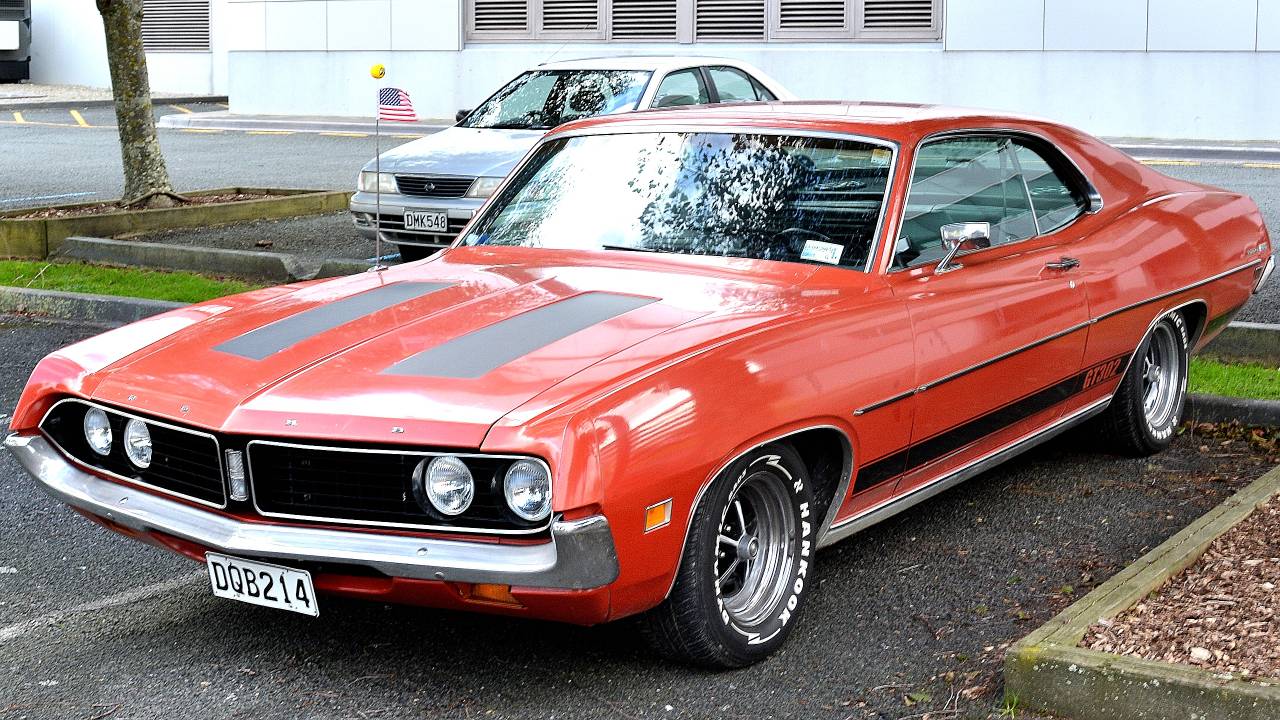
A test drive is an essential step in assessing a car’s performance and condition. When driving a classic muscle car like a 1970 Ford Torino, pay attention to how it handles, brakes, and accelerates. Listen for any unusual sounds and make note of any performance issues.
Take the car on various road types and speeds to get a comprehensive feel for its capabilities. If possible, have a mechanic accompany you to provide a second opinion. A thorough test drive can reveal potential mechanical issues and help you determine if the car meets your driving expectations.
Consult with Classic Car Experts
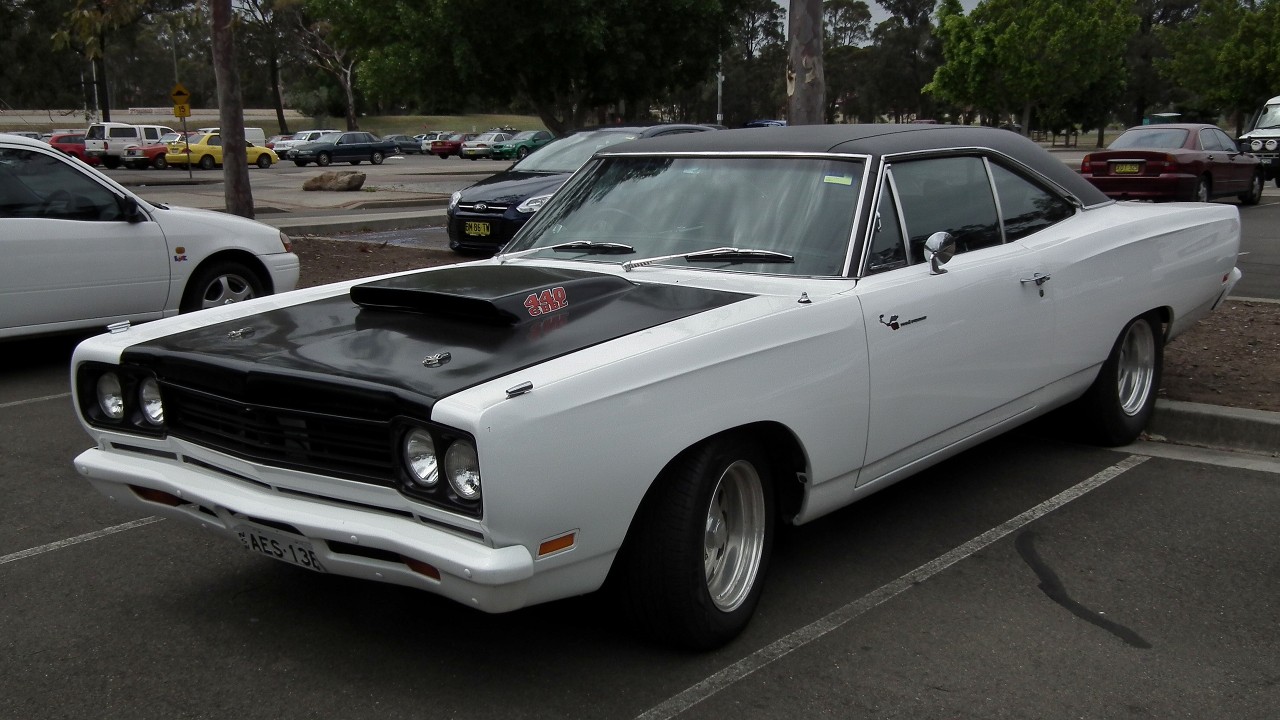
Consulting with experts in the field can provide valuable insights and guidance. Reach out to classic car clubs, online forums, or local enthusiasts who specialize in models like the 1969 Plymouth Road Runner. These communities can offer advice on specific issues, share experiences, and even help you connect with reputable sellers.
Additionally, professional appraisers and inspectors can provide an unbiased evaluation of a car’s condition and value. Their expertise can be invaluable, especially for first-time buyers navigating the complexities of purchasing a classic muscle car. Having expert advice can boost your confidence and ensure you’re making a well-informed decision.
Plan for Maintenance and Storage
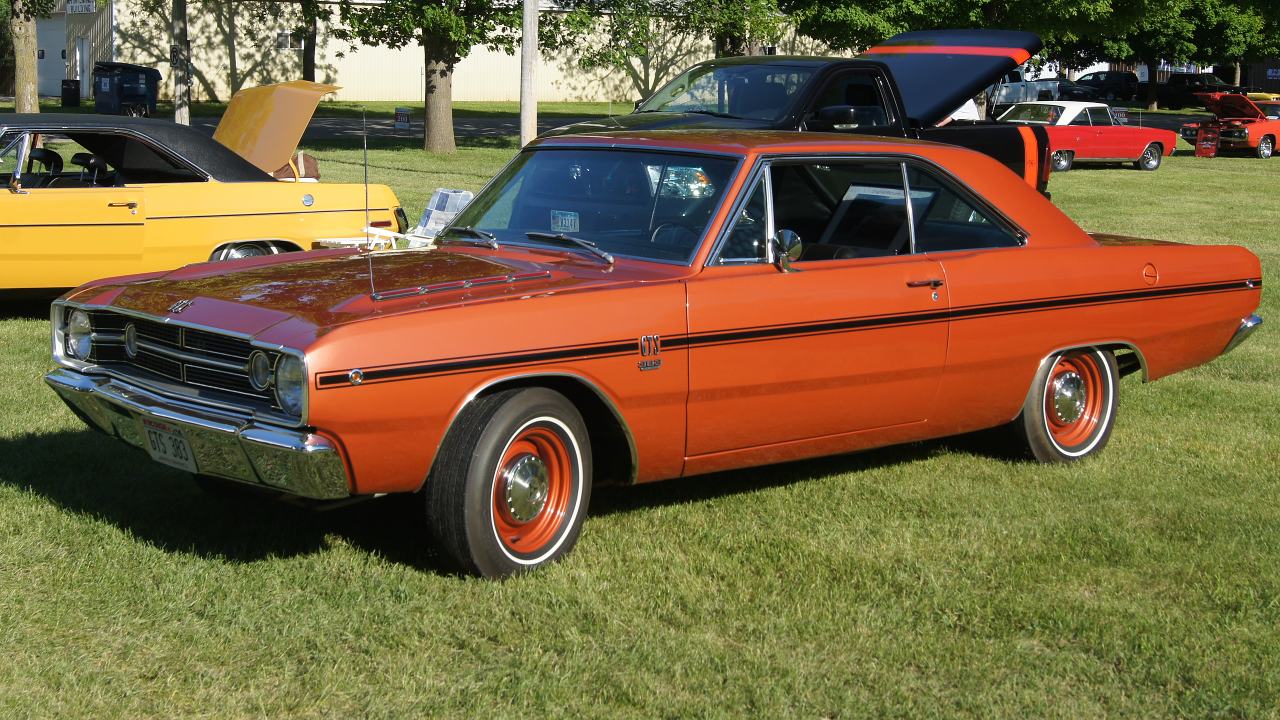
Proper maintenance and storage are crucial for preserving the value and condition of your classic muscle car. Regular maintenance, such as oil changes and tune-ups, is essential to keep a car like a 1968 Dodge Dart running smoothly. Consider establishing a relationship with a mechanic who specializes in classic cars to ensure your vehicle receives the care it needs.
Storage is equally important, as exposure to the elements can cause significant wear and tear. Invest in a secure, climate-controlled storage space to protect your investment. Consider options like car covers and battery maintainers to keep your vehicle in top condition during periods of inactivity. Planning for these aspects will ensure that your classic muscle car remains a source of pride and enjoyment for years to come.