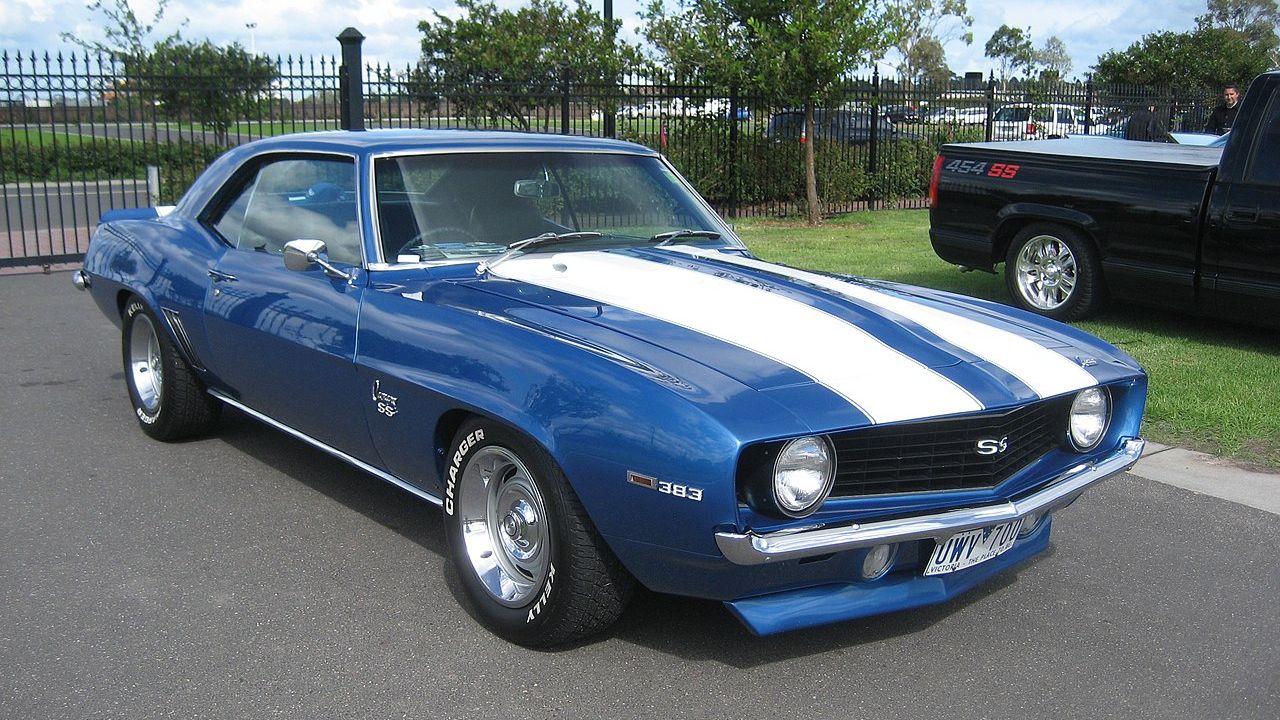
Muscle cars are a quintessential part of automotive history, celebrated for their powerful engines and iconic designs. However, the market is awash with clones that mimic the genuine article, making it crucial for enthusiasts and potential buyers to distinguish between authentic muscle cars and replicas. Understanding how to identify genuine muscle cars and differentiate them from clones can enhance the buying experience and preserve the integrity of these classic vehicles.
Understanding Muscle Car Origins
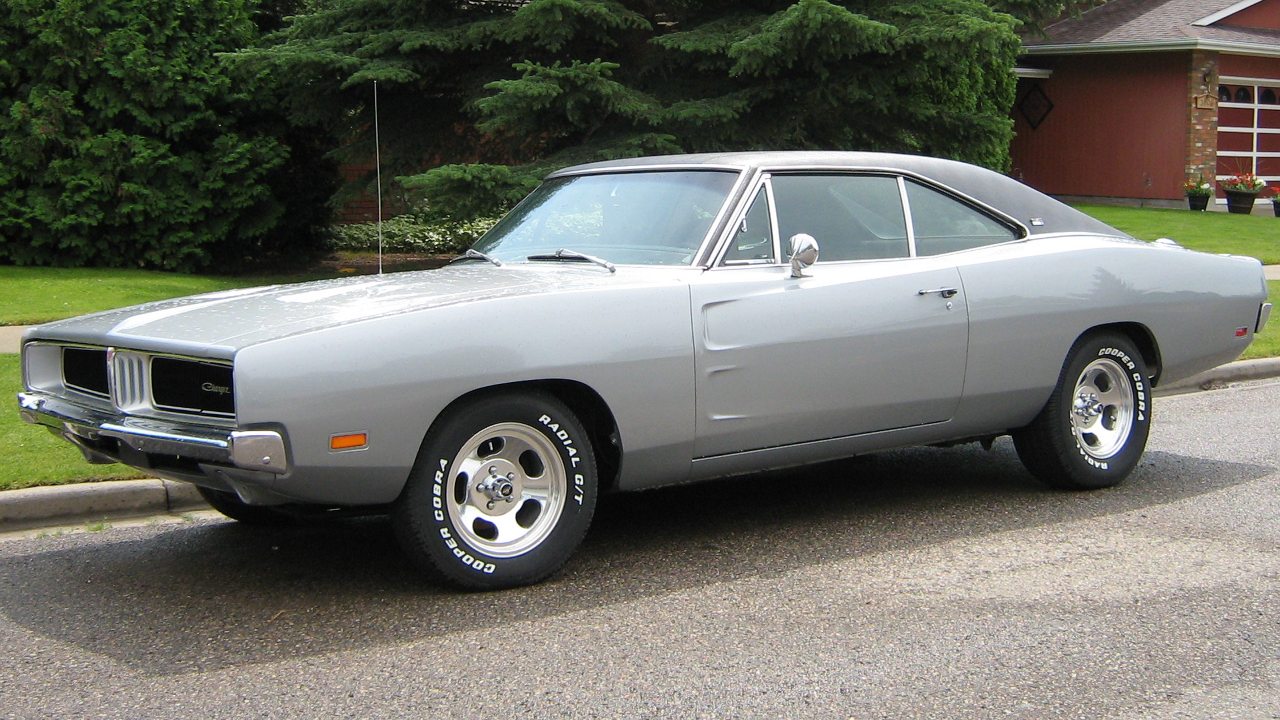
The muscle car era is often considered the golden age of American automotive innovation, primarily spanning the 1960s to the early 1970s. During this period, manufacturers like Ford, Chevrolet, Dodge, and Pontiac produced vehicles that balanced affordability with high performance, catering to a growing market of young, speed-hungry consumers. Classic models such as the 1964 Pontiac GTO, 1965 Ford Mustang, and 1969 Dodge Charger became cultural icons, each representing the pinnacle of muscle car engineering and design.
These vehicles were characterized by their V8 engines, rear-wheel drive, and aggressive styling. The muscle car’s impact on automotive culture extended beyond mere speed; it embodied a sense of freedom and rebellion, becoming a staple in American pop culture. As the muscle car evolved, so did its influence, eventually giving rise to modern interpretations like the Dodge Challenger and Ford Mustang, which pay homage to their predecessors while incorporating contemporary technology.
Identifying Authenticity Through Documentation
When it comes to verifying the authenticity of a muscle car, documentation is paramount. Original paperwork such as build sheets, window stickers, and purchase invoices provide a detailed history of the vehicle, including its original specifications and options. These documents are often crucial in establishing a car’s provenance and can significantly influence its value in the collector’s market.
Decoding the Vehicle Identification Number (VIN) is another vital step in confirming a muscle car’s authenticity. The VIN contains critical information about the car, such as the manufacturer, model year, and production plant. By cross-referencing the VIN with factory records and certifications, one can verify whether a car is a genuine example or a cleverly disguised clone. Websites like the National Motor Vehicle Title Information System (NMVTIS) offer VIN check services that can be instrumental in this process.
Examining Physical Attributes and Specifications
Authentic muscle cars often possess distinctive design features and bodywork that set them apart from replicas. For instance, the 1969 Chevrolet Camaro Z/28 is known for its cowl induction hood and rear spoiler, elements that are often inaccurately replicated. Understanding these unique design cues can help differentiate genuine models from clones. Additionally, examining the fit and finish of the body panels can provide insights into the car’s originality.
Mechanical specifications are equally important. Engine codes, transmission types, and other mechanical details can reveal a lot about a car’s authenticity. For example, the 1970 Plymouth Hemi ‘Cuda is famous for its 426 Hemi engine, a feature that should be present in any genuine model. Similarly, interior details such as original factory options and upholstery materials can further aid in distinguishing a real muscle car from a replica. Enthusiasts can consult resources like the Galen Govier Registry, which specializes in documenting and authenticating Chrysler muscle cars.
Analyzing Market Factors and Expert Opinions
The muscle car market is dynamic, with trends and values fluctuating based on factors such as rarity, demand, and historical significance. Observing these trends can provide clues about a car’s authenticity. Genuine muscle cars often command higher prices and attract significant interest from collectors, whereas replicas may be more affordable but lack the same level of desirability.
Consulting with reputable appraisers and muscle car experts is another effective way to assess a car’s authenticity. Experts can provide valuable insights and identify common red flags and scams prevalent in the market. For instance, the practice of VIN swapping, where a clone is given the VIN of a genuine model, is a known issue that professionals can help detect. Engaging with online forums and clubs, such as the Classic Car Club of America, can also connect buyers with knowledgeable individuals who have firsthand experience in identifying authentic muscle cars.
Restoration vs. Replica: Understanding the Differences
Restoration is a common practice in the world of classic cars, but it’s important to distinguish between restored vehicles and replicas. While restoration work can enhance the appearance and performance of a muscle car, it can also impact its authenticity and value. High-quality restorations maintain the original specifications and use period-correct parts, preserving the car’s historical integrity.
On the other hand, replicas are often built from the ground up, using aftermarket parts to mimic the appearance of a genuine muscle car. While some replicas are crafted with meticulous attention to detail, others may be poorly executed and lack the authenticity of an original. Legal considerations also come into play, as selling a replica under the guise of a genuine model can have ethical and legal implications. The Specialty Equipment Market Association (SEMA) provides guidelines that can help distinguish between legitimate restoration and unethical cloning practices.