Some cars remain admired long after newer models arrive because great design, memorable performance, and lasting cultural impact never go out of style. Whether they earned fame on the road, the track, or the big screen, these vehicles continue attracting enthusiasts decades later. Their appeal has endured across generations, proving that true automotive coolness never fades.
Porsche 911
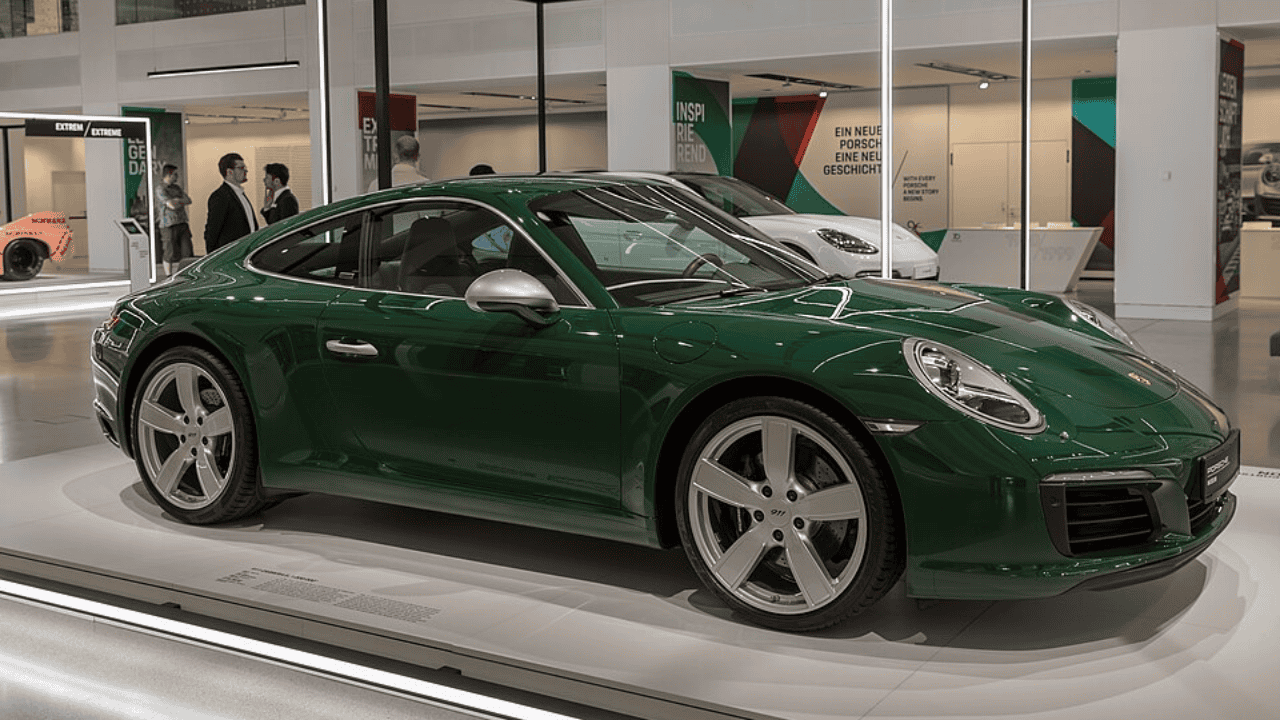
The Porsche 911 has remained instantly recognizable since its debut in the 1960s. Its rear-engine layout, timeless silhouette, and constant refinement have allowed it to evolve without losing its identity. Whether parked at a car show or carving through mountain roads, the 911 continues representing performance, prestige, and engineering excellence.
Chevrolet Corvette C2 Sting Ray
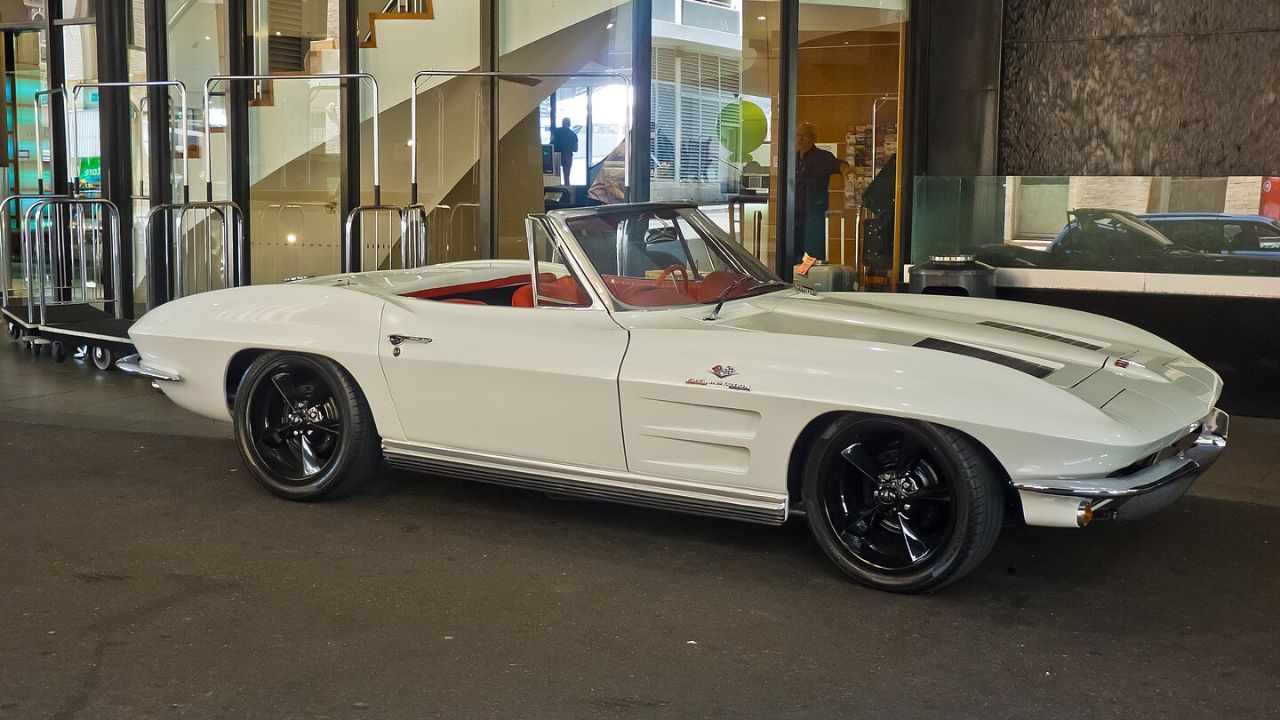
The Chevrolet Corvette C2 Sting Ray introduced dramatic styling and independent rear suspension, transforming America’s sports car into a true performance icon. Split-window coupes and aggressive proportions made it unforgettable. Decades later, collectors and enthusiasts still admire its combination of beautiful design, powerful V8 engines, and unmistakable road presence.
Jaguar E-Type
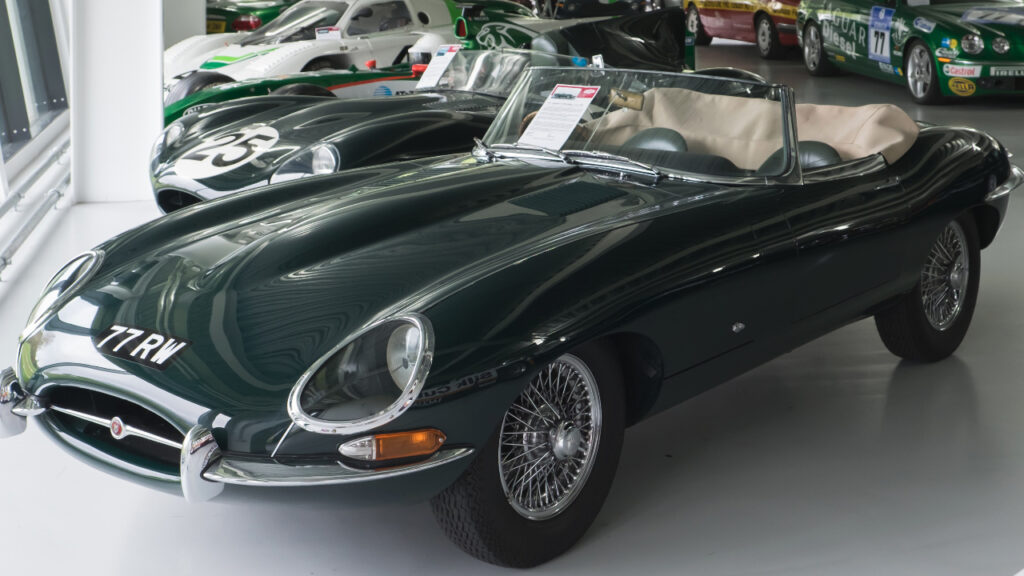
The Jaguar E-Type stunned the automotive world with its elegant proportions and impressive performance. Often described as one of the most beautiful cars ever built, it blended speed with sophistication in a way few competitors could match. Its timeless styling continues to inspire admiration from enthusiasts and designers alike.
Mazda MX-5 Miata
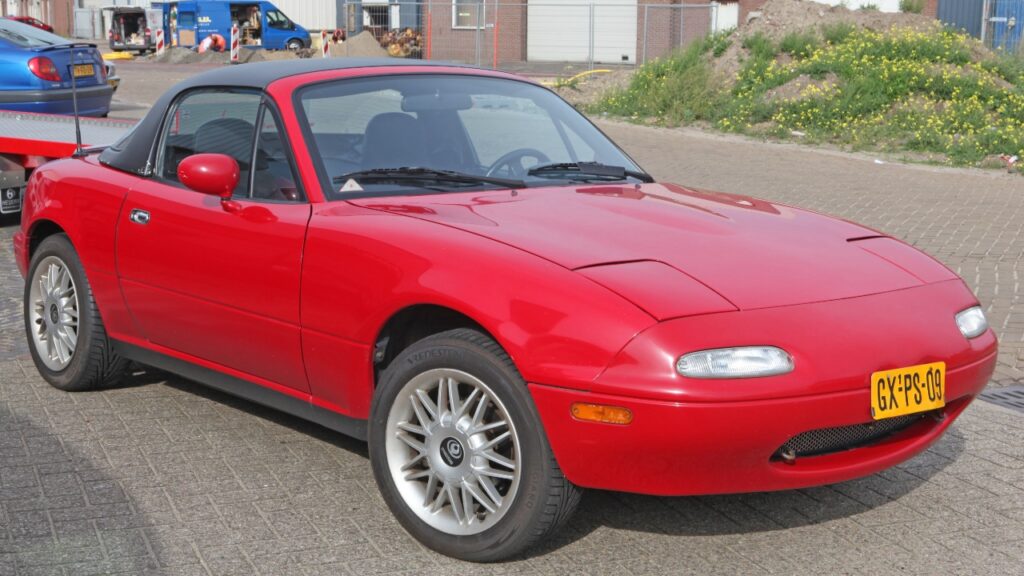
The Mazda MX-5 Miata revived the lightweight British roadster formula with modern reliability and affordability. Its balanced handling, manual transmission, and simple driving experience have made it a favorite for more than three decades. Every generation maintains the playful character that keeps the Miata cool among both new and experienced enthusiasts.
Ferrari F40
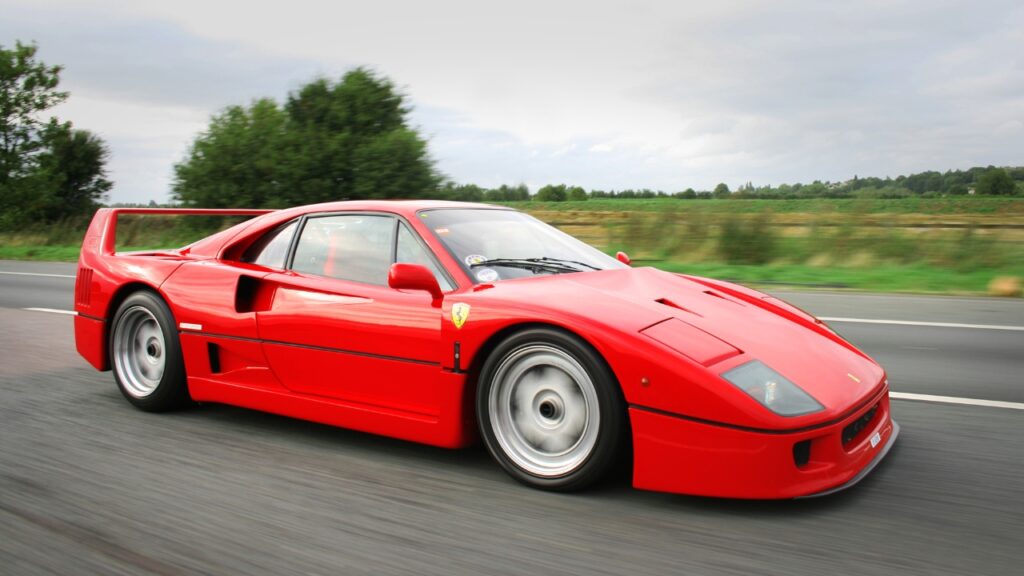
The Ferrari F40 represented uncompromising performance with its lightweight construction, twin-turbocharged V8, and race-inspired engineering. Built to celebrate Ferrari’s 40th anniversary, it delivered an intense driving experience without electronic driving aids. Its raw personality and instantly recognizable shape continue making it one of the world’s most admired supercars.
Dodge Viper GTS
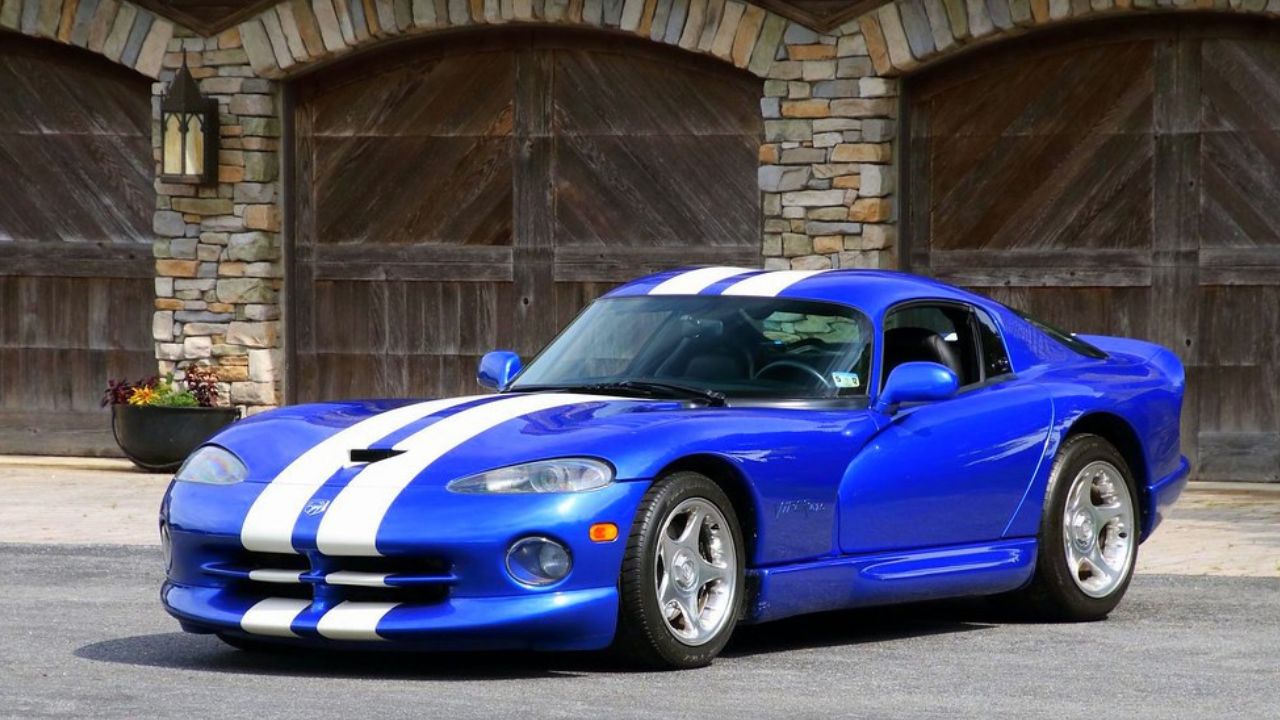
The Dodge Viper GTS earned legendary status by offering enormous V10 power and minimal electronic assistance. Its muscular styling, side exhausts, and intimidating performance gave it a personality unlike almost any other American sports car. Even today, few vehicles project the same combination of aggression, excitement, and unmistakable presence.
BMW E39 M5
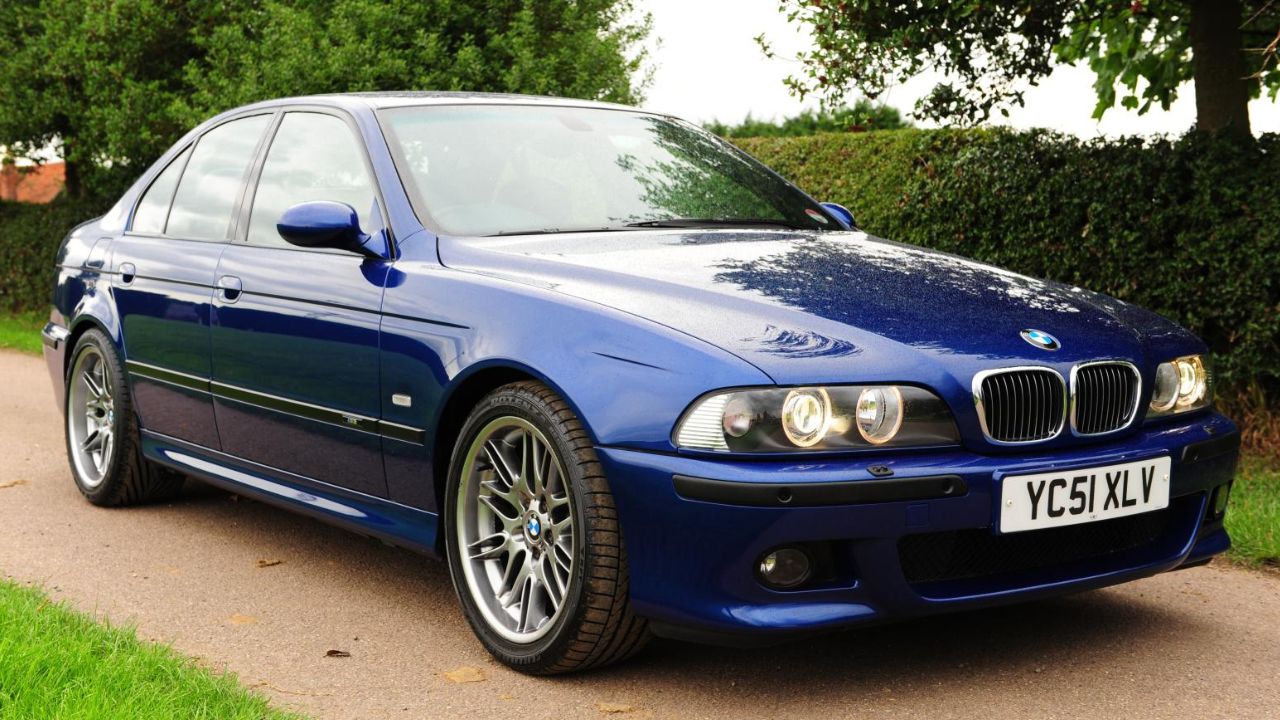
The BMW E39 M5 perfectly balanced luxury, practicality, and performance. Its naturally aspirated V8, rear-wheel-drive layout, and precise handling created one of the greatest sports sedans ever built. Enthusiasts continue praising its understated styling and rewarding driving dynamics, ensuring its reputation remains as strong as ever.
Lamborghini Countach
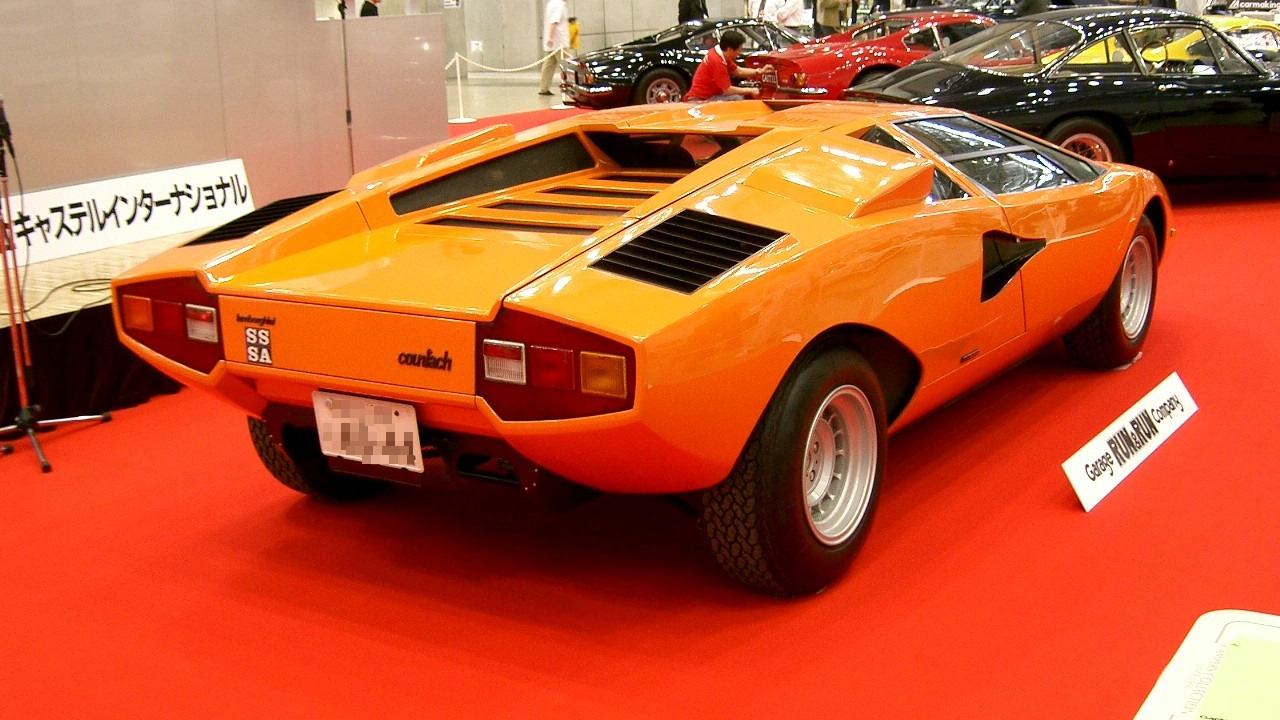
The Lamborghini Countach redefined what a supercar could look like with its wedge-shaped body, dramatic scissor doors, and exotic proportions. It became the bedroom poster car for an entire generation. Even decades later, its outrageous styling still captures attention and symbolizes the boldest era of automotive design.
Ford Mustang Fastback
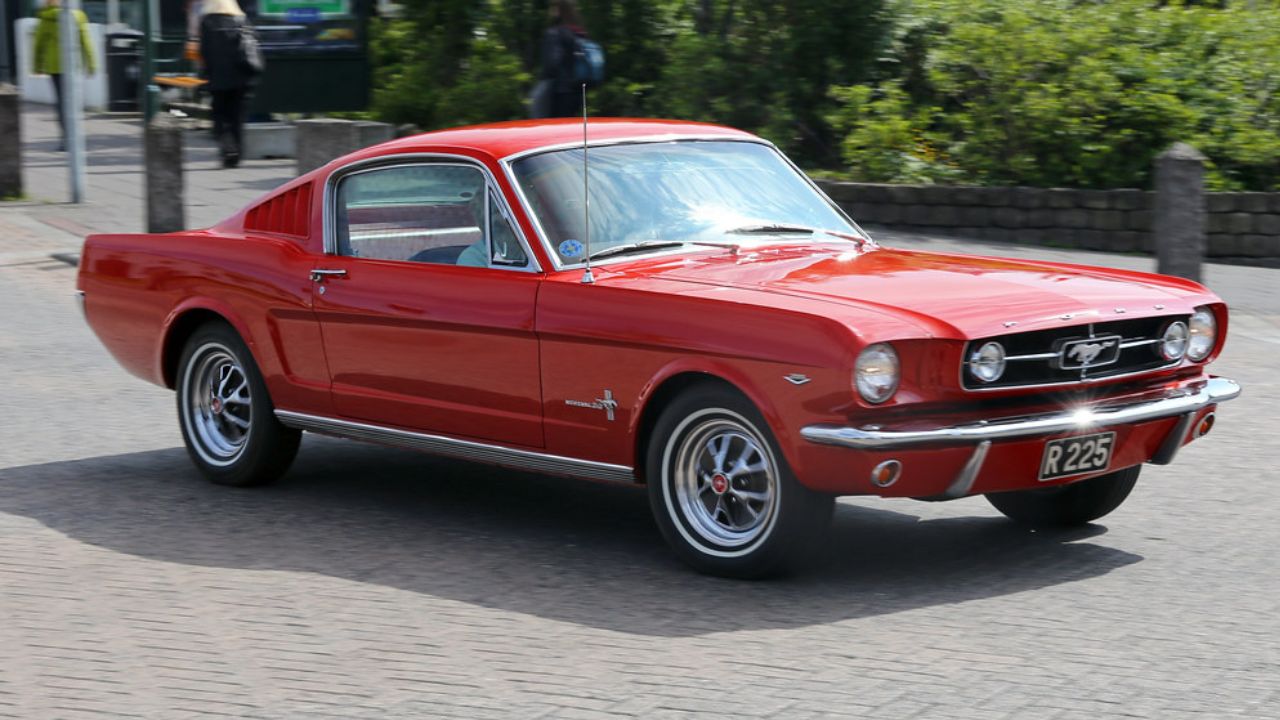
The Ford Mustang Fastback became an American icon through its sleek roofline, V8 performance, and starring roles in popular culture. It captured the spirit of affordable performance and youthful freedom. Its timeless styling continues inspiring modern Mustangs while maintaining strong appeal among collectors and classic car enthusiasts.
Acura NSX
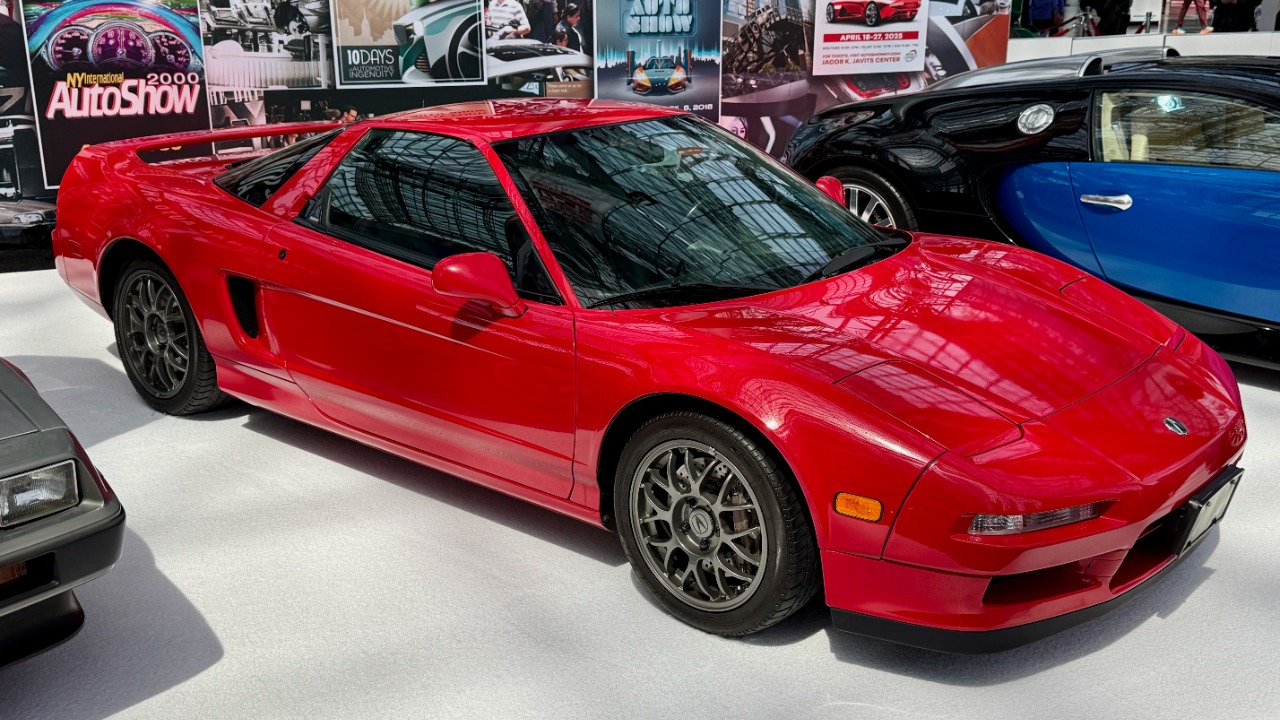
The Acura NSX challenged European supercars by combining everyday reliability with advanced engineering and exceptional handling. Developed with input from Formula One technology, it offered precision without sacrificing comfort. Its clean styling and groundbreaking aluminum construction continue earning respect from enthusiasts around the world.
Nissan Skyline GT-R R34
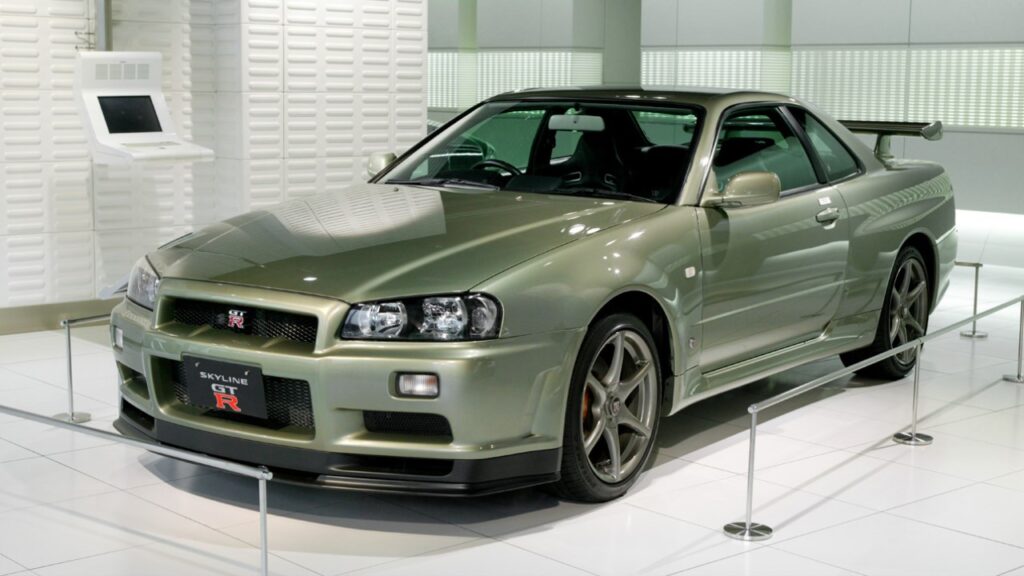
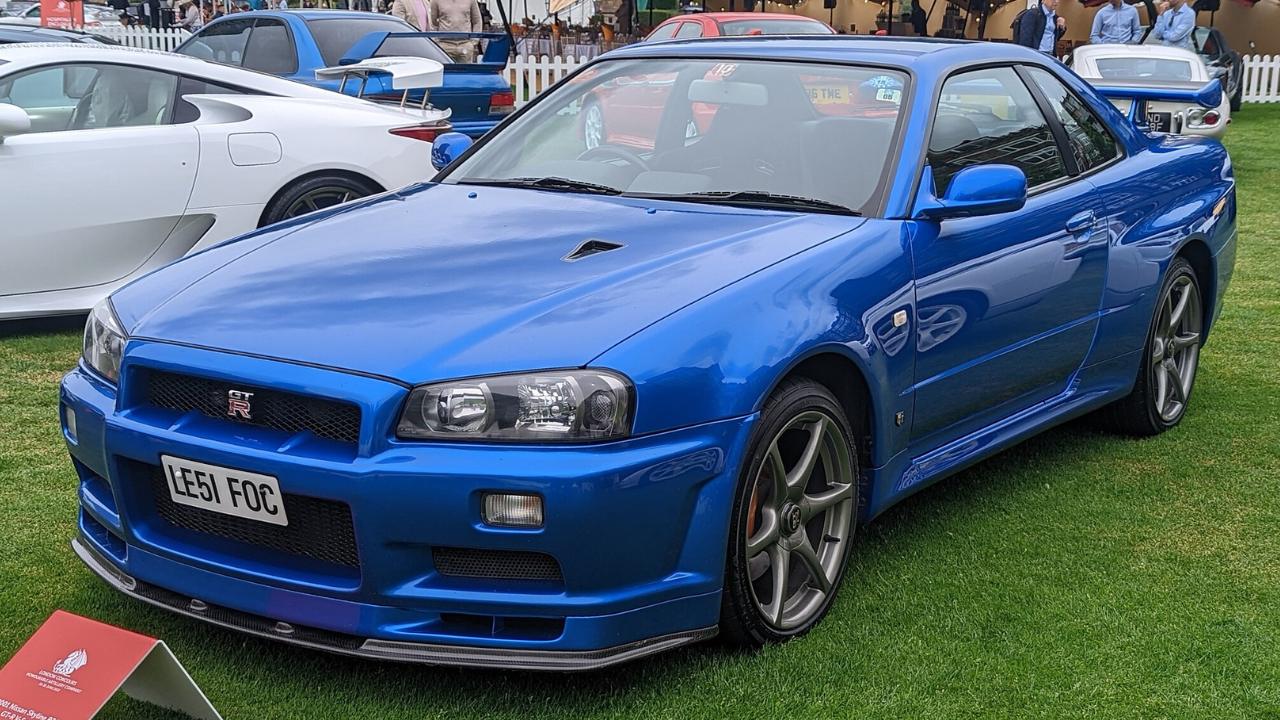
The Nissan Skyline GT-R R34 achieved legendary status through its advanced all-wheel-drive system, twin-turbocharged inline-six engine, and motorsport success. Video games and films introduced it to millions of enthusiasts worldwide. Its combination of technology, performance, and rarity ensures it remains one of the most desirable Japanese performance cars ever built.
Mercedes-Benz 300SL Gullwing
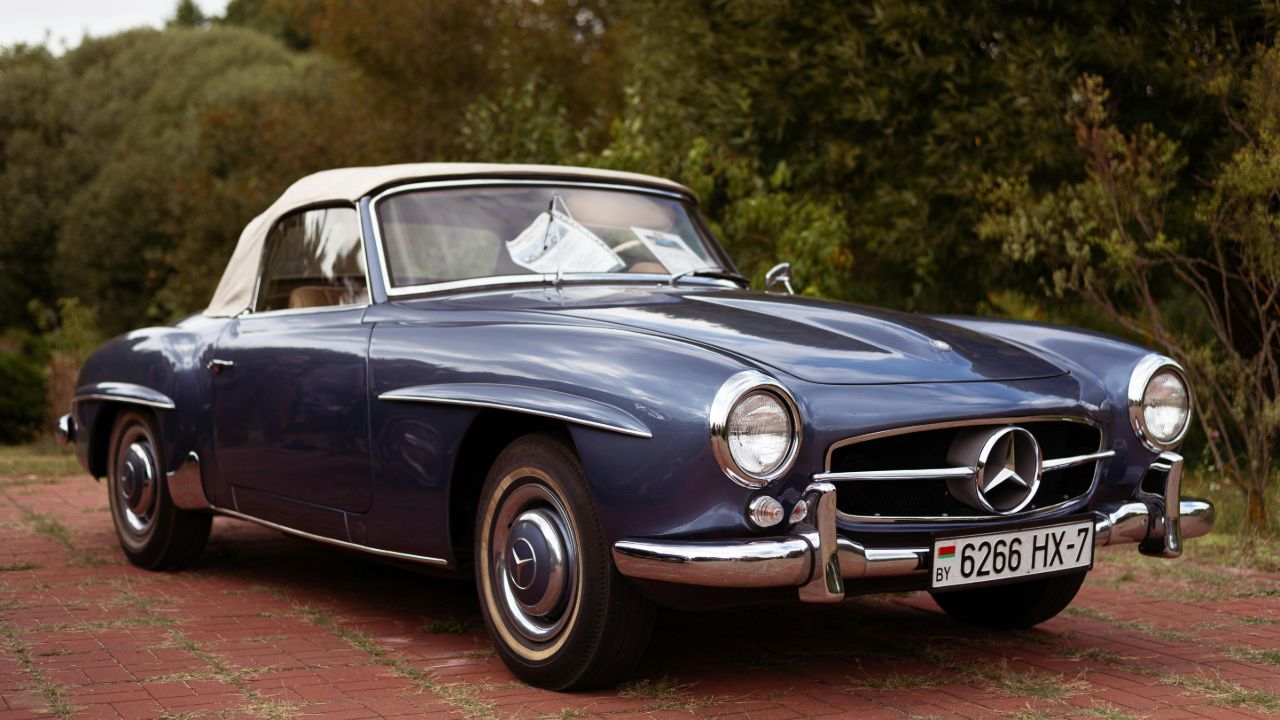
The Mercedes-Benz 300SL Gullwing remains one of history’s most elegant and technically significant sports cars. Its distinctive gullwing doors, lightweight construction, and fuel-injected engine made it revolutionary during the 1950s. Today, it continues representing innovation, exclusivity, and timeless automotive style that has never gone out of fashion.
More from Fast Lane Only
- Unboxing the WWII Jeep in a Crate
- 15 rare Chevys collectors are quietly buying
- 10 underrated V8s still worth hunting down
- Police notice this before you even roll window down
*Research for this article included AI assistance, with all final content reviewed by human editors