Don Garlits, often referred to as “Big Daddy,” revolutionized the world of drag racing through his innovative approach to technology, safety, and performance. His contributions not only advanced the sport but also set new standards that are still in place today. Garlits is more than just a legendary racer; he is a symbol of progress in the automotive world, and his influence can still be felt on the racing circuit.
Early Life and Career
Born on January 14, 1932, in Tampa, Florida, Don Garlits developed an early interest in cars and racing. Growing up during the Great Depression, he often found himself fascinated by the mechanics of automobiles and the thrill of speed. His passion led him to dismantle and reassemble engines, igniting a lifelong love for racing. Garlits’ early exposure to the burgeoning automotive culture in the post-war era would shape his future endeavors in drag racing.
Garlits made his initial forays into drag racing in the late 1940s when the sport was still in its infancy. His first car, a 1940 Willys coupe, was a modest start, but it provided him with invaluable experience. However, the challenges he faced were significant. The lack of resources and the nascent state of drag racing meant that Garlits had to innovate on a budget. With each race, he learned about the technical aspects of performance and the importance of engineering, laying the groundwork for his future innovations.
Influenced by prominent figures in the racing community, Garlits took inspiration from drivers like “Jungle Jim” Liberman and “Garlits” rival, Don Prudhomme. Their daring exploits and competitive spirit fueled Garlits’ ambition to push the boundaries of what was possible in drag racing. Mentorship from experienced racers helped him refine his skills, ultimately leading him to become one of the sport’s most influential figures.
Technological Innovations
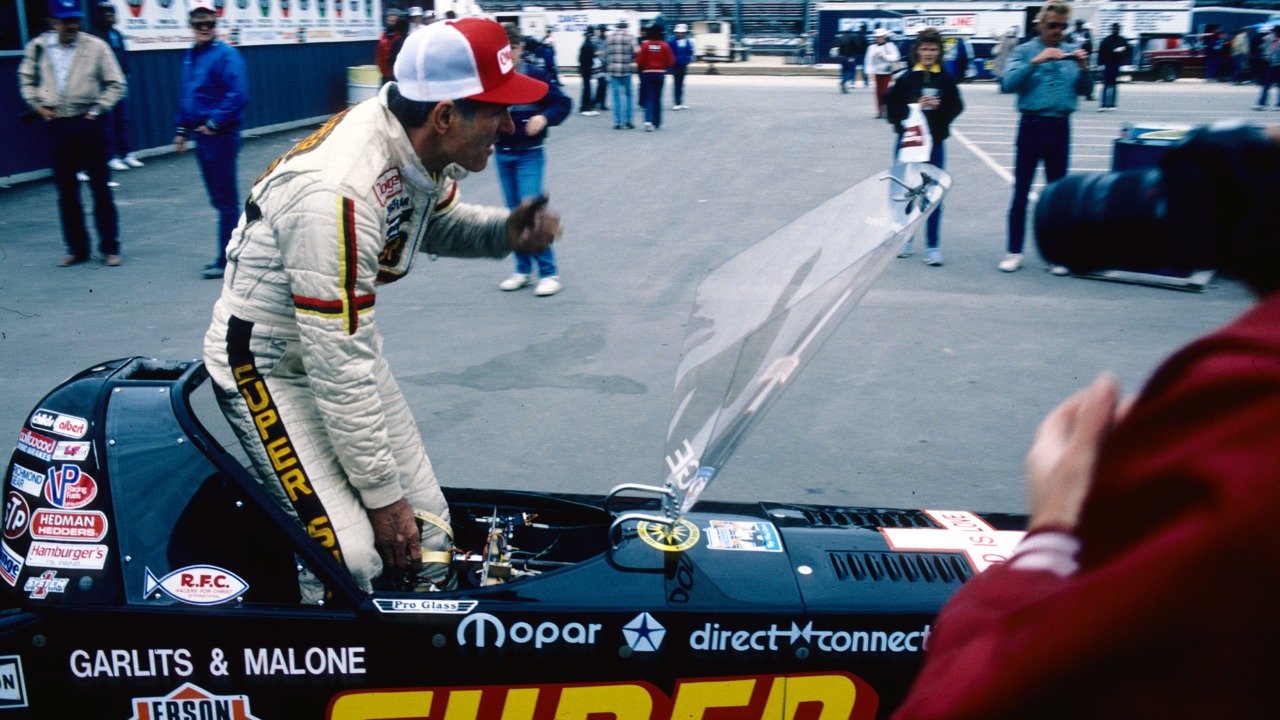
One of Garlits’ most significant contributions to drag racing was the introduction of the rear-engine dragster in the 1970s. At the time, most dragsters featured front-engine designs, which posed challenges in terms of weight distribution and handling. Garlits recognized that placing the engine behind the driver would improve traction and stability during high-speed runs. His first rear-engine car, the Swamp Rat 1, debuted in 1971 and marked a turning point in drag racing technology.
The advantages of the rear-engine layout became immediately apparent. By shifting the weight distribution, Garlits was able to achieve faster acceleration and better control on the track. This innovation not only enhanced performance but also sparked a revolution in drag racing design. Other teams quickly adopted the rear-engine configuration, leading to a new standard in the sport. Garlits’ approach changed how cars were built and raced, demonstrating the importance of engineering in achieving competitive success.
Throughout the years, the Swamp Rat series showcased Garlits’ commitment to pushing performance boundaries. Each model introduced cutting-edge technologies, from advancements in aerodynamics to the integration of sophisticated materials. His relentless pursuit of speed and efficiency challenged the perceptions of drag racing cars and set a precedent for future innovations. Garlits’ legacy in technology continues to influence modern drag racing practices, ensuring that his impact is felt in every race today.
Advancements in Safety
Garlits’ advocacy for safety measures in drag racing was born out of personal experience. After surviving a horrific crash in 1970 when his front-engine dragster exploded, he realized the urgent need for better safety protocols in the sport. This incident prompted him to become a vocal advocate for the implementation of safety measures that would protect drivers in high-speed situations. Garlits’ commitment to safety was not just about personal survival; it was about fostering a culture that prioritized the well-being of all racers.
His contributions to safety equipment were groundbreaking. Garlits played a pivotal role in the design and development of fire suits, helmets, and other essential gear that have become standard in the drag racing community. By collaborating with manufacturers and organizations, he helped establish safety standards that have since become industry norms. His tireless efforts in promoting safety led to significant advancements in the design of racing tracks and vehicles, ultimately reducing the risk of injury for drivers and spectators alike.
Working closely with organizations like the NHRA (National Hot Rod Association), Garlits helped enforce safety regulations that are now integral to drag racing. The long-term effects of his initiatives are evident today, as racers are better protected than ever before. Garlits’ legacy in safety serves as a constant reminder of the importance of prioritizing well-being in a sport defined by speed and competition.
Cultural Impact on Drag Racing
Don Garlits is not just a racer; he is a cultural icon in drag racing. As a charismatic personality and ambassador for the sport, he has engaged with fans and media in ways that few others have. His approachable demeanor and willingness to share his knowledge have made him a beloved figure among racing enthusiasts. Garlits has often appeared in interviews, documentaries, and television shows, helping to elevate the profile of drag racing and introducing it to a broader audience.
His participation in exhibitions and events has been crucial in popularizing drag racing in America. By showcasing his skills on the track and interacting with fans, Garlits helped transform drag racing from a niche sport into a mainstream activity. His fame contributed significantly to the growth of the sport, attracting new fans and participants. Through his efforts, Garlits has inspired countless individuals to pursue their passion for racing and has left an indelible mark on the culture surrounding drag racing.
Garlits’ influence can also be seen in the way he has shaped the careers of future generations of racers. Many successful drivers credit Garlits as a key inspiration in their journey, highlighting the importance of his mentorship and support. By fostering a sense of community among racers, he has ensured that the spirit of competition remains alive and vibrant.
Legacy and Recognition
The legacy of Don Garlits is cemented through the numerous honors and awards he has received throughout his illustrious career. Inducted into several halls of fame, including the NHRA Hall of Fame, Garlits’ contributions to the sport have been recognized by peers and fans alike. His innovative spirit and dedication to excellence have set a benchmark for all racers, making the Garlits name synonymous with success in drag racing.
Beyond accolades, Garlits continues to influence the drag racing community through mentorship and support for new racers. His willingness to share his knowledge and experience has helped nurture the next generation of talent. Garlits’ ongoing involvement in the sport, whether through racing or mentoring, ensures that his impact will be felt for years to come.
The enduring relevance of Garlits’ innovations and philosophies in modern racing is a testament to his legacy. His commitment to pushing boundaries and advocating for safety continues to resonate within the community, inspiring racers to strive for excellence. Garlits’ influence is not limited to the past; it is a living legacy that will undoubtedly shape the future of drag racing.
Future of Drag Racing Inspired by Garlits
As drag racing continues to evolve, many current trends reflect the influence of Don Garlits. The adoption of new technologies and practices inspired by his innovations has become commonplace in the sport. From advanced engine designs to the integration of cutting-edge materials, Garlits’ impact on performance and safety is evident in the cars racing today. Modern teams are building on the foundation he laid, pursuing speed and efficiency with an unwavering commitment to safety.
Garlits’ vision for the future of drag racing is one of adaptation and innovation. In interviews and writings, he has emphasized the importance of embracing new challenges while preserving the spirit of competition that defines the sport. He recognizes that the landscape of racing is changing, with advancements in electric and hybrid technologies emerging as potential game-changers. Garlits sees the future of drag racing as an exciting journey that balances tradition with progress, ensuring that the sport remains relevant and engaging for future generations.
In essence, the future of drag racing is bright, fueled by the legacy of pioneers like Don Garlits. His influence will continue to guide the sport as it navigates new horizons, reminding us all of the importance of innovation, safety, and the passion that drives us to race. As I reflect on Garlits’ extraordinary contributions, I am reminded that true legends never fade; they inspire us to reach new heights.
More from Fast Lane Only
- Unboxing the WWII Jeep in a Crate
- 15 rare Chevys collectors are quietly buying
- 10 underrated V8s still worth hunting down
- Police notice this before you even roll window down
*Research for this article included AI assistance, with all final content reviewed by human editors.