Before pickups became rolling luxury suites, work trucks were designed around a straightforward mission: start, haul, tow, and keep going. Simple engines, sturdy frames, basic controls, and easily understood mechanical systems made them useful to people who depended on their trucks every day. These models represent that old-school approach, with several now becoming increasingly appreciated by collectors.
International Harvester Loadstar
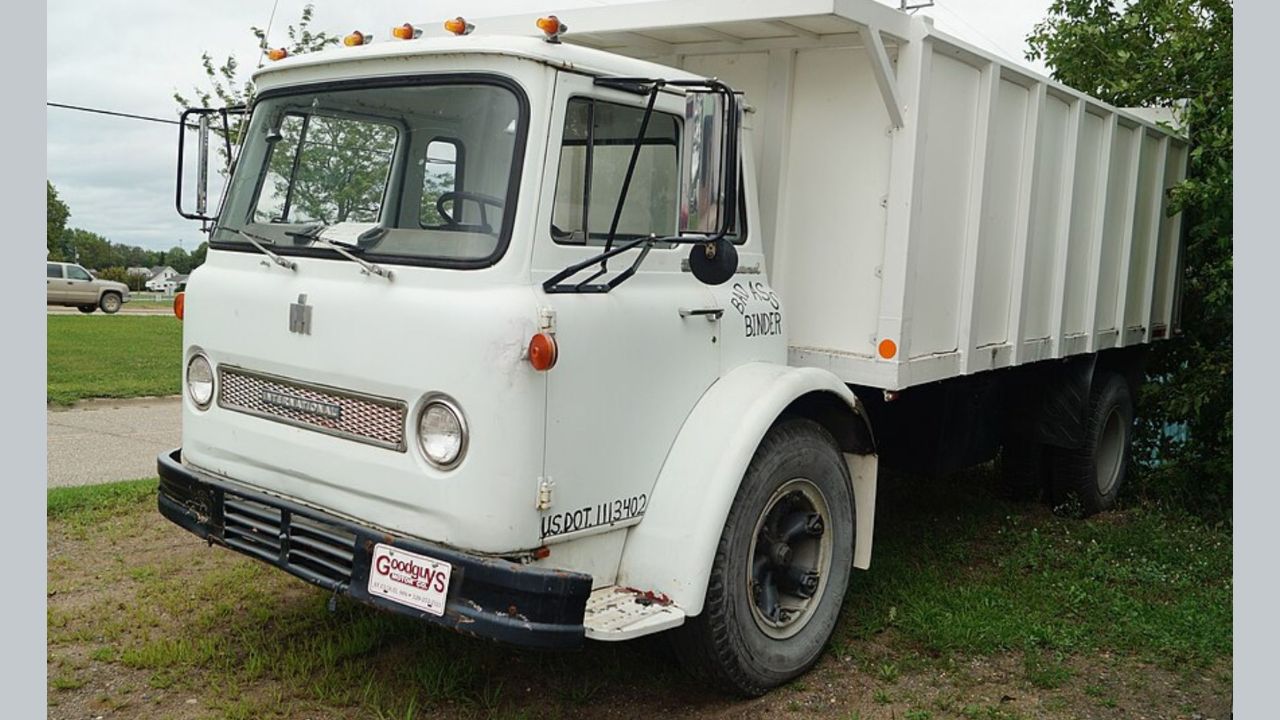
The International Harvester Loadstar was built for serious commercial work rather than weekend cruising. Its short-nose design gave drivers good visibility, while the chassis could be configured for everything from lighter-duty applications to heavy work. A huge range of engines, transmissions, and axle combinations made the Loadstar remarkably adaptable. Its reputation for reliability helped it remain popular throughout a long production run.
Studebaker Champ
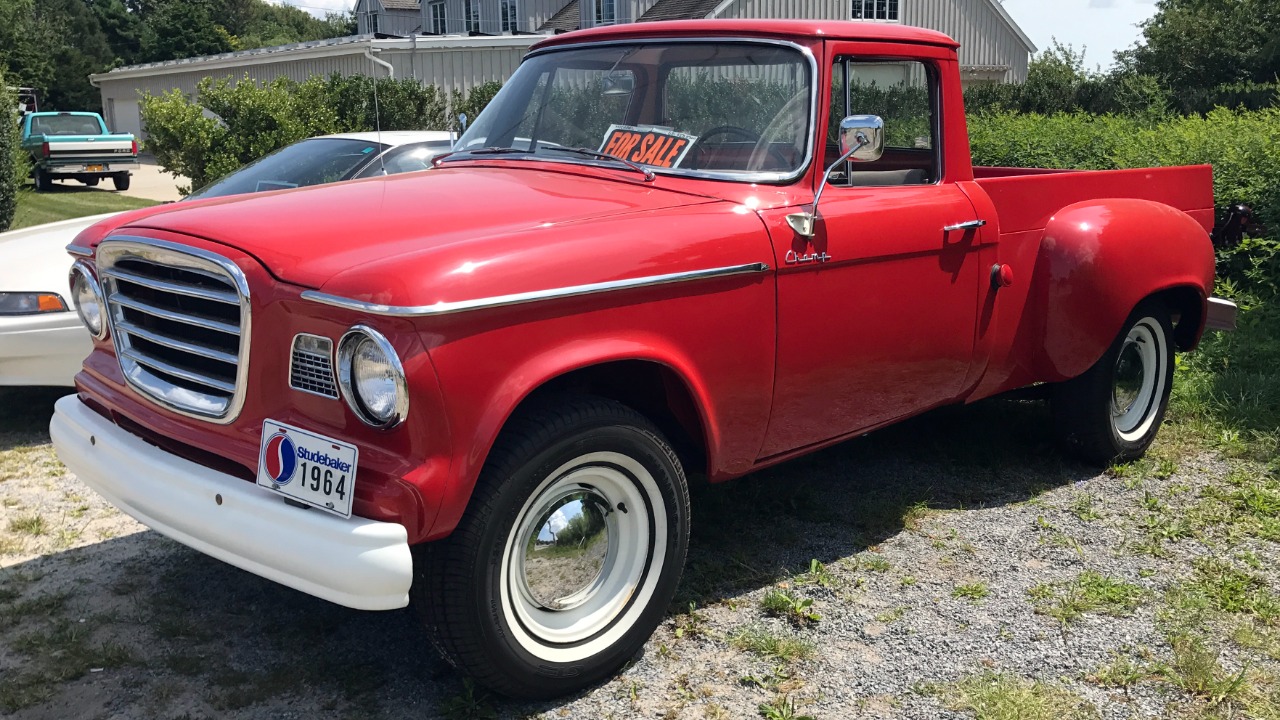
The Studebaker Champ took a different approach to the traditional work truck. Its cab borrowed styling and comfort features from Studebaker passenger cars, giving drivers a more pleasant place to spend long working days. Underneath, it retained the practical construction expected from a pickup. That combination of comfort and utility makes the Champ an especially interesting reminder that simple trucks did not necessarily have to be crude.
Chevrolet Task Force
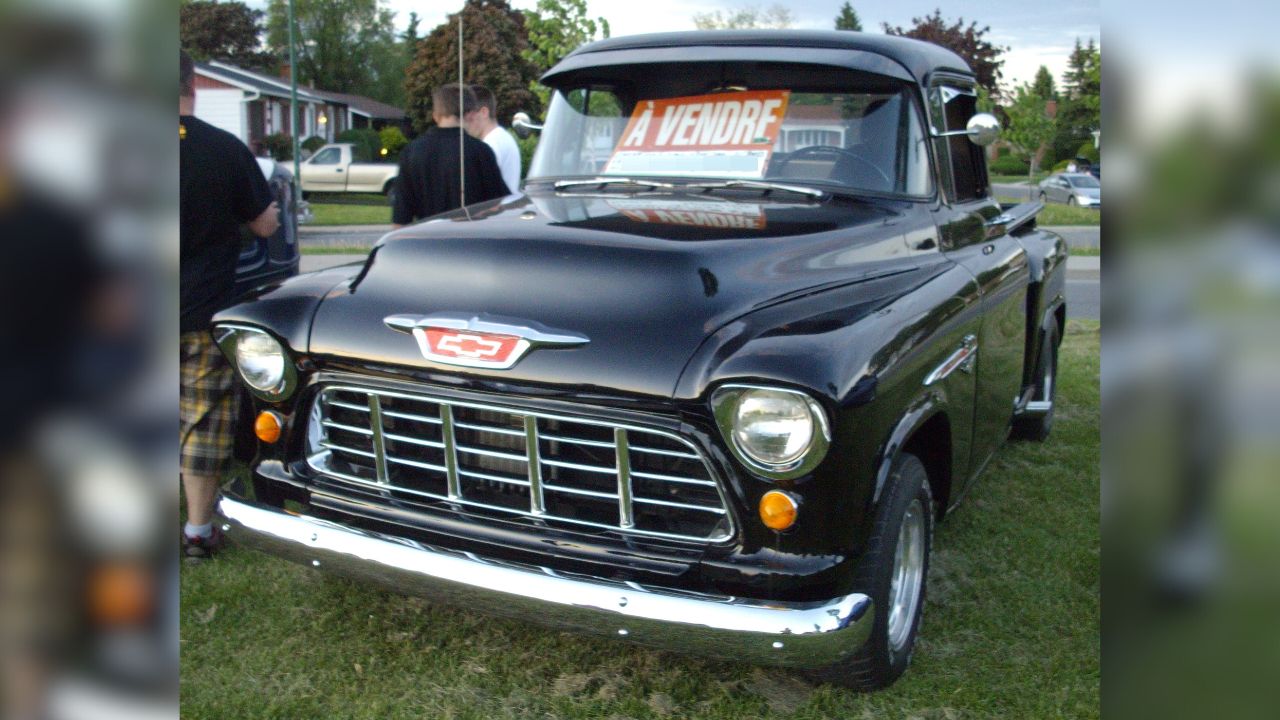
The Chevrolet Task Force brought more modern styling and improved visibility to Chevrolet’s pickup lineup while retaining a straightforward mechanical foundation. Its sturdy chassis and conventional engines made it useful for farms, businesses, and everyday hauling. The design was uncomplicated enough for owners to understand and maintain. Today, surviving examples capture an era when a pickup’s primary purpose was still getting the job done. (Yahoo Autos)
Ford Econoline Pickup
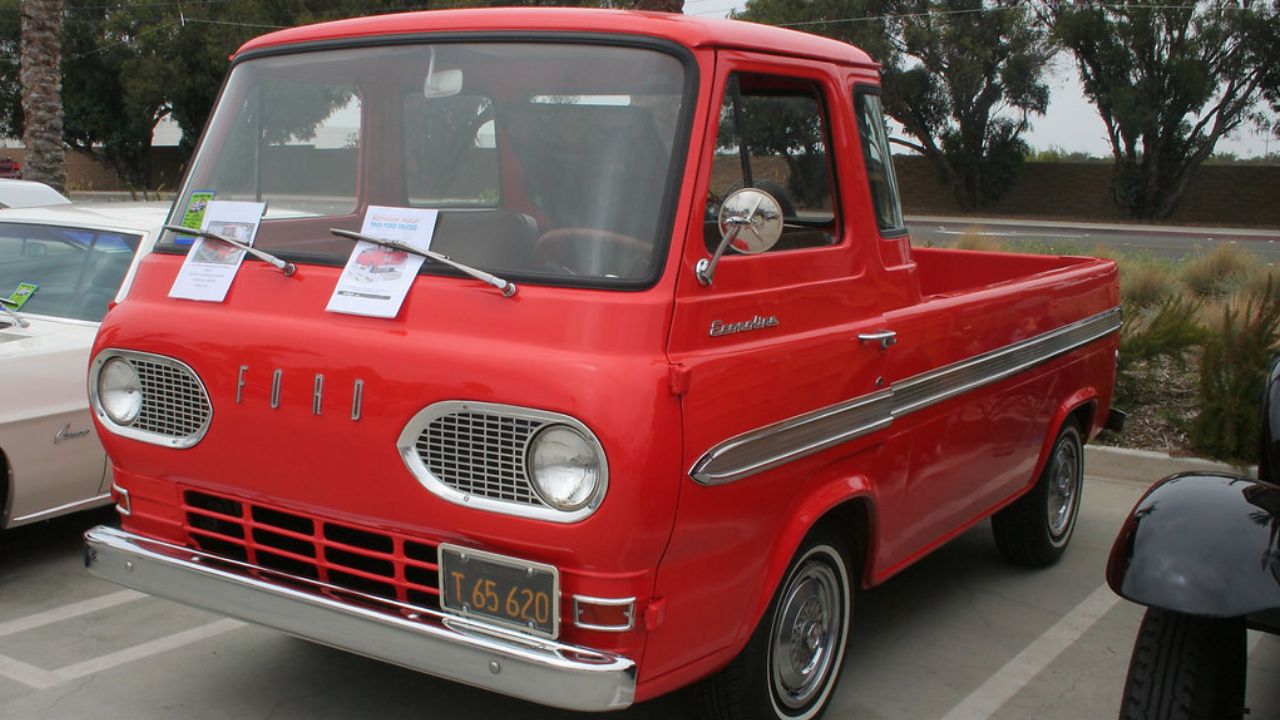
The Ford Econoline Pickup offered a radically different interpretation of the work truck. Its compact cab-over layout placed the driver farther forward and created a surprisingly useful package for urban deliveries and small businesses. It was much smaller than traditional American pickups, yet its design made excellent use of available space. The Econoline showed that smart packaging could sometimes matter more than sheer size.
International Harvester C-Series
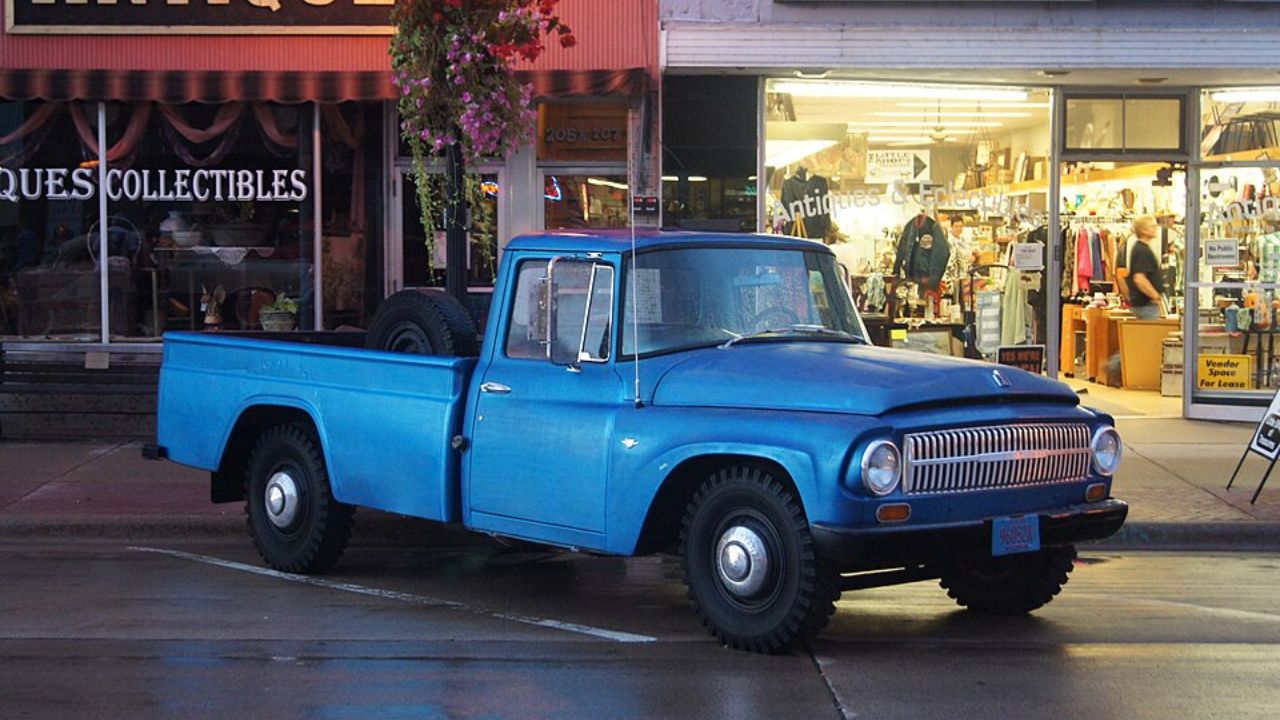
The International Harvester C-Series was built with practicality in mind, offering a straightforward pickup that could handle a wide range of everyday jobs. Its simple interior and conventional mechanical components reflected International’s work-oriented philosophy. The trucks were not overloaded with unnecessary equipment, making them relatively easy to maintain. Their understated character is exactly what makes surviving examples interesting today. (SlashGear)
Chevrolet Cameo Carrier

The Chevrolet Cameo Carrier proved that a work truck could have some style without losing its usefulness. Its smooth-sided cargo bed gave it a more refined appearance than traditional pickups, while the underlying truck engineering remained practical. The design helped inspire later generations of stylish pickups. Today, the Cameo Carrier is remembered as an early example of the pickup becoming something more than a basic commercial tool.
Datsun 720

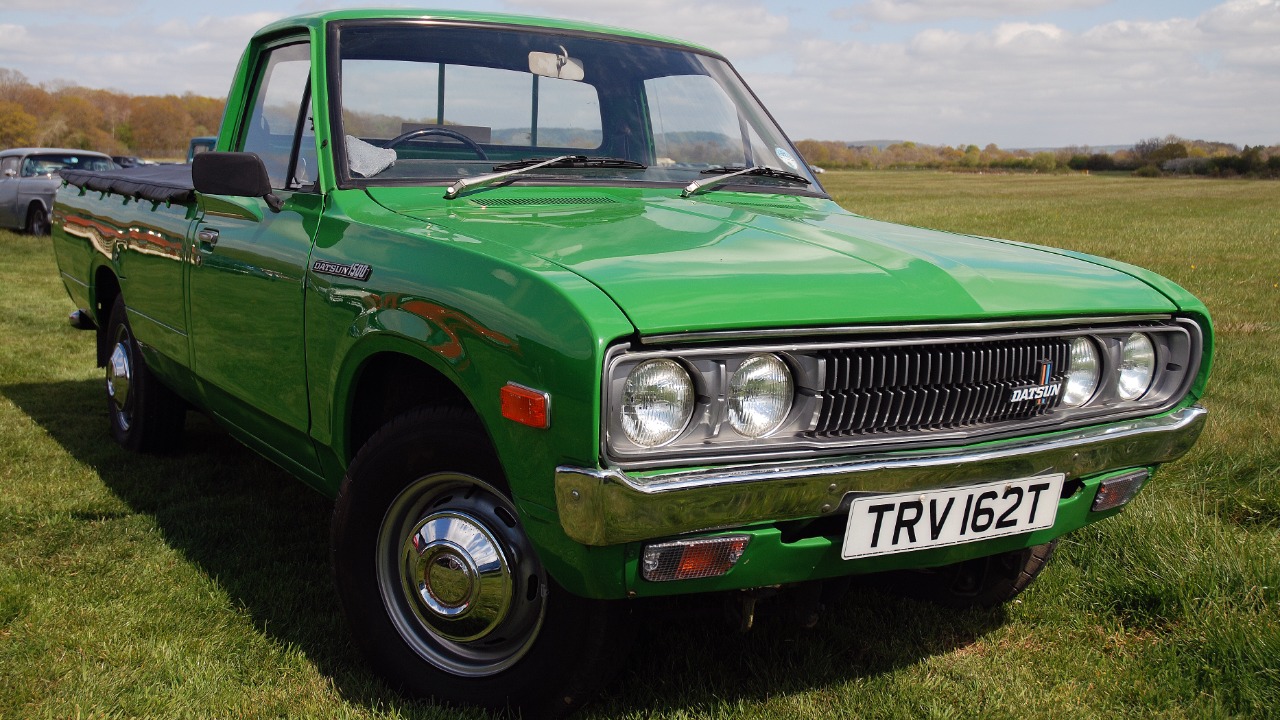
The Datsun 720 demonstrated how much work could be accomplished without a large American-style pickup. Its compact dimensions, simple mechanical layout, and economical engines made it particularly useful for light-duty work. The truck was intentionally straightforward, with few unnecessary complications. That formula helped it earn a loyal following and remains a major reason enthusiasts appreciate these small pickups today.
Ford F-250 Highboy
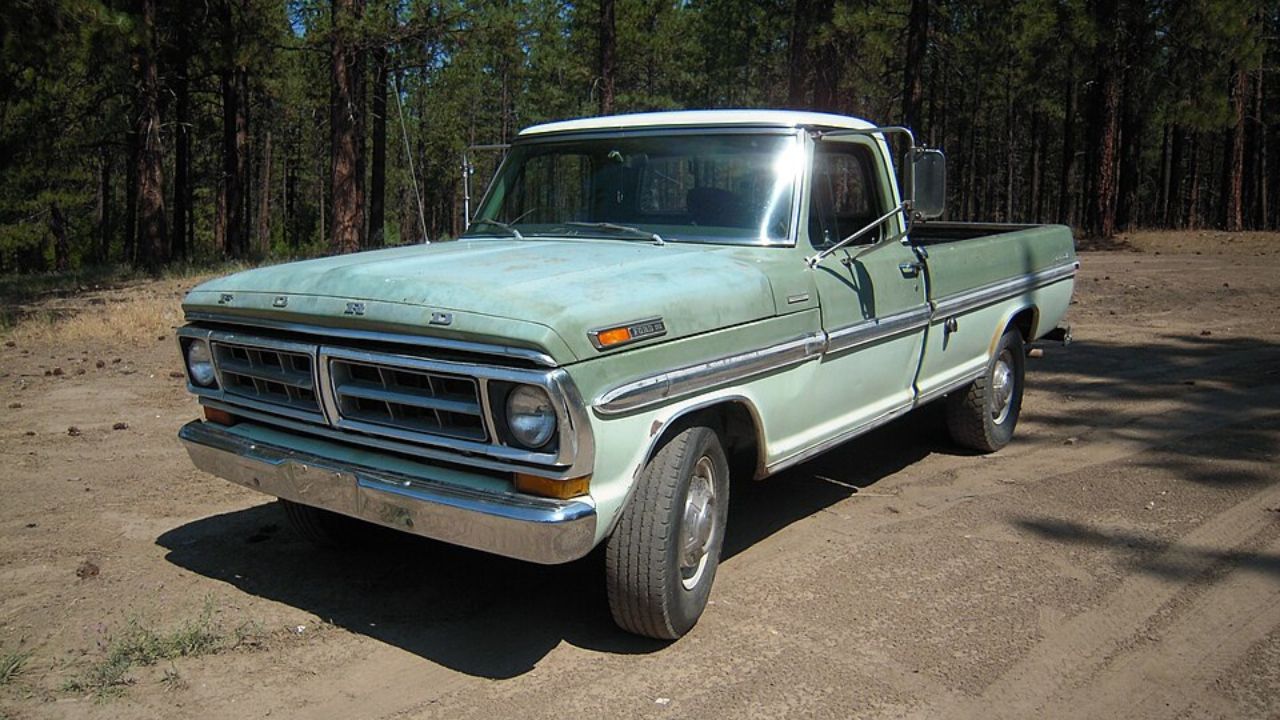
The Ford F-250 Highboy was built for owners who needed genuine capability rather than luxury. Its tall stance, solid front axle, leaf springs, and available V8 engines created a rugged package suited to hauling and rough terrain. The mechanical layout was easy to understand and repair compared with modern trucks. Even decades later, these qualities make the Highboy an appealing working classic.
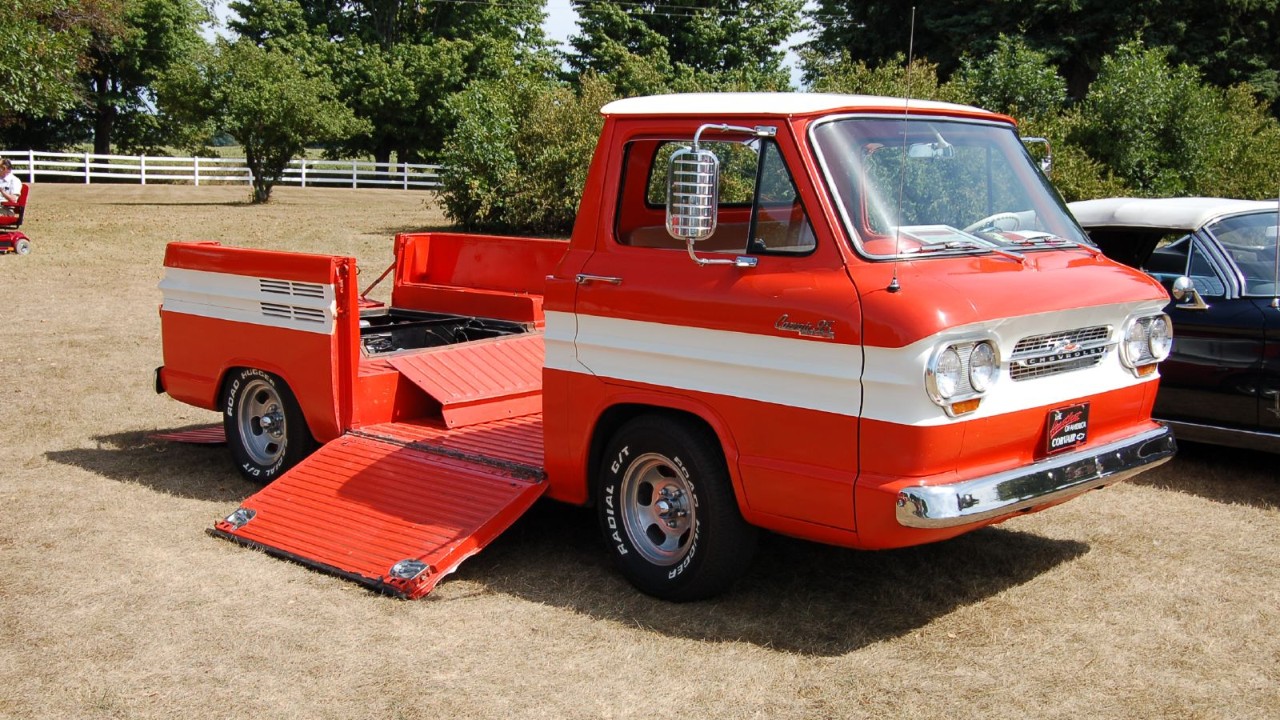
Chevrolet Corvair 95 Loadside
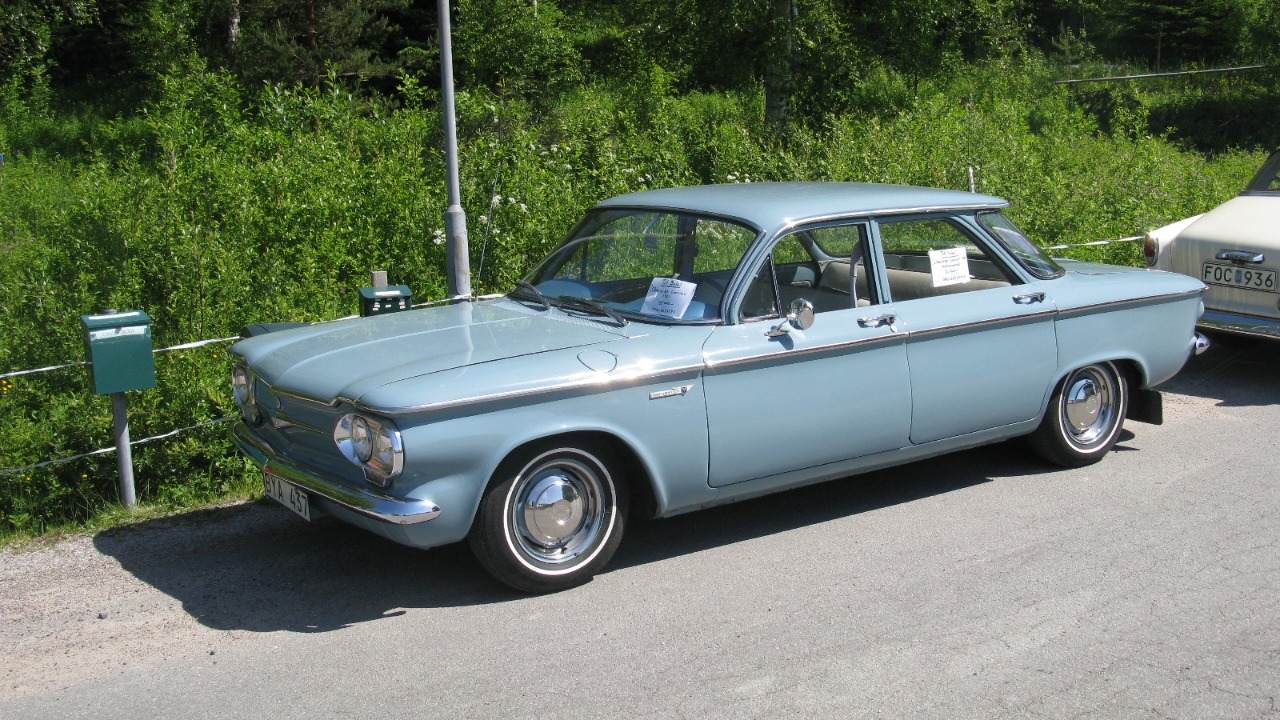
The Chevrolet Corvair 95 Loadside showed how far engineers could stretch the idea of a compact work truck. Its rear-engine layout freed up space and gave the vehicle an unusual balance compared with conventional pickups. The cab-forward design also made it surprisingly useful in tight spaces. It was never common, making surviving examples especially interesting to enthusiasts who appreciate unconventional engineering.
Datsun 620
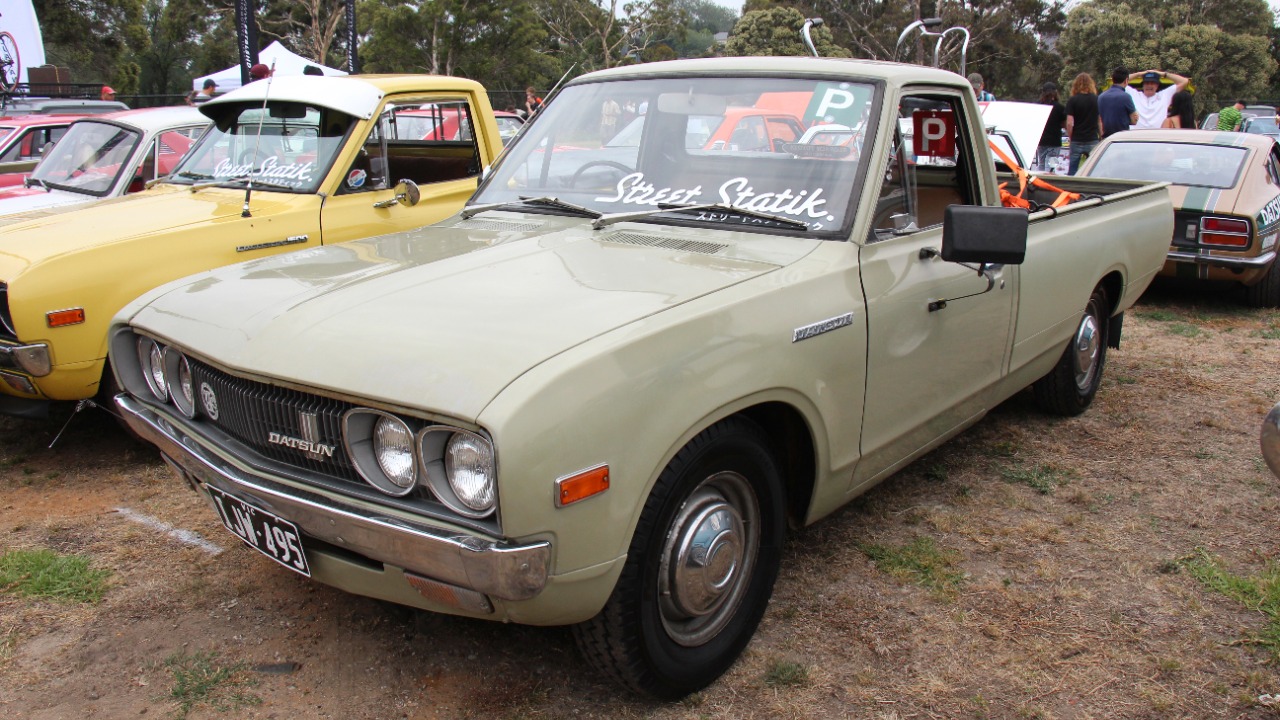
The Datsun 620 represented the appeal of a small, uncomplicated pickup at a time when American trucks were generally getting larger. Its compact body made it easy to maneuver, while its straightforward drivetrain suited everyday hauling and commercial use. Many were simply worked until they disappeared, which makes preserved examples increasingly special. It remains a great reminder that a useful truck does not need to be enormous.
More from Fast Lane Only
- Unboxing the WWII Jeep in a Crate
- 15 rare Chevys collectors are quietly buying
- 10 underrated V8s still worth hunting down
- Police notice this before you even roll window down
*Research for this article included AI assistance, with all final content reviewed by human editors