The 1990s marked a significant era in the automotive industry, blending modern technology with innovative design to create some of the most iconic performance cars. From European supercars to Japanese sports legends, this decade produced vehicles that still captivate enthusiasts today. Here’s a look at 12 of the most memorable performance cars from the 1990s.
Ferrari F50
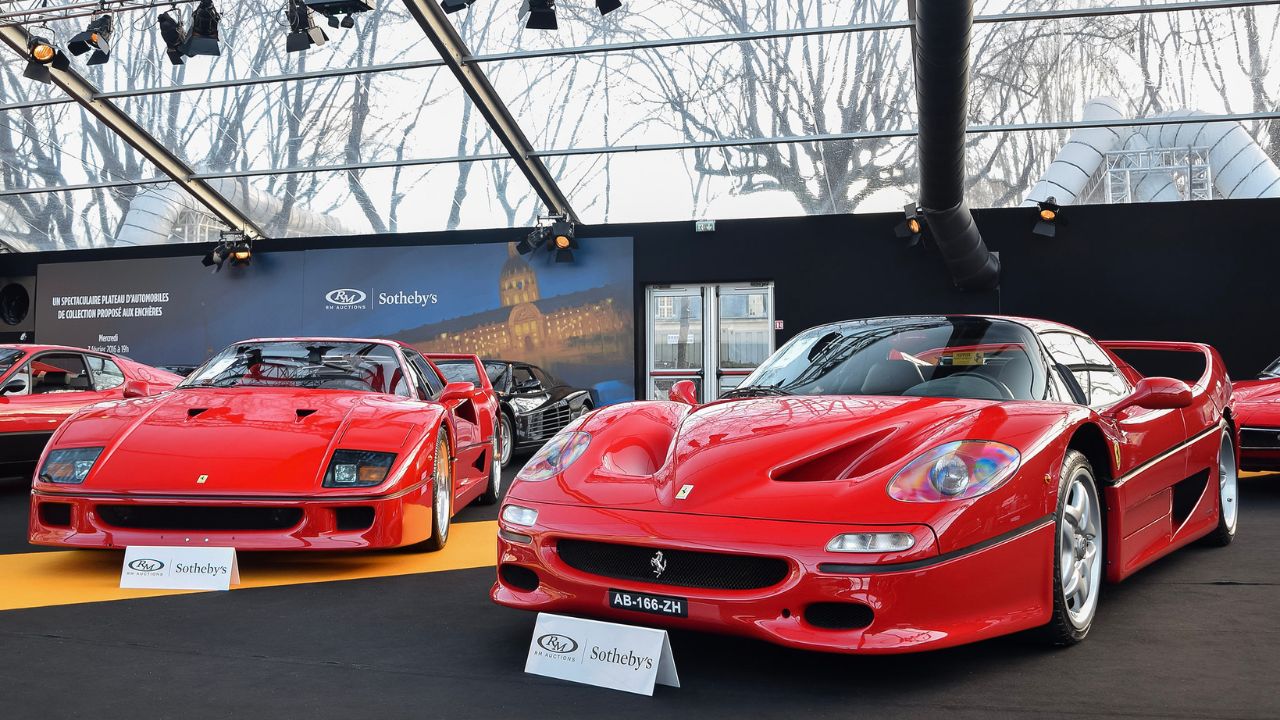
The Ferrari F50, introduced in 1995, was designed to celebrate Ferrari’s 50th anniversary. With its naturally aspirated 4.7-liter V12 engine, the F50 delivered an exhilarating driving experience. It was capable of reaching 60 mph in just over 3.5 seconds, making it one of the fastest cars of its time. The F50’s design was heavily influenced by Formula One technology, boasting a carbon-fiber monocoque chassis and a striking open-top design.
Despite its awe-inspiring performance, the F50 was produced in limited numbers, with only 349 units made. This exclusivity, combined with its raw power and connection to Ferrari’s racing pedigree, has cemented its status as a true collector’s item. The F50 remains a symbol of Ferrari’s relentless pursuit of performance excellence.
McLaren F1
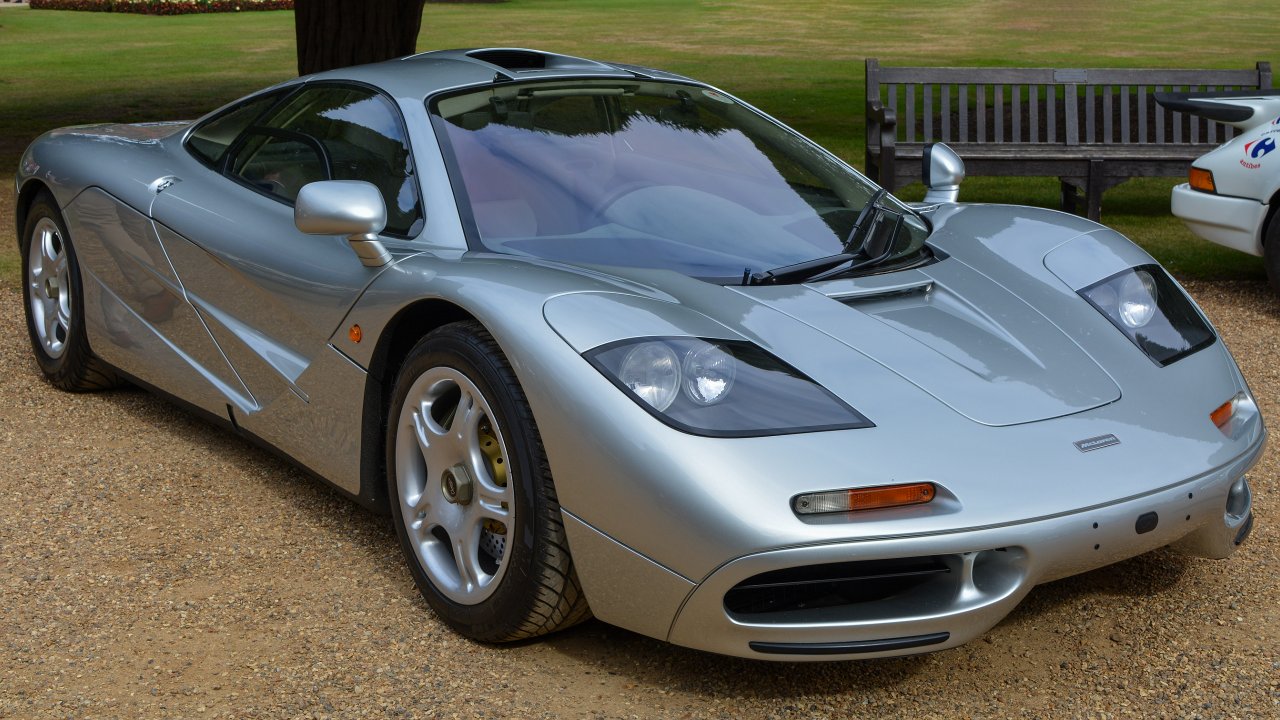
The McLaren F1 is often regarded as one of the greatest supercars ever created. Launched in 1992, it was engineered with a focus on speed and innovation. Featuring a groundbreaking design with a centrally located driver’s seat, the F1 was powered by a 6.1-liter BMW V12 engine that produced 618 horsepower. This allowed it to set a world record for the fastest production car, reaching a top speed of 240 mph.
The F1’s carbon-fiber construction and meticulous attention to detail contributed to its lightweight structure and remarkable handling. Only 106 units were ever produced, including prototypes and special editions, making it a rare and highly sought-after vehicle in the automotive world. Its legacy continues to influence modern hypercar design.
Toyota Supra Mk IV
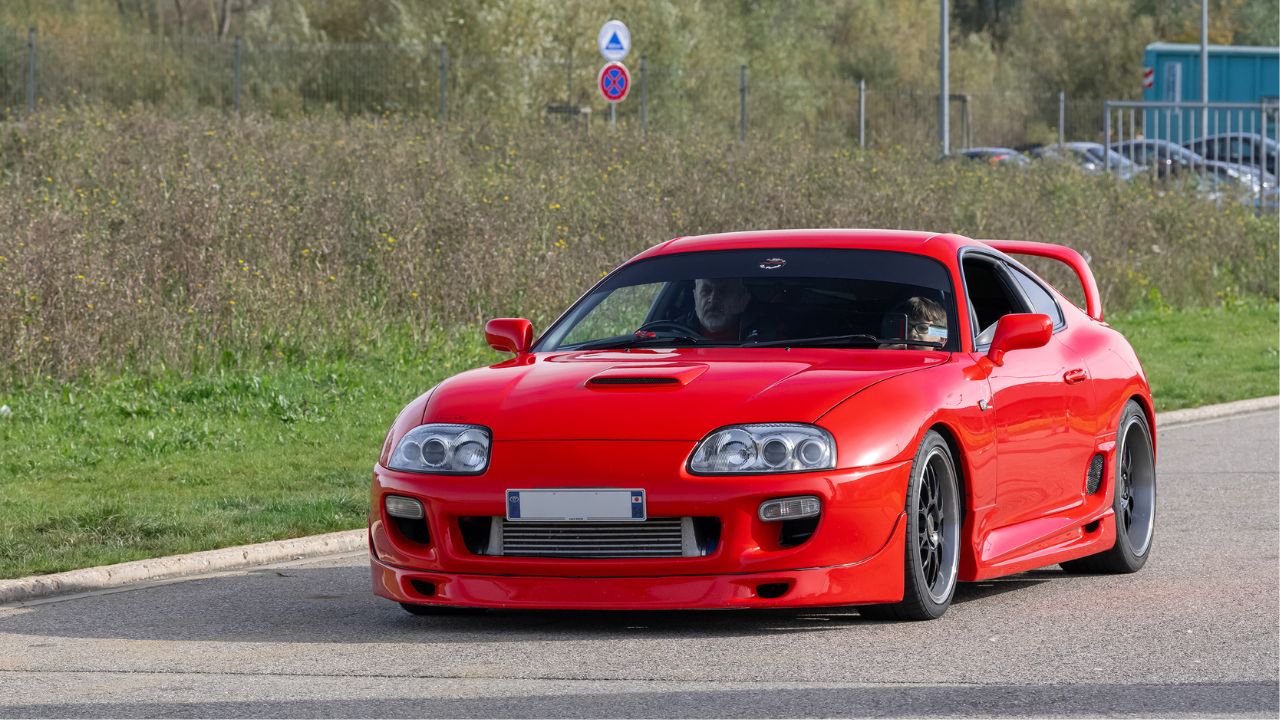
The Toyota Supra Mk IV, introduced in 1993, quickly became an icon in the sports car world. Known for its robust 2JZ-GTE inline-six engine, the Supra offered immense tuning potential, making it a favorite among car enthusiasts and tuners. With a stock output of 320 horsepower, it could reach 60 mph in just over 5 seconds.
Its success was further fueled by its appearances in popular media, most notably in the “Fast and Furious” franchise. The Supra’s sleek design, combined with its impressive performance capabilities, has made it a beloved classic that continues to inspire a new generation of car enthusiasts.
Nissan Skyline GT-R R34
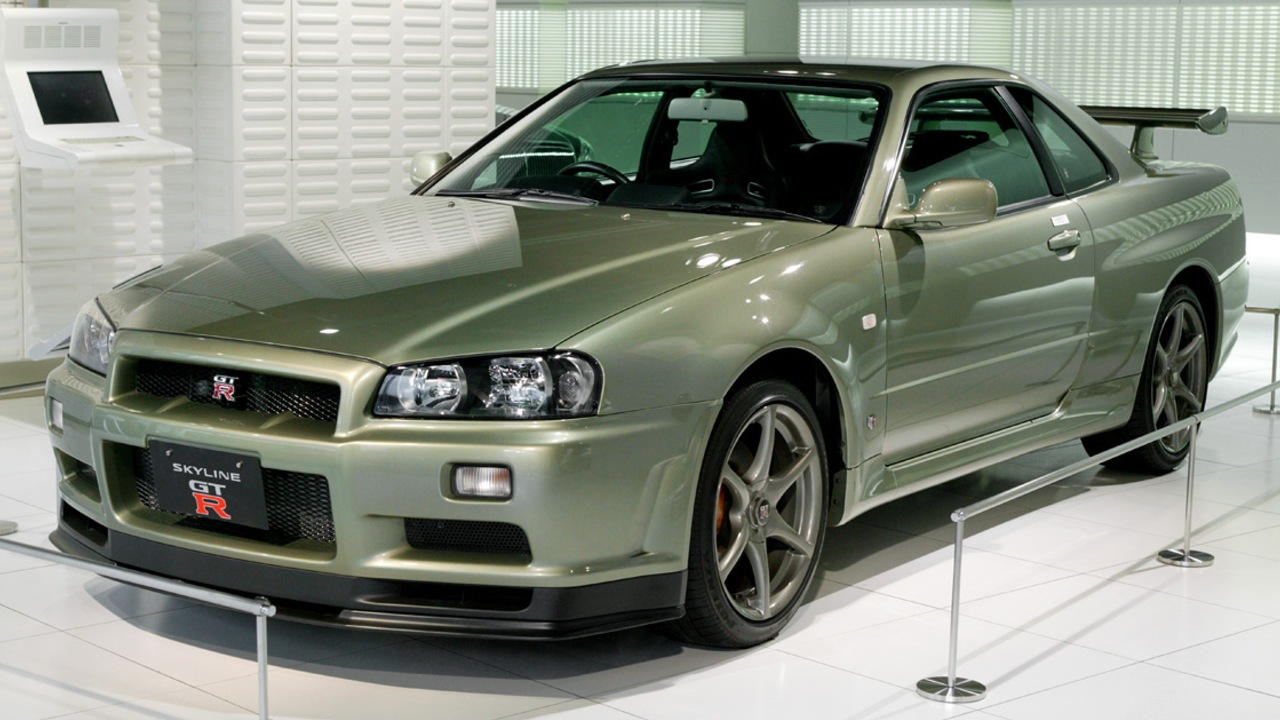
The Nissan Skyline GT-R R34, introduced in 1999, is revered for its advanced technology and exceptional performance. It featured the RB26DETT engine, a 2.6-liter twin-turbo inline-six, and the sophisticated ATTESA E-TS all-wheel-drive system, which provided excellent traction and handling.
The R34’s performance was further enhanced by its active LSD and advanced aerodynamics, allowing it to compete with the best sports cars of its time. Its iconic status was cemented by its presence in various video games and movies, making it a dream car for many enthusiasts. The R34 remains a symbol of Nissan’s engineering prowess.
Acura NSX
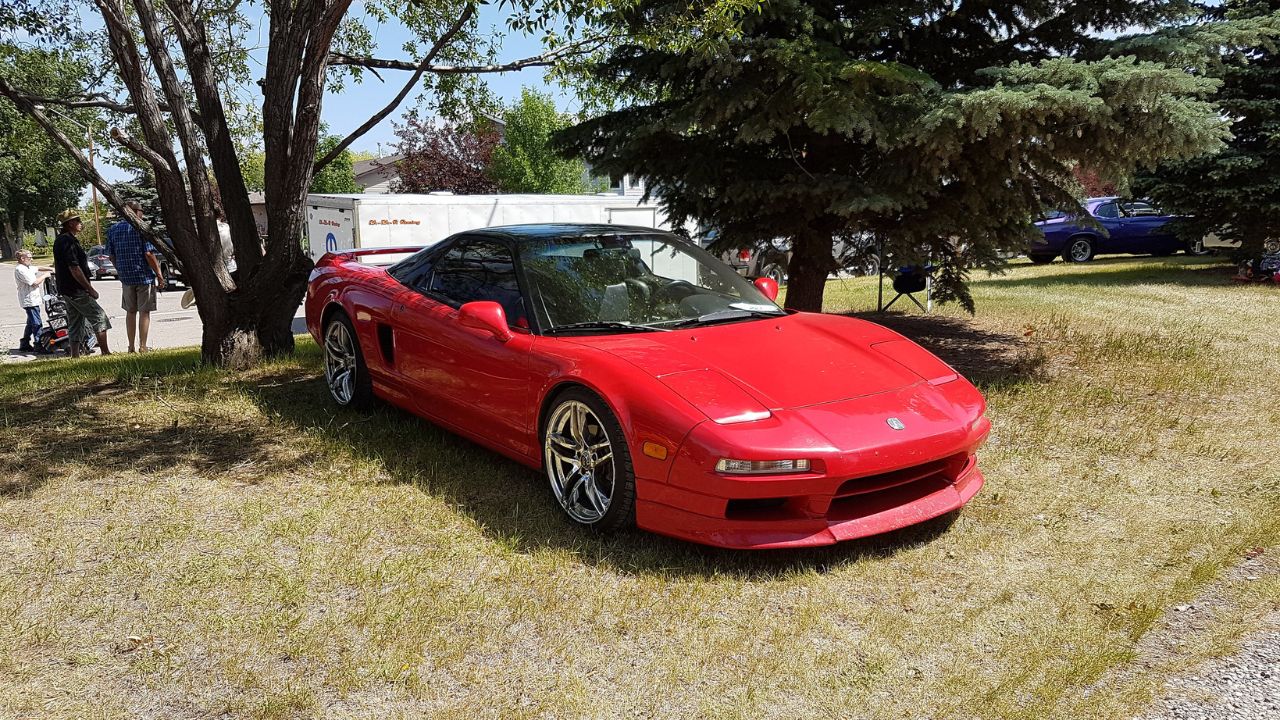
The Acura NSX, also known as the Honda NSX in other markets, was introduced in 1990 as a groundbreaking sports car that combined reliability with high performance. It featured a mid-engine layout, powered by a 3.0-liter V6 engine with VTEC technology, producing around 270 horsepower.
With its lightweight aluminum body and superb handling characteristics, the NSX offered a driving experience comparable to its European counterparts. It was developed with input from legendary Formula One driver Ayrton Senna, further enhancing its credibility as a performance car. The NSX’s blend of innovation and practicality set a new standard for supercars in the 1990s.
Porsche 911 GT2

The Porsche 911 GT2, first launched in 1993, was a high-performance variant of the 911 Turbo. It featured a twin-turbocharged 3.6-liter flat-six engine, producing over 424 horsepower, making it one of the most powerful 911s of its time. The GT2 was also known for its rear-wheel-drive layout, which provided a more challenging driving experience.
With its aggressive styling and race-inspired engineering, the GT2 became a favorite among purists seeking raw driving thrills. Its limited production numbers and track-focused nature have made it a highly desirable model for collectors, embodying Porsche’s commitment to performance and precision engineering.
Dodge Viper RT/10

The Dodge Viper RT/10, introduced in 1991, was a bold statement of American muscle. It featured an 8.0-liter V10 engine producing 400 horsepower, offering a no-frills, visceral driving experience. The Viper’s design was inspired by classic American sports cars, with its long hood and side exhaust pipes.
With its raw power and minimal electronic aids, the Viper demanded respect from its drivers, offering a thrilling ride that few other cars could match. The RT/10’s aggressive styling and brute force performance have solidified its place in automotive history as a symbol of American engineering prowess and bold design.
Lamborghini Diablo
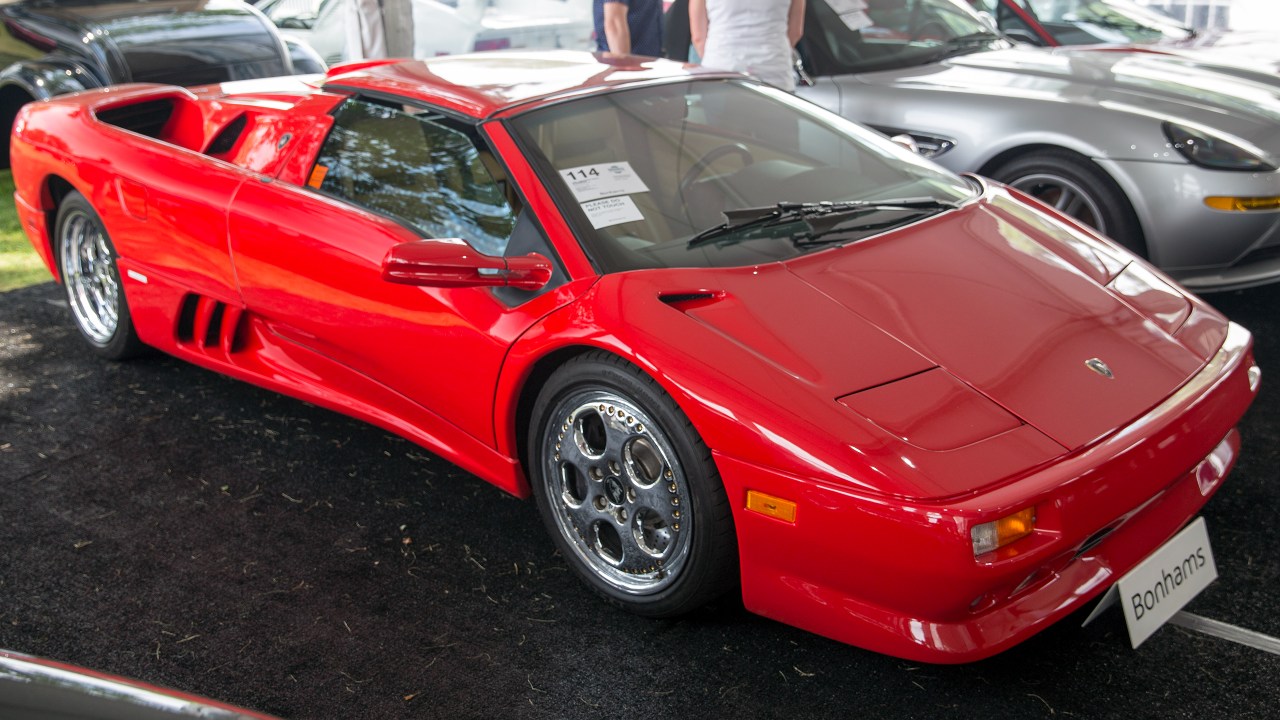
The Lamborghini Diablo, launched in 1990, was the first Lamborghini capable of surpassing 200 mph, thanks to its 5.7-liter V12 engine producing 485 horsepower. Its iconic scissor doors and aggressive styling made it an instant head-turner, epitomizing the flamboyant nature of Lamborghini design.
Throughout its production run, the Diablo received numerous updates, including all-wheel-drive variants and power upgrades, maintaining its status as one of the top supercars of the decade. The Diablo’s combination of speed, style, and exclusivity has ensured its place as a legendary figure in the world of high-performance automobiles.
Mazda RX-7 FD
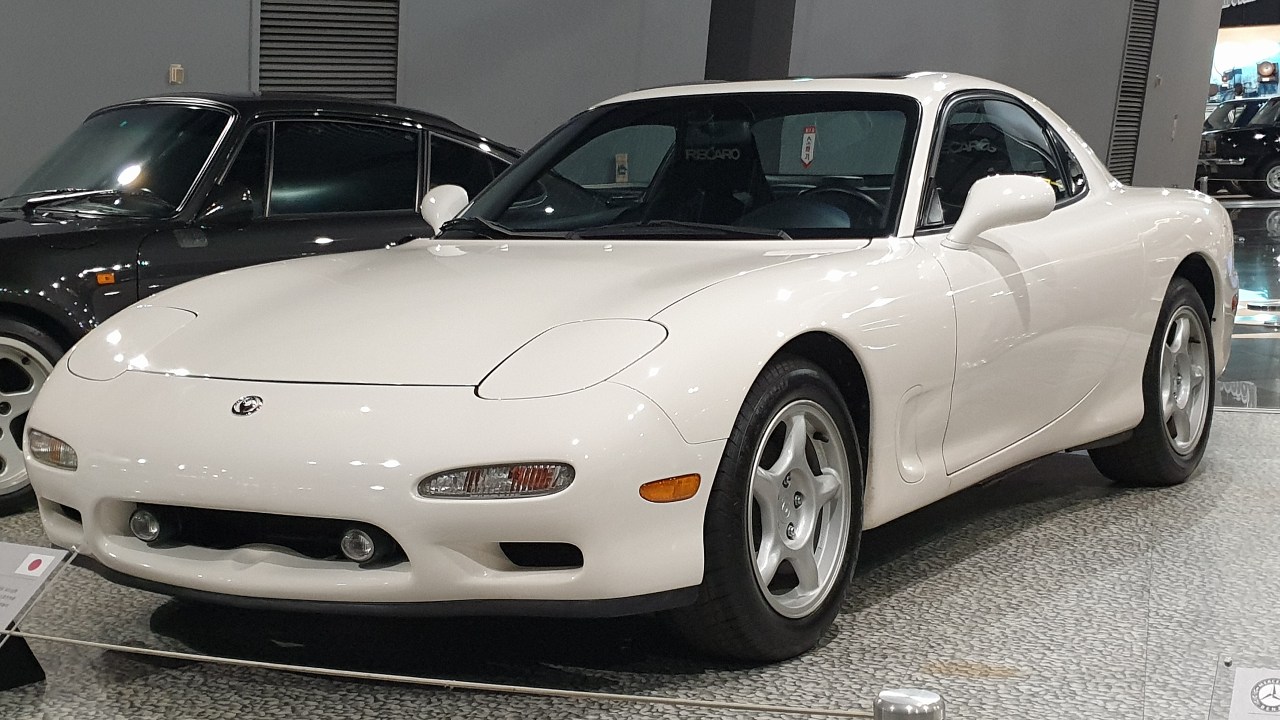
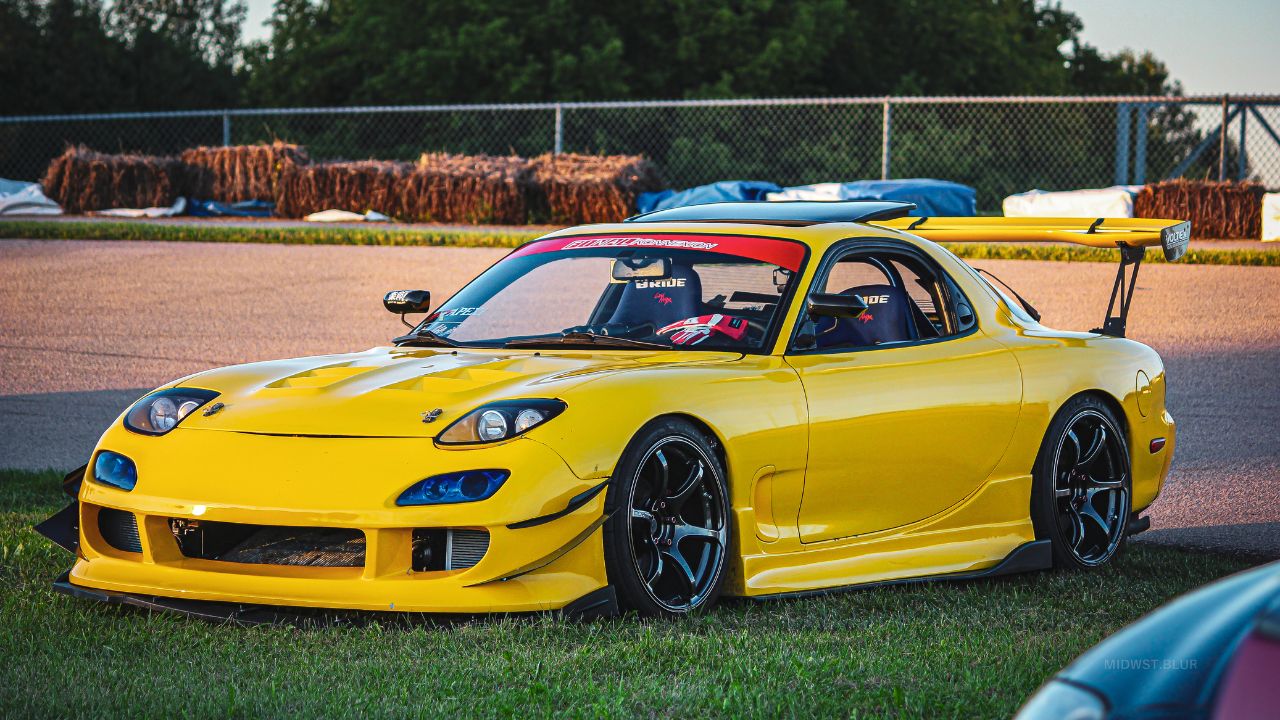
The Mazda RX-7 FD, introduced in 1992, was celebrated for its rotary engine and balanced handling. Its 1.3-liter twin-turbocharged rotary engine produced around 252 horsepower, delivering a unique and exhilarating driving experience. The RX-7’s lightweight construction and near-perfect weight distribution contributed to its agile and responsive performance.
Its sleek design and impressive capabilities made it a popular choice among enthusiasts and racers alike. The RX-7’s legacy is marked by its distinctive engine technology and its impact on the sports car market during the 1990s, leaving a lasting impression on car culture.
BMW M3 E36
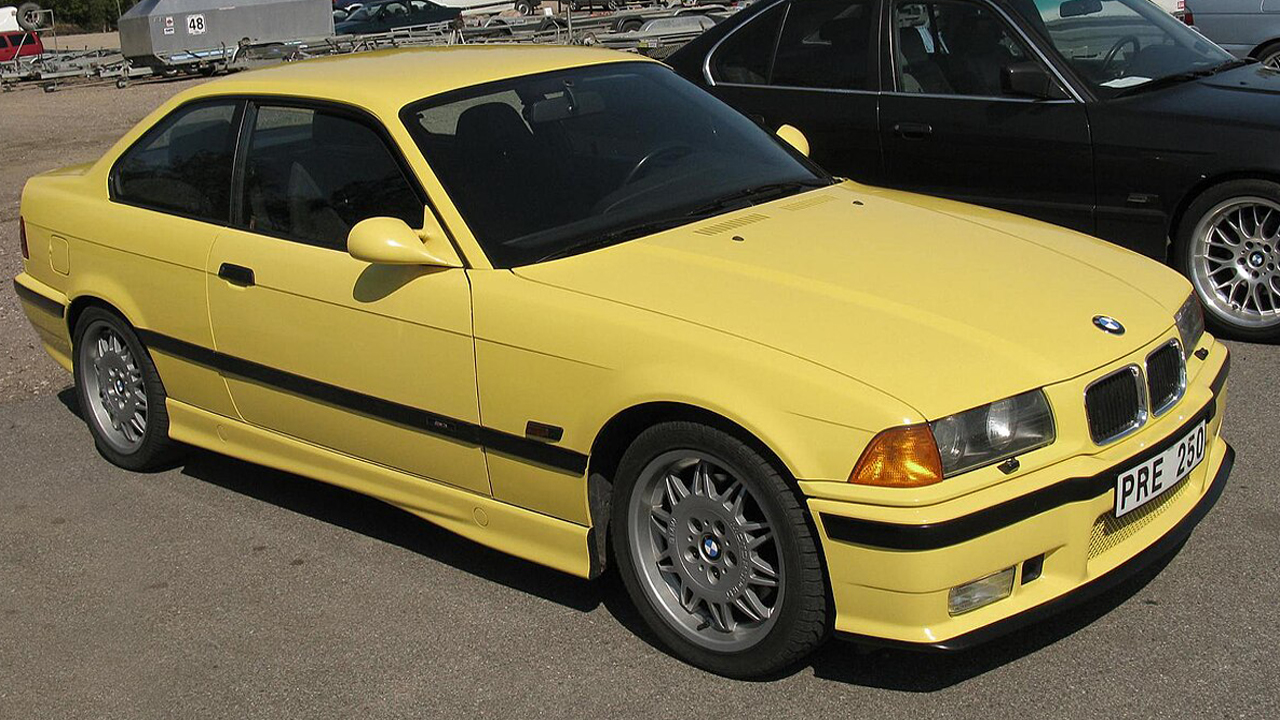
The BMW M3 E36, produced from 1992 to 1999, was a significant evolution in the M3 lineup. It was powered by a 3.0-liter inline-six engine, producing 240 horsepower in the North American version. Known for its balanced chassis and precise handling, the E36 M3 offered a refined yet engaging driving experience.
The M3 E36’s blend of performance, practicality, and luxury made it a popular choice for driving enthusiasts and those seeking a versatile sports car. Its legacy continues to influence BMW’s performance models, standing as a testament to the brand’s dedication to engineering excellence.
Chevrolet Corvette ZR-1
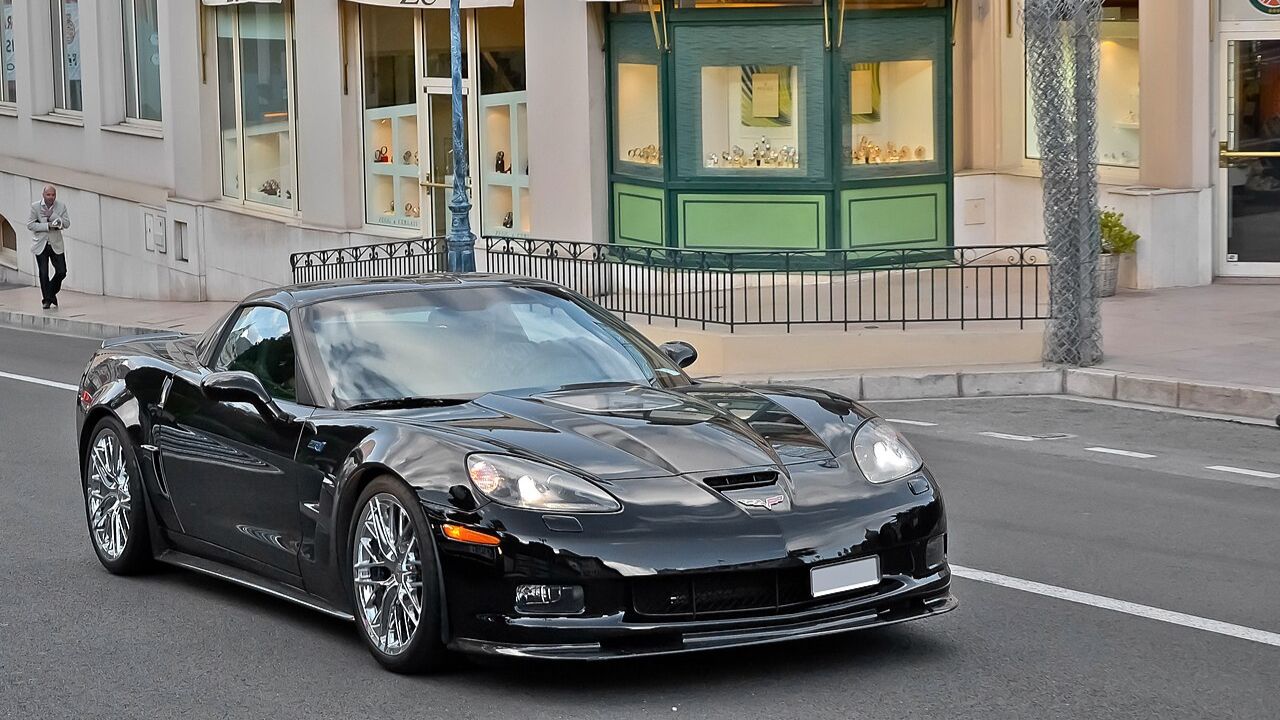
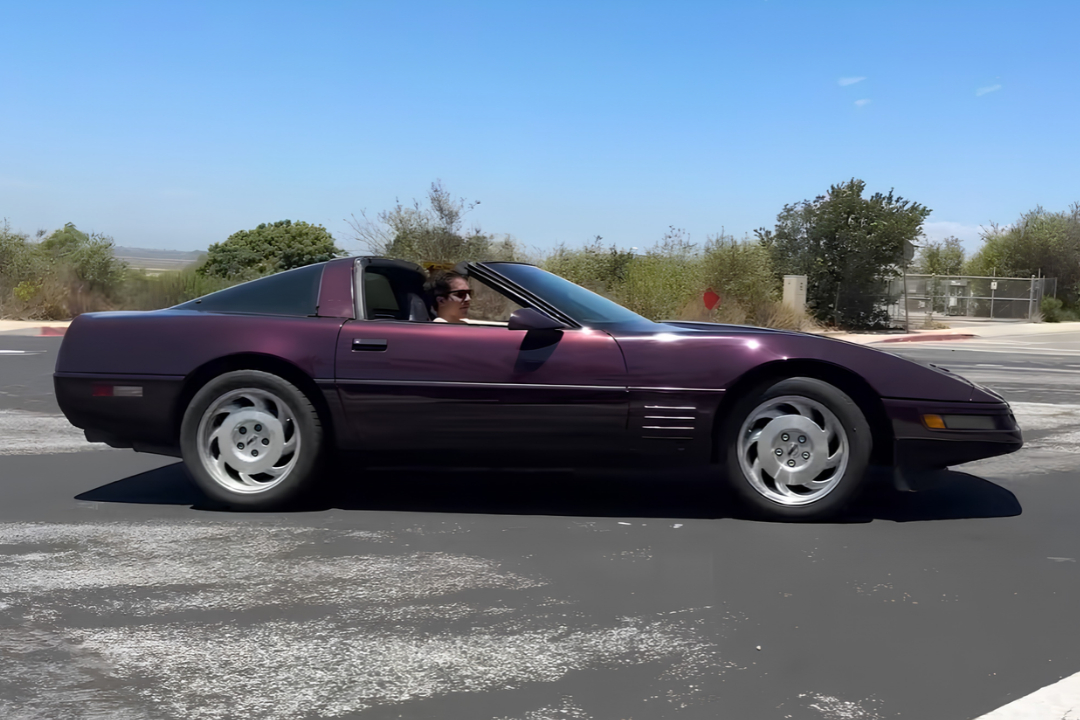
The Chevrolet Corvette ZR-1, introduced in 1990, was a high-performance variant of the C4 Corvette. It featured the LT5 V8 engine, developed in collaboration with Lotus, producing 375 horsepower and later upgraded to 405 horsepower. This made the ZR-1 one of the fastest American production cars of its time.
With its distinctive wide body and enhanced performance capabilities, the ZR-1 earned the nickname “King of the Hill.” Its combination of American muscle and advanced engineering made it a standout model in the Corvette lineup, leaving a legacy of performance that continues to inspire Corvette enthusiasts.
Mitsubishi Lancer Evolution VI
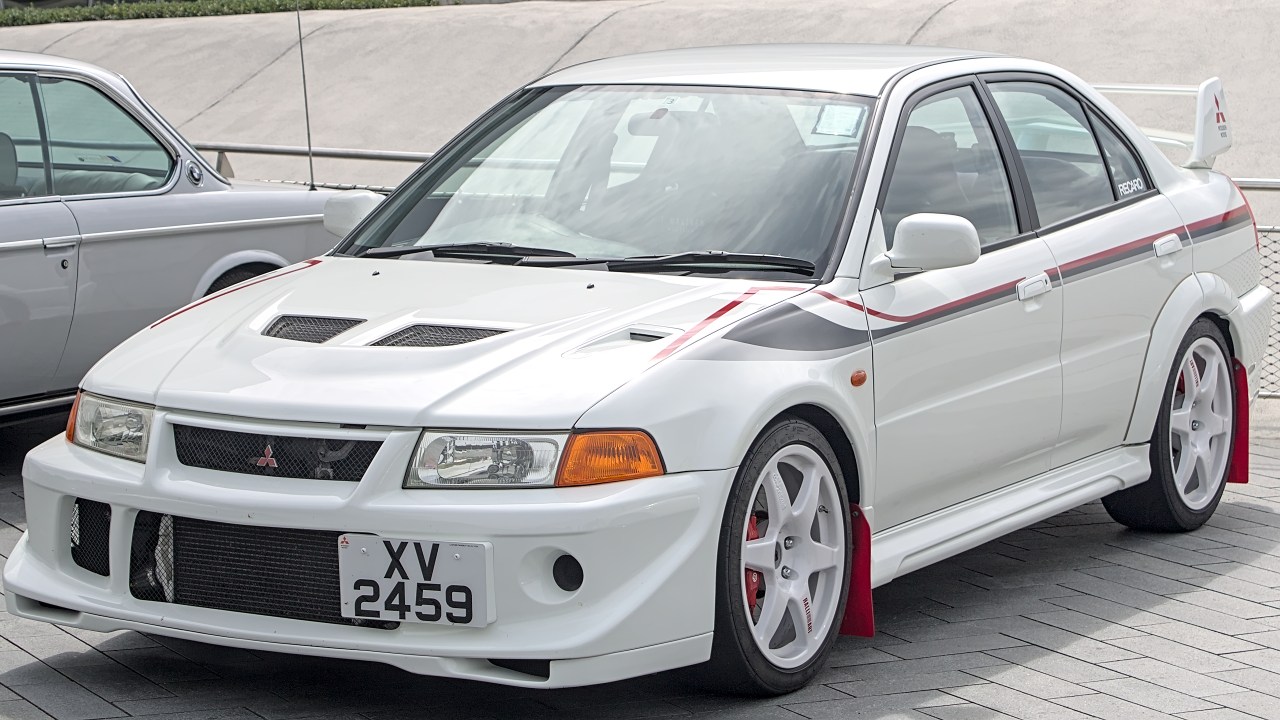
The Mitsubishi Lancer Evolution VI, launched in 1999, was the culmination of Mitsubishi’s rally-inspired engineering. It featured a 2.0-liter turbocharged inline-four engine, producing 276 horsepower, and the advanced Active Yaw Control system, which provided exceptional handling and traction.
The Evolution VI’s aggressive styling and rally heritage made it a favorite among motorsport enthusiasts. Its success on the rally stage and its influence on the automotive world have made it a beloved icon, representing Mitsubishi’s dedication to high-performance engineering and innovation.
Like Fast Lane Only’s content? Be sure to follow us.
Here’s more from us:
*Created with AI assistance and editor review.