The automotive industry is undergoing a significant transformation as new technologies emerge, revolutionizing car performance. From enhanced fuel efficiency to cutting-edge safety features, these advancements are not only reshaping how vehicles operate but also redefining the driving experience. Explore the pivotal role of technology in driving the future of car performance.
Advanced Engine Technologies
Turbocharging and Supercharging
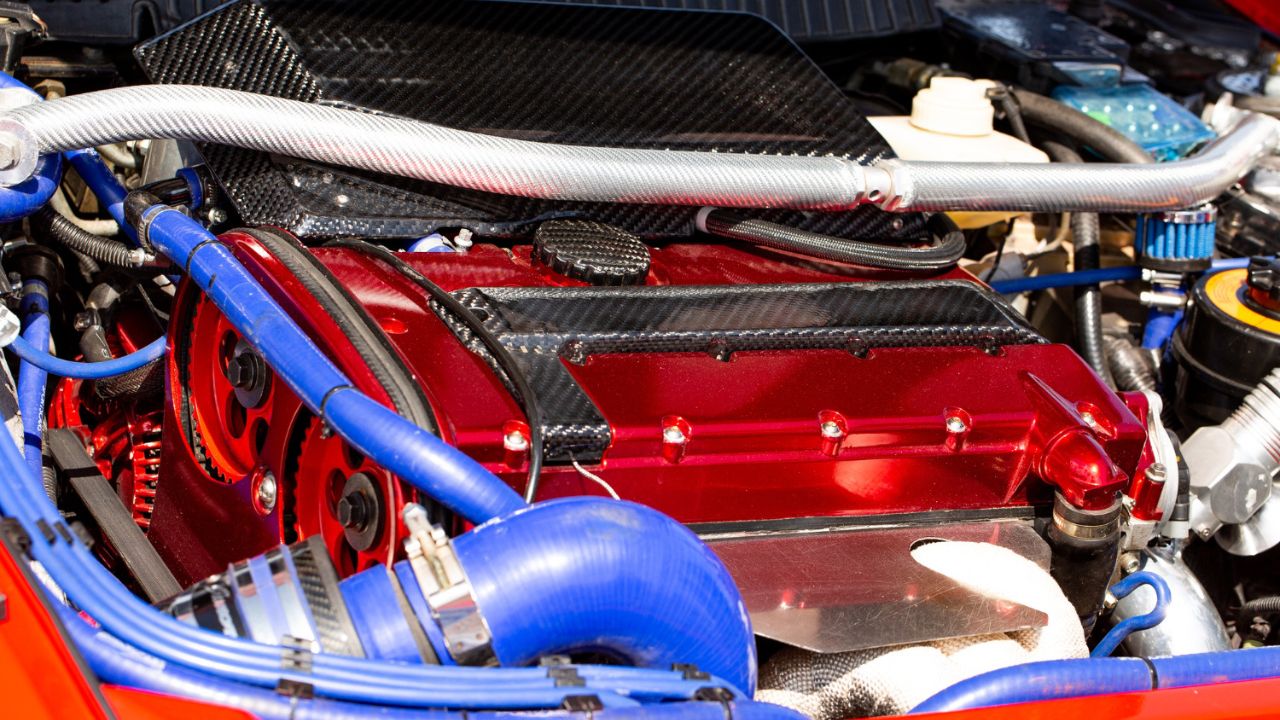
Turbocharging and supercharging have become essential components in modern engines, offering a way to boost power and efficiency without increasing engine size. Turbochargers use exhaust gases to spin a turbine, which in turn compresses the air entering the engine, allowing for more fuel to be burned. This results in a significant power increase, making smaller engines perform like much larger ones. A prime example is the Ford EcoBoost engine, which uses turbocharging to deliver impressive performance and fuel economy.
Supercharging, on the other hand, involves a belt-driven compressor that provides immediate power boosts, making it ideal for high-performance vehicles. Models like the Jaguar F-TYPE incorporate supercharging technology to achieve rapid acceleration and enhanced driving dynamics. Both technologies are not only about increasing speed but also about optimizing fuel efficiency, making them crucial in reducing the overall carbon footprint of vehicles.
Hybrid and Electric Powertrains
The rise of hybrid and fully electric vehicles marks a significant shift in automotive performance and sustainability. Hybrid powertrains, such as those in the Toyota Prius, combine internal combustion engines with electric motors to improve fuel efficiency and reduce emissions. These vehicles are designed to switch seamlessly between power sources, optimizing performance under different driving conditions.
Fully electric vehicles (EVs) like the Tesla Model S have revolutionized the market by offering high performance without any emissions. The instant torque provided by electric motors allows for rapid acceleration, while advancements in battery technology continue to extend driving ranges. As the infrastructure for charging stations expands, the adoption of EVs is expected to grow, further enhancing their impact on both performance and environmental sustainability.
Variable Valve Timing and Lift
Variable valve timing and lift technology is another innovation optimizing engine performance under various conditions. By adjusting the timing of valve operation, engines can achieve better fuel efficiency and power output. Honda’s VTEC system is a well-known example, delivering both high performance and fuel economy by switching between different cam profiles based on the engine’s RPM.
Such technologies allow for a smoother and more responsive driving experience, adapting to the driver’s needs and road conditions. This adaptability not only enhances the performance but also contributes to the longevity of the engine, making it a valuable feature in modern vehicles.
Aerodynamics and Lightweight Materials

Innovative Design Techniques
Computational Fluid Dynamics (CFD) and wind tunnel testing have become integral in designing sleeker, more aerodynamic cars. These techniques allow manufacturers to simulate and analyze airflows around a vehicle, optimizing shapes to reduce drag and improve fuel efficiency. The Porsche Taycan’s design, for example, benefits from extensive CFD analysis, resulting in a low drag coefficient that enhances both speed and efficiency.
Incorporating these methodologies enables automakers to create vehicles that not only look more appealing but also perform better on the road. Aerodynamic efficiency plays a crucial role in achieving higher speeds and better fuel economy, making it a key focus in car design.
Carbon Fiber and Composites
The use of lightweight materials such as carbon fiber and composites is transforming vehicle construction, contributing to enhanced speed and fuel efficiency. Carbon fiber, known for its strength-to-weight ratio, is increasingly used in the automotive industry to reduce overall vehicle weight without compromising safety or performance. Supercars like the McLaren 720S utilize carbon fiber extensively to achieve remarkable performance metrics.
Composite materials offer similar benefits, providing manufacturers with the flexibility to design complex shapes that are both lightweight and strong. The integration of such materials is essential in developing vehicles that meet stringent efficiency standards while maintaining high levels of performance.
Active Aerodynamics
Active aerodynamics involves components that adjust dynamically to improve a vehicle’s performance and handling. These systems can include movable spoilers, flaps, or vents that alter the airflow around the car based on speed, driving conditions, and driver inputs. The Lamborghini Aventador features an active aerodynamics system that adjusts its rear wing to optimize downforce and stability at high speeds.
By adapting to real-time conditions, active aerodynamics enhance the driving experience, providing better grip and control. This technology exemplifies how innovation can push the boundaries of what vehicles can achieve in terms of performance and safety.
Intelligent Systems and Connectivity

Advanced Driver-Assistance Systems (ADAS)
Advanced Driver-Assistance Systems (ADAS) have become crucial in enhancing driver safety and vehicle performance. Features like adaptive cruise control, lane-keeping assist, and automatic emergency braking provide drivers with additional layers of safety and convenience. The 2023 Mercedes-Benz S-Class utilizes a comprehensive suite of ADAS technologies, offering a semi-autonomous driving experience.
These systems rely on sensors, cameras, and radar to monitor the vehicle’s surroundings, making split-second decisions to prevent accidents and improve driving efficiency. As technology advances, the integration of ADAS is expected to become standard across more vehicle models, further enhancing road safety.
Vehicle-to-Everything (V2X) Communication
Vehicle-to-Everything (V2X) communication is an emerging technology that allows vehicles to communicate with each other and with infrastructure. This connectivity improves traffic flow, reduces congestion, and enhances safety by providing real-time information about road conditions and potential hazards. The Cadillac CTS, for example, features V2X capabilities, enabling it to interact with traffic signals and other connected vehicles.
As cities become smarter, the adoption of V2X technology will play a vital role in creating safer and more efficient transportation systems. This connectivity will enable vehicles to anticipate and respond to changes in traffic patterns, reducing the likelihood of accidents and improving overall driving experience.
Over-the-Air (OTA) Updates
Over-the-Air (OTA) updates are transforming the way vehicle software is maintained and improved. This technology allows manufacturers to remotely update a vehicle’s software, ensuring that it remains up-to-date with the latest features and improvements. Tesla has been a pioneer in this space, regularly deploying updates that enhance the performance and functionality of its vehicles.
OTA updates offer numerous benefits, including the ability to fix bugs, improve security, and introduce new features without requiring a visit to the dealership. This capability ensures that vehicles remain at the forefront of technological advancements, providing drivers with a continually evolving driving experience.
Like Fast Lane Only’s content? Be sure to follow us.
Here’s more from us:
*Created with AI assistance and editor review.