The Muscle Era was a golden age for American automotive design, where performance and style converged in unforgettable ways. Many vehicles from this period have achieved legendary status, yet some remain lesser-known despite their impressive capabilities and unique designs. Here are twelve classic muscle cars that quietly became icons, each embodying the spirit of raw power and innovation that defined the era.
Chevrolet Camaro Z28 (1970)
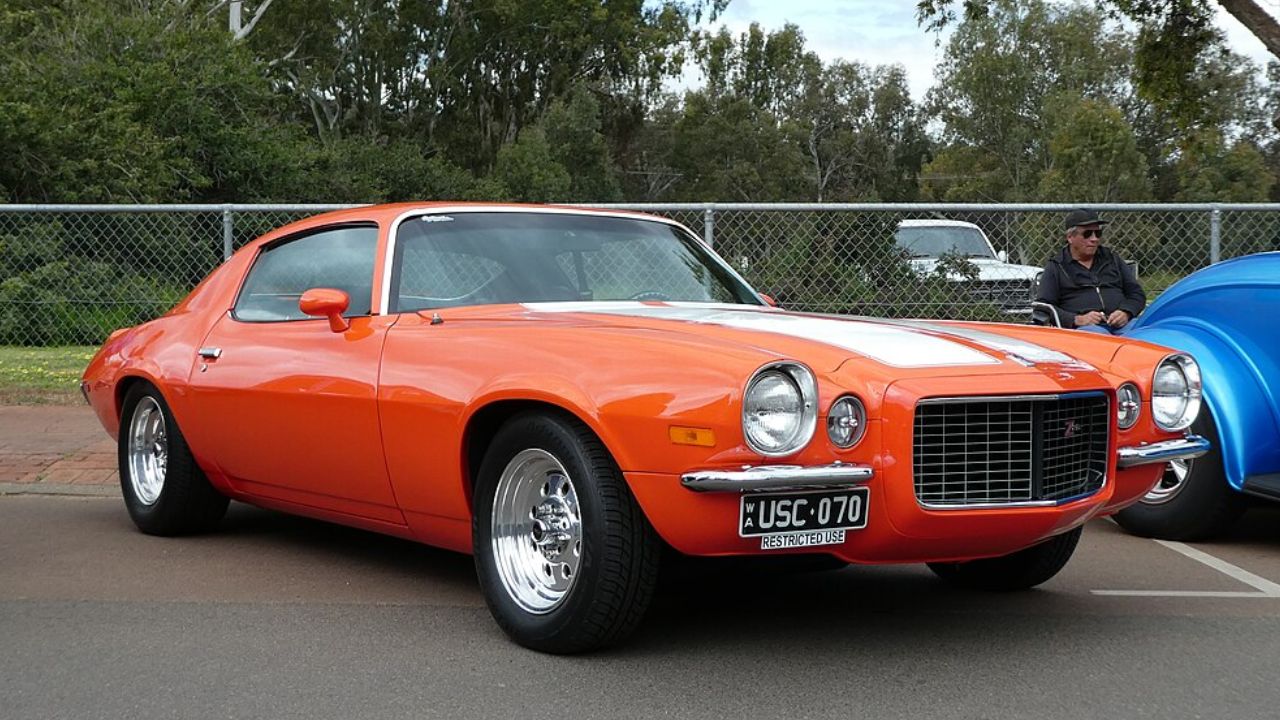
The 1970 Chevrolet Camaro Z28 is often remembered for its aggressive styling and performance capabilities. Powered by a 350 cubic inch V8 engine, it produced an impressive 360 horsepower, making it a formidable contender on the streets and the racetrack alike. This model featured a distinctive wide stance and an aerodynamic design that contributed to its sporty appeal. The Z28’s handling was enhanced with a performance suspension, making it a favorite among driving enthusiasts. Over the years, the Camaro has gained a dedicated following, and its legacy continues with modern iterations. For a closer look at the Z28’s racing heritage, check out this video.
Dodge Challenger R/T (1970)
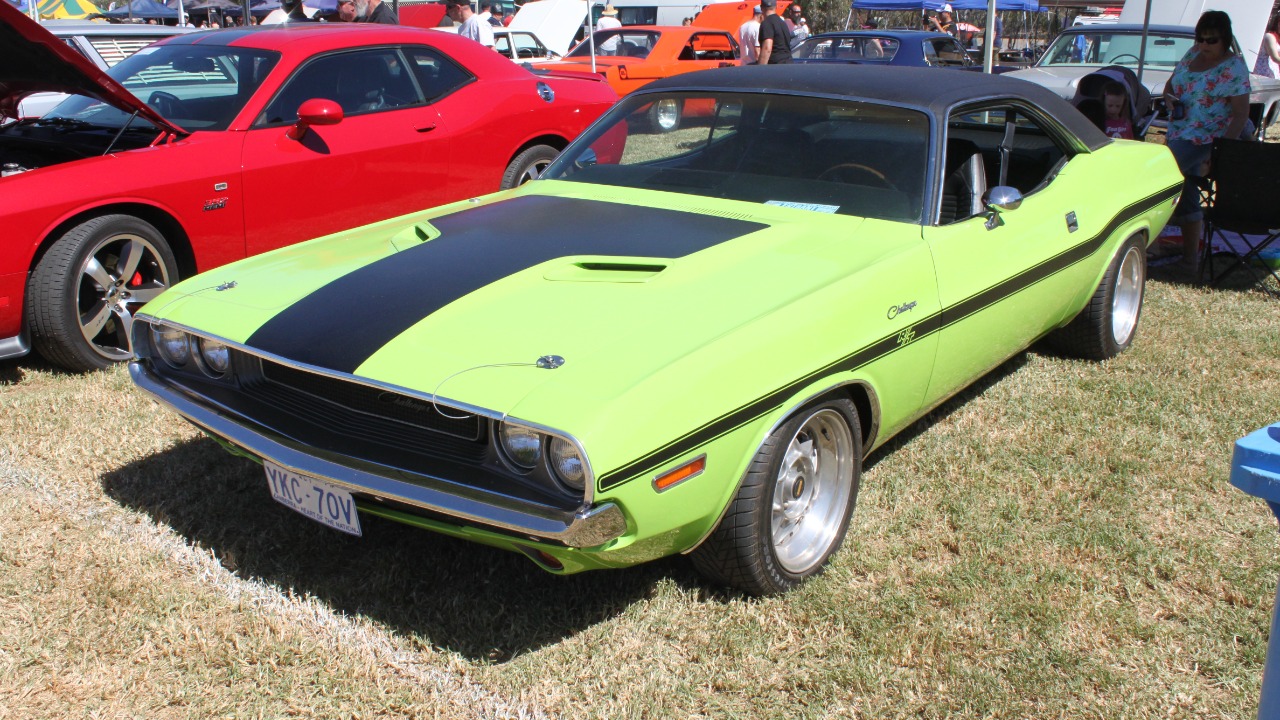
The 1970 Dodge Challenger R/T was a powerful statement in the muscle car market, boasting a range of potent engine options including the legendary 426 HEMI. With its bold styling and muscular stance, the Challenger quickly became a symbol of American muscle. The R/T model was particularly notable for its performance, featuring a standard 440 cubic inch V8 engine that produced 375 horsepower. The design elements, such as the twin-scooped hood and wide rear fenders, gave it an assertive road presence. This model has garnered a devoted fanbase, and its revival in modern times showcases its enduring legacy. More details about its impact can be found in this article.
Plymouth Road Runner (1968)
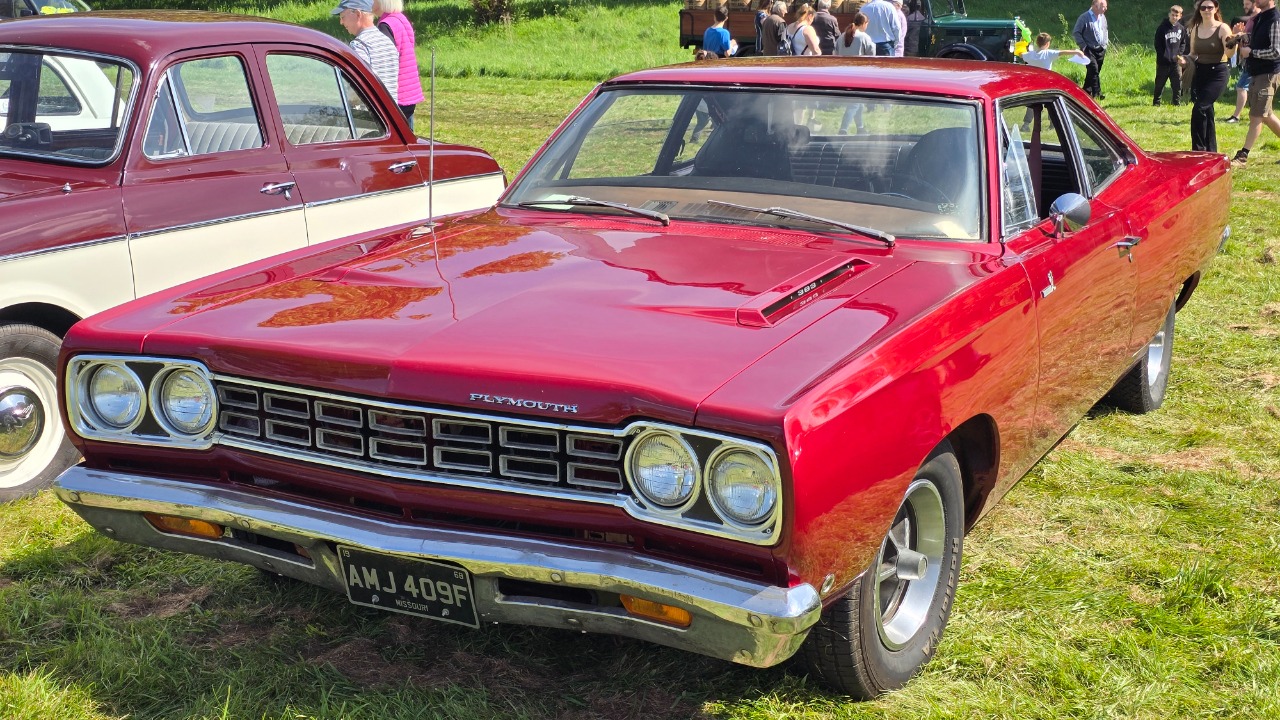
Introduced in 1968, the Plymouth Road Runner was designed to appeal to the budget-conscious buyer seeking performance. With a base price that was surprisingly affordable, it was powered by a 383 cubic inch V8 engine delivering 335 horsepower. Its distinctive “beep-beep” horn and cartoon character branding set it apart from competitors, making it a pop culture icon. The Road Runner offered an engaging driving experience with a lightweight construction that enhanced its speed and agility. Despite its affordability, it did not compromise on power, earning a place in muscle car history. For more on its unique features, you can watch this video.
Ford Mustang Mach 1 (1971)
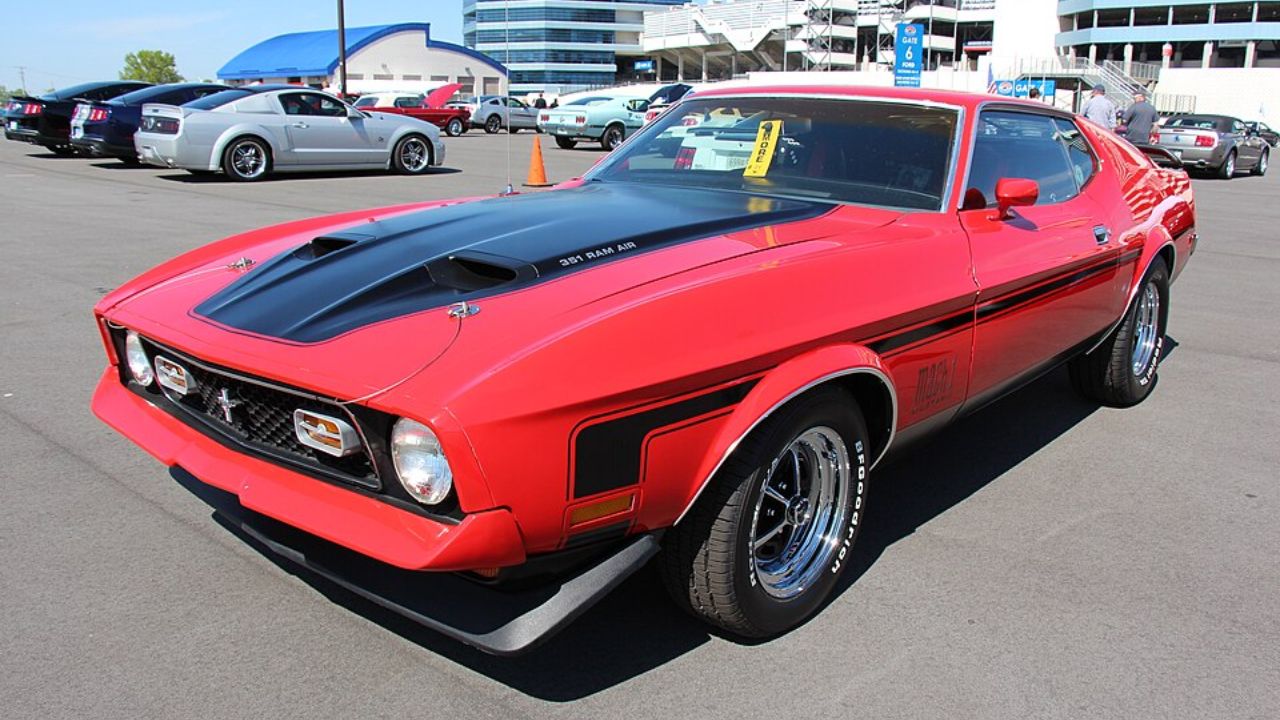
The 1971 Ford Mustang Mach 1 is a quintessential muscle car that represents the evolution of the Mustang brand. This model featured a more aggressive design with a prominent hood scoop and sporty stripes, making it visually striking. Under the hood, it offered a variety of engine options, including the potent 351 Cleveland V8, which delivered impressive power. The Mach 1 was not just about looks; it also focused on performance with enhanced suspension and handling. Its popularity has endured, and it remains a sought-after classic among collectors and enthusiasts alike. The Mach 1’s legacy continues to influence modern Mustangs, showcasing its lasting appeal.
Pontiac GTO (1964)
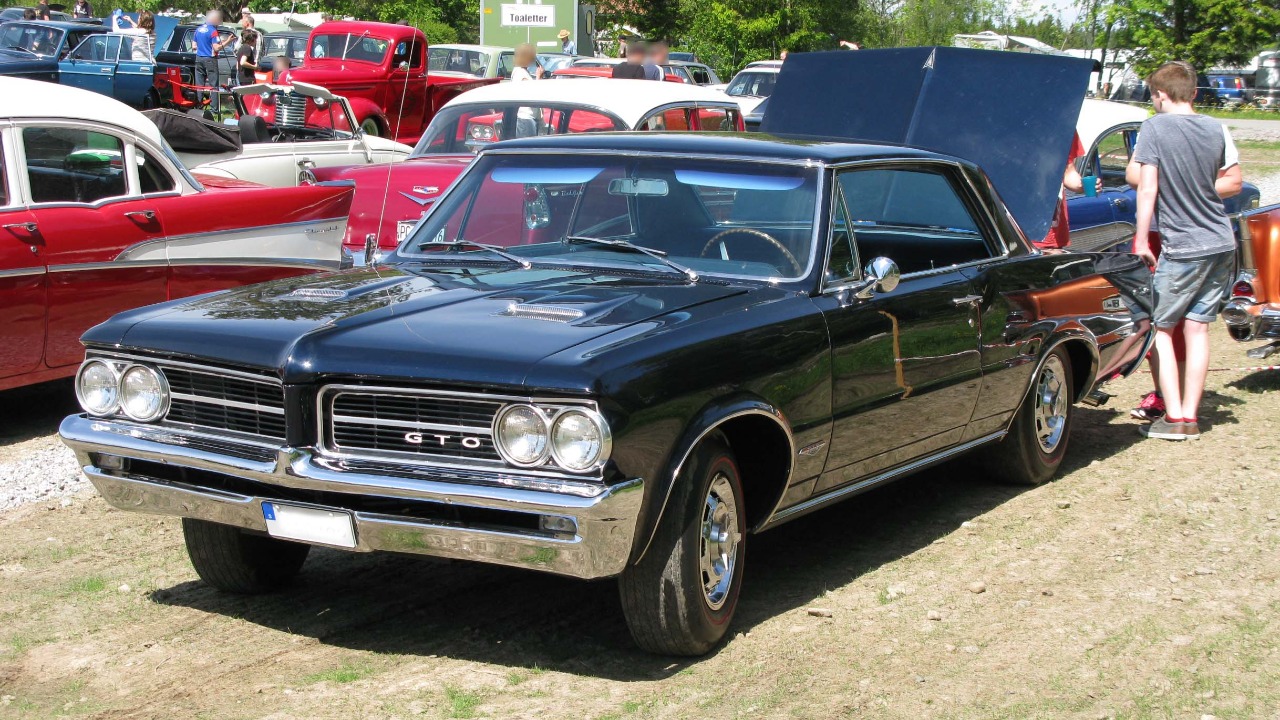
The Pontiac GTO is often credited with kicking off the muscle car craze in the 1960s. Launched in 1964, it combined a lightweight body with a powerful 389 cubic inch V8 engine, producing up to 325 horsepower. The GTO’s performance caught the attention of car enthusiasts, and it quickly gained popularity for its speed and style. Its distinctive design, featuring a sleek front end and bold lines, has made it an enduring classic. The GTO’s influence on American automotive culture is undeniable, and it remains a beloved symbol of the muscle car era. For a deeper dive into its history, refer to this resource.
Buick GSX (1970)
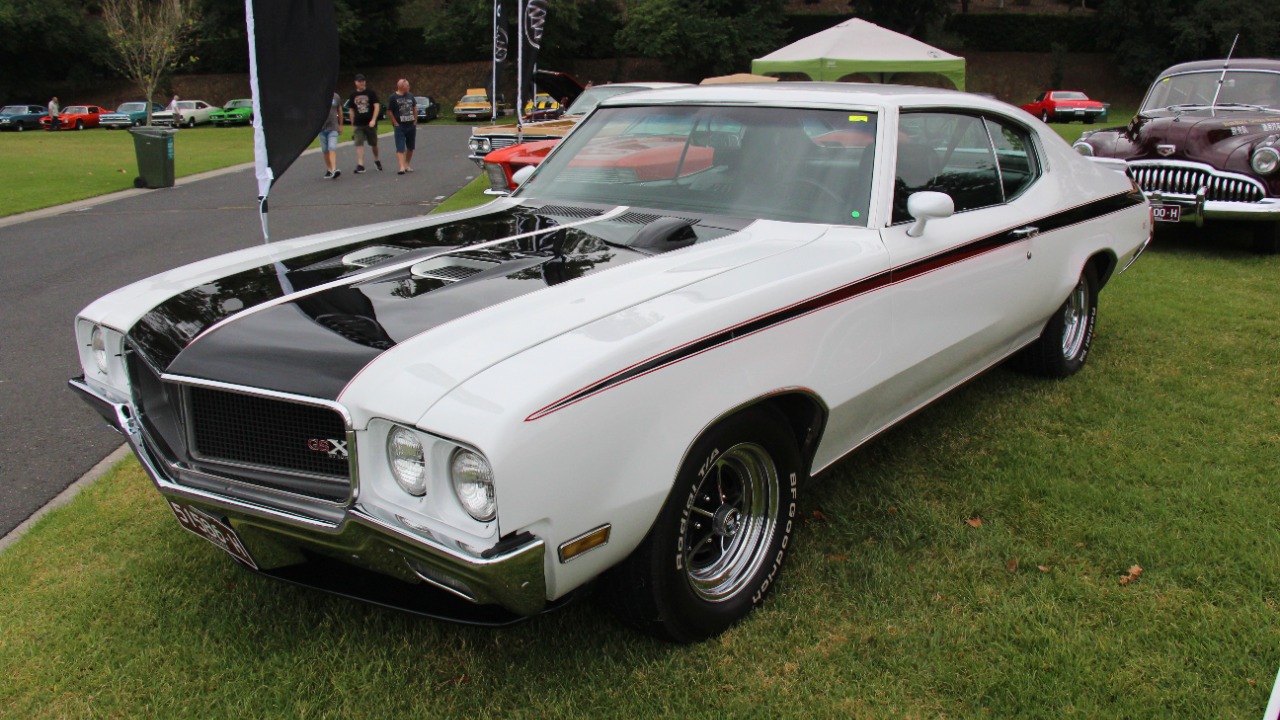
The 1970 Buick GSX is a lesser-known but incredibly powerful muscle car. With a supercharged 455 cubic inch V8 engine, this beast produced a staggering 510 lb-ft of torque, making it one of the most powerful cars of its time. The GSX featured a distinctive appearance with its bold stripe package and wide stance, setting it apart from its competitors. Despite its limited production run, the GSX has gained a reputation as a high-performance classic. Its rarity and performance make it a coveted vehicle among collectors today. The GSX’s combination of luxury and power is a testament to Buick’s engineering prowess.
Oldsmobile 442 (1964)
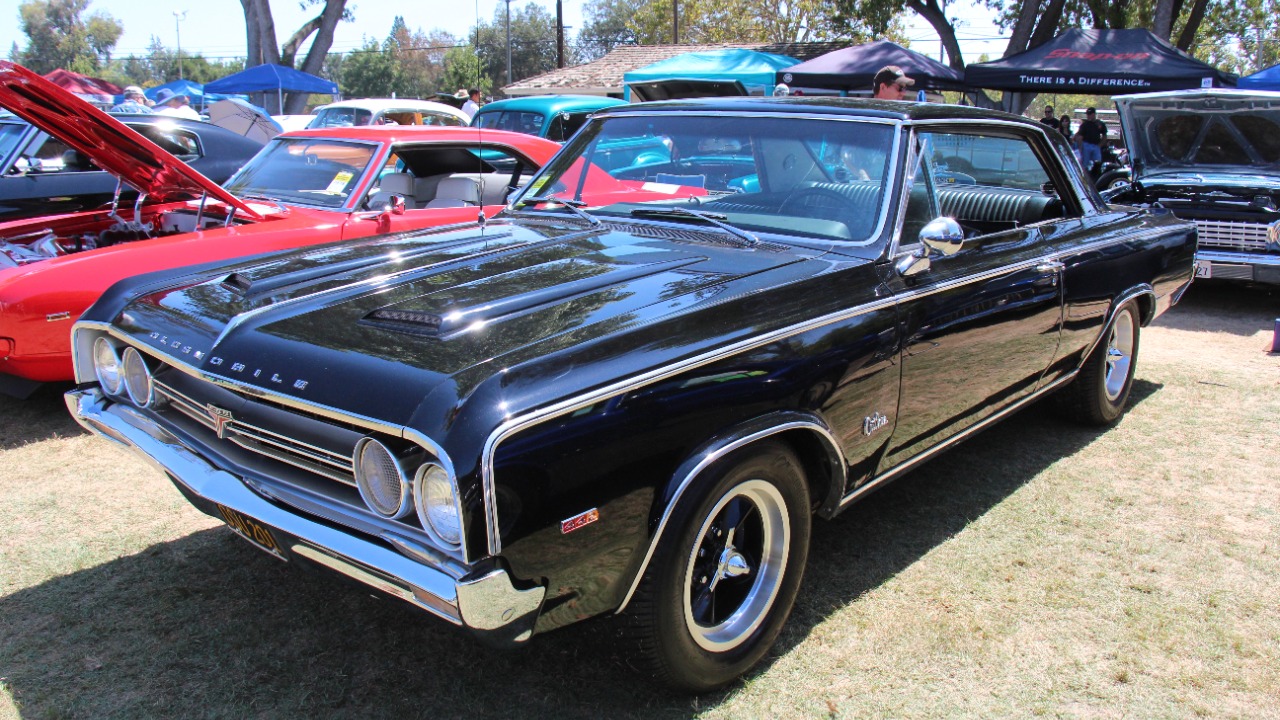
The Oldsmobile 442, introduced in 1964, stands out as one of the original muscle cars. Its name signifies its performance pedigree: 4-barrel carburetor, 4-speed manual transmission, and a 2-door body style. Initially equipped with a 330 cubic inch V8 engine, it quickly became known for its impressive acceleration and handling. The 442’s design was characterized by its sleek lines and sporty appearance, making it a popular choice among muscle car enthusiasts. Over the years, it evolved with various performance upgrades, solidifying its place in automotive history. The Oldsmobile 442 remains a testament to the innovation of its time.
AMC Javelin (1968)
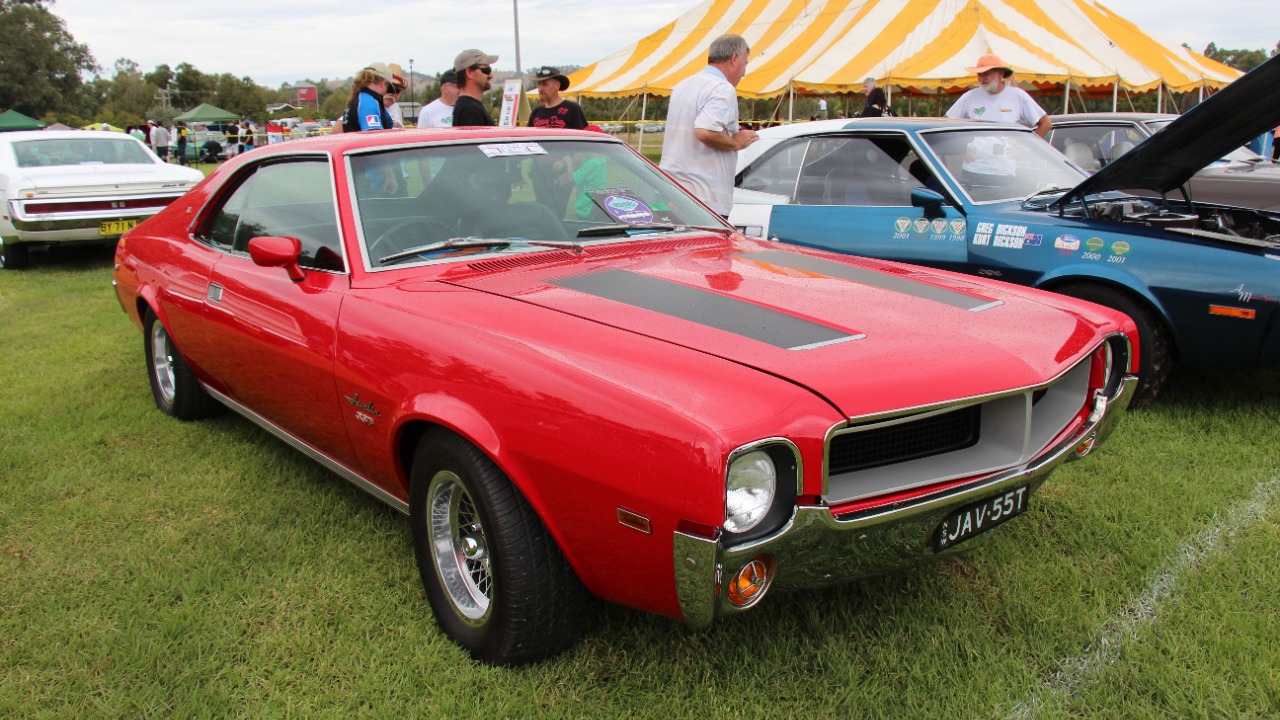
The AMC Javelin, launched in 1968, was AMC’s entry into the competitive muscle car market. With a distinctive design that emphasized a sporty look, the Javelin was available with a variety of engine options, including the powerful 390 cubic inch V8. Its performance capabilities were impressive, allowing it to compete with more established brands. The Javelin’s innovative features, such as a unique rear suspension system, provided a smooth ride and agile handling. Although AMC was a smaller player in the automotive industry, the Javelin carved out a loyal fanbase and remains a cherished classic today.
Chevrolet Nova SS (1969)
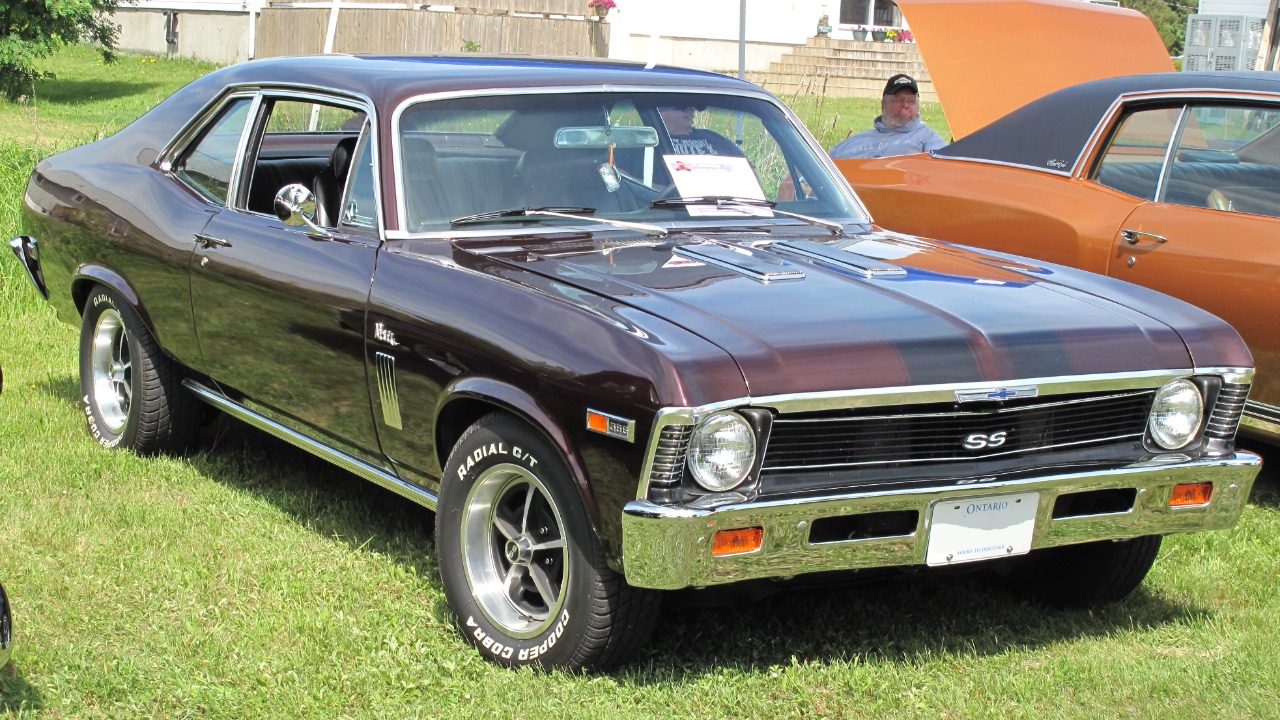
The 1969 Chevrolet Nova SS is often overshadowed by its more famous counterparts but deserves recognition for its performance and affordability. Powered by a 350 cubic inch V8 engine, it delivered a robust 300 horsepower, offering an exhilarating driving experience. The Nova’s compact size made it agile and easy to handle, appealing to a wide range of drivers. Its understated design, featuring clean lines and a sporty stance, contributed to its timeless appeal. The Nova SS’s combination of power and practicality has made it a favorite among muscle car enthusiasts. Its legacy continues through various restorations and modern adaptations.
Dodge Super Bee (1968)
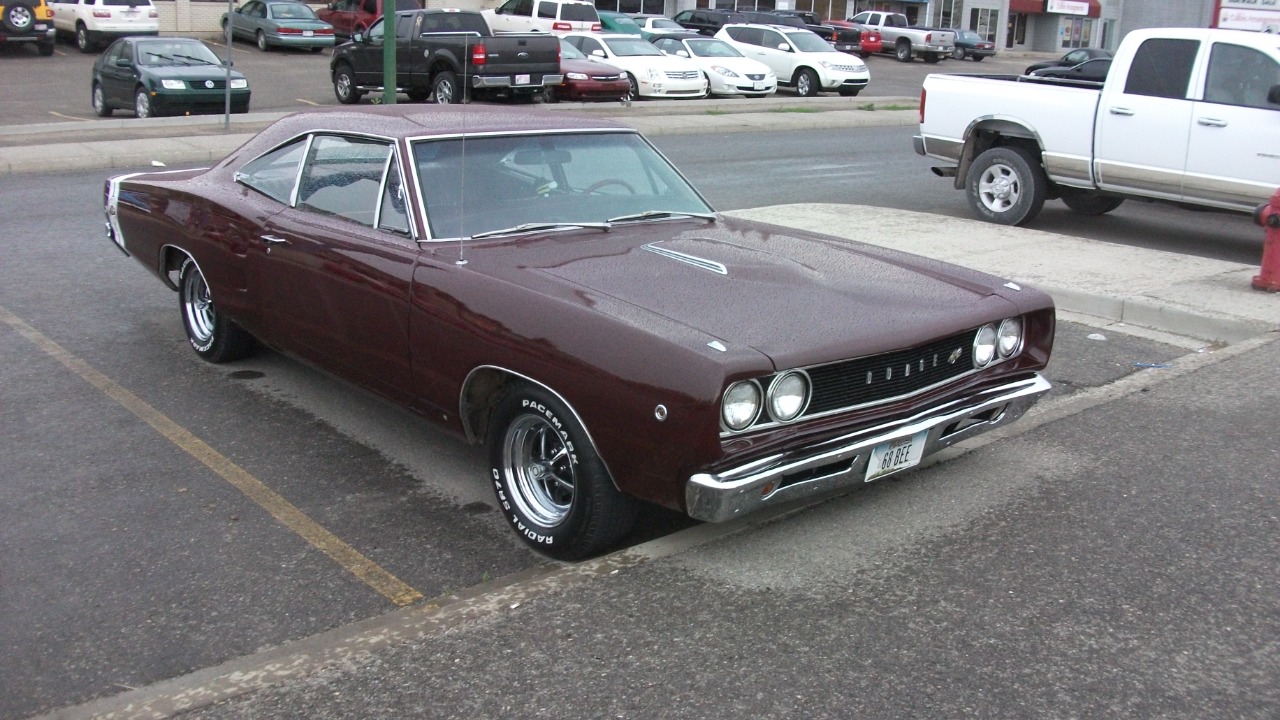
The 1968 Dodge Super Bee was designed to deliver high performance at an affordable price. Based on the Dodge Coronet, it featured a muscular design and powerful engine options, including the iconic 426 HEMI. The Super Bee was known for its striking graphics and aggressive stance, which helped it stand out in the crowded muscle car market. With its focus on performance and value, it quickly gained popularity and became a favorite among enthusiasts. The Super Bee’s legacy lives on, as it remains a sought-after classic car for collectors and racing fans alike, representing the spirit of American muscle.
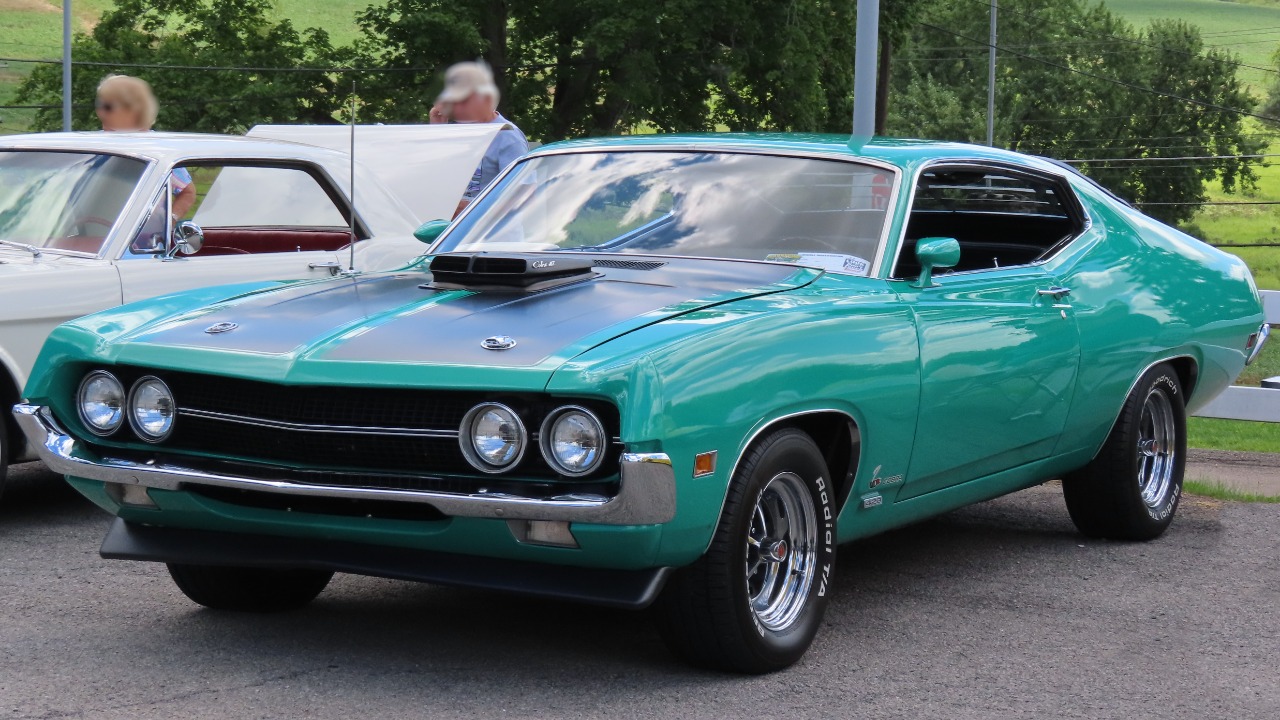
Ford Torino Cobra (1970)
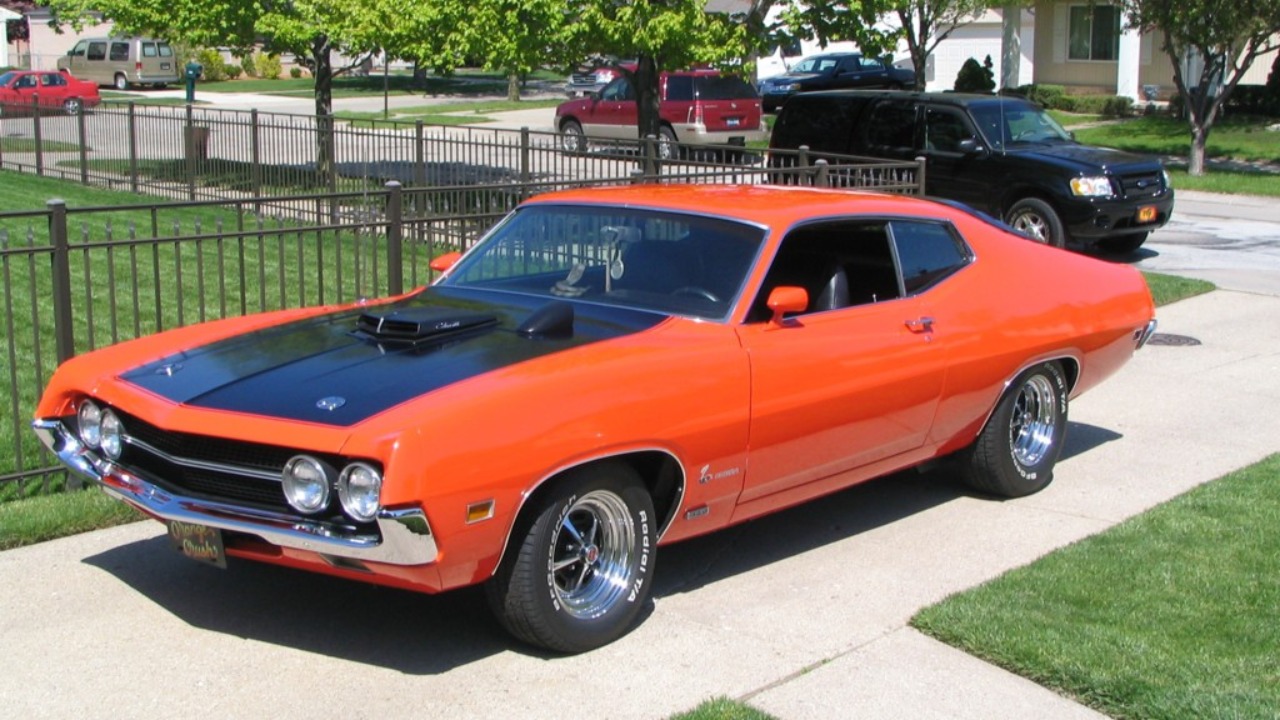
The Ford Torino Cobra, introduced in 1970, showcased Ford’s commitment to performance. Equipped with a 429 cubic inch V8 engine, it produced over 360 horsepower, making it a powerful contender in the muscle car scene. The Torino Cobra featured a sleek design with a long hood and short rear deck, enhancing its aerodynamic profile. Its performance was complemented by a sport-tuned suspension, ensuring it handled well on the road. While it may not be as famous as other muscle cars, the Torino Cobra has earned a place in automotive history for its combination of power and style, making it a classic worth celebrating.
Plymouth Barracuda (1970)
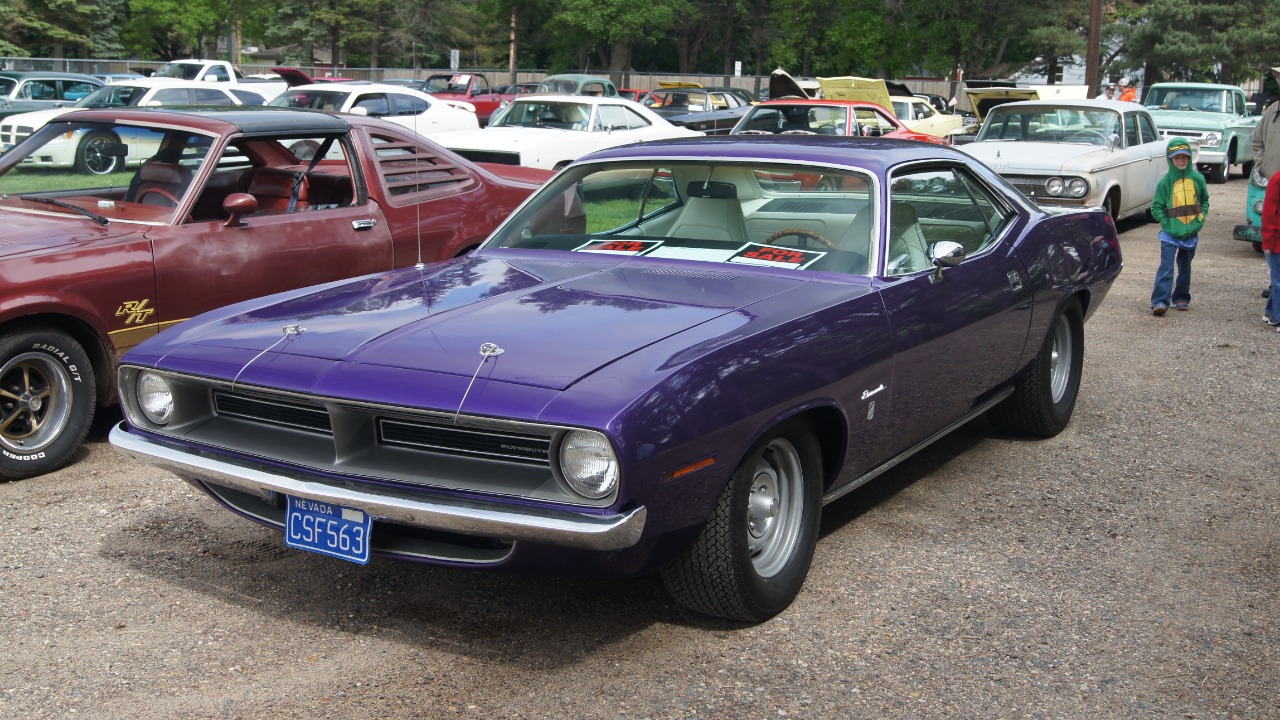
The 1970 Plymouth Barracuda is a classic muscle car that often gets overlooked. With its unique “Cuda” styling and aggressive lines, it made a bold statement on the road. The Barracuda was available with several powerful engine options, including the formidable 426 HEMI, which made it one of the most powerful cars of its era. Its lightweight construction and sporty handling made it a favorite among performance enthusiasts. Despite its impressive credentials, the Barracuda’s production numbers were relatively low, adding to its appeal among collectors. Its legacy continues to influence modern muscle cars, ensuring that the Barracuda remains a symbol of power and performance.
More from Fast Lane Only
- Unboxing the WWII Jeep in a Crate
- 15 rare Chevys collectors are quietly buying
- 10 underrated V8s still worth hunting down
- Police notice this before you even roll window down
*Research for this article included AI assistance, with all final content reviewed by human editors.