Most dirt bike models live fast and get replaced every few years. Yamaha’s TW200 is the exception that proves how long a simple idea can last. Yamaha has sold it since 1987, and the recipe of a small single on fat tires has stayed the same.
However, it is not alone. Some off-road bikes stayed in showrooms for decades, while others lasted far longer in barns, garages and family hand-me-downs than anyone planned. A few of them even started dynasties that run today. They range from small two-stroke enduros to big four-stroke thumpers, and together they cover half a century of riding.
These eight are our picks, the dirt bikes we think outlived every reasonable expectation. Every verdict is our opinion, too. The years, engines and prices come from period magazine tests, owner archives and model histories.
1. 1971 Suzuki TS185 Sierra
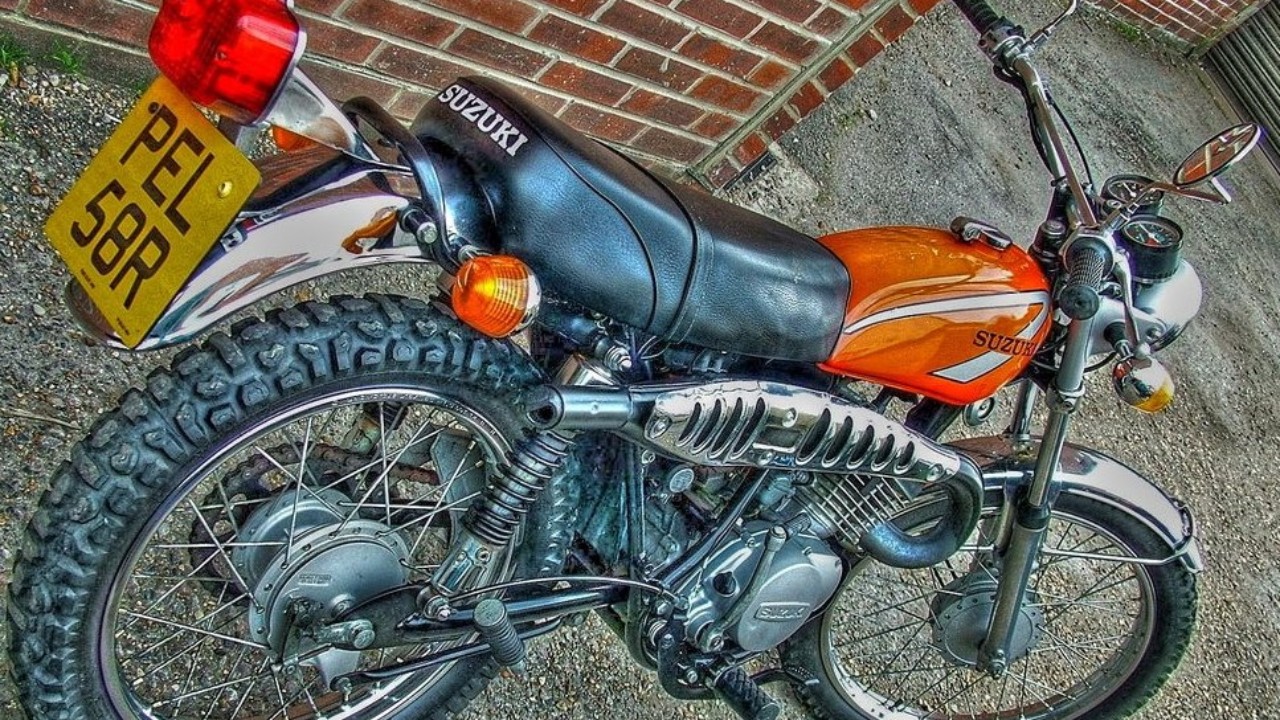
Suzuki launched the TS185 in May 1971, and American buyers knew it as the Sierra. In Japan, the same bike wore the Hustler 185 name. It used an air-cooled two-stroke single that Suzuki listed at 183cc, rated at 18 horsepower at 7,000 rpm for that first year.
The Suzuki owners’ archive suzukicycles.org tracks TS185 models from 1971 all the way to 2015. Its spec tables show the power rating barely moved, drifting between 17 and 18.5 horsepower through the 1970s. That steady output tells you Suzuki got the basic recipe right early on. The strongest of the 1970s bikes was the 1976 model, at 18.5 horsepower.
Our take: the TS185 was a practical dual-purpose bike, and it never pretended to be a racer. That is exactly why it lasted. If you want one now, look for a bike with its original tank badges and a dry, uncracked seat. Small two-stroke enduros like this are simple to fix, but cosmetic parts can be scarce.
2. 1987 Yamaha TW200, the fat-tire dirt bike
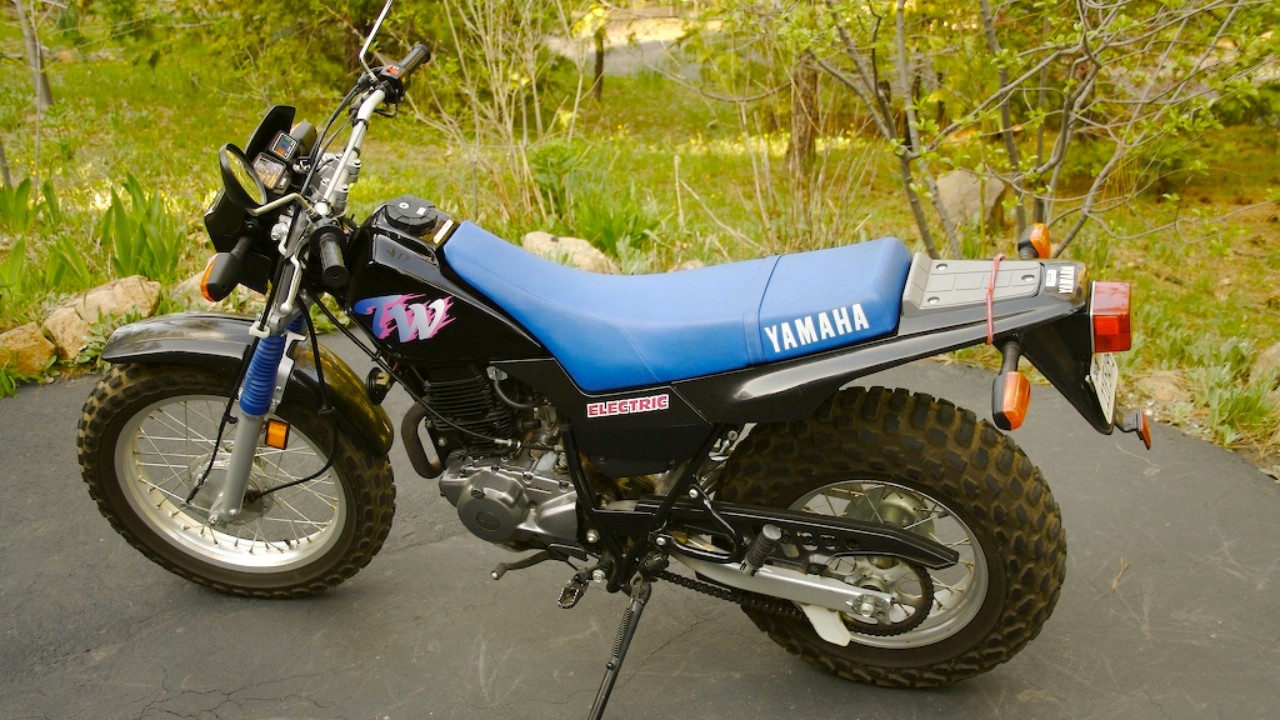
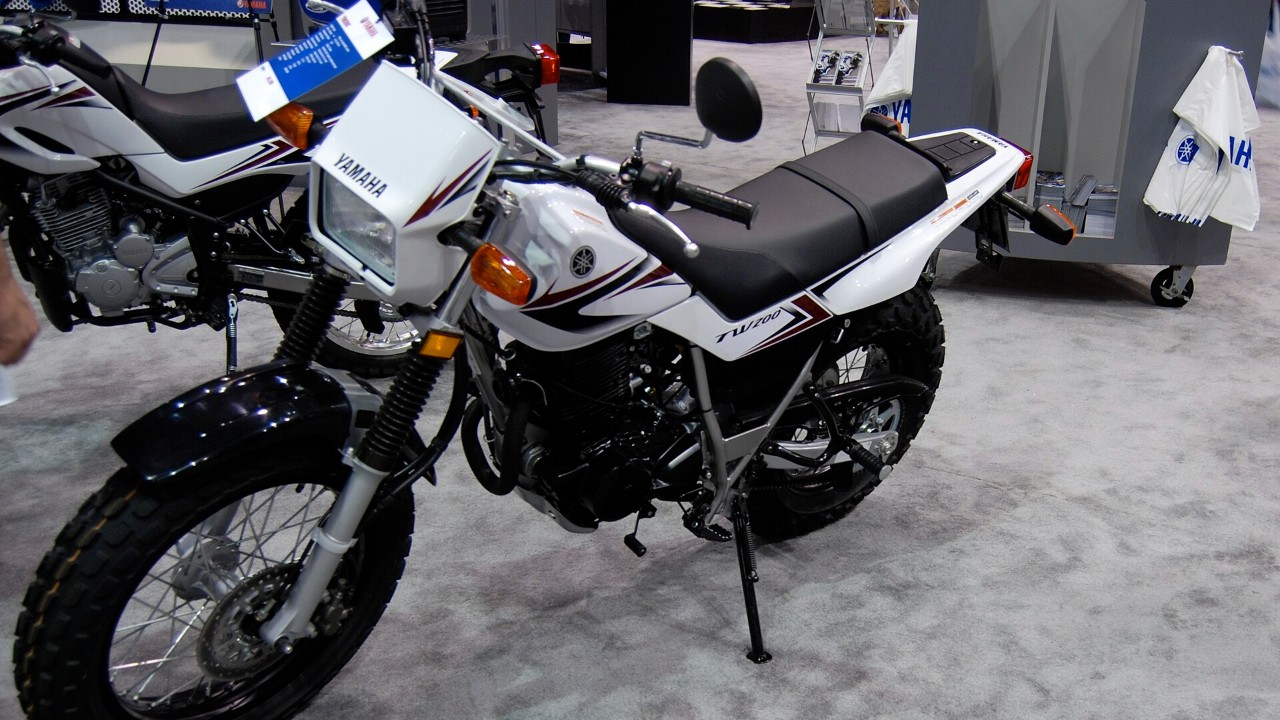
The TW200 looks like a cartoon, and that is part of its charm. “TW” stands for Trail Way. Yamaha gave it a 196cc four-stroke single and huge, balloon-like tires, sized 130/80-18 up front and 180/80-14 at the rear.
Over the years, riders have compared it to the Rokon, and some call it a two-wheeled quad. Meanwhile, the updates have been modest. In 2001, Yamaha swapped the front drum for a 220mm disc and removed the kick starter. Top speed sits somewhere around 66 to 73 mph, and fuel economy is listed at 78 mpg. As a result, that kind of mileage means a small tank goes a long way on a trail ride.
Our take: nobody in 1987 would have bet on this bike lasting almost 40 years. Yet the TW200 does one job well, which is crawling over sand, rocks and mud at a walking pace without drama. If you buy a used one, check the rear tire’s tread and age. That 180/80-14 size is unusual for such a small bike.
3. 1973 Honda CR250M Elsinore
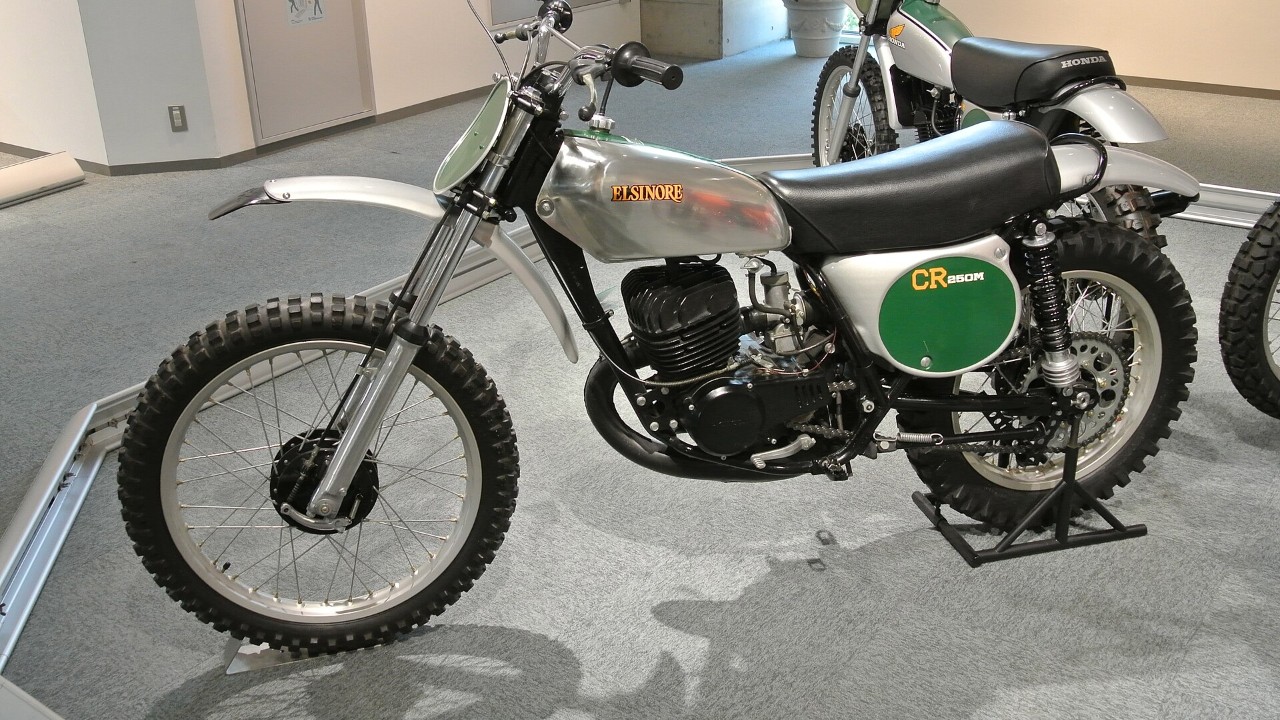
Honda built its reputation on four-strokes, so the Elsinore was a big change. According to Cycle World, it was Honda’s first production motocross bike and its first two-stroke. It also had an aluminum tank, magnesium engine cases and plastic fenders.
The bike also won right away. Gary Jones took the 1973 AMA 250 National title on an Elsinore. Cycle World also notes some pleasant period details. A replacement piston cost $11.40 in 1973, while rings were another $3. The magazine also described the bike as light, fast and reliable, which is a rare mix for a first attempt.
Our take: the Elsinore was supposed to be a first try. Instead, it became the first of Honda’s long-running CR motocross bikes. We think a clean 1973 bike is one of the most important dirt bikes you can own. Original magnesium cases are worth checking closely for corrosion before you buy.
4. 1981 Honda XR500R
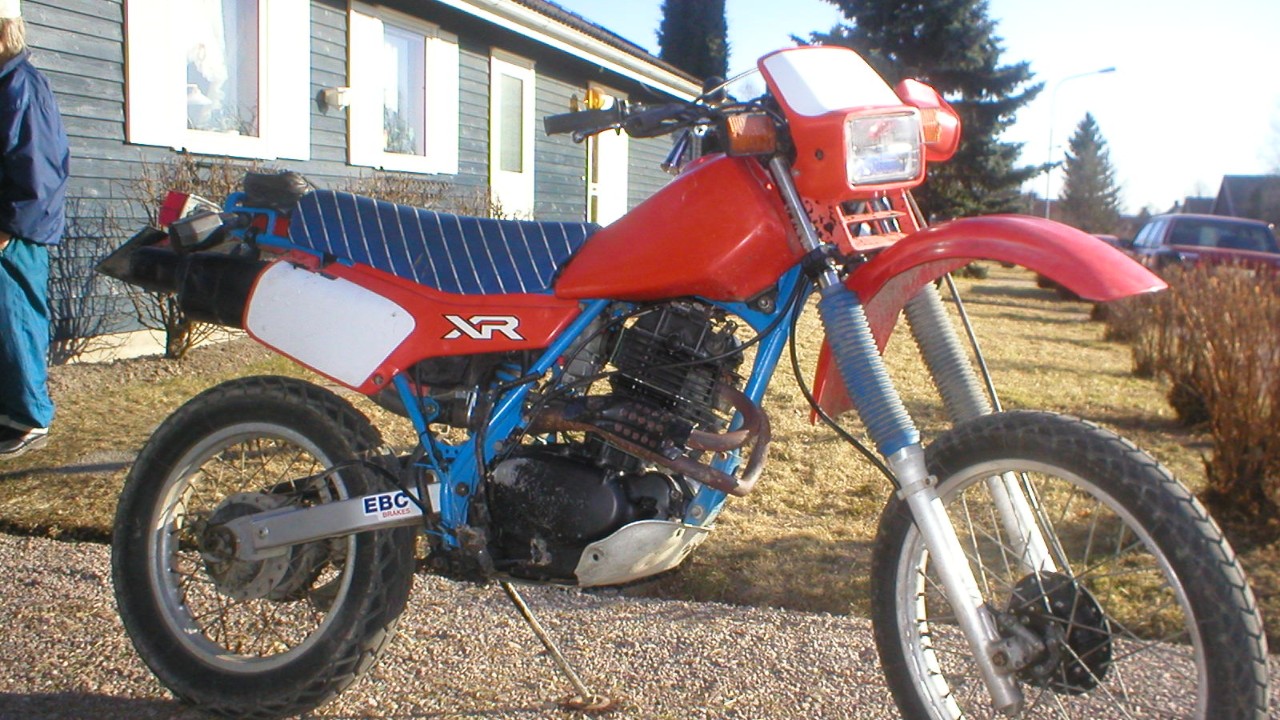
Honda’s big-bore XR line ran from 1979 to 2000, moving from the XR500 to the XR500R and finally the XR600R. The 1981 XR500R is where it got serious. That year brought a new frame with Pro-Link rear suspension.
Cycle World tested the bike in its March 1981 issue. The four-valve single gained an intake reed cage, which the magazine called a first for the XR500 engine. It weighed 310 pounds with a full tank and listed at $2,098. The testers saw about 70 mph on the speedometer. Even so, they named it “King of the trail bikes.” Later, riders such as Johnny Campbell, Scott Summers and Bruce Ogilvie won in the western desert and eastern woods on big XRs.
Our take: big four-stroke singles were supposed to be heavy and fussy. The XR500R proved they could also be durable, and its family went on to win in the desert for two decades. If you shop for one now, learn the compression-release starting drill first. It makes the bike far easier to live with.
5. 1983 Kawasaki KDX200
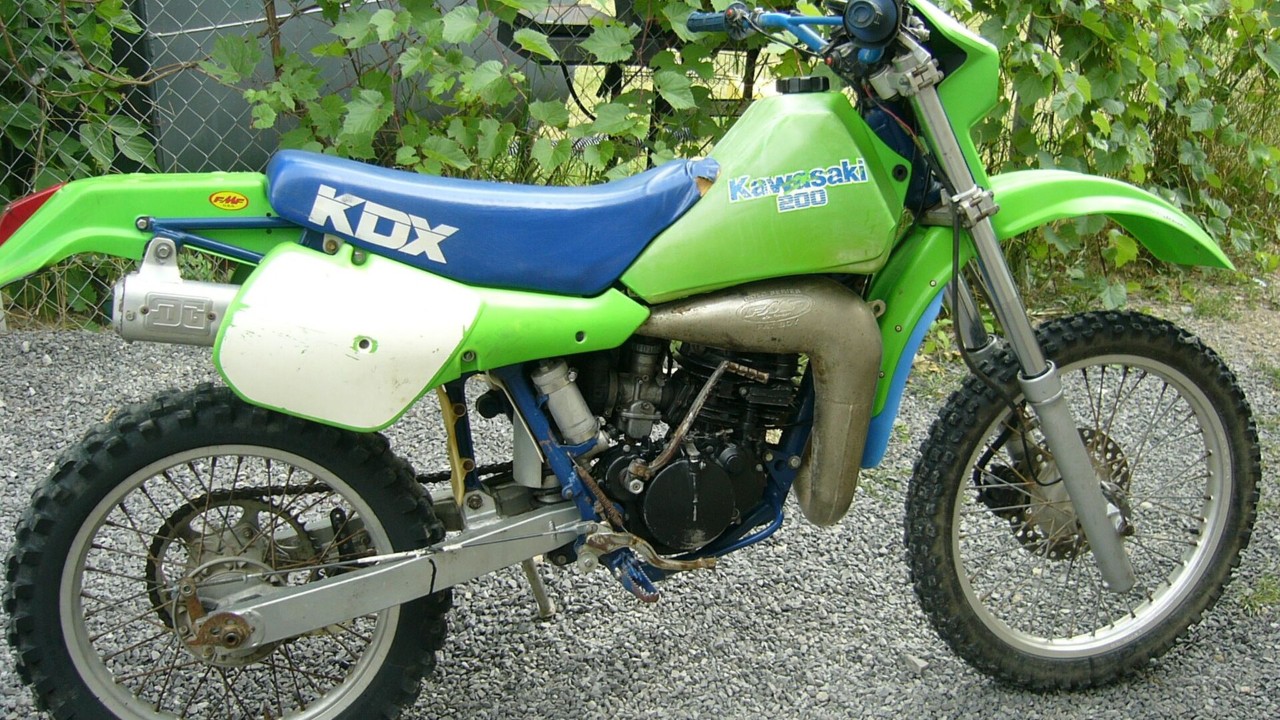
Kawasaki’s first KDX200 arrived for 1983 with a price of $1,600. It stayed air-cooled through 1988, then switched to liquid cooling for 1989. Along the way, Kawasaki added its KIPS power valve in 1986 and a perimeter frame in 1995.
Eventually, the bike ended in 2006, when stricter federal emissions rules killed the KDX200 and its KDX220 sibling. Dirt Bike magazine called it “an evolutionary alligator,” because the basic bike barely changed. It also notes that Jeff Fredette rode KDX bikes to 22 ISDE starts and seven gold medals between 1983 and 2006. By 1989, the bike weighed 232 pounds without fuel and carried a 3.3-gallon tank.
Our take: beginners loved the KDX because it was light, gentle and cheap. Then it kept selling for 24 years with very little new investment. Dirt Bike suggests a good used one should cost under $1,000. In our view, that is one of the best deals in off-road riding. The magazine adds that used ones often stay in families, and good ones hold their value.
6. 1984 Kawasaki KLR600
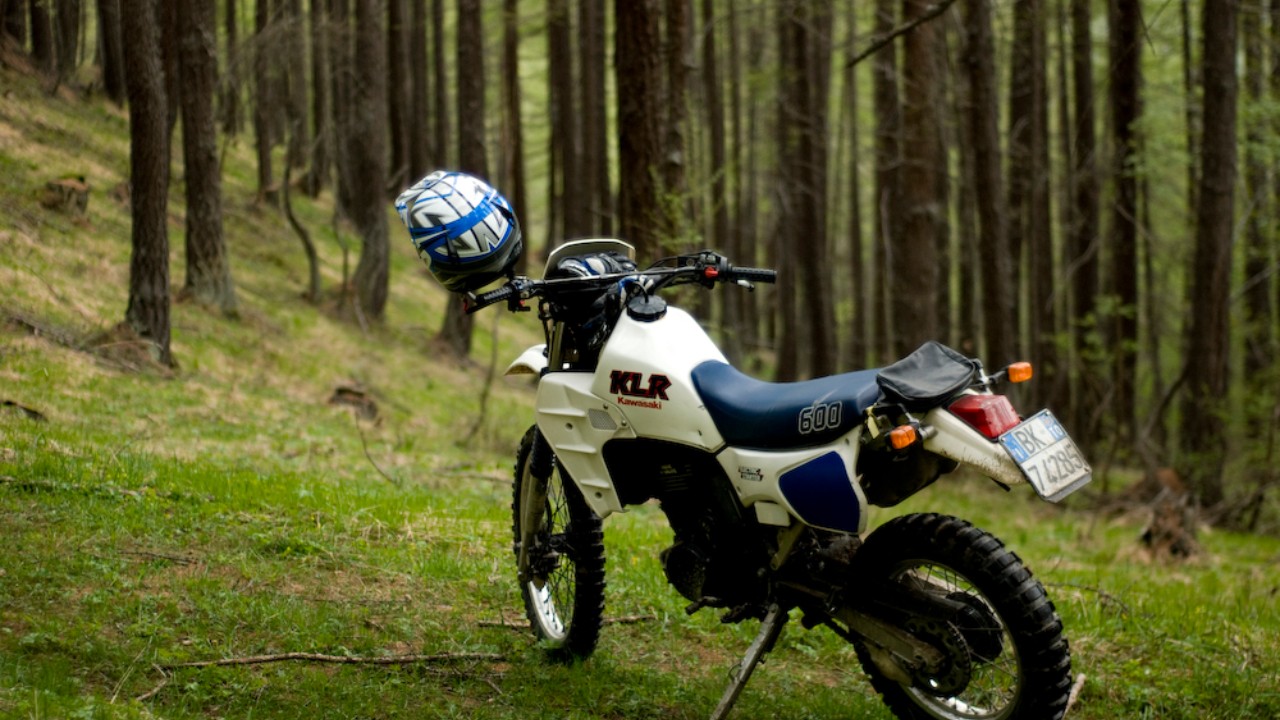
The KLR600 had a short life on paper. Kawasaki sold the 564cc dual-sport from 1984 to 1986. Then, in 1987, it replaced the bike with the KLR650. In our view, the 564cc size made it big enough for highway miles but small enough for dirt roads.
That is where the story takes off. The new KLR650 ran almost unchanged through the 2007 model year. The KLR600 laid the groundwork for that long run. It proved that riders wanted a big, simple thumper that could ride to the trail and keep going.
Our take: the KLR600 deserves more credit than it gets. Without it, there is no KLR650, and no two decades of nearly unchanged KLRs. We included bikes like this in our list of motorcycles that became legends through reliability. If you find a KLR600, buy the one with the most complete records, since a three-year model has fewer spares around than its long-lived successor.
7. 1996 Suzuki DR650SE
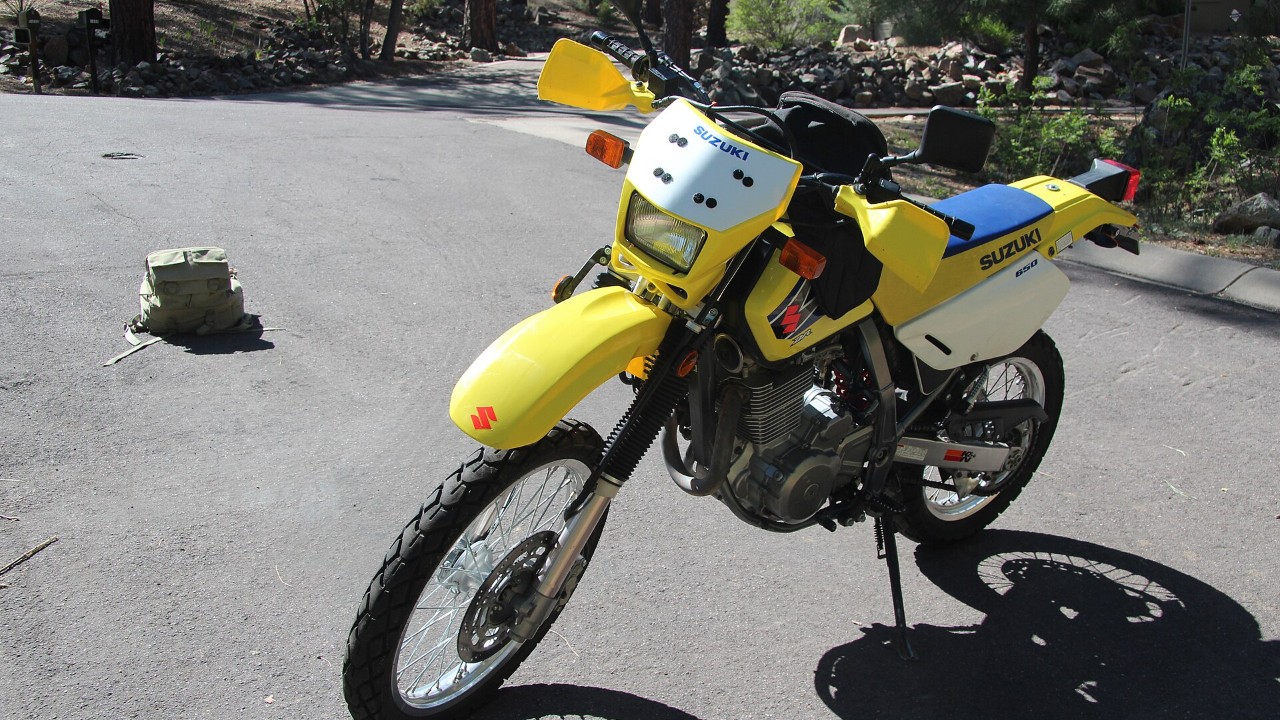
Suzuki introduced the DR650 in 1990 as a replacement for the 590cc DR600. Then, for 1996, the DR650SE arrived with a radically redesigned engine. Suzuki actually reduced power so the bike would deliver it more smoothly.
Underneath, the engine is a 644cc single-cylinder four-stroke with a single overhead cam, four valves and air and oil cooling. Its bore and stroke measure 100 by 82 millimeters, with 9.5:1 compression. The SE uses electric start only. As of 2023, the bike had stayed in production for 27 years. For riders who like long trips, it belongs with the motorcycles that changed the open road.
Our take: Suzuki made the DR650SE slower on purpose, and that choice may explain why it lasted. It is easy to ride, easy to fix and easy to load with luggage. Because it stayed in production so long, used ones are easy to find. We would look for one with service records rather than lots of add-ons.
8. 2000 Suzuki DR-Z400
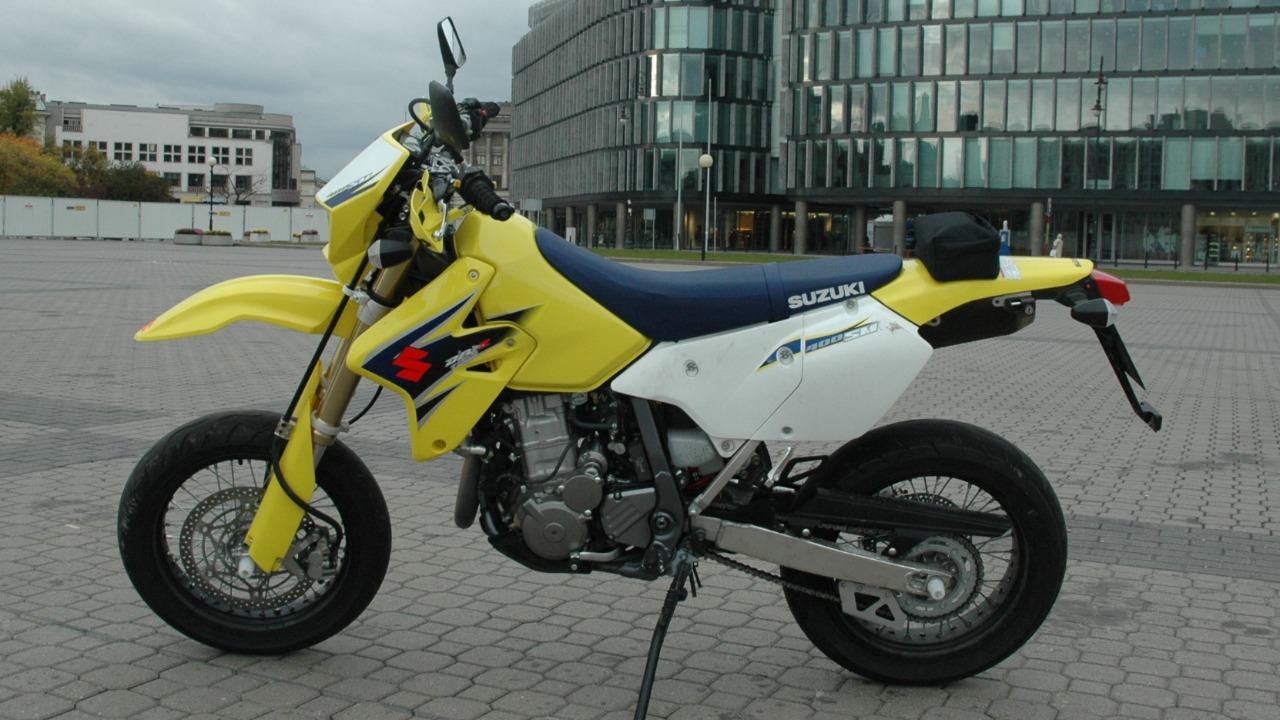
The DR-Z400 debuted as a 2000 model, and Suzuki launched it to the press in Death Valley. Cycle News described its engine as a compact, liquid-cooled, DOHC 398cc thumper. Suzuki offered it in three forms at first: the street-legal DR-Z400S, the electric-start DR-Z400E and the kick-start DR-Z400.
In addition, the bike won races. Mike Kiedrowski took the first World Off-Road Championship Series title on a Yoshimura-built DR-Z400. Later, a supermoto DR-Z400SM joined the range in 2005. According to Cycle News, the core design was in place more than 20 years later. Updates came slowly, including a fully adjustable fork on the E model in 2002, a cam chain tensioner change in 2003 and a PAIR emissions system in 2019.
Our take: Suzuki built the DR-Z400 to be durable, not to win spec-sheet wars. Two decades later, that plan looks smart. Cycle News called it “a wonderfully balanced, rock-solid-reliable dual-purpose motorcycle,” and we agree. The 2000 bike listed at $5,349, while Cycle News put the 2021 price at $6,899.
More from Fast Lane Only