The years after World War II brought a wave of change to the American automobile. Designers experimented with new shapes, manufacturers introduced more powerful engines, and buyers began expecting more comfort and style from their cars. Many of these postwar classics have survived because they still look special decades later. Whether admired for their styling, engineering, or sheer presence, these cars continue to draw crowds whenever they appear at a car show.
Ford Fairlane

The Ford Fairlane captured the changing look of American cars during the 1950s with its long body, bright trim, and increasingly powerful engines. It offered buyers plenty of style without the price of Ford’s more expensive models. Today, restored Fairlanes attract attention because they represent the optimistic design language of the period without being as common as some better-known classics.
Chevrolet Corvette
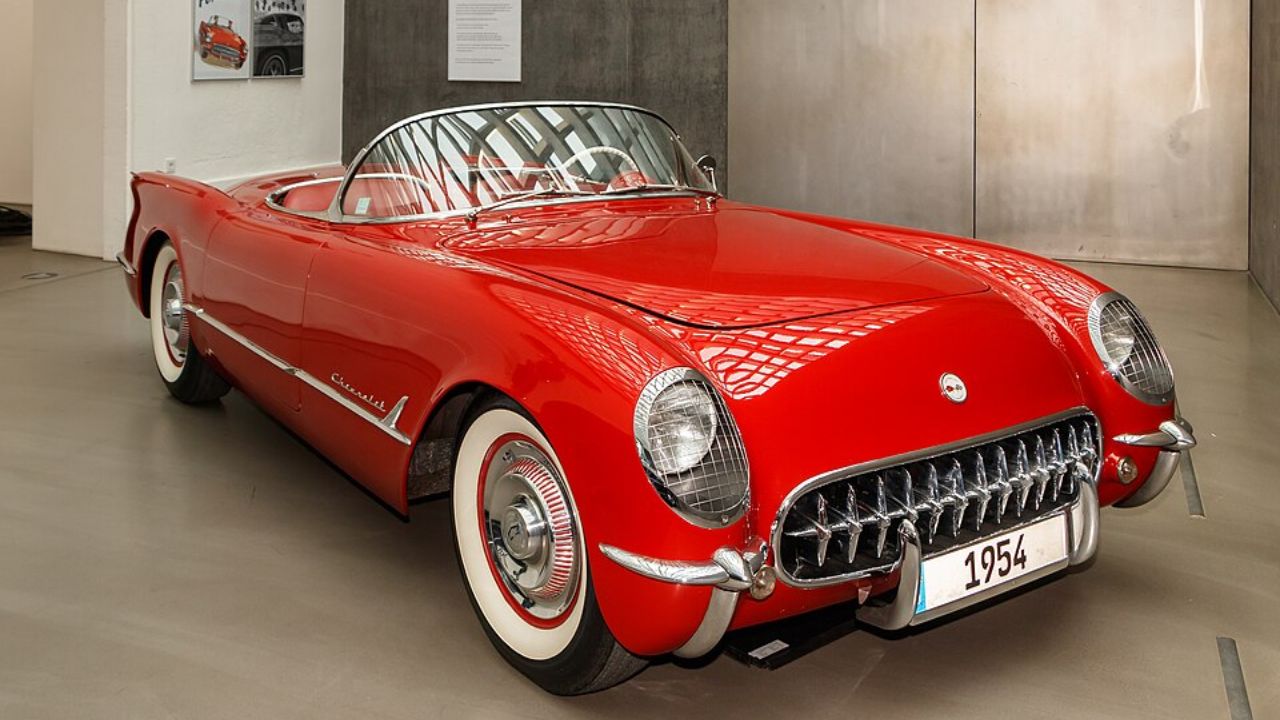
The Chevrolet Corvette helped establish a distinctly American sports car tradition after its introduction in the 1950s. Its fiberglass body, two-seat layout, and growing selection of V8 engines gave it an identity unlike ordinary American cars. Early Corvettes remain crowd favorites because they combine recognizable styling with important automotive history. A beautifully restored example can still become the centerpiece of a car show.
Pontiac Bonneville
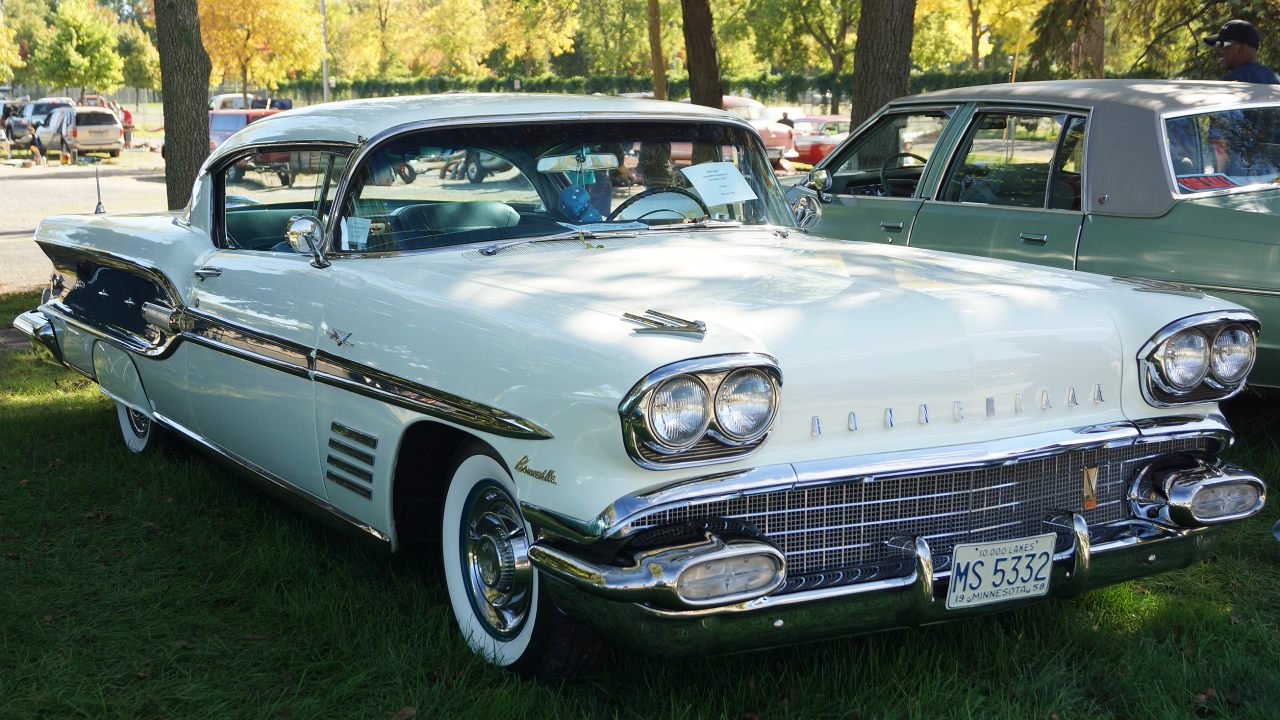
The Pontiac Bonneville represented the brand’s move toward more powerful and stylish automobiles. Large V8 engines, comfortable interiors, and dramatic exterior details gave it plenty of road presence. Later examples became especially impressive with their wide bodies and distinctive trim. At modern car shows, the Bonneville stands out because it captures the size, confidence, and optimism associated with postwar American motoring.
Chrysler 300
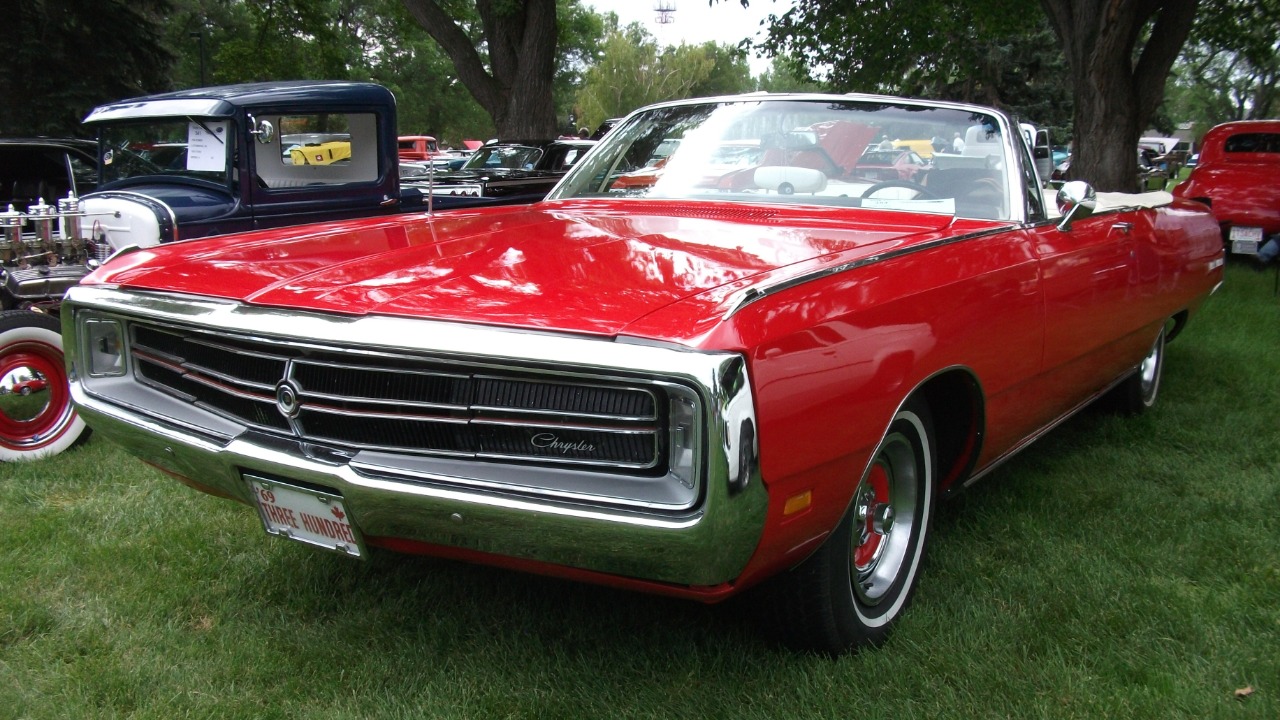
The Chrysler 300 brought genuine performance to the luxury car market with powerful V8 engines and elegant styling. It appealed to buyers who wanted speed without giving up comfort, creating a combination that was unusual at the time. Its importance has only become clearer with age. Today, early Chrysler 300 models attract enthusiasts who appreciate both their engineering and their place in American performance history.
Cadillac Eldorado

The Cadillac Eldorado represented the height of American luxury during the postwar era. Its dramatic styling, powerful engines, and lavish interiors made it an aspirational car for buyers who wanted the very best. Each generation brought its own interpretation of Cadillac’s design philosophy. At car shows, an Eldorado still commands attention simply because few ordinary vehicles ever matched its presence.
Ford F-100
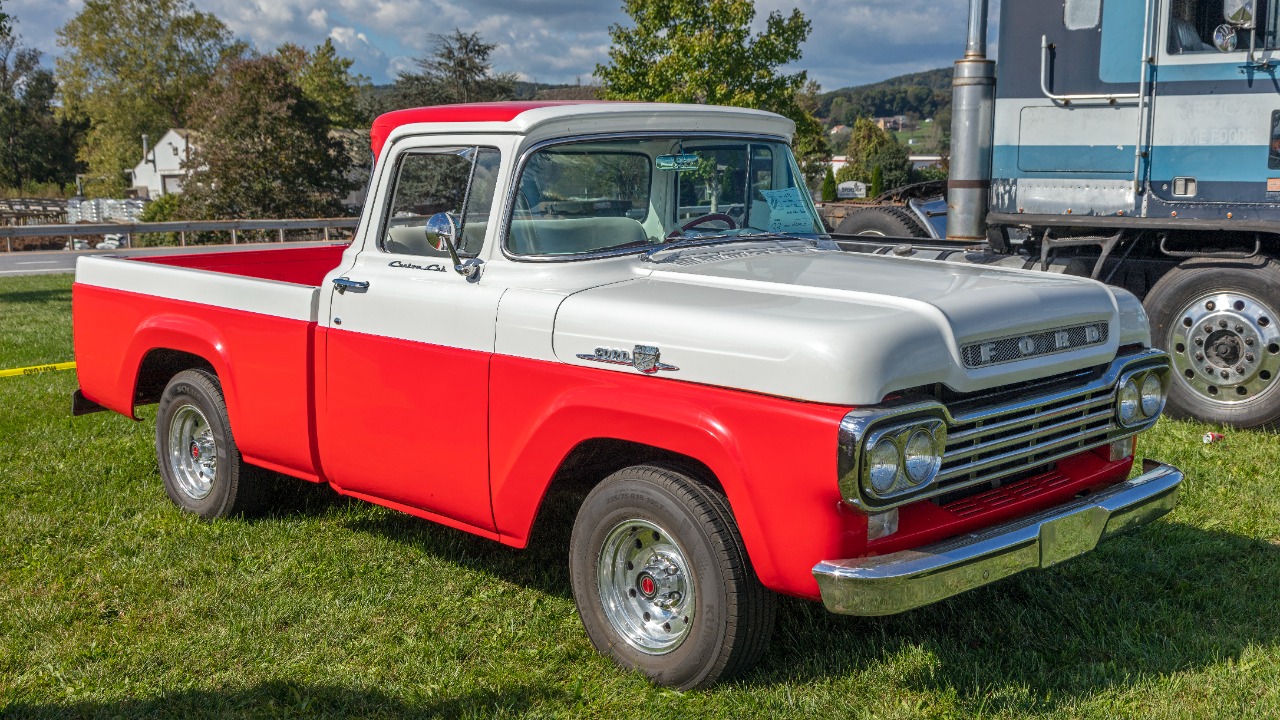
The Ford F-100 helped establish the pickup truck as more than just a basic work vehicle. Its simple mechanical design, attractive styling, and increasingly comfortable cabin made it useful for both work and everyday driving. Surviving examples are now popular with collectors because they are relatively recognizable and easy to appreciate. A clean F-100 can draw as much attention as many classic cars.
Chevrolet Nomad
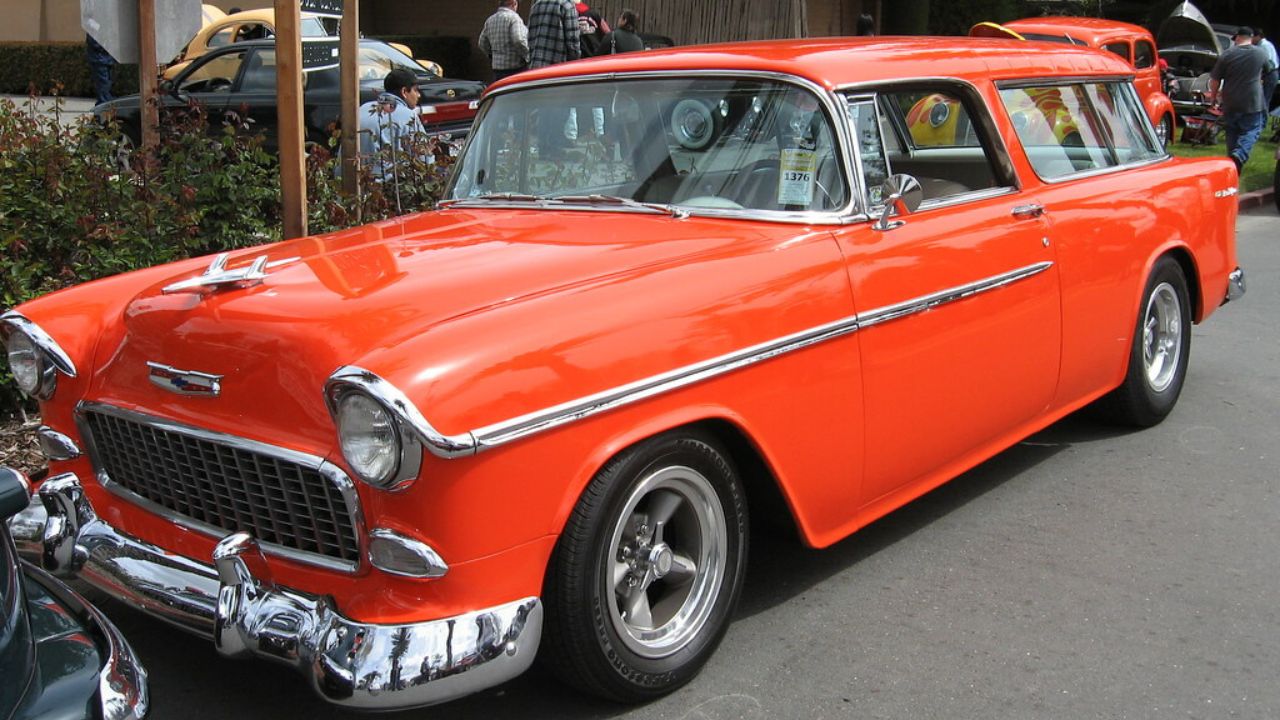
The Chevrolet Nomad gave the station wagon an unusually sporty personality. Its two-door body, distinctive roofline, and stylish details separated it from ordinary family wagons. Although it offered practical cargo space, its appearance made it feel more like a special-interest car. That combination has made the Nomad a regular star at classic car events, where its unusual proportions quickly attract attention.
Buick Skylark
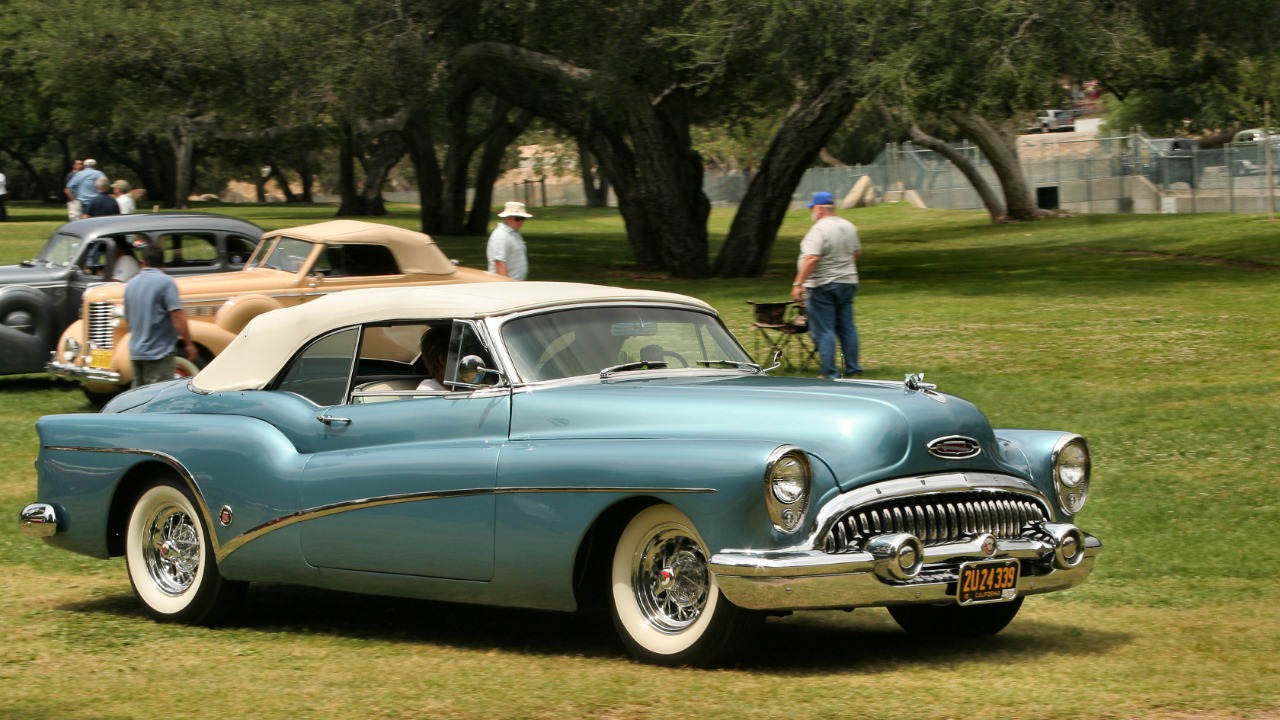
The Buick Skylark showcased the company’s growing interest in combining performance, luxury, and distinctive styling. Its elegant body and powerful V8 gave it plenty of character, while limited production helped separate it from more common Buick models. Collectors appreciate the Skylark because it represents a more exclusive side of postwar American motoring and looks especially impressive when carefully restored.
Oldsmobile 88
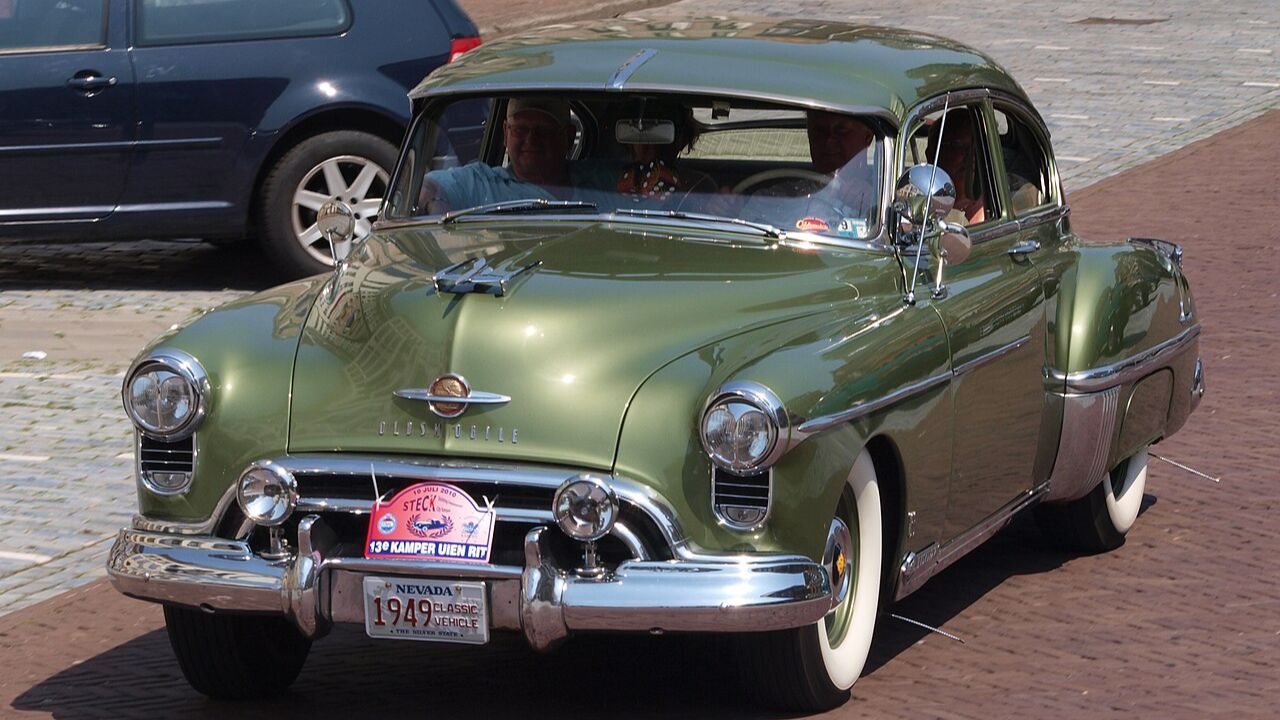
The Oldsmobile 88 became one of the most successful American cars of its era by combining a relatively affordable price with strong V8 performance. Its design changed substantially over the years, giving collectors plenty of interesting versions to choose from. Well-preserved examples now attract attention for their clean proportions, historical importance, and connection to Oldsmobile’s long performance tradition.
Pontiac Chieftain
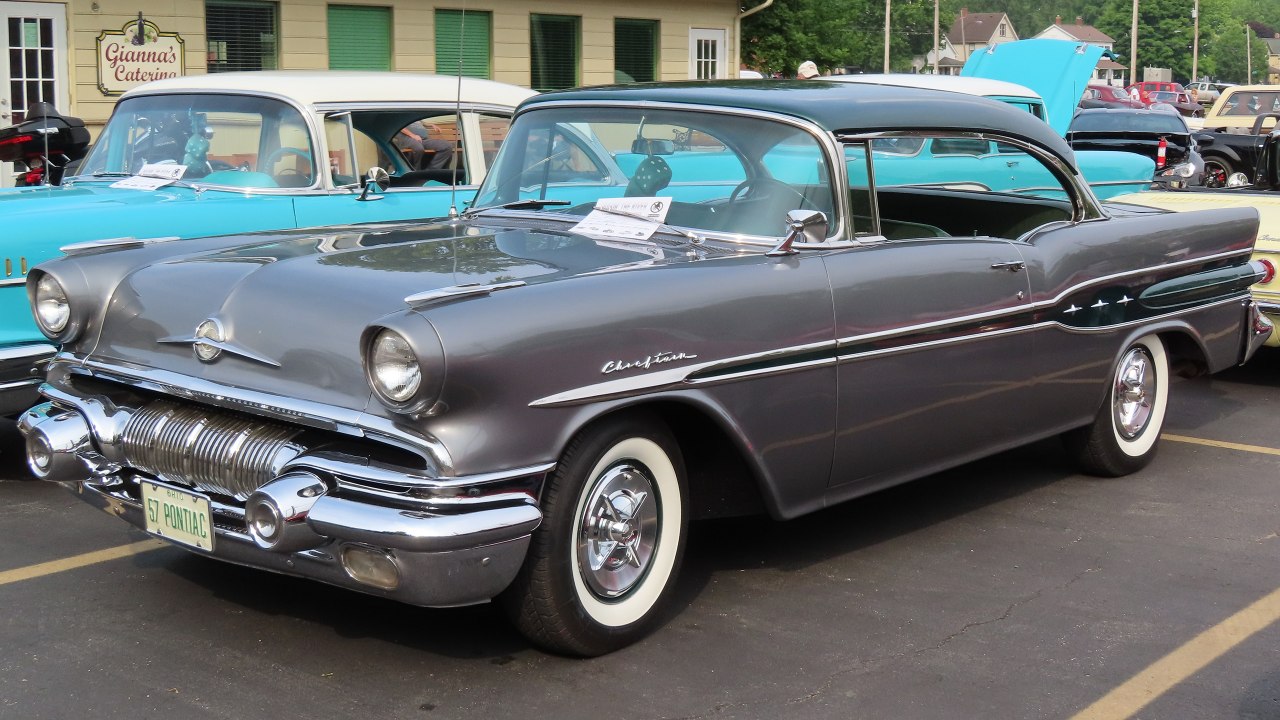
The Pontiac Chieftain reflected the bold styling direction that emerged as American manufacturers moved into the postwar era. Its wide body, bright trim, and large engine choices gave it plenty of visual impact. While it was once ordinary transportation for American families, surviving examples now stand out at shows because they provide a genuine look at how quickly automotive design changed during the 1950s.
Studebaker Champion
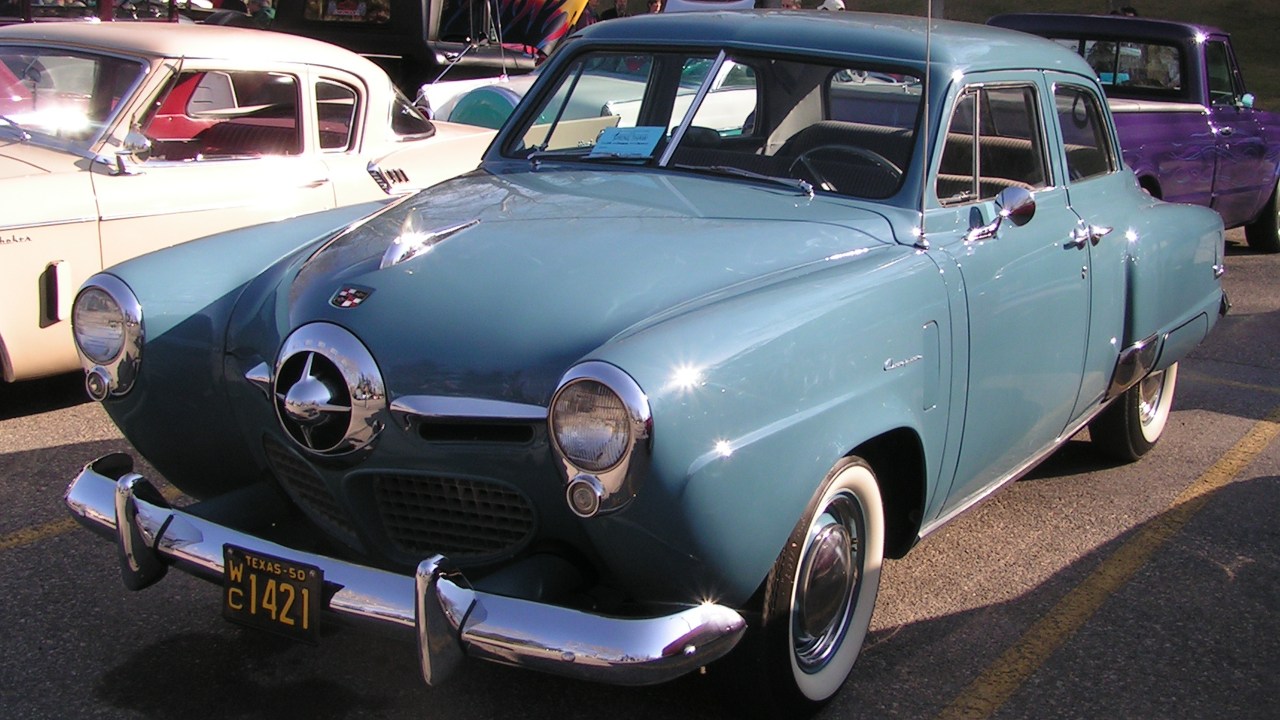
The Studebaker Champion took a different approach from many larger American cars of the period. Its streamlined styling and compact proportions gave it a modern appearance while keeping it practical and relatively economical. Studebaker’s distinctive design language has aged particularly well, making restored Champions surprisingly popular at shows. They offer something different from the more predictable Detroit classics.
Packard Clipper
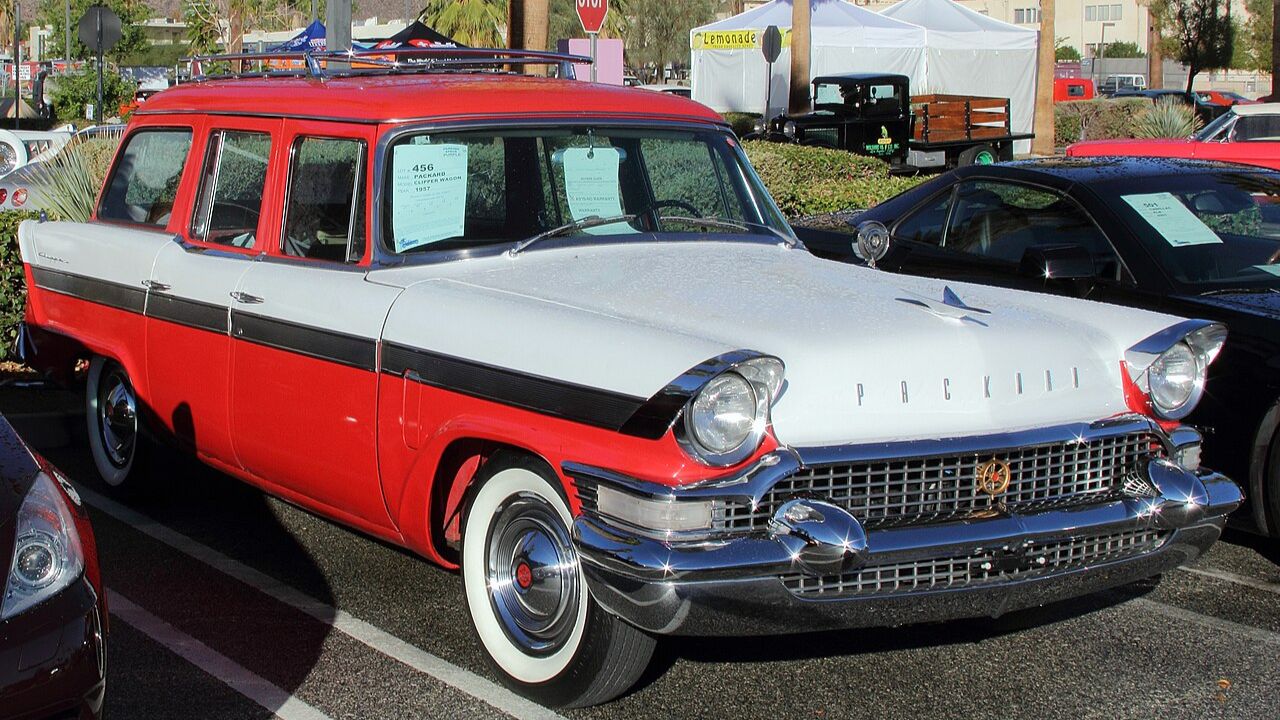
The Packard Clipper represented a more restrained approach to postwar American luxury. Its clean body lines and carefully designed interior gave it an upscale appearance without relying on excessive decoration. Packard’s eventual decline makes surviving Clippers especially interesting today. At car shows, they attract enthusiasts who appreciate the brand’s engineering, craftsmanship, and important place in American automotive history.
More from Fast Lane Only
- Unboxing the WWII Jeep in a Crate
- 15 rare Chevys collectors are quietly buying
- 10 underrated V8s still worth hunting down
- Police notice this before you even roll window down
*Research for this article included AI assistance, with all final content reviewed by human editors.