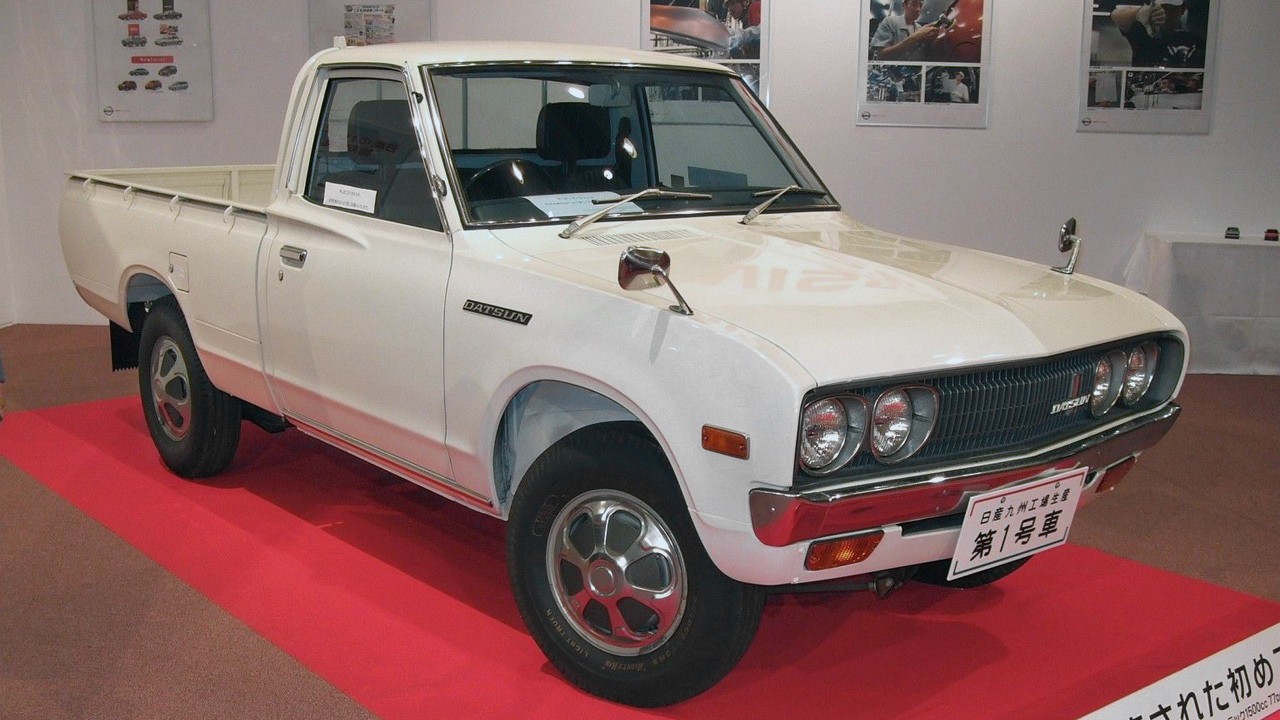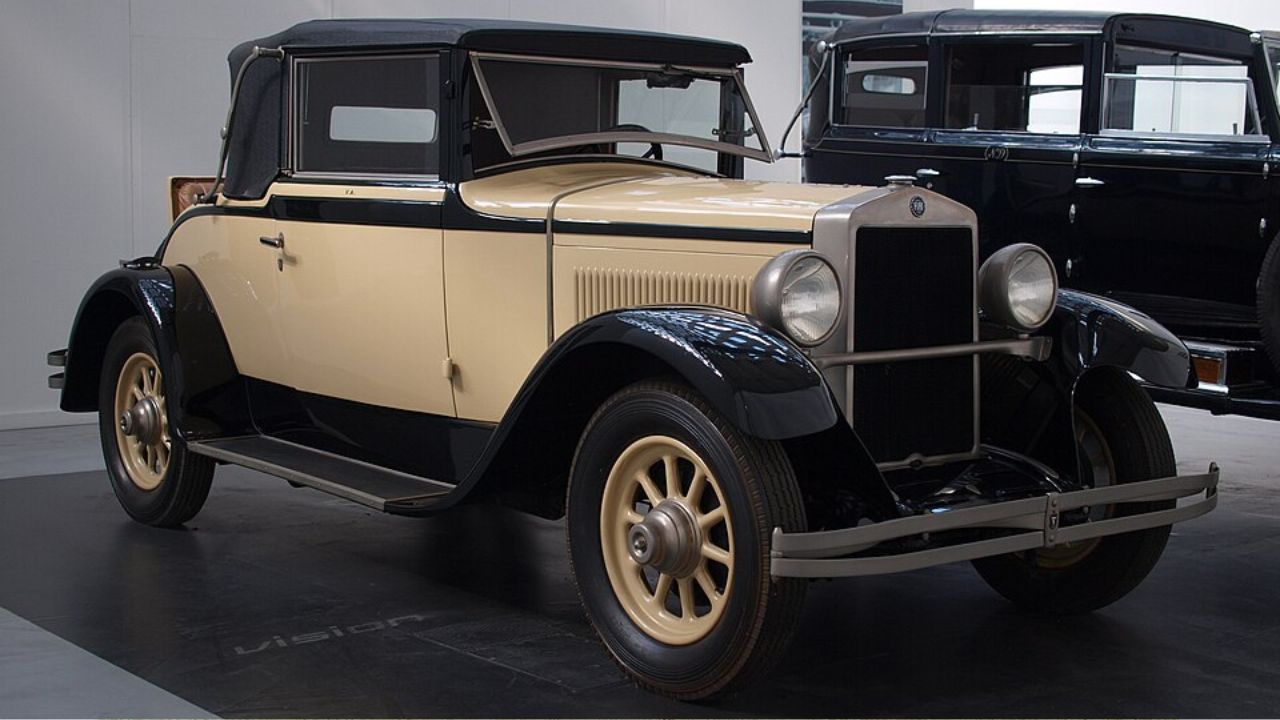
The 1920s were defined by economic growth, technological progress, and a widespread belief that the future held endless possibilities. Automakers embraced this confidence by building vehicles that were faster, more comfortable, and more stylish than ever before. These twelve vehicles perfectly reflected the optimism of the decade and the excitement surrounding the rapidly evolving automobile.
Nash Standard Six
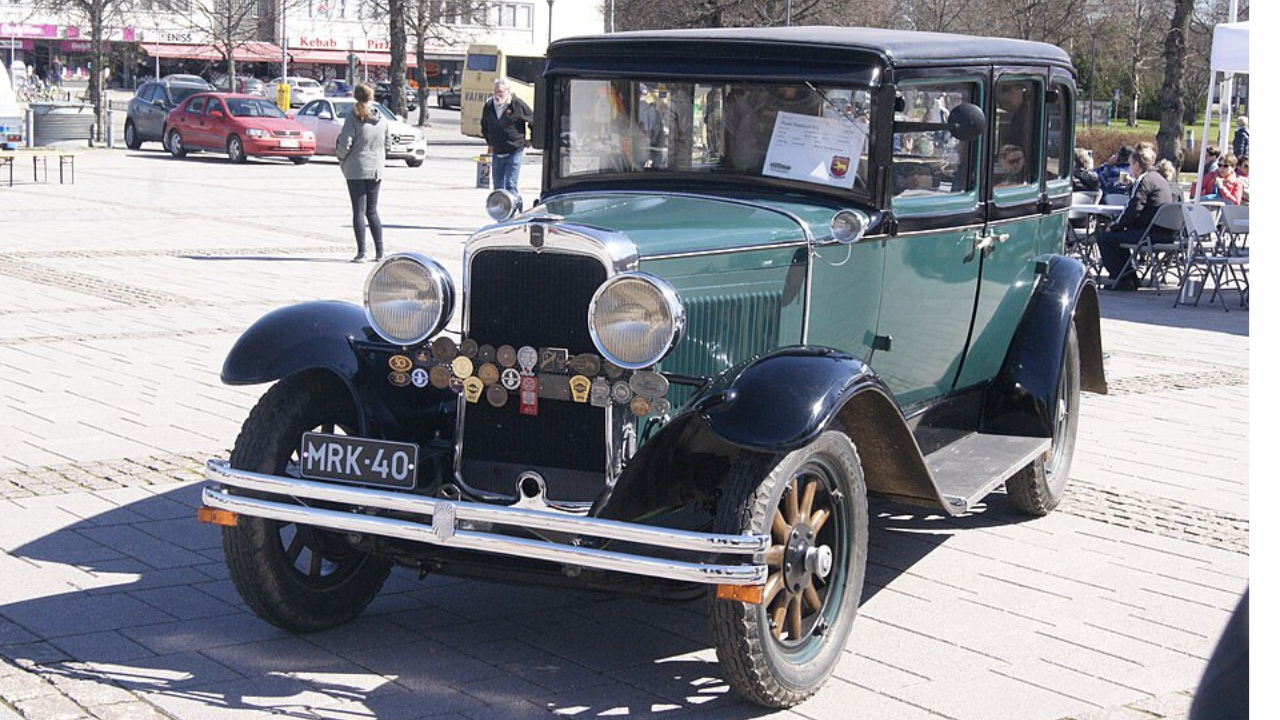
The Nash Standard Six embodied the growing confidence of American motorists by offering dependable performance with improved comfort for everyday travel. Its smooth six-cylinder engine and sturdy construction made longer trips increasingly practical, encouraging families to explore beyond their hometowns. The model reflected an era when automobiles were no longer experimental machines but trusted companions for work, leisure, and adventure.
Pontiac Series 6-27
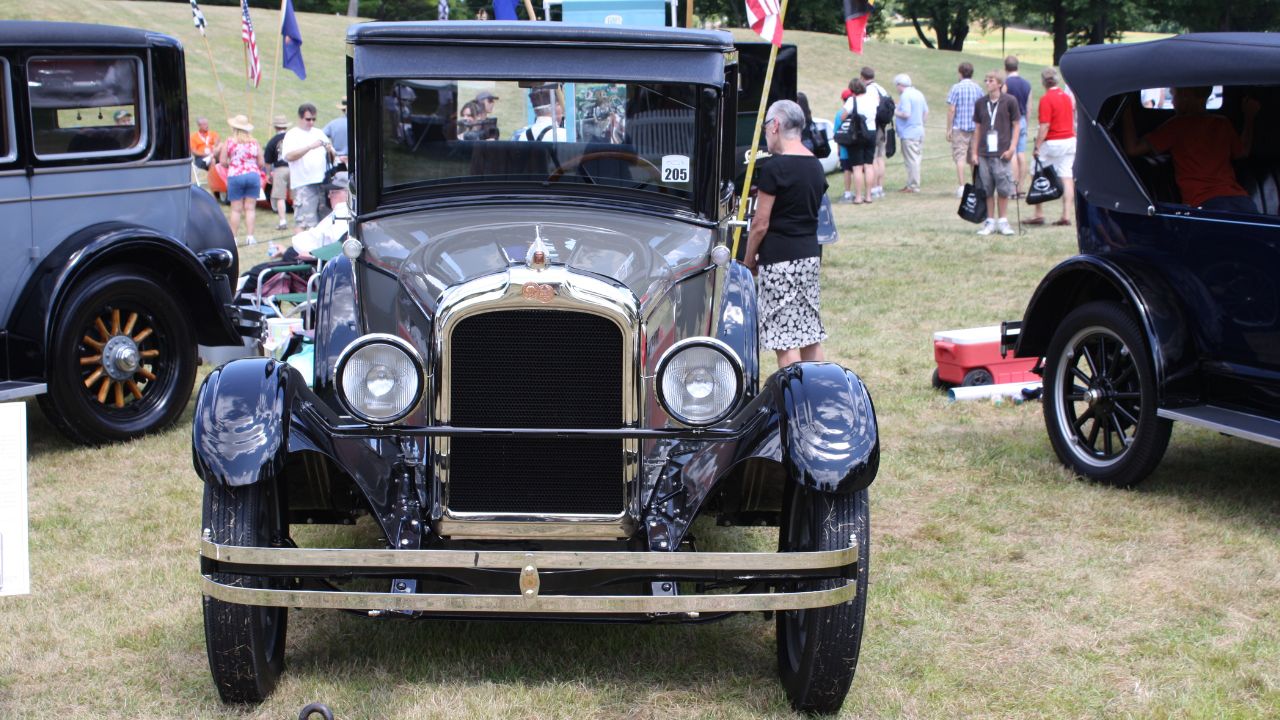
Introduced as a value-oriented companion to Oakland, the Pontiac Series 6-27 combined six-cylinder performance with accessible pricing. Buyers appreciated receiving more refinement without paying luxury-car prices, making automobile ownership even more attractive. The car symbolized expanding opportunity during the Roaring Twenties, showing that advanced engineering and modern features were becoming available to an increasingly broad segment of the population.
Buick Master Six
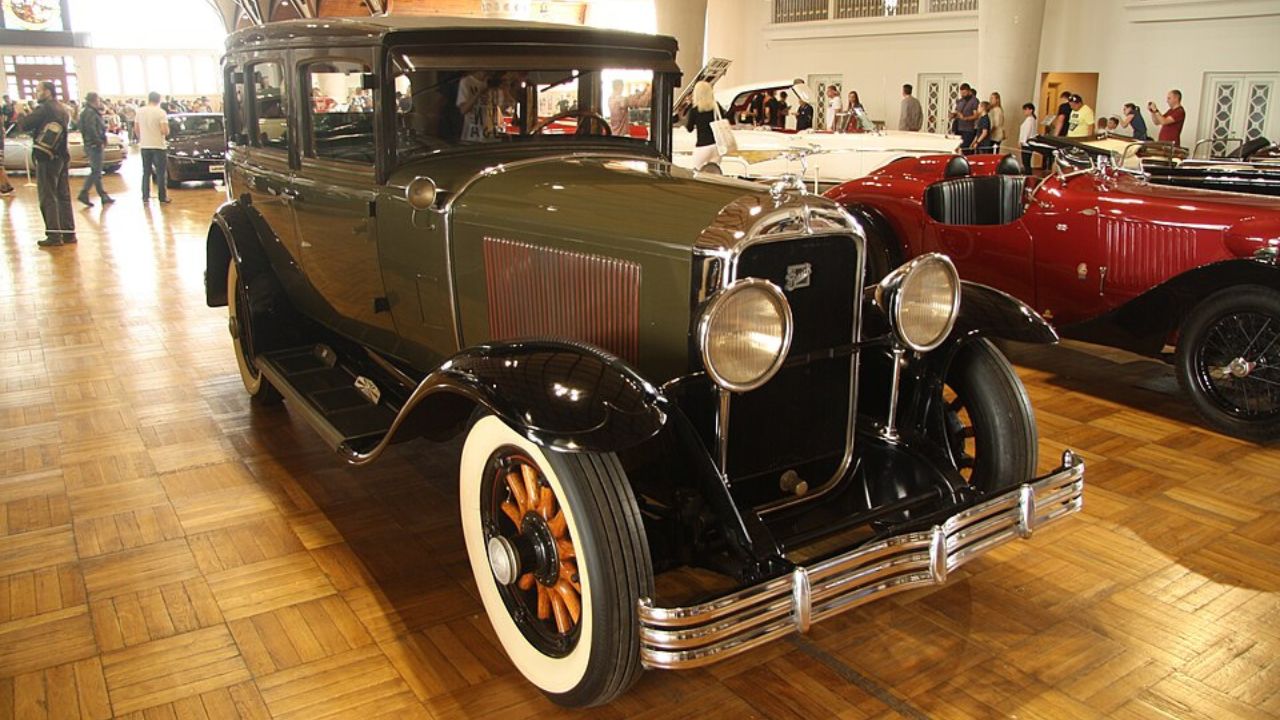
The Buick Master Six represented the growing demand for automobiles that blended performance with everyday reliability. Its powerful overhead-valve engine delivered confident acceleration while maintaining the durability Buick had become known for. Spacious interiors and refined styling appealed to families seeking comfort during longer journeys. The Master Six reflected the decade’s belief that technological progress should improve both convenience and enjoyment.
Reo Flying Cloud
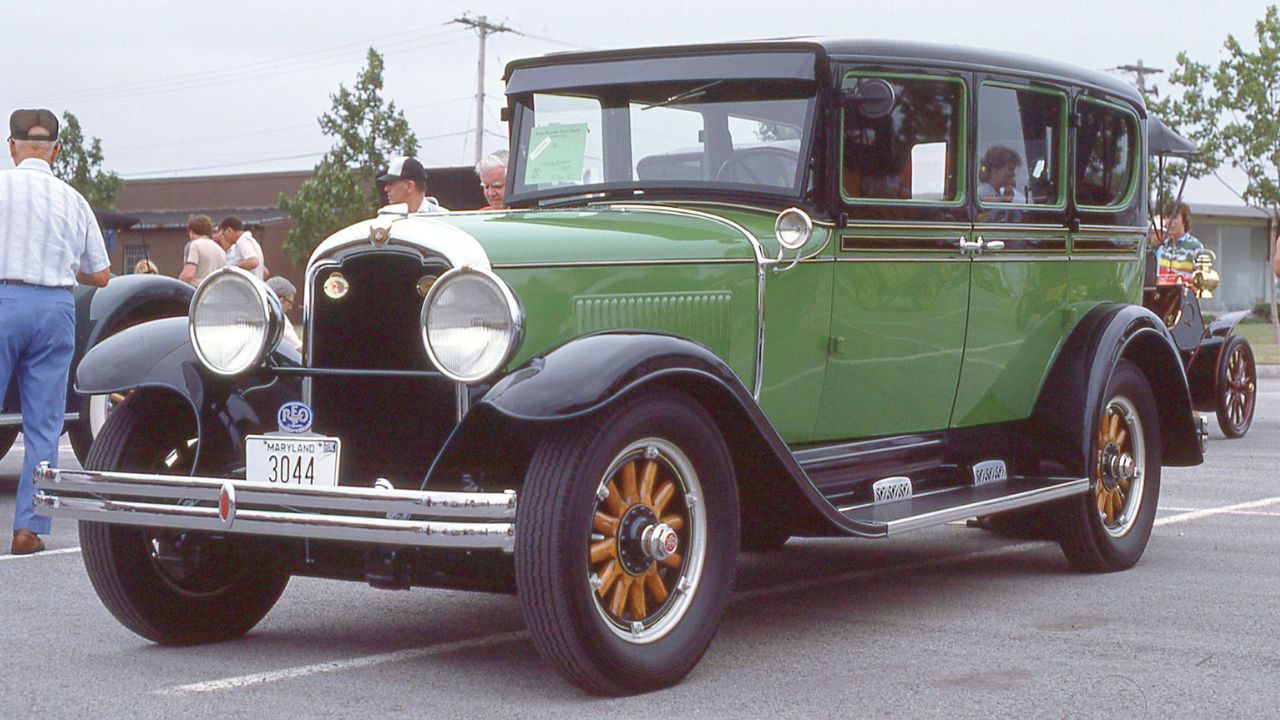
Image Credit: Richard Spiegelman – All rights reserved / flickr
The Reo Flying Cloud captured attention with streamlined styling that hinted at the future direction of automotive design. While maintaining dependable mechanical engineering, it embraced smoother body lines and an elegant appearance that stood apart from many rivals. The Flying Cloud demonstrated that visual innovation had become an important part of automotive progress, reflecting the optimism and creativity of the late 1920s.
Durant Star Six
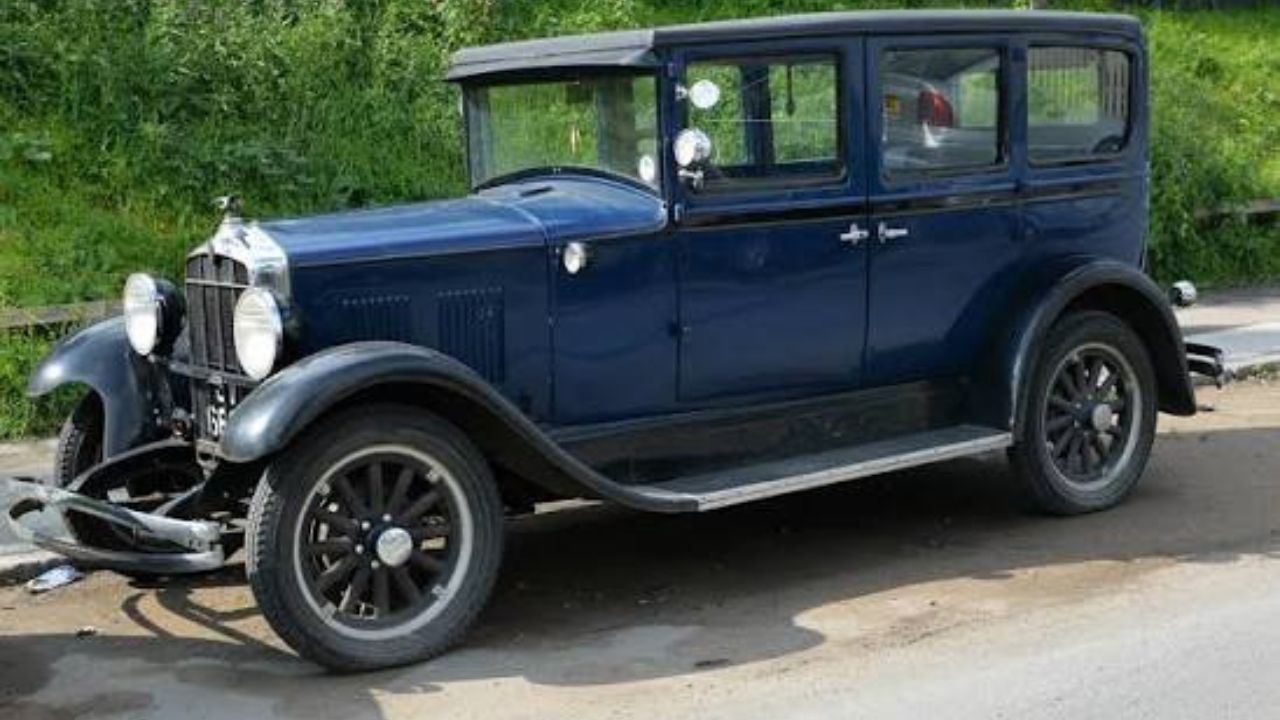
The Durant Star Six was created to provide dependable transportation for buyers entering the growing automobile market. Its capable six-cylinder engine, practical design, and competitive pricing made it an attractive option for families seeking reliable mobility. The model reflected the widespread optimism that automobile ownership could improve everyday life by making travel easier, faster, and more accessible than ever before.
Willys-Knight Great Six
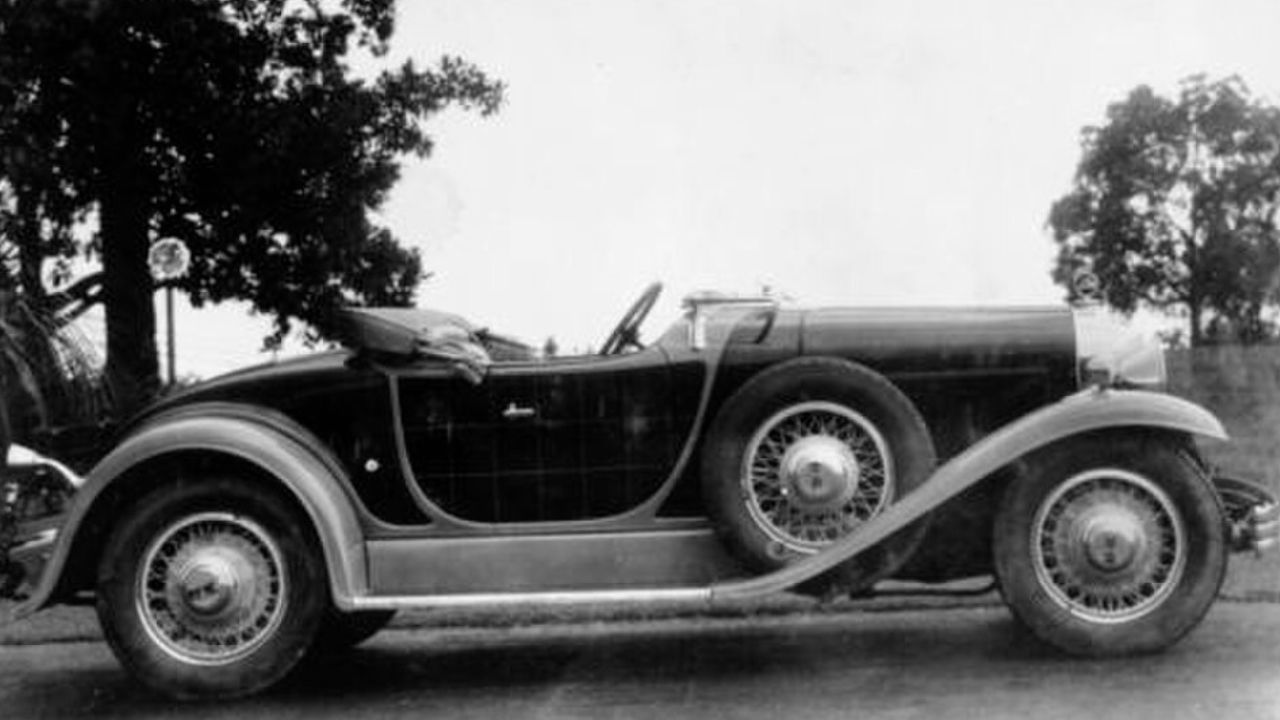
The Willys-Knight Great Six showcased the company’s unique sleeve-valve engine technology, delivering exceptionally smooth and quiet performance. Buyers appreciated its refined driving experience and thoughtful engineering, which distinguished it from many conventional competitors. The vehicle reflected an era when manufacturers confidently pursued innovative solutions, believing that continuous technological improvement would shape the future of transportation.
Oakland Six
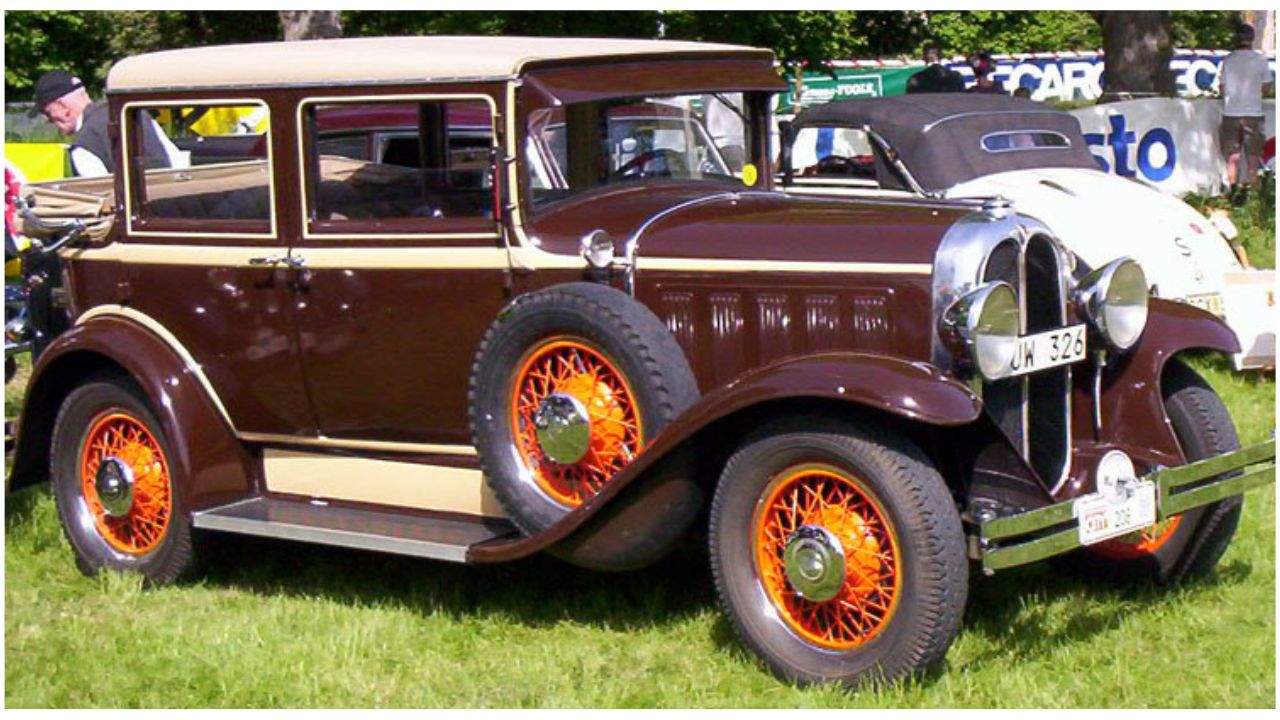
The Oakland Six offered attractive styling, smooth performance, and dependable operation that appealed to middle-class buyers. As one of General Motors’ important brands during the 1920s, Oakland helped expand automotive choices beyond basic transportation. Today, it serves as a reminder of a company that helped shape the industry’s competitive landscape.
Fiat 520
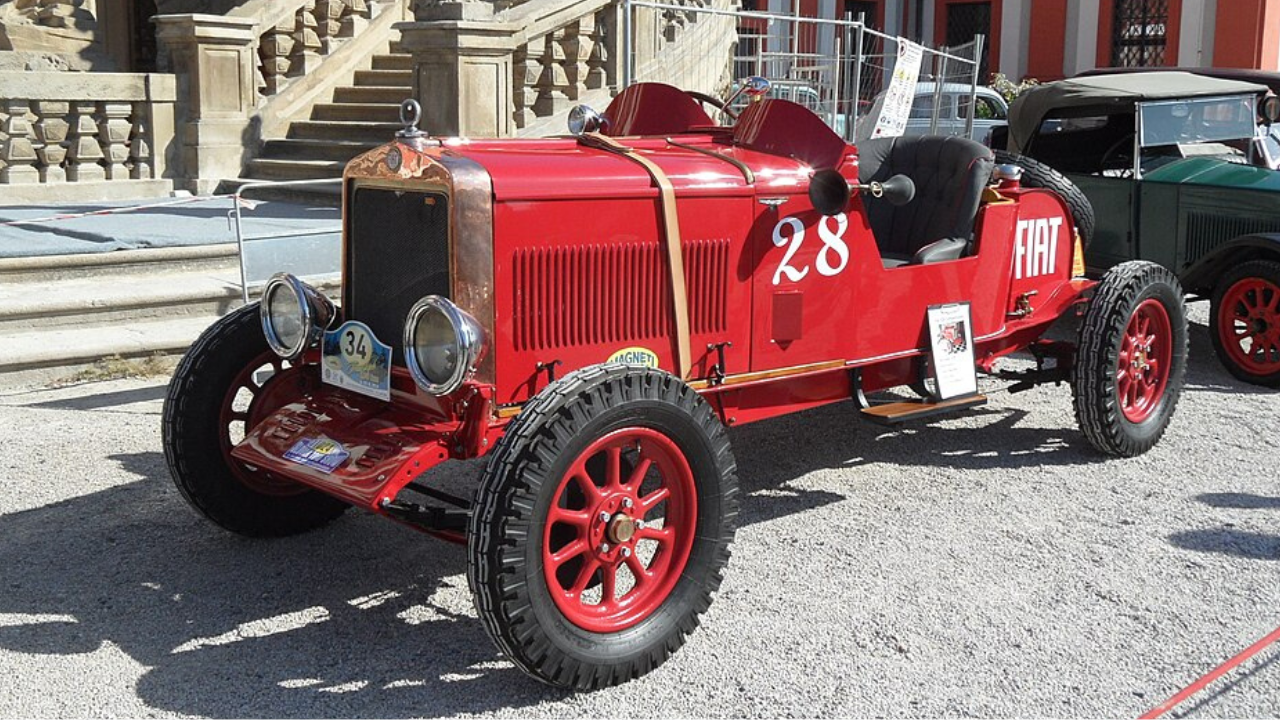
The Fiat 520 introduced practical innovations aimed at making driving simpler and more enjoyable. Among its notable features was the placement of the steering wheel on the left-hand side for many markets, a layout that would later become standard in numerous countries. Combined with dependable engineering and comfortable touring ability, the 520 reflected Europe’s growing embrace of automotive modernization.
Jewett Six
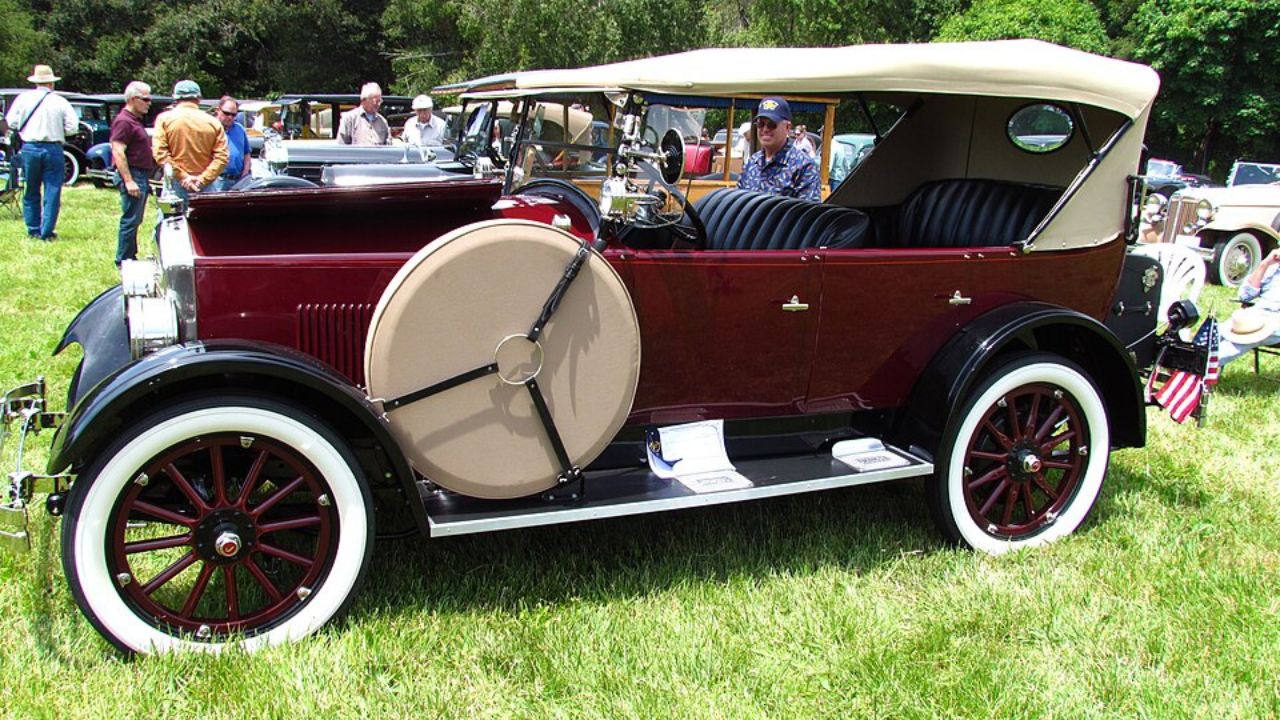
The Jewett Six offered smooth six-cylinder performance at an accessible price, helping bridge the gap between entry-level and premium automobiles. Produced under Paige-Detroit, it combined attractive styling with dependable mechanicals that appealed to growing suburban families. Although its production life was relatively brief, the Jewett Six demonstrated the fierce competition among manufacturers seeking to win over America’s rapidly expanding market of first-time car buyers.
Adler Standard 6
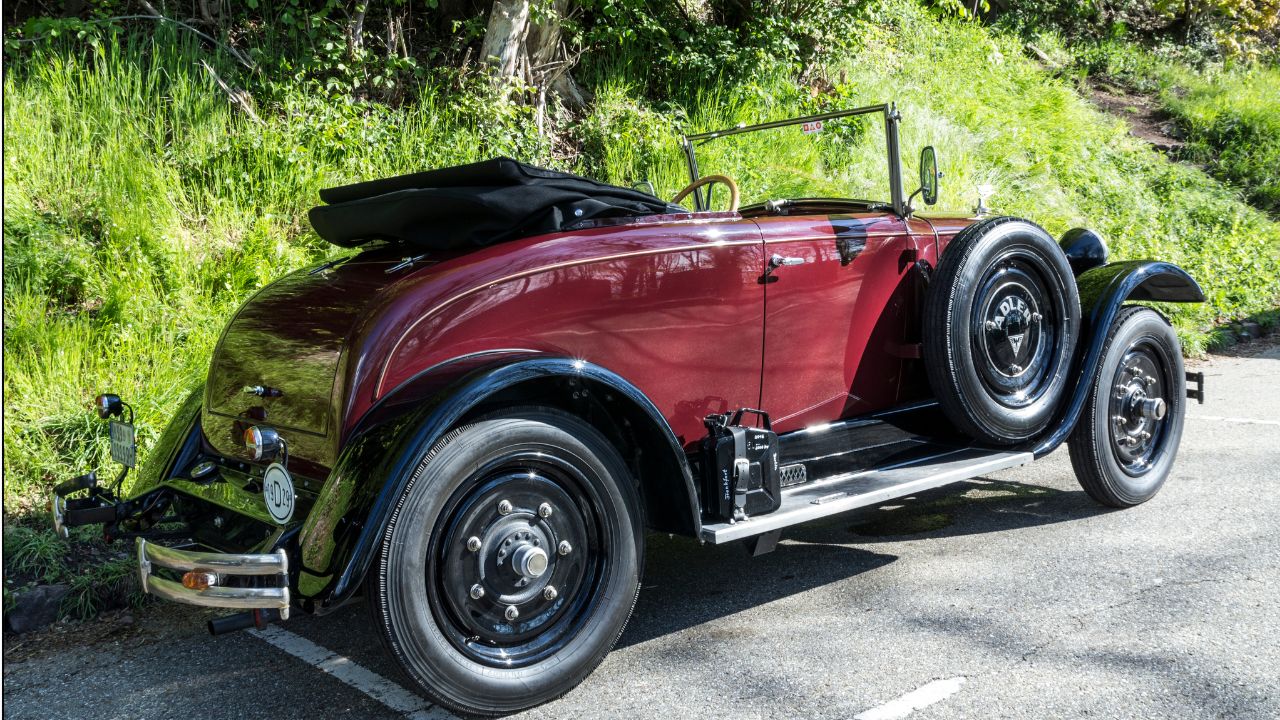
Francis ROBERT – ke 2.0 Generic / flickr
The Adler Standard 6 embraced advanced engineering by incorporating a sturdy chassis and modern design influences from leading international manufacturers. Its smooth six-cylinder engine and spacious interior made it well suited for comfortable travel. The car illustrated how European automakers eagerly adopted fresh ideas, reflecting the era’s confidence that innovation would steadily improve the driving experience for ordinary motorists.
Minerva AK
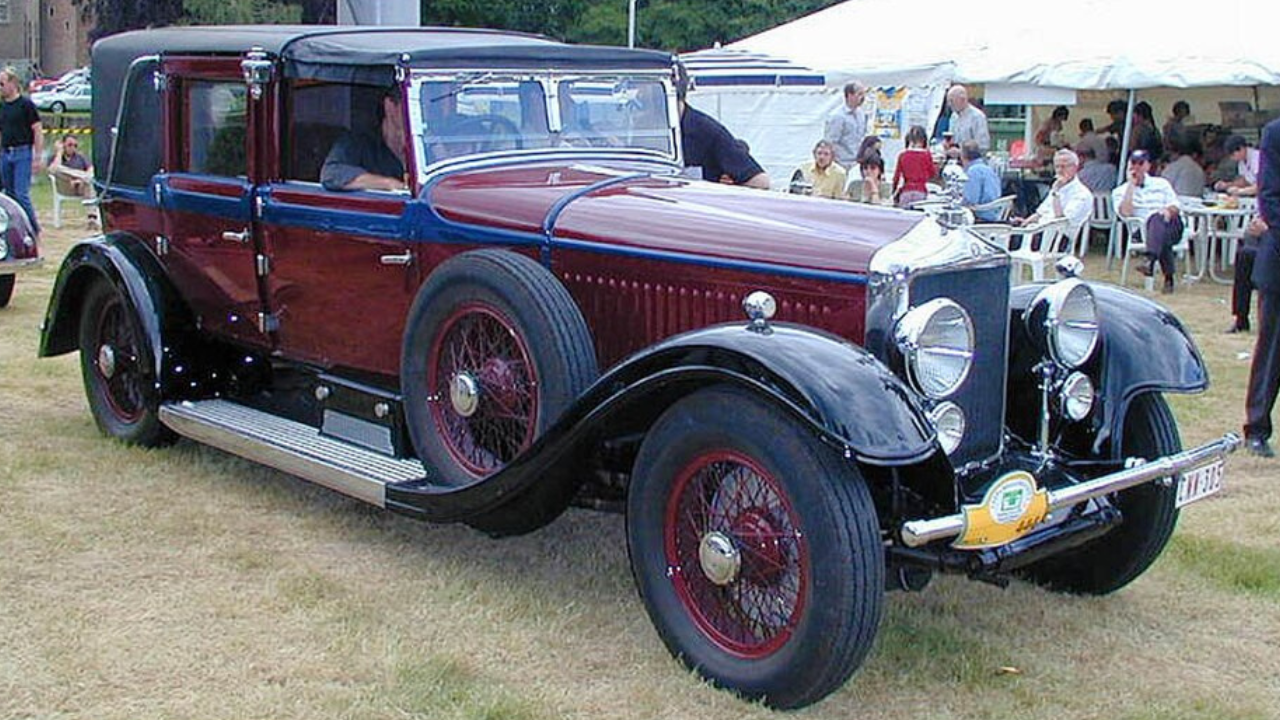
The Minerva AK combined elegant craftsmanship with advanced mechanical engineering to create a luxurious touring automobile admired throughout Europe. Its refined performance, quiet operation, and exceptional build quality appealed to discerning buyers seeking the very best available. The AK captured the spirit of the Roaring Twenties by demonstrating that luxury automobiles could represent both artistic achievement and technical progress.
Tatra 30
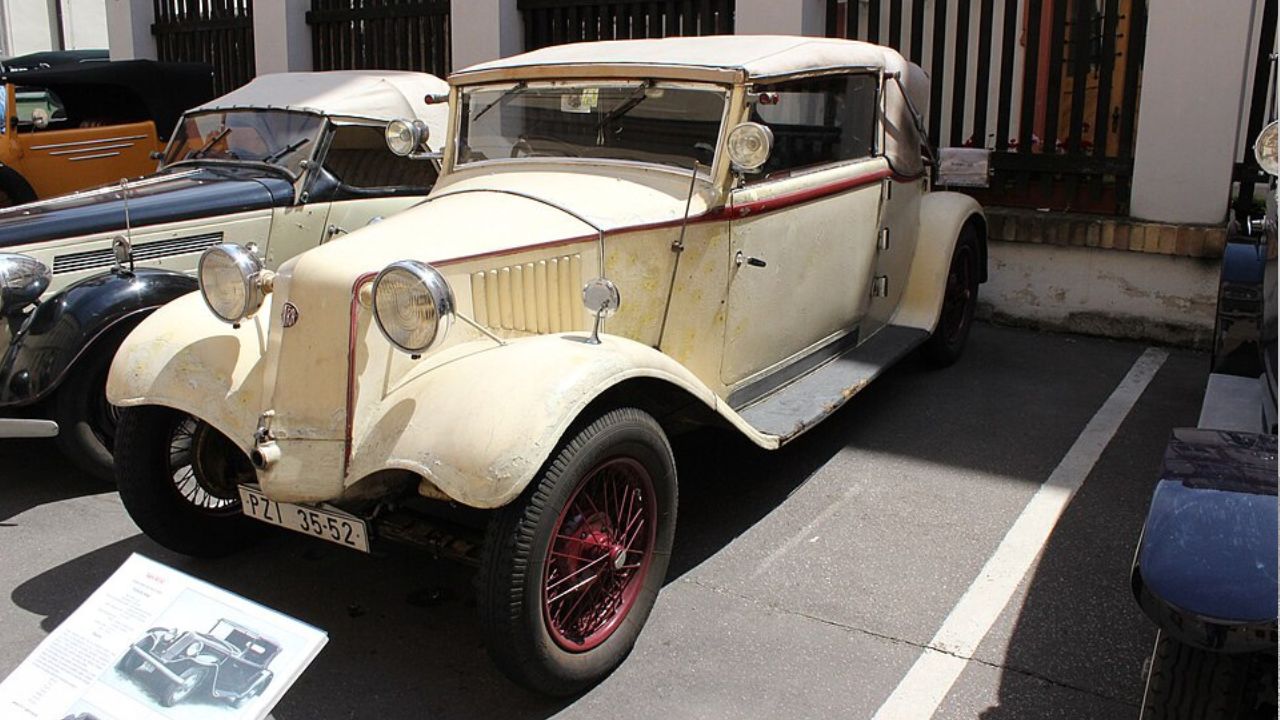
The Tatra 30 reflected the Czech manufacturer’s commitment to innovative engineering and practical design. Its lightweight construction, air-cooled engine, and dependable handling distinguished it from many conventional competitors. Built for varied road conditions, it offered reliability without unnecessary complexity. The Tatra 30 embodied the optimism of the 1920s by proving that fresh engineering ideas could reshape the future of everyday transportation.
More from Fast Lane Only
- Unboxing the WWII Jeep in a Crate
- 15 rare Chevys collectors are quietly buying
- 10 underrated V8s still worth hunting down
- Police notice this before you even roll window down
*Research for this article included AI assistance, with all final content reviewed by human editors