Even in a market where inventory is tightening again, there are still models sitting unloved on dealer lots. You can use those slow movers to your advantage, especially when you understand how they fit into a landscape where the average manufacturer is working with a 76-day supply and new-vehicle inventory has dropped to 2.77 m units. Here are 13 specific cars that Dealers are struggling to move right now, and what that means for you at the negotiating table.
Volkswagen ID.4
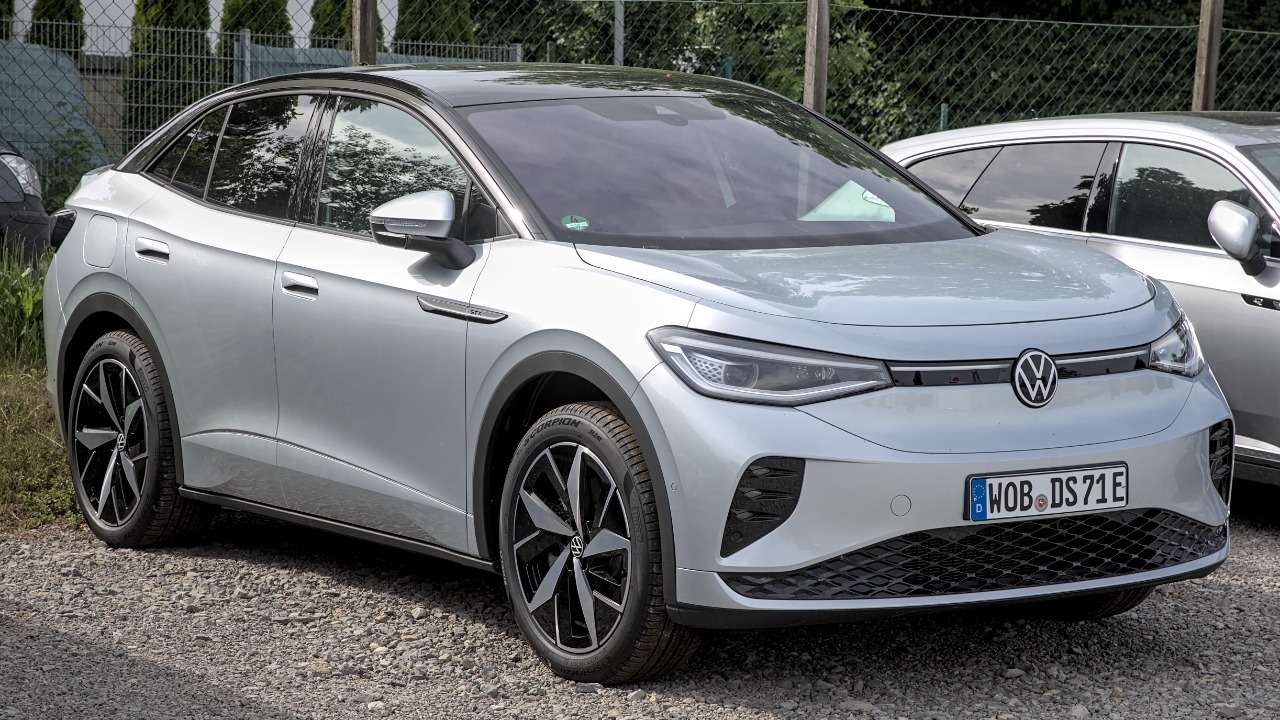
The Volkswagen ID.4 is the clearest example of a car that Dealers would love to move faster. In rankings of slow movers, analysts note that, At the top of the list, the Volkswagen ID is currently the slowest-selling car in the U.S., with the most inventory sitting on lots, according to slowest-selling data. That is a tough place to be when the broader industry is trying to keep inventory lean.
For you, that glut of ID.4s means leverage. Dealers facing floorplan interest on electric crossovers that linger are more likely to discount, throw in home charger credits, or sweeten trade-in values. The catch is that demand is soft for a reason, including charging concerns and competition from hybrids. If you are comfortable with those trade-offs, you can push hard on price, extended warranties, and software update support before signing anything.
2026 Jaguar F-Pace
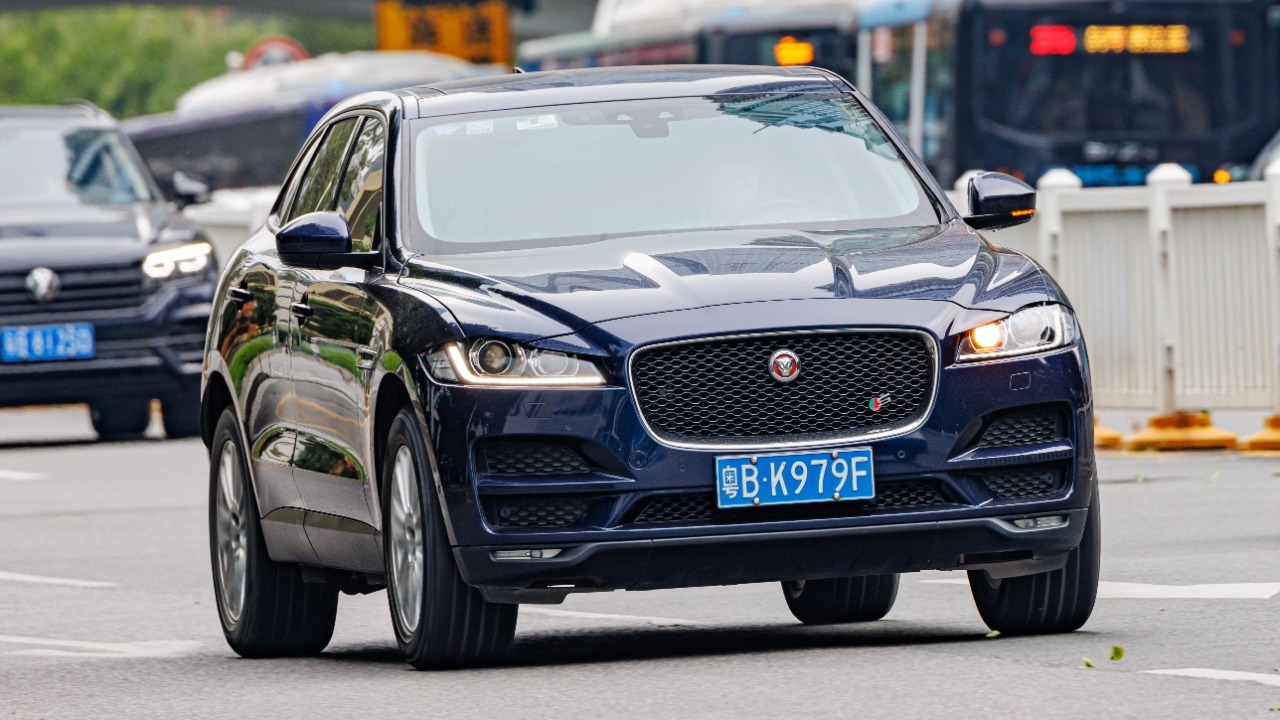
The 2026 Jaguar F-Pace is another model that is clearly not flying off the lot. Analysts point out that Jaguar should be offering stronger Feb incentives on this luxury SUV, because the 2026 Jaguar F-Pace is spending more time in inventory than the brand would like, as highlighted in guidance on worst deals. You would expect aggressive lease cash or low APR offers, yet the support still lags the model’s real-world market position.
Because of that mismatch, you should treat the sticker and official programs as a starting point, not a limit. If a dealer is sitting on multiple F-Pace units in similar trims, ask directly how long each has been in stock and use that aging inventory to justify a deeper discount. The risk for you is long-term ownership costs, since luxury maintenance and depreciation can bite, so any deal needs to be strong enough to offset those realities.
Land Rover Range Rover
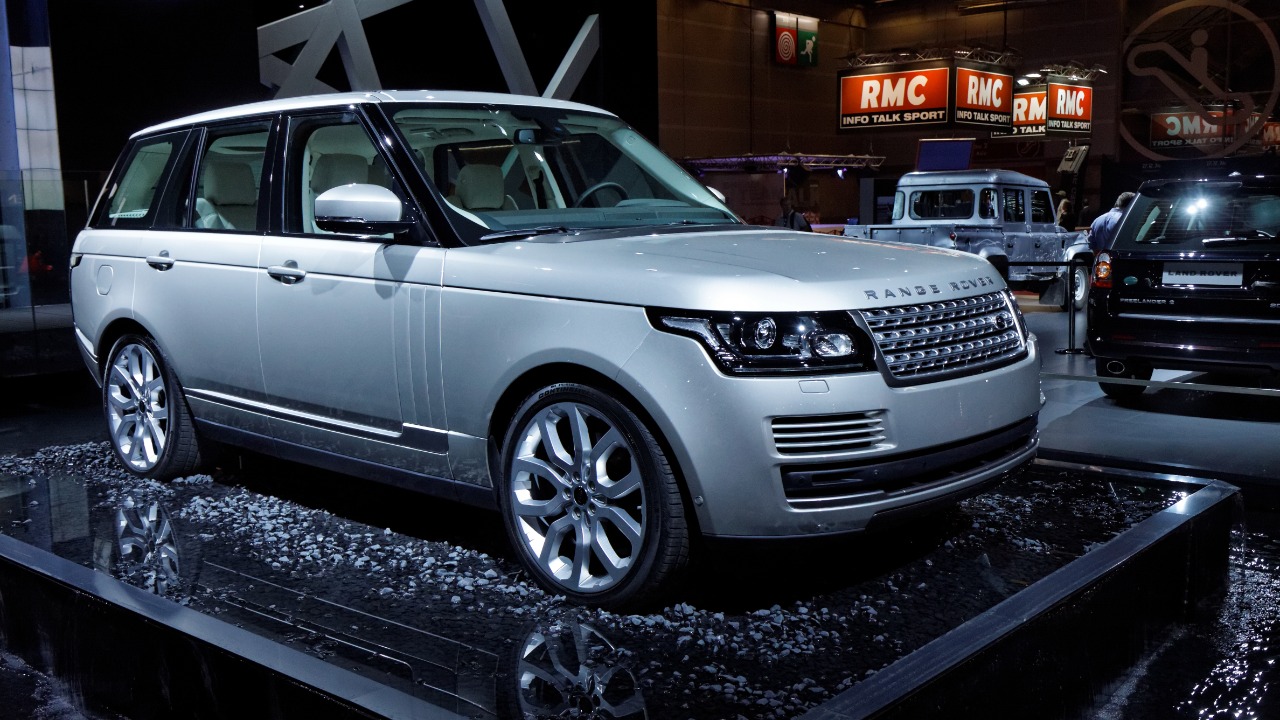
The Land Rover Range Rover is a textbook case of a halo SUV that can still become a headache for retailers. In a breakdown of slow movers, the Land Rover Range Rover is singled out among British luxury models that just cannot move, even when dealers would prefer to rotate stock faster, as discussed in a slow-sales rundown. High prices and reliability perceptions both play a role.
When a six-figure SUV sits, carrying costs add up quickly, so you can sometimes negotiate tens of thousands off MSRP if you are flexible on color and options. The flip side is that long-term ownership can be expensive, and resale values may reflect the same hesitancy that is keeping buyers away now. If you are set on a Range Rover, use its slow turnover to push for prepaid maintenance, extended coverage, and a price that anticipates steeper depreciation.
Land Rover Discovery Sport
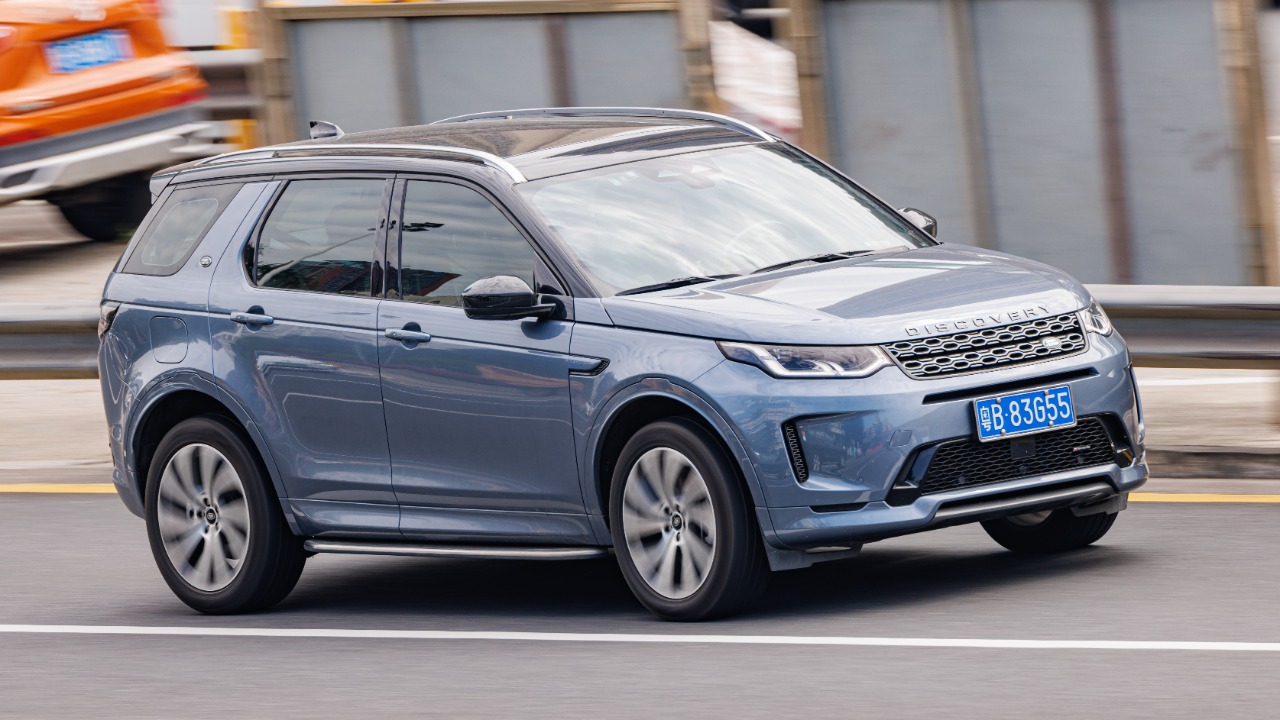
The Land Rover Discovery Sport is facing similar headwinds, but in a more price-sensitive corner of the market. In the same analysis that flags the Land Rover Range Rover, the Discovery Sport appears as another British SUV that dealers struggle to move, grouped with Other slow movers From the Cadillac and beyond in a dealer-focused video. That suggests a pattern of resistance to certain premium compact SUVs.
For you, the Discovery Sport’s slow sales can translate into heavy discounts on remaining units, especially if a redesign or powertrain update is on the horizon. Dealers may also be more open to buying out your existing lease or rolling negative equity into a deal just to move metal. Still, you should weigh those incentives against fuel economy, tech features, and long-term reliability, because a bargain today does not help if you are frustrated with the vehicle in a few years.
Cadillac XT6
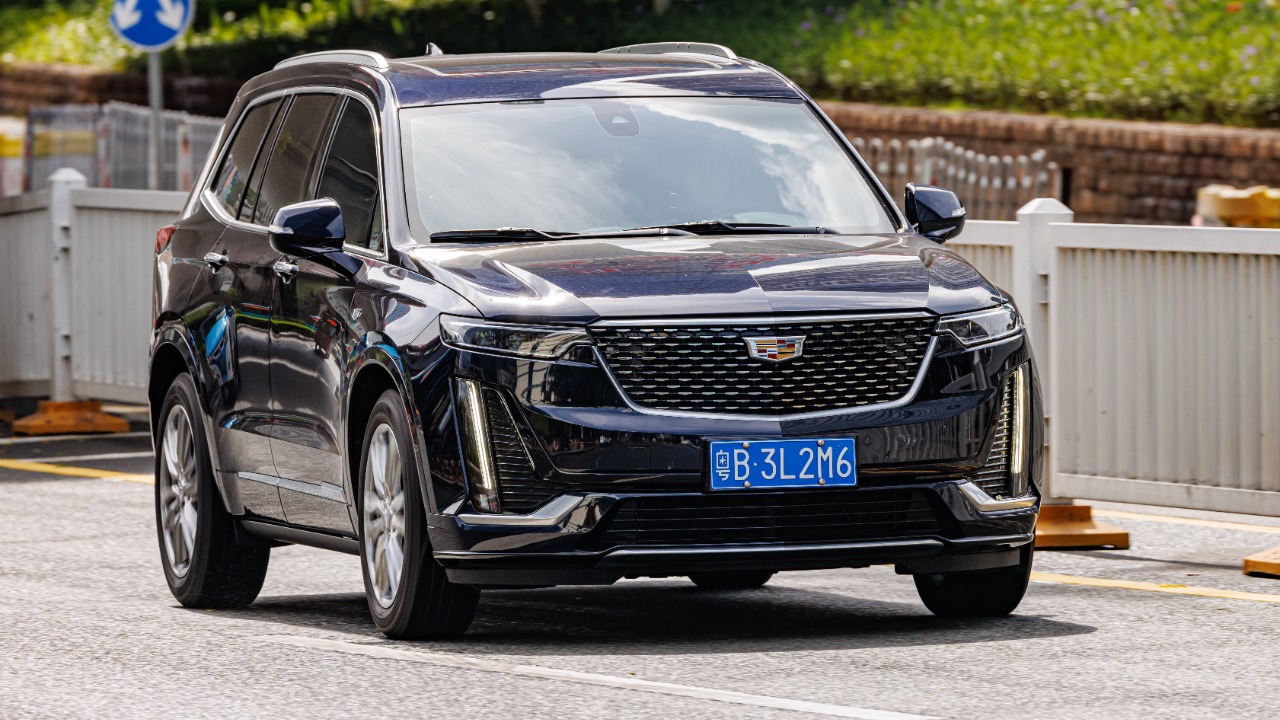
The Cadillac XT6 is one of the nameplates that shows up when analysts talk about Other slow movers From the Cadillac side of the showroom. In discussions of models that dealers cannot sell, the XT6 is often mentioned alongside British SUVs as part of a broader list of vehicles that linger on lots, as highlighted in dealer commentary. That is a problem in a segment where three-row crossovers are supposed to be easy wins.
Because the XT6 competes with strong alternatives from Japan and Korea, you can use its slower demand to negotiate more aggressively. Ask for transparent market day supply numbers and compare them with rivals; if the XT6 is sitting longer, that is your cue to push for deeper discounts or better lease terms. The key is to avoid overpaying for a model that may also depreciate faster than more popular competitors.
Nissan Ariya
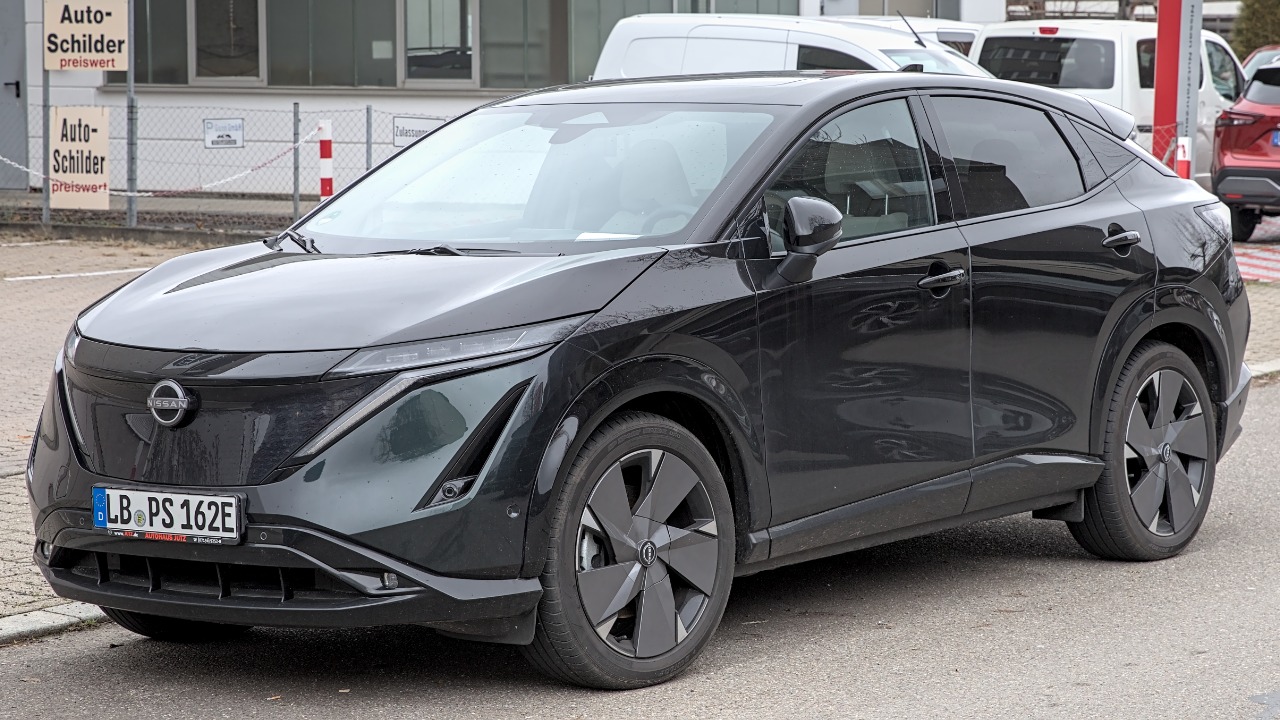
The Nissan Ariya is another electric crossover that is not matching the momentum of the broader EV conversation. In lists that track which Vehicle lines are turning slowly, the Ariya appears among the Slowest Selling New Cars on the Market, with an Average Selling Price that pushes it into premium territory, according to a table labeled These Are 10 of the Slowest Selling New Cars on the Market that details each Vehicle and its Average Selling Price in a market-day breakdown. That combination of price and supply is not helping dealers.
For shoppers, the Ariya’s slower turnover can mean room to negotiate on both purchase and lease deals, especially if you are open to less popular trims. However, you should factor in charging infrastructure, software support, and resale value, since a model that is slow to sell new may also be discounted heavily on the used market later. If you are comfortable with those trade-offs, you can use the high market day supply to insist on substantial savings.
Maserati Ghibli
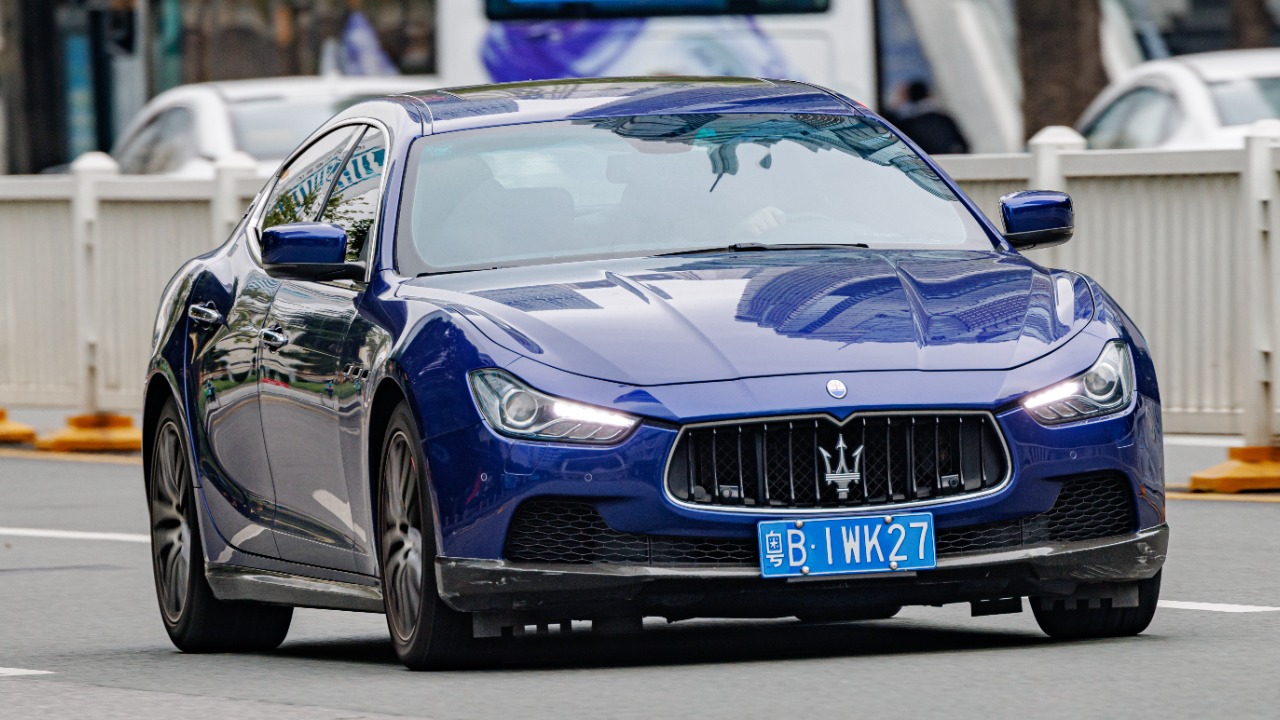
The Maserati Ghibli has long been a niche choice, and current inventory patterns show that it is becoming a tougher sell. In the same These Are 10 of the Slowest Selling New Cars on the Market table, the Ghibli appears with a high Average Selling Price and a Market day supply figure that signals sluggish demand, as detailed in the slow-car list. That leaves dealers with expensive sedans that appeal to a narrow audience.
If you are drawn to the Ghibli’s styling and sound, its slow sales can be your ally. You should expect significant discounts, especially on older model years or high-option cars, and you can push for favorable financing to offset the risk of steep depreciation. Just remember that maintenance and parts for a low-volume Italian sedan can be costly, so any deal needs to leave room in your budget for ownership surprises.
Infiniti QX80
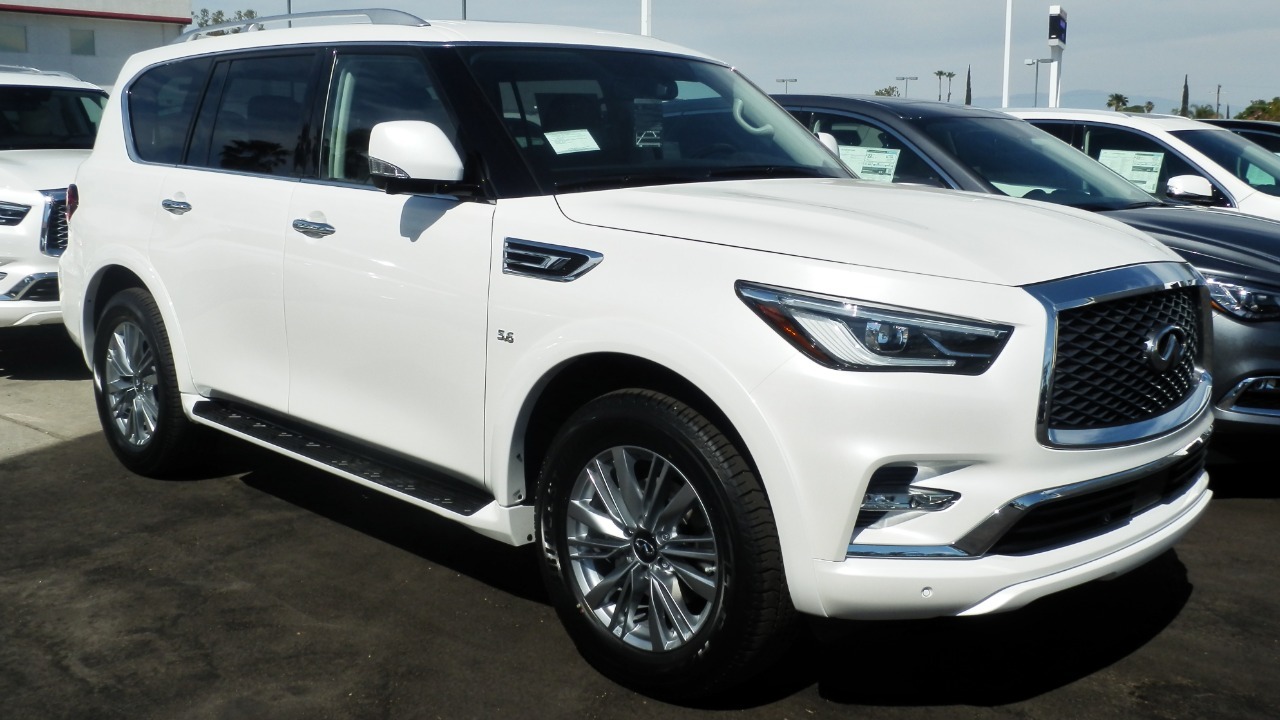
The Infiniti QX80 is a full-size SUV that is increasingly overshadowed by newer rivals, and that shows up in inventory data. In the same Market overview that lists These Are 10 of the Slowest Selling New Cars on the Market, the QX80 is flagged with a substantial Market day supply and a high Average Selling Price, indicating that it is not turning quickly, as captured in the Vehicle table. That leaves dealers carrying big, thirsty SUVs longer than they would like.
For you, that slow movement can translate into aggressive discounting, especially if fuel prices rise and further dampen demand. You should use the QX80’s age and supply to negotiate not just on price, but also on add-ons like roof racks, towing packages, or service plans. The trade-off is fuel economy and potentially dated tech, so make sure the savings are meaningful enough to justify choosing it over more modern alternatives.
Volkswagen Arteon
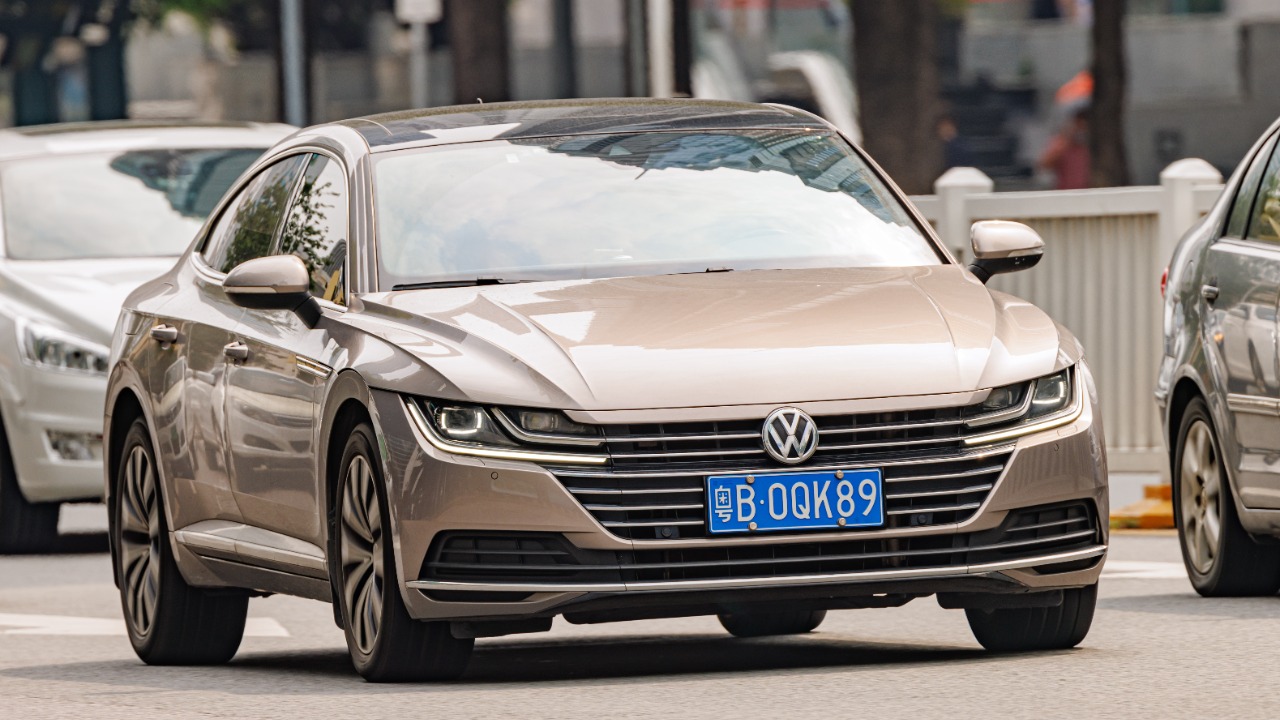
The Volkswagen Arteon is a stylish liftback that has struggled to find its audience, and current sales patterns confirm that dealers are having trouble moving it. In compilations of Slowest Selling New Cars on the Market, the Arteon appears with a Market day supply that is far above the norm, as shown in the These Are table that lists each Vehicle and its Average Selling Price in a detailed chart. That means many Arteons are sitting unsold.
If you like the idea of a near-luxury hatchback with European manners, this is an opportunity. Dealers may be eager to clear remaining stock, particularly if the model’s future in the lineup is uncertain, which can give you leverage on both price and trade-in. However, you should consider long-term parts availability and resale value, because niche models often see sharper depreciation once they leave the spotlight.
Chrysler 300

The Chrysler 300 is nearing the end of its lifecycle, and that is showing up in how slowly it moves off lots. In the These Are 10 of the Slowest Selling New Cars on the Market breakdown, the 300 is listed with a high Market day supply and a competitive Average Selling Price that still is not enough to keep it moving quickly, according to the Market data. That leaves dealers holding aging sedans while shoppers flock to crossovers.
For you, the 300’s slow sales can mean deep discounts, especially on V8 models that are harder to justify in a fuel-conscious market. You can use the car’s age and the brand’s shift toward other segments to negotiate a price that reflects its limited future support. The upside is a comfortable, roomy sedan at a bargain; the downside is that resale value and tech features may lag behind newer competitors.
Toyota Crown

The Toyota Crown is an interesting case, because it comes from a brand that dominates the fastest-selling side of the market. In February, Toyota models lead the quickest movers in America, according to In February market analysis, yet the Crown itself shows up on the slower side of the ledger. Its unconventional sedan-meets-crossover shape and pricing place it in a niche that many shoppers are still figuring out.
Because Toyota’s dealers are used to quick turns, a slower model like the Crown can become a priority to clear. That gives you room to negotiate, especially on higher trims that overlap with luxury brands on price. If you value its hybrid efficiency and unique styling, you can leverage its relative sluggishness to secure a better deal than you might expect from a Toyota showroom that is otherwise moving inventory briskly.
Hyundai Ioniq 6
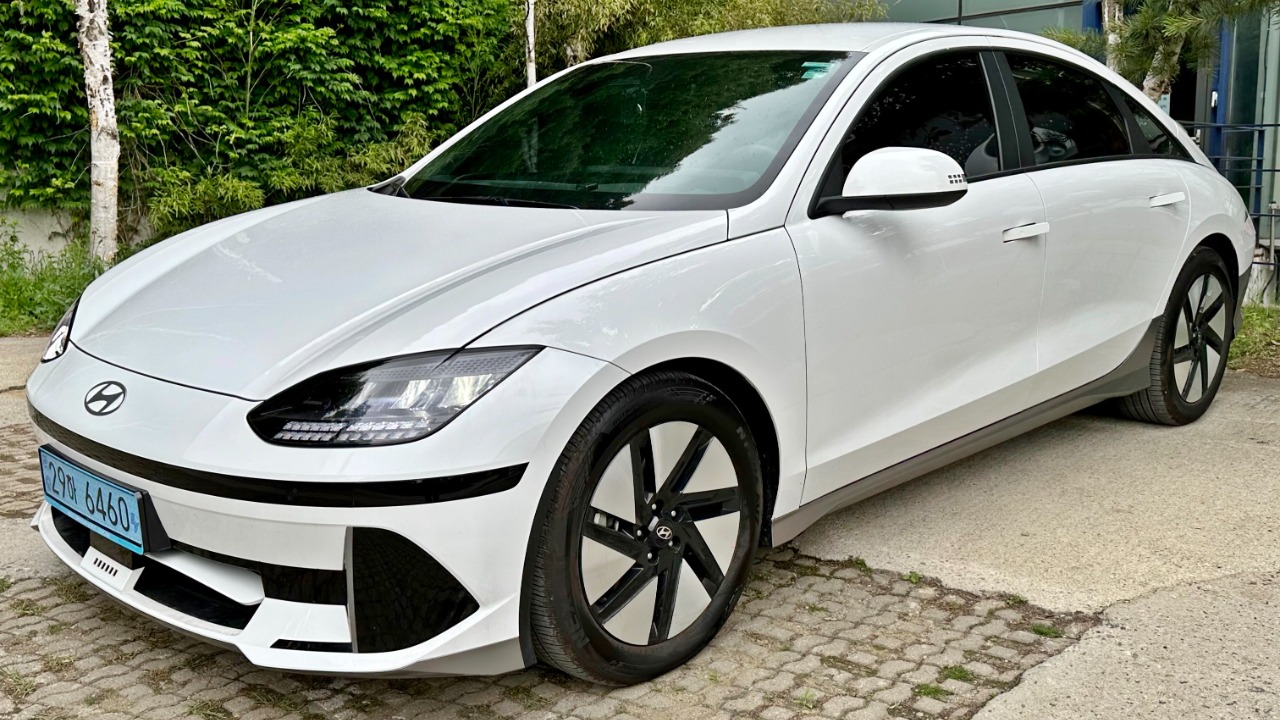
The Hyundai Ioniq 6 is a sleek electric sedan that has not yet matched the sales pace of some crossovers, and that shows up in slow-car rankings. In the These Are 10 of the Slowest Selling New Cars on the Market table, the Ioniq 6 appears with a Market day supply that signals dealers are holding more units than they would prefer, as captured in the Vehicle list. That is happening even as interest in EVs remains strong in some segments.
For you, the Ioniq 6’s slower movement can mean better pricing than the buzz around Hyundai’s EVs might suggest. Dealers may be more flexible on discounts, especially if they have multiple similar cars in stock and need to balance allocations with hotter models. You should still consider charging access and potential tax credits, but the high supply gives you leverage to negotiate extras like home charger installation support or free maintenance.
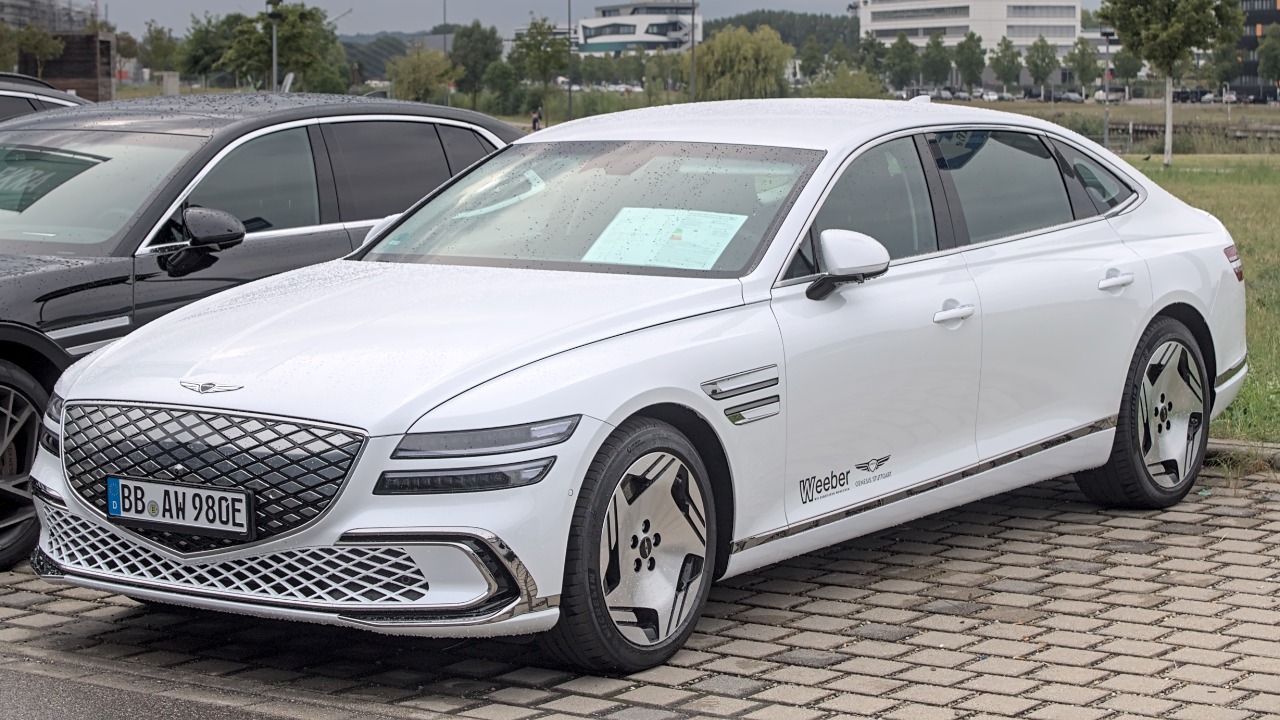
Genesis G80 Electrified
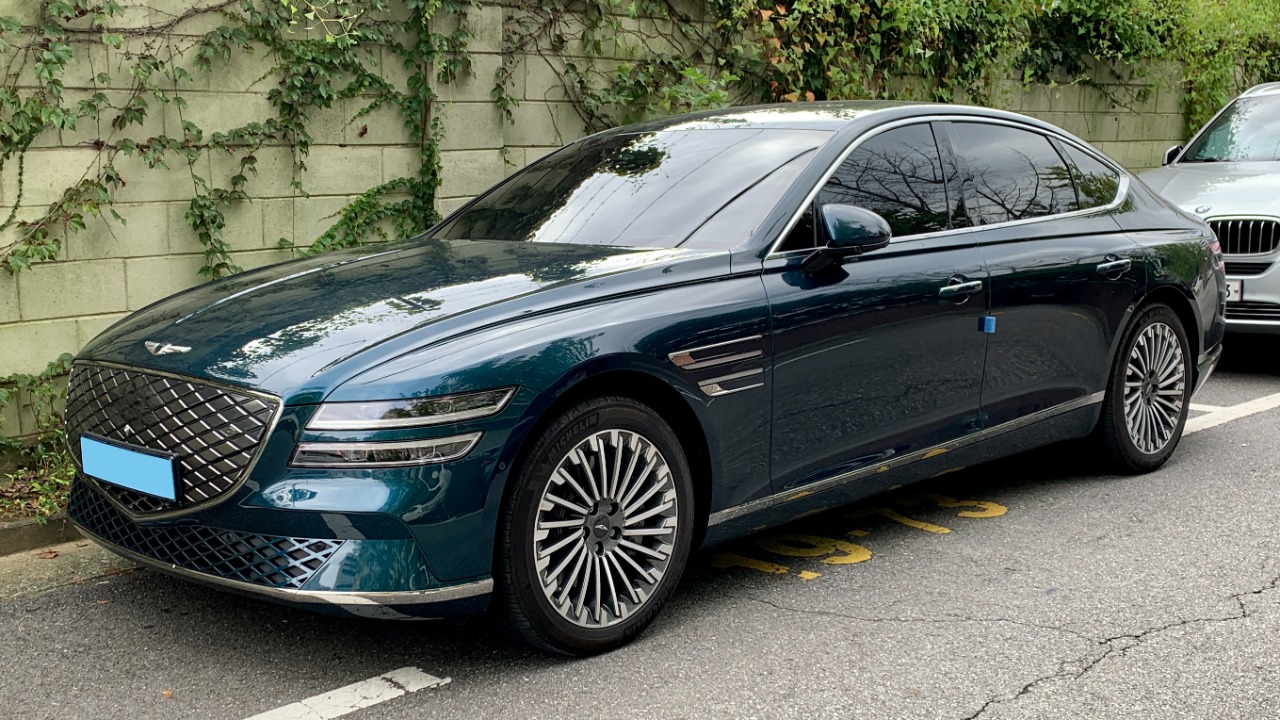
The Genesis G80 Electrified is a luxury EV sedan that showcases advanced tech, yet it is also appearing among the Slowest Selling New Cars on the Market. In the These Are table that details each Vehicle, its Average Selling Price, and Market day supply, the G80 Electrified stands out with a high price and slower turnover, as outlined in the Market snapshot. That leaves dealers holding premium EV sedans while many buyers chase SUVs instead.
If you are shopping in this segment, the G80 Electrified’s slow sales can be a real advantage. You can push for substantial discounts, favorable lease terms, or added perks like complimentary charging, because retailers are motivated to show movement in their high-end EV lines. The key is to compare total cost of ownership, including incentives and resale, so you know whether the deal you negotiate truly reflects the car’s place in a cooling luxury EV sedan niche.
More from Fast Lane Only