You know the feeling, that rush to grab a hot new model before anyone else, only to realize a year later that the payments, problems, or daily compromises are not worth it. Buyer’s remorse is especially brutal with cars, where you are locked into a long loan and constant running costs. Here are 10 vehicles that many owners hurried into and now regret, based on owner satisfaction data, early resale patterns, and detailed reliability analysis.
Infiniti QX50

The Infiniti QX50 is a textbook case of a premium badge that does not deliver a premium experience. In owner satisfaction surveys, only a small share say they Would Buy Again, despite the upscale cabin and tech. Shoppers are drawn in by aggressive lease deals and the promise of luxury, then discover a coarse variable-compression engine, disappointing fuel economy, and a driving experience that feels less refined than German rivals.
Visual Capit’s rundown of America’s most disappointing models notes that The Infiniti QX50 leads the pack for frustration, with complaints about its loud engine and real-world mileage that fails to match marketing hype. For you as a buyer, that means higher fuel bills and a constant sense that you overpaid. When a luxury crossover leaves you wishing you had stuck with a mainstream SUV, regret sets in quickly.
Jeep Grand Cherokee 4xe

The Jeep Grand Cherokee 4xe lured many buyers with the promise of plug-in efficiency wrapped in a rugged, family-friendly SUV. Yet owner satisfaction has been so low that one analysis of unhappy drivers singled it out as the number one vehicle with the lowest owner satisfaction by a wide margin. In that report, the Jeep Grand Cherokee 4xe is described as a modern PHEV that feels unfinished.
Owners report clunky transitions between electric and gas power, software gremlins, and fuel economy that falls far short once the small battery is depleted. When you pay a premium for plug-in tech, you expect smooth operation and clear savings at the pump. Instead, many drivers feel like beta testers for an experiment that was rushed to market, which is exactly the kind of experience that breeds long-term regret.
Jeep Wrangler

The Jeep Wrangler is an icon you might have dreamed about for years, but reality can hit hard once you live with one every day. A detailed breakdown of new cars to avoid highlights the Jeep Wrangler with a Reliability score of just 27/100, a Price range from $31,995 to $91,545, and an Overall miles per gallon figure that leaves commuters wincing at the pump.
Trouble spots include steering and suspension behavior that can feel nervous on the highway, along with interior noise that never really fades. If you spend most of your time on pavement, the compromises that make the Wrangler great off-road quickly become daily annoyances. Many buyers rush in for the lifestyle image, then discover they have paid luxury money for a vehicle that is exhausting on long drives.
4Chevrolet Tahoe

The Chevrolet Tahoe is a full-size SUV that looks like it can do everything, from hauling kids to towing boats. Yet in a major reliability and satisfaction roundup, the 2024 Chevrolet Tahoe only scored a 50 out of 100 overall. The Chevy Tahoe’s middling score reflects a mix of ride-quality complaints, complex electronics, and fuel consumption that shocks owners who moved up from crossovers.
When you sign up for a big SUV, you expect some trade-offs, but many Tahoe buyers are surprised by how often they visit the gas station and how cumbersome the vehicle feels in tight parking lots. That combination of high purchase price, high running costs, and only average reliability is a recipe for remorse, especially if you do not truly need the Tahoe’s size or towing capacity.
Land Rover Discovery Sport

The Land Rover Discovery Sport is another SUV that looks irresistible on the showroom floor, with its clean design and upscale badge. However, a study of early resale behavior found that Land Rover Discovery is the new car most likely to be resold, with 28.3% of its owners selling it in the first year, eight times the average rate of 3.6%.
That kind of churn is a clear signal that expectations are not being met. Owners often cite reliability worries, dealership service frustrations, and the realization that a compact luxury SUV still has cramped third-row space. If you are stretching your budget to get into a Land Rover, the risk of being part of that 28.3% should make you pause and consider whether a less glamorous but more dependable alternative might fit your life better.
Mitsubishi Mirage G4

The Mitsubishi Mirage G4 tempts budget-conscious shoppers with one of the lowest new-car prices on the market. Yet an analysis of vehicles most likely to trigger buyer’s remorse lists the Mitsubishi Mirage G4 with an 8.6% early resale rate, far above typical sedans. According to Brauer, “Every” model on that list shares a pattern of owners quickly realizing the compromises are too severe.
In the Mirage G4, those compromises include a weak engine, noisy cabin, and sparse safety and comfort features. You might save money upfront, but living with a car that struggles on the highway and feels dated inside can wear you down. Over time, the frustration of driving something that always feels a step behind traffic often pushes owners back into the used market for something more substantial.
Chevrolet Bolt EV

The Chevrolet Bolt EV was supposed to be the affordable electric car that made gas stations a memory, and many early adopters jumped in quickly. Yet a review of owner sentiment on electric models lists the Chevrolet Bolt EV among the EVs that owners say they regret buying. Concerns range from battery recall history to interior quality that feels more economy hatchback than cutting-edge EV.
For you as a buyer, the stakes are high, because charging infrastructure, resale values, and long-term battery health all matter more with an electric car. When those pieces do not line up with expectations, the sense of regret can be sharper than with a conventional vehicle. Some Bolt EV owners have found themselves trading out early, even if it means absorbing depreciation, just to move into a model that feels more future-proof.
BMW 5 Series

The BMW 5 Series has long been a benchmark luxury sedan, which is why its appearance in regret-focused research is so striking. One study of quick resales notes that the BMW 5 Series has an Early Resale Rate of 13.4%, a figure highlighted alongside a photo credit to DiPres/Shutterstock. Possibly, it is the slow-reacting infotainment system and increasingly complex driver aids that leave some owners cold.
When you pay for a BMW, you expect intuitive controls and a driving experience that feels special every time you get behind the wheel. Instead, some 5 Series buyers discover a car that feels more like a rolling tech demo, with layers of menus and alerts that distract from the core joy of driving. That mismatch between brand promise and daily reality is a powerful driver of remorse.
Land Rover Discovery Sport (New-Buyer Perspective)

Beyond the early resale statistics, the Discovery Sport also shows up in broader lists of new cars to avoid. A breakdown of models that leave owners cold points to the Range Rover and And Most of the Land Rover Lineup, with reliability concerns and high repair costs overshadowing their luxury appeal. The Discovery Sport, as the entry point to that lineup, often attracts first-time premium buyers who are not prepared for the maintenance realities.
When you are juggling monthly payments, insurance, and fuel, surprise repair bills can quickly sour the ownership experience. That is especially true if you expected the Discovery Sport to be a worry-free family hauler. For many buyers, the lesson is that a prestigious badge does not guarantee peace of mind, and rushing into a complex European SUV without budgeting for upkeep can lead straight to regret.
Fiat 500L
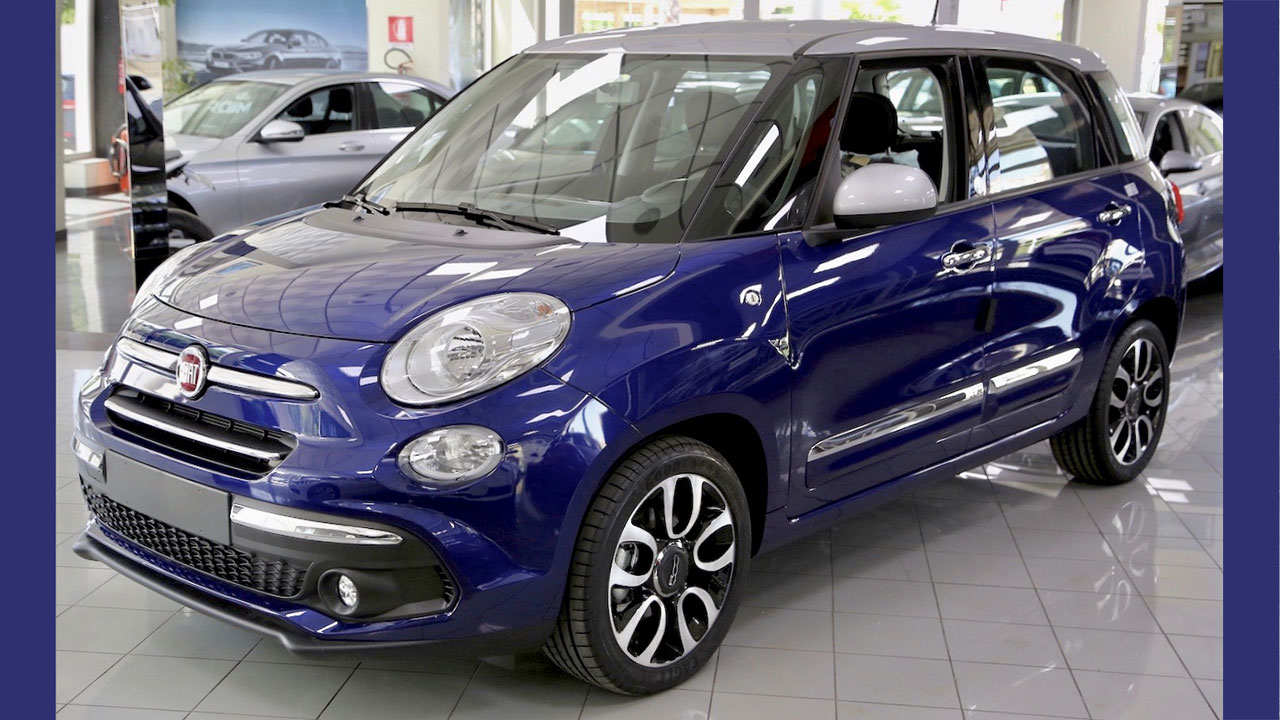
The Fiat 500L drew attention with quirky design and urban practicality. Some buyers rushed to secure something distinctive in a crowded market.
Reliability complaints and resale challenges dampened long-term enthusiasm. What initially felt unique sometimes became burdensome as maintenance and value retention issues surfaced.data is risky. Even if a model looks fine on paper, living with it every day can tell a very different story.
More from Fast Lane Only