Some engines become famous because they make huge power, dominate racing, or end up in cars that collectors spend years chasing. Others take a completely different route. They spend decades powering ordinary sedans, pickups, vans, and family cars, quietly piling up miles while the more glamorous engines get all the attention.
That makes some of the most durable engines surprisingly easy to overlook. A few were considered ordinary when new, while others were attached to cars that never became collector favorites. Yet their simple designs, conservative tuning, strong internal components, and ability to tolerate years of everyday use gave them a second life among mechanics and enthusiasts. These are 16 forgotten engines that proved far tougher than their reputations suggested.
Ford 200 Inline-Six
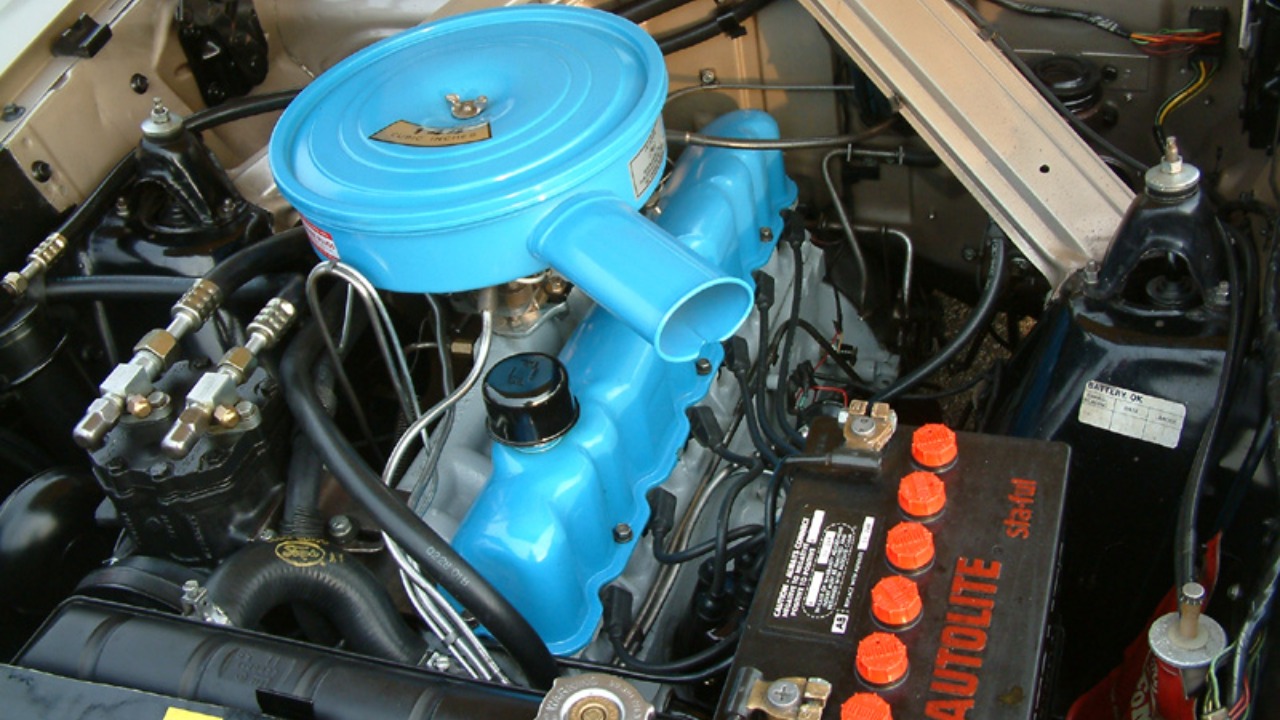
The Ford 200 cubic-inch inline-six was never going to steal the spotlight from a Mustang V8, but it became one of those engines that quietly earned a reputation by simply refusing to give up. Introduced for the 1961 model year, the 3.3-liter six found homes in Falcons, Fairlanes, Mustangs, Mavericks, and a long list of other Ford products. Its modest output actually worked in its favor. Ford wasn’t trying to extract enormous horsepower from a small displacement six, so the engine spent most of its life operating at relatively comfortable speeds. The simple overhead-valve design was easy to service, parts were plentiful, and there wasn’t much complicated equipment to go wrong. In a basic Falcon or Maverick, the 200 could feel almost boringly ordinary. That was precisely the point. Many survived long after the cars around them had disappeared, making the engine a forgotten example of how conservative engineering could pay off over decades.
Ford 2.3-Liter Lima
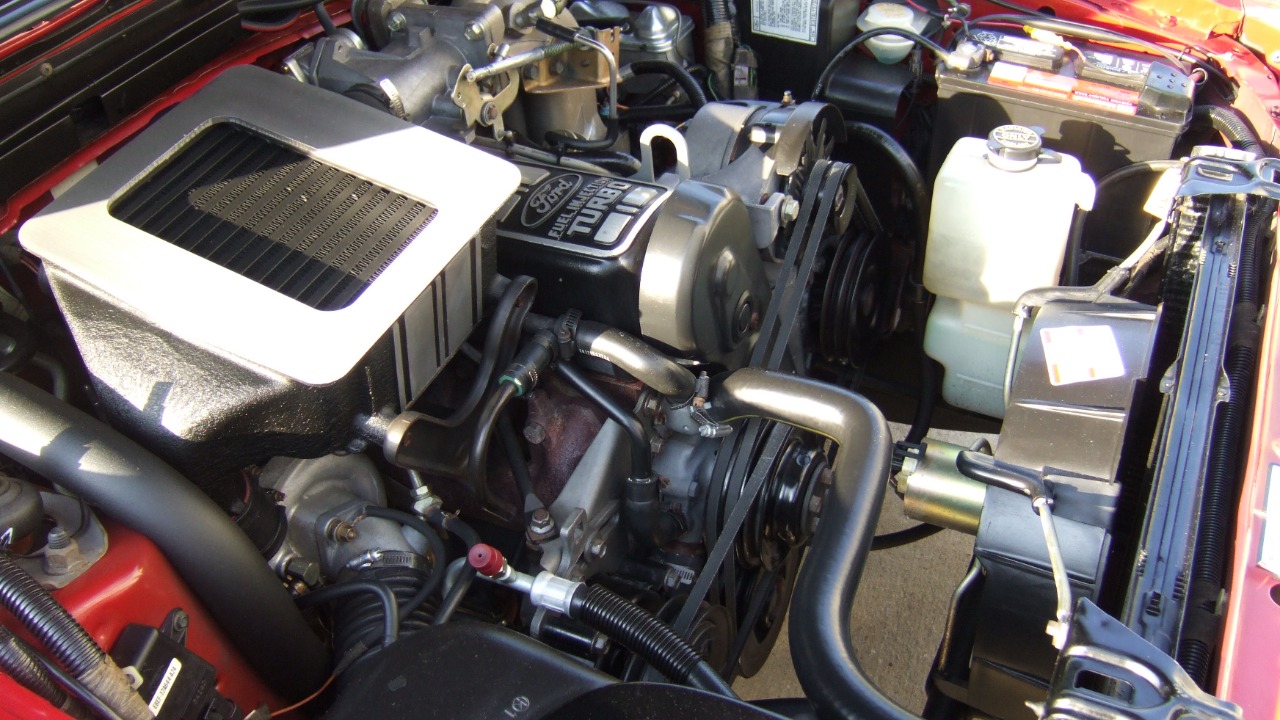
Ford’s 2.3-liter Lima four-cylinder is remembered by some enthusiasts for its turbocharged versions, but the naturally aspirated engine deserves attention for a completely different reason. Produced for decades and used in everything from the Pinto and Mustang to the Ranger and countless other Ford vehicles, the Lima became a familiar sight in working-class transportation. The naturally aspirated versions were not particularly powerful, and that helped keep the basic engine relatively unstressed. The cast-iron construction and straightforward overhead-cam layout made it durable and reasonably easy to maintain. Even when installed in vehicles that were treated as disposable transportation, these engines often kept running. The 2.3 also developed a second life among performance enthusiasts because its basic architecture could be adapted for turbocharging. That versatility helped preserve the engine’s reputation after its original passenger-car applications had faded.
Chrysler Slant Six 225
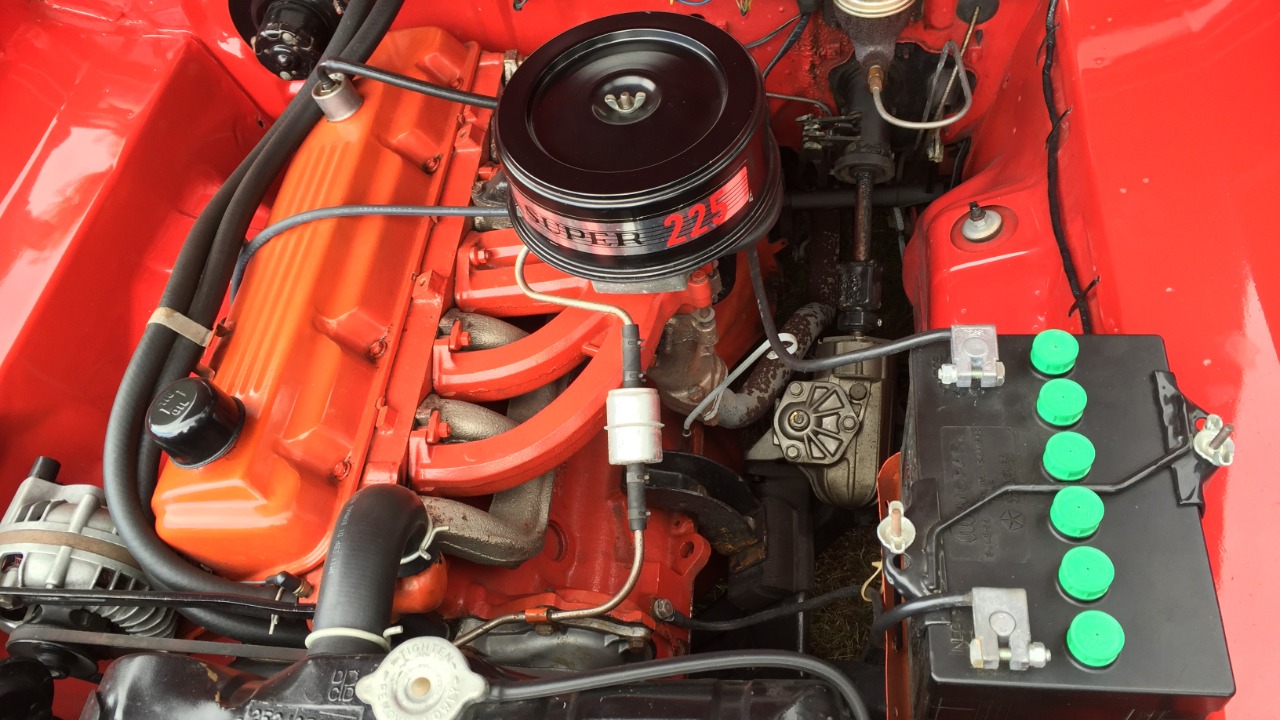
The Chrysler Slant Six never had the visual drama of a big-block Mopar, but few engines were better suited to the realities of ordinary transportation. The 225-cubic-inch version appeared in everything from Valiants and Darts to vans and light-duty trucks, where its job was usually to start every morning and keep running without demanding much attention. The engine’s 30-degree inclination was unusual, but underneath it was a sturdy cast-iron design with a reputation for taking punishment. Chrysler also used a forged crankshaft on many earlier examples, while the deep-skirt block and relatively low specific output helped the engine survive long working lives. The Slant Six became so closely associated with durability that stories about exceptionally high-mileage examples became part of its folklore. It was never a glamorous engine, and that may be why it has been somewhat forgotten outside Mopar circles. For an engine designed primarily for economy and dependability, however, it earned an unusually strong reputation.
Toyota 3RZ-FE
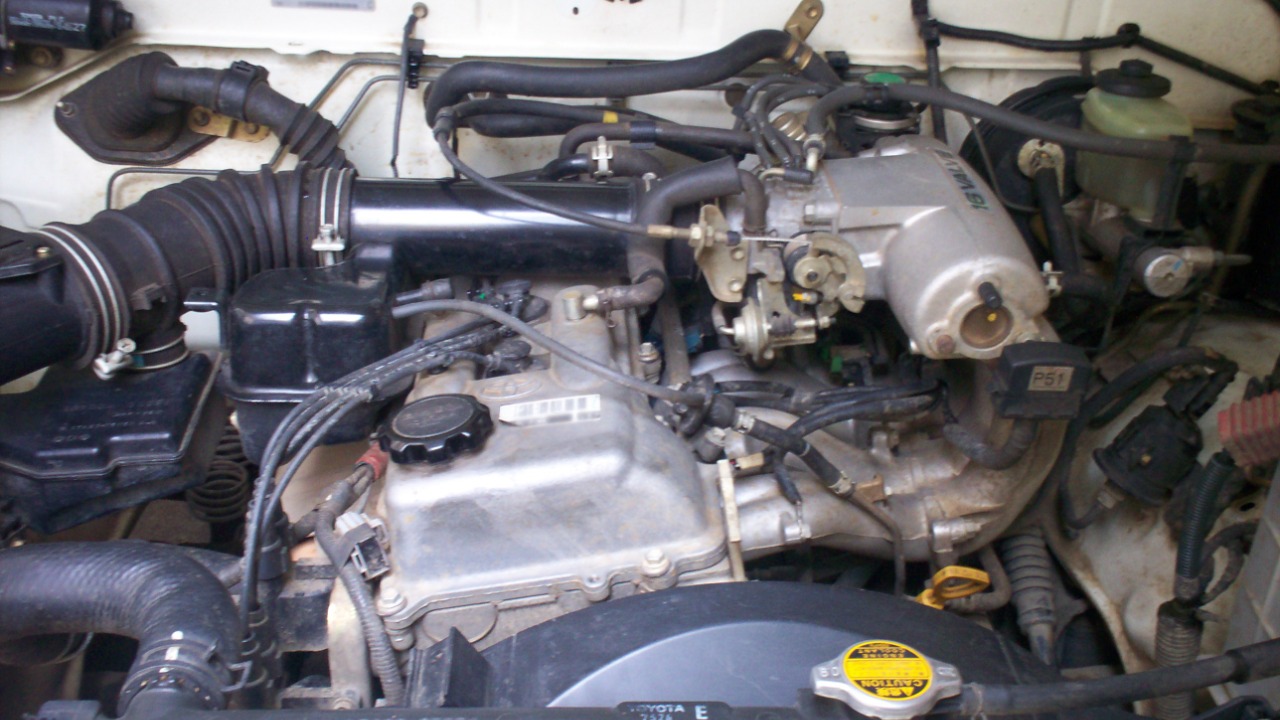
The Toyota 3RZ-FE arrived during an era when many people were already familiar with Toyota’s older 22R-series engines, so the newer 2.7-liter four-cylinder did not immediately receive the same legendary status. That changed as the 3RZ accumulated years of service in Tacoma pickups, 4Runners, Hiluxes, HiAce vans, and Land Cruiser Prado applications. Introduced in the mid-1990s, it used a cast-iron block, a forged crankshaft, sturdy connecting rods, and a timing chain. The engine wasn’t designed to turn a work truck into a sports car. Instead, it concentrated on useful low-end torque and the ability to handle the weight and demands of trucks and utility vehicles. A 300,000-mile teardown examined in 2025 provided a particularly good reminder of how robust the design could be when properly maintained. The 3RZ-FE may not have the celebrity status of the 2JZ, but its working life tells a different and equally interesting story.
Subaru EJ22
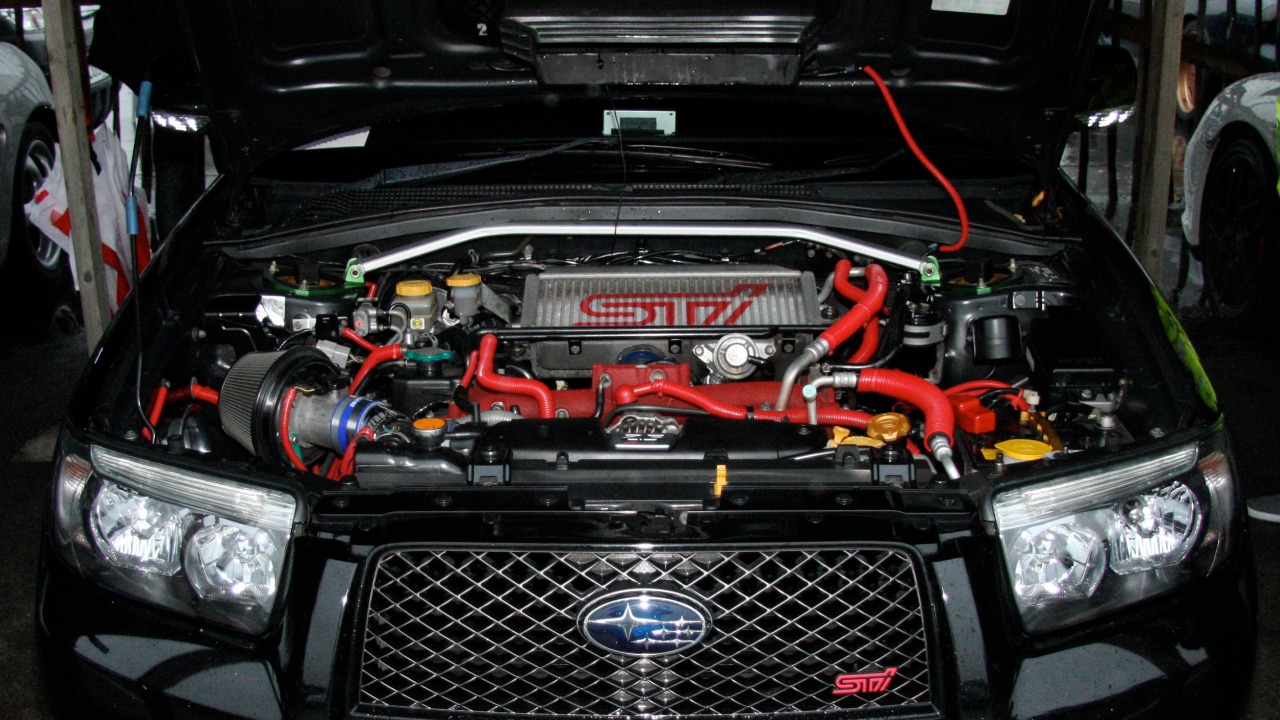
The Subaru EJ22 lived in the shadow of more famous turbocharged EJ engines, especially among performance enthusiasts, yet the naturally aspirated 2.2-liter version became one of the company’s more durable everyday powerplants. Introduced with the Legacy in 1990, it also appeared in models including the Impreza and early Outback. The EJ22 was not chasing enormous horsepower, and its relatively conservative output helped it survive the long, sometimes neglected lives of ordinary Subarus. Its reputation grew because owners frequently encountered engines with very high mileage that were still mechanically healthy. The engine wasn’t immune to problems, particularly when maintenance was ignored, but the basic design proved considerably tougher than its unassuming appearance suggested. It is one of those engines that rarely gets mentioned when enthusiasts discuss legendary performance motors, yet its ability to keep an aging Legacy or Impreza moving made it valuable in a completely different way.
Nissan KA24E
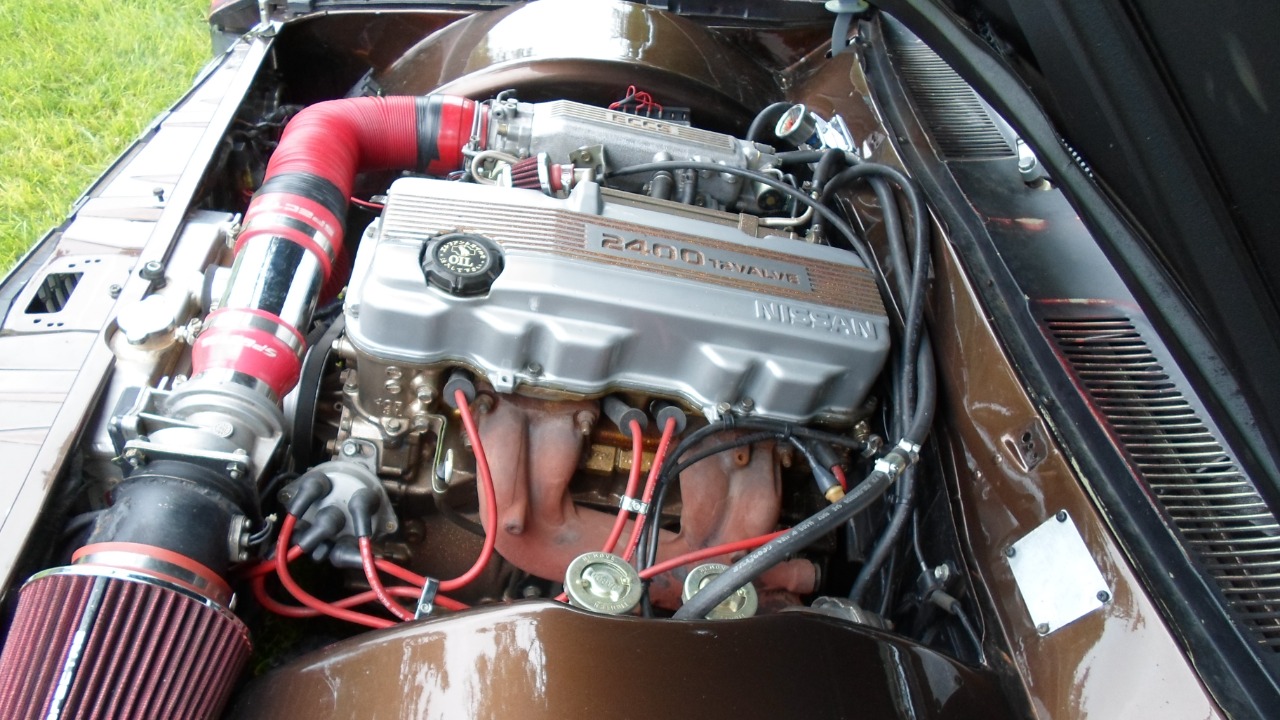
The Nissan KA24E is best known today because of the 240SX, but the engine’s working-class origins are just as important to understanding its durability. The single-overhead-cam 2.4-liter four-cylinder was used in vehicles including the D21 Hardbody pickup and first-generation Pathfinder before becoming familiar to sports-car enthusiasts. In those truck applications, the engine had to deal with hauling, towing, off-road use, and the general abuse that comes with an inexpensive utility vehicle. It was not an exotic design. The KA24E used a relatively simple layout and produced useful torque without being highly stressed. Later KA24DE versions gained more attention because of the 240SX and tuning scene, but the basic engine family had already demonstrated that it could survive ordinary working life. Timing-chain components, distributor wear, exhaust-manifold cracks, and age-related problems can certainly cause trouble today, but a properly maintained KA remains a good example of an engine that proved tougher than its humble reputation suggested.
Mercedes-Benz M111
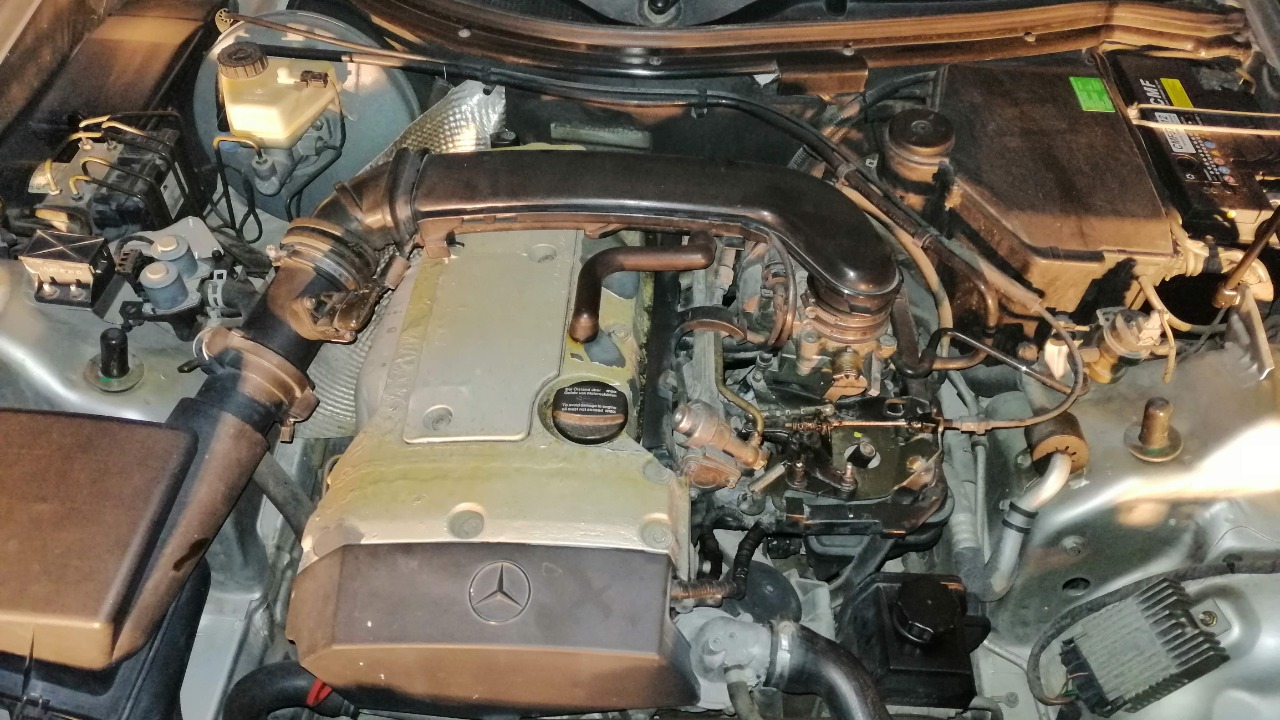
The Mercedes-Benz M111 is one of those engines that becomes more impressive the longer you look at its working history. Introduced in the early 1990s, the four-cylinder appeared in C-Class, E-Class, SLK, Vito, and other Mercedes applications, including supercharged Kompressor versions. It was never as famous as the company’s six-cylinder and V8 engines, but the basic M111 architecture proved remarkably capable of handling years of use. The naturally aspirated versions were particularly conservative, while later supercharged engines demonstrated that the basic design could handle considerably more output. Age-related problems such as wiring insulation deterioration on certain Mercedes models, head-gasket leaks, and timing components can complicate ownership today, but those issues should not obscure the engine’s fundamental strength. Many M111-powered cars remained in daily service long after newer Mercedes engines had replaced them. That longevity helped make the M111 an understated workhorse in a company better known for complicated and expensive machinery.
Peugeot XUD9
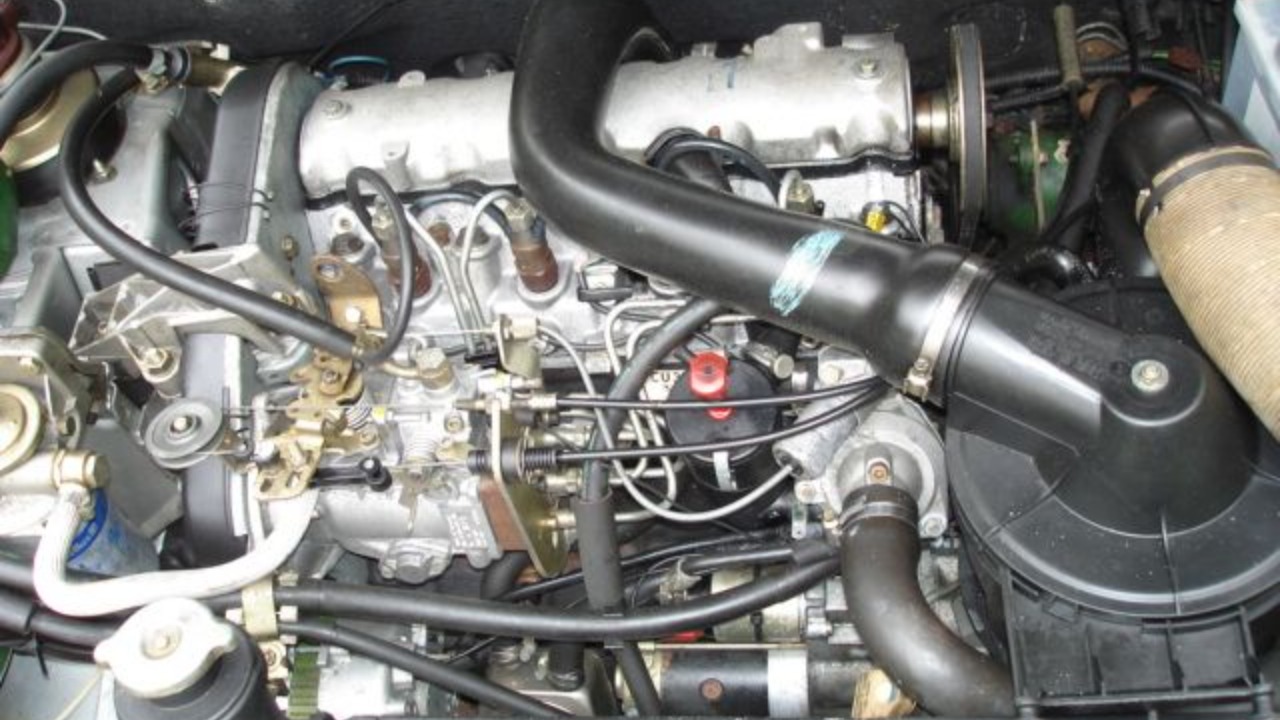
The Peugeot XUD9 was never going to win a drag race, but that was hardly the point. This 1.9-liter indirect-injection diesel became one of the great European workhorse engines of its era, powering cars such as the Peugeot 405 and 306 while also appearing in vehicles from other manufacturers. Its reputation came from an ability to accumulate serious mileage while consuming relatively little fuel. The engine was mechanically straightforward by modern standards, and its modest output meant the internal components weren’t being pushed to produce extraordinary performance. The XUD family also found applications outside Peugeot, including the Suzuki Vitara and other vehicles, giving it an unusually broad working life. There were weaknesses, including cooling-system concerns and differences in durability between Bosch and Lucas fuel-injection equipment, but the basic engine earned a reputation for lasting long enough that the vehicle surrounding it often became the bigger problem. It is exactly the sort of diesel that has largely disappeared from public memory while still being respected by people who actually worked on them.
Honda F22A
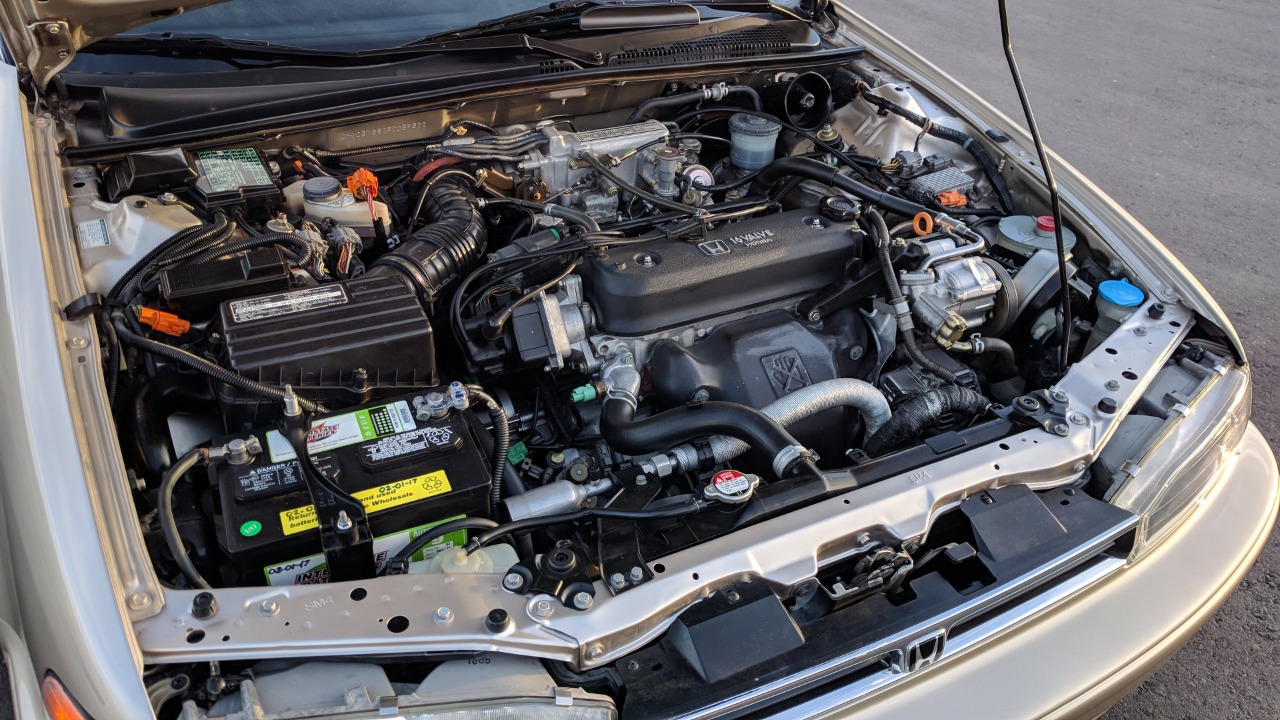
The Honda F22A has never enjoyed the same enthusiast following as the B-series, H-series, or later K-series engines, which makes its durability story even more interesting. Used in early-1990s Accords and related Honda applications, the 2.2-liter SOHC four-cylinder was tuned for smooth everyday driving rather than high-performance glory. That relatively relaxed mission helped the engine develop a reputation for surviving huge mileages when basic maintenance was handled properly. The F22A also benefited from Honda’s generally efficient combustion-chamber design and a straightforward mechanical layout. Its main caveat was the timing belt, which was a service item that could not safely be ignored. Beyond that, the engine could be remarkably forgiving. Plenty of owners saw no reason to replace an F22A simply because the odometer had climbed deep into six figures. Compared with Honda’s more famous performance engines, it is almost anonymous today, but its ability to keep an ordinary Accord moving for hundreds of thousands of miles made it one of the company’s more successful unsung powerplants.
Volvo B230
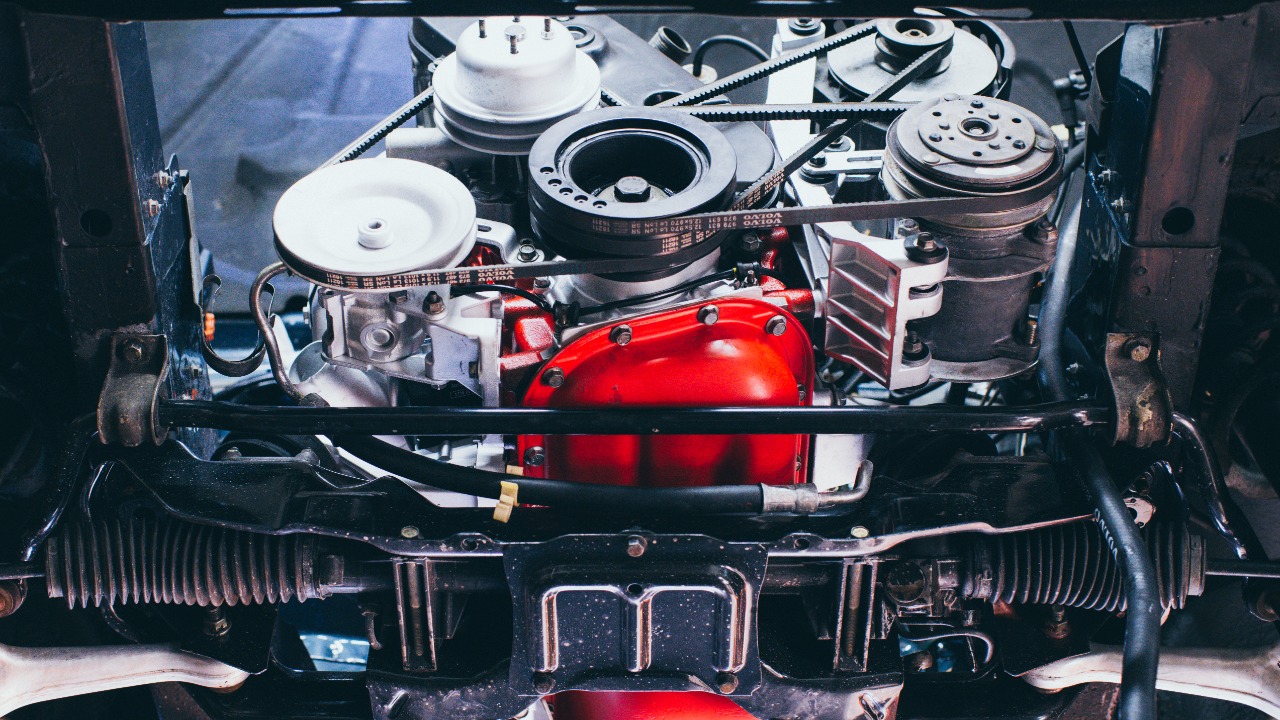
The Volvo B230 is an excellent example of an engine that became respected almost entirely because of what owners experienced over time. Part of Volvo’s famous redblock family, the B230 appeared in numerous 240, 740, and 940 models and was built in both naturally aspirated and turbocharged forms. The naturally aspirated engines in particular were not chasing impressive performance figures. Instead, Volvo concentrated on durability, serviceability, and the ability to handle years of daily driving in difficult climates. The engine’s cast-iron construction and straightforward four-cylinder architecture made it particularly friendly to long-term ownership. Turbocharged versions later demonstrated that the basic block could tolerate substantially more power than its ordinary family-car applications suggested. The B230 also became popular with enthusiasts because of its enormous aftermarket and the ability to modify it without abandoning the fundamental architecture. Today it is remembered by Volvo fans, but outside that community it remains surprisingly obscure for an engine that helped build the company’s reputation for long-lived cars.
Mercedes-Benz OM601
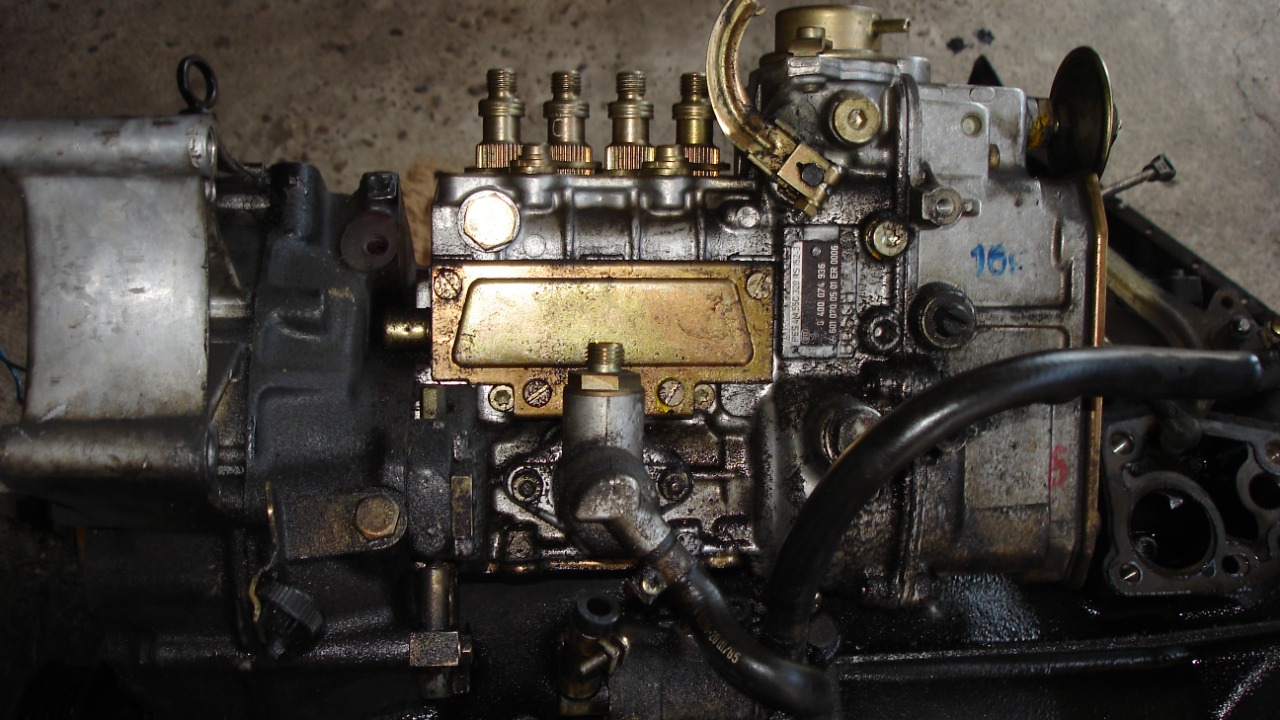
The Mercedes-Benz OM601 diesel arrived during an era when mechanical diesel engines were still built around relatively simple principles, and that simplicity served it well. Used in models such as the W201 190D and various other Mercedes applications, the four-cylinder diesel was never particularly quick. A 190D equipped with one could make patience feel like a driving skill. What it lacked in speed, however, it made up for through low-stress operation and a rugged construction philosophy. The OM601 was part of Mercedes’ larger family of diesel engines that became known for surviving enormous mileage in taxis, commercial vehicles, and private cars. Its mechanical injection system and relatively modest output meant there were fewer complicated systems involved than in later diesel engines. Proper maintenance was still important, and old diesel fuel systems can certainly develop expensive problems, but the basic engine proved capable of extremely long service. In a world obsessed with horsepower figures, the OM601 quietly demonstrated that longevity could be its own form of engineering achievement.
Ford 4.9-Liter Inline-Six
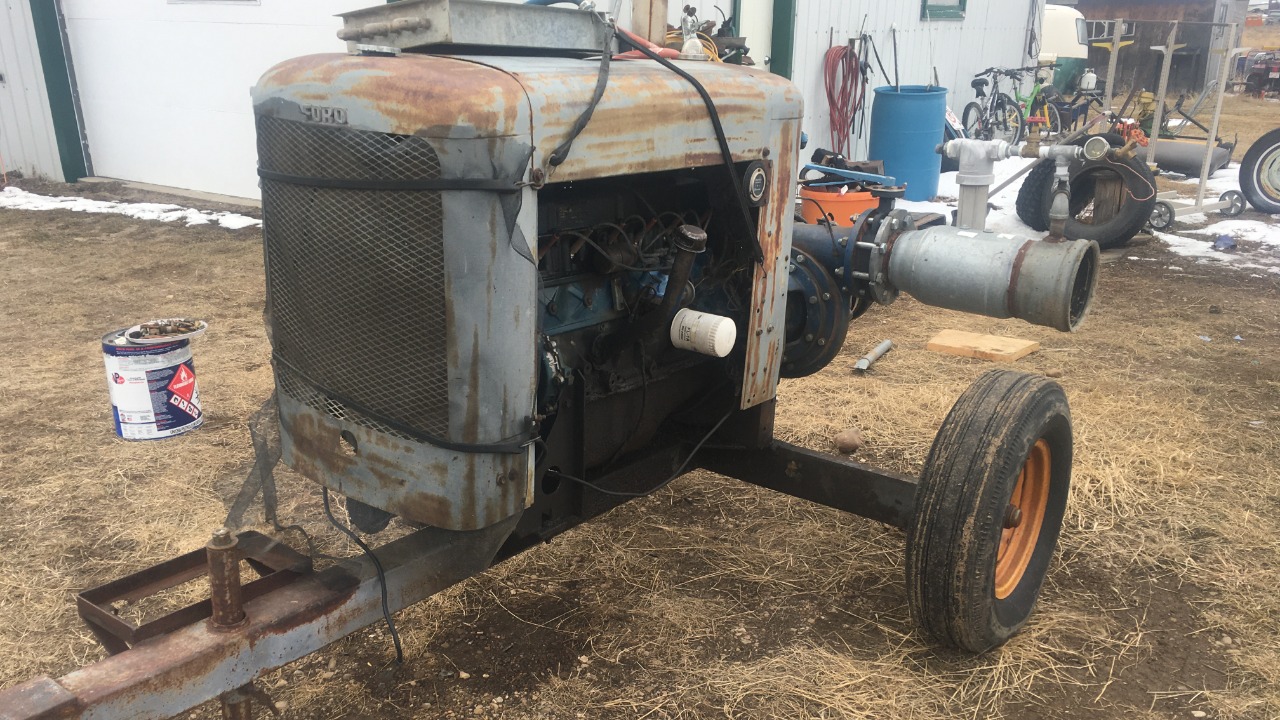
The Ford 300, later known as the 4.9-liter, has become better known among truck enthusiasts in recent years, but it spent most of its original life being treated as the ordinary six-cylinder choice. Introduced in 1965, it powered generations of F-Series pickups, Broncos, Econolines, and industrial equipment. Its reputation came from the way it handled work rather than from impressive specifications. The cast-iron block and head, seven-main-bearing crankshaft, gear-driven camshaft, and strong low-rpm torque all reflected an engine designed to survive commercial use. Ford even put versions of the six into applications far beyond ordinary pickups, including industrial equipment. Fuel injection arrived in 1987, helping keep the engine relevant late into its long production run. By the time production ended in 1996, the 300 had quietly become one of Ford’s most durable gasoline workhorses. It was never a glamorous engine, but decades of service proved that it didn’t need to be.
Toyota 5S-FE
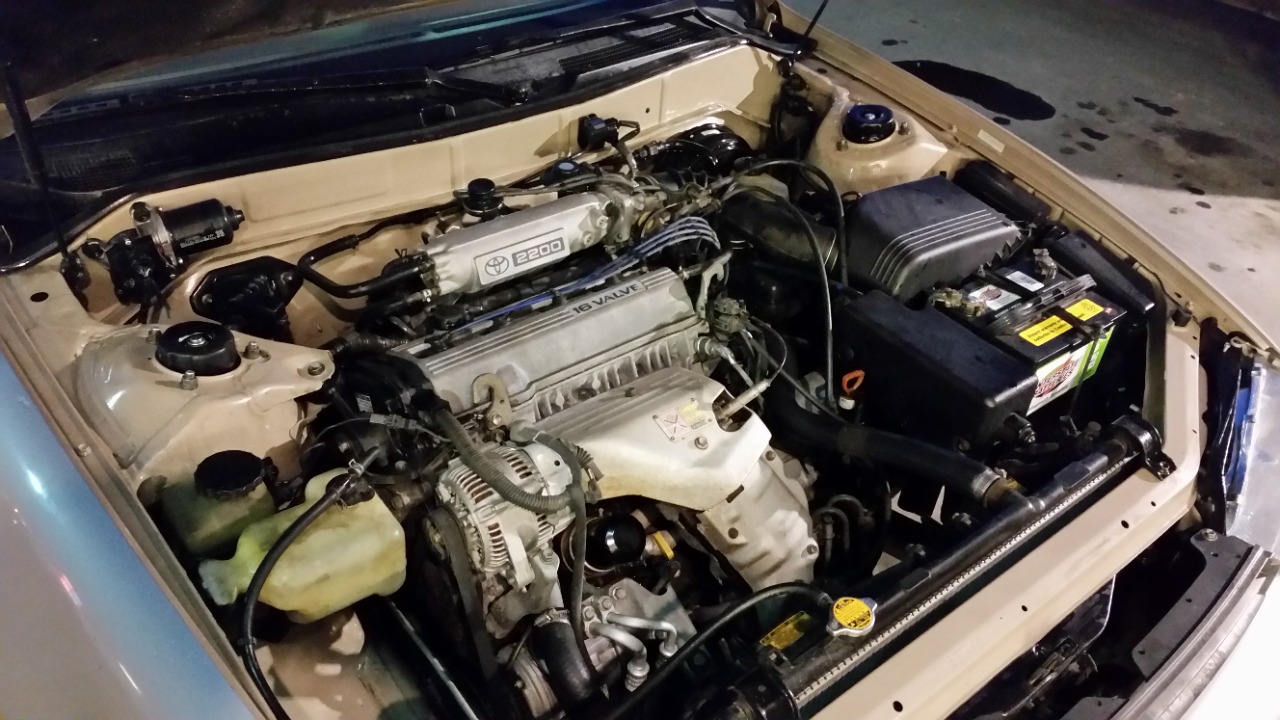
The Toyota 5S-FE is almost the definition of a forgotten engine. It powered millions of ordinary vehicles, including the Camry, Celica, MR2, and other Toyota products, but few enthusiasts ever bought a car specifically because it had a 5S-FE. That anonymity hides one of the reasons it became so useful: Toyota built the engine to deliver smooth, dependable transportation without pushing its components to the limit. The 2.2-liter four-cylinder was naturally aspirated, relatively simple, and designed around the needs of everyday drivers. It wasn’t intended to be a high-revving performance motor, and it didn’t have the enormous tuning culture surrounding Toyota’s more famous engines. Instead, owners simply drove them. Many accumulated very high mileage while requiring nothing more exotic than normal maintenance and the replacement of aging seals, belts, sensors, and cooling-system components. For an engine that spent most of its life being ignored, the 5S-FE quietly delivered exactly what Toyota customers needed.
GM 3.1-Liter V6
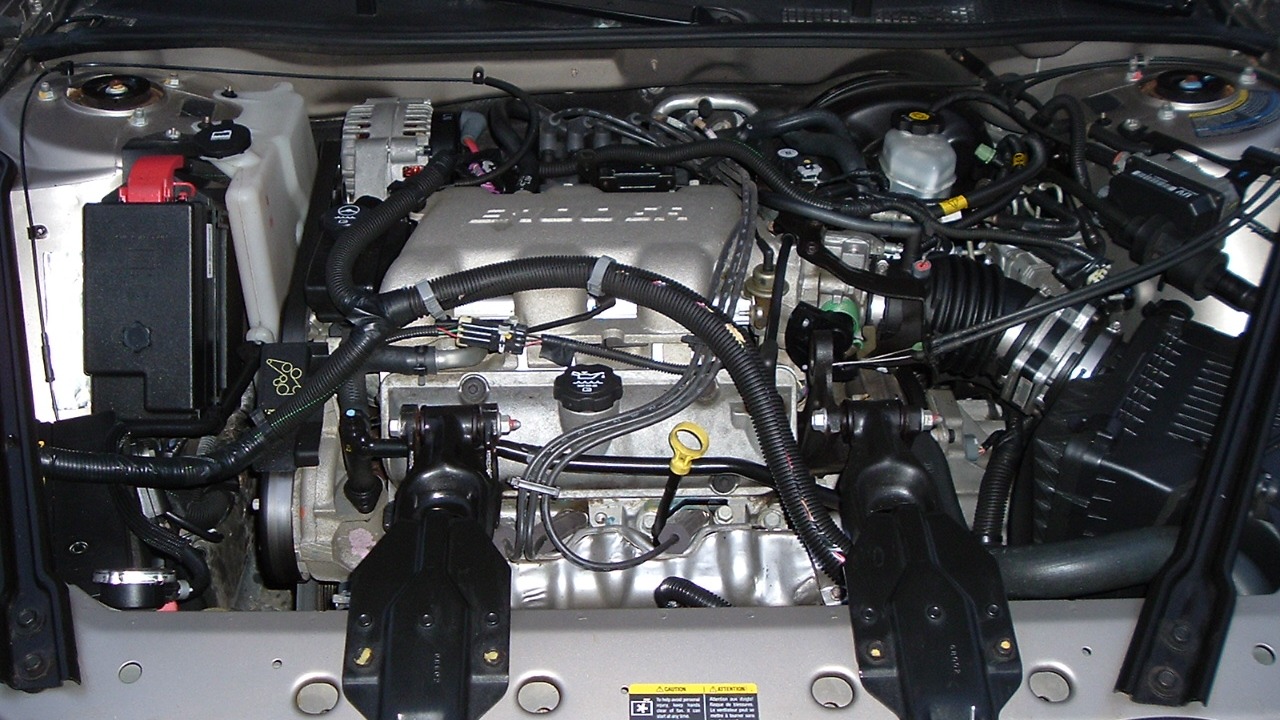
The GM 3.1-liter V6 came from an era when General Motors was rapidly moving toward front-wheel-drive cars and smaller engines, which meant it never developed the emotional following enjoyed by classic V8s. Yet the 60-degree V6 became a common sight in Chevrolet, Pontiac, Oldsmobile, and Buick products during the 1980s and 1990s. Its reputation is complicated because certain versions had well-known intake-gasket and cooling-system issues, but the basic engine itself could provide long service when those weaknesses were addressed. Millions of ordinary family cars used the engine, giving it an enormous real-world test population. It was not a performance engine, and its modest output meant it generally wasn’t pushed particularly hard. The result was an engine that could quietly accumulate years of commuting duty. The 3.1 may never become a collector’s favorite, but that is part of its story. It helped keep a huge number of inexpensive American cars running through an era when many people simply needed reliable transportation and didn’t care what was under the hood.
Renault F-Type Diesel
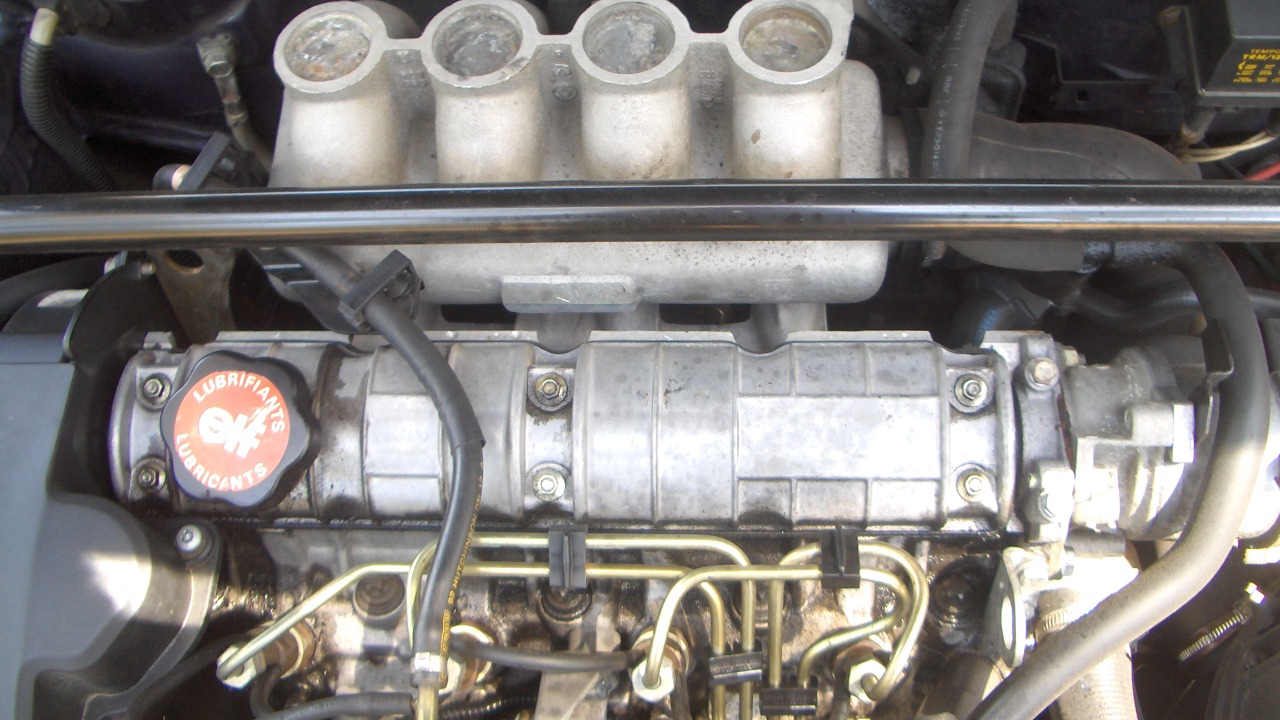
Renault’s F-type diesel engines are easy to overlook outside Europe, where they powered a variety of ordinary passenger cars and utility vehicles. They belong to the generation of diesel powerplants that prioritized efficiency, simple mechanical operation, and long working life over performance. In many applications, these engines were installed in cars that were bought primarily as transportation rather than enthusiast machines, which meant their survival depended on being economical and dependable rather than exciting. Their relatively low specific output helped reduce the stress placed on internal components, while mechanical diesel systems were straightforward compared with the electronics found in modern engines. Like any old diesel, neglected cooling systems, injection components, and timing-belt service can turn a durable engine into an expensive project. But properly maintained examples demonstrated the value of conservative engineering. These engines rarely made headlines, yet they spent decades doing exactly what owners expected: starting, running, and covering enormous distances without demanding the attention given to more famous powerplants.
Nissan Z24
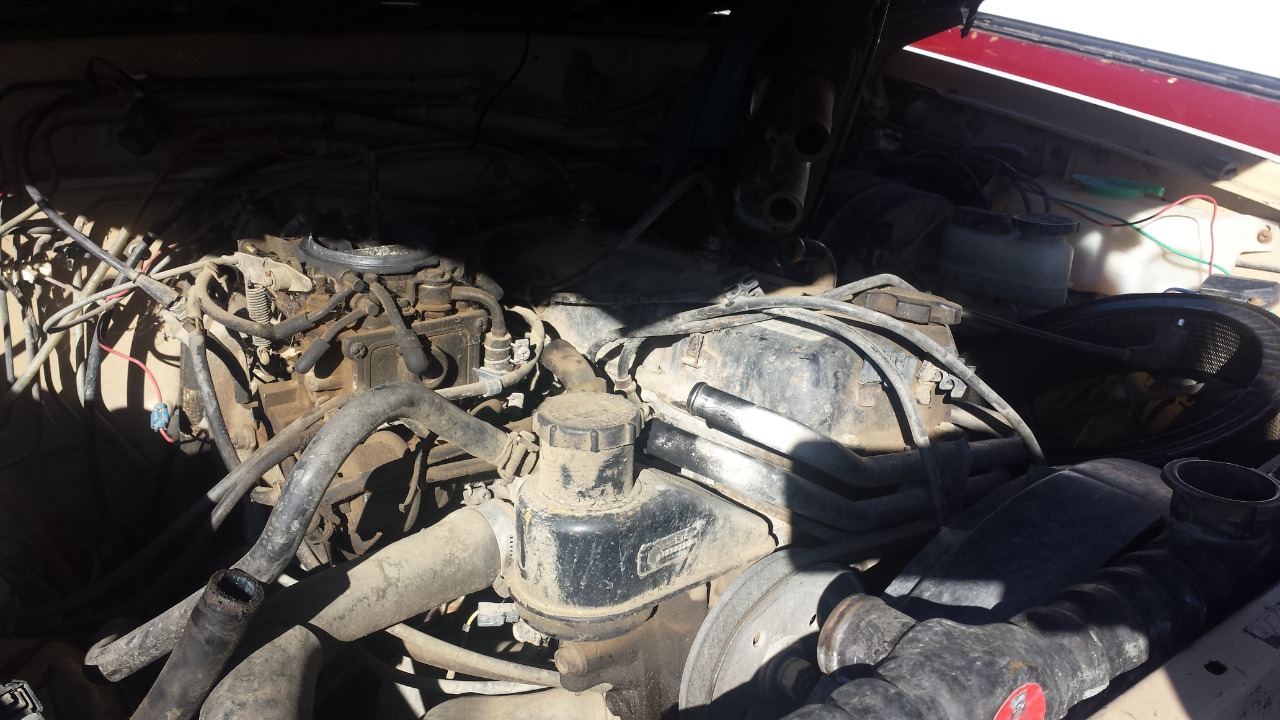
The Nissan Z24 was the sort of engine that could disappear from enthusiast memory because it was attached to hardworking trucks rather than glamorous sports cars. The 2.4-liter four-cylinder was widely used in Nissan pickups and other utility vehicles during the 1970s and 1980s, including the popular D21 generation. It wasn’t particularly sophisticated, and it certainly wasn’t fast, but those characteristics worked in its favor. The engine produced useful torque and was designed around the demands of a pickup that might be used for hauling, commuting, or rough work. Carbureted versions were mechanically simple, while later developments brought more modern fuel-delivery systems. The Z24 also gained a reputation among owners because these trucks could continue running long after their bodies had accumulated dents, rust, and hard-working scars. Its weaknesses were familiar ones for an old four-cylinder, including cooling-system problems and age-related carburetor issues, but the underlying engine was tough enough to become a survivor. It is a fitting example of a powerplant that proved its durability without ever becoming famous for it.