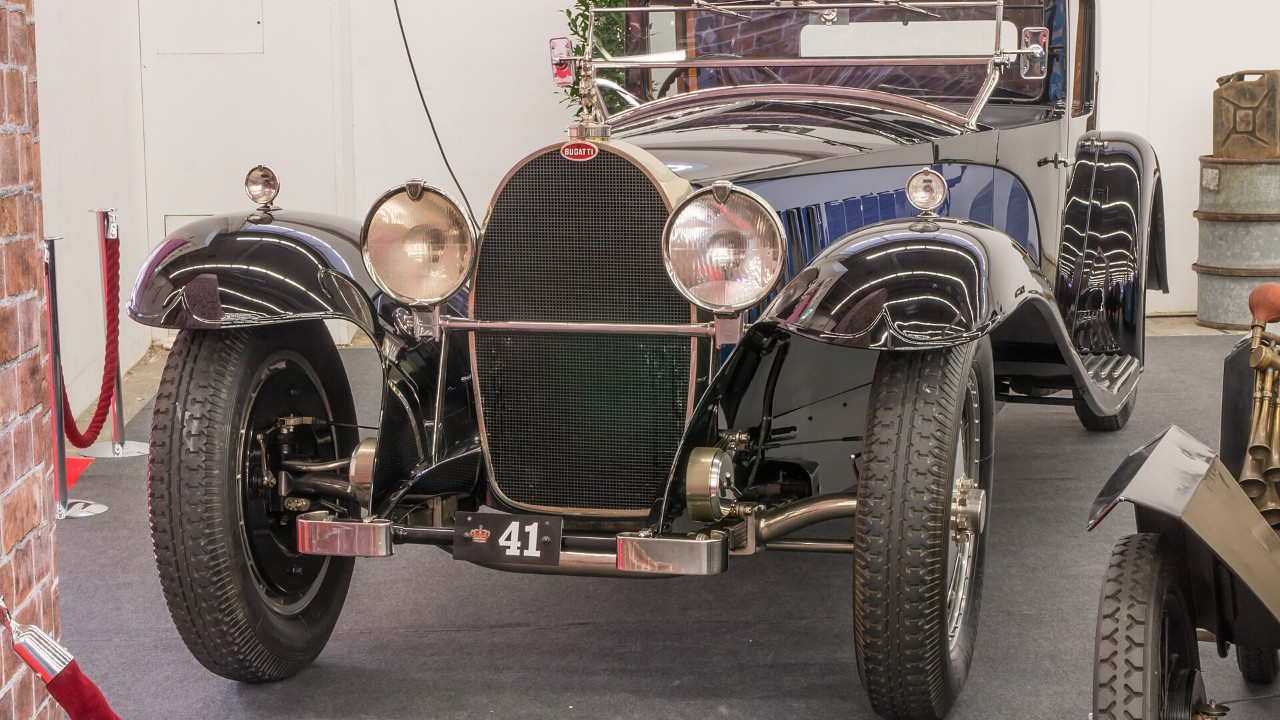
Performance cars often surprise us, whether it’s their speed, handling, or overall driving experience. Many models that might seem unassuming on paper deliver exhilarating performance, showcasing the engineering prowess of their manufacturers. Here’s a look at seven compact cars that were quicker than their price tags suggested.
1. Ford Fiesta ST
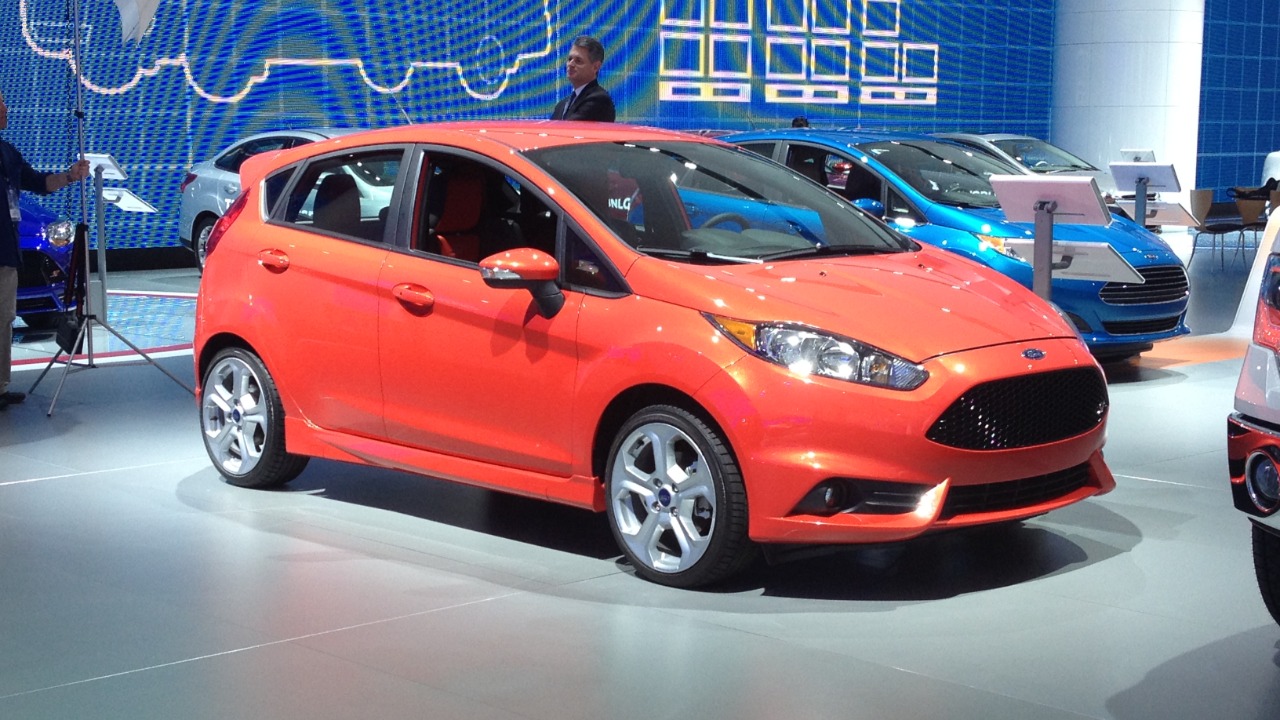
The Ford Fiesta ST is a prime example of how compact cars can defy expectations. With its 1.6-liter EcoBoost engine producing 197 horsepower, it delivers a thrilling ride. The Fiesta ST can sprint from 0 to 60 mph in just over six seconds, making it a hot hatch that rivals much pricier performance vehicles. Its lightweight design and advanced suspension system allow for exceptional handling, making it a joy to drive on twisty roads. The car’s well-tuned chassis and responsive steering provide a level of engagement that many enthusiasts crave. Plus, with a starting price under $30,000, it offers remarkable value for those seeking fun without breaking the bank.
2. Mazdaspeed Protege

The Mazdaspeed Protege took Mazda’s sensible compact sedan and gave it real bite. Its 2.0-liter four gained a Garrett T25 ball-bearing turbocharger and an intercooler, with Callaway Cars helping on the tuning, for 170 horsepower and 160 lb-ft of torque. A five-speed manual, heavy-duty clutch, thicker driveshafts, and a limited-slip differential sent that power to the front wheels.
Racing Beat worked with Mazda engineers on the chassis, which got stiffer springs, re-valved Tokico dampers, and a strut tower brace, plus 17-inch Racing Hart wheels on Bridgestone Potenza tires. Canadian testers recorded a 7.5-second run to 100 km/h, and Mazda first announced only 2,000 cars for the U.S. and Canada.
3. Dodge SRT-4

Dodge’s SRT-4 turned the humble Neon into a serious performance car for about $20,000. A turbocharged and intercooled 2.4-liter four made 215 horsepower and 245 lb-ft of torque at launch, and MotorWeek measured 0-60 mph in 6.0 seconds and a 14.9-second quarter mile at 99 mph, all from a car with a $19,995 base price.
For 2004, a new engine computer and larger fuel injectors raised output to 230 horsepower and 250 lb-ft, and a Quaife-developed limited-slip differential helped the front tires handle it. The Auto Channel listed a 5.8-second sprint to 60 mph for the updated car, impressive pace from a sedan that still looked like a commuter car wearing a big wing.
4. Tesla Model 3 Performance

The Tesla Model 3 Performance has redefined what we expect from electric vehicles. With dual electric motors producing 450 horsepower, it can accelerate from 0 to 60 mph in a mere 3.1 seconds. The instant torque provided by electric motors translates into a thrilling driving experience, with seamless power delivery. Additionally, the Model 3’s low center of gravity enhances handling, making it a joy to drive on twisty roads. With a range of over 300 miles on a single charge, it alleviates range anxiety for most drivers. Tesla’s commitment to performance and technology ensures that the Model 3 Performance stands out, not just among EVs, but across the entire automotive landscape.
5. Nissan Sentra SE-R Spec V
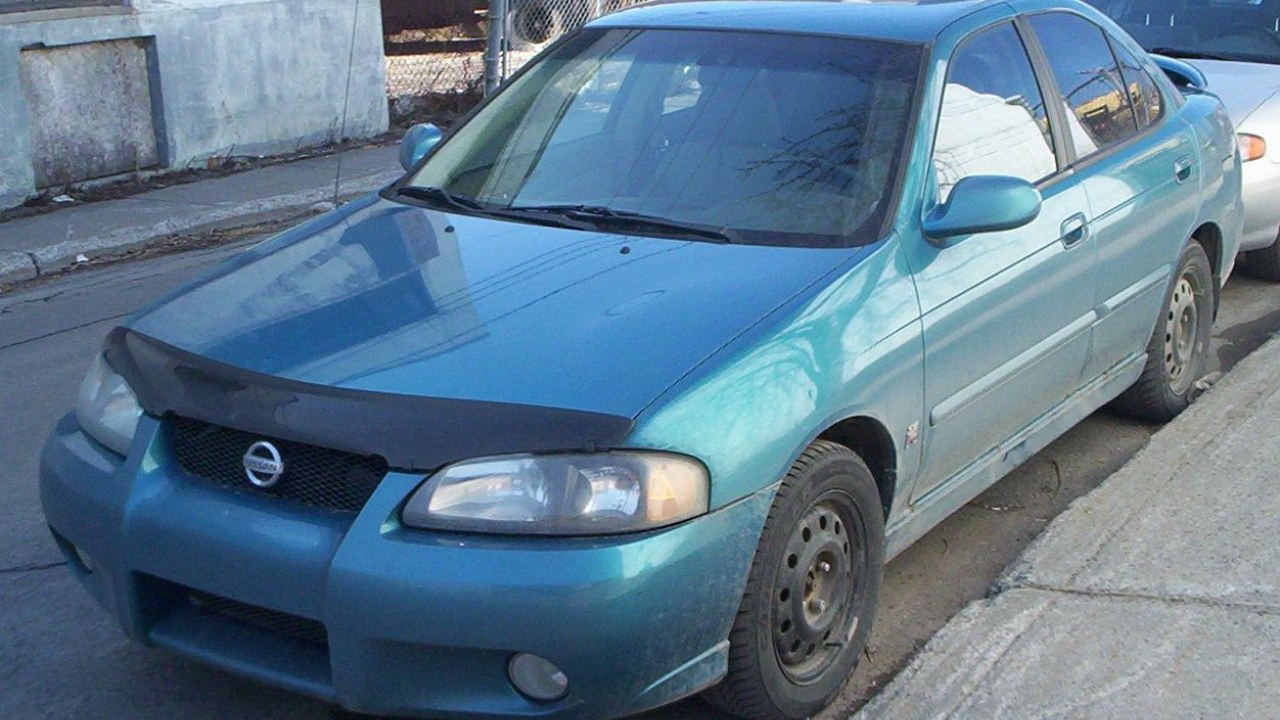
The 2002 Nissan Sentra SE-R Spec V looked like a modest compact sedan, but it was built for drivers. Its 2.5-liter dual-overhead-cam four made 175 horsepower and 180 lb-ft of torque, 10 horsepower more than the regular SE-R thanks to a specially tuned exhaust, and it came with a six-speed manual and a torque-sensing limited-slip differential.
MotorWeek recorded 0-60 mph in 7.1 seconds, a 15.5-second quarter mile at 90 mph, and a 117-foot stop from 60 mph. Stiffer springs and revised damping sharpened the handling, and at $17,539 as tested, the Spec V delivered that pace for the price of a well-equipped economy car.
6. Hyundai Veloster N

The Hyundai Veloster N is a standout in the compact performance segment, offering an engaging driving experience that rivals more established competitors. Powered by a 2.0-liter turbocharged engine producing 275 horsepower, it can achieve 0 to 60 mph in just 5.0 seconds. What sets the Veloster N apart is its adjustable suspension and exhaust system, allowing drivers to customize their driving experience. The hatchback’s unique three-door configuration adds practicality while maintaining a sporty aesthetic. Additionally, Hyundai’s focus on performance is evident in the Veloster N’s track-ready features, making it a worthy contender for enthusiasts looking for a fun and affordable option.
7. Saab 9-2X Aero

Built by Subaru and wearing a Saab badge, the 9-2X Aero was essentially an Impreza WRX underneath, and that was good news for performance. It used a turbocharged 2.0-liter horizontally opposed four with 227 horsepower and 227 lb-ft of torque, a five-speed manual, and all-wheel drive, which was the only drivetrain offered.
Consumer Guide timed Aeros at about 7 seconds to 60 mph, and The Auto Channel’s reviewer found it excellent on winding roads. He also found it more Subaru than Saab, which may explain why the 9-2X lasted just two years in the U.S. Today it’s a little-known way to get WRX speed in a less familiar wrapper.