Plenty of old pickups are remembered for their looks or their toughness, but a smaller group stands out for something else: they introduced ideas that didn’t become “normal” on trucks until years later. Some brought new drivetrain layouts to the masses, others treated interior comfort and safety as more than afterthoughts, and a few quietly changed how trucks were used on the job. Here are 18 classic trucks that genuinely pushed the segment forward.
Chevrolet Advance-Design Pickup
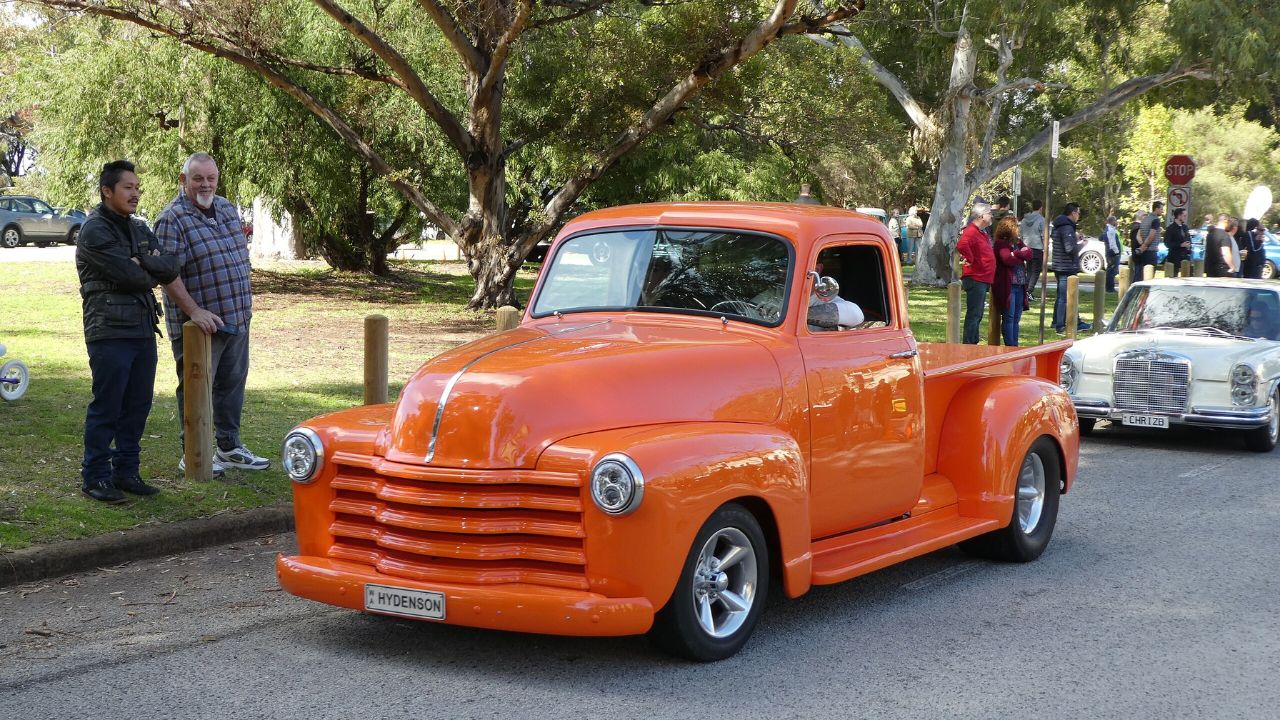
Chevrolet’s Advance-Design line arrived right after World War II with a cab that was wider and more accommodating than many prewar pickups. The emphasis on driver comfort—better visibility, more space, and a more “automobile-like” feel—helped set the template for postwar trucks that were increasingly used as daily transportation. Its popularity also helped normalize the idea that a half-ton could be both a tool and a personal vehicle.
Dodge Power Wagon (WDX)
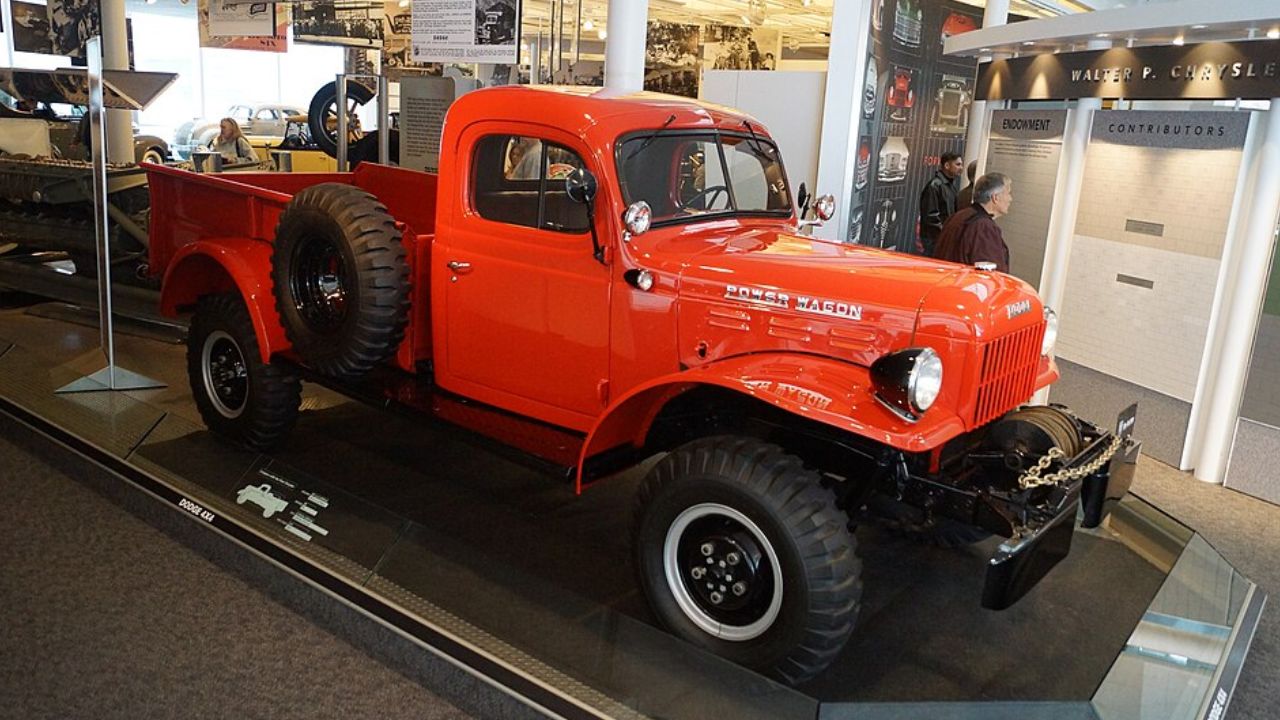
The original civilian Power Wagon took heavy-duty 4×4 hardware and made it available in a consumer truck. With its military-derived toughness, it became a benchmark for off-road capability long before “off-road packages” were a dealership checkbox item. It also helped cement the notion that four-wheel drive belonged in mainstream truck lineups, not just specialized fleets.
Chevrolet Cameo Carrier

The Cameo Carrier blended pickup utility with style cues and trim levels more commonly associated with passenger cars. It used smooth, car-like bed sides and a more upscale presentation to appeal to buyers who wanted something nicer than a work rig. That idea—treating a pickup as a personal, image-conscious vehicle—foreshadowed the later rise of lifestyle trims.
Ford Ranchero
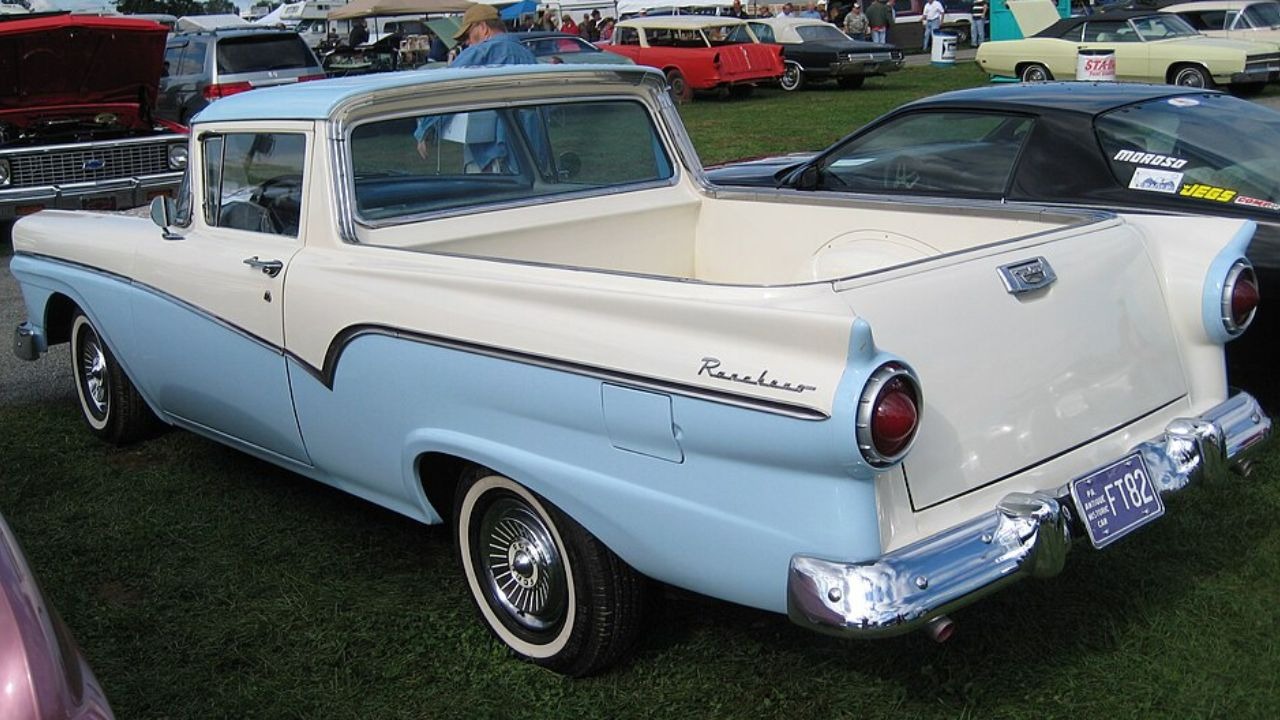
The Ranchero wasn’t a traditional body-on-frame pickup; it was a car-based utility vehicle with an integrated bed. That unibody, “pickup-car” concept anticipated later compact car-based haulers and even modern crossover-derived utility designs. It also showed there was a market for a vehicle that drove like a car but could still handle light-duty hauling.
Chevrolet C/K (C10) with Independent Front Suspension
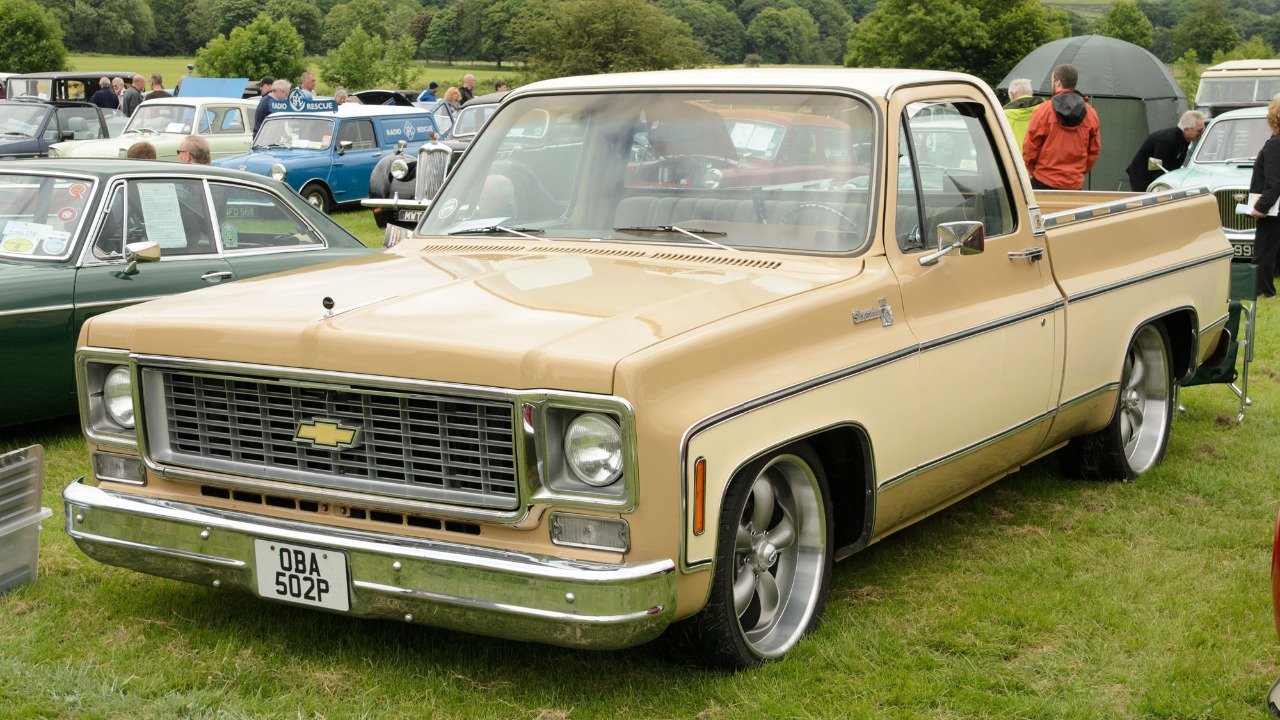
Chevrolet’s 1960 C/K introduced an independent front suspension on many models, a big shift from the solid-front-axle setups common in earlier half-tons. The result was a more comfortable ride and more controlled handling, especially on rough pavement. Over time, IFS became a major ingredient in making pickups more livable for everyday driving.
International Harvester Scout 80

The Scout 80 arrived as a compact, practical 4×4 positioned between work trucks and the Jeep-style utility vehicles of the era. Its size and versatility made it an early example of the multipurpose 4×4 that could serve commuting, recreation, and light work. The Scout helped popularize the idea that a small 4×4 could be a mainstream household vehicle.
Ford Econoline Pickup
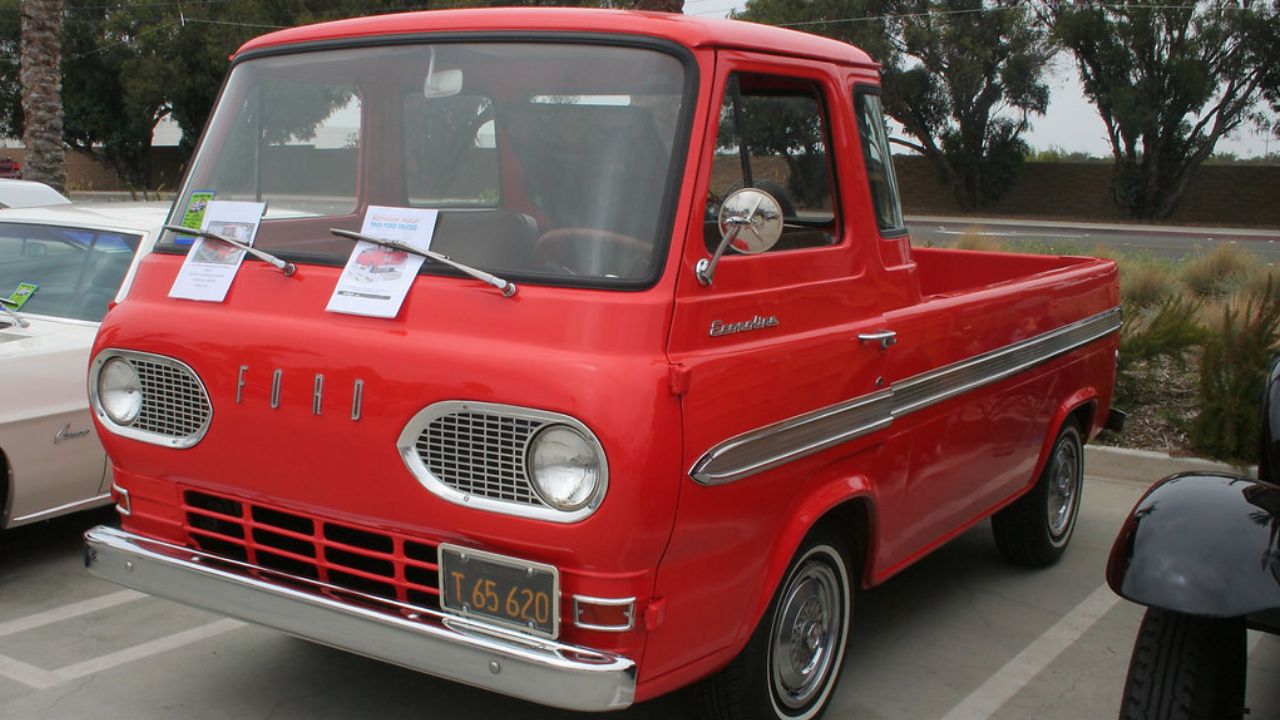
Ford’s first Econoline pickup put the engine between the seats in a cab-over-style layout, maximizing cargo bed space in a short overall length. This packaging approach was useful for urban deliveries and trades that needed maneuverability and capacity. The concept previewed the packaging benefits that would later make compact and cab-forward utility vehicles attractive in crowded cities.
Jeep Gladiator (SJ)
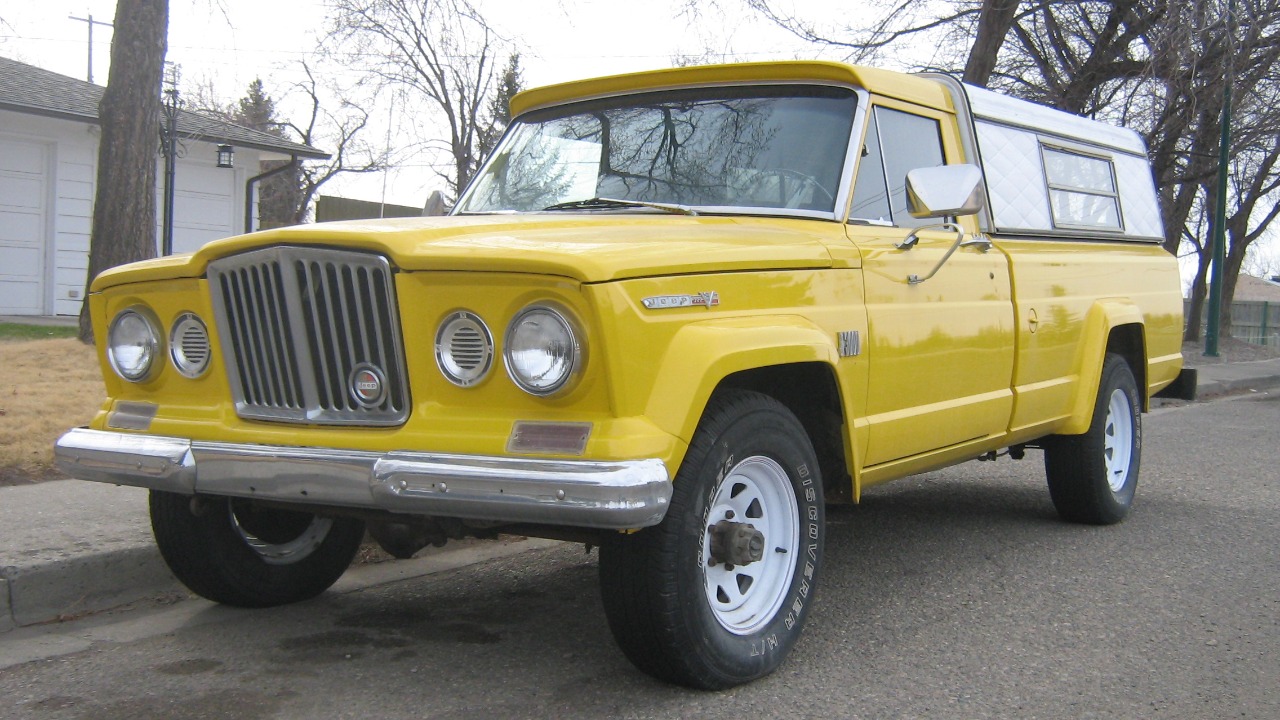
The Gladiator combined Jeep’s 4×4 credibility with a more modern, comfortable pickup platform for the time. It offered a wider range of configurations and helped bridge the gap between rugged off-road machines and more conventional full-size trucks. That blend of capability and comfort is now a core expectation in many 4×4 pickups.
Studebaker Champ
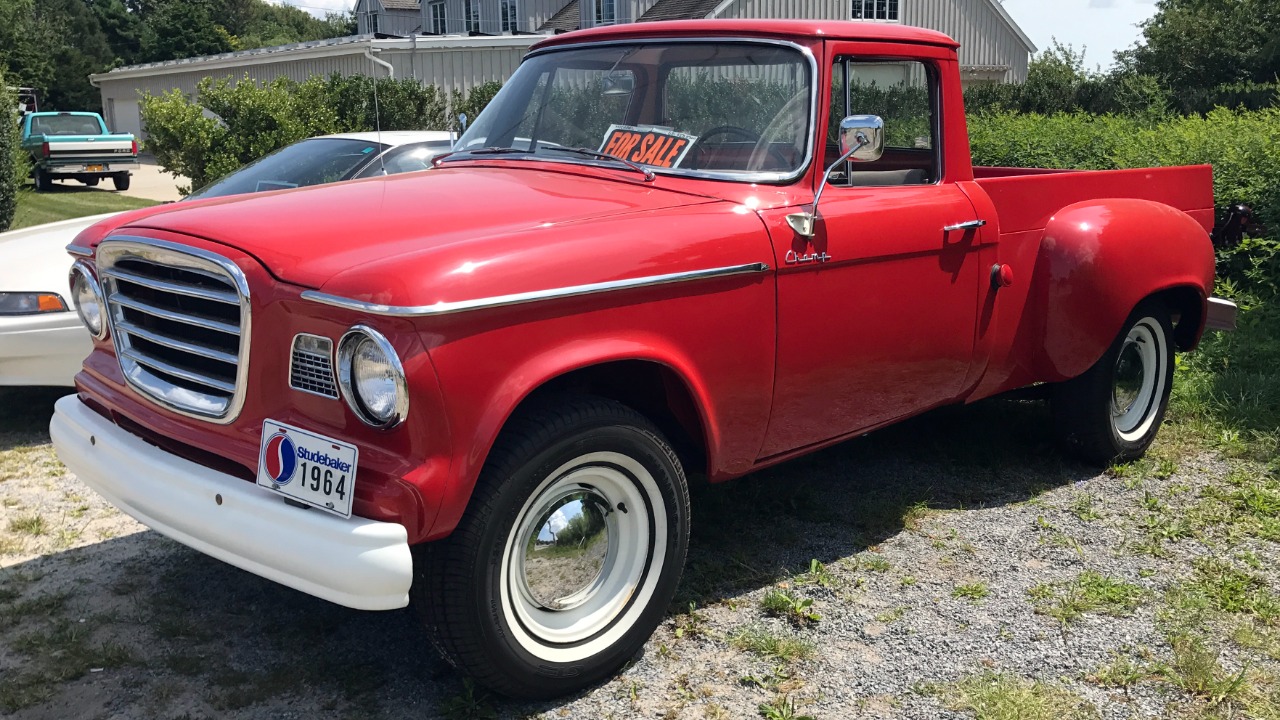
Studebaker’s Champ is remembered for clever parts-bin engineering, but it also popularized features buyers quickly appreciated, like a sliding rear cab window on many trucks. Small conveniences like that were early signs that pickups were being designed with owner comfort and practicality in mind beyond raw payload and towing. Today, cab ventilation and rear-cab utility features are taken for granted.
Toyota Stout (RK series)

The Toyota Stout helped establish the reputation of compact Japanese pickups in export markets, emphasizing durability and sensible sizing. While it wasn’t flashy, it contributed to a shift in buyer expectations about efficiency, reliability, and right-sized capability. That foundation mattered as compact and midsize trucks grew into a permanent category in many regions.
Datsun 620
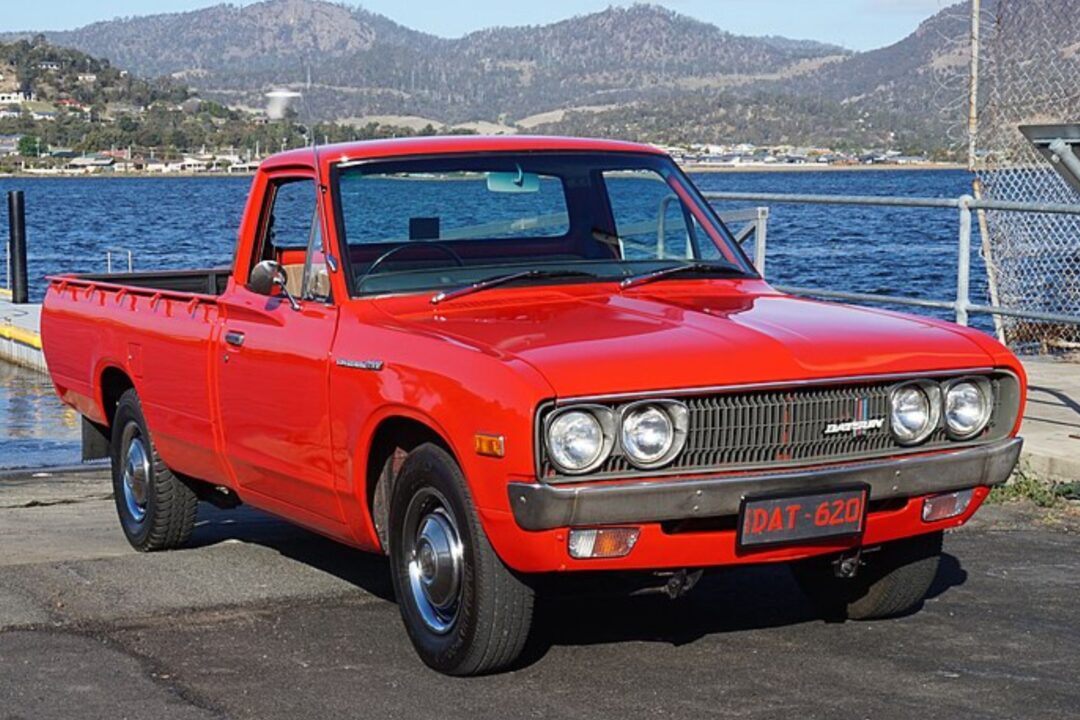
The Datsun 620 became a familiar sight because it delivered honest capability in a compact footprint, at a time when not everyone wanted a full-size truck. Its widespread use helped normalize smaller pickups as legitimate work vehicles, not just economy alternatives. The 620’s popularity also hinted at the long-term demand for trucks that are easy to park and inexpensive to run.
Dodge Ramcharger
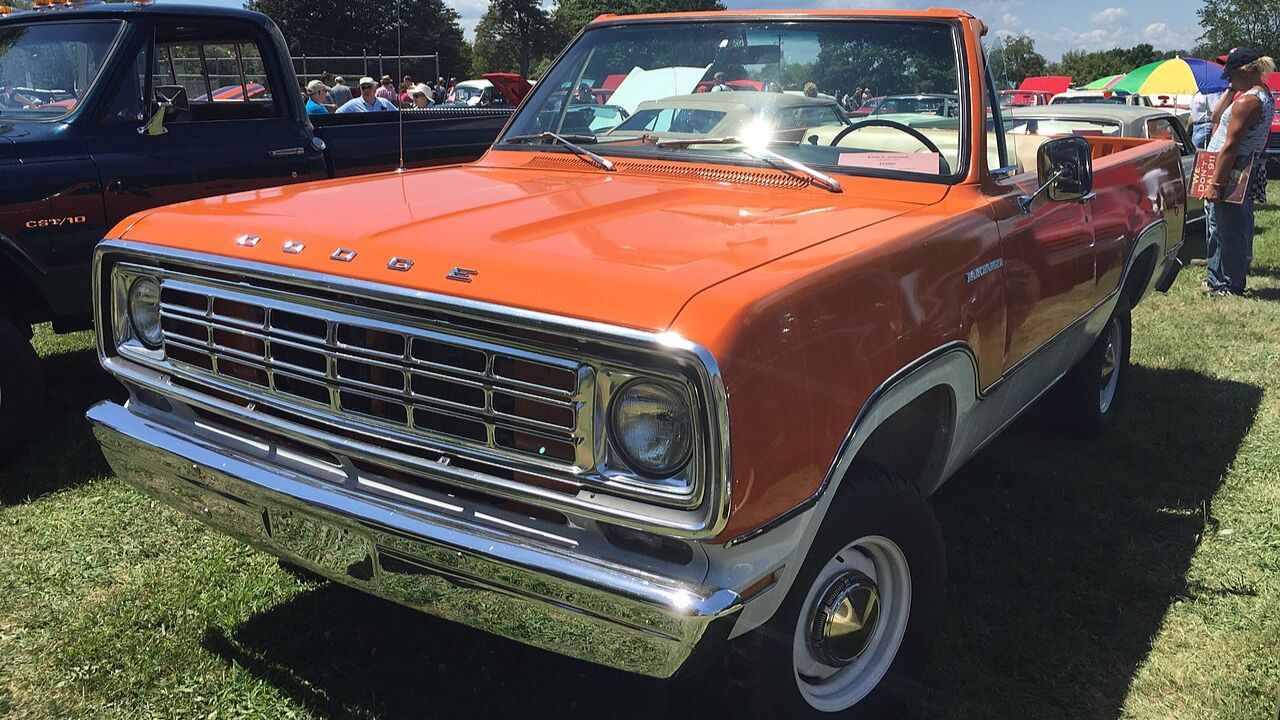
The Ramcharger helped define the full-size, two-door SUV concept based on pickup components. Built for rugged use with a big-truck stance, it pointed toward the SUV-pickup relationship that would dominate later decades. The idea that a truck platform could spawn multiple body styles for different lifestyles became a major industry playbook.
Toyota Hilux
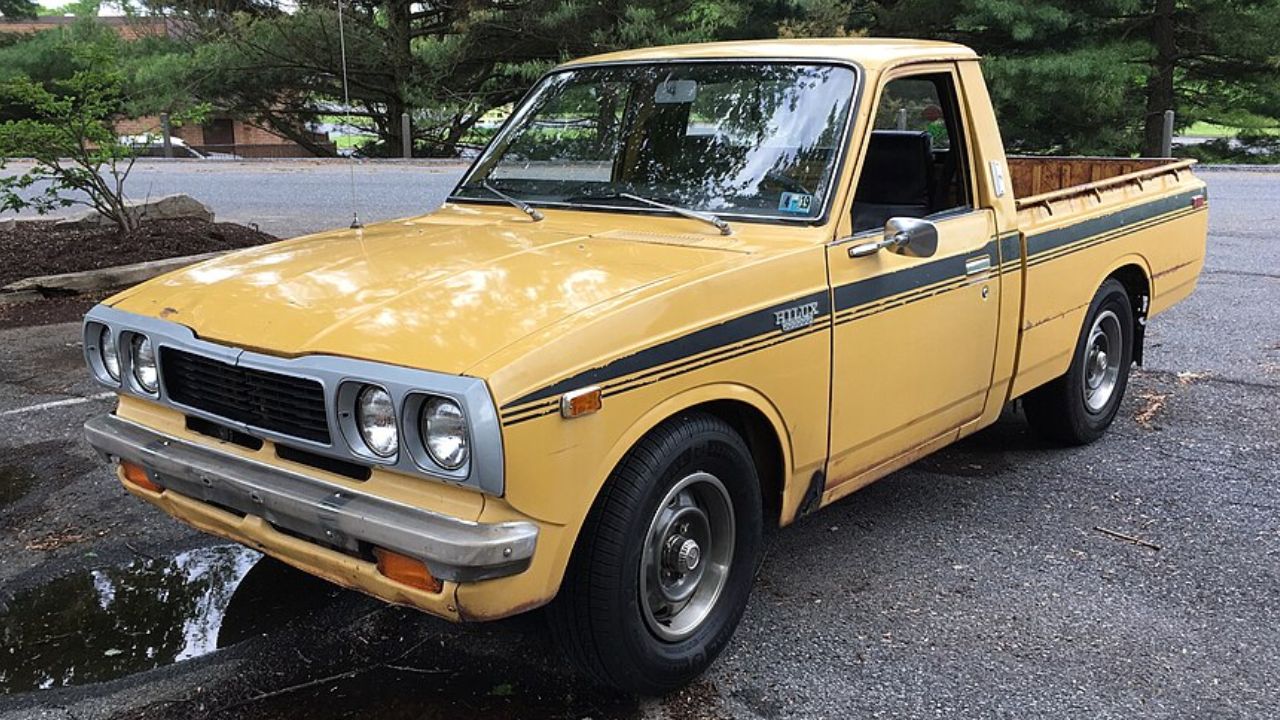
By the mid-’70s, the Hilux was refining the compact pickup formula with a reputation for toughness that resonated far beyond its size class. Its straightforward engineering and global presence helped establish compact pickups as long-term keepers. That durability-first ethos would influence how many buyers compared trucks for decades afterward.
Volkswagen Rabbit Pickup (Caddy)
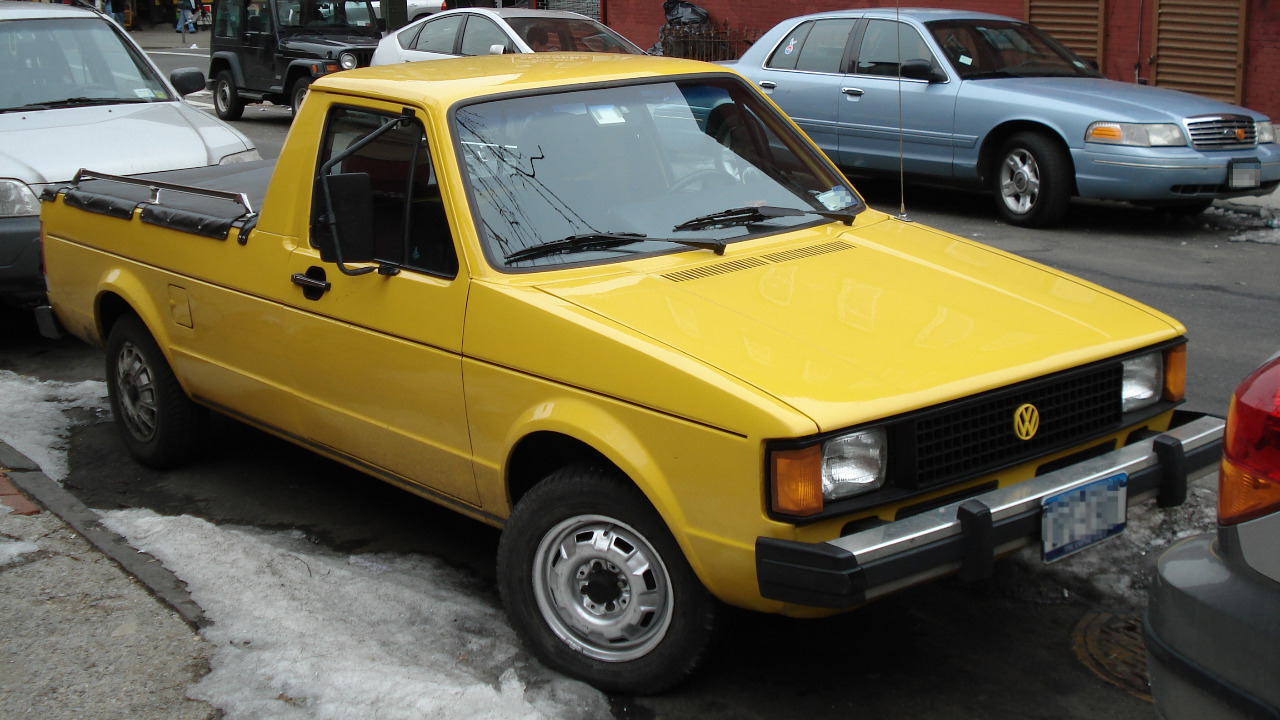
The Rabbit Pickup brought a front-wheel-drive, car-based approach to small-truck utility. It drove like an economy car but offered an open bed for light hauling, a mix that appealed to commuters, small businesses, and DIY owners. That formula—car manners with utility—looks a lot like what later compact lifestyle trucks tried to recapture.
Toyota Pickup (Hilux) Xtracab
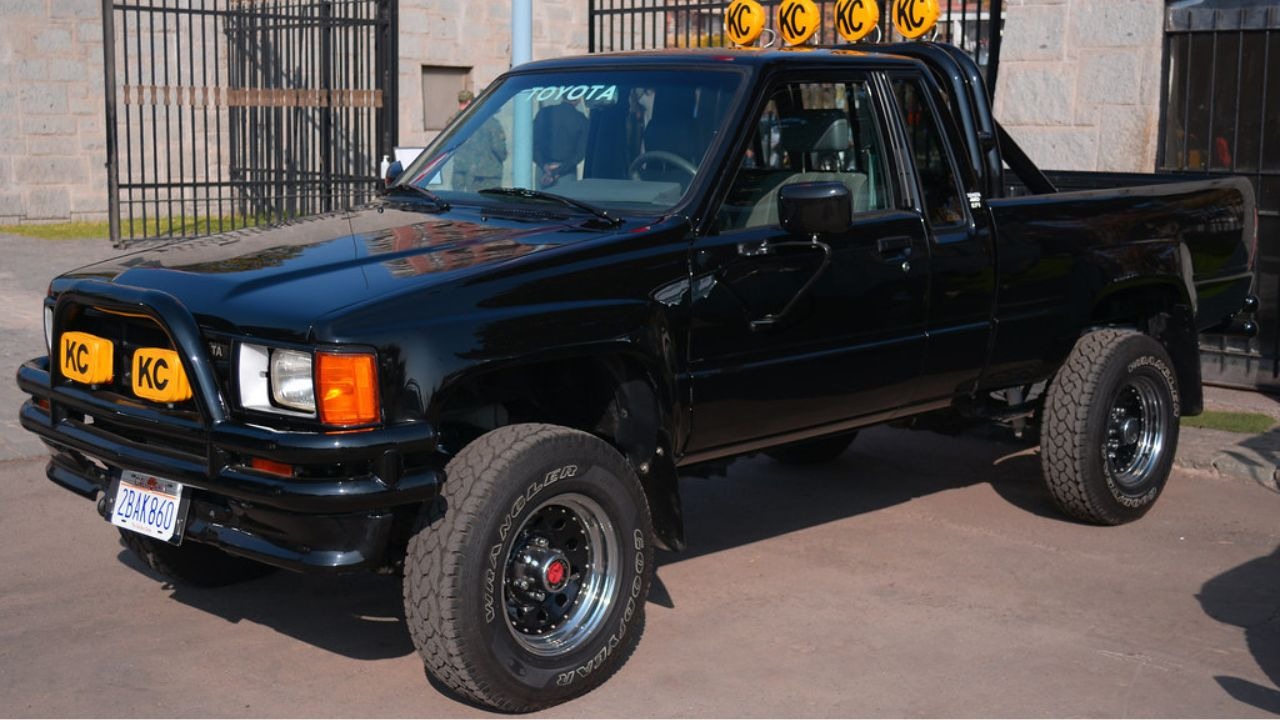
Toyota’s extended-cab idea added behind-the-seat space without moving to a full four-door layout. It was a practical compromise for owners who needed lockable storage or occasional passenger space while keeping the truck compact. Extended cabs became a major stepping stone toward today’s crew-cab-dominated market.
Dodge Ram Cummins
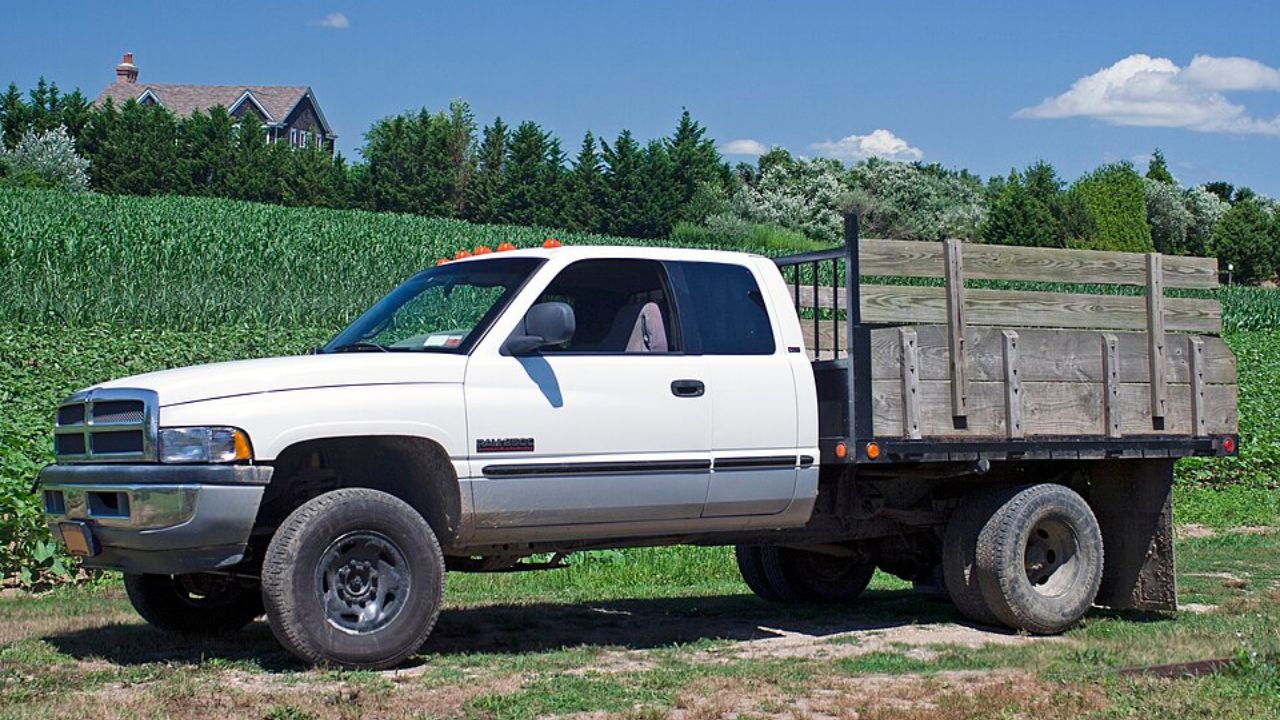
Putting a Cummins turbo-diesel into a consumer pickup helped transform the diesel pickup market in the U.S. It brought heavy-duty, long-haul diesel appeal to mainstream truck buyers and helped spark an era where diesel torque became a selling point beyond commercial fleets. The ripple effects showed up quickly as competitors doubled down on diesel options.
GMC Syclone

The Syclone took a compact pickup and turned it into a serious performance machine, proving trucks could be quick in a way that wasn’t just about big V8s. With all-wheel drive and turbocharged power, it challenged the idea that pickups had to be slow, utilitarian boxes. It also hinted at the later rise of factory high-performance trucks and sport-tuned trims.
Ford SVT Lightning
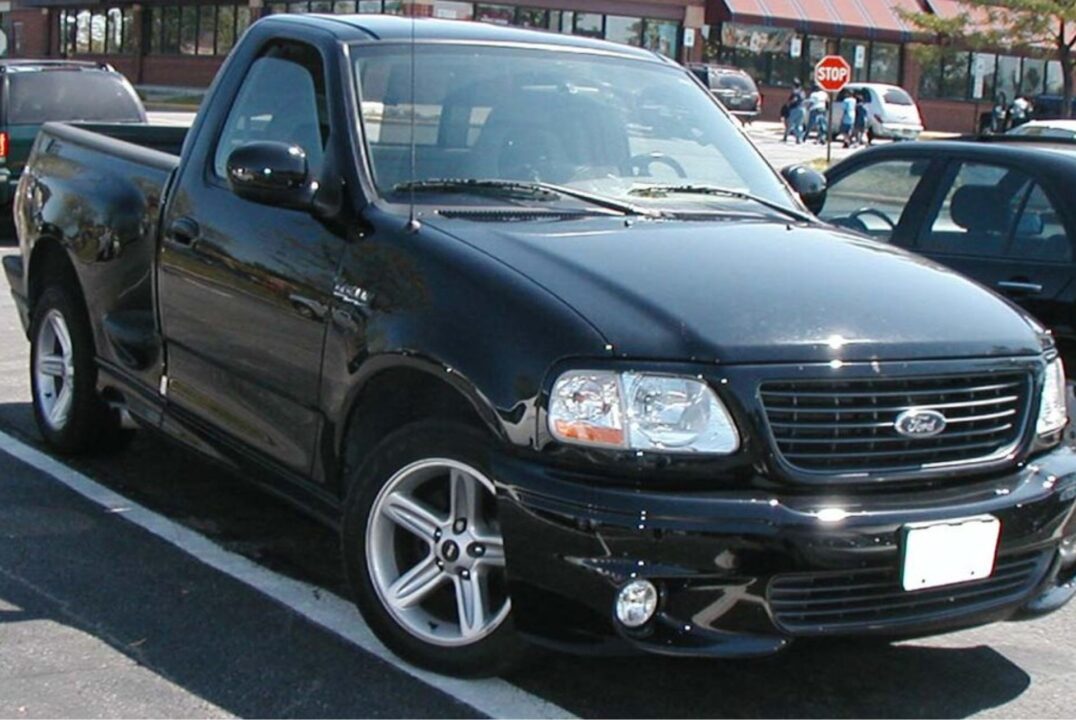
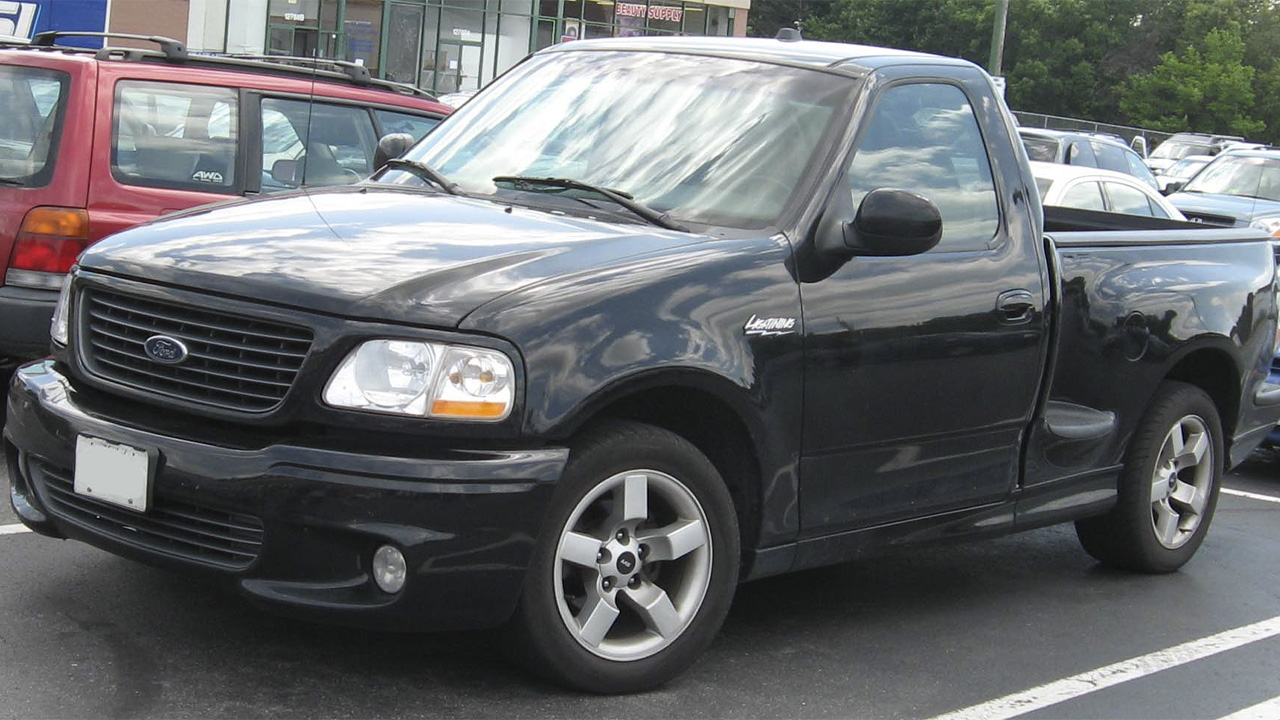
Ford’s first SVT Lightning offered a factory-built, street-focused performance pickup with suspension and drivetrain tuning aimed at real driving fun. It helped legitimize the concept of a performance truck sold through normal channels with factory backing. That approach paved the way for later sport trucks that balanced handling, braking, and power rather than relying solely on straight-line muscle.
What ties these trucks together isn’t just nostalgia—it’s that each one introduced a twist that later became common, whether it was packaging, comfort, drivetrain choices, or a new idea of what a truck could be. Looking back makes it clear the pickup world didn’t change all at once; it evolved because a handful of models took risks that buyers ultimately rewarded.
More from Fast Lane Only
- Unboxing the WWII Jeep in a Crate
- 15 rare Chevys collectors are quietly buying
- 10 underrated V8s still worth hunting down
- Police notice this before you even roll window down
*Research for this article included AI assistance, with all final content reviewed by human editors