The toughest engines are not always the most powerful. Some earned their reputations by surviving heavy workloads, poor conditions, high mileage, and years of demanding service. From work trucks to everyday cars, these engines became known for durability and simple engineering. Here are 18 engines remembered for continuing to run when others struggled.
Toyota 2JZ-GE

The Toyota 2JZ-GE became famous for its strong bottom end and ability to handle high mileage. Used in several Toyota and Lexus models, it combined a cast-iron block with a straightforward inline-six layout. Even when subjected to demanding daily driving, the engine developed a reputation for lasting for years with proper maintenance. Its naturally aspirated design also avoided some of the added complexity associated with turbocharging. The 2JZ-GE remains respected because it could deliver smooth performance while surviving the kind of mileage that wears out lesser engines.
Mercedes-Benz OM617
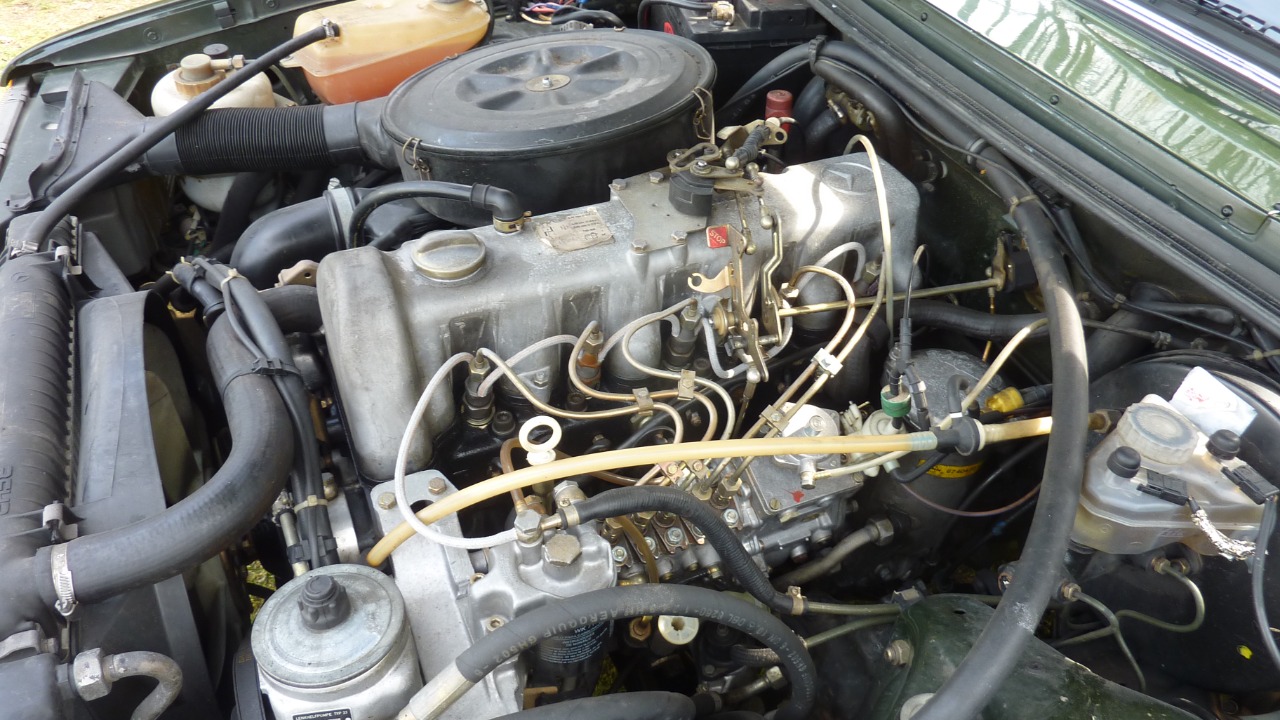
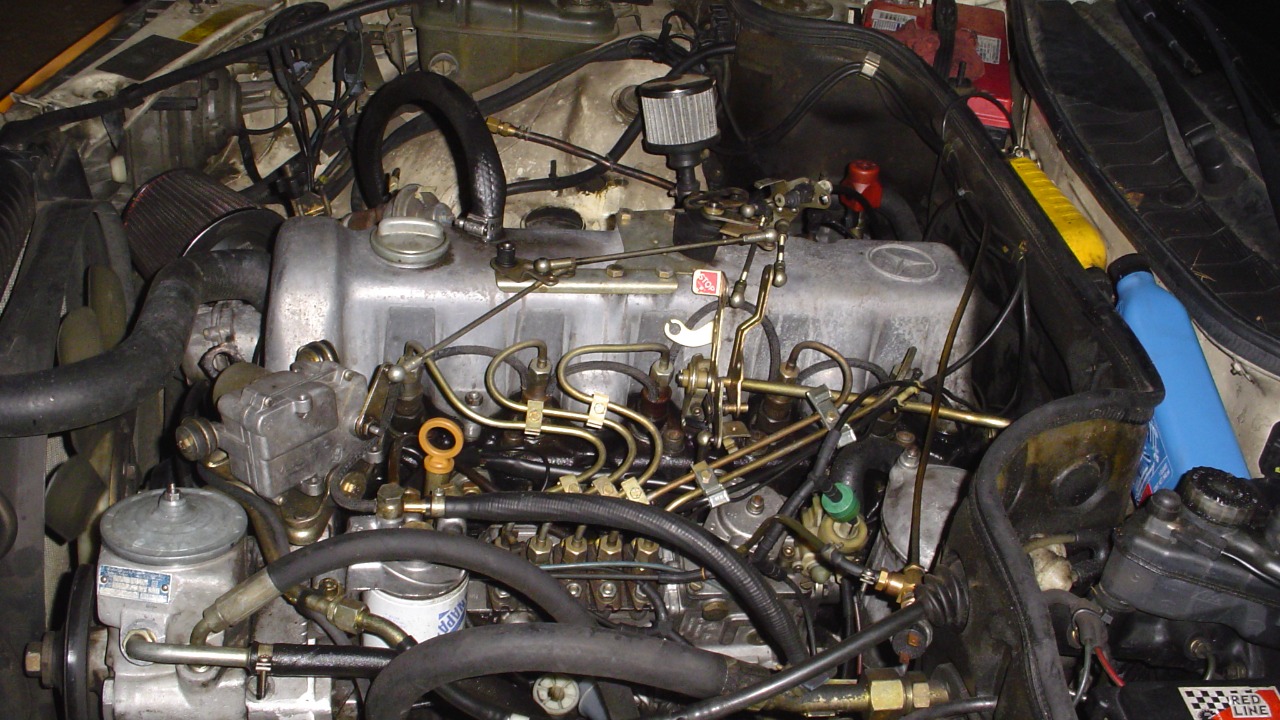
The Mercedes-Benz OM617 diesel became one of the best-known examples of old-school diesel durability. Produced through the 1970s and 1980s, the five-cylinder engine powered cars that were often used for long-distance driving and heavy daily service. Its mechanical fuel injection and relatively simple construction made it easier to maintain than many later diesel designs. Owners frequently praised its ability to keep running despite extremely high mileage. The OM617 was not particularly quick, but its combination of strong construction, simple systems, and dependable operation made it a legendary long-distance engine.
Toyota 1HZ
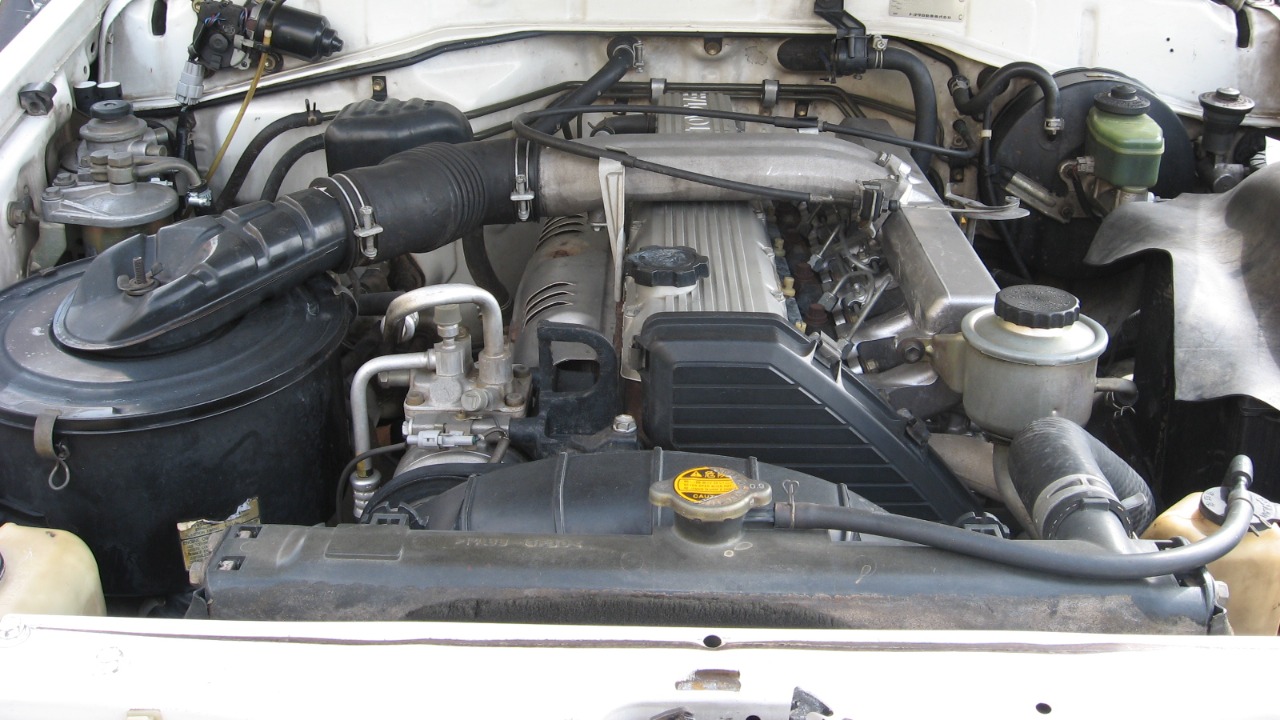
The Toyota 1HZ diesel was designed with durability as a major priority. Its naturally aspirated 4.2-liter inline-six became especially well known in the Land Cruiser family, where engines could face rough roads, extreme temperatures, and long working hours. The 1HZ sacrificed performance for simplicity and dependable operation. With relatively modest power output and a straightforward design, it could handle demanding service without relying on complicated electronics or turbocharging. Its reputation among commercial and off-road users comes largely from its ability to keep working for years under conditions that are difficult for many passenger-car engines.
Cummins 6BT 5.9
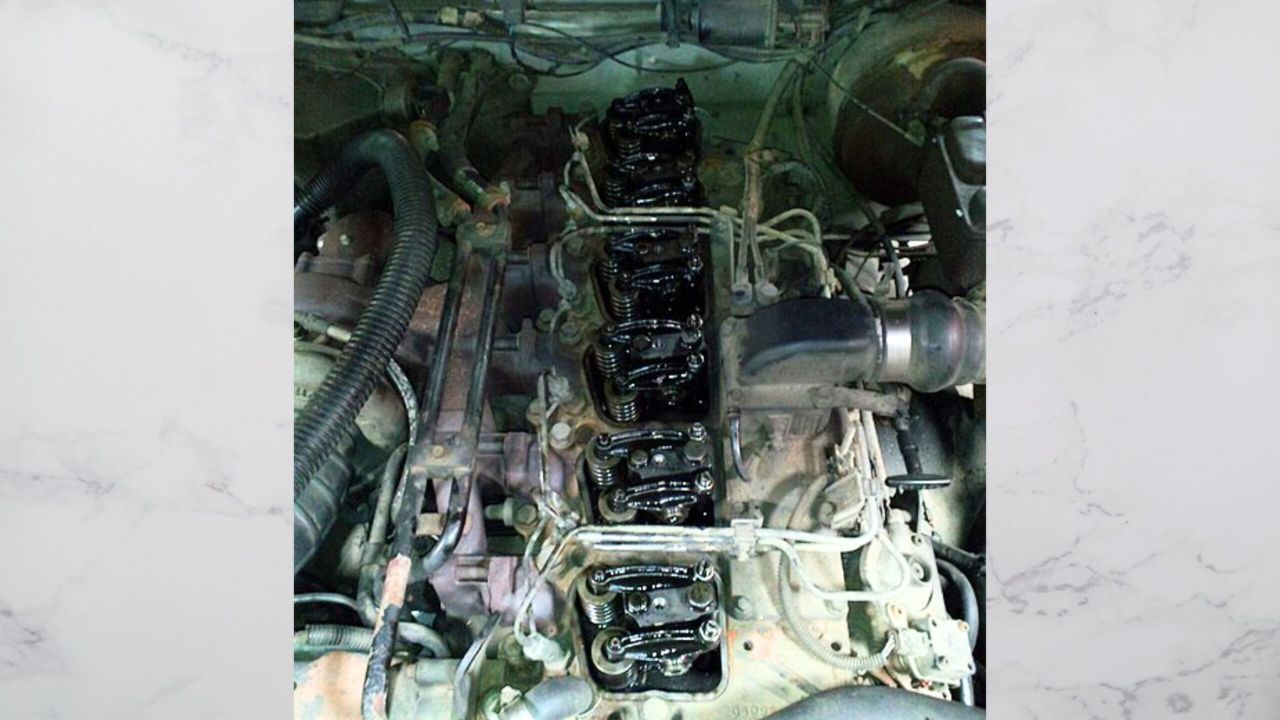
The Cummins 6BT 5.9 became famous in pickup trucks and commercial applications because of its rugged construction. Its inline-six layout, cast-iron block, and mechanical versions of the fuel system gave it a reputation for handling hard work. The engine was used in Dodge Ram pickups as well as industrial equipment, where long operating hours were common. Properly maintained examples could accumulate very high mileage while continuing to provide useful torque. The 6BT became particularly respected because its design was focused more on durability and work capability than on lightweight construction or complicated technology.
Detroit Diesel 6V92
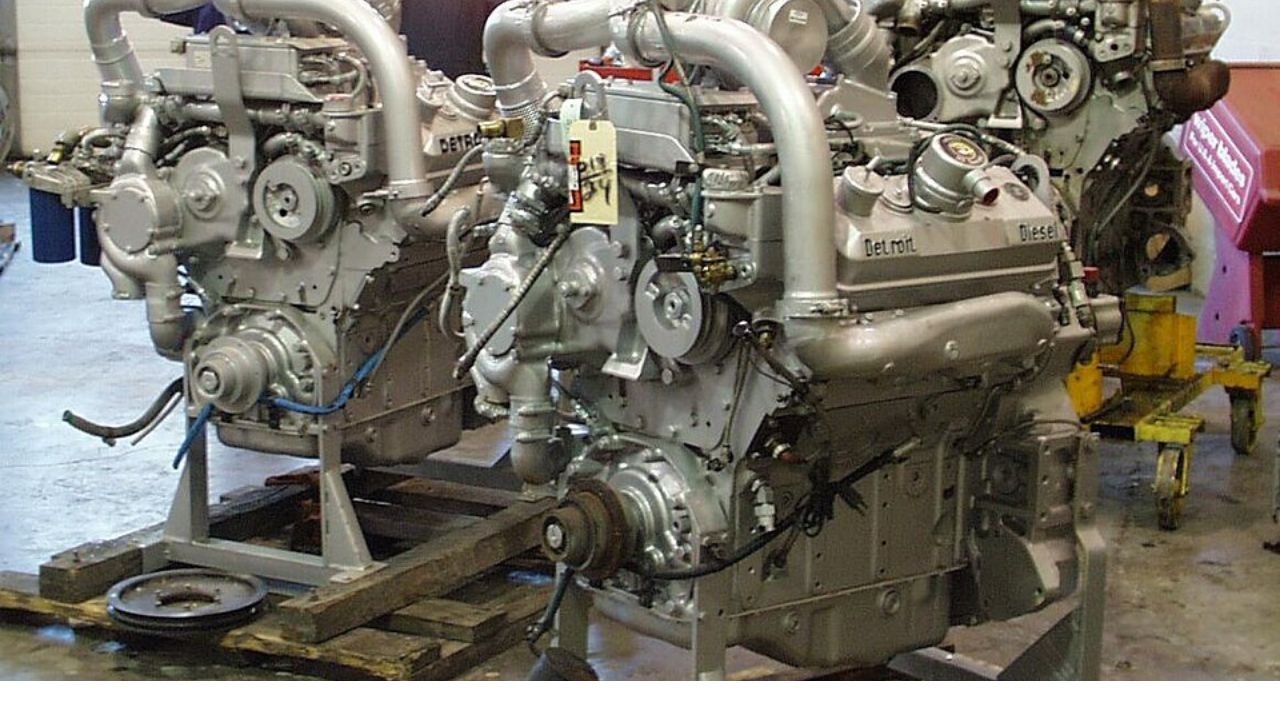
The Detroit Diesel 6V92 was designed for demanding commercial applications where engines could spend long periods under heavy load. Its two-stroke V6 diesel configuration was used in buses, trucks, and industrial equipment. The engine became known for its distinctive sound and strong working character. Fleet operators valued engines that could be serviced repeatedly and kept working in demanding conditions, and the 6V92 fit that role. Although its design was very different from modern diesels, its straightforward service requirements and heavy-duty construction helped it earn a reputation as a serious workhorse.
Toyota 22R-E
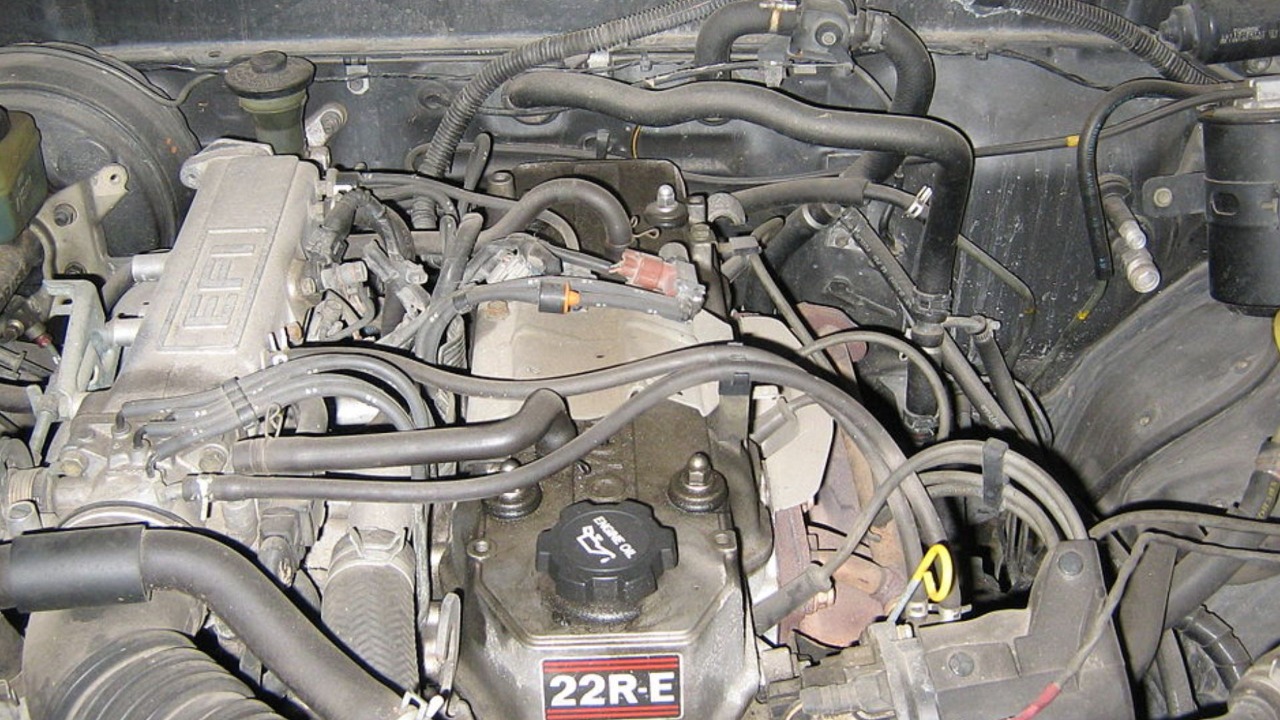
The Toyota 22R-E became a favorite among pickup owners because of its simple design and long service life. Introduced as an electronically fuel-injected version of Toyota’s 22R family, it powered many compact pickups and sport-utility vehicles. The engine was not built for huge power, but its straightforward construction made it suitable for everyday work and off-road use. Regular maintenance could allow these engines to accumulate impressive mileage. The 22R-E also benefited from Toyota’s focus on practical engineering, making it one of the engines frequently remembered for continuing to operate after years of demanding use.
Honda K24
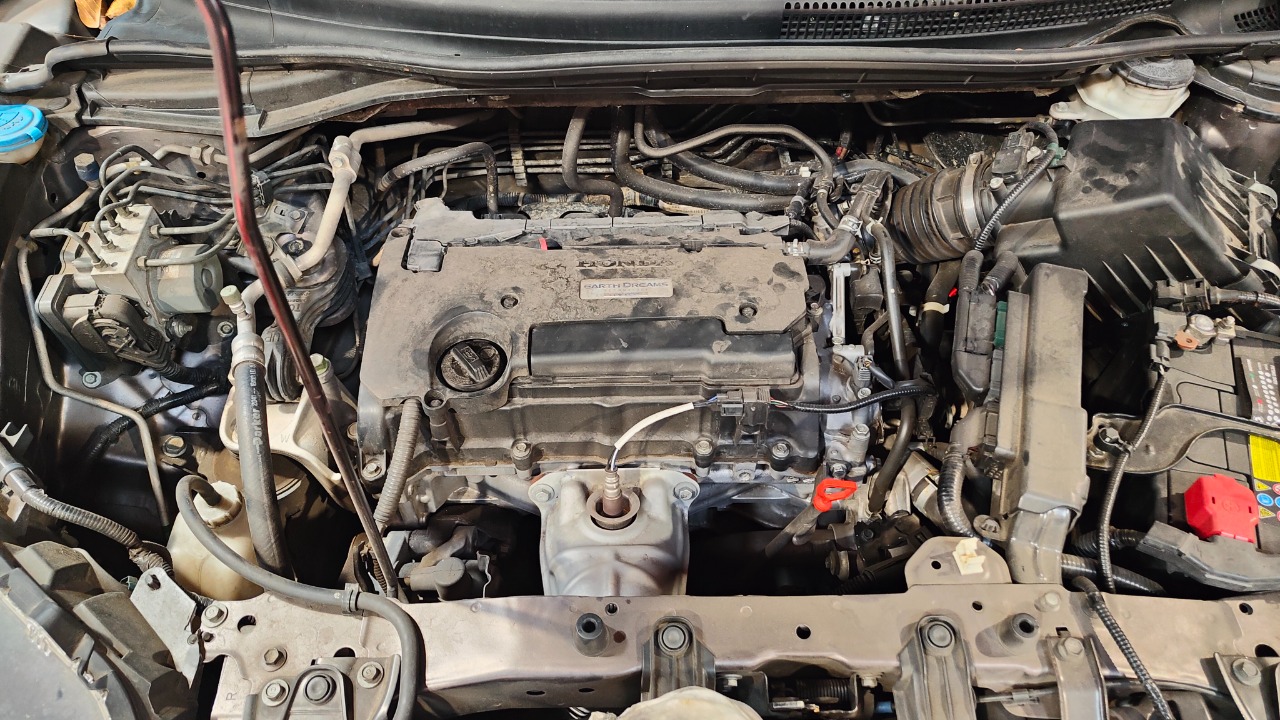
The Honda K24 combined modern technology with a reputation for durability. Its 2.4-liter four-cylinder design appeared in numerous Honda and Acura models, where it served everything from daily commuting to family transportation. The engine’s aluminum construction, efficient design, and widespread parts availability helped make it practical to maintain. K24 engines can accumulate substantial mileage when oil changes and other routine service are handled properly. Unlike some high-strung performance engines, the K24 was designed for broad everyday use, which helped it develop a reputation for surviving years of regular driving without excessive drama.
Volvo B230F
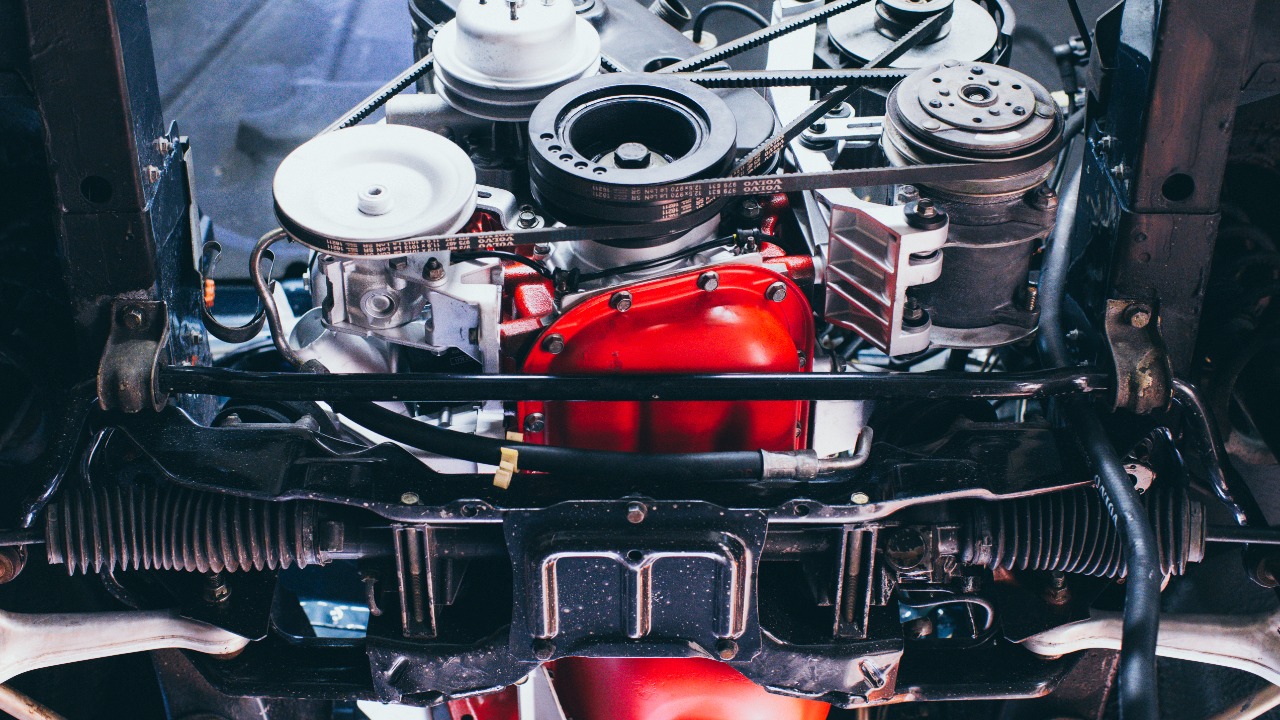
The Volvo B230F became closely associated with the durability of older Volvo cars. This naturally aspirated 2.3-liter four-cylinder was used extensively during the 1980s and 1990s. Its relatively simple construction, conservative output, and strong reputation for longevity made it a favorite among owners who wanted dependable transportation. The engine was not designed to dominate performance charts, but that was part of its appeal. With proper maintenance, B230F-powered Volvos could continue operating for very high mileage. Its reputation reflects an era when manufacturers often prioritized straightforward mechanical durability over maximum power and complexity.
Oldsmobile 307
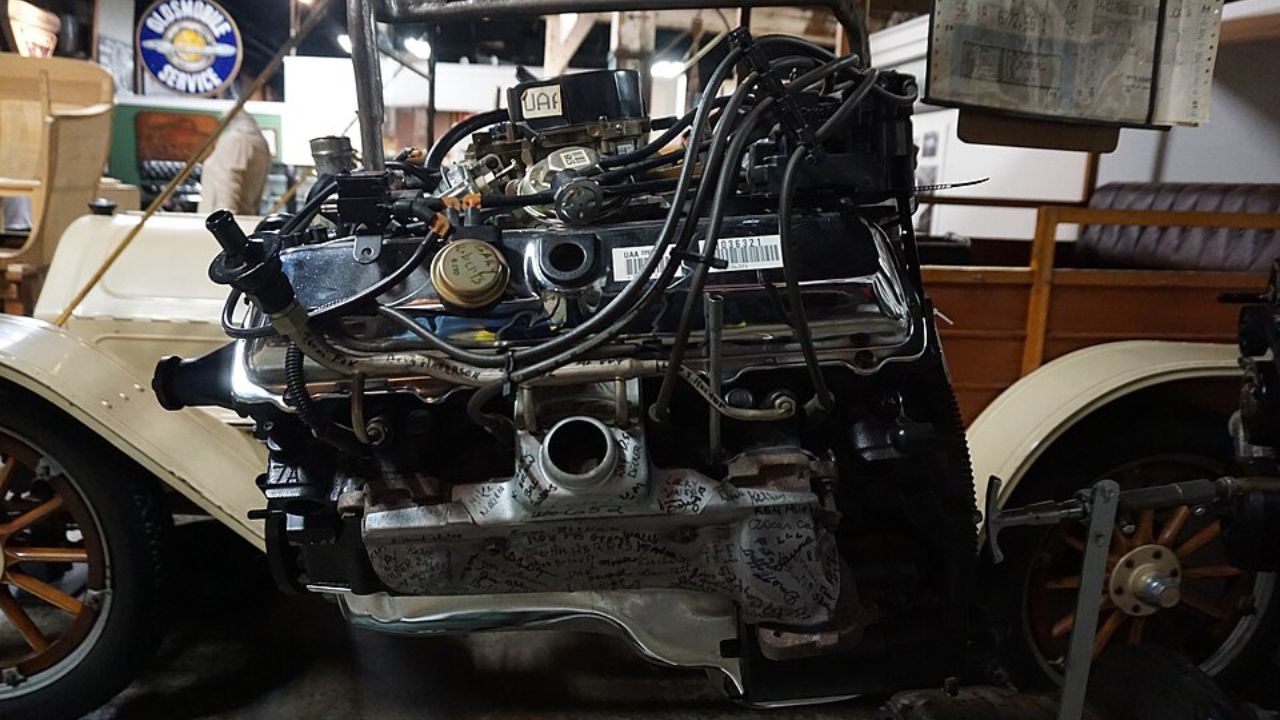
The Oldsmobile 307 was a relatively modest V8, but its conservative design helped it survive years of everyday use. Introduced during an era when manufacturers were moving toward lower emissions and improved fuel economy, the 5.0-liter engine powered numerous Oldsmobile, Buick, Pontiac, and other GM vehicles. It was not known for huge performance numbers, but its simple pushrod layout and widespread parts availability made it easy to maintain. Many examples spent years in daily drivers, family cars, and full-size vehicles, giving the 307 a reputation as a practical long-service V8.
Toyota 1UZ-FE
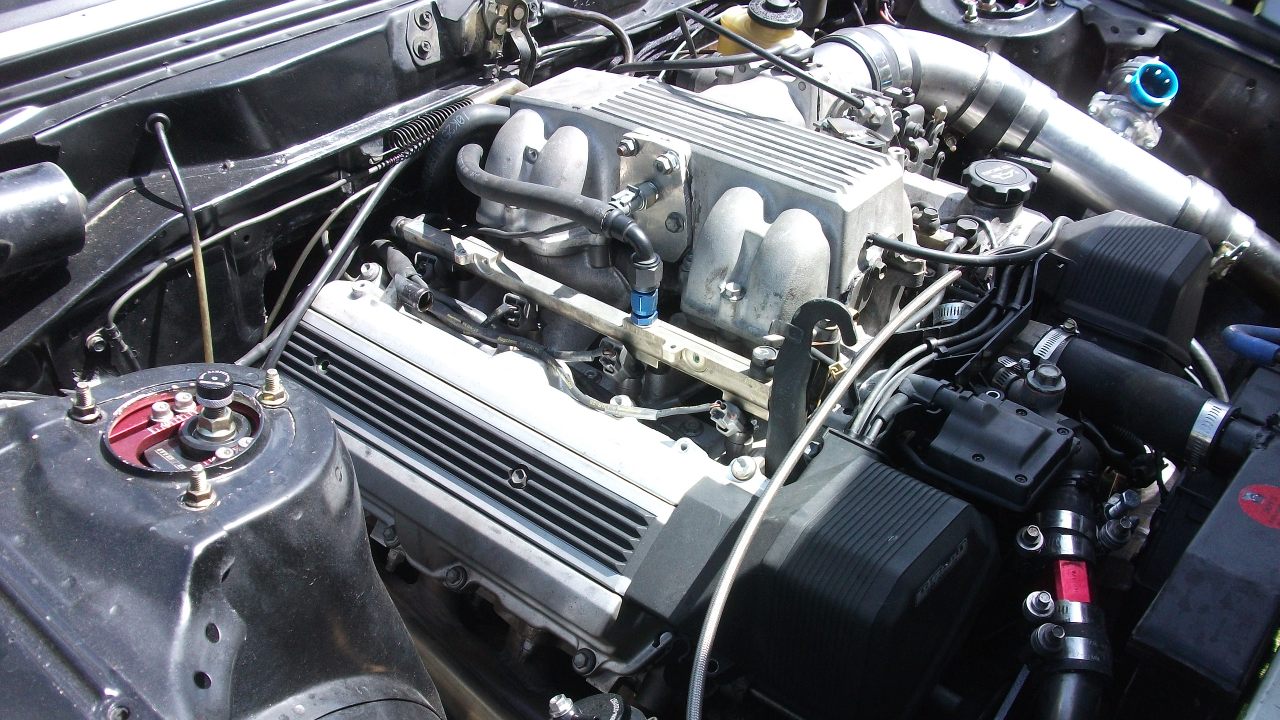
The Toyota 1UZ-FE showed that a durable engine did not have to be a basic four-cylinder or diesel. Introduced in the late 1980s, this 4.0-liter V8 powered luxury Lexus and Toyota models. Its aluminum construction, smooth operation, and strong internal design helped it earn a reputation for longevity. The engine was engineered for refinement, but it also proved capable of handling high mileage when maintained correctly. Because it was used in vehicles where smoothness and reliability were important, the 1UZ-FE became one of Toyota’s most respected V8 designs from the era.
Chevrolet 350 Small-Block
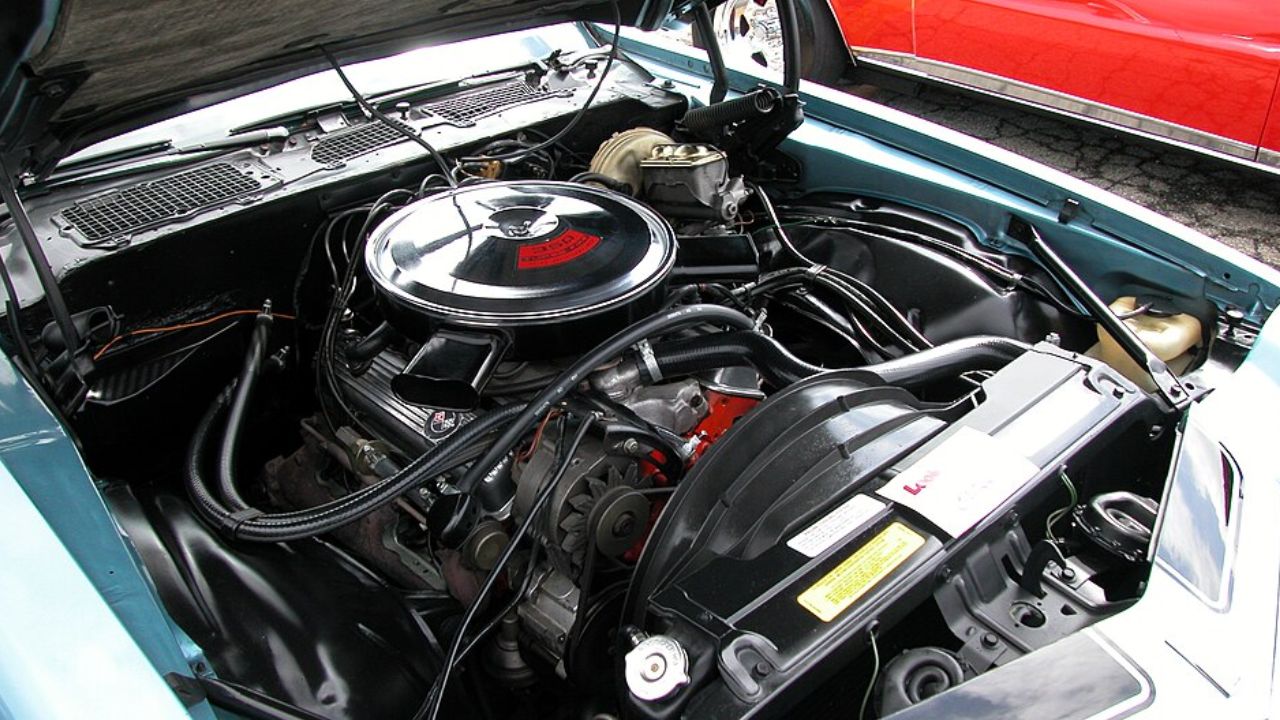
The Chevrolet 350 small-block became one of the most widely used V8 engines in American automotive history. Its simple architecture, enormous parts availability, and straightforward maintenance made it suitable for cars, pickups, vans, boats, and industrial applications. The engine appeared in many different configurations, ranging from mild everyday versions to performance builds. Its widespread use also meant mechanics became extremely familiar with its design. When properly maintained, a stock 350 could handle years of everyday driving and work. Its reputation for durability was strengthened by how easy it was to repair and rebuild.
Ford 300 Inline-Six
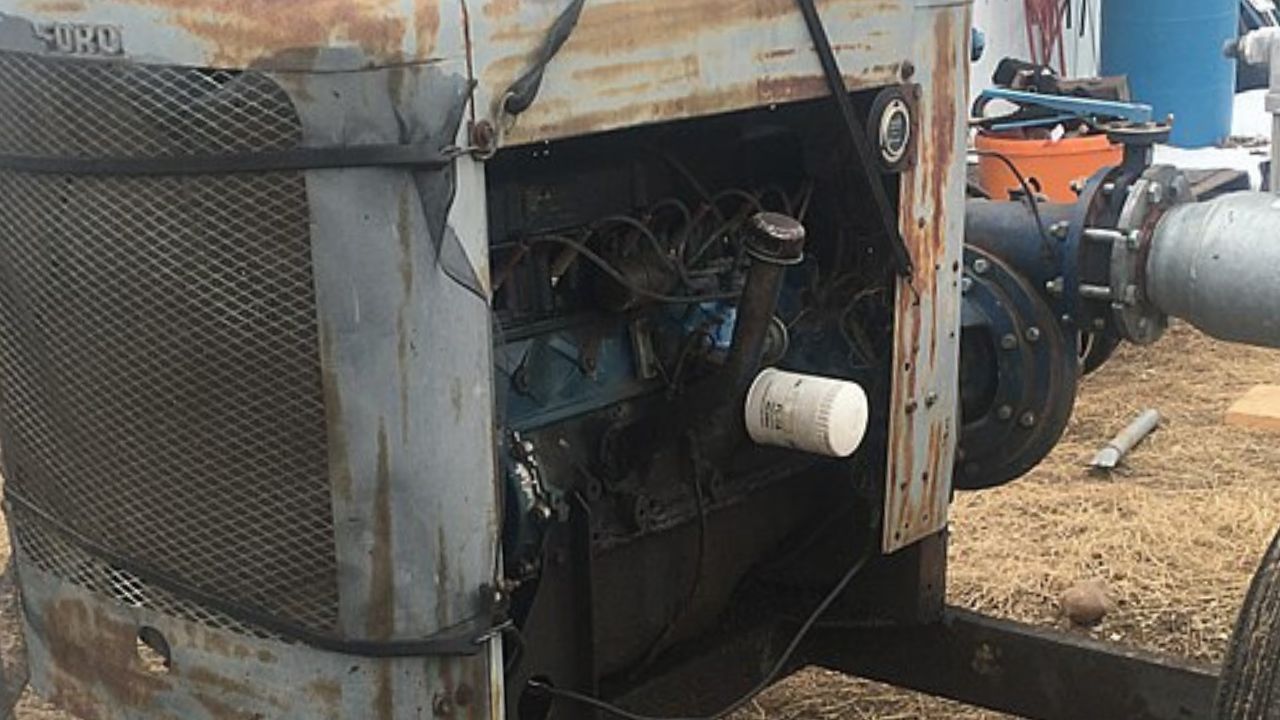
The Ford 300 inline-six became legendary among pickup owners for its ability to perform work without demanding much attention. Used extensively in Ford trucks, the 4.9-liter engine produced modest horsepower but strong low-speed torque. Its simple design and sturdy construction made it particularly well suited to hauling, towing, farming, and other demanding jobs. The engine became famous for continuing to operate through years of hard service. It was never intended to be a performance engine, but its combination of simplicity, durability, and useful torque made it one of Ford’s most respected workhorse engines.
Toyota 3RZ-FE
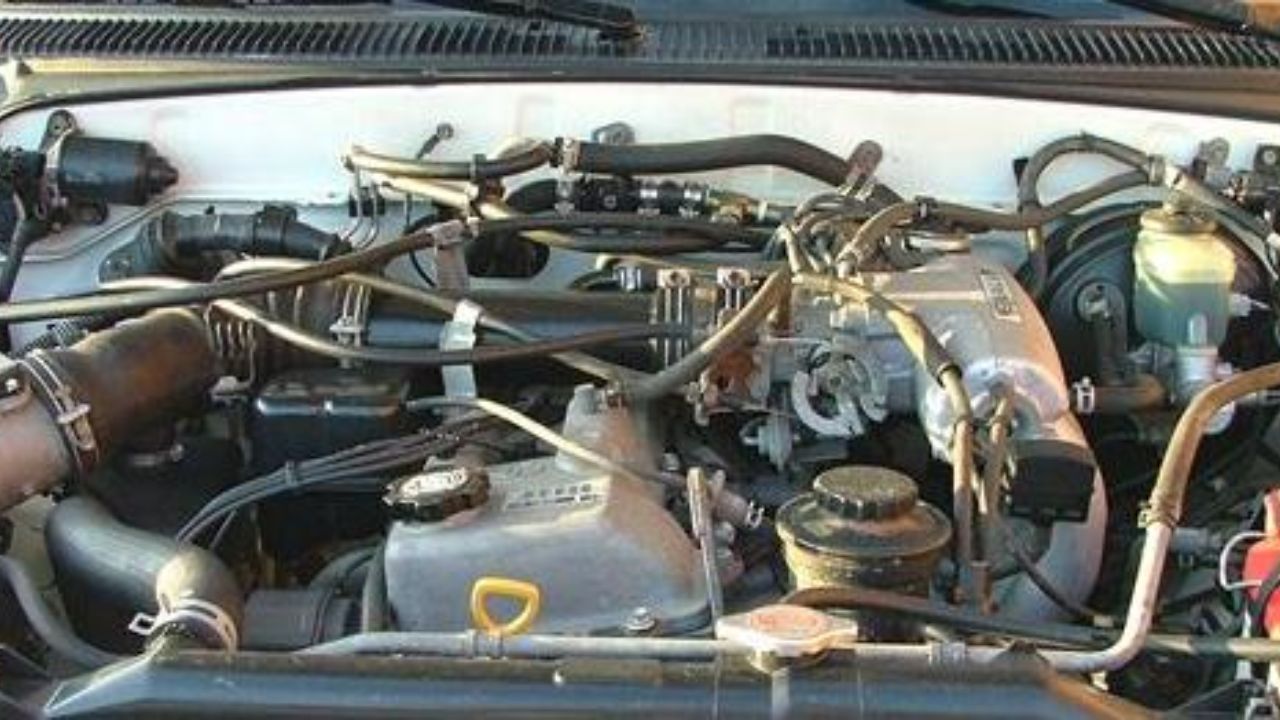
The Toyota 3RZ-FE became a dependable choice for compact and midsize trucks and sport-utility vehicles. Its 2.7-liter four-cylinder engine used a relatively simple design while providing useful torque for hauling and off-road driving. It appeared in vehicles such as the Tacoma and 4Runner, where owners often expected their engines to handle difficult conditions. The 3RZ-FE was not a high-performance engine, but its balance of strength, simplicity, and practical output helped it develop a strong durability reputation. Proper maintenance allowed many examples to continue serving reliably for years.
Toyota 3S-FE
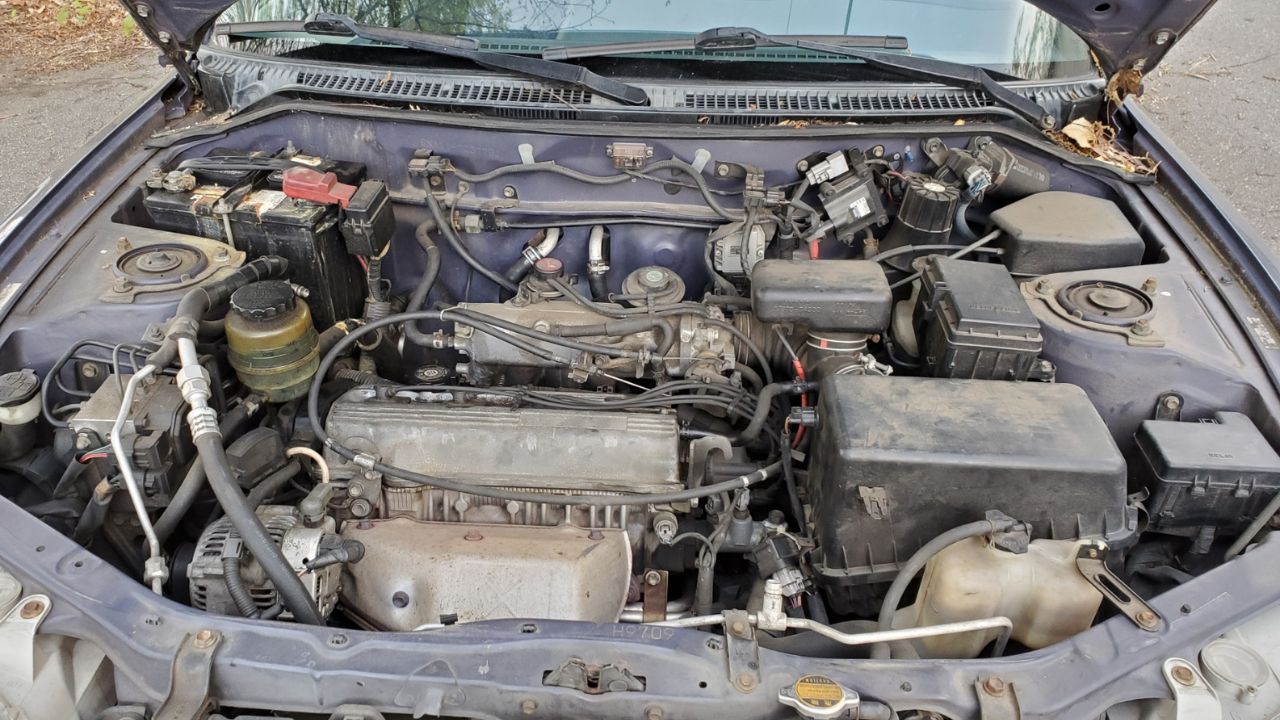
The Toyota 3S-FE became known for its dependable service in a wide range of Toyota models. This 2.0-liter four-cylinder was designed primarily for everyday transportation, using a relatively straightforward layout that made routine maintenance manageable. It powered sedans, wagons, and other vehicles that often accumulated high mileage through regular daily use. The engine was not focused on extreme performance, which helped keep its design practical and durable. With proper servicing, many 3S-FE engines continued running reliably for years, making them a familiar example of Toyota’s long-lasting four-cylinder engineering.78
Mercedes-Benz OM606
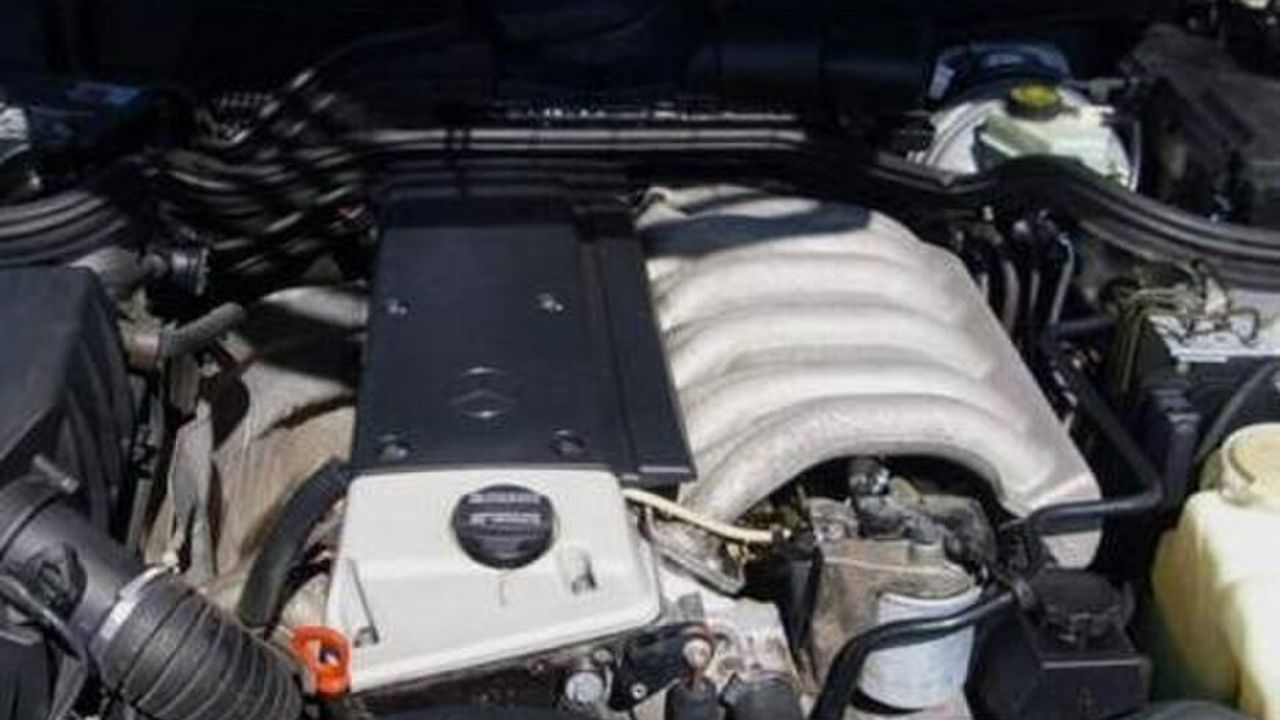
The Mercedes-Benz OM606 was a sophisticated diesel for its time, yet it developed a strong reputation for durability. Its 3.0-liter inline-six design appeared in Mercedes-Benz passenger cars and combined smooth operation with substantial mechanical strength. Later turbocharged versions offered significantly more performance while retaining the basic architecture. Enthusiasts became particularly interested in the engine because of its ability to tolerate demanding use when properly maintained. Although more complex than earlier Mercedes diesels, the OM606 demonstrated that an engine could provide strong performance while still earning a reputation for long-term service.
BMW M57
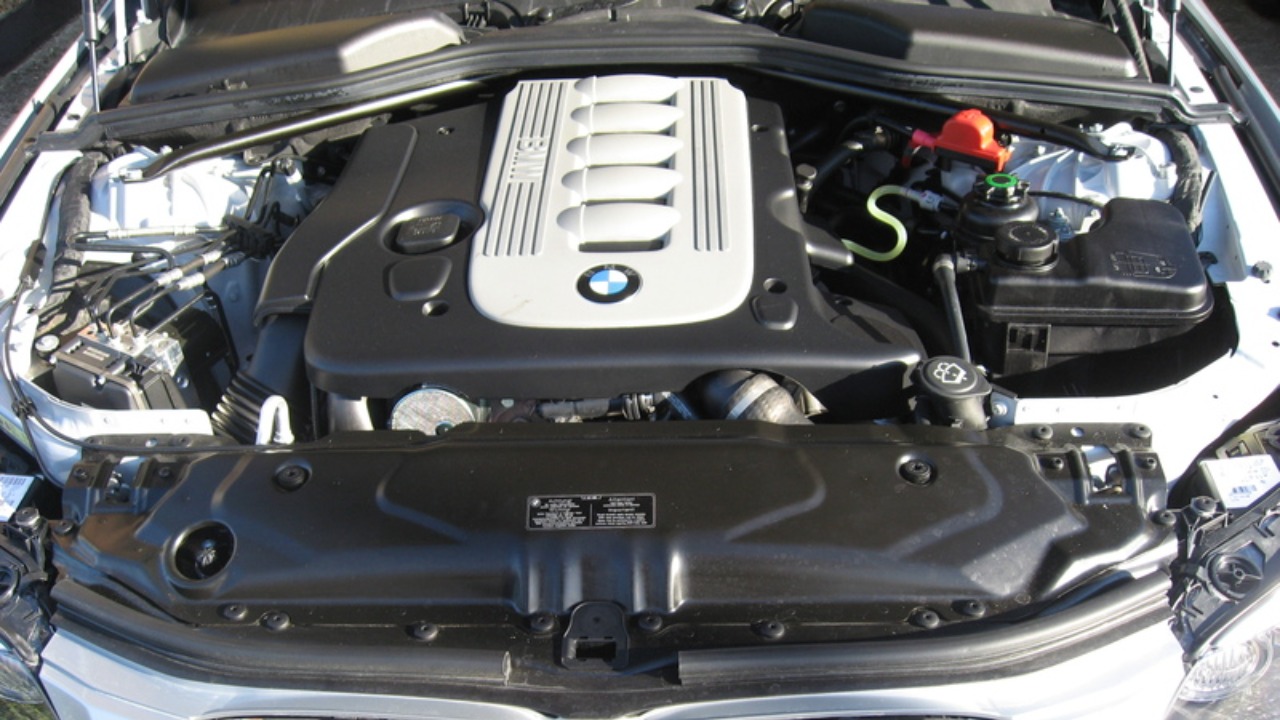
The BMW M57 diesel became respected for combining useful performance with long-distance durability. Introduced in the late 1990s, the inline-six engine powered numerous BMW models and was designed for sustained road use. Its strong torque output made it well suited to larger vehicles, while careful engineering allowed it to deliver good fuel economy. Proper maintenance was especially important because the engine contained more modern systems than older mechanical diesels. Nevertheless, well-maintained M57 engines became known for covering substantial mileage, particularly in vehicles used for long-distance commuting and highway driving.
Ford 4.6 Modular V8
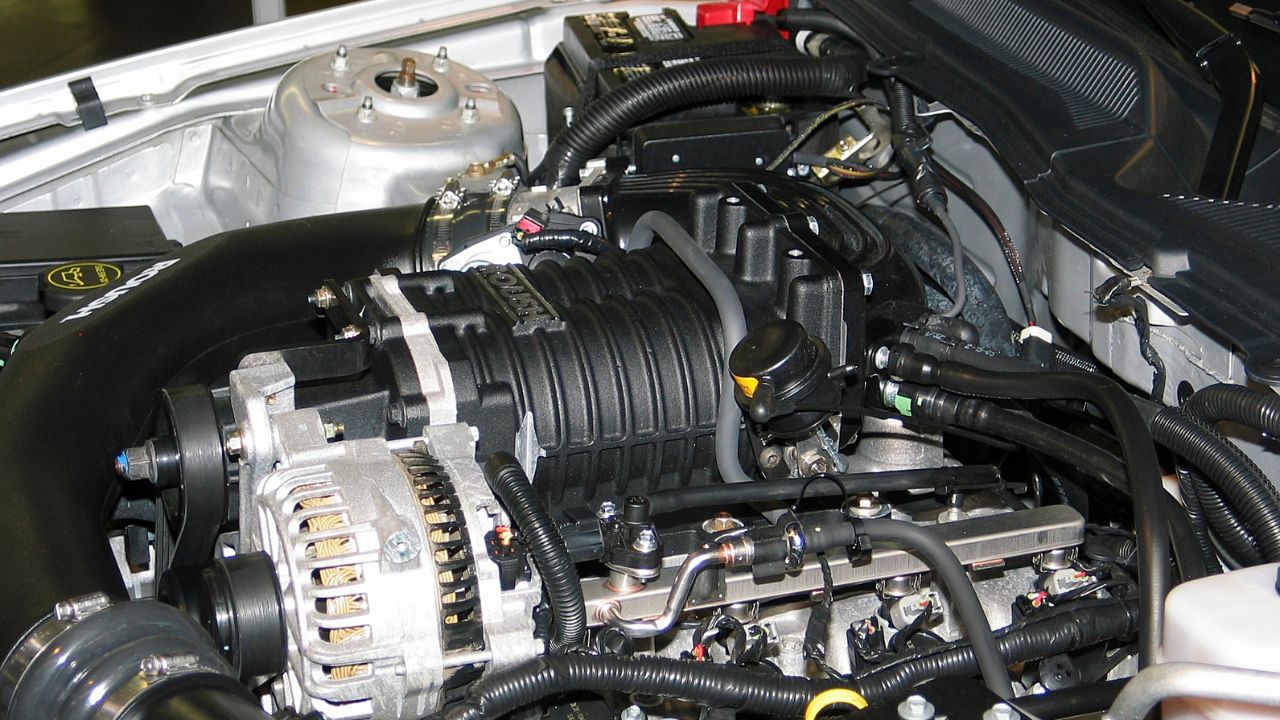
Ford’s 4.6-liter Modular V8 became one of the company’s most widely used V8 engines from the 1990s onward. It appeared in Mustangs, Crown Victorias, Town Cars, and other vehicles, giving the engine extensive real-world service across different applications. Its overhead-cam design was more modern than Ford’s older pushrod V8s, but many versions proved capable of high mileage with proper maintenance. Police and fleet applications also subjected some examples to demanding operating conditions. Its broad use demonstrated that a modern V8 could provide years of dependable service without relying on an especially complicated design.
Nissan RB25DET
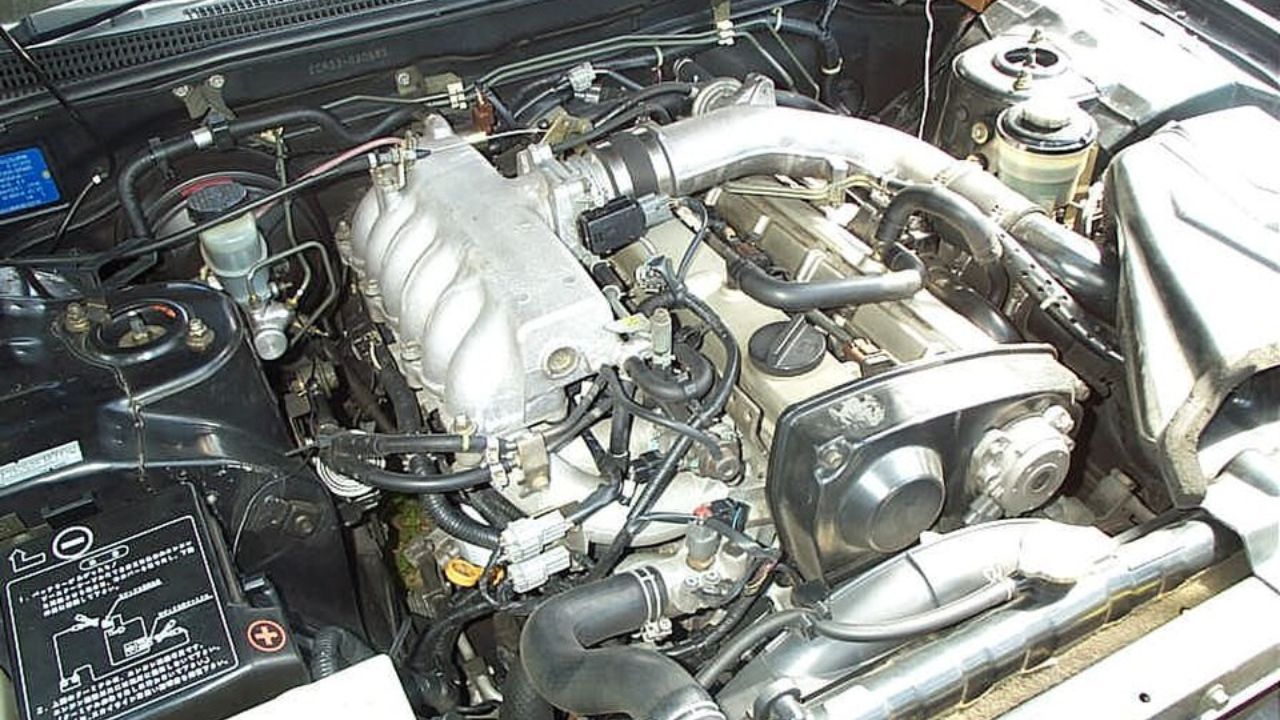
The Nissan RB25DET became famous among enthusiasts for performance, but its underlying construction also gave it a reputation for handling demanding use. This turbocharged inline-six powered several performance-oriented Nissan models and used a strong iron block. Proper lubrication, cooling, and maintenance were critical, especially when engines were modified for additional power. In factory form, however, the RB25DET offered a useful balance of performance and durability. Its popularity in both road cars and motorsport-related builds demonstrated how an engine designed for performance could also survive substantial stress when properly maintained.
More from Fast Lane Only
- Unboxing the WWII Jeep in a Crate
- 15 rare Chevys collectors are quietly buying
- 10 underrated V8s still worth hunting down
- Police notice this before you even roll window down
*Research for this article included AI assistance, with all final content reviewed by human editors.