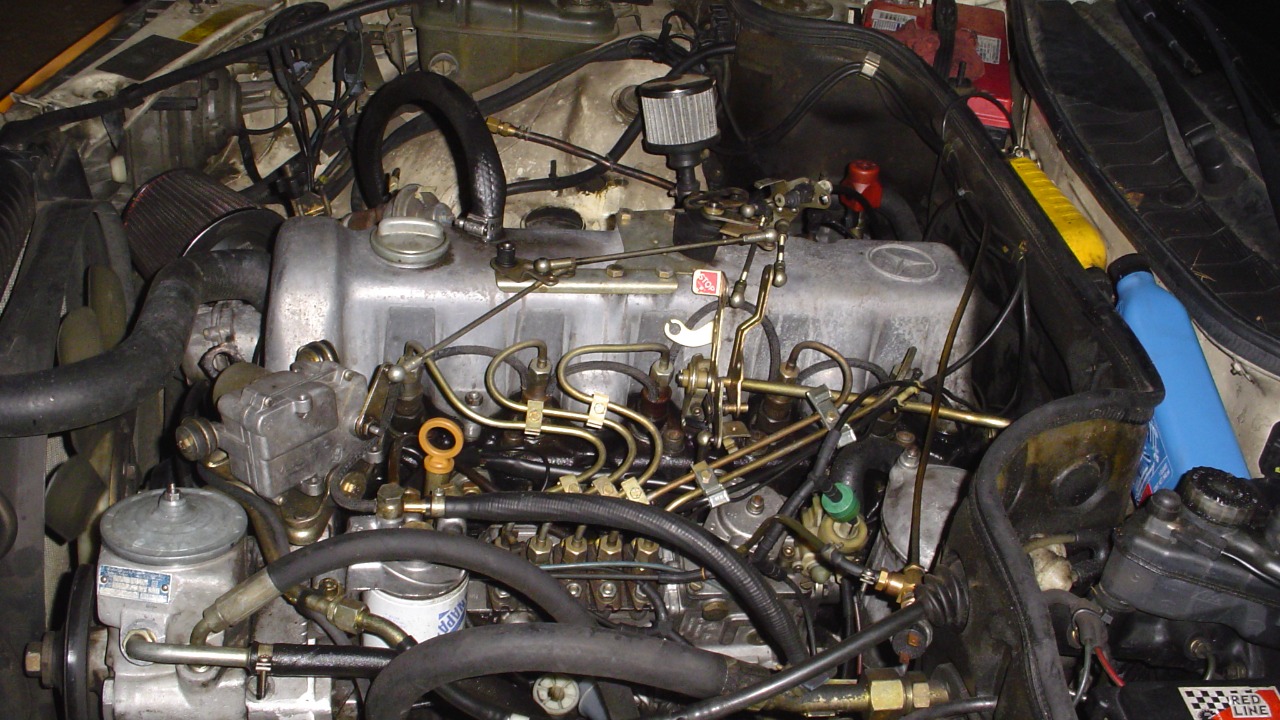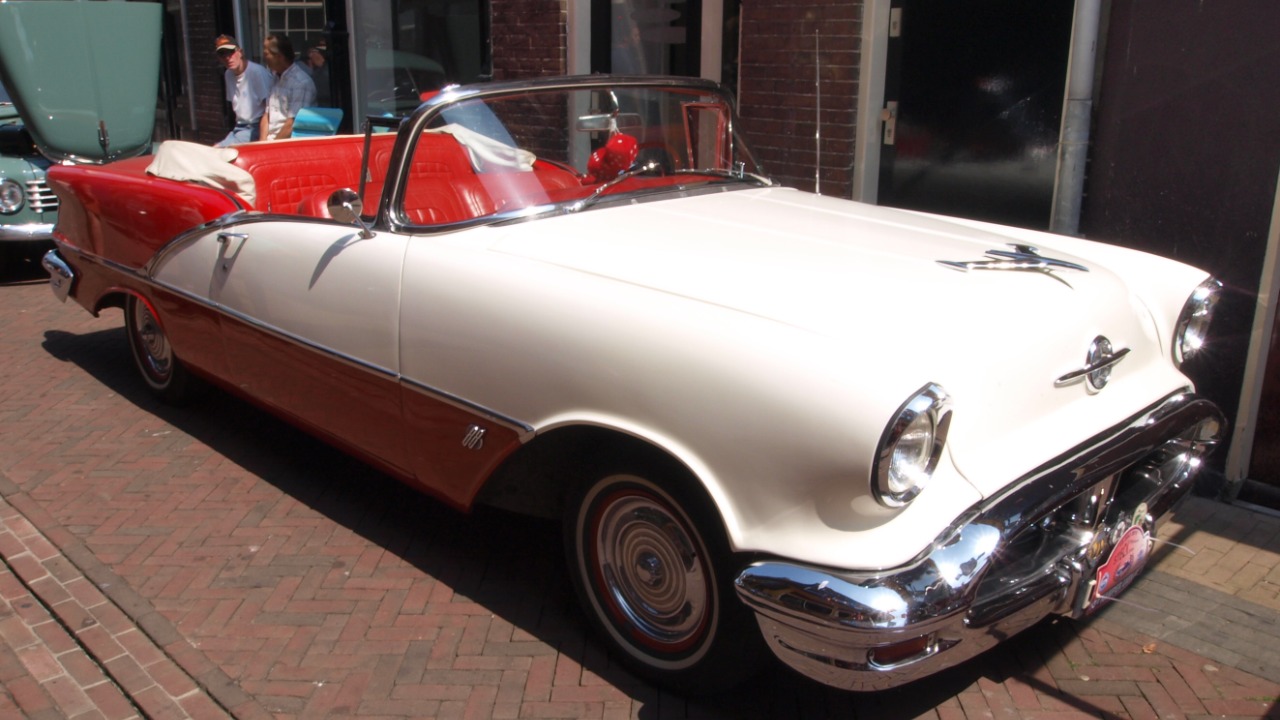
Classic convertibles are easy to remember when they are famous, but plenty of interesting drop-tops have slipped through the cracks of automotive history. Some were produced in modest numbers, while others simply failed to attract collectors when they were new. These 18 convertibles once had a place on American and European roads, but spotting one today can be surprisingly difficult.
Chrysler Windsor Convertible
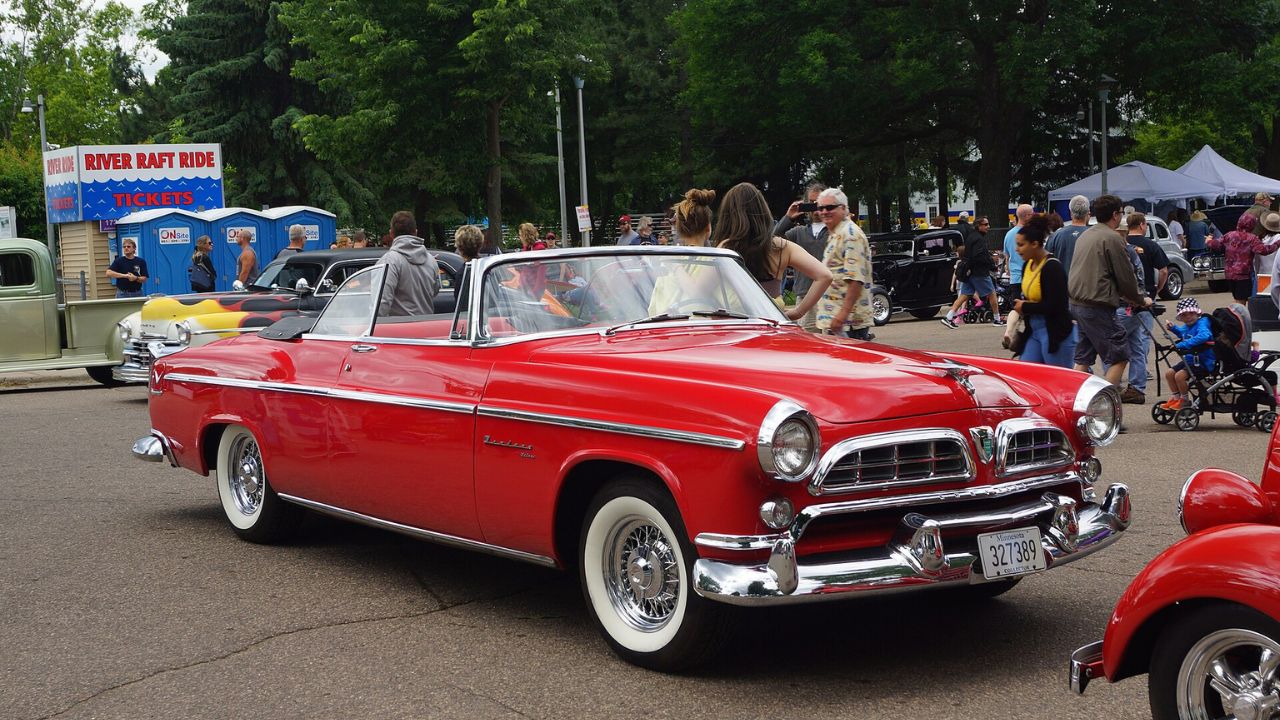
The Chrysler Windsor Convertible combined traditional American size with the open-air appeal buyers loved during the postwar years. It offered plenty of chrome, a spacious cabin, and the kind of styling that made even an ordinary drive feel like an occasion. Despite being a mainstream Chrysler rather than an exotic model, surviving examples are now uncommon. Many were used as everyday transportation and eventually disappeared as newer cars became more affordable.
Dodge Wayfarer Convertible
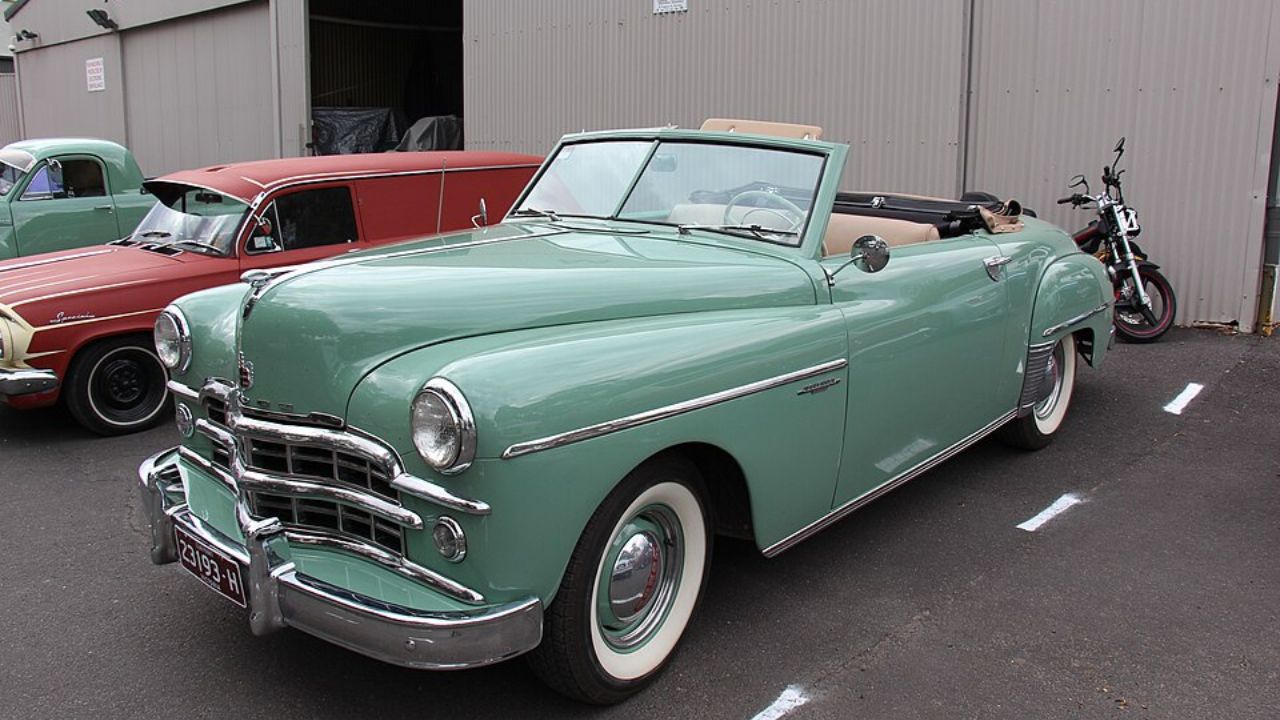
The Dodge Wayfarer was one of the simpler models in Dodge’s postwar lineup, but its convertible version had plenty of personality. Its clean body lines and relatively compact proportions gave it a different character from the larger American convertibles of the period. Most were ordinary transportation rather than prized collector cars, which hurt their survival rate. Finding a well-preserved Wayfarer Convertible today can be much harder than finding its more famous Dodge relatives.
DeSoto Custom Convertible
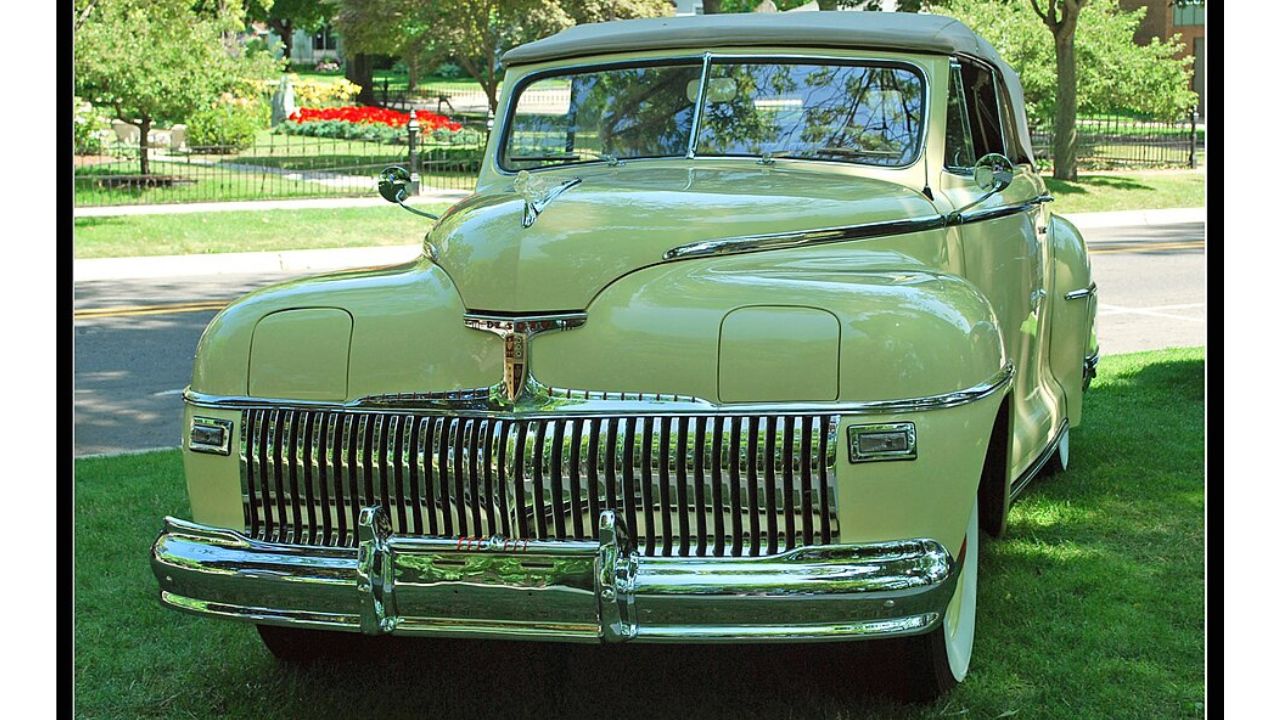
The DeSoto Custom Convertible represented a brand that occupied an interesting position within the Chrysler family. It combined substantial postwar styling with a comfortable interior and a smooth V8-powered driving experience in later versions. DeSoto eventually disappeared, and many of its cars were lost along with the brand. The convertible is particularly interesting today because it captures a period when several American manufacturers were competing with elaborate chrome, bold grilles, and increasingly stylish open cars.
Mercury Eight Convertible
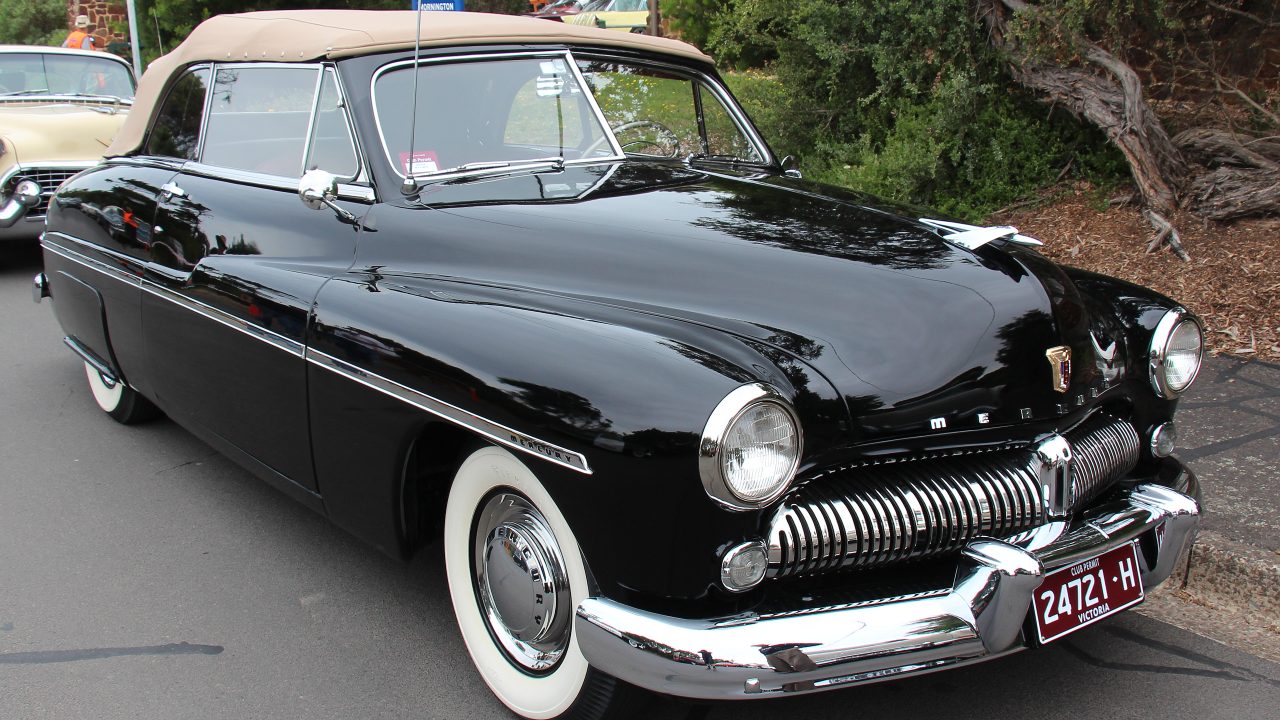
The Mercury Eight Convertible gave Ford buyers something more substantial and stylish than the company’s mainstream models. Its rounded body, long hood, and large cabin fit perfectly into the postwar American landscape. Although Mercury produced plenty of these cars, surviving examples are much less common than their Ford counterparts. Many were driven hard or modified over the years, leaving original Mercury convertibles as increasingly interesting pieces of the brand’s early history.
Nash Metropolitan Convertible
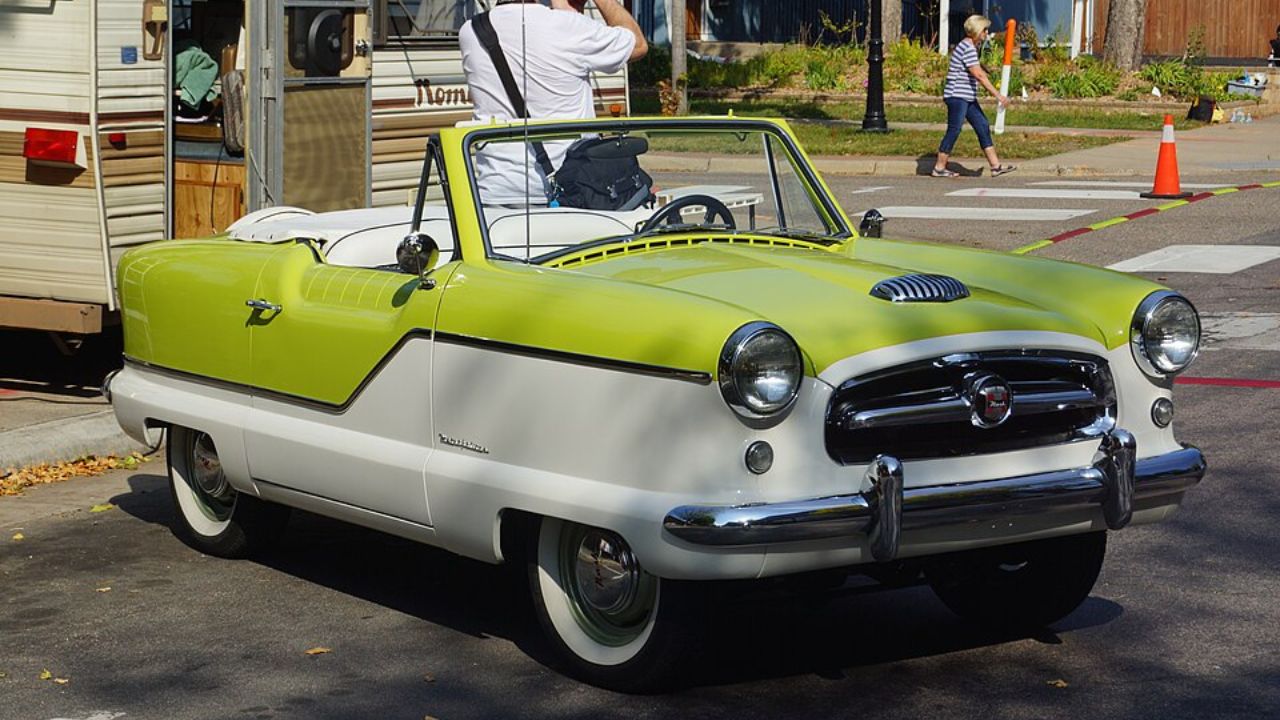
The Nash Metropolitan was unusual from the beginning. Its small size made it dramatically different from the huge American cars that dominated the market, and its convertible version added even more character. It became one of the better-known small cars of its era, but clean survivors are not something most people encounter regularly. Its compact dimensions, unusual proportions, and distinctive grille make the Metropolitan Convertible instantly recognizable when one finally appears at a classic-car event.
Hudson Super Six Convertible

The Hudson Super Six represented an earlier generation of American engineering that carried into the postwar period. Hudson’s distinctive approach to chassis design and styling gave its cars a character that separated them from Ford and Chevrolet. Convertible examples were never as common as sedans and coupes, and many were lost decades ago. Today, a surviving Super Six Convertible provides a fascinating look at Hudson before the company eventually became part of American Motors.
Studebaker Commander Convertible
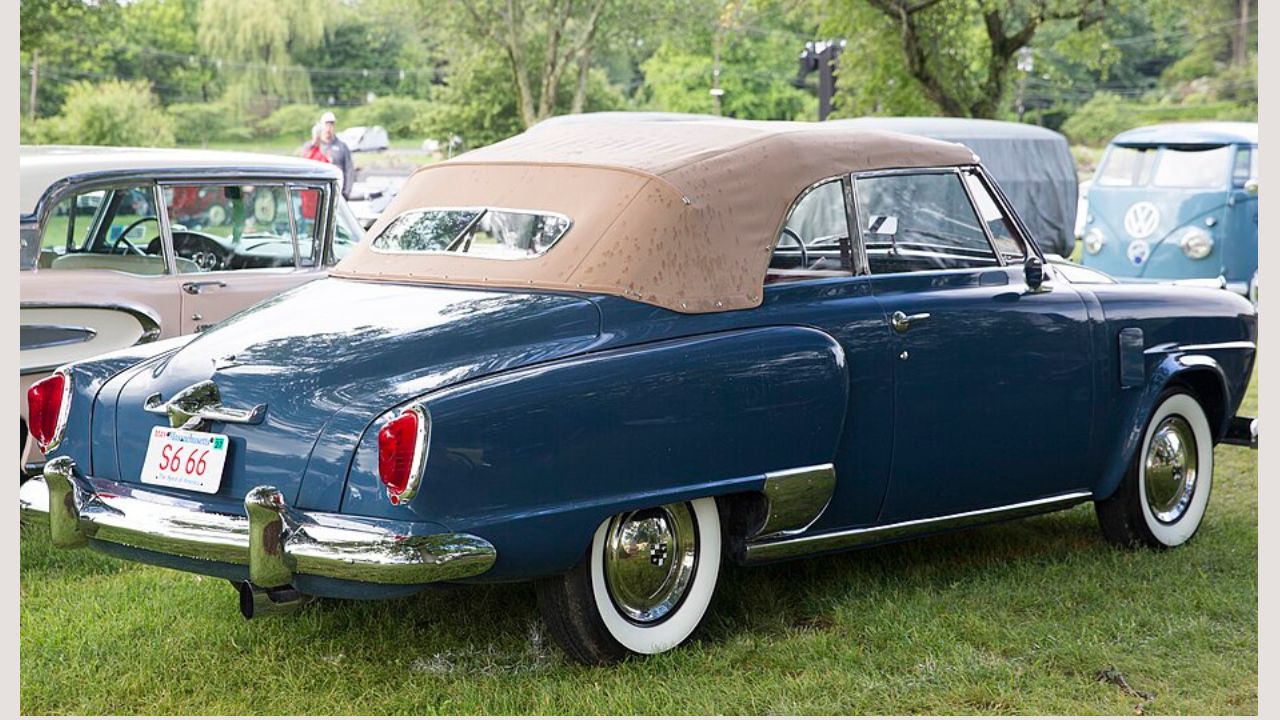
The Studebaker Commander Convertible combined the company’s independent engineering approach with the open-air styling buyers expected from a postwar American car. Studebaker often took a different design path from Detroit’s largest manufacturers, and that individuality is obvious in the Commander. Production numbers were never enough to guarantee long-term survival, and many cars were discarded as the company struggled financially. Original convertibles are now especially interesting to collectors of independent American marques
Frazer Convertible
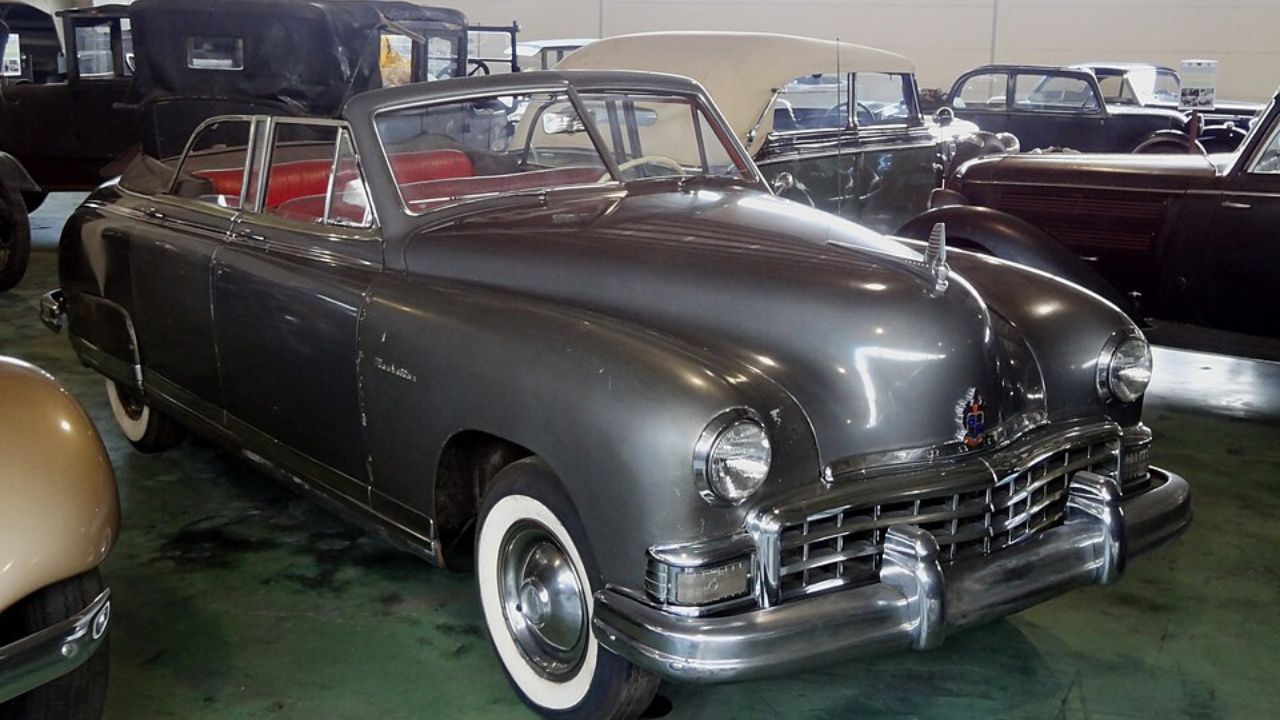
The Frazer was another product of the Kaiser-Frazer era and shared the company’s ambition to challenge established American brands. Its convertible body gave the car a stylish presence, while its relatively short production history made surviving examples uncommon. Most people today recognize Ford, Chevrolet, and Chrysler products from the period, but Frazer remains far less familiar. Seeing one in person can feel like discovering a forgotten branch of American automotive history.
Ford Crestline Sunliner
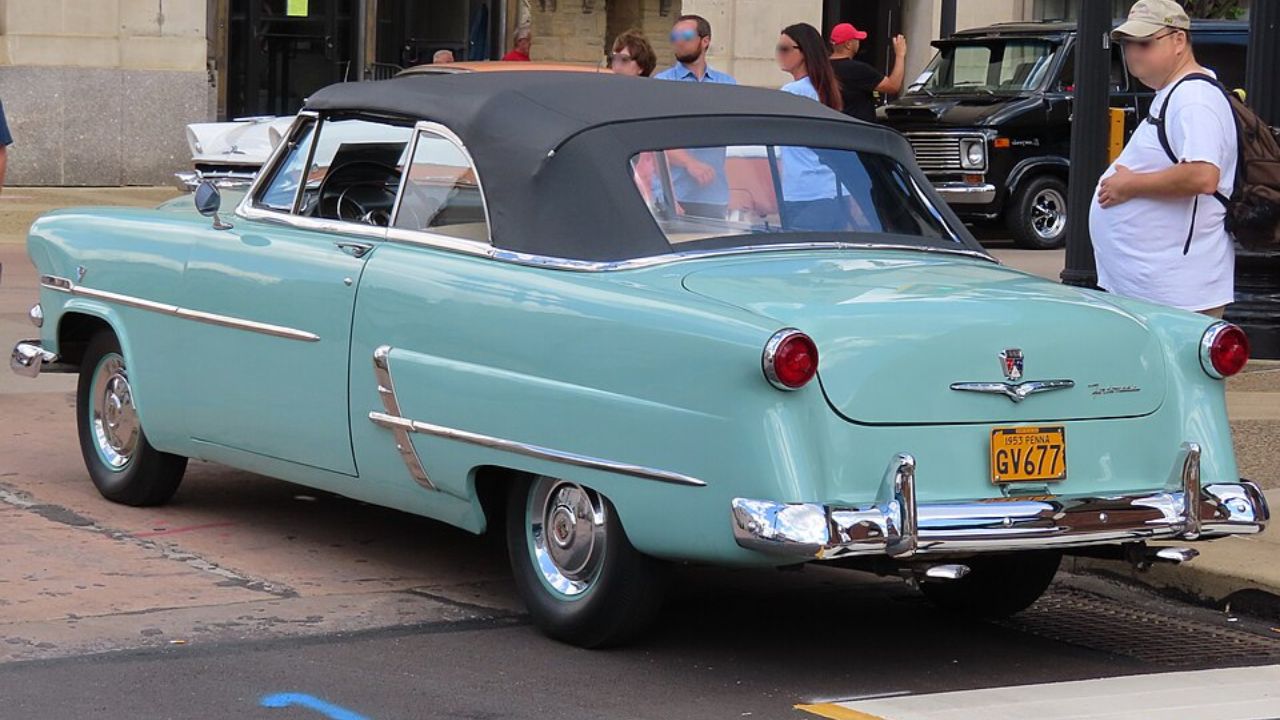
The Ford Crestline Sunliner represented Ford’s polished approach to the American convertible market during the early 1950s. It combined a broad body with a stylish open cabin and plenty of brightwork. While Ford sold many cars overall, surviving Sunliners from this era are not nearly as common as their original production numbers might suggest. Years of use, weather exposure, and changing collector tastes took their toll on these once-familiar family convertibles.
Plymouth Cranbrook Convertible
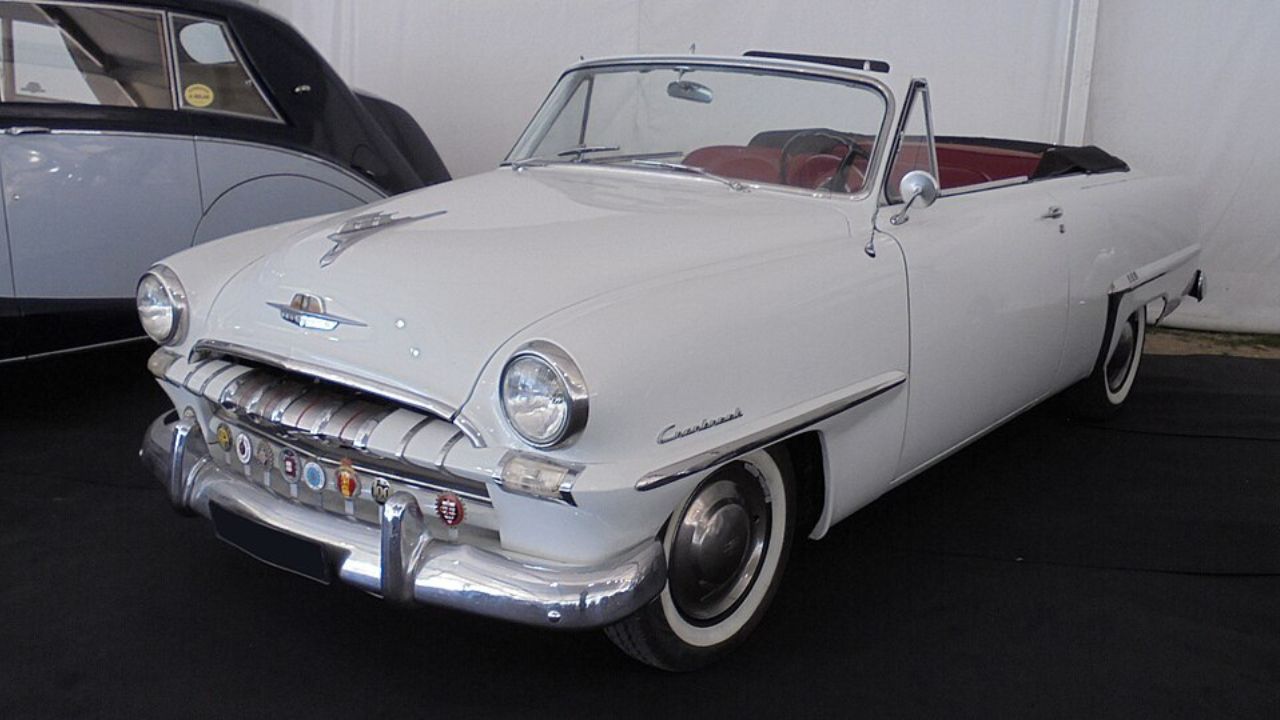
The Plymouth Cranbrook Convertible was a more restrained alternative to some of the extravagant American drop-tops of its day. Its styling was straightforward, but that was part of its appeal as an affordable family car. Unfortunately, cars built primarily for everyday use were rarely preserved when they became old and inexpensive. That makes surviving Cranbrook Convertibles particularly interesting today, especially when an example retains its original interior and period details.
Buick Super Convertible
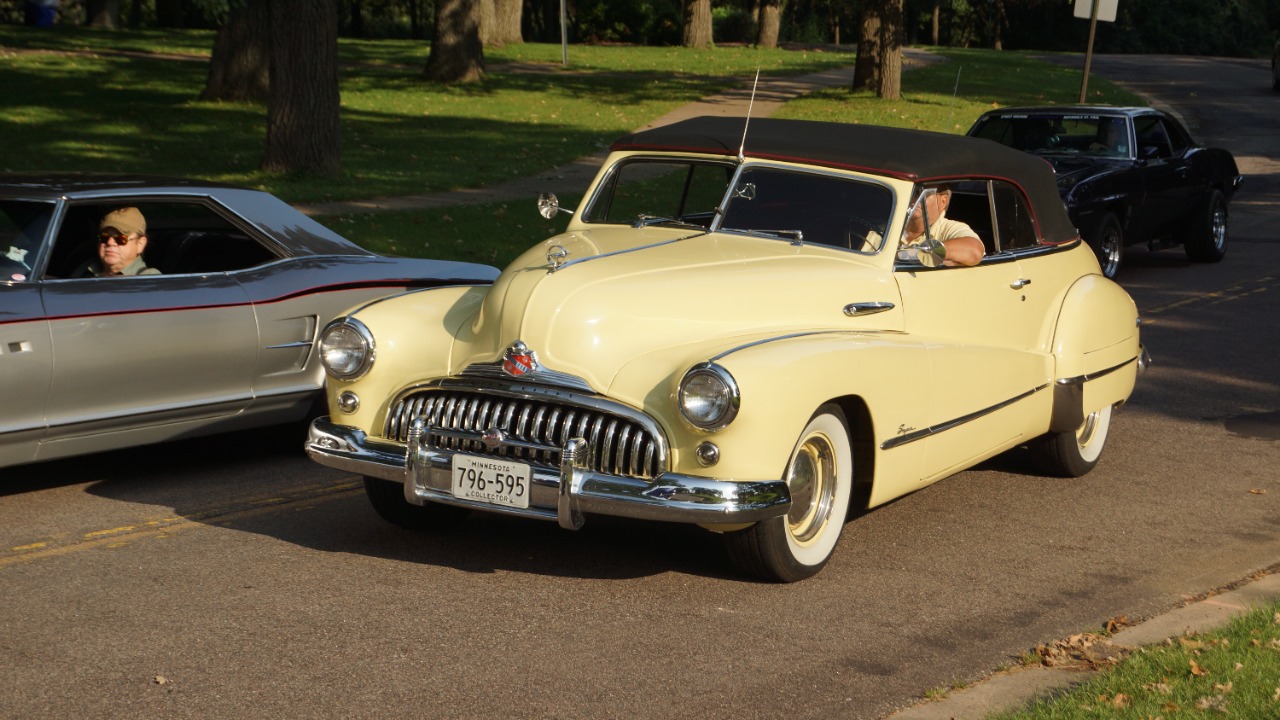
The Buick Super Convertible occupied the middle ground between Buick’s more modest offerings and its largest luxury cars. It delivered the long body, substantial chrome, and comfortable interior expected from a postwar Buick while adding the appeal of an open roof. Many examples were driven for years before being discarded, and the convertible body style was never as plentiful as the sedan. Original survivors are now increasingly difficult to encounter outside specialist collections.
Oldsmobile Super 88 Convertible
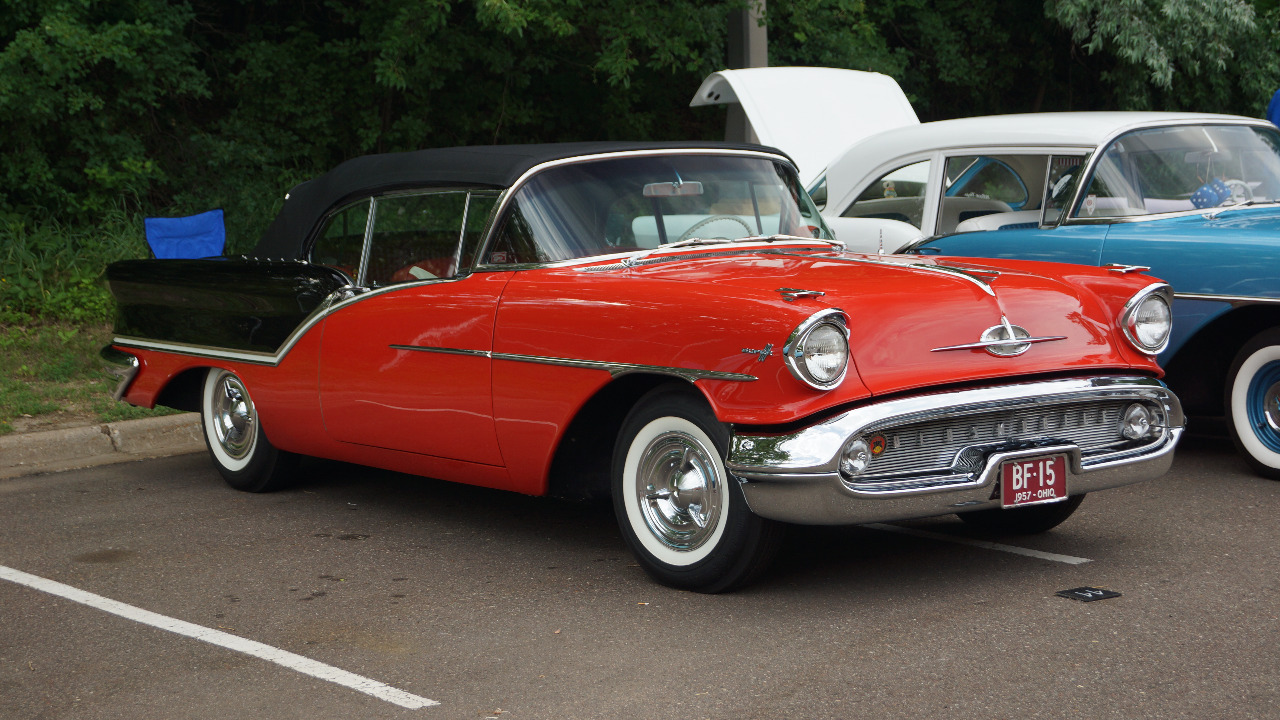
The Oldsmobile Super 88 was closely associated with V8 performance and the growing popularity of American cars with stronger engines. Its convertible version added extra style to an already attractive package. While Oldsmobile was a major manufacturer, many ordinary Super 88s disappeared through decades of use. The surviving convertibles have become more interesting because they represent the point where practical family transportation and early American performance culture began to overlap.
Pontiac Star Chief Convertible
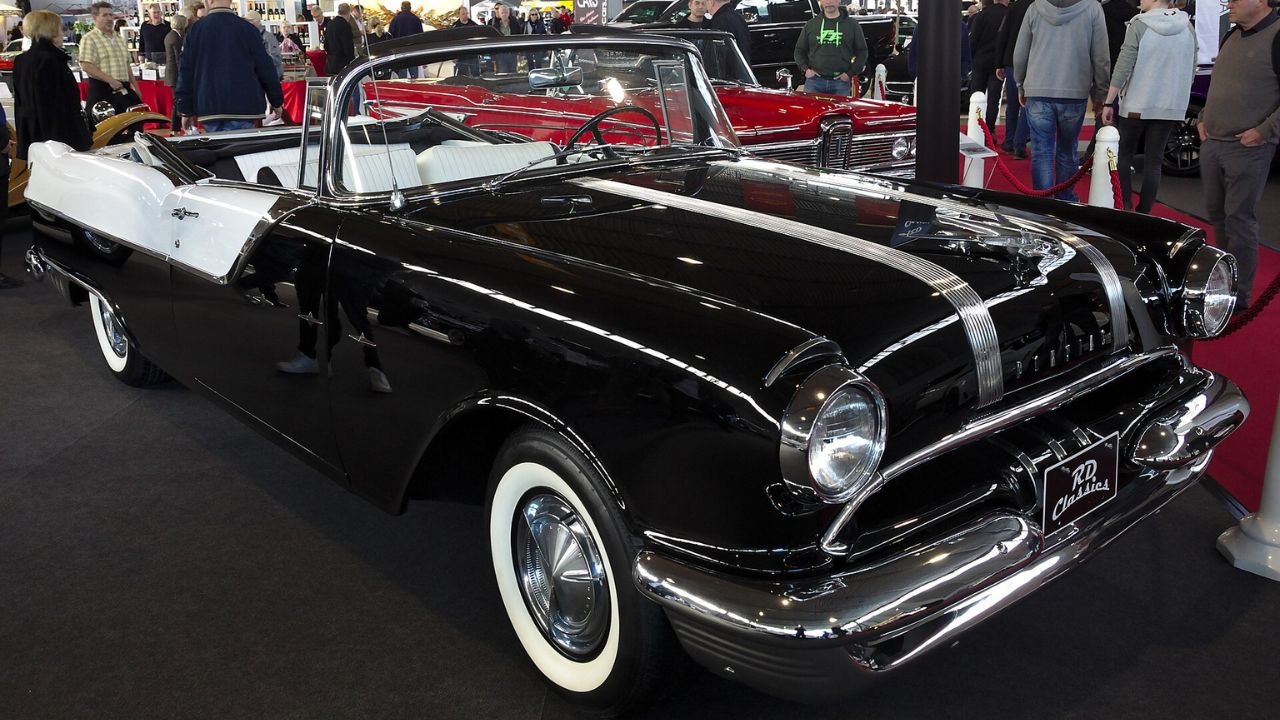
The Pontiac Star Chief was one of the brand’s most recognizable large cars during the 1950s. Its long body, bright trim, and powerful-looking styling made it an impressive sight when new. Convertible examples were much less common than the sedans, and surviving cars have become increasingly scarce. The Star Chief also represents an important stage in Pontiac’s rise from a conservative GM division into a brand with a stronger performance image.
Mercury Montclair Convertible
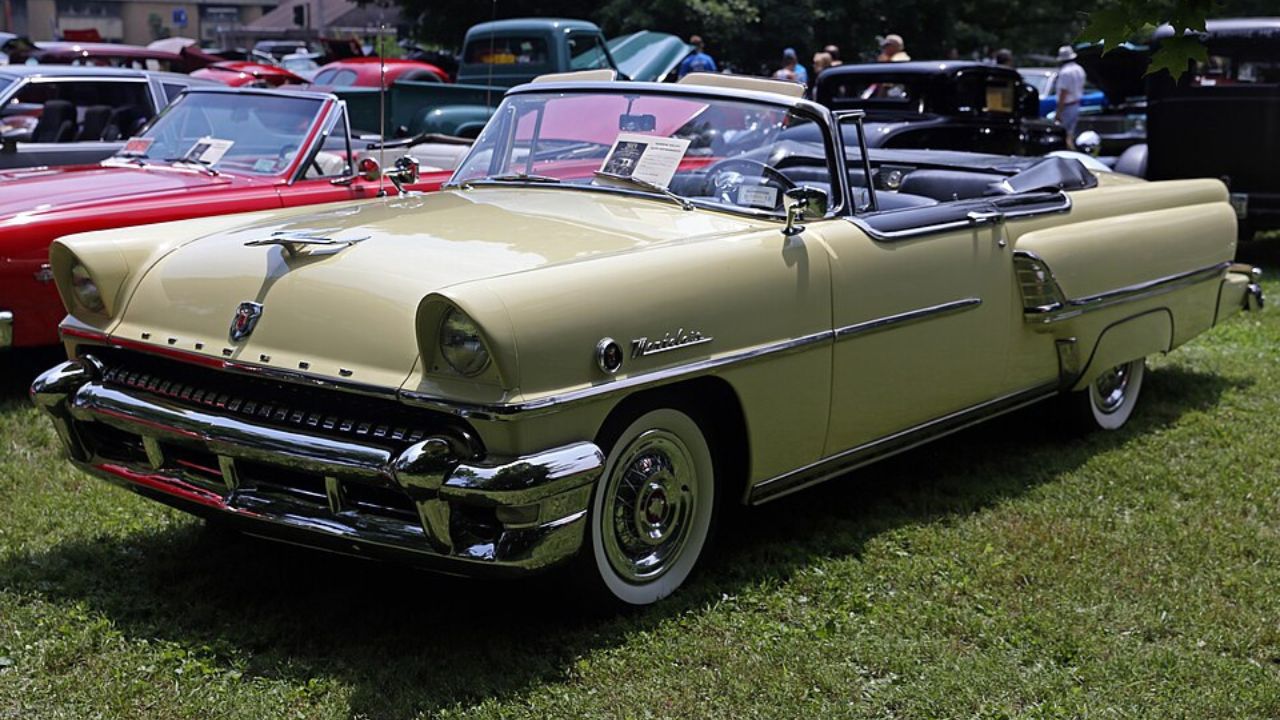
The Mercury Montclair was positioned as one of Mercury’s more upscale offerings, bringing together larger dimensions and more elaborate styling. Its convertible body made it even more distinctive, particularly during the period when American designers were experimenting with tail fins and heavy chrome. These cars were never as numerous as Ford’s mainstream models, and many disappeared decades ago. A surviving Montclair Convertible today can easily attract attention at a show filled with more familiar classics.
Edsel Citation Convertible
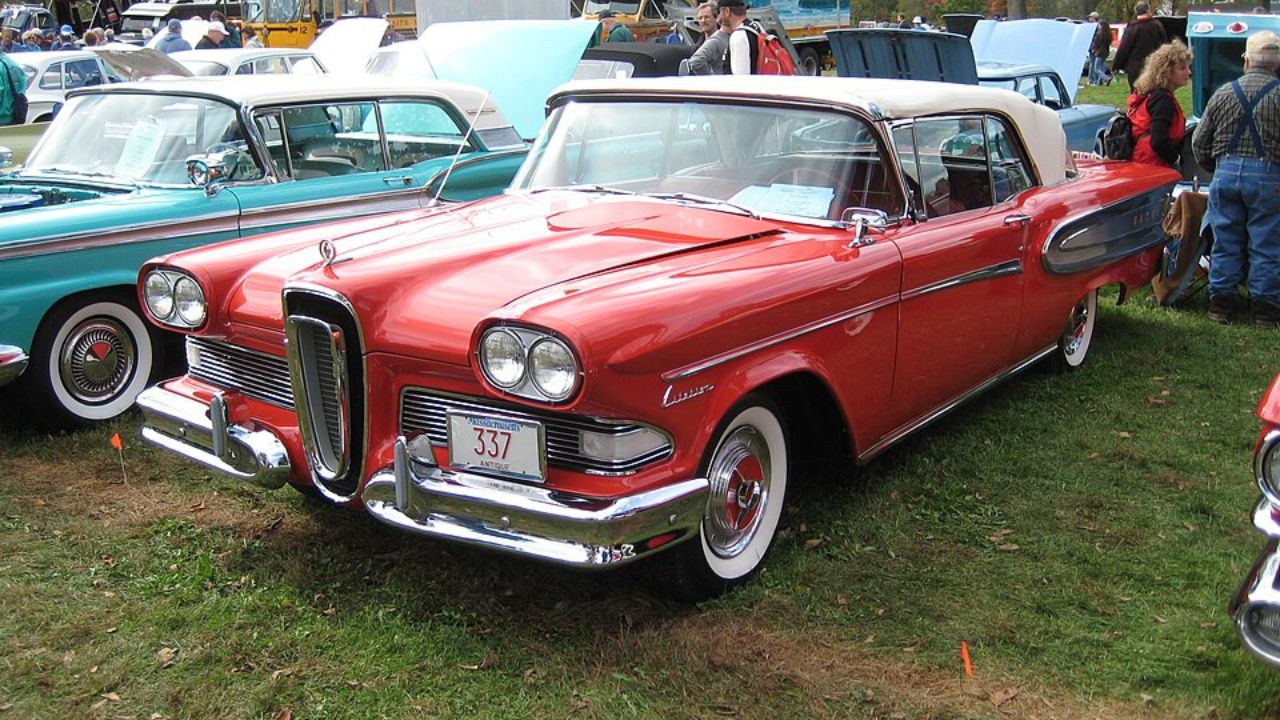
The Edsel Citation Convertible is one of the most unusual American drop-tops of the late 1950s. Edsel existed for only a short period, and the Citation sat near the upper end of the brand’s lineup. Its dramatic grille and distinctive styling made it memorable even when new. Because Edsel’s production run was brief, surviving convertibles are scarce. Seeing one today offers a rare glimpse at one of Ford’s most ambitious attempts to create a new marque.
Buick Century Convertible
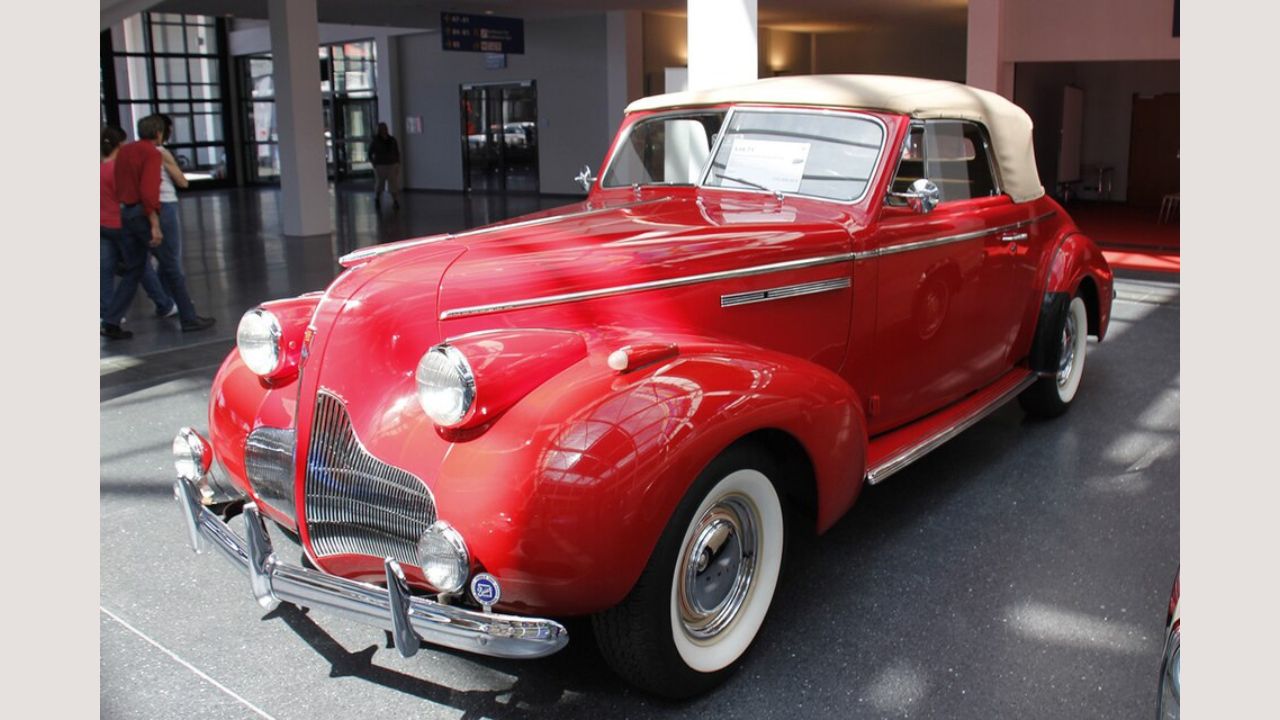
The Buick Century combined Buick’s comfortable full-size character with stronger performance than some of the brand’s more conservative models. Its convertible version gave buyers an attractive alternative to the increasingly common hardtop and sedan. Most were used as regular transportation rather than carefully stored collectibles, and many eventually disappeared. Surviving examples now provide a good look at the era when Buick was becoming increasingly associated with powerful engines and dramatic styling.
Pontiac Laurentian Convertible
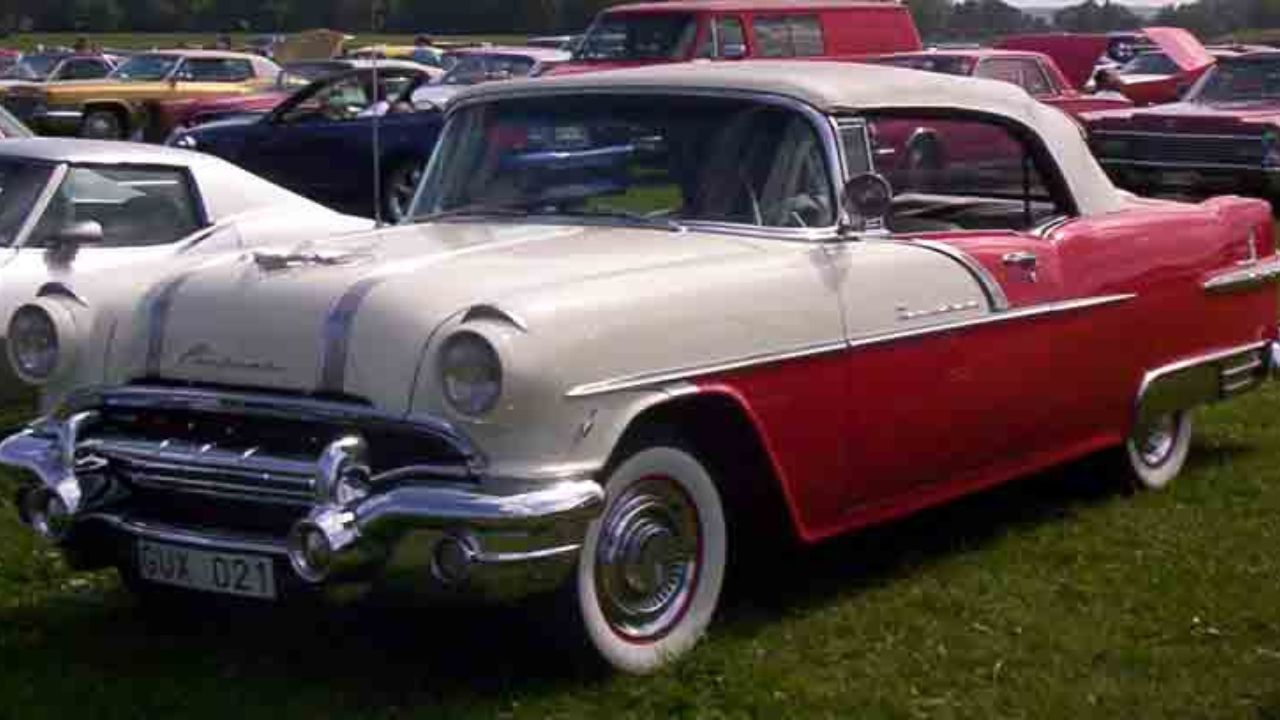
The Pontiac Laurentian was primarily associated with the Canadian market, making surviving examples outside Canada particularly unusual. Its American Pontiac roots gave it familiar styling, but market-specific details made it different from the Pontiacs many collectors know. Convertible versions are especially interesting because they combine a relatively familiar GM design with a much less common nameplate. For enthusiasts who enjoy overlooked classics, this is exactly the kind of car that can surprise people at a show.
Ford Mainline Convertible
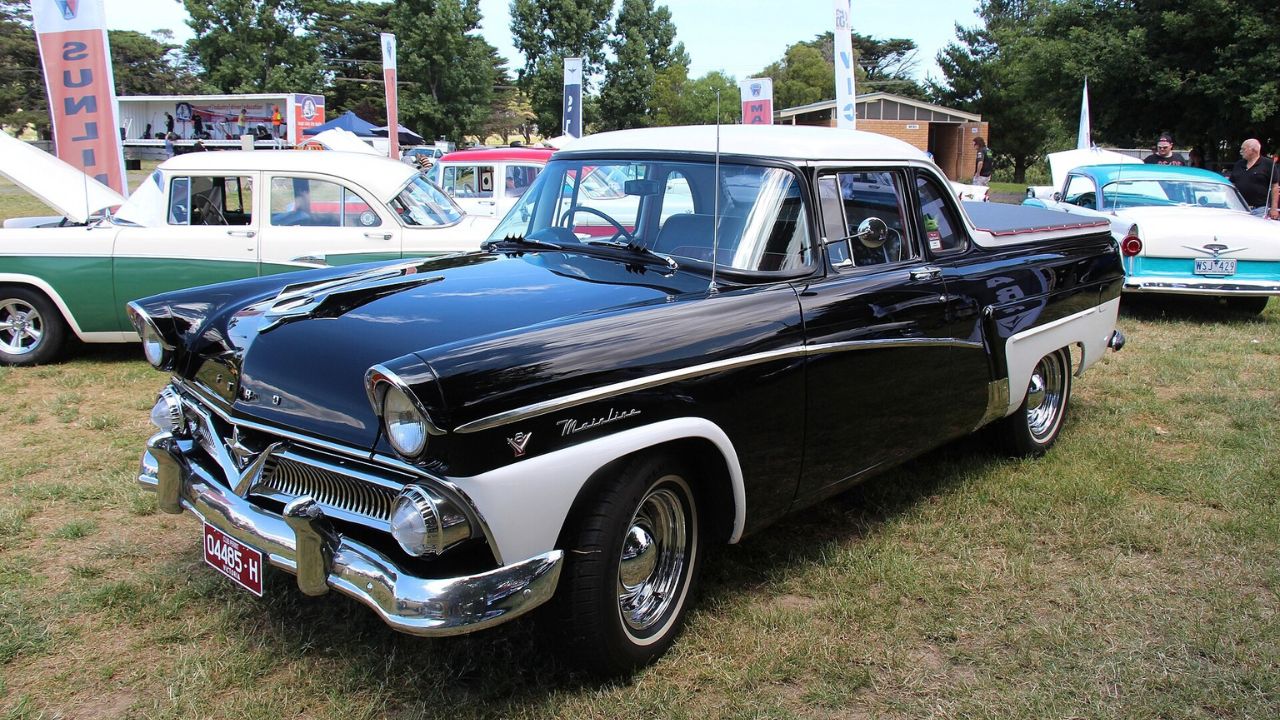
The Ford Mainline was positioned as a straightforward, affordable member of Ford’s postwar lineup. Its convertible form added an unexpected amount of style to what was otherwise a practical model. Because buyers and collectors tended to favor more upscale Ford versions, ordinary Mainline Convertibles were not always preserved. Today, an original example can be more difficult to locate than the better-known Ford convertibles that have traditionally received more attention.
More from Fast Lane Only
- Unboxing the WWII Jeep in a Crate
- 15 rare Chevys collectors are quietly buying
- 10 underrated V8s still worth hunting down
- Police notice this before you even roll window down
*Research for this article included AI assistance, with all final content reviewed by human editors.