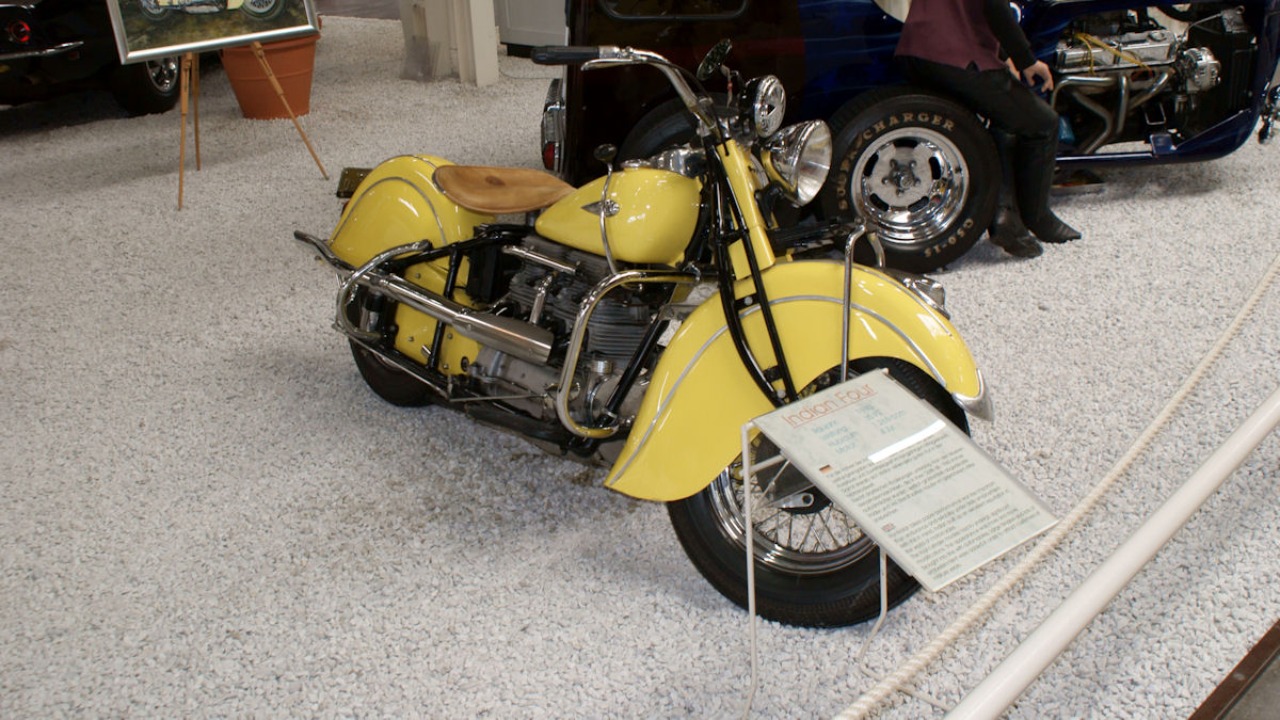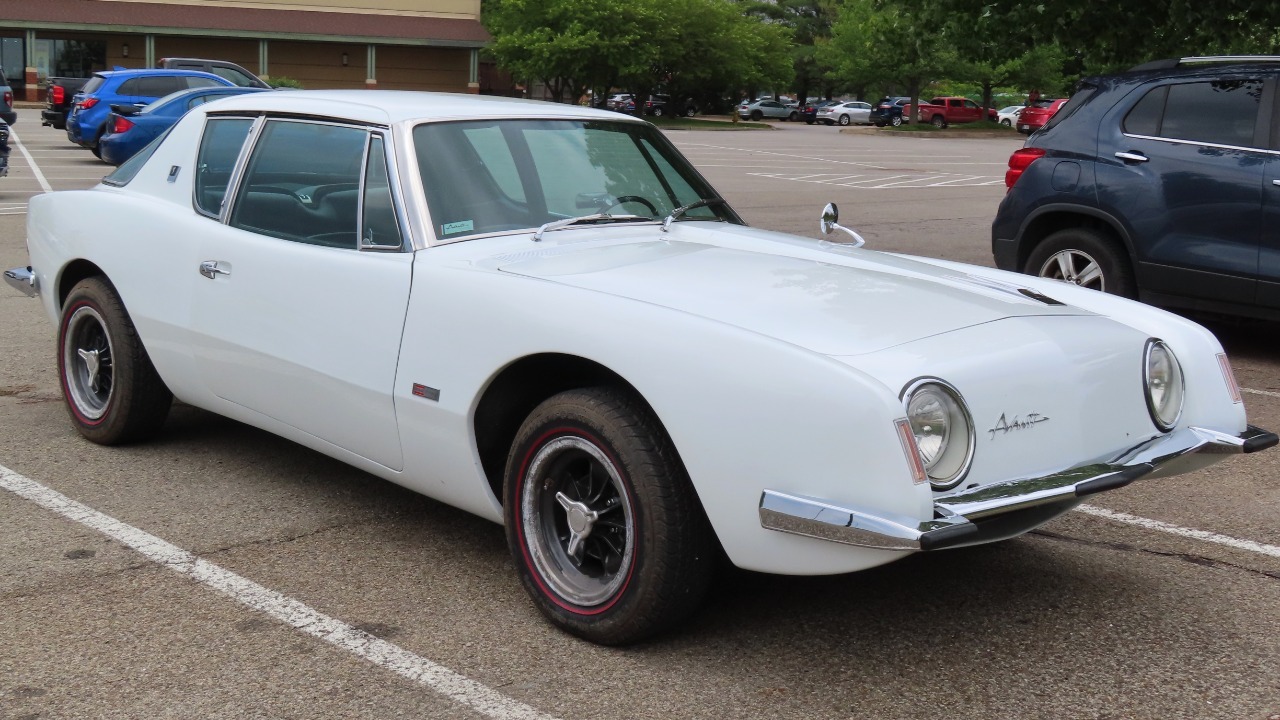
The 1950s and 1960s produced some of the most important sports cars ever built, but many rare models disappeared behind better-known legends. Limited production, expensive construction, unusual engineering, and low original demand left some remarkable machines nearly forgotten. These 18 sports cars are among the era’s less common examples, each offering a distinctive story.
1953 Chevrolet Corvette
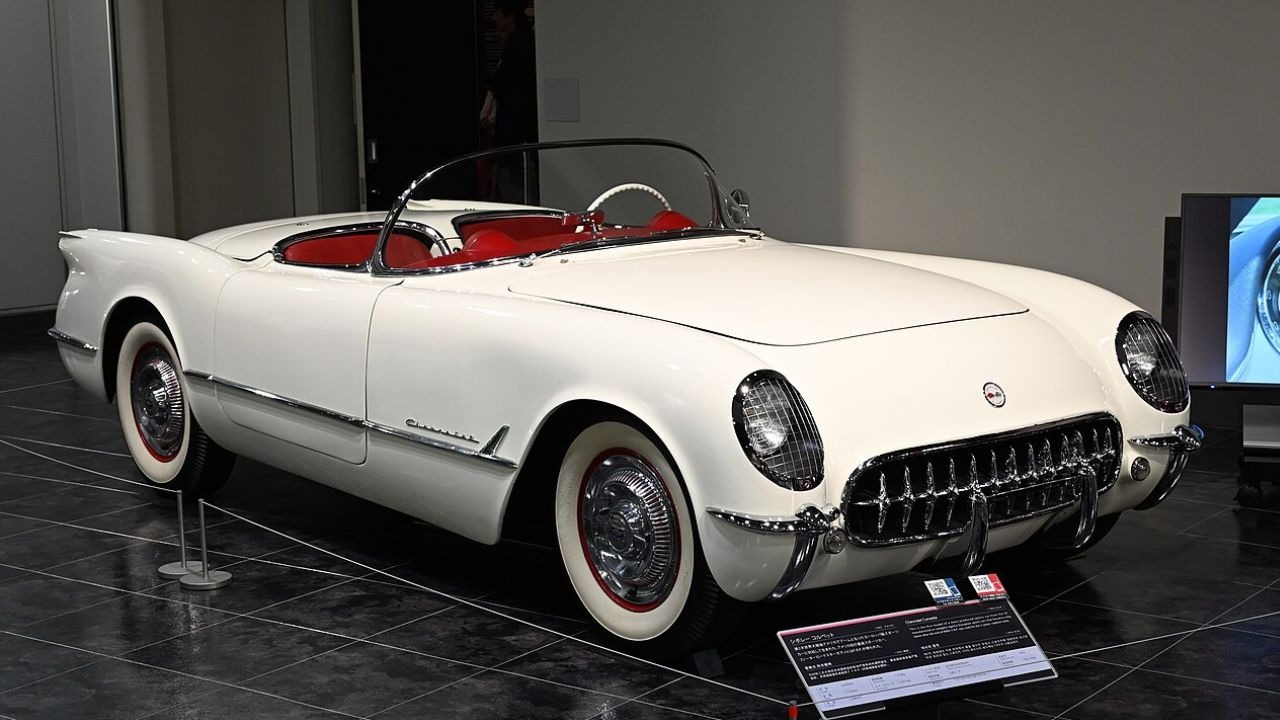
The 1953 Chevrolet Corvette was the beginning of an American sports-car experiment that almost disappeared before becoming successful. Only a limited number were built during its first year, all featuring fiberglass bodies and Chevrolet’s six-cylinder engine. Its performance was modest compared with later Corvettes, but its rarity makes it significant today. Early production cars were hand-built in Flint, Michigan, and differed from later versions in several details. Finding an authentic 1953 Corvette is difficult because surviving examples are highly sought after by collectors.
1954 Kaiser-Darrin
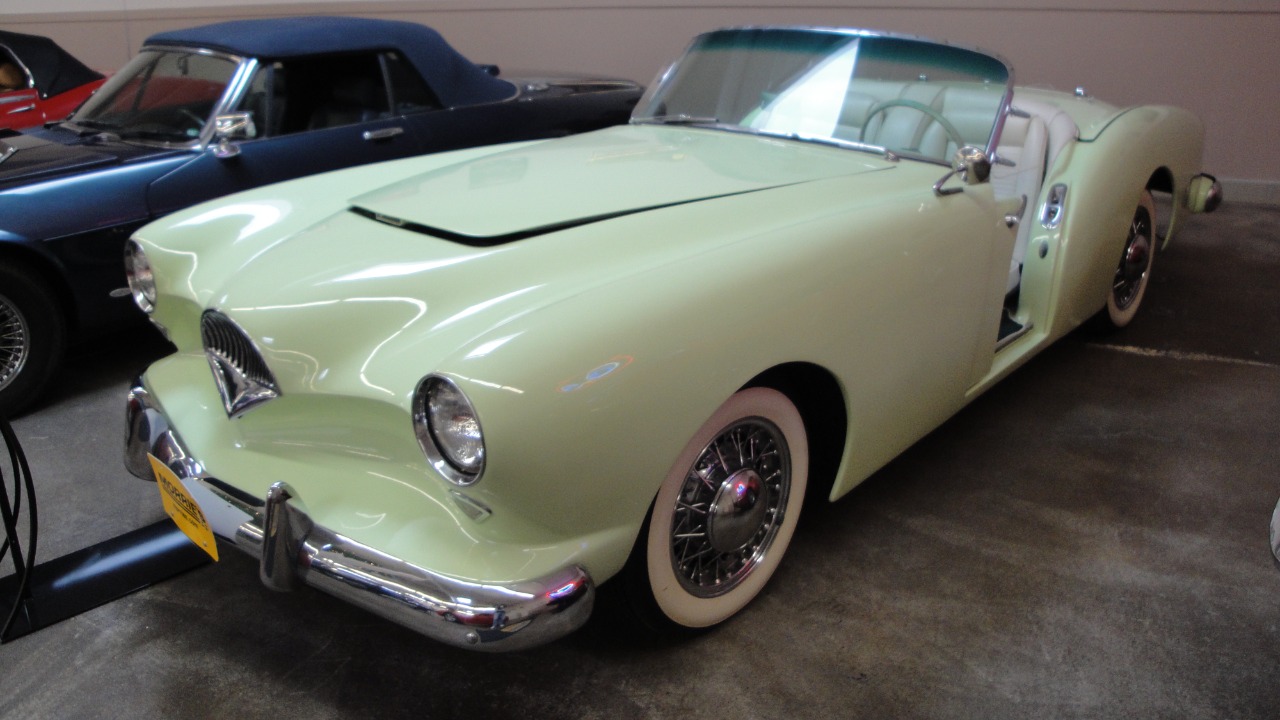
The 1954 Kaiser-Darrin was one of America’s most unusual early postwar sports cars. Designed by Howard “Dutch” Darrin, it featured a fiberglass body and distinctive doors that slid forward into the front fenders. Power came from a supercharged six-cylinder engine, giving the lightweight roadster respectable performance for its period. Production was extremely limited because Kaiser struggled to compete against established manufacturers. Its unusual construction and sliding-door design make surviving examples particularly recognizable. Today, the Kaiser-Darrin is one of the rarest American sports cars of the 1950s.
1955 Mercedes-Benz 300 SLR
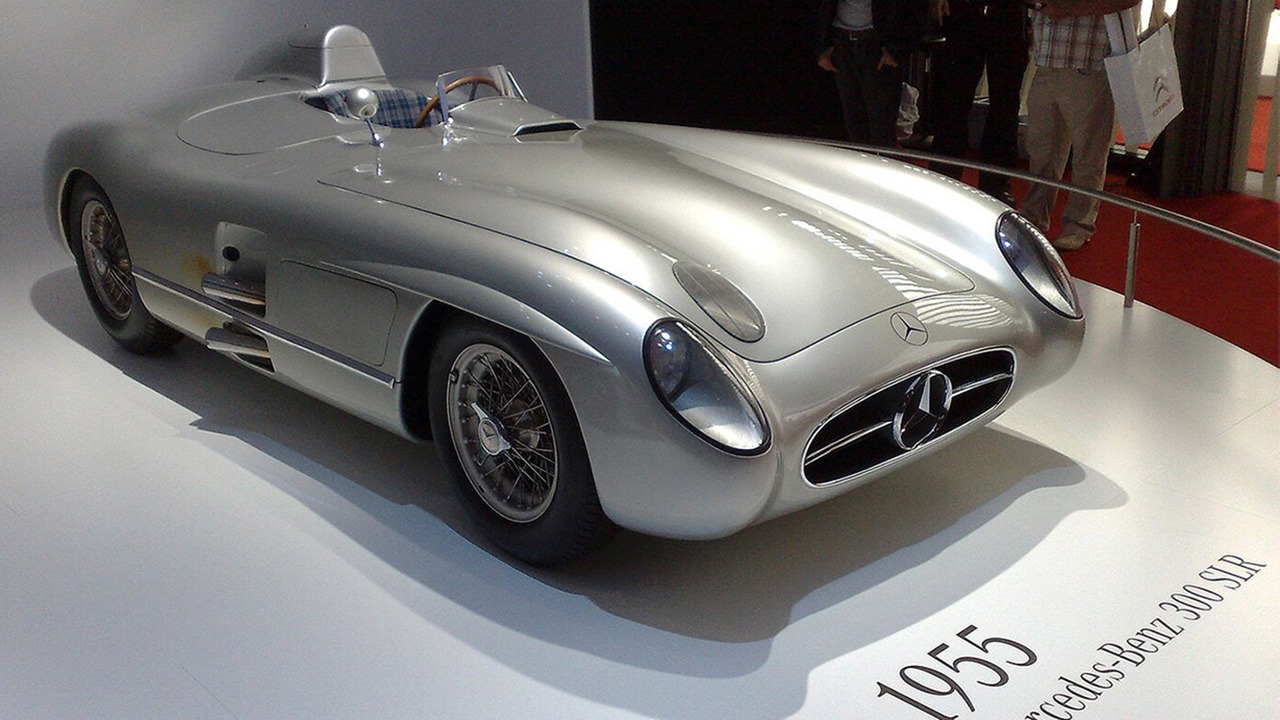
The Mercedes-Benz 300 SLR was developed primarily for competition rather than ordinary road use, making surviving examples exceptionally rare. Based on Mercedes-Benz racing technology, it used a sophisticated straight-eight engine, lightweight construction, and advanced chassis engineering. The 300 SLR became famous through international competition during the 1950s. Only a tiny number were constructed, and their historical significance has made surviving examples extraordinarily important. Unlike ordinary production sports cars, the 300 SLR represented the extreme end of factory racing technology during the period.
1956 BMW 507
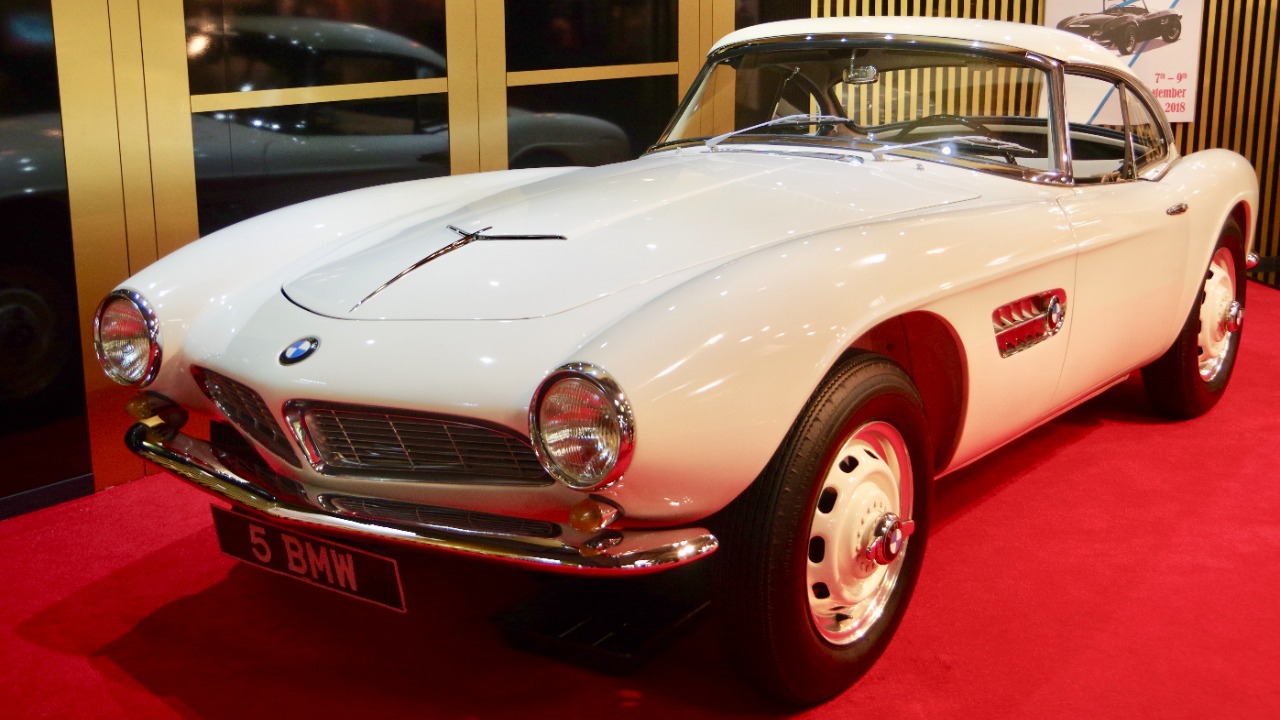
The BMW 507 was created as a stylish roadster intended to compete with expensive sports cars from Britain and Italy. Its aluminum body, elegant proportions, and 3.2-liter V8 gave it a distinctive combination of luxury and performance. Production remained very low because construction was expensive, and BMW struggled to make the car profitable. Many examples were sold to wealthy enthusiasts rather than mass-market buyers. Today, the 507 is one of BMW’s most recognizable classic sports cars and one of the rarest.
1956 Alfa Romeo Giulietta Spider
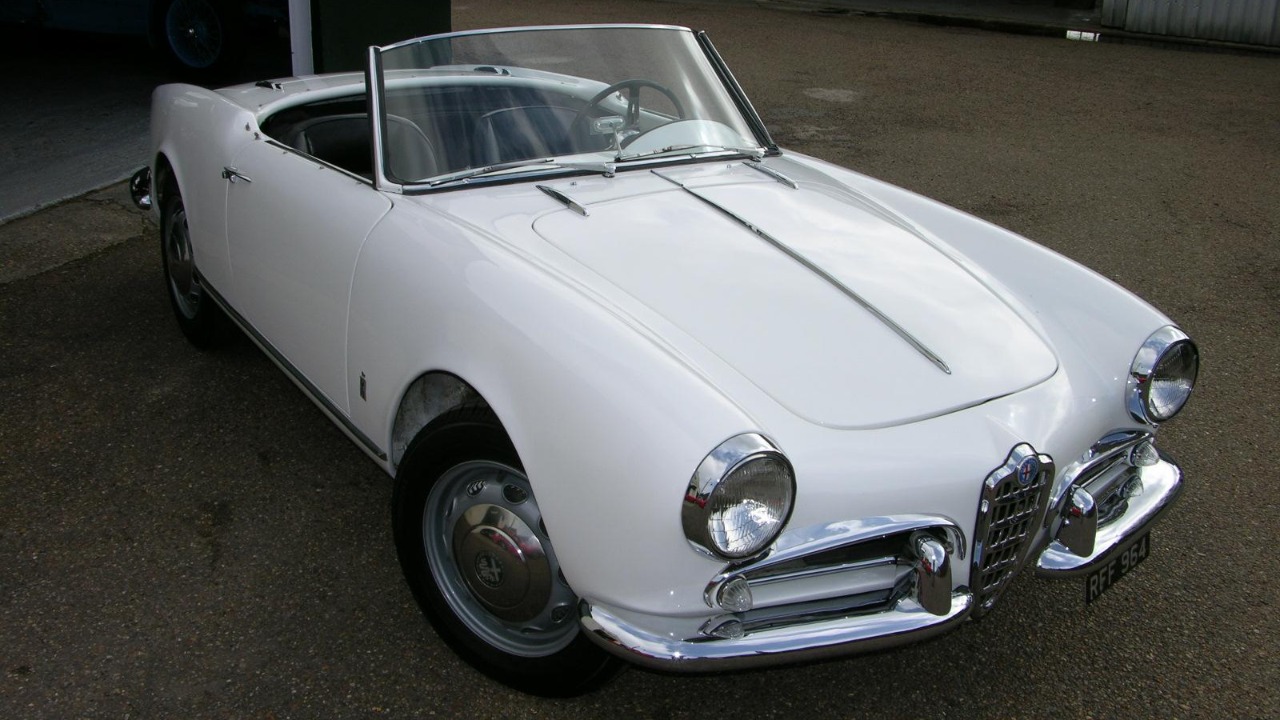
The Alfa Romeo Giulietta Spider combined Italian styling with a compact and relatively advanced four-cylinder engine. Designed by Pinin Farina, the roadster became one of Alfa Romeo’s most attractive small sports cars of the 1950s. Although more examples were produced than some other cars on this list, early versions in original condition are increasingly difficult to find. The Giulietta Spider offered nimble handling, responsive steering, and lightweight construction. Its combination of elegant design and modest size helped establish Alfa Romeo as a major sports-car manufacturer.
1957 Maserati 3500 GT
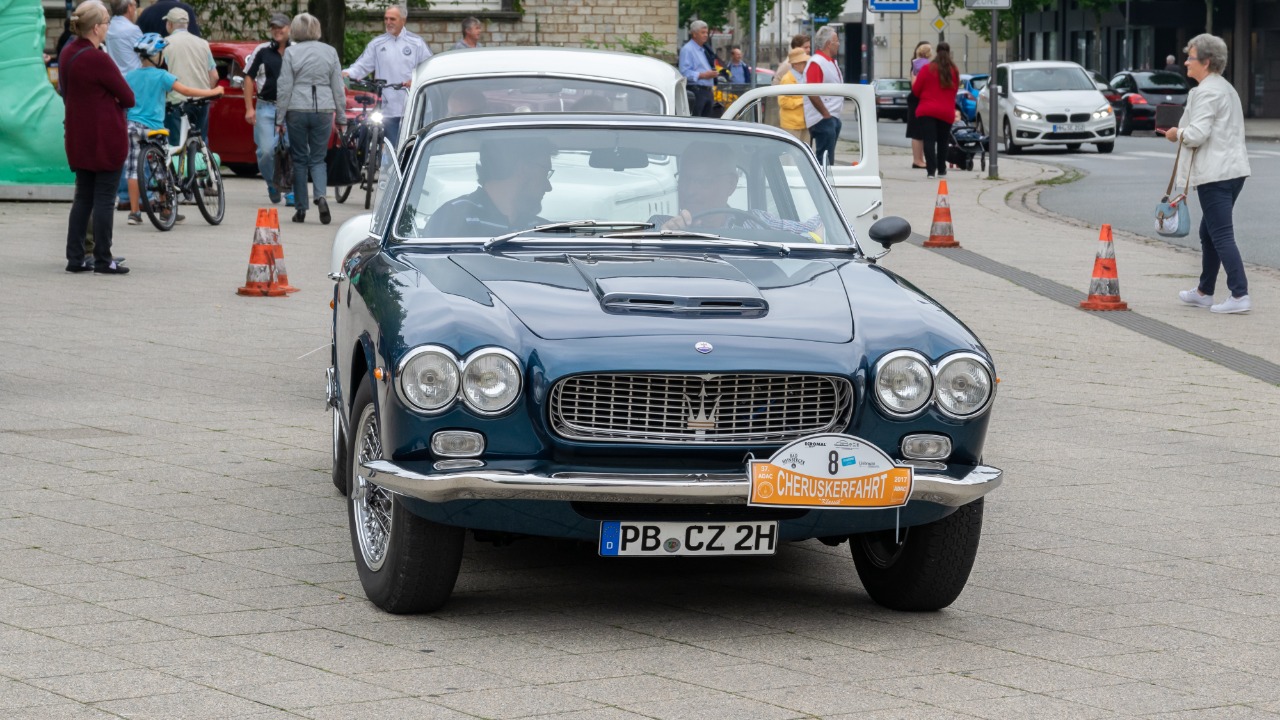
The Maserati 3500 GT marked Maserati’s important transition from a primarily competition-focused company toward building sophisticated road cars. Its elegant Italian bodywork concealed a 3.5-liter inline-six derived from Maserati’s racing experience. The car provided strong performance while offering considerably more comfort than a pure racing machine. Production remained limited compared with mass-market automobiles, and high-quality surviving examples are now rare. The 3500 GT is especially significant because it helped establish Maserati as a manufacturer of luxurious grand touring sports cars.
1958 Austin-Healey Sprite
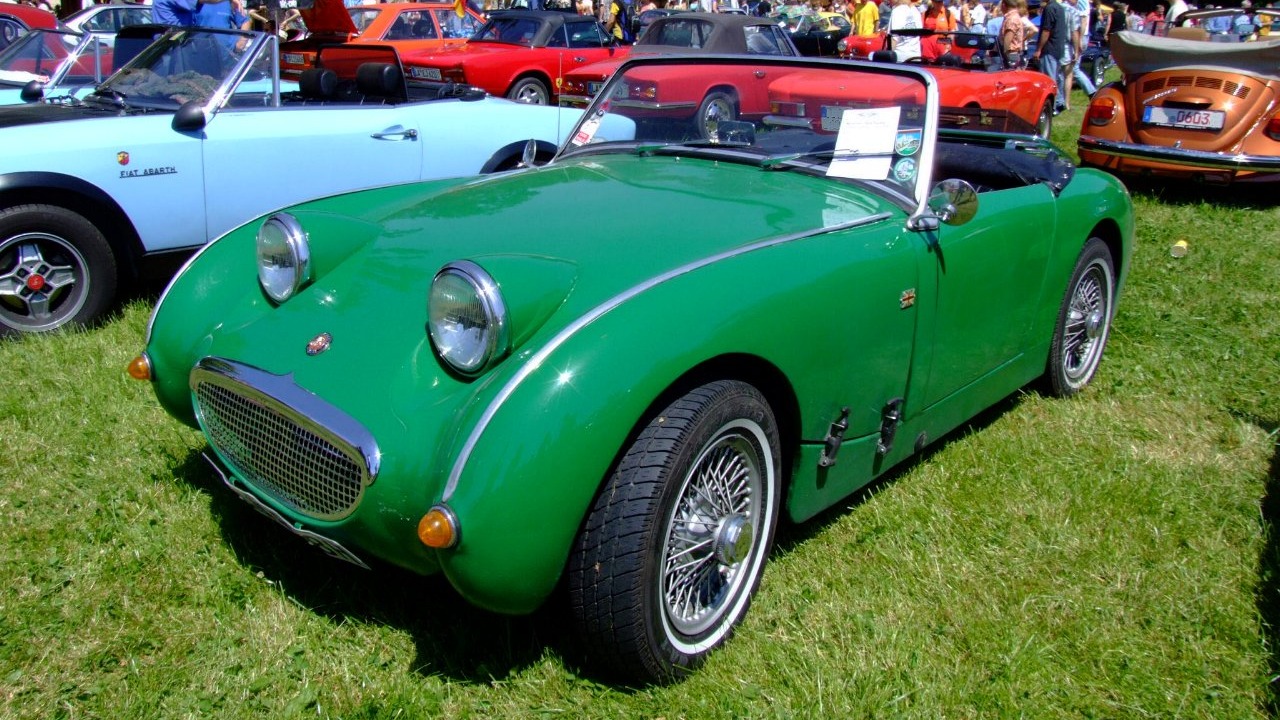
The Austin-Healey Sprite was introduced as a small, affordable British sports car, but early examples have become increasingly collectible. Its lightweight construction, compact dimensions, and simple mechanical layout made it enjoyable on winding roads without requiring a large engine. The original Sprite’s distinctive headlights and minimal bodywork gave it a memorable appearance. Many were modified, raced, or exposed to harsh weather, reducing the number of original examples. A well-preserved early Sprite now provides an excellent example of lightweight British sports-car engineering.
1959 Triumph TR3A
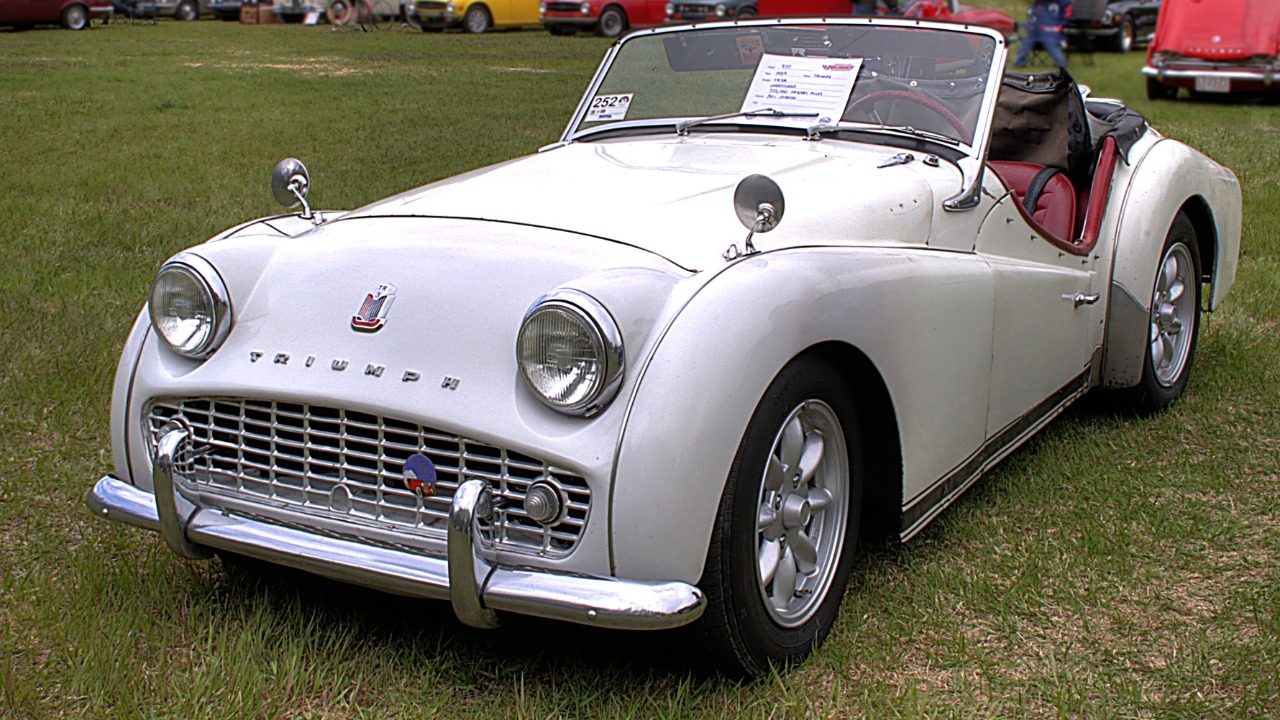
The Triumph TR3A became one of Britain’s best-known affordable sports cars, but early examples with original specifications are considerably less common today. Its rugged four-cylinder engine, rear-wheel drive, and simple roadster body made it ideal for enthusiastic driving. The car’s relatively low weight allowed modest engine output to produce entertaining acceleration. Many TR3As were driven extensively or modified over the decades, while rust claimed others. A properly restored example remains an excellent representation of Britain’s lightweight sports-car tradition during the late 1950s.
1961 Ferrari 250 GTE
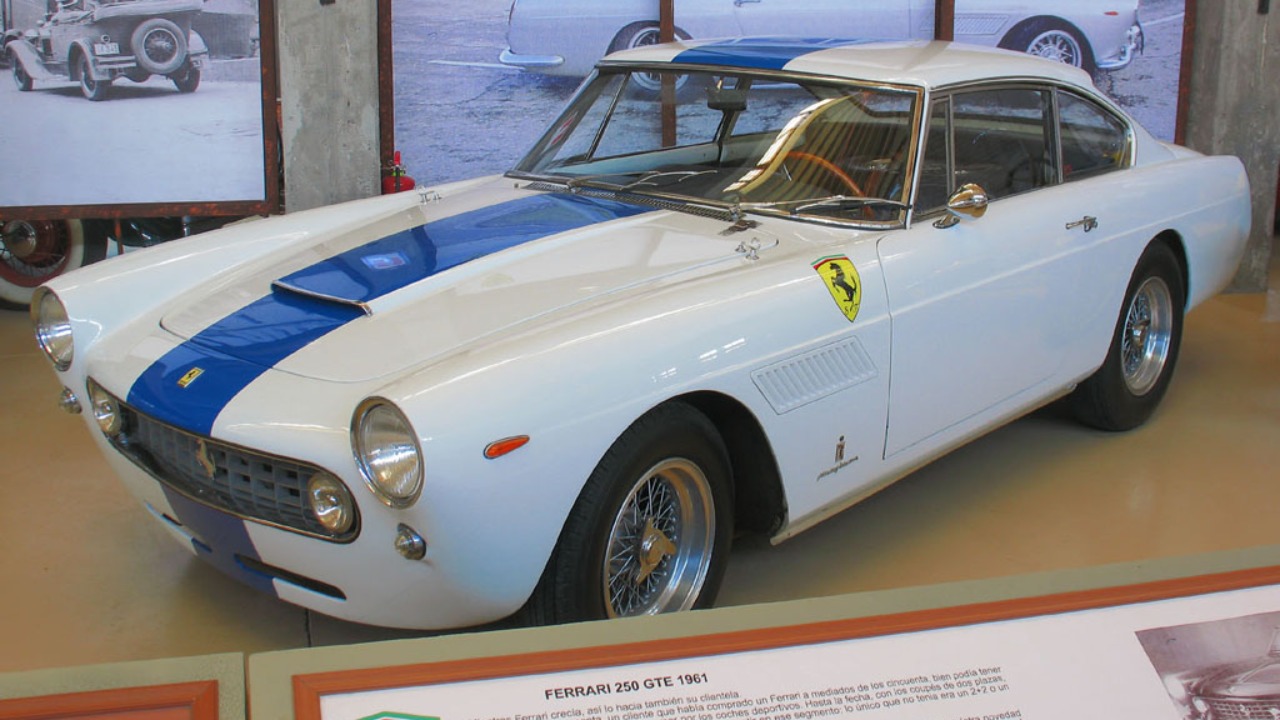
The Ferrari 250 GTE combined Ferrari’s racing heritage with the practicality of a four-seat grand touring car. Its Colombo-designed V12 provided strong performance, while the elegant Pininfarina body made it suitable for long-distance travel. Although the 250 GTE was produced in greater numbers than Ferrari’s competition cars, surviving original examples remain scarce compared with ordinary sports cars. Its importance comes from combining genuine Ferrari performance with usable passenger space. It helped establish the grand touring formula that became central to Ferrari’s road-car identity.
1962 Sunbeam Tiger
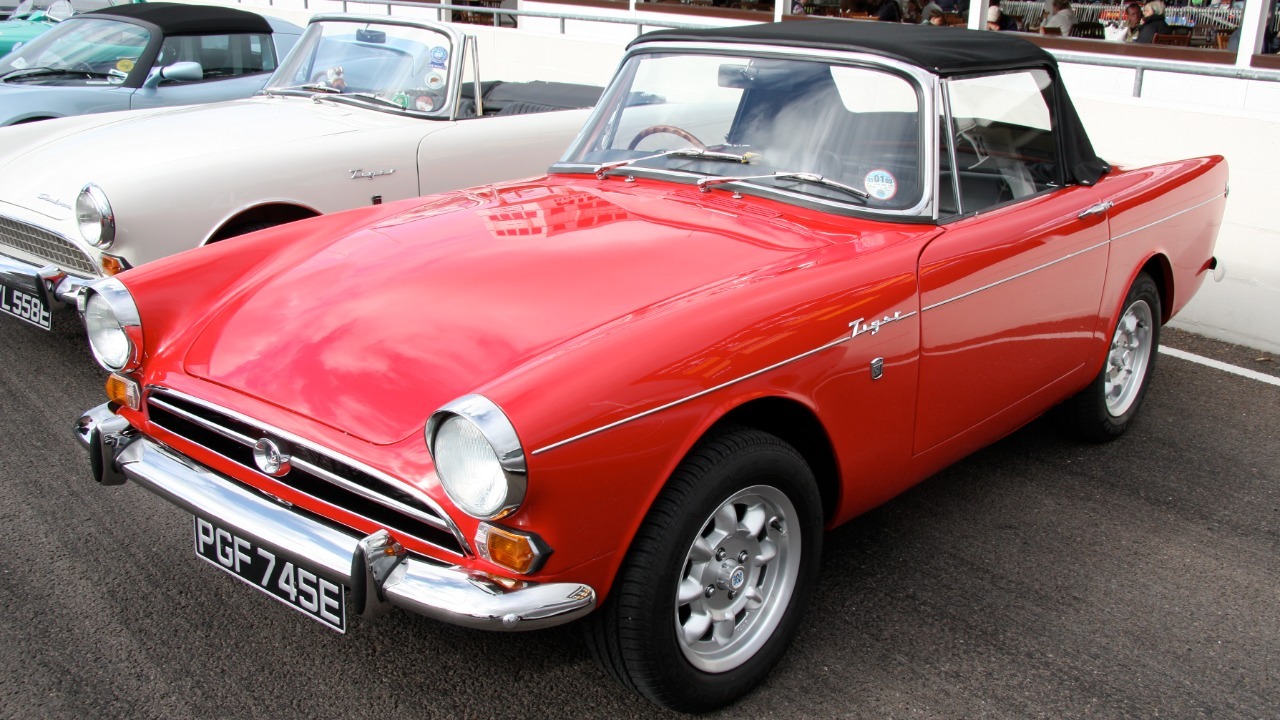
The Sunbeam Tiger transformed a relatively modest British roadster by replacing its original engine with a Ford V8. The result was a lightweight sports car with considerably more straight-line performance than its appearance suggested. Carroll Shelby and later Ken Miles were involved in the car’s development, giving it an interesting connection to American performance engineering. Production numbers remained limited, and many examples were modified or damaged over time. The Tiger is now an especially interesting classic because it combined British handling with American V8 power.
1963 Studebaker Avanti
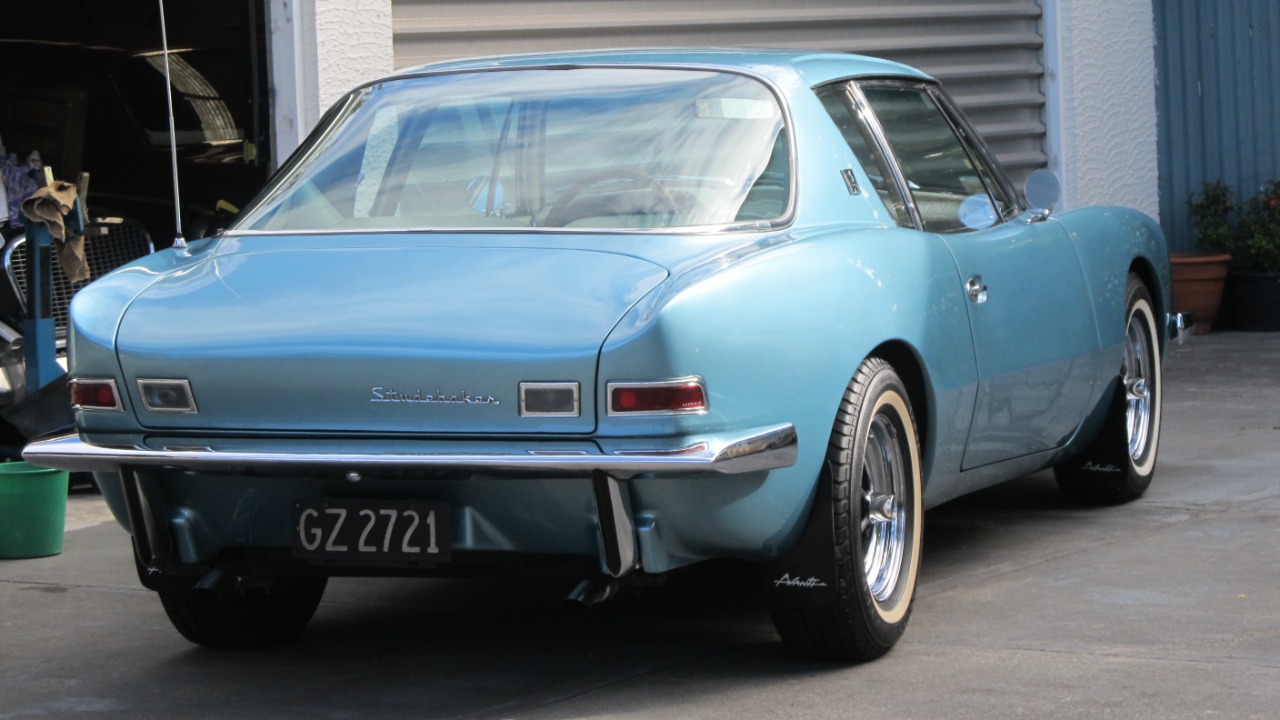
The Studebaker Avanti was an unusually advanced American performance car created during a difficult period for Studebaker. Its fiberglass body featured a dramatic aerodynamic shape, while available V8 engines gave it serious performance for the early 1960s. The Avanti was also developed with attention to handling and high-speed stability rather than simply emphasizing engine size. Production was relatively short, and Studebaker’s declining business limited its impact. Today, the Avanti is remembered as one of the most unusual and technically interesting American sports cars of its decade.
1964 Porsche 904 Carrera GTS
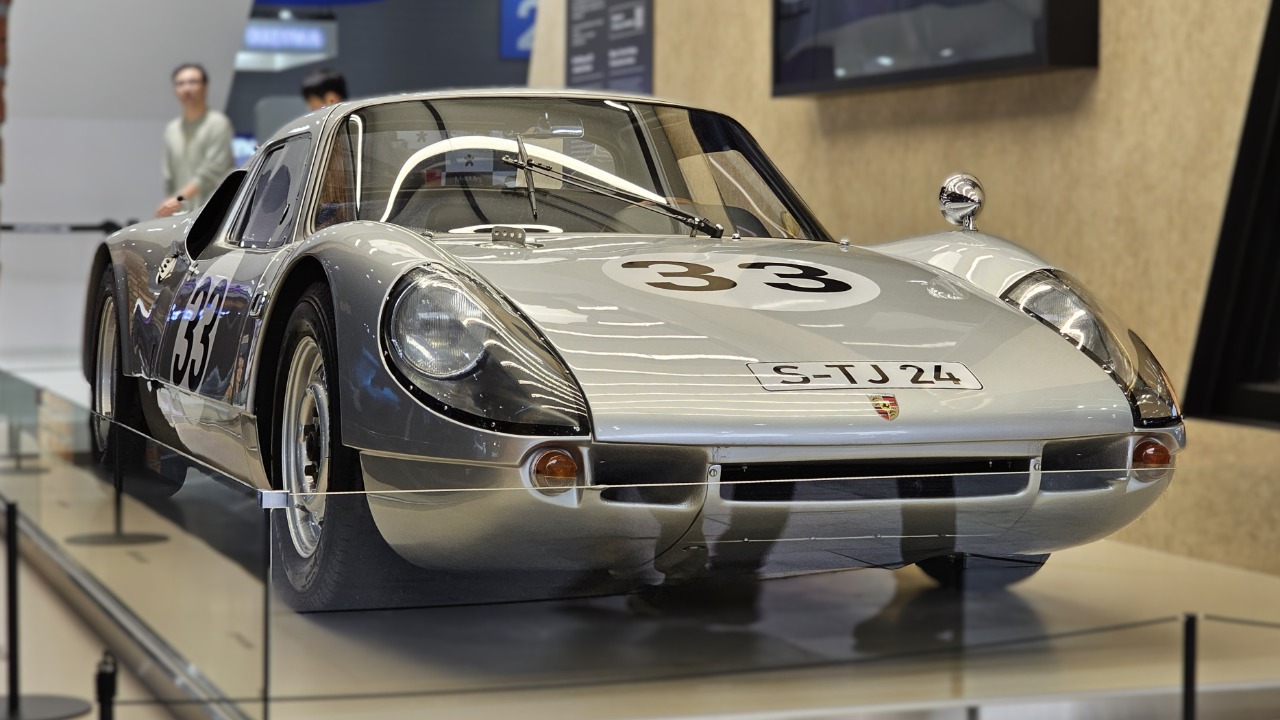
The Porsche 904 Carrera GTS was a lightweight mid-engine competition car developed for racing and sold in very limited numbers. Its fiberglass body was mounted to a tubular steel chassis, while Porsche’s racing-derived engines provided strong performance. The 904 was designed primarily around handling, low weight, and aerodynamic efficiency rather than luxury. Because only a small production run was completed, surviving examples are extremely uncommon. It became one of Porsche’s most important early mid-engine competition cars and a major part of the company’s racing history.
1965 Shelby Cobra 427
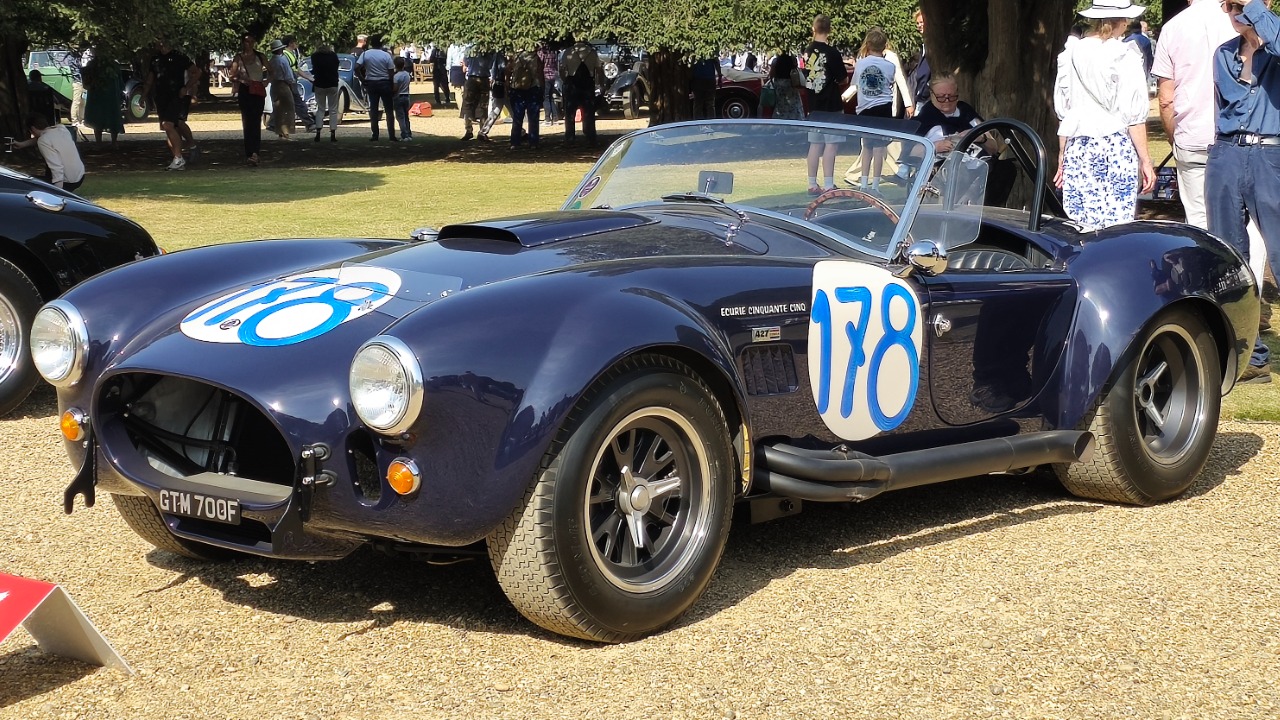
The Shelby Cobra 427 combined a lightweight British roadster body with Ford’s enormous 427-cubic-inch V8. The result was an exceptionally powerful machine with a power-to-weight ratio far beyond most contemporary road cars. Wider bodywork, stronger chassis components, and larger brakes were required to handle the increased output. Production remained extremely limited, and surviving original cars are highly significant. The Cobra 427 demonstrated what could happen when a lightweight sports-car chassis was paired with an American big-block engine built for serious performance.
1965 Toyota Sports 800
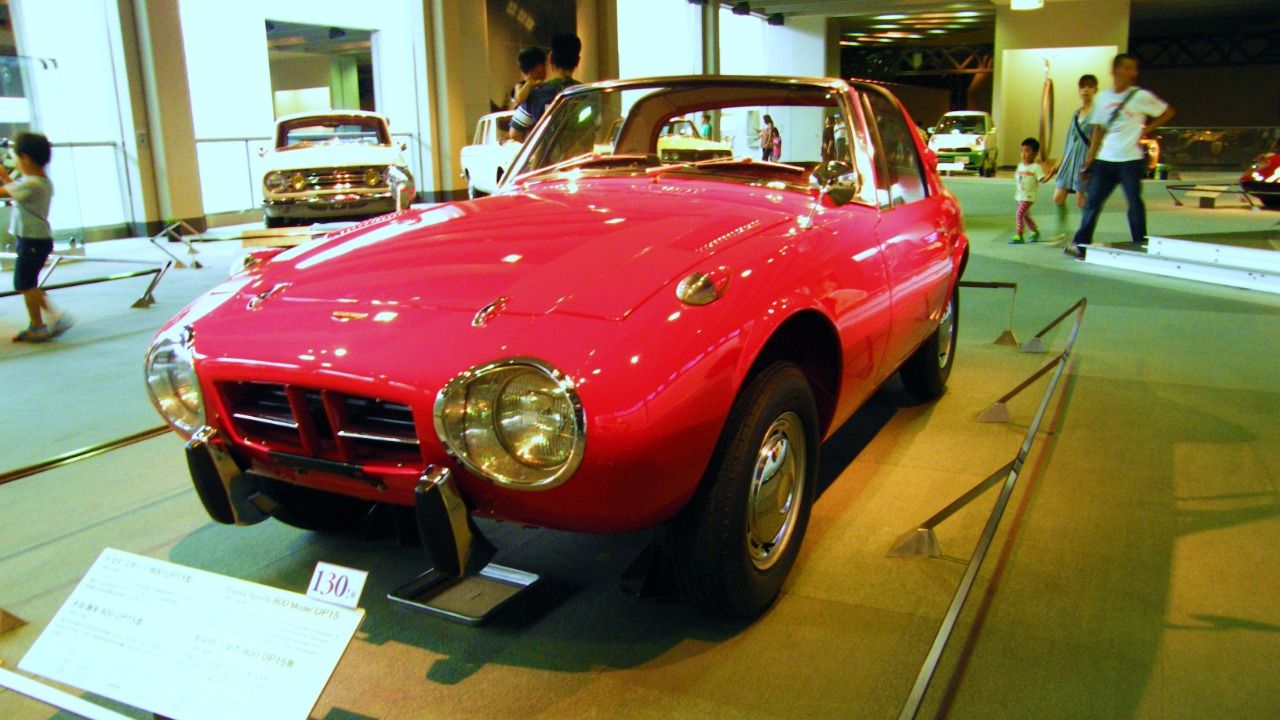
The Toyota Sports 800 was a tiny Japanese sports car that emphasized lightweight construction rather than engine displacement. Its compact two-cylinder boxer engine produced modest power, but the car’s low weight allowed it to remain lively and efficient. An unusual removable roof panel added to its character. Production numbers were relatively small, particularly outside Japan, where the model is far less familiar than later Toyota sports cars. Today, the Sports 800 is an important early example of Japan’s emerging sports-car industry and a genuinely uncommon classic.
1966 Jensen Interceptor
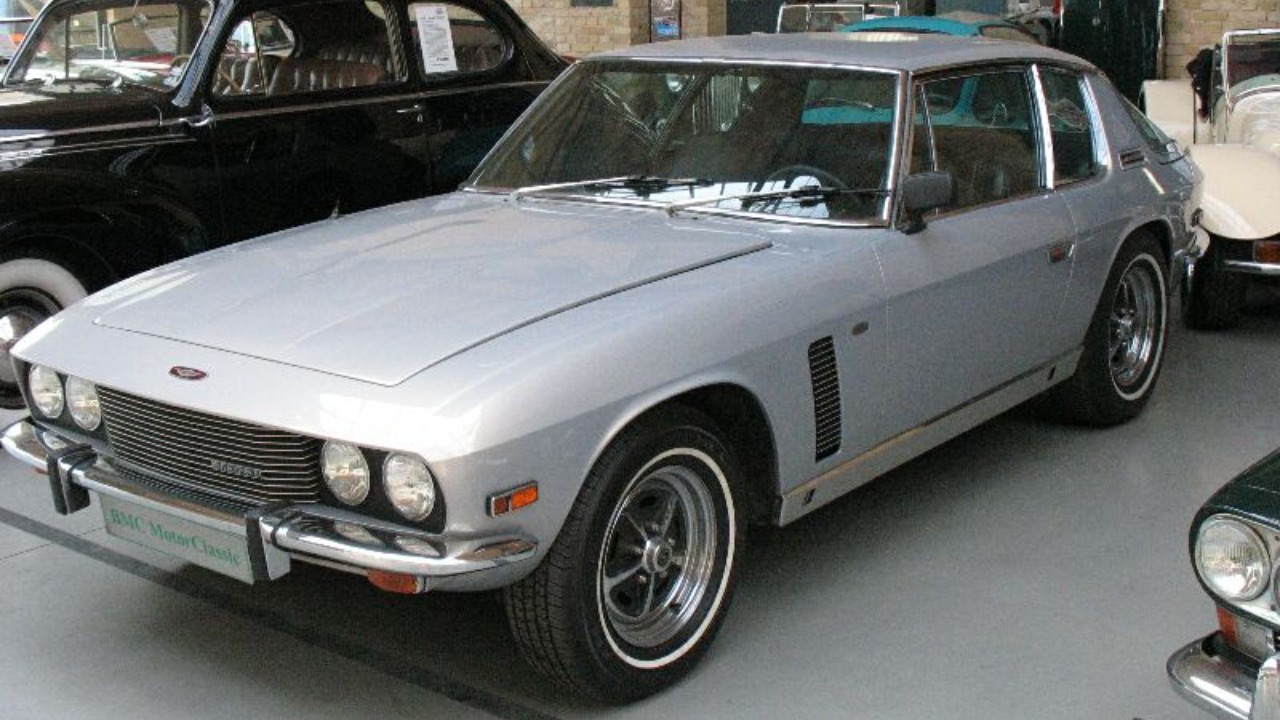
The Jensen Interceptor combined British grand touring design with American V8 power. Its large Chrysler engine gave the elegant coupe strong acceleration, while the spacious interior made it more comfortable than many smaller European sports cars. Jensen produced the Interceptor in limited numbers compared with mainstream manufacturers, and rust and expensive maintenance eliminated many examples. Surviving cars are now relatively rare, especially early versions with original equipment. The Interceptor remains an interesting example of British engineering using American mechanical power to create a fast luxury GT.
1967 Lamborghini Miura
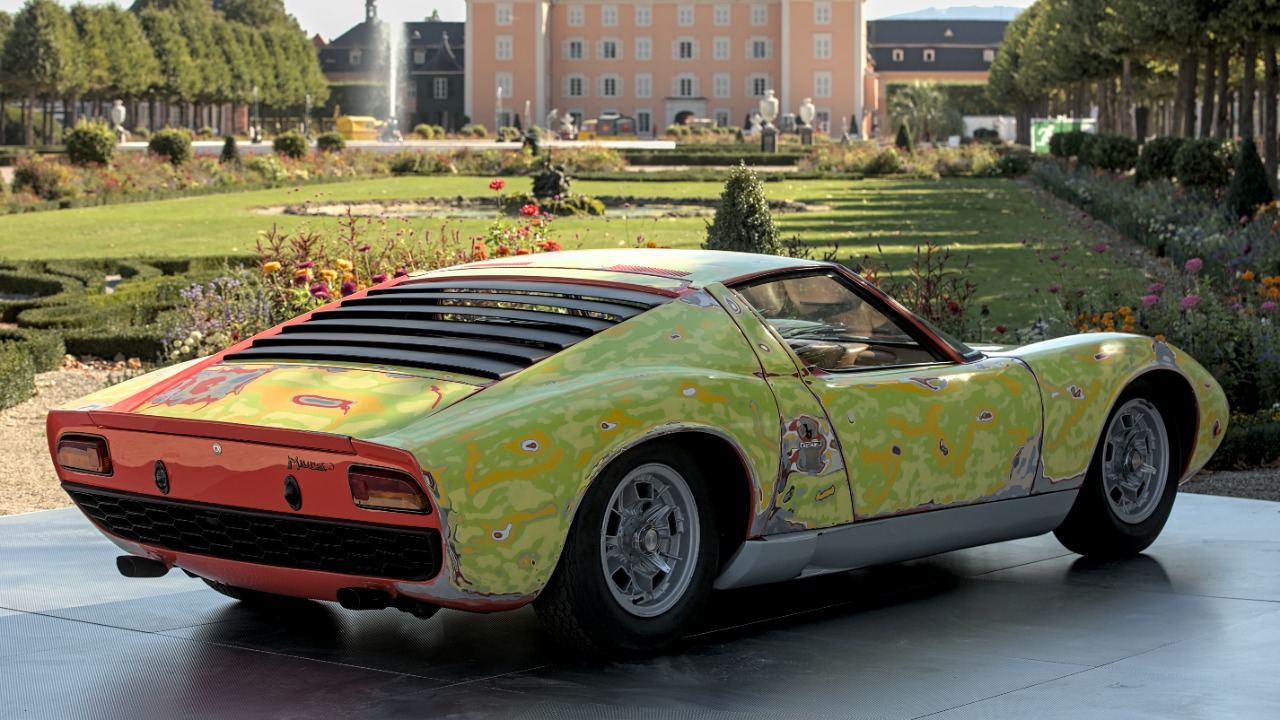
The Lamborghini Miura changed the appearance and engineering direction of high-performance road cars. Its transverse-mounted V12 sat behind the driver, creating a mid-engine layout that was still unusual for production road cars. Marcello Gandini’s dramatic styling made the Miura instantly recognizable, while its lightweight construction and powerful engine delivered serious performance. Production numbers were tiny compared with mainstream sports cars, and surviving original examples are highly sought after. The Miura helped establish the mid-engine supercar formula that became standard among many later exotic manufacturers.
1968 Matra Djet V
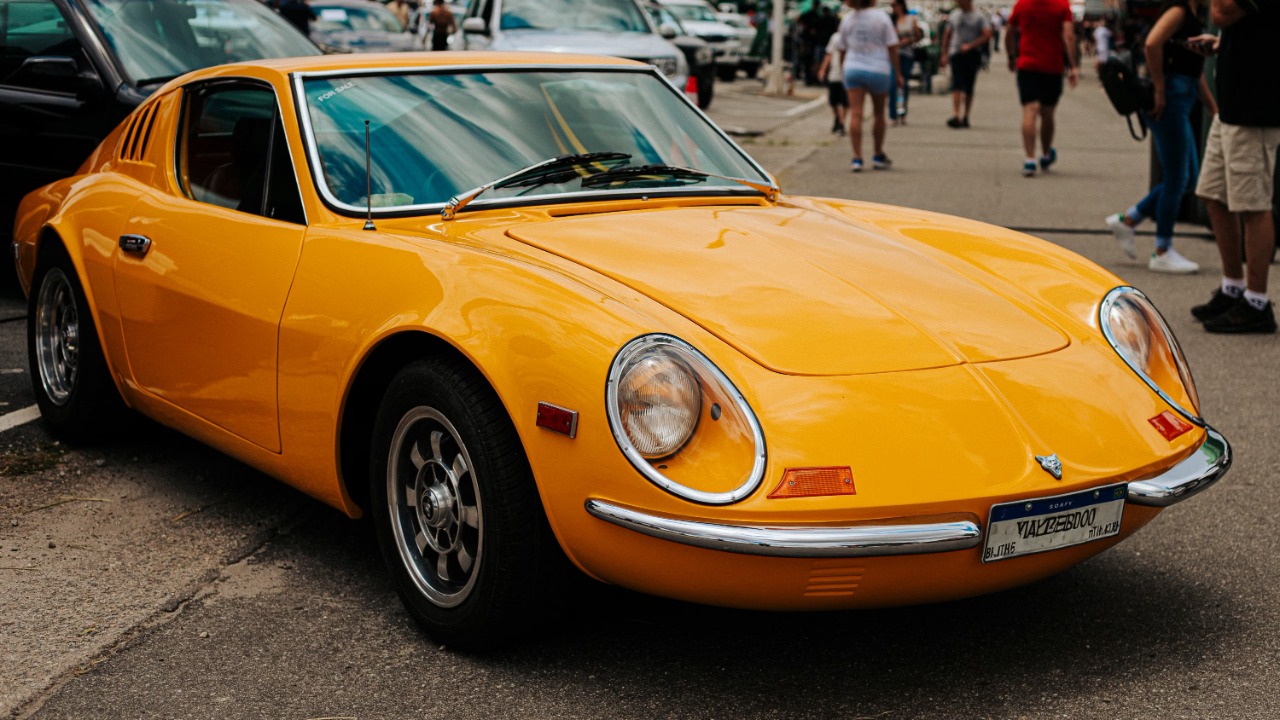
The Matra Djet V was a small French mid-engine sports car with racing-inspired engineering and distinctive styling. Its lightweight fiberglass body helped maximize the performance of relatively modest engines, while the mid-engine layout provided balanced handling. Matra produced the Djet in limited numbers, and the model never became common outside specialist circles. Its unusual combination of compact dimensions, French design, and competition influence makes surviving examples difficult to encounter. The Djet remains one of the lesser-known European sports cars of the 1960s.
1967 Iso Grifo
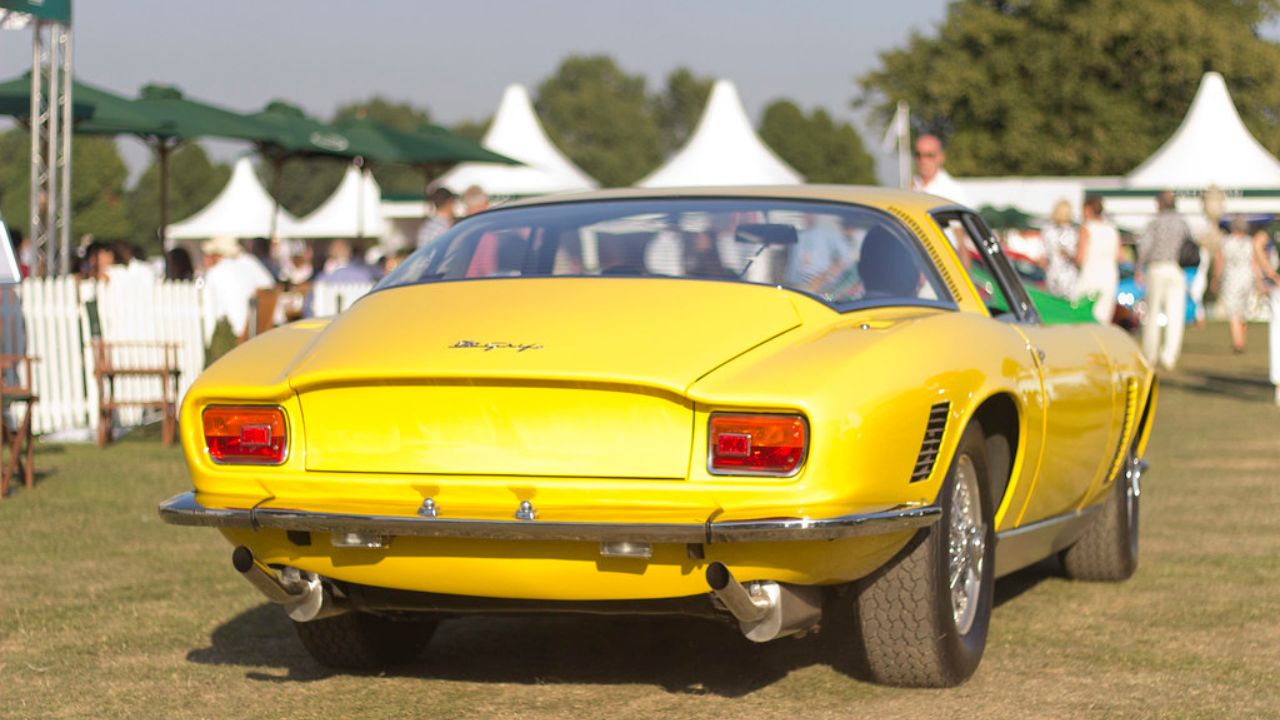
The Iso Grifo was a rare Italian grand touring sports car that combined elegant styling with powerful American V8 engines. Designed with input from Giotto Bizzarrini and Giorgetto Giugiaro, it offered a distinctive mix of Italian craftsmanship and American performance. Its low production numbers kept it uncommon compared with more familiar European sports cars. The Grifo also offered impressive road performance and long-distance comfort, making it an unusual but important example of the high-performance GT cars produced during the 1960s.
More from Fast Lane Only
- Unboxing the WWII Jeep in a Crate
- 15 rare Chevys collectors are quietly buying
- 10 underrated V8s still worth hunting down
- Police notice this before you even roll window down
*Research for this article included AI assistance, with all final content reviewed by human editors.